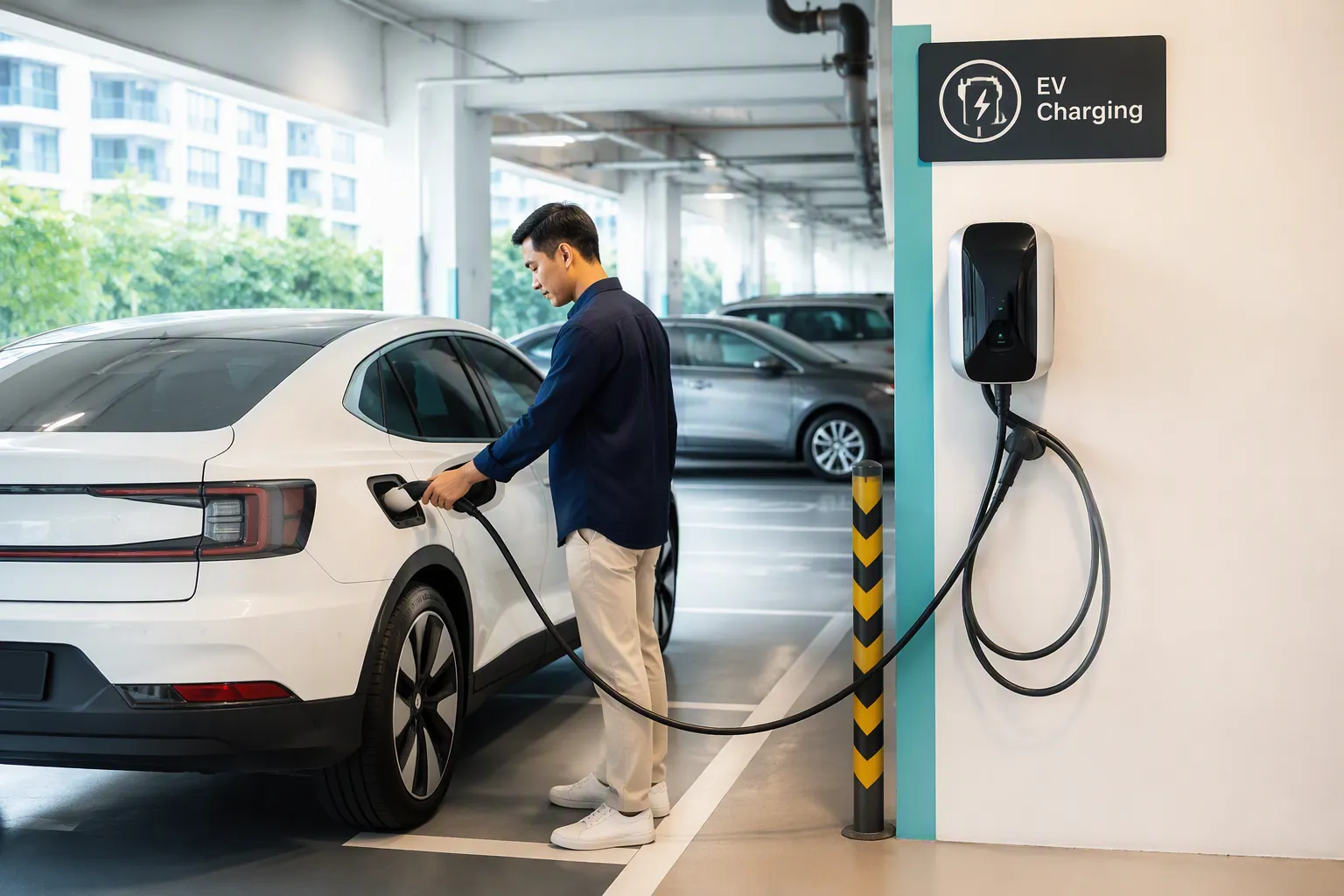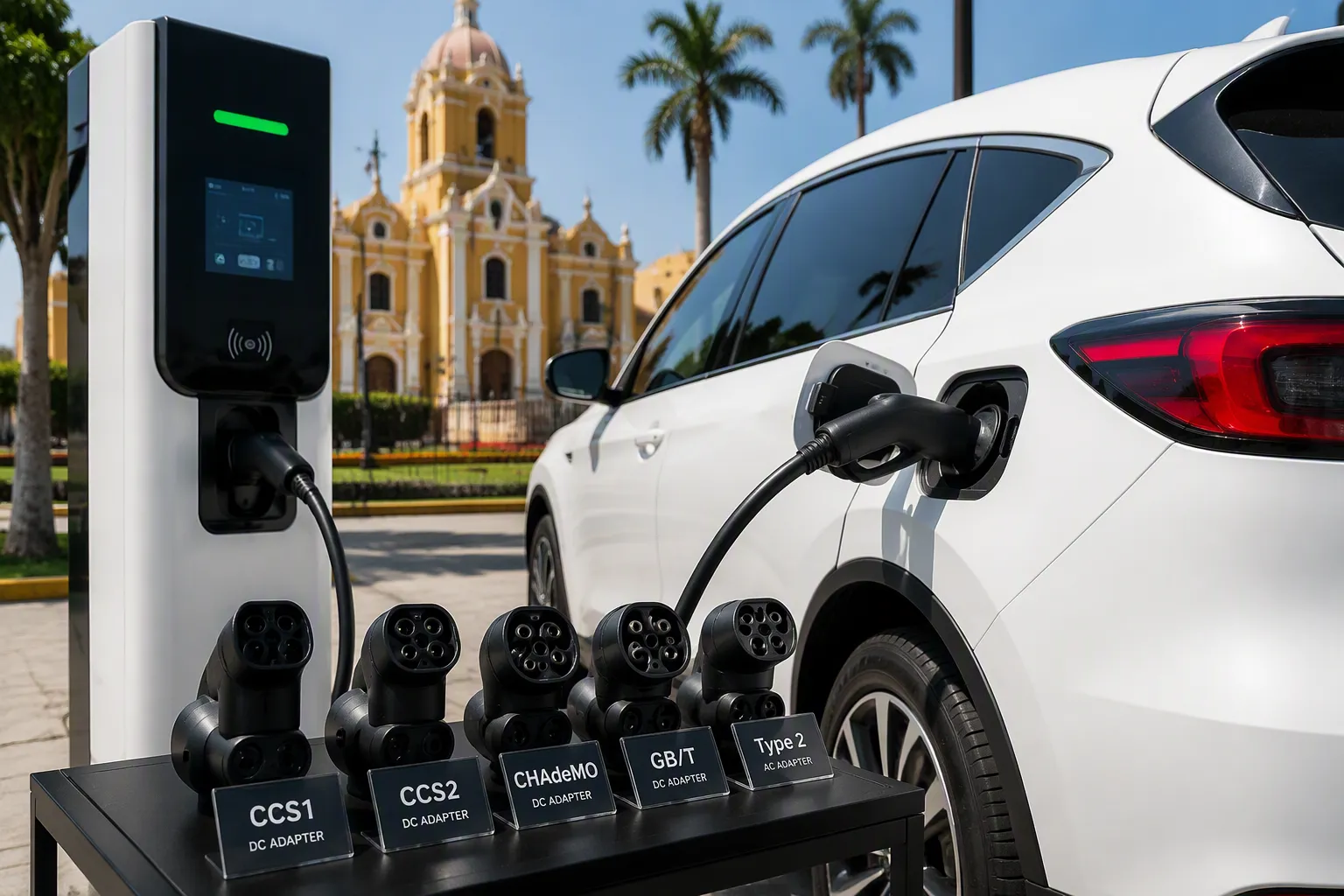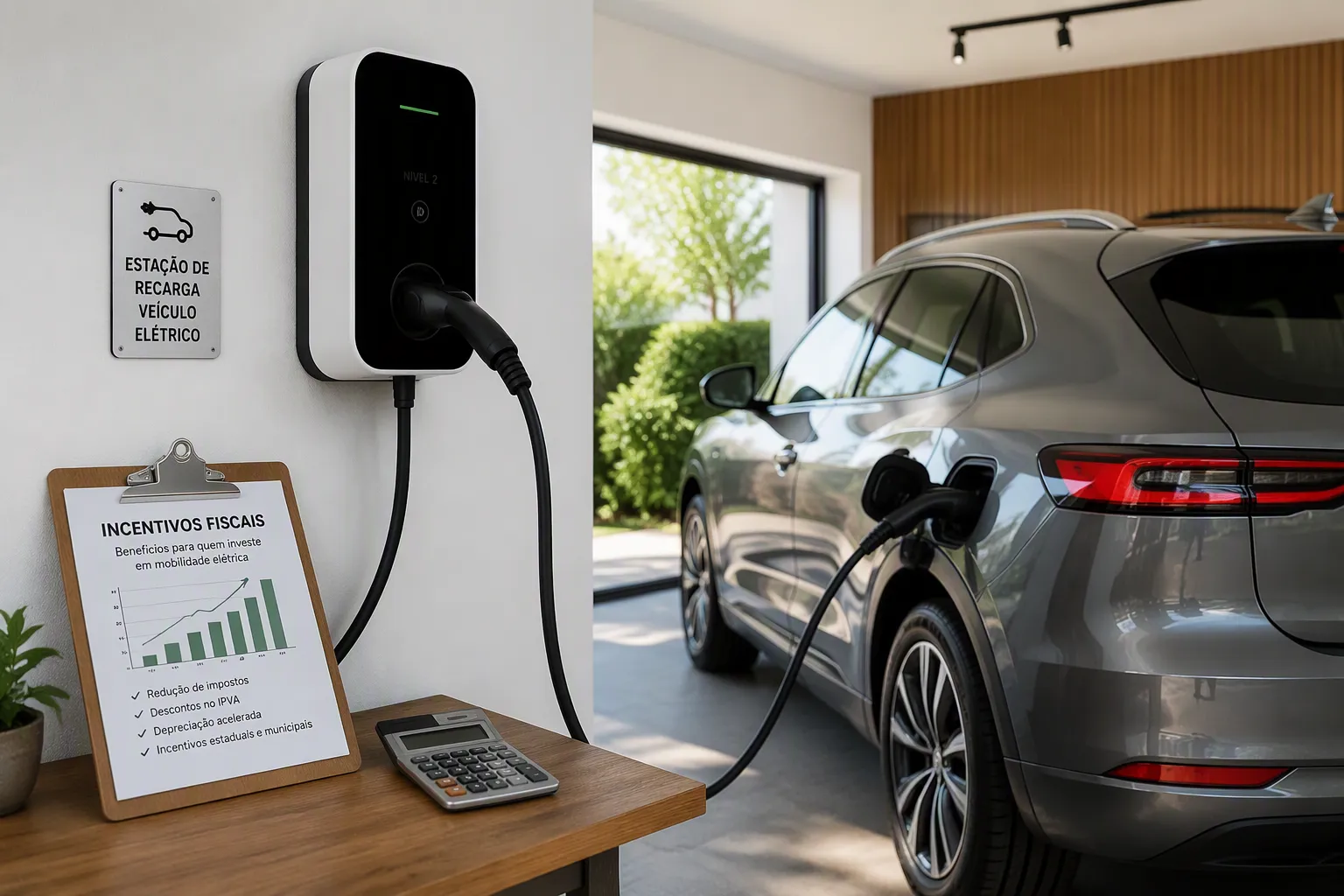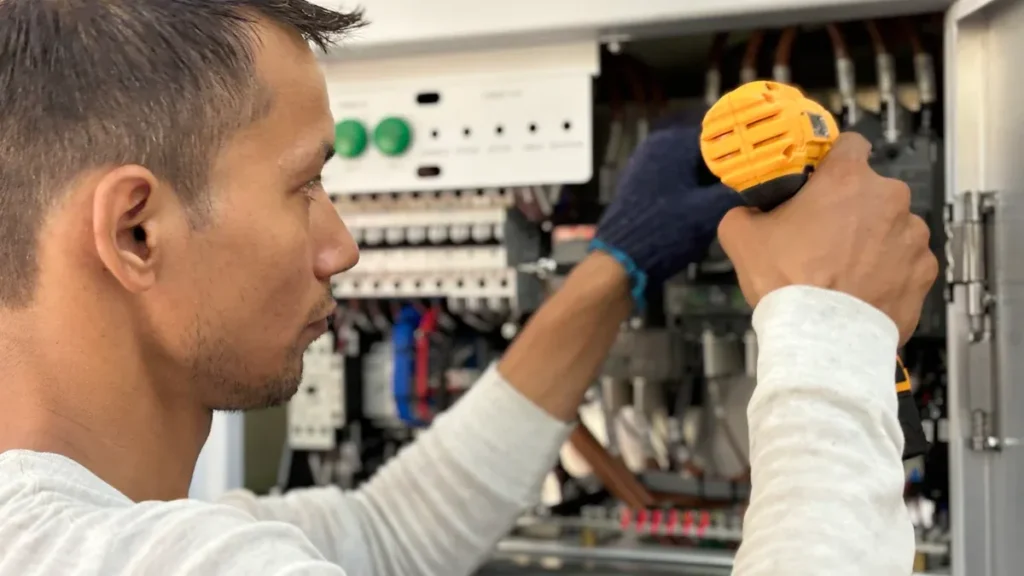

Homeowners in Thailand should avoid self-installing an Carregador EV to protect their home. Fabricantes de carregadores para veículos eléctricos create complex Soluções de carregamento de veículos eléctricos that differ greatly from simple carregadores ev portáteis. A DIY installation risks electrical fires and severe damage to the home’s wiring. This safety checklist offers a clear warning. The checklist underscores why professional installation is the only path for home safety.
For the ultimate protection of one’s home, hiring a certified professional is non-negotiable. This ensures the home’s electrical system can handle the new, heavy load.
The Ultimate DIY Safety Checklist: Key Risks for Thai Homeowners
Attempting a DIY installation is a gamble with your property and personal safety. This ultimate DIY safety checklist details the critical risks homeowners face. It is not a guide for self-installation. It is a clear warning about the dangers involved. Understanding these risks reinforces why professional installation is the only secure choice for your home.
Electrical System Readiness
A home’s electrical system is a complex network. An EV charger introduces a significant new demand. Most existing systems are not prepared for this load without professional assessment and modification.
If you choose the DIY EV charger installation route, there is a high chance that you or someone else will get hurt badly. Some of the risks of installing your own EV charger are Electrical shocks or even accidental electrical fires.
Your Home’s Meter Capacity
Um carregador Nível 2 típico Carregador de veículos eléctricos adds an electrical load of about 7.4 kW to a home’s system. This is a massive increase, roughly seven times more powerful than a standard 1 kW microwave. An undersized meter cannot handle this demand, leading to power outages and potential damage. A professional assesses the meter and determines if an upgrade is necessary for safe operation.
Main Breaker and Board Space
The main distribution board (MDB) is the heart of your home’s electrical system. It must have a spare slot for a new, dedicated circuit breaker for the EV charger. Overloading an existing circuit or using an incorrectly rated breaker is a primary cause of electrical fires. An expert ensures the MDB can safely accommodate the new load.
Grounding System Integrity
Proper grounding is a critical safety feature. It directs stray electrical currents safely into the earth, preventing electrocution and equipment damage. Many older homes in Thailand have inadequate or non-existent grounding systems. A DIY installer might overlook this, creating a life-threatening hazard. A certified electrician always verifies and, if needed, installs a compliant grounding system.
Safe Wiring Path
An EV charger needs a dedicated, heavy-gauge wire running from the MDB to the charging unit. Choosing the wrong wire size can cause it to overheat and melt, creating a severe fire risk. Professionals calculate the correct wire gauge based on the charger’s power and the distance of the run. They also ensure the wiring is protected in a durable conduit, safe from physical damage and environmental factors.
Regulatory and Legal Hurdles
Installing an EV charger in Thailand involves more than just electrical work. It requires navigating a maze of official regulations. Failure to comply can lead to fines and legal complications.
MEA and PEA Standards
Thailand’s electricity authorities, the MEA and PEA, have strict rules for EV charger installations. These regulations are in place to ensure public safety and grid stability. Key requirements include:
- Autorização: Homeowners must get a permit before installation.
- Circuito dedicado: The charger must have its own circuit.
- Inspection: An official inspection is mandatory after installation.
- Qualified Electrician: Only a licensed professional can perform the work.
The Official Approval Process
A certified installer handles the entire approval process. They prepare and submit the necessary documents to the MEA or PEA. They also schedule the final inspection. A DIY installer lacks the credentials and knowledge to manage this official paperwork, which will result in a non-compliant and illegal installation.
Home Insurance Complications
Home insurance policies are based on the assumption that all electrical work is professionally installed and compliant. An uncertified, DIY installation can void your home insurance. If an electrical fire or other damage occurs due to the faulty installation, your insurance provider will likely deny the claim, leaving you with the full financial burden.
Local Building Code Violations
Beyond electricity authority rules, installations must comply with local building codes. These codes govern wiring paths, outdoor weatherproofing, and structural mounts. A DIY job can easily violate these codes, leading to orders to remove the installation and potential fines. This checklist highlights the importance of professional knowledge.
Warranty and Equipment Protection
A DIY installation jeopardizes the expensive equipment you have purchased: your charger and your electric vehicle. Manufacturers provide warranties that come with specific conditions.
Voiding Your Charger Warranty
EV charger manufacturers will void a product warranty if the unit is not installed by a certified professional. Other common reasons for a voided warranty include:
- Tampering with the charging device
- Accidental damage during a DIY installation
- Using the device in a way it was not intended
Risking Your EV’s Warranty
Damage to your vehicle’s battery or onboard charging system from an improperly installed charger is a real possibility. Picos de energia or incorrect voltage from a faulty setup can cause thousands of baht in damage. The vehicle manufacturer will not cover these repairs under warranty if they trace the fault to a non-professional installation.
Surge and Weather Protection
A professional installation includes crucial protective devices. A surge protector shields the charger and your EV from voltage spikes. For outdoor units, proper weatherproofing is essential to prevent water from entering the electronics. A DIY job often misses these vital safety components, leaving your expensive investments vulnerable.
Impact on Home Resale Value
A professionally installed, fully certified EV charging station can be a strong selling point for your home. Conversely, a DIY installation is a major red flag for potential buyers and home inspectors. It suggests hidden electrical problems and will likely need to be removed and reinstalled correctly, reducing your home’s value and appeal.
Decoding Your Home’s Electrical System
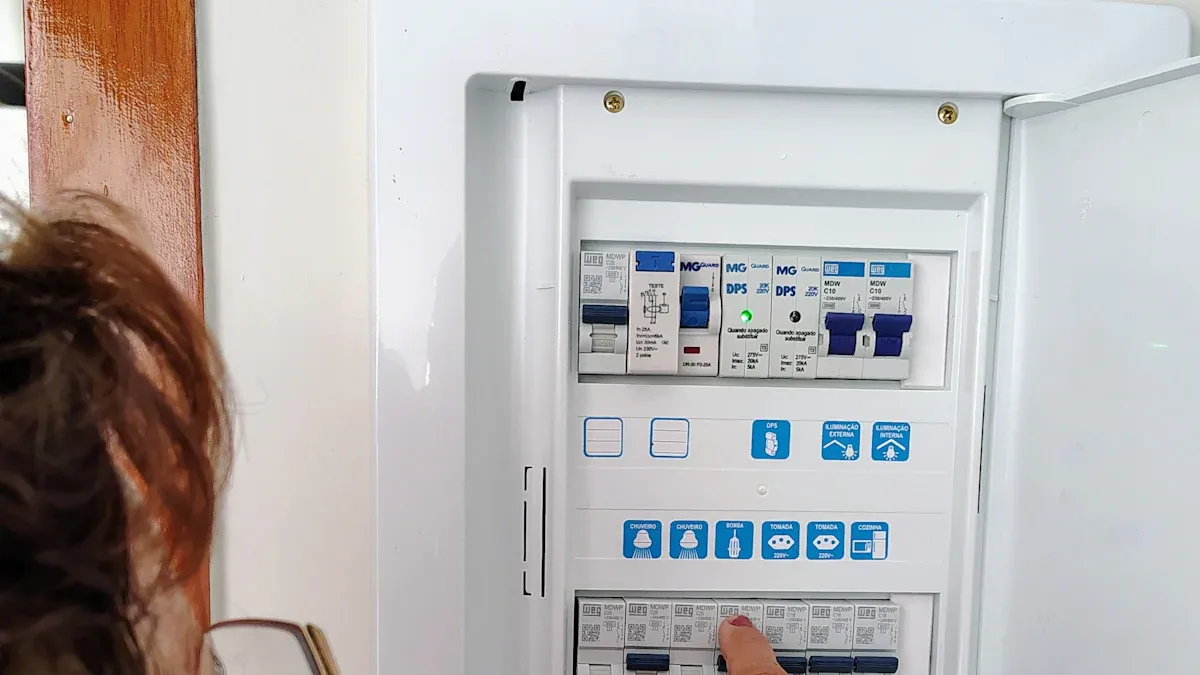
A homeowner must understand their home’s electrical framework before considering an Carregador de veículos eléctricos. This system is the foundation for a safe installation. An EV charger places a heavy, continuous demand on a home’s electrical capacity, which requires careful evaluation.
Understanding Your Meter Size
The electric meter is the gateway for all power entering a home. Its size dictates the maximum amount of electricity the property can draw from the grid at one time.
What is a 15(45)A Meter?
A 15(45) Ampere meter is common in older or smaller homes in Thailand. The “15” indicates the normal operating current, while the “(45)” shows the maximum current it can handle for short periods. This capacity is generally insufficient for adding a Level 2 EV charger alongside regular household appliances.
What is a 30(100)A Meter?
A 30(100) Ampere meter is the modern standard for a single-phase home planning an EV charger installation. It provides enough capacity to support the charger’s high load plus other household electronics without risking overloads. Most new home constructions include this meter size.
How to Request a Meter Upgrade
Homeowners can request a meter upgrade directly from their local electricity authority, either the MEA or PEA. A eletricista certificado can assist with the application process, ensuring all paperwork and technical requirements are met for a smooth transition.
Calculating Your Home’s Load
A professional installer performs a load calculation to assess a home’s total electricity consumption. This calculation adds the power usage of all major appliances to the proposed EV charger. The result confirms if the existing meter and main breaker can handle the combined demand safely.
The Main Distribution Board (MDB)
The Main Distribution Board, or breaker box, is the control center for a home’s electricity. It distributes power to different circuits and contains critical safety devices.
Identifying a Safe MDB
A safe MDB is modern, properly installed, and free from damage. An installer will inspect it for any red flags that indicate it is unsafe for an EV charger connection. Signs of an outdated or hazardous MDB include:
- A missing or broken cover that exposes wires.
- Construction from flammable materials like wood.
- Visible burn marks or scorching on the unit.
- Old, discolored, or damaged circuit breakers.
- Loose or exposed wiring inside or around the box.
The Role of Circuit Breakers
Circuit breakers are automatic safety switches. They protect each circuit from damage caused by overcurrent or short circuits. An EV charger requires its own dedicated circuit breaker, correctly sized to match the charger’s power rating, to prevent overloading and fire hazards.
What is a Residual Current Device (RCD)?
A Residual Current Device (RCD), sometimes called an RCBO or RCCB, is a life-saving device. It rapidly disconnects power if it detects an earth fault, such as current flowing through a person. MEA and PEA regulations mandate an RCD for all EV charger circuits.
Ensuring Proper Grounding
A proper grounding system is non-negotiable for electrical safety. It provides a safe path for stray electricity to travel to the earth, protecting people from electric shock and equipment from damage. An electrician must verify the home has a compliant ground rod and connection.
Essential Wiring and Components
The correct wiring and components are vital for a durable and safe installation that protects the charger, the vehicle, and the home itself.
Choosing the Right Wire Type
An installer selects a specific wire gauge (thickness) based on the charger’s amperage and the distance from the MDB. Using a wire that is too thin is a serious fire risk, as it can overheat under the constant load.
Conduit and Physical Protection
Wires running from the MDB to the charger must be enclosed in a protective conduit. This plastic or metal tubing shields the wiring from physical damage, moisture, and UV radiation, ensuring long-term safety and reliability.
The Importance of Isolation Switches
An isolation switch, or “AC isolator,” is a manual switch installed near the charger. It allows a user or technician to completely cut off power to the charging unit for maintenance or in an emergency, adding an essential layer of control.
Weatherproofing Outdoor Setups
For chargers installed outdoors, comprehensive weatherproofing is critical. This includes using weather-resistant conduits, sealed electrical boxes, and a charger with an appropriate Ingress Protection (IP) rating to prevent water and dust from damaging the electronics.
The Professional Advantage: What You Pay For
Hiring a certified installer is an investment in safety and quality. The cost covers far more than just the physical labor; it encompasses expertise, compliance, and long-term security for your home. A professional service ensures every step, from planning to post-installation support, meets the highest standards.
Site Survey and Consultation
The installation process begins with a thorough evaluation of your property. This initial step is critical for a safe and efficient setup.
Professional Load Calculation
An installer first performs a professional load calculation. This assessment determines the total electricity consumption of your home, including all existing appliances plus the new EV charger. It confirms if your current system can handle the increased demand without risk.
Identifying Potential Hazards
During the site survey, a certified technician evaluates the property for any potential hazards. This includes checking the condition of the existing wiring, the location of the main board, and the proposed charging spot for any safety concerns.
Customizing the Installation Plan
A technical surveyor uses the site survey data to design a custom solution for your specific needs.
A professional assesses your property, evaluates the electrical supply, and understands your requirements. This allows them to recommend the most suitable charger and installation path for your home. They also check for stable WiFi or mobile data signals for smart charger connectivity.
Providing a Clear Quotation
Following the comprehensive survey, the installer provides a detailed and transparent quotation. This document outlines all costs for materials, labor, and any necessary electrical upgrades, ensuring there are no hidden fees.
Certified Installation and Compliance
A professional guarantees that the installation work is not only functional but also fully compliant with Thai law.
Use of Compliant Materials
The quality of an installation depends heavily on the materials used. Professionals source high-quality, compliant components, from wiring to circuit breakers. Using even one faulty or non-standard part can compromise an entire electrical system. This commitment to quality protects the home from electrical faults.
Adherence to MEA/PEA Rules
Certified installers have an in-depth understanding of the strict regulations set by the MEA and PEA. They ensure every aspect of the installation, from circuit protection to wiring methods, adheres to these official safety standards.
Proper Tools and Techniques
Professionals use specialized tools and proven techniques that are not available to the average DIYer. This access to proper equipment ensures the installation is performed safely, correctly, and efficiently.
Handling Authority Paperwork
A key advantage is that the installer manages all required paperwork. They handle the application process with the MEA or PEA, schedule inspections, and ensure all legal formalities are completed. This service protects the home from future liability.
Tranquilidade Pós-Instalação
O serviço não termina quando o carregador está fixado na parede. A instalação profissional inclui benefícios valiosos a longo prazo.
A Garantia da Instalação
Instaladores certificados oferecem uma garantia para o seu trabalho de instalação, que é separada da garantia do produto do carregador. Esta normalmente cobre problemas relacionados com a mão de obra e a fiação. No entanto, a garantia é anulada por:
- Violação ou modificação do carregador.
- Reparações efetuadas por uma pessoa não autorizada.
- Utilização incorreta do equipamento.
Documentos Oficiais de Certificação
Após a conclusão e uma inspeção bem-sucedida, o proprietário da habitação recebe documentos oficiais de certificação. Estes papéis servem como prova de que a instalação é segura, conforme as normas e legalmente reconhecida pelas autoridades de eletricidade.
Suporte e Serviço Contínuos
Empresas de instalação reputadas oferecem suporte contínuo. Se surgir qualquer problema com a instalação, os proprietários têm um profissional confiável a quem recorrer para assistência e serviço.
Proteger os Seus Investimentos
Em última análise, pagar por um serviço profissional é a melhor forma de proteger os seus investimentos. Uma instalação certificada protege o carregador, o veículo elétrico e, mais importante, a sua casa.
Encontrar e selecionar um instalador qualificado
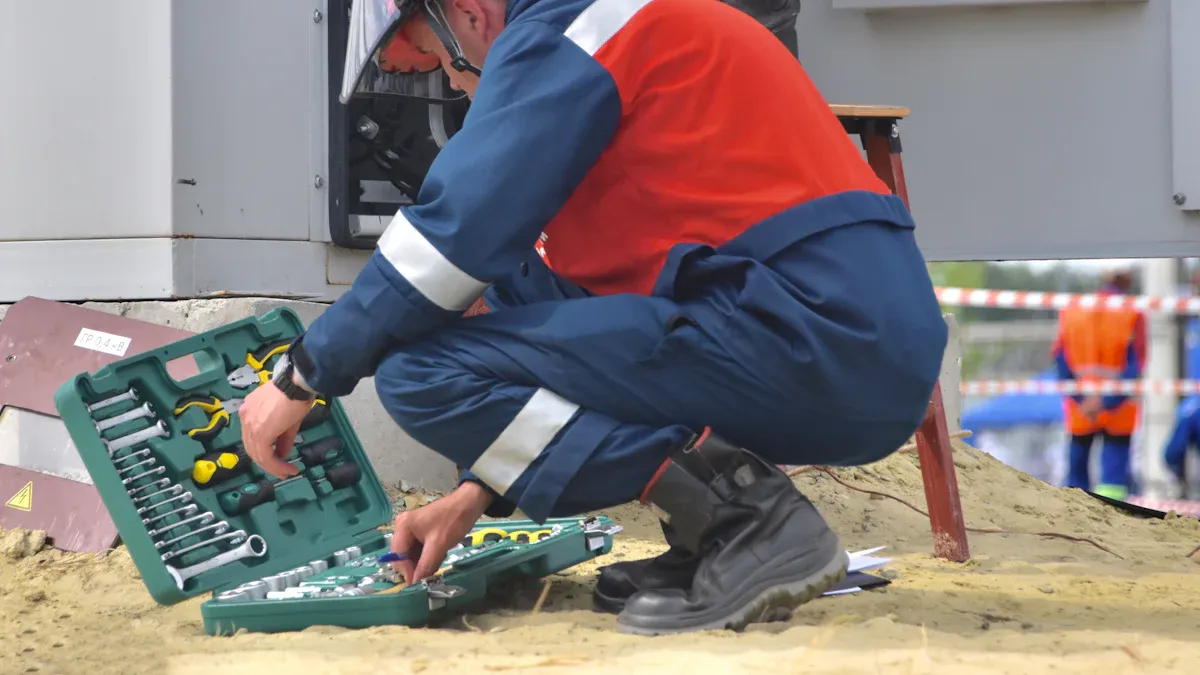
Selecionar o instalador certo é a decisão mais importante que um proprietário tomará neste processo. Um profissional qualificado garante a segurança e a conformidade da instalação. Este guia ajuda os proprietários a identificar, questionar e avaliar potenciais instaladores para proteger o seu investimento e a sua casa.
Onde Encontrar Profissionais Certificados
Encontrar um instalador confiável requer procurar nos lugares certos. Os proprietários têm vários canais confiáveis para explorar na busca de especialistas certificados.
Recomendações de Concessionárias Automóveis
As concessionárias de automóveis frequentemente estabelecem parcerias com empresas de instalação reputadas. Elas podem fornecer referências para instaladores que estão familiarizados com a marca específica do veículo e os seus requisitos de carregamento, garantindo uma experiência tranquila para o novo proprietário de um VE.
Empresas Especializadas em Instalação de VE
Empresas que se focam exclusivamente em carregamento de VE, como a fornecedora de soluções tecnologicamente avançada TPSON, oferecem um conhecimento profundo. Estas empresas empregam equipas especificamente treinadas para a instalação de carregadores de VE e compreendem os requisitos complexos para uma casa moderna.
Avaliação de Eletricistas Licenciados
Um eletricista licenciado geral pode não ter o treino específico para carregadores de VE. Um proprietário deve verificar se o eletricista possui uma certificação atualizada para a instalação de equipamento de alimentação para VE (EVSE), que é uma competência especializada.
Verificação de Avaliações Online e Portfólios
O desempenho passado é um forte indicador da qualidade futura. Os proprietários devem verificar avaliações online e pedir um portfólio de instalações anteriores. Isto permite-lhes avaliar a qualidade do trabalho e o profissionalismo antes de assumir um compromisso.
Questões-Chave para o Seu Instalador
Um proprietário deve realizar uma entrevista minuciosa com qualquer potencial instalador. As respostas a estas questões revelarão o seu nível de profissionalismo e conhecimento.
“É Certificado para Carregadores de VE?”
Esta é a questão mais crítica. O instalador deve fornecer prova de treino e certificação específicos para instalação de carregadores de VE, uma vez que difere significativamente do trabalho elétrico padrão.
“Pode Fornecer Comprovativo de Seguro?”
Um instalador profissional deve possuir um seguro de responsabilidade civil abrangente. Isto protege o proprietário de quaisquer danos acidentais.
Na Tailândia, o seguro de um instalador qualificado deve incluir:
- Uma cobertura mínima de 10.000.000 Baht por incidente.
- Cobertura para danos corporais e à vida.
- Cobertura para danos a propriedade de terceiros.
“Que Garantia Oferece?”
Os instaladores devem oferecer uma garantia pelo seu trabalho, separada da garantia do produto do carregador. Isto garante a qualidade da fiação e da mão de obra, proporcionando tranquilidade para a casa.
“Vai Tratar da Aprovação da MEA/PEA?”
Uma parte fundamental de um serviço profissional é gerir toda a papelada oficial. O instalador deve confirmar que tratará de todo o processo de candidatura e inspeção junto da MEA ou PEA em nome do proprietário.
Sinais de alerta a que estar atento
Certos sinais de alerta indicam que um instalador pode não ser qualificado ou digno de confiança. Um proprietário deve estar vigilante para evitar estas bandeiras vermelhas.
Orçamentos Anormalmente Baixos
Um orçamento significativamente mais baixo do que outros sinaliza frequentemente o uso de materiais de qualidade inferior ou a falta de certificação adequada. Isto pode comprometer a segurança de toda a casa.
Relutância em Fornecer Credenciais
Um profissional qualificado terá orgulho em partilhar as suas certificações e comprovativo de seguro. Qualquer hesitação ou recusa em fornecer estes documentos é uma grande bandeira vermelha.
Ausência de Contrato ou Documentação Oficial
Uma instalação deve ser regida por um contrato formal. Um acordo verbal não oferece proteção. A ausência de um contrato é um sinal claro para evitar um instalador. Um contrato adequado deve detalhar:
- O orçamento final e os termos de pagamento.
- As responsabilidades do cliente e do instalador.
- As políticas para cancelamento ou atrasos.
Insistir num Acordo Apenas em Dinheiro
Um instalador que insiste num pagamento apenas em dinheiro pode estar a operar sem o registo ou seguro adequados. Esta prática evita um rasto documental e deixa o proprietário sem recurso legal se algo correr mal com a instalação na sua casa.
O veredicto final é claro. Esta lista de verificação de segurança mostra que os riscos de uma instalação DIY superam em muito qualquer poupança de custos para uma casa. Um proprietário deve priorizar a proteção da sua casa. Pela segurança da casa, do veículo e da família, contratar um profissional é não negociável na Tailândia. Uma instalação certificada protege os investimentos do proprietário e a sua casa.
Um proprietário deve contactar uma empresa certificada de instalação de carregadores de VE para agendar uma avaliação profissional do local na sua casa.
FAQ
Quanto tempo demora uma instalação profissional?
Uma instalação padrão numa casa demora tipicamente entre duas a quatro horas. A duração depende da complexidade do percurso da fiação desde o quadro principal até à localização do carregador. Um profissional garante que o trabalho é feito de forma eficiente e segura para a casa.
Qual é o custo médio de uma instalação?
O custo varia com base em vários fatores para cada casa. Estes incluem o modelo do carregador, o comprimento da fiação necessária e se a casa requer uma atualização do sistema elétrico. Um instalador certificado fornece um orçamento detalhado após uma avaliação do local.
Um proprietário pode usar uma tomada normal em vez disso?
Usar uma tomada normal proporciona um carregamento muito lento Carregamento de nível 1. Não é uma solução permanente para uma casa. Um carregador Nível 2 dedicado oferece um carregamento muito mais rápido e eficiente, sendo a escolha prática para uso diário.
E se a minha casa for antiga?
As casas mais antigas geralmente requerem atualizações no sistema elétrico para suportar com segurança um carregador de veículo elétrico (VE). Um instalador profissional avaliará o quadro principal, a fiação e o sistema de aterramento. Eles determinarão as atualizações necessárias para tornar a casa compatível e segura para a instalação.
Preciso de um novo medidor para minha casa?
Muitas casas antigas com medidor de 15(45)A necessitam de uma atualização para um medidor de 30(100)A. Esta atualização garante que a casa tenha capacidade suficiente para suportar a carga do carregador, além do uso elétrico doméstico regular, sem risco de sobrecarga.
O que acontece se eu me mudar para uma nova casa?
O proprietário pode solicitar a desinstalação do carregador de VE por um profissional e sua reinstalação na nova residência. O instalador avaliará o sistema elétrico da nova propriedade para garantir uma configuração segura e conforme os regulamentos, tal como na instalação original.
Por que uma lista de verificação de segurança é importante?
Uma lista de verificação de segurança destaca os riscos críticos associados a uma instalação por conta própria. Ela enfatiza os requisitos técnicos e legais para instalar um carregador em uma residência. Seguir suas orientações, contratando um profissional, protege a propriedade e garante a conformidade com todas as regulamentações.