Homeowners in the UK often face challenges when they install an electric car charger, including limited electrical capacity and space constraints. Many Produsen pengisi daya EV recommend that users understand how to charge an electric car at home by reading vehicle manuals and identifying the connector type. An electrician surveys the property before installation, which typically lasts several hours. Choosing the right Pengisi Daya Listrik depends on lifestyle and compatibility. Users benefit from monitoring charging progress and registering with networks for support.
Install an Electric Car Charger at Home: The Basics

What Is an Electric Car Charger?
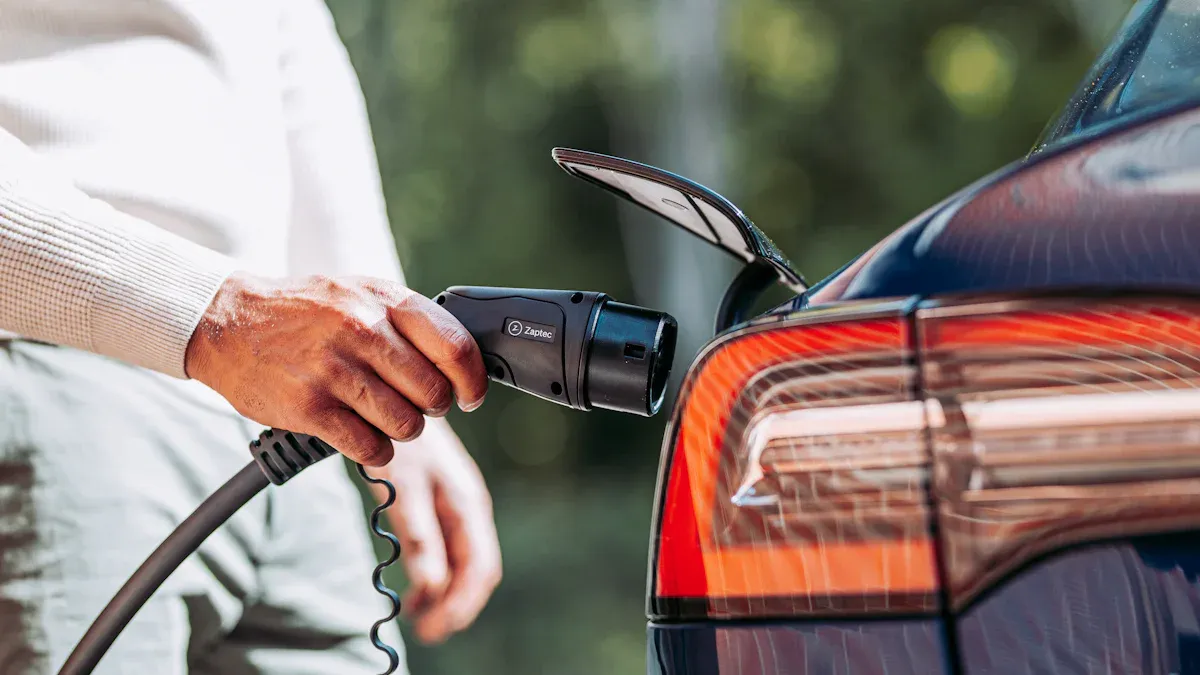
An electric car charger, also known as an electric vehicle charger, supplies power to an electric vehicle’s battery. This device connects to the car through a cable and plug, enabling safe and efficient electric vehicle charging at home. Most home charge points use alternating current (AC) to deliver energy. AC charging typically uses a Type 2 socket, which suits overnight charging or long parking periods. For rapid charging, direct current (DC) chargers use CCS or CHAdeMO sockets, but these are more common at public stations than in residential settings.
Tip: Home chargers usually operate at lower speeds than public rapid chargers, making them ideal for regular, overnight electric car home charging.
Key Benefits of Home EV Charger Installation
Homeowners in the UK gain several advantages when they install an electric car charger. The top benefits include:
- Future-proofing properties: Adding a home EV charger keeps a property relevant as electric vehicle adoption increases.
- Compliance and incentives: Many homeowners qualify for government grants, which reduce installation costs and support sustainability goals.
- Cost savings through smart charging: Smart home chargers allow users to schedule charging during off-peak hours, lowering electricity bills.
- Attracting environmentally conscious buyers: Properties with a home charger appeal to buyers who value sustainability and modern technology.
Smart features in modern chargers provide insights into energy use, helping users optimize their charging routines and maximize savings.
Types of EV Chargers Available in the UK
Several types of home EV chargers are available for residential installation in the UK. Each model offers unique features and charging speeds. The table below highlights popular options:
| Model | Kecepatan Pengisian Daya | Fitur Utama | Starting Price |
|---|---|---|---|
| Ohme Home Pro | 7.4kW | Dynamic smart charging | £899 |
| Myenergi Zappi | 7kW | Solar surplus divert | £800 |
| Konektor Dinding Universal Tesla | 7.4kW/22kW | Tesla compatibility | £500 |
| Zaptec Go UK | 7.4kW | Stylish design | £700 |
Most home charging solutions in the UK offer 7kW speeds, which balance charging time and household electrical capacity. Some models, like the Myenergi Zappi, integrate with solar panels, allowing homeowners to use renewable energy for electric car charging. Selecting the right home charger depends on the vehicle, property setup, and desired features.
Note: Before proceeding with EV charger installation, homeowners should confirm property ownership or obtain landlord permission, ensure off-street parking, and verify that their electricity supply can support the charger’s capacity.
How to Install a Car Charging Point: Step-by-Step Guide

Assessing Your Home’s Suitability for EV Charger Installation
Before starting any electric vehicle charger installation, homeowners must evaluate whether their property can support a dedicated EV charge point. This assessment ensures safety, efficiency, and compliance with UK regulations.
Electrical Supply and Safety Requirements
A safe and reliable installation begins with a thorough review of the home’s electrical system. Electricians check the main fuse rating, consumer unit capacity, and the presence of modern safety devices. Most homes require a dedicated circuit for the charger, protected by a Residual Current Device (RCD) and a Miniature Circuit Breaker (MCB). These devices prevent electrical faults and reduce fire risk.
Tip: An electrician may recommend an upgrade to the main supply or consumer unit if the existing system cannot handle the additional load from charging.
Choosing the Best Location for Your Charger
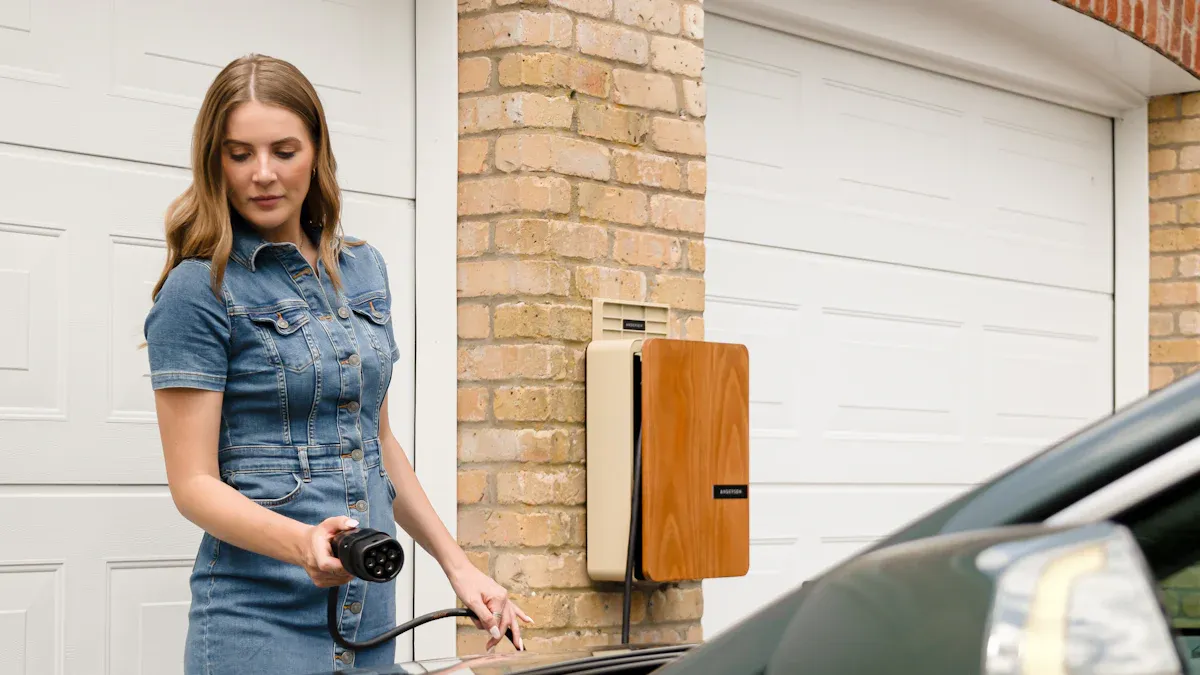
Selecting the right spot for the charger impacts convenience and safety. Installers look for areas close to where the vehicle parks, ideally on an exterior wall near the driveway or garage. The location should allow easy cable access to the car’s charging port and minimize trip hazards. Installers also consider weather protection and the distance to the consumer unit, as longer cable runs can increase installation costs.
Note: The charger must be mounted at a height that prevents water ingress and allows comfortable access for all users.
Selecting the Right Electric Car Charger
Choosing the correct charger involves more than just picking a brand. Homeowners must match the charger’s features to their vehicle and lifestyle.
Pengisi Daya yang Ditambatkan vs yang Tidak Ditambatkan
Tethered chargers come with a fixed cable, making daily charging quick and simple. Untethered chargers offer a socket only, allowing users to connect any compatible cable. Tethered units suit those who want maximum convenience, while untethered options provide flexibility for different vehicles or future upgrades.
Power Ratings and Charging Speeds
Charging speed depends on the charger’s power output and the vehicle’s onboard capacity. Most UK homes support 7kW chargers, which balance speed and compatibility with standard electrical supplies. Some properties with three-phase power can support 22kW chargers, but most electric vehicles cannot use this higher rate. Homeowners should avoid overspending on high-powered units if their car or supply cannot take advantage of faster charging.
Smart Features and Connectivity Options
Modern chargers include smart features such as Wi-Fi or Bluetooth connectivity, app-based scheduling, and energy monitoring. These functions help users optimize charging times, often taking advantage of off-peak electricity rates. Smart chargers also comply with UK regulations, which require cybersecurity and remote management capabilities.
| Kriteria | Deskripsi |
|---|---|
| Tingkat Pengisian Daya | Options include domestic plug sockets, 7kW, and 22kW chargers. The right choice depends on daily driving habits and how quickly the vehicle needs to recharge. |
| Kecepatan Pengisian Daya | The charger’s kW rating determines how fast it can replenish the battery. Match the output to the vehicle’s capacity for cost-effective installation. |
| Jenis Konektor | Compatibility with the vehicle is essential. Most UK cars use Type 2 connectors, but some require CHAdeMO or CCS. |
| Persyaratan Instalasi | The home’s electrical system must meet safety standards. A certified installer ensures compliance and safe operation. |
| Biaya dan Insentif | Consider the total cost, including potential upgrades, and research available grants or VAT exemptions to reduce expenses. |
Understanding UK Permissions and Regulations
Homeowners must follow national and local rules when they install an electric car charger. These regulations protect property, ensure safety, and support the UK’s transition to electric vehicles.
Planning Permission and Building Regulations
Since May 29, 2025, most homeowners in England do not need izin perencanaan to install an electric car charger on off-street parking areas. Exceptions apply in conservation areas or for listed buildings, where local council approval may be necessary. All new installations must use smart chargers that support off-peak charging and meet cybersecurity standards.
| Regulation/Requirement | Deskripsi |
|---|---|
| Smart Charger Requirement | All home chargers must be ‘smart’ to comply with regulations, enabling off-peak charging and meeting cybersecurity standards. |
| Izin Perencanaan | Generally not required for wall-mounted chargers at homes with off-street parking, unless in specific areas like conservation zones. |
| Tenant Consent | Tenants must obtain written consent from landlords to install a charger, with many agreements allowing reasonable improvements. |
| Additional Approvals | In shared buildings, approval from both the landlord and the freeholder/building management is necessary due to common areas. |
Note: Local councils may have additional requirements, so always check before starting installation.
Landlord or Leaseholder Approval for EV Charger Installation
Tenants and leaseholders must secure written consent from property owners before proceeding. Many tenancy agreements allow reasonable improvements, but shared buildings often require approval from both the landlord and the freeholder or building management. This step ensures compliance with building rules and avoids disputes.
Callout: As of June 30, 2022, all new home chargers must be smart devices. Financial incentives, such as grants and VAT exemptions, remain available for eligible installations.
How to Install a Car Charging Point: Step-by-Step
The process for how to install a car charging point in the UK typically follows these steps:
- Initial assessment of the home’s electrical system and identification of the best charger location.
- Selection of a charger based on speed, compatibility, and smart features.
- Securing permissions, especially in conservation areas or shared properties.
- Electrical work, including installation of a dedicated circuit and safety devices.
- Mounting the charger in an accessible, weather-protected location.
- Connection to the home’s power supply, with upgrades if needed.
- Testing and calibration to ensure safe, reliable charging.
By following these steps, homeowners can install an electric car charger that meets their needs and complies with UK standards. Understanding how to install a car charging point helps avoid costly mistakes and ensures a smooth transition to electric vehicle ownership.
Finding a Certified Installer for Electric Car Charger Installation
Selecting the right professional for EV charger installation ensures safety, compliance, and long-term reliability. Homeowners in the UK should always seek certified installers who meet national standards and possess the necessary qualifications.
Why Use an OZEV-Approved Installer
The Office for Zero Emission Vehicles (OZEV) maintains a list of approved installers. These professionals have demonstrated expertise in electric vehicle charging technology and comply with government regulations. Using an OZEV-approved installer allows homeowners to access government grants and ensures the installation meets the latest safety and cybersecurity standards.
Installers with OZEV approval also hold key industry certifications. The table below outlines the essential qualifications for certified installers in the UK:
| Jenis Kualifikasi | Deskripsi |
|---|---|
| 18th Edition Wiring Regulations | Fundamental regulations for electrical installations in the UK. |
| City & Guilds Level 3 Award in EV Charger Installation | Specialized training focused on EV charging technology. |
| Kode Etik IET | Guidelines that outline best practices for EV charger installations. |
| Akreditasi NICEIC atau NAPIT | Recognized certifications that ensure compliance with industry standards. |
| OZEV-approved Installer | Certification required for installations that qualify for government grants. |
Tip: Only OZEV-approved installers can self-certify their work to local building control authorities, streamlining the process for homeowners.
How to Choose a Trusted Installer in the UK
Homeowners should research and compare several trusted installers before making a decision. The following companies have established reputations for quality and compliance:
- Livewire: Authorized to self-certify work, ensuring compliance with Building Regulations.
- APT Group Services Ltd: Offers comprehensive EV charge point installation services, including initial assessment.
- Chargebase Electrical Limited: Specializes in EV installations and holds NAPIT membership.
- Ascent Energy: Focuses on renewable energy and partners with leading charge point manufacturers.
- Mr Charger Ltd: Provides both domestic and commercial solutions for electric vehicle charging.
- Elecology: Delivers high-quality installations with tailored advice and ongoing support.
When selecting an installer, homeowners should verify qualifications, request references, and confirm experience with the specific home charge point model. Trusted installers provide clear quotes, explain the process, and offer aftercare support.
Preparing for EV Charger Installation Day
Proper preparation ensures a smooth and efficient installation. Homeowners can take several steps to get ready for the arrival of the installation team.
Apa yang Diharapkan Selama Instalasi
The proses instalasi for a home EV charger typically follows a structured approach. Homeowners should expect the following:
- An OZEV-approved electrician will assess the property and confirm the chosen location for the charger.
- The installer will isolate the electrical supply and fit a dedicated circuit for the charger.
- The team will mount the charger on the selected wall, connect it to the power supply, and configure any smart features.
- The process usually takes around four hours, depending on the complexity of the installation and the distance from the consumer unit.
Note: Homeowners should clear the area around the installation site and ensure easy access to the consumer unit.
Safety Checks and Final Testing
After installation, the installer will perform a series of safety checks. These include verifying the integrity of the electrical connections, testing the Residual Current Device (RCD), and confirming the charger’s operation. The installer will also demonstrate how to use the charger and answer any questions.
A final test involves plugging in the electric vehicle and monitoring the charging process. The installer will provide documentation, including a certificate of installation and warranty details.
Setting Up and Using Your New EV Charger
Once the installation is complete, homeowners can begin using their new charging equipment. The setup process ensures optimal performance and access to support services.
Initial Setup and Configuration
Homeowners should follow these steps to set up their new home charger:
- Fill in the home eligibility survey, often provided online by the installer or manufacturer.
- Select the charger and any additional features, then complete the purchase.
- Complete an online home survey, detailing energy usage and property layout.
- Schedule the installation date with the approved installer.
- On installation day, the installer will set up the charger and configure smart features.
- After installation, homeowners can start charging their electric vehicle and access the help center for optimization tips.
Smart chargers often require connection to Wi-Fi or Bluetooth. The installer will guide homeowners through the initial configuration, including setting up charging schedules and monitoring energy use.
Registering for Warranties and Support
Registering the home EV charger with the manufacturer activates the warranty and provides access to technical support. Homeowners should keep all documentation, including the installation certificate and warranty information, in a safe place. Many manufacturers offer online portals for warranty registration and troubleshooting.
Callout: Registering the charger ensures prompt support in case of technical issues and may extend the warranty period.
Electric Car Charger Installation Costs and Financial Support in the UK
Typical Costs for EV Charger Installation in 2025
The cost to install an electric car charger at home in the UK depends on the type of charger and the complexity of the installation. Most homeowners choose either a 7kW or a 22kW charger for their home charging needs. The following table shows the typical price range for each option, including installation:
| Jenis Pengisi Daya | Cost Range (including installation) |
|---|---|
| 7kW charger | £800–£1,200 |
| 22kW charger | £1,200–£1,800 |
A 7kW home charger suits most households and electric vehicles. This option provides a balance between charging speed and cost. The 22kW charger offers faster charging but requires a three-phase electrical supply, which is less common in UK homes. The total cost covers the charger unit, professional installation, and safety checks. Homeowners should also consider the cost of electric car charging over time, as this will depend on electricity rates and charging habits.
Note: The price for electric car charger installation may increase if the property needs electrical upgrades or if the charger is far from the main electrical panel.
Factors That Affect Installation Price
Beberapa factors influence the final price of EV charger installation. Homeowners should review these before making a decision:
- The type of charger selected: Basic Level 1 chargers cost less but charge slowly. Level 2 chargers, which most UK homes use, require professional installation and may need wiring upgrades.
- Complexity of the installation: Simple installations near the electrical panel cost less. More complex jobs, such as those requiring long cable runs or drilling through walls, increase the price.
- Distance from the electrical panel to the charging point: Longer distances require more cabling and labor.
- Upgrades to the home’s electrical system: Some properties need a new consumer unit or a higher-capacity main fuse to support the charger.
- Features of the charger: Smart chargers with Wi-Fi, app control, and energy monitoring cost more than basic models.
A home charge point with advanced features can help users save money on charging an electric car by allowing them to schedule charging during off-peak hours. This reduces the overall cost of electric car charging and supports efficient home charging.
Tip: Homeowners can reduce costs by planning the installation location close to the electrical panel and choosing a charger that matches their vehicle’s needs.
Government Grants and Incentives for UK Homeowners
The UK government offers several grants and incentives to support electric car charger installation. These programs help homeowners, landlords, and businesses reduce upfront costs and encourage the adoption of electric vehicles. The table below outlines the main grants available in 2025:
| Jenis Hibah | Jumlah yang tersedia | Kriteria Kelayakan | Open Until |
|---|---|---|---|
| Hibah Titik Pengisian Daya Kendaraan Listrik | Hingga £350 | Landlords, homeowners in rented properties, and those with off-street parking | Sedang berlangsung |
| Hibah Infrastruktur Kendaraan Listrik | Up to £30,000 | Landlords of multi-let residential or commercial buildings | Ongoing, reviewed annually |
| Skema Pengisian Daya di Tempat Kerja (WCS) | Hingga £350 | Businesses, charities, and public sector organizations with off-street parking | Sedang berlangsung |
| On-Street Residential Charge Point | N/A | Local councils applying on behalf of communities without private parking | Sedang berlangsung |
| Domestic Charge Point Funding Grant | Up to £300 | Scottish residents who bought an EV through the Used Electric Vehicle Loan | Sedang berlangsung |
Homeowners who install an electric car charger can apply for the EV Chargepoint Grant if they live in a rented property or have off-street parking. Landlords can access the EV Infrastructure Grant to support multiple installations in residential or commercial buildings. In Scotland, the Domestic Charge Point Funding Grant provides extra support for residents who purchase a used electric vehicle.
Callout: Applying for these grants can significantly lower the upfront cost of home EV charger installation and make electric vehicle ownership more affordable.
Local councils also receive funding to install public charging points in areas where private parking is not available. These initiatives help expand the UK’s charging network and support the transition to electric vehicles.
Ongoing Running Costs and Savings
Understanding the ongoing costs of a home EV charger helps homeowners plan for the future. The main expense comes from the electricity used during charging. In the UK, the average energy tariff stands at around 27 pence per kWh as of May 2025. The cost of electric car charging depends on several factors, including the battery size of the vehicle and the chosen energy plan.
A typical electric vehicle charger at home will charge a 60kWh battery for about £16.20 at the average rate. Homeowners can reduce this cost by selecting a smart energy tariff or using time-of-use rates. Many smart home chargers allow users to schedule charging during off-peak hours, which often feature lower electricity prices. This approach maximizes savings and supports efficient energy use.
Tip: Smart charging features in modern home charge points help users track energy consumption and optimize charging times for the lowest rates.
The table below outlines the main factors that influence ongoing running costs:
| Faktor | Impact on Cost |
|---|---|
| Energy tariff | Higher rates increase the cost per charge |
| Kapasitas baterai | Larger batteries require more energy to charge |
| Charging habits | Off-peak and scheduled charging reduce expenses |
| Smart charger features | Enable better control over charging times |
Charging at home offers significant savings compared to public charging stations. For example:
- Charging an electric vehicle at home for 10,000 miles costs about £700.
- Using public charging points for the same distance costs around £1,914.
- Homeowners save approximately £1,214 per year by relying on a home charger.
- Even with a 70/30 split between home and public charging, annual savings remain close to £850.
These savings make electric car charger installation a smart investment for many UK households. Over time, the reduced cost of electric car charging at home offsets the initial installation expense. Homeowners also benefit from the convenience of charging overnight and avoiding queues at public stations.
Ongoing maintenance for a home EV charger remains minimal. Most units require only occasional visual checks and software updates. Professional servicing is rarely needed unless a fault occurs. This low-maintenance aspect further enhances the value of a home charge point.
Note: Regularly reviewing energy tariffs and updating charging schedules can help homeowners maintain the lowest possible running costs.
Key Considerations Before You Install an Electric Car Charger
Kompatibilitas dengan Kendaraan Listrik Anda
Before installing a home EV charger, drivers must confirm that the charger matches their vehicle’s requirements. Compatibility checks prevent costly mistakes and ensure safe, efficient charging. The following table outlines the main factors to review:
| Compatibility Factor | Deskripsi |
|---|---|
| Jenis Konektor | The EV’s connector must match the charger (e.g., J1772, CCS1, Type 2). |
| Kecepatan Pengisian Daya | The charger’s output should align with the vehicle’s maximum charging rate. |
| Energy Tariffs | Some energy providers offer special EV tariffs; confirm compatibility with both car and charger. |
| Fuse Capacity | A 7kW charger typically needs a 32A fuse for safe operation. |
| Consumer Unit Capacity | The home’s fuse box must support the extra load from the charger. |
| Cable Distance | Longer cable runs may require thicker cables for safety and efficiency. |
| Konektivitas Wi-Fi | Most smart chargers need a stable internet connection for full functionality. |
| Property Access | Off-street parking is essential for home charger installation. |
Drivers should also select an energy provider that supports their charging needs. If using a specific tariff, they must ensure both the vehicle and charger are compatible. Those who have not yet purchased a charger should choose one that fits their current and future requirements.
Instalasi Pengisi Daya Mobil Listrik Anda di Masa Depan
A future-ready installation saves time and money as technology evolves. Homeowners should consider several features to maximize long-term value:
- Electrical capacity: Install wiring that supports potential upgrades to faster chargers.
- Smart charger features: Look for off-peak scheduling, solar integration, and app-based monitoring.
- Safety compliance: Ensure the charger meets standards for earthing, surge protection, and RCD protection.
- Upgrade planning: Prepare the site for future enhancements to avoid expensive rewiring.
Tip: Choose a charger with ground-fault and surge protection. Ensure compliance with standards like IEC 61851 and AFIR for smart charging. Consider dual connectors or swappable cables to adapt to changing vehicle standards.
A well-planned installation increases property value and keeps the home ready for new EV models or charging technologies.
Upgrading Your Home Energy Supply
Many homes require electrical upgrades before installing an EV charger. These improvements ensure safety and reliable performance:
- Unit konsumen modern: The fuse box must have space for an extra circuit breaker. Older units often need replacement to meet regulations.
- RCD protection: Chargers must include Residual Current Devices to prevent electric shocks.
- Surge protection: This feature shields both the car and charger from voltage spikes.
- Sufficient main supply: The home’s main supply must handle the added load. Sometimes, the electricity network operator must approve or upgrade the connection.
- Outdoor-rated wiring and sockets: Outdoor chargers need weatherproof cabling and IP-rated fittings.
Note: Homeowners in the uk should consult a certified electrician to assess their property’s readiness and recommend necessary upgrades.
Insurance and Safety for Home EV Chargers
Homeowners who install an electric vehicle (EV) charger must consider both insurance and safety. These two factors protect property, vehicles, and personal well-being. A well-installed charger reduces risk, but insurance and compliance with safety standards provide an extra layer of security.
Insurance Coverage for Home EV Chargers
Specialized insurance policies exist for EV charger installations. These policies protect against risks that may arise during or after installation. For example, EV Charger Installation Insurance covers NICEIC contractors who work on Electric Vehicle Charging Points (EVCPs). This type of insurance addresses potential issues such as accidental damage, faulty installation, or electrical faults that could lead to property loss.
Homeowners should review their existing home insurance policy. Many insurers now include EV chargers as part of the building’s fixtures. However, some policies require homeowners to declare the charger as a new addition. Failure to notify the insurer may result in denied claims if an incident occurs.
- EV Charger Installation Insurance protects contractors and homeowners from installation-related risks.
- Home insurance policies may cover EV chargers, but homeowners must check and update their policy.
- Notifying the insurer about the new charger ensures valid coverage for fire, theft, or accidental damage.
Tip: Always inform the insurance provider before or immediately after installing a home EV charger. This step guarantees that the charger receives proper coverage under the policy.
Safety Standards and Compliance
Safety remains a top priority for every home EV charger installation. The UK government enforces strict regulations to ensure that all installations meet high safety standards. The Building Regulations apply to both domestic and commercial properties. Approved Document S outlines the requirements for EV charging infrastructure. This document references additional standards for electrical and fire safety.
Installers must follow these regulations to prevent hazards such as electric shock, fire, or equipment failure. Only certified professionals should carry out the installation. They must use approved components and test the system thoroughly before use.
- Building Regulations set the minimum safety requirements for EV charger installations.
- Approved Document S details the standards for electrical and fire safety.
- Certified installers ensure compliance and reduce the risk of accidents.
Note: Homeowners should request a certificate of compliance after installation. This document proves that the charger meets all legal and safety requirements.
Regular maintenance and periodic inspections help maintain safety over time. Homeowners should check for visible damage, loose cables, or unusual behavior from the charger. If any issues arise, they should contact a qualified electrician immediately.
By addressing insurance and safety, homeowners protect their investment and ensure reliable, secure charging for years to come.
Troubleshooting and Support for Home EV Charger Installation
Common Issues During and After Installation
Homeowners in the UK often encounter several challenges during and after EV charger installation. Before installation, an electrician should assess the property to confirm it meets all electrical requirements. This step helps prevent problems such as tripped breakers or fire hazards. A dedicated circuit and proper earthing remain essential for safe electric car charging.
After installation, some of the most masalah umum termasuk:
- Hardware faults that interrupt charging sessions
- Faulty switchgear causing unreliable operation
- Charging schedule conflicts, especially with smart chargers
- Voltage spikes that may damage the charger or vehicle
- Problems arising from improper installation or lack of maintenance
Ignoring safety features or surge protection can lead to long-term risks. Relying solely on manufacturer recommendations without professional input may result in overlooked hazards. Neglecting post-installation support and maintenance often causes avoidable disruptions.
Tip: Regular maintenance and prompt attention to warning signs help prevent most charging issues.
Where to Get Help and Advice in the UK
When problems arise with EV charger installation, homeowners have several reliable sources for support. Many organizations address the unique challenges of installing chargers in older homes, offering practical advice on necessary upgrades and compliance with building regulations.
- Online forums and user communities provide a platform where individuals share personal experiences with installation problems. These discussions often include guidance on dealing with electrical infrastructure issues and communicating with the District Network Operator (DNO).
- Professional electricians and certified installers offer expert advice on upgrades to electrical capacity and resolving technical faults.
- Local authorities and government websites supply information on planning permissions and building regulations required for installation.
Note: Homeowners should consult a qualified electrician for persistent or complex charging problems, especially those related to outdated wiring or electrical capacity.
Maintenance and Servicing for Your EV Charger
Proper maintenance ensures reliable and safe charging over the long term. Homeowners should adopt a routine that includes:
- Conducting regular visual inspections of the cable, plug, and charging port for signs of wear or damage
- Cleaning the charging port and cables with a soft, dry cloth, avoiding harsh chemicals
- Protecting the charger from extreme weather by using a weatherproof cover or installing it indoors
- Ensuring software updates are performed regularly to maintain optimal performance
Good cable management and routine checks help prevent hazards and extend the lifespan of the installation. Scheduling periodic inspections with a certified professional further reduces the risk of unexpected failures.
Callout: Consistent maintenance and timely servicing keep the charging system efficient and safe, supporting trouble-free electric car charging at home.
Installing an electric car charger at home involves several clear steps:
- Get the charging cable, either from the charger or the vehicle manufacturer.
- Plug the car in using the correct socket.
- Start the electric car charging session, which may begin automatically or require authentication.
- End the session and safely unplug the cable.
Homeowners see many benefits when they install an electric car charger, including faster installation, reduced costs, and support for cleaner transport. For more details, the table below lists trusted UK resources:
| Topic | Detail |
|---|---|
| Installation Process | Qualified electricians ensure compliance with safety regulations. |
| Pertimbangan Biaya | Using a brand-approved installer can standardize costs. |
| Funding Availability | OZEV grants help cover installation costs for approved chargers. |
PERTANYAAN YANG SERING DIAJUKAN
Berapa lama waktu yang dibutuhkan untuk memasang pengisi daya EV di rumah?
A certified installer usually completes the installation within three to five hours. The process may take longer if the property requires electrical upgrades or if the charger location is far from the main consumer unit.
Can every home support an electric car charger?
Not every home can support an EV charger. The property must have sufficient electrical capacity, a modern consumer unit, and off-street parking. An electrician assesses suitability before installation.
Do homeowners need planning permission for a charger?
Most homeowners do not need planning permission for a wall-mounted charger on off-street parking. Exceptions include listed buildings or homes in conservation areas. Local authorities provide guidance for special cases.
Perawatan apa yang diperlukan untuk pengisi daya EV di rumah?
Routine maintenance includes visual inspections, cleaning the unit, and updating software. Homeowners should schedule periodic checks with a certified electrician to ensure safe operation and address any wear or faults.
Are smart chargers mandatory in the UK?
Yes, UK regulations require all new home EV chargers to include smart features. These features enable off-peak charging, remote management, and cybersecurity protections, supporting efficient and safe energy use.
Can tenants install an EV charger?
Tenants may install an EV charger with written permission from the landlord. In shared buildings, approval from the freeholder or building management may also be necessary to comply with building rules.
What happens if the charger stops working?
If the charger fails, homeowners should contact the installer or manufacturer for support. Most units include warranties and technical assistance. Certified electricians can diagnose and repair faults if needed.