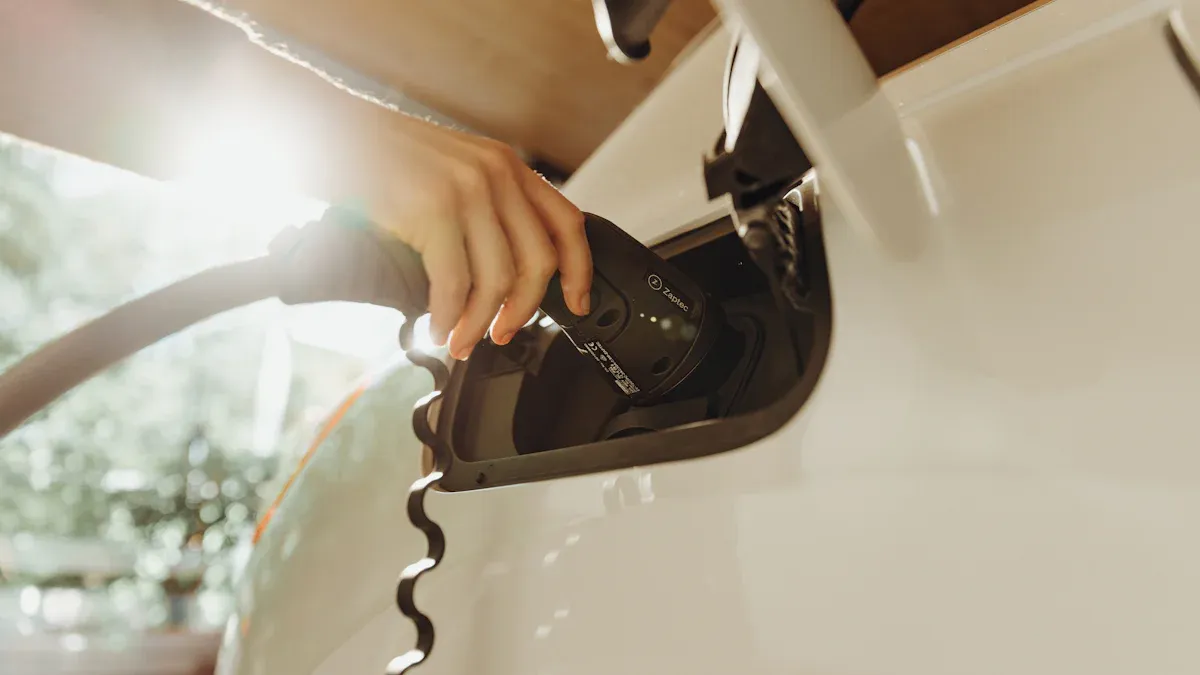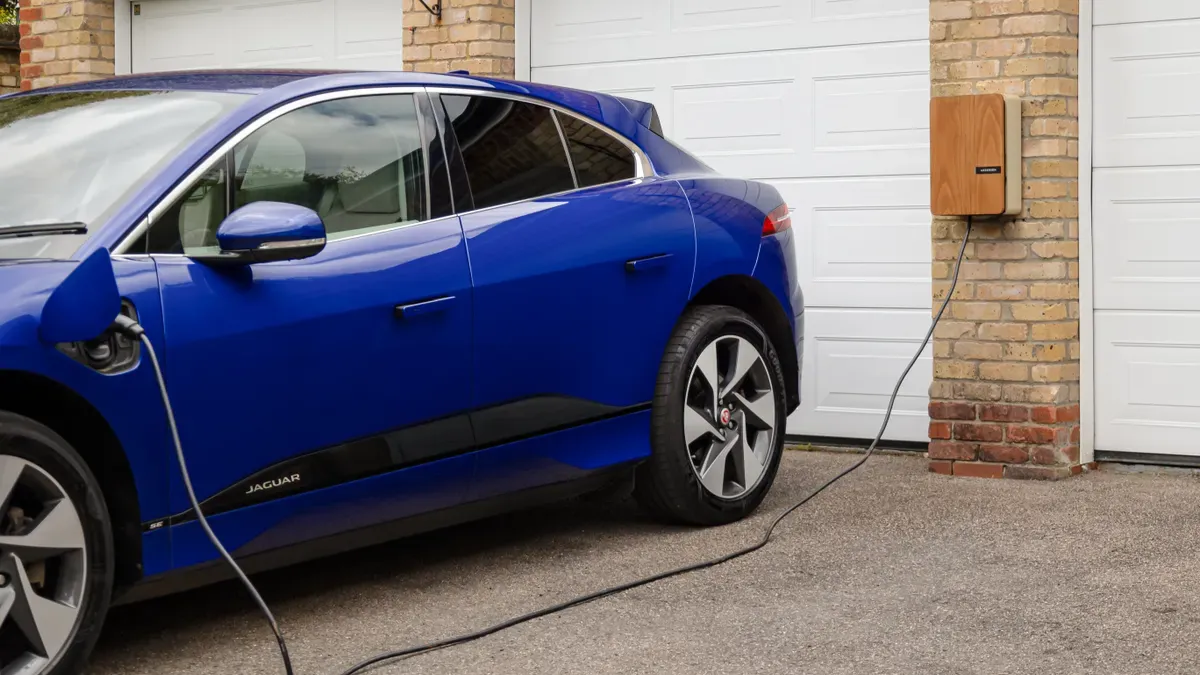

Electric vehicle drivers in France navigate a complex pricing landscape for public charging. The typical DC fast charging cost for pay-as-you-go users in 2025 ranges from €0.45 to €0.79 per kilowatt-hour (kWh). However, with the right network subscription, this price can drop to as low as €0.29/kWh. The final cost a driver pays is determined by several factors. These include the specific charging network, the user’s subscription status, the Pengisi daya listrik location (motorway versus city), and even the time of day. Understanding these charging costs is crucial as France remains a key EU market for electric vehicles, despite a recent stagnation in new registrations. The average price for highway fast charging sits between €0.50 and €0.80 per kWh, making strategic charging essential. Companies like TPSON, a technologically advanced Solusi pengisian daya kendaraan listrik provider, contribute to the expanding infrastructure that supports this market, which includes various options from pengisi daya EV portabel to powerful DC stations. This variability in price highlights the importance for drivers to research options from different Produsen pengisi daya EV to manage expenses effectively.
Key Factors Influencing DC Fast Charging Cost in France
Several variables determine the final dc fast charging cost for an electric vehicle driver in France. Understanding these factors helps drivers manage their public charging costs effectively. The price can change significantly based on the operator, payment method, and even the location of the station.
The Charging Network Operator
The company that operates the charging station is the single biggest factor in pricing. The French market includes a diverse range of providers, from major energy companies to specialized EV charging networks. Companies like TPSON contribute to this infrastructure by providing advanced charging solutions to various network operators.
Premium vs. Budget Networks
Premium networks like Ionity and TotalEnergies typically operate high-power stations (150kW+) along major motorways. Their convenience and speed come at a higher price. In contrast, budget-friendly networks such as Electra or certain supermarket chains often offer lower rates. These stations are more common in urban and suburban areas, providing a cost-effective option for local charging needs.
Location-Based Price Differences
Even within the same network, the location of a charger impacts the cost. A station at a busy motorway service area will almost always be more expensive than one in a quieter retail park. Operators adjust their price to reflect higher land rental costs and greater demand in prime locations.
Your Subscription Status
Drivers can choose between paying on the spot or committing to a monthly plan. This choice directly influences the per-kWh rate and overall charging costs.
Pay-As-You-Go (Ad Hoc) Pricing
Pay-as-you-go, or ad hoc, charging allows drivers to pay for a single session using a credit card or a network’s app without any commitment. This method offers maximum flexibility but comes with the highest per-kWh rates. It is ideal for tourists or drivers who rarely use public charging.
Monthly Subscription Benefits
For frequent users, monthly subscriptions offer significant savings. Drivers pay a recurring fee (e.g., €5 to €15 per month) to access much lower per-kWh charging rates. Networks like Ionity, Tesla, and Fastned all provide subscription plans that can cut the cost of charging by 30-50%, making them essential for long-distance commuters.
Roaming vs. Direct Payment
The payment method also plays a crucial role. Drivers can pay a network directly or use a third-party service that provides access to multiple networks.
Using a Network’s Native App
Paying directly through the operator’s own mobile app is often the most straightforward way to access the best rates, especially with a subscription. The app shows the exact price before the charging session begins and handles payment seamlessly.
Using a Third-Party Roaming Card
What is Roaming? Roaming services, offered by providers like Chargemap or Izivia, give drivers access to thousands of chargers across different networks with a single card or app. This convenience sometimes comes at a cost, as roaming providers may add a small markup or session fee on top of the network’s base rate.
Using a roaming card simplifies the public charging experience. However, drivers should always check the price in the roaming app before plugging in, as it can differ from the rate displayed on the charger itself.
Time of Day and Demand
The cost of a charging session in France can also fluctuate based on the time of day and the level of demand on the electrical grid. Some network operators use variable pricing models to manage station congestion and balance energy consumption. This approach creates opportunities for drivers to save money by being strategic about when they plug in.
On-Peak vs. Off-Peak Pricing
A growing number of French networks are adopting a time-of-use pricing structure. This model divides the day into distinct periods with different rates.
- Jam Puncak (*On-Peak Hours*): These are typically during the day (e.g., 8:00 AM to 8:00 PM) when electricity demand is highest. The price per kWh is more expensive during this window.
- Jam-jam di luar jam sibuk: These hours usually fall during the late evening and overnight (e.g., 8:00 PM to 8:00 AM). Charging during this period is cheaper, rewarding drivers who can be flexible.
Networks like Electra have pioneered this model in France. They offer significantly lower rates for overnight charging sessions. This strategy helps distribute the load on their stations and the power grid. Drivers can save as much as 30-40% simply by timing their visit to a station.
How Dynamic Pricing Works
Dynamic pricing is a more sophisticated version of the on-peak/off-peak model. Instead of fixed time windows, the price adjusts in near real-time based on multiple factors. This system requires advanced infrastructure, where solutions from providers like TPSON enable operators to manage complex pricing algorithms effectively.
Key factors influencing dynamic prices include:
- Station Occupancy: The price may increase when all chargers at a location are in use and decrease when the station is empty.
- Grid Demand: During periods of high national electricity consumption, charging prices may rise to discourage non-essential use.
- Wholesale Energy Costs: The price can fluctuate based on the real-time cost of electricity that the operator pays.
Tip Pengemudi: Always check the price in the network’s app immediately before starting a session. With dynamic pricing, the cost displayed at 2:00 PM could be different from the cost at 2:30 PM at the very same station. This simple check prevents unexpected expenses.
This pricing model is still emerging in France but is expected to become more common as the EV market matures. It gives operators a powerful tool to manage their assets efficiently.
DC Fast Charging Price Breakdown by Major Network
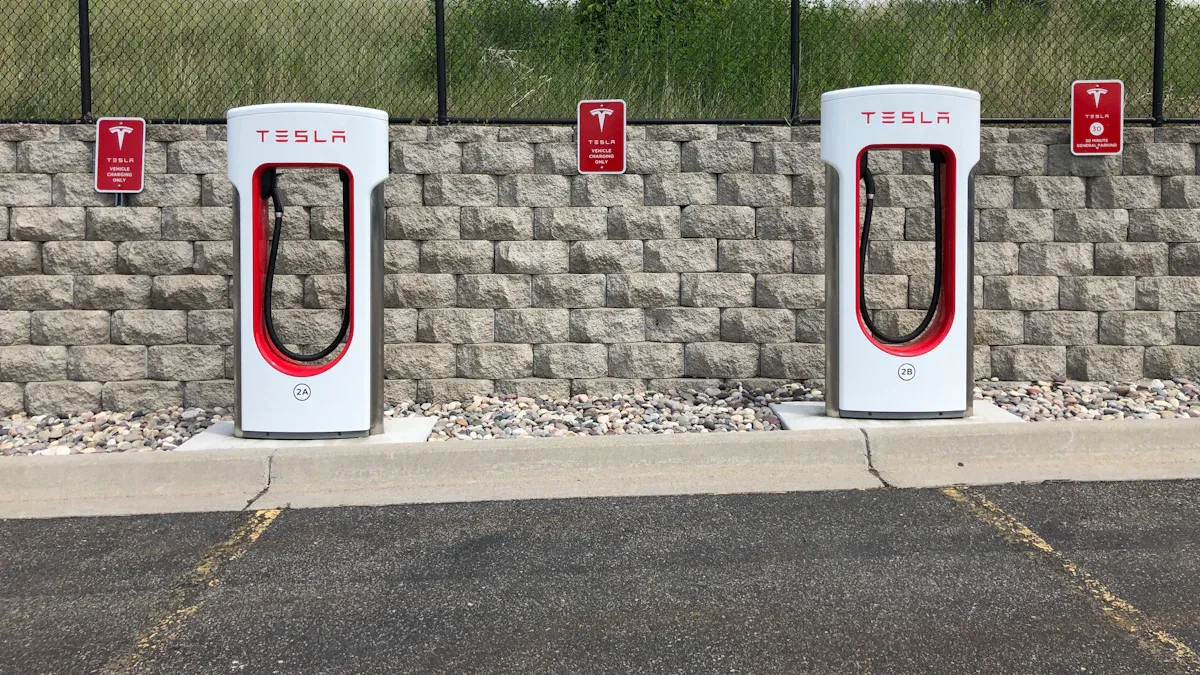
The dc fast charging cost in France varies significantly from one operator to another. Drivers must compare networks to manage their public pengisian daya costs effectively. This breakdown covers the standard 2025 pricing for France’s most prominent fast-charging providers.
Pay-As-You-Go (Ad Hoc) Price Comparison
Pay-as-you-go pricing is the standard rate for drivers without a subscription. This option offers flexibility but generally has the highest cost per kWh.
Ionity
Ionity operates a premium high-power charging network along European motorways. Its ad hoc charging price mencerminkan lokasi strategis dan kecepatan pengisian yang tinggi.
- Tarif Standar: €0,59/kWh
Tesla Supercharger (untuk kendaraan non-Tesla)
Tesla telah membuka sebagian besar jaringan Superchargernya untuk semua merek mobil listrik. Harga bagi pengemudi non-Tesla lebih tinggi dan dapat berfluktuasi berdasarkan stasiun dan waktu pengisian.
- Harga Rata-rata: €0,55 – €0,67/kWh
TotalEnergi
TotalEnergies memanfaatkan jaringan stasiun pengisian yang luas untuk menawarkan pengisian daya berdaya tinggi. Harganya kompetitif di pasar pengisian daya jalan tol.
- Pengisian Daya Tinggi (hingga 300 kW): €0,59/kWh
Fastned
Stasiun Fastned dikenali dari kanopi surya kuningnya. Perusahaan berfokus pada penyediaan pengalaman pengisian daya yang andal dan cepat.
- Tarif Standar: €0,59/kWh
Allego
Allego menyediakan campuran pengisi daya ultra-cepat dan cepat di seluruh Prancis, sering berlokasi di kawasan ritel dan perkotaan. Biaya stasiun pengisian dapat bervariasi berdasarkan lokasi.
- Pengisian Daya Ultra-Cepat (hingga 300 kW): €0,68/kWh
Electra
Electra adalah jaringan yang berkembang pesat dan dikenal dengan aplikasi yang ramah pengguna serta harga kompetitif, terutama dengan tarif di luar jam sibuk.
- Tarif Jam Sibuk (08:00 – 20:00): €0,54/kWh
- Tarif di Luar Jam Sibuk (20:00 – 08:00): €0,44/kWh
Perbandingan Harga Paket Langganan
Bagi pengemudi yang sering menggunakan pengisian daya publik, langganan menawarkan cara efektif untuk mengurangi biaya pengisian. Biaya bulanan membuka akses ke tarif per-kWh yang lebih rendah.
Ionity Passport
Ionity menawarkan dua tingkatan langganan untuk memenuhi berbagai kebutuhan berkendara. Paket Passport secara signifikan mengurangi tarif per-kWh, membuat perjalanan jarak jauh yang sering menjadi lebih terjangkau.
| Tingkatan Langganan | Biaya Bulanan (EUR) | Tarif per-kWh di Prancis (EUR) |
|---|---|---|
| IONITY PASSPORT POWER | 11,99 (7,99 untuk bulan pertama) | 0.33 |
| IONITY PASSPORT MOTION | 5,99 (3,99 untuk bulan pertama) | 0.39 |
Keanggotaan Tesla
Pengemudi non-Tesla dapat membeli Keanggotaan Tesla untuk mengakses harga pengisian daya yang sama rendahnya dengan pemilik Tesla.
- Biaya Bulanan: €12,99/bulan
- Tarif Berlangganan: Sekitar €0,40 – €0,50/kWh (bervariasi berdasarkan stasiun)
Langganan Electra “Populaire”
Langganan Electra dirancang untuk pengguna rutin, menawarkan cara sederhana untuk menghemat setiap pengisian tanpa tingkatan yang rumit.
- Biaya Bulanan: €9,99/bulan
- Tarif Berlangganan: €0,35/kWh (24/7)
Anggota Emas Fastned
Fastned memberikan penghargaan kepada pelanggan setianya dengan paket Anggota Emas. Langganan ini memberikan diskon konsisten dari tarif standarnya.
- Biaya Bulanan: €11,99/bulan
- Tarif Berlangganan: €0,45/kWh
Tabel Perbandingan Harga: Biaya Jaringan 2025
Tabel ini merangkum struktur harga di seluruh jaringan utama Prancis, membantu pengemudi dengan cepat membandingkan pilihan untuk pengisian daya publik. Keandalan jaringan ini sering bergantung pada kualitas perangkat kerasnya, dengan banyak operator menggunakan solusi canggih dari penyedia seperti TPSON untuk memastikan waktu operasional dan kinerja.
| Jaringan | Biaya per kWh (Bayar Sesuai Pemakaian) | Biaya per kWh (Berlangganan) | Biaya Langganan Bulanan |
|---|---|---|---|
| Ionity | €0.59 | €0.33 / €0.39 | €11.99 / €5.99 |
| Tesla | ~€0.61 | ~€0.45 | €12.99 |
| TotalEnergi | €0.59 | N/A | N/A |
| Fastned | €0.59 | €0.45 | €11.99 |
| Allego | €0.68 | N/A | N/A |
| Electra | €0,54 (Jam Sibuk) | €0.35 | €9.99 |
Catatan: Harga Tesla bersifat dinamis dan dapat bervariasi. Angka yang ditampilkan merupakan rata-rata perwakilan untuk tahun 2025. Selalu periksa aplikasi untuk tarif pasti sebelum mengisi daya.
Cara Mengurangi Biaya Pengisian Cepat DC
Pengemudi dapat secara signifikan menurunkan pengeluaran dengan menerapkan kebiasaan pengisian yang strategis. Biaya keseluruhan perjalanan sangat bergantung pada pilihan yang dibuat sebelum mencolokkan kendaraan. Kombinasi langganan yang tepat, penggunaan layanan roaming yang cerdas, dan pemilihan waktu dapat menghasilkan penghematan yang besar.
Memilih Paket Langganan yang Tepat
Langganan bulanan adalah alat paling efektif untuk mengurangi biaya pengisian daya publik dalam volume tinggi. Pengemudi harus menganalisis pola perjalanan mereka untuk memilih paket yang sesuai dengan kebutuhan.
Untuk Pengemudi Rutin di Jalan Tol
Pengemudi yang rutin melakukan perjalanan jarak jauh di jalan tol Prancis paling diuntungkan dari langganan jaringan premium.
- Ionity Passport (Power atau Motion): Paket ini ideal untuk pengemudi yang sering menggunakan jaringan berkecepatan tinggi Ionity di sepanjang koridor perjalanan utama. Diskon per-kWh yang signifikan dengan cepat mengimbangi biaya bulanan bagi siapa pun yang melakukan beberapa perjalanan jauh per bulan.
- Keanggotaan Tesla: Pemilik kendaraan non-Tesla yang merasa Supercharger nyaman di rute mereka dapat mencapai penghematan yang cukup besar dengan keanggotaan ini, mendekatkan tarif mereka dengan yang dibayar pemilik Tesla.
Untuk Pelancong Jarak Jauh Sesekali
Pengemudi yang hanya melakukan perjalanan jauh beberapa kali dalam setahun mungkin merasa langganan penuh tidak ekonomis. Untuk kelompok ini, pendekatan yang berbeda lebih baik.
- Pay-As-You-Go: Bertahan pada tarif ad hoc seringkali merupakan pilihan termurah jika pengemudi menggunakan pengisi daya cepat DC kurang dari satu atau dua kali sebulan.
- Lower-Tier Subscriptions: Plans like Ionity’s Passport Motion offer a smaller discount for a lower monthly fee, providing a middle ground for infrequent but regular travelers.
Menghitung Titik Impas Anda
Drivers can determine if a subscription is worthwhile by calculating their break-even point. This calculation shows how much charging a driver must do each month for the subscription to pay for itself.
How to Calculate Your Break-Even Point
- Find the Price Difference: Subtract the subscription kWh price from the pay-as-you-go kWh price.
- Calculate the Break-Even kWh: Divide the monthly subscription fee by the price difference.
Break-Even kWh = Monthly Fee / (Ad Hoc Rate - Subscription Rate)Example with Electra:
- Monthly Fee: €9.99
- Ad Hoc Rate (Peak): €0.54/kWh
- Subscription Rate: €0.35/kWh
- Perhitungan:
€9.99 / (€0.54 - €0.35) = €9.99 / €0.19 ≈ 52.6 kWhA driver needs to charge more than 52.6 kWh per month on the Electra network for the subscription to generate savings.
Leveraging Roaming Services and Charging Cards
Roaming services provide access to multiple charging networks with a single account and payment method. They offer convenience but require careful price checking. The technological backbone for these interoperable systems often relies on solutions from advanced providers like TPSON, ensuring seamless communication between different brands of chargers.
Understanding How Roaming Works in France
Roaming providers, also known as e-Mobility Service Providers (eMSPs), make agreements with various Charge Point Operators (CPOs). A driver with a roaming card, like a Chargemap Pass, can initiate a session at a compatible station from Allego, Fastned, or dozens of other networks without needing each operator’s specific app. The eMSP handles the billing in a single monthly invoice.
Chargemap Pass Pricing and Fees
Chargemap is one of France’s most popular roaming services. It is known for its comprehensive map and wide network acceptance.
- Card Fee: A one-time purchase fee of €19.90 for the physical card.
- Harga: Chargemap displays the price for each charger in its app. This price may include a small markup over the operator’s direct rate. Drivers should always verify the cost in the app, as it is the final price they will pay.
Izivia Pass Pricing and Network Access
Izivia, a subsidiary of the energy giant EDF, offers its own roaming pass with broad access across France and Europe. It provides several subscription offers tailored to different usage levels, some of which bundle energy from a home contract. Its pricing structure can be complex, so checking the app for the specific rate at a given station is essential.
When to Use a Roaming Card vs. a Network App
The choice between a roaming card and a direct network app depends on a driver’s priorities.
| Method | Terbaik untuk | Kelebihan | Kekurangan |
|---|---|---|---|
| Aplikasi Jaringan | Cost-conscious drivers, frequent users of one network | Access to lowest rates, subscriptions, and special offers. | Requires multiple apps for different networks. |
| Roaming Card | Drivers seeking convenience, infrequent users | One card/app for thousands of chargers, simplified billing. | Rates can be higher than direct payment; not all chargers are included. |
Finding Off-Peak Charging Discounts
Some networks offer lower prices during periods of low demand. This strategy helps balance grid load and rewards drivers with flexibility.
Identifying Networks with Time-Based Pricing
In France, Electra is the leading network for implementing clear on-peak and off-peak pricing. A growing number of other operators are experimenting with dynamic pricing, where rates can change based on real-time demand. Drivers should check network apps for banners or notices about time-of-use discounts.
Typical Off-Peak Hours and Savings
Off-peak discounts are designed to encourage overnight charging.
- Typical Hours: The cheaper rates usually apply from evening until morning, for example, from 8:00 PM (20:00) to 8:00 AM (08:00).
- Potential Savings: By shifting a charging session to these hours, a driver can save significantly. On the Electra network, the off-peak rate provides a discount of nearly 20% compared to the peak rate, which translates into direct savings on every charge.
Understanding the Full Cost of Charging: Additional Fees
An electric vehicle (EV) driver in France can find that the final cost of charging extends beyond the simple price per kilowatt-hour (kWh). Several additional fees can increase the total biaya of a public charging session. Understanding these potential charges is crucial for accurate budgeting and avoiding unexpected costs on the road. These fees, including session charges and idle penalties, are an important part of the overall financial picture for EV owners.
Session Fees and Connection Charges
Some operators add a fixed fee to each charging session, regardless of the amount of energy consumed. This charge covers the cost of initiating the connection and processing the payment.
What is a Session Fee?
A session fee is a one-time, flat-rate charge applied at the beginning of every charging session. It can range from a few cents to over a euro. This fee is common with roaming services, which use it to cover their operational costs for providing access to multiple networks.
Contoh: If a roaming provider charges a €0.50 session fee and the network rate is €0.59/kWh, a 20 kWh session would cost:
(20 kWh * €0.59/kWh) + €0.50 = €11.80 + €0.50 = €12.30
Networks in France That Charge Per Session
While less common for direct network payments, session fees are frequently applied by e-Mobility Service Providers (eMSPs) like Chargemap. Some smaller or regional networks might also include a connection charge. Drivers should always verify the pricing structure in the provider’s app before starting a session to see if a per-session cost applies.
Blocking Fees (Idle Fees)
Blocking fees, or idle fees, are penalties charged to drivers who leave their vehicle connected to a charger after the battery is full. These fees encourage drivers to move their cars promptly, freeing up the station for the next user.
How Idle Fees are Calculated
Operators typically charge idle fees on a per-minute basis. The fee starts accumulating after the charging session ends and a short grace period expires. The rate can be significant, often around €0.10 to €0.20 per minute, quickly adding up if a car is left for an extended period.
Grace Periods Before Fees Start
Most networks provide a short grace period, usually between 5 and 15 minutes, after the charging cycle completes. This window gives the driver enough time to return to their vehicle and unplug it before any penalties are applied. For example, Tesla provides a 5-minute grace period at its Supercharger stations.
How to Avoid Blocking Fees with App Notifications
The best way to avoid idle fees is to monitor the charging process actively.
- Enable App Notifications: All major network apps can send a push notification to a driver’s smartphone when the session is nearing completion or has finished.
- Set a Personal Timer: As a backup, drivers can set a timer on their phone based on the car’s estimated time to full charge.
How to Check the Final Price Before You Charge
Drivers can easily confirm the total price before plugging in by using several available tools. This simple step prevents any billing surprises.
Menggunakan Aplikasi Seluler Jaringan
The operator’s native app is the most reliable source for pricing information. It displays the current per-kWh rate, any applicable session fees, and details about potential idle fees.
Checking the Price on the Charger Screen
Many modern DC fast chargers, including those powered by advanced solutions from providers like TPSON, feature large screens that display the current pricing. This information should match what is shown in the app.
Verifying Costs in Roaming Apps like Chargemap
When using a roaming service, drivers must check the price within that specific roaming app (e.g., Chargemap, Izivia). The rate shown there is the final price the driver will pay, which may differ from the price displayed on the charger itself or in the direct network app.
How to Find and Pay for the Cheapest DC Fast Chargers in France
Finding and paying for the most affordable dc public chargers in France requires the right digital tools and an understanding of the payment options available. Drivers can leverage specialized mobile apps to locate cost-effective stations and choose a payment method that aligns with their budget and convenience needs.
Best Apps for Filtering by Price
Several mobile applications help EV drivers navigate the complex pricing landscape. These apps provide real-time data on location, availability, and cost, making it easier to plan an economical charging stop.
Using Chargemap Price Filters
Chargemap is an essential tool for French EV drivers. Its extensive database covers nearly all charging points in Europe. Drivers can use its powerful filters to narrow down options by network, connector type, and charging speed. To find the best price, a user can filter to show only stations compatible with their low-cost subscription or their Chargemap Pass.
Using PlugShare Price Filters
PlugShare operates with a community-driven model. Users check in and report on station status and pricing. Its app allows drivers to filter chargers by cost, showing stations that are free, require payment, or are for private use. This user-generated data provides a practical, on-the-ground view of charging expenses.
A Better Routeplanner (ABRP) Cost Settings
A Better Routeplanner (ABRP) is a premier tool for planning long-distance journeys. While it does not filter for the single cheapest station in real-time, it allows drivers to input their vehicle details and biaya preferences. The app then calculates an entire route with optimal charging stops, factoring in consumption and estimated costs to project the total expense for a trip.
Accepted Payment Methods at French Stations
The method a driver uses to pay for public charging can impact both cost and convenience. French networks support several payment options, each with distinct advantages.
Paying with a Credit/Debit Card
The most direct payment method is using a contactless credit or debit card. Many new chargers, often equipped with advanced hardware from providers like TPSON, feature built-in payment terminals. This option is ideal for ad hoc charging but does not provide access to subscription discounts.
Paying via a Network App
Using a network’s native mobile app is the key to unlocking the lowest rates. Drivers can link a payment method once for seamless transactions.
Kiat Pro: Regular users can often top up an in-app wallet or credit balance. This streamlines the payment process and is necessary to benefit from discounted subscription pricing.
Paying with an RFID Charging Card
An RFID card, either from a specific network or a roaming provider, offers maximum convenience. A single card can activate chargers across multiple networks. Roaming services like Chargemap Pass or Izivia Pass provide broad access, though their rates may include a small service fee.
| Metode Pembayaran | Terbaik untuk | Keunggulan Utama | Potential Downside |
|---|---|---|---|
| Credit/Debit Card | Tourists & occasional users | No app or registration needed | Highest per-kWh rates |
| Aplikasi Jaringan | Frequent users of one network | Access to subscription discounts | Requires multiple apps for travel |
| Kartu RFID | Drivers seeking convenience | One card for many networks | Roaming fees may apply |
Real-World DC Fast Charging Cost Examples
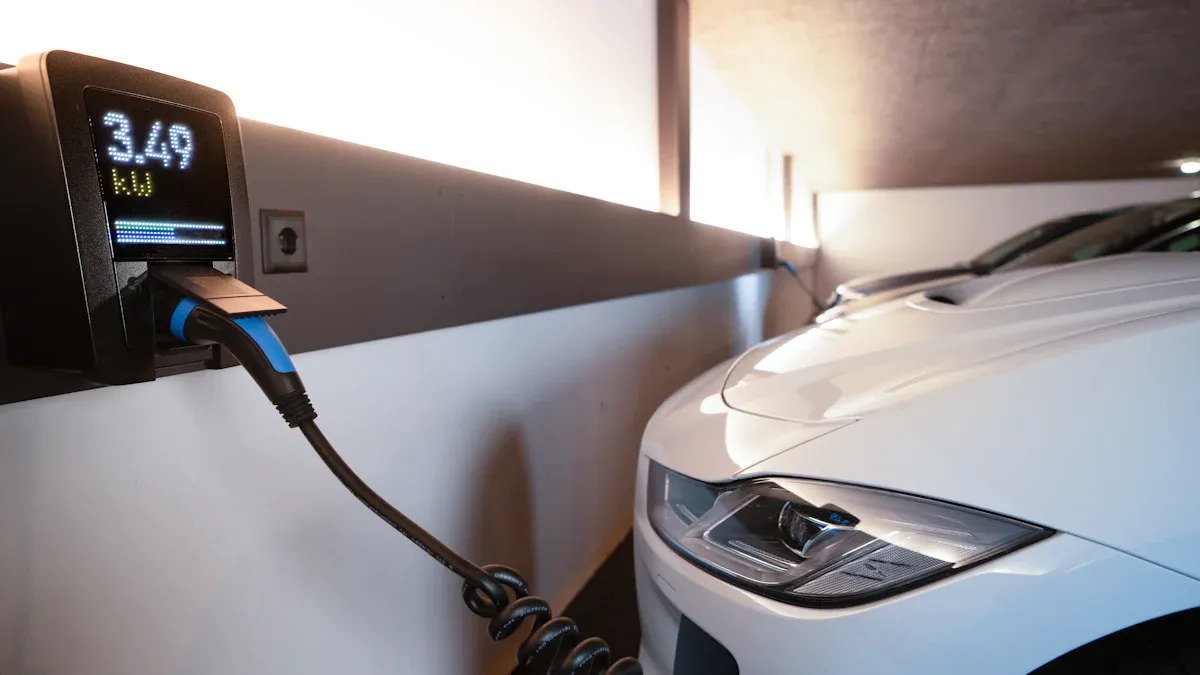
Theoretical prices are useful, but real-world scenarios show how biaya pengisian daya add up on the road and in the city. These examples break down the expenses for common journeys and vehicles in France, demonstrating how different choices impact a driver’s budget.
Cost for a Paris to Nice Road Trip
A road trip from Paris to Nice covers approximately 930 kilometers. The total dc fast charging cost depends heavily on the vehicle’s efficiency and the driver’s network subscriptions.
Charging a Renault Megane E-Tech
A driver of a Renault Megane E-Tech (60 kWh battery) would likely need three to four charging stops. With an Ionity Passport subscription, the cost is significantly reduced.
- Total Energy Needed: ~160 kWh
- Charging Cost (with Ionity Passport):
160 kWh * €0.39/kWh = €62.40 - Total Trip Cost: €62,40 + €5,99 (biaya bulanan) = €68.39
Mengisi Daya Tesla Model Y
Tesla Model Y Long Range mendapat manfaat dari jaringan Supercharger yang luas dan efisien. Biaya untuk mobil listrik ini kompetitif, terutama bagi pemilik Tesla.
- Total Energy Needed: ~155 kWh
- Biaya Pengisian Daya (Tarif Pemilik Tesla):
155 kWh * ~€0,45/kWh = €69,75 - Total Trip Cost: Kira-kira €69.75
Wawasan Perjalanan Jauh: Untuk perjalanan panjang, paket berlangganan menawarkan penghematan yang signifikan. Total biaya pengisian daya publik tetap jauh di bawah biaya bensin untuk kendaraan mesin pembakaran internal yang sebanding.
Biaya untuk Seminggu Berkendara Perkotaan
Banyak pengemudi perkotaan mengandalkan pengisian daya publik untuk isi ulang sesekali. Strategi di sini bergeser dari kecepatan ke mencari harga terendah.
Mengisi Ulang Peugeot e-208
Pengemudi Peugeot e-208 mungkin membutuhkan satu kali isi ulang cepat 25 kWh selama seminggu. Menggunakan jaringan seperti Electra pada jam luar sibuk adalah strategi yang hemat biaya.
- Energi yang Dibutuhkan: 25 kWh
- Biaya Pengisian Daya (Electra Luar Sibuk):
25 kWh * €0,44/kWh = €11,00 - Biaya Pengisian Daya Publik Mingguan: €11.00
Membandingkan Biaya Pengisian Cepat vs. Pengisian di Rumah
Keunggulan finansial pengisian daya di rumah sangat signifikan. Sementara infrastruktur publik, yang sering menggunakan perangkat keras andal dari penyedia seperti TPSON, penting untuk perjalanan, pengisian di rumah menawarkan tarif terendah untuk kebutuhan sehari-hari. Perbandingan ini menyoroti perbedaan untuk satu sesi pengisian daya 25 kWh.
| Metode Pengisian Daya | Tarif (per kWh) | Total Biaya untuk 25 kWh |
|---|---|---|
| Pengisian Cepat Publik (Luar Sibuk) | €0.44 | €11.00 |
| Pengisian di Rumah (Tarif Regulasi) | ~€0.25 | €6.25 |
Contoh sederhana ini menunjukkan bahwa mengisi daya kendaraan listrik di rumah dapat memotong pengeluaran energi mingguan hampir setengahnya dibandingkan hanya mengandalkan stasiun publik.
Pada tahun 2025, biaya pengisian cepat dc di Prancis berkisar dari rendah €0,29/kWh dengan berlangganan hingga tinggi €0,79/kWh untuk penggunaan ad hoc. Strategi paling efektif untuk mengelola harga rata-rata pengisian daya publik melibatkan analisis kebiasaan mengemudi untuk memilih paket yang sesuai seperti Ionity Passport. Pendekatan ini memastikan biaya perjalanan EV dua hingga tiga kali lebih murah daripada kendaraan bensin.
Tip Terakhir: 💡 Selalu gunakan aplikasi seluler untuk memverifikasi tarif akhir per kWh dan biaya sesi apa pun sebelum Anda mulai mengisi daya. Pemeriksaan sederhana ini mencegah pengeluaran tak terduga dalam perjalanan Anda.
PERTANYAAN YANG SERING DIAJUKAN
Apa cara termurah untuk mengisi cepat EV di Prancis?
Metode paling hemat biaya adalah menggunakan paket berlangganan jaringan. Pengemudi juga dapat menghemat uang dengan mengisi daya pada jam luar sibuk, biasanya semalaman. Menggabungkan langganan dengan pengisian daya luar sibuk memberikan tarif per kWh terendah yang mungkin untuk pengisian daya publik.
Mana yang lebih murah, mengisi Tesla atau EV non-Tesla?
Pemilik Tesla umumnya membayar lebih sedikit di Supercharger. Pengemudi non-Tesla membayar tarif ad hoc yang lebih tinggi. Namun, mereka dapat membeli Keanggotaan Tesla untuk mengakses harga yang mirip dengan yang dibayar pemilik Tesla, membuat biayanya sangat kompetitif.
Bisakah pengemudi menggunakan kartu kredit di semua pengisi daya cepat?
Banyak pengisi daya cepat DC baru di Prancis menerima pembayaran kartu kredit tanpa sentuh. Opsi ini nyaman untuk penggunaan ad hoc tetapi tidak memberikan akses ke tarif berlangganan yang lebih rendah. Menggunakan aplikasi jaringan diperlukan untuk harga diskon.
Apa itu biaya menganggur dan bagaimana pengemudi dapat menghindarinya?
Biaya menganggur adalah penalti per menit karena meninggalkan mobil terhubung setelah pengisian daya selesai. Pengemudi dapat dengan mudah menghindari biaya ini dengan mengaktifkan notifikasi aplikasi, yang memberi tahu mereka ketika sesi pengisian daya selesai.
Mengapa harga pengisian daya berubah sepanjang hari?
Beberapa jaringan menggunakan penetapan harga jam sibuk dan luar sibuk untuk mengelola permintaan. Harga lebih tinggi selama jam sibuk di siang hari dan lebih rendah semalaman. Strategi ini membantu menyeimbangkan beban pada jaringan listrik dan memberi imbalan kepada pengemudi karena mengisi daya pada waktu yang kurang padat.
Apakah kartu roaming seperti Chargemap Pass selalu lebih mahal?
Tidak selalu, tetapi layanan roaming dapat menambahkan biaya kecil untuk kenyamanan. Harga yang ditampilkan di aplikasi roaming adalah harga akhir yang dibayar pengemudi. Ini menawarkan akses ke banyak jaringan dengan satu kartu, yang dapat sepadan dengan biaya kecilnya.
Bagaimana kualitas perangkat keras memengaruhi pengalaman pengisian daya?
Perangkat keras berkualitas tinggi memastikan sesi pengisian daya yang andal dan efisien. Penyedia solusi pengisian daya EV canggih secara teknologi seperti TPSON memasok operator dengan peralatan yang kokoh. Hal ini menyebabkan lebih sedikit kesalahan stasiun, penyaluran daya yang konsisten, dan pengalaman keseluruhan yang lebih baik bagi pengemudi.