Charging an EV from a 3-pin plug remains possible, but safety concerns demand close attention. Many Fabricants de chargeurs de VE and experts recommend using dedicated Solutions de recharge pour véhicules électriques ou chargeurs portables pour VE over standard home sockets. Common risks include overheating, circuit overload, and fire hazards. The table below highlights reported incidents:
| Safety Incident/Risk | Explication |
|---|---|
| Overheating due to poor connections | Loose connections can cause dangerous heat build-up. |
| Dangers of using extension cords | Low-quality cords may increase resistance, leading to overheating. |
| Overloading the circuit | Simultaneous appliance use can trip circuits and create hazards. |
| Lack of RCD protection | Absence of RCDs raises the risk of electric shock or fire. |
| Poor setup or unsuitable equipment | Non-compliant sockets increase danger during charging. |
EV owners should always follow guidance from Chargeur de VE manufacturers and assess the condition of their home before they charge an EV using a 3-pin plug.
3-Pin Plug Charging: Is It Safe to Charge an EV?
Safety Factors for Electric Car Charging
Condition of Home Wiring
The safety of charging an EV from a 3-pin plug depends heavily on the condition of the home wiring. Modern homes with up-to-date electrical systems provide a safer environment for charging. Old or poorly maintained wiring increases the risk of overheating and electrical faults. Homeowners should inspect sockets for signs of wear, discoloration, or loose connections before plugging in a charger. Regular checks help prevent potential hazards and ensure that the system can handle the load required to charge an EV.
Quality of Charging Cable
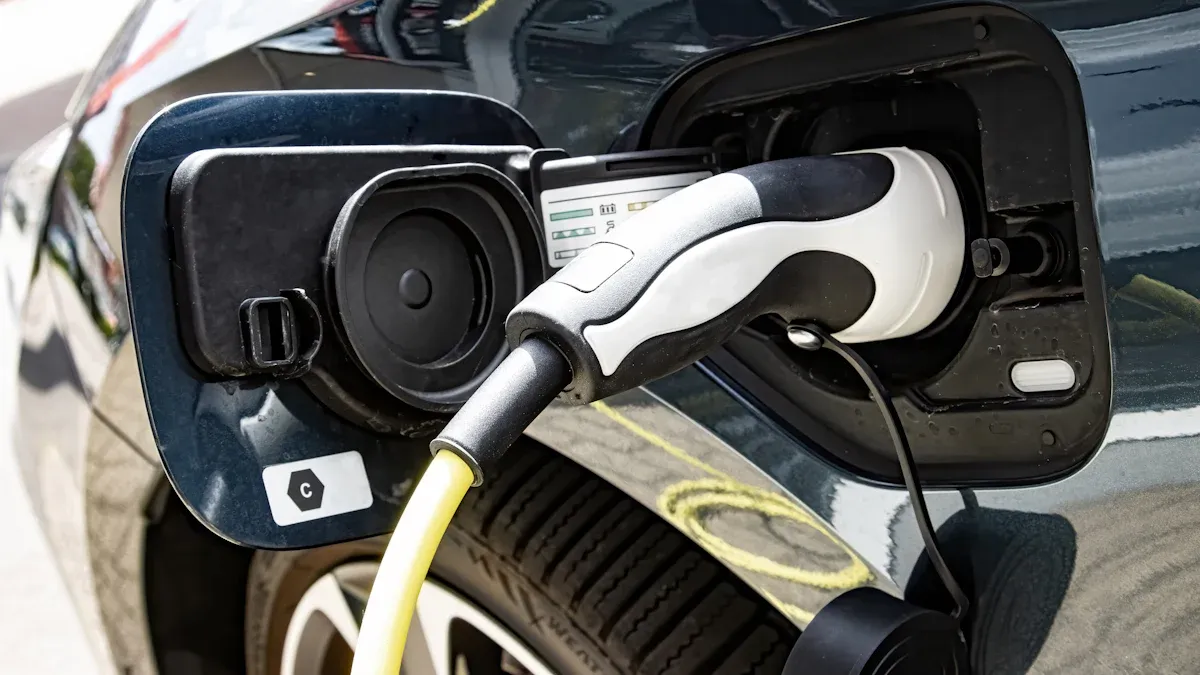
The quality of the charging cable plays a crucial role in electric car charging safety. Cables that meet recognized safety standards, such as IEC certifications, offer better protection against electrical faults. Before each use, drivers should inspect the plug and cable for visible defects. Using a cable with a lower load rating than required can lead to overheating, especially during overnight charging. Experts recommend stepping down the charging load to 6A for extended sessions to reduce the risk of excessive heat build-up. Reliable cables and proper load management help maintain a safe charging environment.
Manufacturer and Expert Advice on Charging
Official Recommendations
Manufacturers and electrical safety experts provide clear guidance on charging via a 3-pin plug. They recognize that this method can be safe for occasional use, provided certain conditions are met. These include using modern wiring, limiting continuous charging loads to 10A, and avoiding old or damaged sockets. For regular charging, they strongly recommend installing a dedicated home charger. This approach ensures greater safety and efficiency for those who need to charge an EV frequently.
| Preuves | Summary |
|---|---|
| 3-pin chargers can be safe for occasional use | Experts acknowledge safety under certain conditions but warn against regular use. |
| Risks of using old or poorly wired sockets | Regular use increases risks of overheating and fire hazards. |
| Recommendations for safe use | Limit continuous charging loads to 10A and ensure modern wiring. |
| Conclusion on dedicated chargers | A dedicated home charger is recommended for regular use for safety and efficiency. |
Occasional vs. Regular Charging
Charging an EV from a 3-pin plug should remain an occasional solution rather than a daily routine. Occasional use, such as when traveling or during emergencies, poses fewer risks if the home’s wiring and the charging cable are in good condition. Regular charging through a 3-pin plug increases the likelihood of overheating and circuit overloads. To charge your electric car safely and efficiently, drivers should consider a dedicated charger for routine use. This reduces strain on household circuits and provides built-in safety features not available with standard sockets.
⚡ Conseil : Always consult a qualified electrician before you charge an EV from a 3-pin plug, especially if you have concerns about your home’s wiring or socket condition.
Safety Risks of Charging an EV from a 3-Pin Plug
Overheating and Fire Hazards
Causes of Overheating
Charging an EV from a 3-pin plug can lead to overheating if the electrical system or equipment is not suitable for sustained high loads. The main causes include poor contact between the plug and socket, worn or corroded connections, and the use of low-quality extension leads. When the plug or socket cannot handle the continuous current required for electric car charging, heat builds up. Over time, this heat can damage the plug, melt insulation, or even ignite nearby materials.
- One user reported charging their vehicle twice a day using both a wall charger and a 3-pin extension lead without experiencing any overheating issues, even in high temperatures.
- Another user expressed concerns about the safety of using 3-pin plugs for high amperage charging, indicating that long-term use could be problematic.
Research indicates that while lithium-ion batteries in electric vehicles can pose a fire risk, there is no evidence that fires in electric vehicles occur more frequently than in petrol or diesel vehicles. In fact, studies suggest that electric vehicle fires are less common than those involving traditional vehicles.
Warning Signs During Charging
Several warning signs may indicate overheating during charging. Users should pay attention to the following:
- The plug or socket feels unusually warm or hot to the touch.
- There is a smell of burning plastic or insulation.
- The socket or plug shows discoloration or scorch marks.
- The charging process stops unexpectedly or the charger trips the circuit.
If any of these signs appear, users should stop charging immediately and consult a qualified electrician. Ignoring these warnings can increase the risk of fire or permanent damage to the home’s electrical system.
Electrical System Strain
Impact on Household Circuits
Charging an EV from a 3-pin plug places a significant load on household circuits. Most home sockets are designed for short-term use with small appliances, not for continuous high-power charging. When a circuit supports both the EV and other household devices, the total demand can exceed safe limits. This strain may cause wiring to overheat or degrade faster than normal.
Charging without a dedicated home charger is not optimal or safe, as it can strain the home’s electrical circuit and pose fire hazards.
Circuit Breaker and Fuse Issues
Household circuit breakers and fuses protect against overloads by cutting power when current exceeds safe levels. However, frequent charging from a 3-pin plug can cause these safety devices to trip repeatedly. This repeated tripping signals that the circuit is under stress. In some cases, older or improperly rated breakers may fail to respond in time, increasing the risk of overheating or fire. Regular tripping also indicates that the electrical system may not be suitable for regular EV charging and requires professional assessment.
Comparing 3-Pin Plug Charging to Dedicated Home Chargers
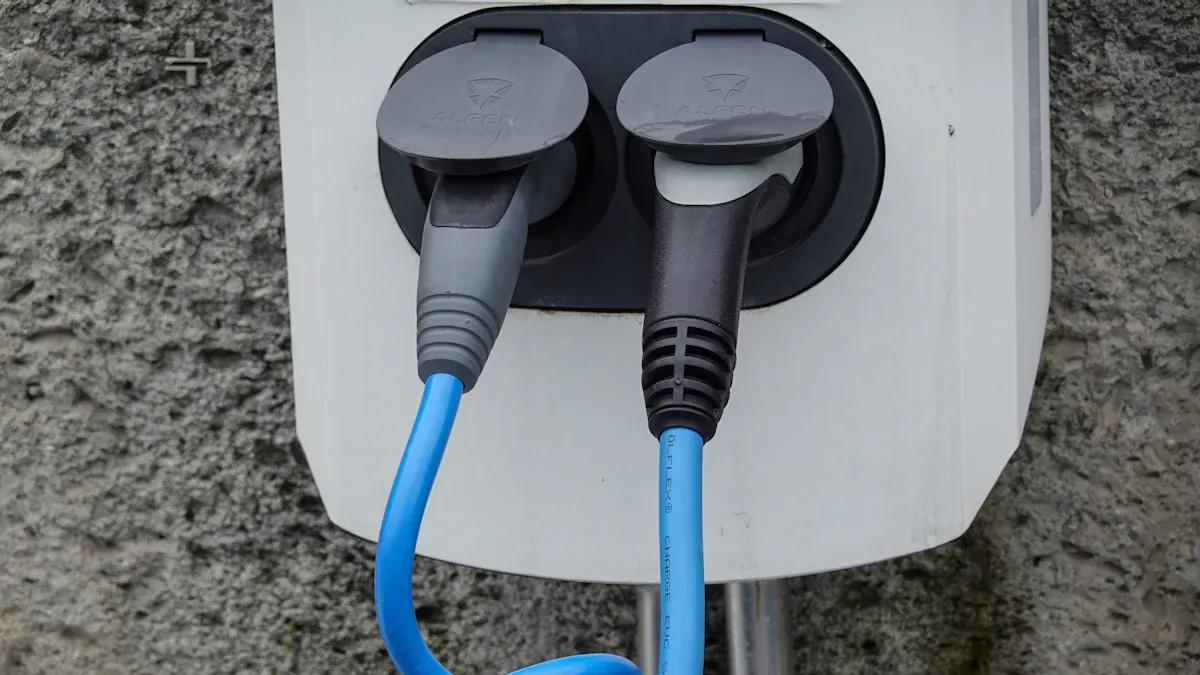
Safety Differences in Electric Car Charging
Built-In Protections of Home Chargers
Dedicated home chargers offer advanced safety features that standard 3-pin plug setups cannot match. These chargers connect to their own circuit, which prevents interference from other household devices. Certified installers follow strict guidelines and use proper materials to reduce risks such as overheating or short circuits. Home EV charging installations must comply with safety regulations, ensuring that each charger meets high standards for reliability and protection.
The table below highlights key differences:
| Fonctionnalité | Dedicated Home EV Charger | Standard 3-Pin Plug |
|---|---|---|
| Circuit | Installed on its own circuit | Shares circuit with other devices |
| Power Handling | Designed for high-power demands | Not designed for heavy loads |
| Overheating Risk | Reduced risk due to installation | Higher risk of overheating |
| Respect des règlements | Must comply with strict regulations | No specific regulations for EVs |
Note: Dedicated charging points provide built-in protections, such as automatic shut-off and ground fault detection, which help prevent accidents during electric car charging.
Risks of Prolonged 3-Pin Plug Use
Prolonged use of a 3-pin plug for charging an EV introduces several hazards. Inadequate RCD protection increases the risk of electric shock. Poor plug fit can cause overheating, especially if the plug does not sit securely in the socket. Tampering and water ingress also pose threats, as moisture or interference can damage connections and create fire risks. These issues make 3-pin plug charging unsuitable for regular or long-term use.
Vitesse et efficacité de la charge
Time to Charge an EV
Charging speed varies greatly between 3-pin plugs, dedicated home chargers, and public charging stations. A 3-pin wall socket delivers a maximum power output of 2.3 kW, which means a full charge can take up to 24 hours. Dedicated home chargers typically operate at 7.4 kW or higher, reducing charging time significantly. Public charging stations offer even faster speeds, often exceeding 50 kW, allowing drivers to top up their batteries quickly.
| Méthode de chargement | Maximum Power Output | Charging Time Estimate |
|---|---|---|
| 3-pin wall socket | 2.3 kW | Jusqu'à 24 heures |
| Chargeur domestique dédié | 7.4 kW or higher | Beaucoup moins de temps |
| Public charging station | 50 kW ou plus | Very quick |
Charging with a 3-pin plug is best reserved for emergencies or occasional use, as it cannot match the speed or convenience of dedicated charging points.
Energy Loss and Cost
Charging efficiency also differs between methods. 3-pin plug charging often results in higher energy loss due to heat and resistance in the wiring. This inefficiency can increase electricity costs over time. Dedicated home chargers minimize energy loss by using optimized circuits and components. Public charging stations, designed for high throughput, further reduce waste and deliver power more efficiently. Choosing the right charger helps EV owners save both time and money while maintaining safety.
How Long Does It Take to Charge an EV with a 3-Pin Plug?
Temps de charge typiques
Charging an EV with a standard 3-pin plug is often referred to as “trickle charging.” This method delivers a low power output, which means the process takes much longer than using a dedicated home charger or public station. Many electric car owners ask, “how long does it take to charge an electric car” using this method. The answer depends on the battery size and the vehicle model.
Real-World Examples
The charging time for a typical electric vehicle using a 3-pin plug can range from 13 hours to over 24 hours. For example, the Nissan LEAF, which has a 40 kWh battery, requires just over 13 hours to reach full charge. Larger battery models may take up to 20 hours or more. The following table illustrates charging times for different scenarios:
| Méthode de chargement | Temps de charge complète | Time to 80% Charge |
|---|---|---|
| Fiche à 3 broches | Over 24 hours | Around 10 hours |
⚡ Remarque : Charging with a 3-pin plug is not recommended for daily use. Slow speeds and potential fire safety concerns make it suitable only for emergencies or occasional use.
Factors Affecting Speed
Several factors influence charging time when using a 3-pin plug:
- Battery capacity: Larger batteries require more time to charge.
- State of charge: Charging from empty takes longer than topping up.
- Ambient temperature: Extreme heat or cold can slow charging rates.
- Condition of wiring and socket: Poor connections may reduce efficiency and increase risk.
- Charging cable quality: High-quality cables support safer and more consistent charging.
Drivers should always check that the plug does not overheat during the charging process. Monitoring the socket and cable helps prevent fire hazards and ensures safe electric car charging.
Comparison with Faster Charging Options
Charging with a 3-pin plug remains the slowest method available for EV owners. Faster alternatives provide significant advantages in both speed and safety.
Level 2 Home Chargers
Level 2 home chargers use a dedicated circuit and deliver higher power output. These chargers can recharge a 40 kWh battery in about 4 to 6 hours with a 7 kW unit. Some advanced models with 22 kW capacity can complete the process in just 1 to 2 hours. This efficiency makes Level 2 chargers ideal for regular use and helps reduce the cost to charge an electric car over time.
Stations de recharge publiques
Public charging stations offer rapid charging capabilities. Many stations can charge an EV from empty to 80% in as little as 20 minutes to an hour. These chargers suit drivers who need quick top-ups during travel or daily commutes. The table below summarizes the differences:
| Méthode de chargement | Charging Time Estimate | Gamme ajoutée par heure |
|---|---|---|
| 3-pin plug (Level 1) | Jusqu'à 24 heures | 3-5 miles |
| Chargeur domestique de niveau 2 | 4-6 hours (7 kW) | 20-30 miles |
| Public charging station | 20 min – 1 hour (rapid) | 100+ miles |
Choosing the right charging solution depends on individual needs. Those who want to charge your electric car quickly and safely should consider installing a dedicated home charger or using public stations. These options offer faster charging time and greater convenience for daily use.
Best Practices for Safe 3-Pin Plug Charging
When to Use a 3-Pin Plug for EV Charging
Emergency and Occasional Use
Drivers should reserve 3-pin plug charging for emergency or occasional scenarios. Safety experts and manufacturers recommend this method for plug-in hybrids or those who travel less than 30 miles daily. Most electric vehicles include a portable Level 1 charging cable, which provides approximately 8-12 miles of range per hour. This approach suits situations where a dedicated charging point is unavailable or when public charging options are limited.
- Suitable for plug-in hybrids or short daily commutes.
- Provides a modest range boost for emergencies.
- Most EVs include a portable Level 1 cable for convenience.
Short-Term vs. Long-Term Charging
Short-term charging from a 3-pin plug can help in unexpected situations or during travel. Long-term reliance on this method increases risks such as overheating and electrical strain. TPSON, a technologically advanced electric vehicle charging solution provider, advises drivers to use dedicated chargers for regular charging needs. Dedicated chargers offer greater safety and efficiency, reducing the likelihood of electrical faults.
Safety Tips for Electric Car Charging
Extension Cord Use
Extension cords present significant risks during electric car charging. Electrical safety organizations warn that low-quality cords may increase resistance, leading to overheating. Drivers should avoid using extension cords whenever possible. If an extension cord becomes necessary, select one rated for high current and ensure it remains undamaged and fully unwound during use.
⚠️ Conseil : Never use a damaged or coiled extension cord for EV charging. Always check the cord’s rating and condition before plugging in.
Monitoring Temperature and Load
Monitoring the temperature of the plug and socket during charging helps prevent fire hazards. Drivers should touch the plug periodically to check for excessive warmth. If the plug feels hot or emits a burning smell, stop charging immediately. Overloading the circuit by running multiple appliances alongside the EV charger increases the risk of tripping breakers or causing electrical faults. Limit simultaneous use of high-power devices to maintain a safe load.
Preparing Your Home for Charging
Electrical Checks
Charging an EV through a home’s electrical system increases the load. Homeowners must assess whether their system can handle this demand. Modern electrical systems typically support EV charging, but older systems may require upgrades. An electrician should inspect the wiring and fuse box before starting regular charging.
- Ensure suitable off-street parking.
- Get an electrician to inspect wiring and fuse box.
- Decide between a 7kW or 22kW charger based on needs.
- Plan the installation location near the parking spot.
- Always use qualified professionals for installation.
Consulting a Qualified Electrician
Electrics can be dangerous. A qualified professional must handle the installation of any EV charger. The electrician should have proper training and certification for charge point installation. Testing safety features such as earth fault protection and load balancing ensures reliable operation. Choosing the right charger type and installation location further enhances safety.
🛠️ Remarque : Always hire a certified electrician for any EV charging installation. Professional assessment protects both the vehicle and the home.
Manufacturer and Expert Recommendations for EV Charging
Automaker Guidelines for 3-Pin Plug Charging
Warranty and Support Implications
Automakers set clear expectations for owners who charge their vehicles using a 3-pin plug. They often state that if a third-party charging cable causes damage, the warranty may not cover repairs. Some manufacturers specify that only approved charging products should connect to the vehicle. If an owner uses a non-recommended cable or charger, this choice could lead to warranty issues. However, if the automaker does not restrict the use of 3-pin chargers, using one occasionally should not affect warranty coverage. Manufacturers also warn that frequent use of a 3-pin plug for charging may impact warranty support. Owners should always check the vehicle handbook for details about warranty terms and approved charging methods.
Official Safety Advice
Major electric vehicle manufacturers provide practical advice for safe charging. They recognize that a 3-pin charger can be safe for occasional use if it meets their standards. Domestic sockets used for charging should ideally be tested to BS 1363-2 and marked with ‘EV’ to ensure robustness. Automakers recommend using a 3-pin plug for overnight top-ups only in emergencies. For daily charging, they advise installing a dedicated charging point. This approach helps maintain safety and protects the vehicle’s electrical systems.
- 3-pin chargers are suitable for occasional, correct use.
- Sockets should meet specific standards and be marked for EV use.
- Dedicated charging points are best for regular charging needs.
Electrician and Safety Expert Tips
Installation professionnelle
Professional electricians and safety experts emphasize the importance of proper installation for any charging solution. They do not recommend routine use of a 3-pin plug for charging due to significant safety concerns. Electricians advise homeowners to inspect their properties for undetected cable heat damage before charging. Older wiring can lead to overheating, tripping, or even fire risks. TPSON, a technologically advanced electric vehicle charging solution provider, highlights the value of professional assessment and installation. A certified electrician can ensure the home’s wiring supports the demands of EV charging and can recommend the safest charging point for the property.
| Safety Concern | Recommandation |
|---|---|
| Routine use of 3-pin charging | Not recommended due to significant safety concerns. |
| Risk of overheating | Inspect homes for undetected cable heat damage. |
| Long-term use of standard sockets | Not designed for regular use; can cause overheating and fire risks. |
| Prolonged charging time | Can take 30 to 40 hours for a full charge, increasing load on the circuit. |
| Older wiring issues | Can lead to overheating, tripping, or fire risks. |
Les erreurs courantes à éviter
Safety experts identify several common mistakes made by EV owners when charging from a 3-pin plug. Many owners fail to limit continuous charging loads to 10A, which increases the risk of overheating. Using extension cables or multi-plug adapters introduces resistance and weak points in the circuit, making overheating more likely. Prolonged charging times can strain plugs and wiring, raising the risk of fire. Owners should avoid these mistakes and always monitor the charging process. If the plug or socket feels warm, charging should stop immediately. For regular charging, a dedicated point or public charging station offers a safer and more efficient solution.
Alternatives to 3-Pin Plug Charging for Electric Cars
Installing a Dedicated Home Charger
Benefits and Costs
A dedicated home charger offers significant advantages over a standard 3-pin plug. The main benefit is faster charging. A typical 3-pin plug provides only 2.3 kW, which can take up to 30 hours for a full charge. In contrast, a dedicated charger delivers 7 kW or more, reducing charging time to between 3 and 8 hours.
| Méthode de chargement | Puissance de sortie | Temps de charge complet |
|---|---|---|
| 3-Pin Plug | 2.3 kW | Up to 30 hours |
| Dedicated EV Charger | 7 kW or more | 3–8 hours |
Professional installation ensures the charger connects to the correct circuit and complies with safety regulations. Enhanced safety features, such as built-in circuit protection, reduce the risk of fire. Many homeowners find that installing a dedicated charger increases property value and appeals to eco-conscious buyers. The UK government supports this transition through the EV Chargepoint Grant, which covers up to £350 or 75% of the installation cost.
- Professional installation guarantees compliance and safety.
- Built-in protections lower fire risk.
- Dedicated chargers can boost property value and market appeal.
How to Get Started
The process of installing a home charger begins with a cable routing survey. Installers plan the most efficient path from the electrical panel to the charger location. They inspect the parking area to ensure it meets safety standards and building regulations. Most installations fall under permitted development, but special permissions may be needed for listed buildings or leasehold properties.
On installation day, the professional prepares the site, completes the electrical work, mounts the charger, and tests the system. After installation, the installer demonstrates how to use the charger, provides certification, and sets up any smart features.
When choosing an installer, homeowners should look for OZEV approval, NICEIC or equivalent registration, and EV-specific training certification. Professional indemnity insurance offers added protection against potential liabilities.
Using Public Charging Networks
Finding Charging Stations
Public charging networks play a vital role for drivers who cannot install a home charger. Many residential areas now offer on-street chargers, and cities like London have introduced lamppost charging schemes with thousands of new charge points. These chargers often integrate into existing street furniture, making them affordable and easy to access. Charging stations frequently appear in convenient locations such as shopping centers and workplaces.
| Type de preuve | Description |
|---|---|
| Project Focus | Expanding public charging in underserved areas, including rural communities. |
| Project Outcome | 44 charging hubs with 173 chargers, boosting local capacity by over 200%. |
| Impact sur l'environnement | Over 6,200 tonnes CO2 saved annually. |
When to Use Public Chargers
Public charging is essential for long-distance travel and for those without access to private charging facilities. It provides a reliable solution for emergency top-ups and extended trips. Key factors to consider when choosing between home and public charging include accessibility, cost, charging speed, convenience, and environmental impact. Home charging remains more cost-effective and convenient for daily use, while public charging offers flexibility for those with limited options at home.
Tip: Drivers should use public charging points for longer journeys or when home charging is not available.
Charging an EV from a Fiche à 3 broches presents notable safety risks, especially with older wiring or frequent use. Experts advise using this method only when dedicated chargers are unavailable or for slow, occasional charging.
- Avoid domestic extension cables.
- 3-pin plugs suit emergency or infrequent use.
For regular charging, a chargeur domestique dédié offers faster speeds and enhanced safety features. The table below outlines best practices for safe home charging:
| Meilleures pratiques | Description |
|---|---|
| Upgrade Electrical System | Ensure the system can handle EV charging loads. |
| Installation professionnelle | Hire a qualified electrician for compliance and safety. |
| Battery Management | Maintain battery charge between 20-80% for longevity. |
Always consult a professional to assess your home’s electrical system and ensure safe EV charging.
FAQ
Can someone leave an EV charging overnight with a 3-pin plug?
They can leave an EV charging overnight with a 3-pin plug, but experts advise monitoring the plug for heat. They should only use this method occasionally and ensure the wiring remains in good condition.
Does charging with a 3-pin plug damage the EV battery?
Charging with a 3-pin plug does not damage the EV battery. The vehicle’s onboard charger manages battery health. The main risks involve home wiring and socket safety, not the battery itself.
Is it safe to use an extension cord for EV charging?
Safety experts do not recommend using extension cords for EV charging. Extension cords can overheat and increase fire risk. Only heavy-duty, properly rated cords should be considered, and only in emergencies.
How can someone check if their socket is suitable for EV charging?
A qualified electrician should inspect the socket and wiring. Signs of suitability include modern wiring, a secure socket, and no visible damage or discoloration. Regular checks help maintain safety.
What should someone do if the plug feels hot during charging?
They should stop charging immediately if the plug feels hot. Heat signals a potential hazard. An electrician should inspect the socket and wiring before charging resumes.
Will using a 3-pin plug affect the EV warranty?
Most manufacturers allow occasional 3-pin charging. Frequent use or non-approved cables may affect warranty coverage. Owners should review their vehicle’s manual for specific guidance.
How much range does one hour of 3-pin charging provide?
One hour of charging with a 3-pin plug typically adds 3 to 5 miles of range. The exact amount depends on the vehicle model and battery size.
Can someone install a dedicated home charger themselves?
Only certified electricians should install dedicated home chargers. Professional installation ensures compliance with safety standards and protects both the home and the vehicle.