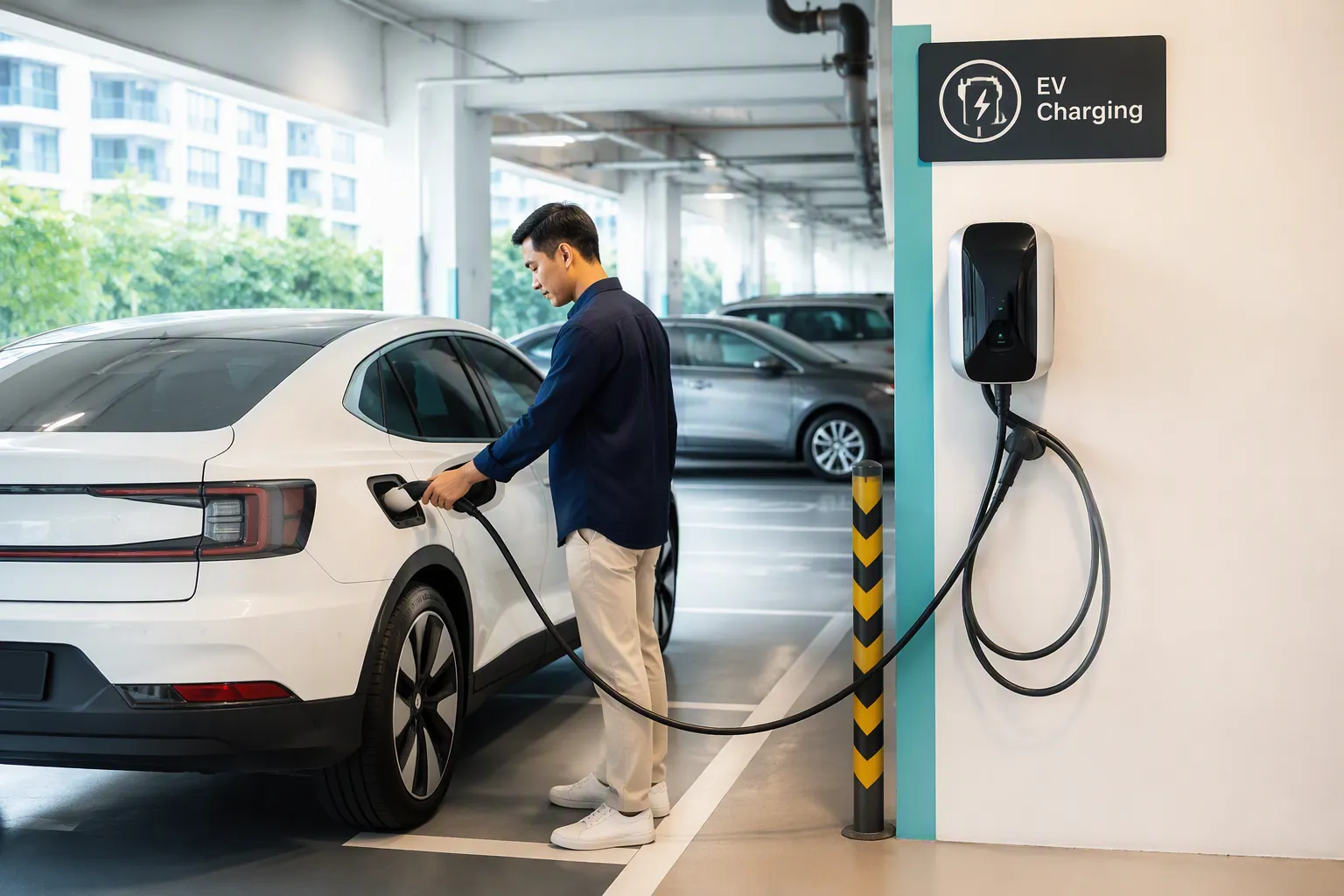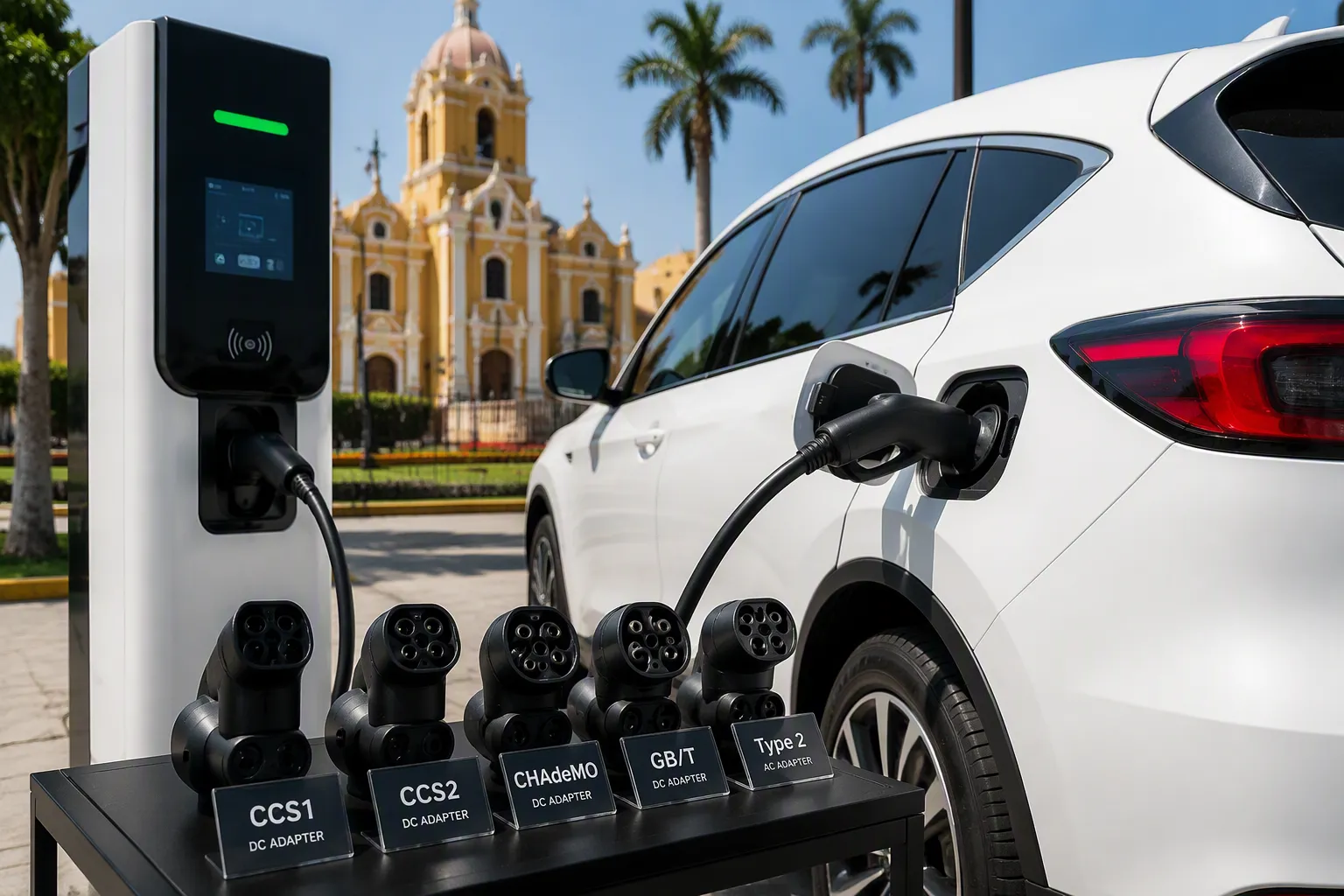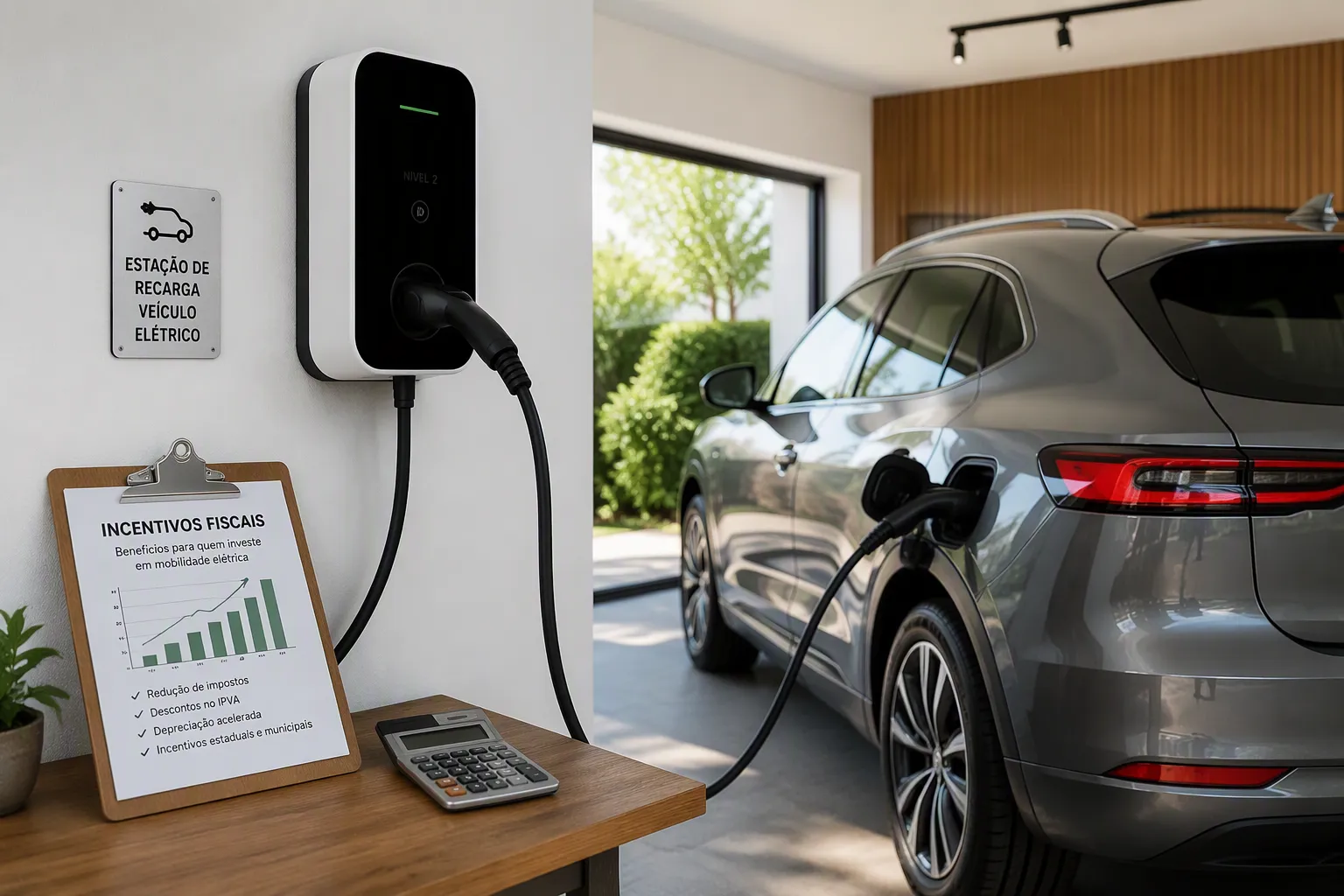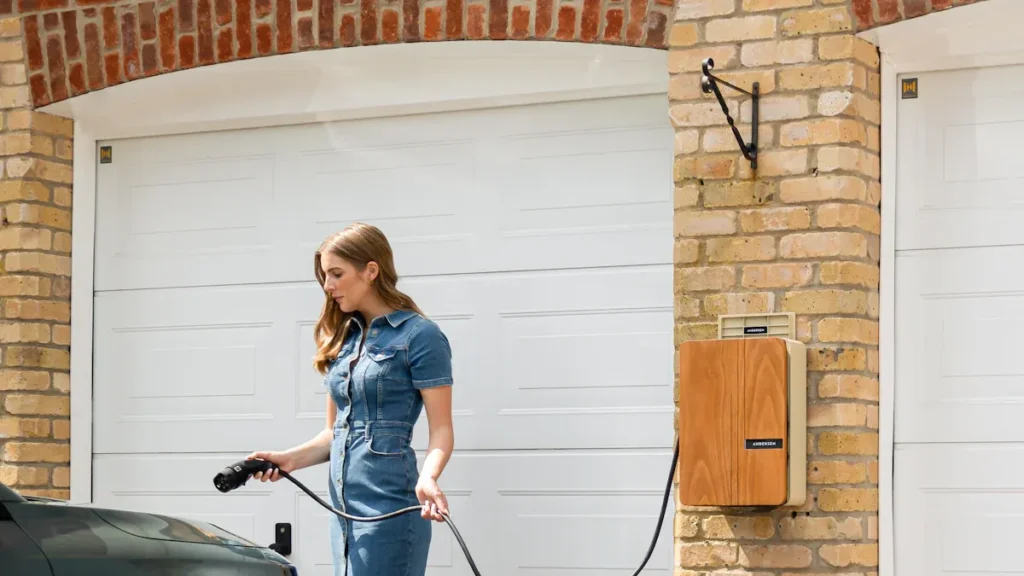
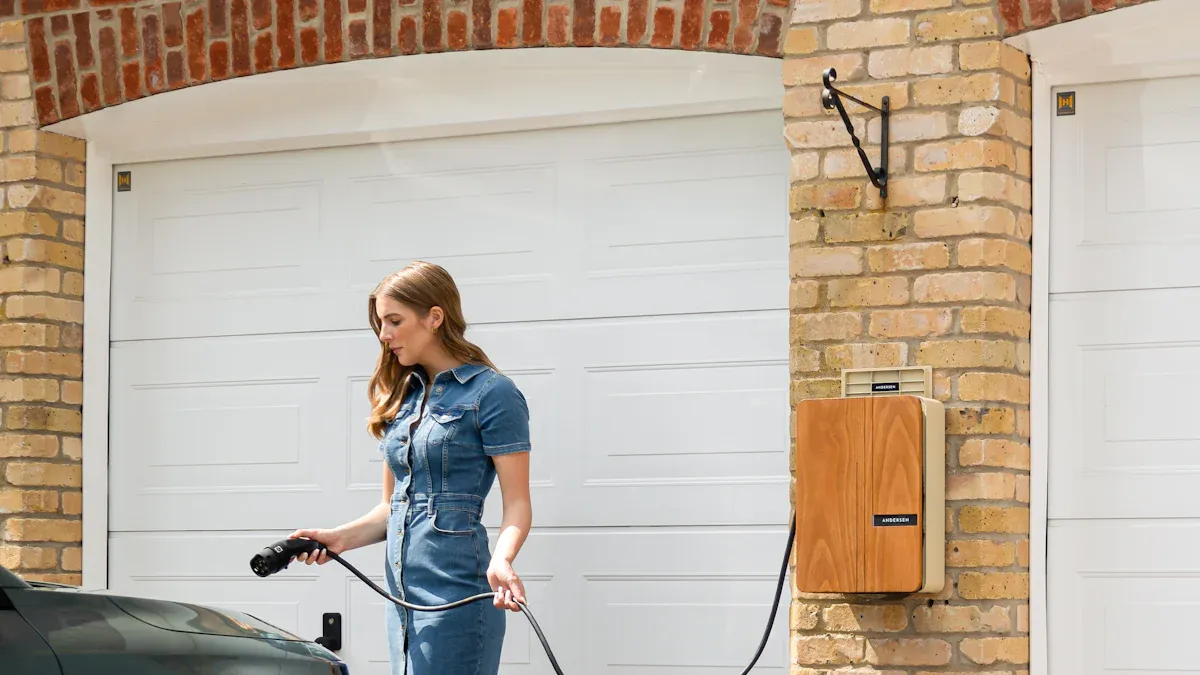
Using an extension cord with a Level 1 Chargeur EV in Spain raises significant safety concerns. Fabricants de chargeurs de VE and local regulations warn against this practice because extension cord use often leads to overheating, fire hazards, and compromised safety features. Homeowners must recognize that improper extension cord selection puts both the electric car and home at risk. Common problems include:
- Overheating from sustained current flow through the extension cord
- Increased risk of electrical fires when the extension cord is not rated for EV charging
- Compromised safety mechanisms in chargeurs ev portables et Solutions de recharge pour véhicules électriques
Prioritizing extension cord safety and following expert recommendations ensures reliable charging and protects Spanish homes.
Extension Cord Safety and Level 1 Electric Car Charging
What Is a Level 1 EV Charger?
A Level 1 ev charger represents the most basic charging station for electric vehicles. This charger connects directly to a standard household outlet. Many Spanish homeowners receive a Level 1 ev charger with their new ev. The charger operates at 230 volts, which matches the typical voltage in Spanish homes. The ev charger provides a slow but steady charging process. Most drivers use this charger overnight or during long periods when the ev remains parked. The charger offers convenience, but it also comes with limitations. The ev charger does not require complex installation, so many users set up the charging station in their garage or driveway.
Le rallonge électrique often enters the conversation when the charging station sits far from the outlet. Homeowners may consider using an extension cord to bridge the gap. However, the ev charger manufacturer rarely recommends this practice. The extension cord can introduce risks that affect the charger, the ev, and the charging station.
How Level 1 Charging Works in Spanish Homes
Spanish homes typically feature a 230-volt electrical system. The Level 1 ev charger plugs into a standard socket. The charger draws a moderate current, usually between 8 and 10 amps. The charging station delivers power to the ev battery at a slow rate. Most ev owners expect a full charge after 8 to 12 hours. The charger works best when the charging station sits close to the main electrical panel. The extension cord may seem like a simple solution for distant charging stations, but it can create problems. The charger relies on stable voltage and current. The extension cord can cause voltage drops, which reduce charging efficiency. The ev charger may not function properly if the extension cord cannot handle the required load.
Tip: Always check the compatibility of your extension cord with the ev charger before use. Incompatible cords can lead to overheating and safety hazards.
Typical Power Requirements and Limitations
The Level 1 ev charger requires a steady supply of electricity. The charger draws continuous power for several hours. The charging station must support this demand without interruption. The extension cord must match the power rating of the charger and the ev. If the extension cord falls short, it can overheat or fail. The charger may stop working, or the ev may not receive a full charge. Compatibility between the extension cord, the charger, and the charging station remains critical. Spanish homes often have older wiring, which can limit the safe use of an extension cord. The charger and the ev both depend on reliable connections. The charging station should never rely on a damaged or low-quality extension cord.
The table below summarizes the key requirements for safe Level 1 ev charger use in Spanish homes:
| Exigence | Safe Practice | Risk with Extension Cord |
|---|---|---|
| Tension | 230V | Possible voltage drop |
| Actuel | 8-10A | Overheating if cord is underrated |
| Compatibilité | Manufacturer-approved charger only | Problèmes de compatibilité |
| Charging Station Location | Near outlet | Extension cord may be needed |
The charger, the ev, and the charging station all benefit from direct connections. The extension cord should only serve as a last resort, and only if it meets strict compatibility standards.
Extension Cord Safety: Can You Use One for Electric Car Charging?
Manufacturer Recommendations on Extension Cord Use
Major ev charger manufacturers in Europe, including those supplying the Spanish market, maintain strict positions on extension cord use. They design each ev charger to operate safely when plugged directly into a compatible outlet. Most manufacturers discourage the use of a household extension cord for charging an ev. The main reasons include the risk of overheating, fire hazards, and the potential for voiding warranties on both the charger and the electric car.
- Manufacturers advise against using conventional, domestic-grade extension cords for ev charging.
- They recommend using only extension cords specifically designed for ev charging, and only when absolutely necessary.
- The preferred solution remains the installation of a dedicated charging station.
- Charging an ev with a household extension cord is highly discouraged due to safety risks.
- Using a household extension cord may affect the warranty of the ev charger or the vehicle.
These recommendations reflect the importance of following the manufacturer’s guidelines. TPSON, a technologically advanced electric vehicle charging solution provider, also emphasizes the need for proper installation and direct connections. They highlight that extension cord safety cannot be guaranteed with standard cords, especially when charging an ev for extended periods.
Spanish Electrical Codes and Extension Cord Safety
Spanish electrical codes set clear standards for home wiring and appliance connections. These codes require that high-power devices, such as an ev charger, connect directly to a fixed outlet. The regulations aim to protect homeowners from electrical faults, overheating, and fire. Extension cord safety becomes a concern when users attempt to bypass these requirements.
The Spanish code does not explicitly ban extension cord use for ev charging, but it does mandate that all connections must support the continuous current drawn by the charger. Most extension cords available in hardware stores do not meet these standards. The code also requires that any extension cord used for high-power applications must have the correct wire gauge, insulation, and certification. Failure to comply with these rules can result in insurance issues or legal liability if an incident occurs.
Note: Homeowners should always consult a licensed electrician before using an extension cord with an ev charger. This step ensures compliance with local codes and reduces the risk of electrical hazards.
Real-World Scenarios in Spanish Homes
Many Spanish homes feature garages or parking spaces located far from the main electrical panel. In these cases, homeowners often consider using an extension cord to connect the ev charger to the nearest outlet. This approach may seem convenient, but it introduces several risks.
For example, a homeowner might use a long extension cord to reach the charger in an outdoor parking area. If the extension cord lacks the proper rating, it can overheat during charging. Overheating can damage the charger, the ev, or even start a fire. In older homes, the wiring may not support the continuous load required by the charger, increasing the risk of electrical faults.
Some homeowners attempt to use multiple extension cords joined together. This practice increases resistance and the chance of voltage drops, which can cause the charger to operate inefficiently. The ev may not receive a full charge, or the charger may shut down unexpectedly.
TPSON recommends that Spanish homeowners avoid these scenarios by installing a dedicated outlet or a professionally installed charging station. These solutions provide the safest and most reliable way to charge an ev at home. Following extension cord safety guidelines and the manufacturer’s guidelines protects both the charger and the electric car.
Risks of Using an Extension Cord for Electric Car Charging
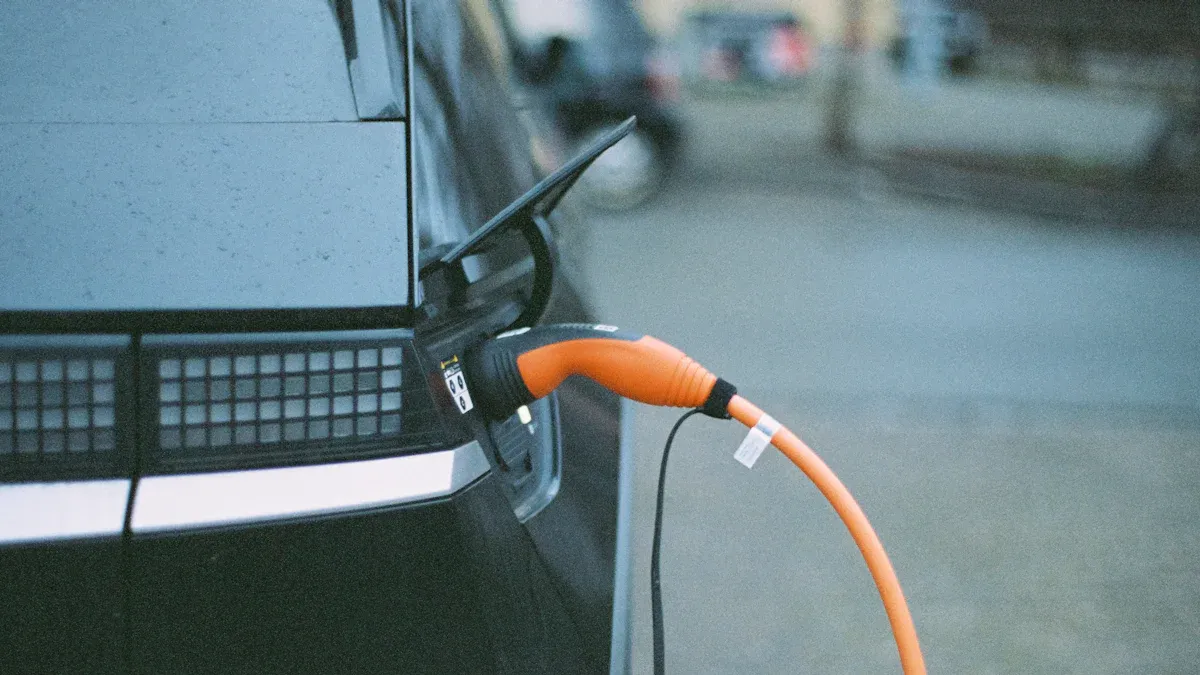
Using an extension cord with a Level 1 ev charger introduces several hazards that can compromise the safety of Spanish homes. These risks affect the charger, the ev, and the entire charging process. Homeowners must understand the dangers before deciding to use an extension cord for their ev charger.
Fire Hazards and Overheating
Overheating and Melting Risks
An extension cord not designed for high loads can overheat quickly during ev charging. The ev charger draws a steady current for many hours. If the extension cord cannot handle this demand, the wiring inside the cord may degrade. Over time, this degradation increases the risk of short circuits and electrical fires. The charger and the ev both rely on stable connections, but a poor-quality extension cord can melt or burn, creating a dangerous situation.
| Cause | Explication |
|---|---|
| Wiring degradation | Prolonged use of unsuitable extension leads can degrade wiring, leading to short circuits and fires. |
| Charger malfunctions | Standard domestic chargers not designed for EV loads can overheat, causing thermal runaway and damage. |
The table above shows how wiring degradation and charger malfunctions can lead to overheating and melting. These hazards threaten both the charger and the ev.
Electrical Short Circuits
Short circuits often result from damaged or overloaded extension cords. When the ev charger operates for long periods, the extension cord may not dissipate heat efficiently. This situation can cause insulation to break down, exposing wires and increasing the risk of electrical short circuits. Electrical fires can start quickly if the extension cord fails during charging. Homeowners must recognize that even a small fault in the extension cord can escalate into a major hazard.
Energy Loss and Charging Inefficiency
Voltage Drop Issues
Long extension cords create resistance, which leads to voltage drops during ev charging. The charger may not receive the correct voltage, causing it to work harder and less efficiently. The ev may not charge fully, or the charger may shut down unexpectedly. The table below illustrates how cable length affects power loss during charging:
| Longueur du câble | Power Loss (watts) |
|---|---|
| 10 mètres | 50-60 |
| 15 mètres | 85-90 |
| 20 mètres | >100 |
As the table shows, longer extension cords cause significant power loss. The charger and the ev both suffer from reduced efficiency, and the charging process becomes unreliable.
Slower Charging Times
Energy loss during charging can reach 5–15% when using an extension cord. This loss means the charger must run longer to deliver the same amount of energy to the ev. The ev may require extra hours to reach a full charge, which increases wear on the charger and the extension cord. Homeowners may notice that their electric car does not charge as quickly as expected, leading to inconvenience and frustration.
- Energy losses of 5–15% can occur during AC or DC charging due to heat and conversion losses.
Damage to Your Electric Car or Home Electrical System
Long-Term Wear and Tear
Improper use of an extension cord with an ev charger can cause long-term damage to both the charger and the home’s electrical system. Overloading outlets and extension cords leads to overheating, which increases the risk of electrical fires. The charger and the ev may experience repeated interruptions, which can shorten their lifespan. Scorched plug pins and damaged sockets often indicate that the extension cord cannot handle the load required for ev charging.
- Overloading outlets and extension cords can lead to overheating and increase the risk of electrical fires.
- Using granny chargers can place a high and sustained load on home electrical systems, leading to overheating, scorched plug pins, and potential electrical fires.
- Overloading circuits by plugging too many devices into one outlet can cause overheating and electrical fires.
Voiding Warranties
Many ev charger manufacturers warn that using an extension cord may void the warranty on both the charger and the electric car. If a fire or malfunction occurs, the manufacturer may refuse to cover repairs or replacements. Homeowners must follow the guidelines provided with their ev charger to maintain warranty protection. Ignoring these instructions can result in costly repairs and loss of coverage.
Tip: Always check the warranty terms for your ev charger and electric car before using an extension cord. Following manufacturer recommendations helps avoid unnecessary expenses and safety risks.
Safety Guidelines for Extension Cord Use with Level 1 EV Chargers
Choosing the Right Extension Cord for Charging
Cord Rating and Amperage Requirements
Selecting the right type of extension cable for a Level 1 ev charger remains essential for extension cord safety. Level 1 chargers typically operate at 120V and draw between 12 and 16 amps. Homeowners should use a dedicated extension cord rated for at least 16 amps. The charging cable must match the charger’s requirements to prevent overheating. Many manufacturers recommend a wire gauge of 14–12 AWG or 2.5 mm² for safe charging. Using an extension cable with a lower rating can lead to fire hazards and damage to the ev charger.
Wire Gauge, Length, and Extension Cord Safety
The length and wire gauge of the extension cable directly affect charging efficiency and extension cord safety. Longer extension cables increase resistance, causing voltage drops and overheating. The table below highlights key risks associated with extension cable length:
| Type de preuve | Description |
|---|---|
| Overheating Risk | Using standard extension cords can lead to overheating due to high current loads required for EV charging. |
| Voltage Drops | Longer extension cords can cause significant voltage drops, affecting charging efficiency. |
| Risques d'incendie | L'utilisation de non-standard extension cables poses potential fire hazards, especially in high-load scenarios. |
| Regulatory Prohibition | European safety regulations prohibit the use of non-standard extension cables to ensure safety for vehicles and homes. |
Homeowners should always choose a dedicated extension cord with the shortest possible length and the correct wire gauge for their ev charger.
Weather Resistance and Outdoor Use
Charging an ev outdoors requires a charging cable and extension cable with weather-resistant insulation. Many domestic extension cords lack protection against moisture and UV exposure. Using a dedicated extension cord rated for outdoor use helps prevent shock and corrosion risks. Extension cord safety tips include checking for IP ratings and ensuring all connections remain dry during charging.
Proper Setup and Safe Charging Practices
Avoiding Coiling and Overheating
Coiling an extension cable during charging increases the risk of overheating. The charger and charging cable should remain fully uncoiled to allow heat to dissipate. Extension cord safety tips recommend monitoring the temperature of the charger, extension cord, and wall outlet. If any component feels hot, stop charging immediately.
Inspecting for Damage Before Charging
Before each charging session, inspect the extension cable, charging cable, and charger for signs of wear or damage. Damaged extension cords introduce weak points in the circuit and increase the risk of overheating. Safety tips include checking plug fuse clips every six months and ensuring the charger and socket remain in good condition.
Keeping Connections Dry and Secure
Outdoor charging exposes the extension cable and charging cable to moisture. Secure all connections and keep them dry to prevent electrical shorts. Extension cord safety tips advise using weatherproof covers and avoiding charging during heavy rain.
Warning Signs of Unsafe Extension Cord Use
Hot Plugs or Cords During Charging
Hot plugs or extension cables during charging signal unsafe conditions. EVs draw high currents for extended periods, which most household extension cords cannot handle. Stop charging if the charger, extension cable, or charging cable feels excessively warm.
Flickering Lights or Tripped Breakers
Flickering lights or tripped breakers during charging indicate voltage drops or overloaded circuits. Longer extension cables increase resistance, leading to heat generation and reduced charging efficiency. These warning signs require immediate attention to maintain extension cord safety.
Tip: Never daisy chain extension cables. Always use a dedicated extension cord designed for ev charger use to protect your electric car and home.
Alternatives à la charge par rallonge pour voitures électriques
Installation d'une prise dédiée pour véhicule électrique
Les propriétaires espagnols recherchent souvent des options plus sûres et plus efficaces qu'une rallonge pour leur borne de recharge. L'installation d'une prise domestique dédiée établit une connexion directe entre le chargeur et le système électrique. Cette configuration élimine les risques liés à l'utilisation d'une rallonge et garantit des performances optimales. Les électriciens conçoivent ces prises pour supporter la charge continue requise par un chargeur de VE. Elles intègrent des dispositifs de sécurité avancés tels que les disjoncteurs différentiels (RCD) et les capteurs thermiques.
Une prise domestique dédiée offre plusieurs avantages par rapport à une rallonge. Le tableau ci-dessous met en évidence les principales différences :
| Bénéfice | Prise de recharge VE dédiée | Rallonge |
|---|---|---|
| Vitesse de chargement | Jusqu'à 7 kW (40 km/heure) | 2,3 kW (13 km/heure) |
| Temps de charge | ~9 heures pour une charge complète | >24 heures pour une charge complète |
| Économies de coûts | Tarifs réduits en heures creuses | Coûts plus élevés en recharge publique |
| Caractéristiques de sécurité | RCD et capteurs thermiques intégrés | Sécurité standard de prise murale |
| Commodité | Recharge à domicile à tout moment | Nécessité de trouver des bornes publiques |
Les propriétaires qui installent une prise dédiée bénéficient d'une recharge plus rapide et d'une plus grande commodité. Ils réduisent également les risques d'incendie et de défauts électriques. Cette solution transforme le garage ou l'allée en une station de recharge domestique fiable pour le véhicule électrique.
Utilisation d'un chargeur de niveau 2 installé professionnellement
Un chargeur de VE de niveau 2 installé professionnellement représente une amélioration significative par rapport à la charge de niveau 1 avec rallonge. Les électriciens connectent le chargeur de niveau 2 directement au tableau électrique, garantissant la conformité aux normes de sécurité espagnoles. Ce chargeur fournit une puissance plus élevée, réduisant le temps de charge et augmentant l'efficacité. L'installation comprend des vérifications de sécurité et une mise à la terre appropriée, protégeant à la fois le chargeur et le VE.
Le tableau ci-dessous compare un chargeur de niveau 1 avec rallonge à un chargeur de niveau 2 :
| Fonctionnalité | Chargeur de niveau 1 avec rallonge | Chargeur de niveau 2 |
|---|---|---|
| Vitesse de chargement | Chargeur de niveau 2 installé professionnellement | Lente et peu efficace |
| Rapide et efficace | Conformité à la sécurité | Souvent non conforme |
| Installé professionnellement, conforme aux normes de sécurité | Risque de dangers | Élevé (rallonges inadaptées) |
Faible (installation correcte).
Un chargeur de niveau 2 permet de recharger le VE en une fraction du temps requis par un chargeur de niveau 1. Les propriétaires bénéficient d'une station de recharge domestique plus sûre et plus fiable. Ils évitent également les risques liés à l'utilisation d'une rallonge pour des solutions de recharge haute puissance.
Déplacer sa voiture électrique pour une charge directe.
Certains logements espagnols ont un accès limité aux prises électriques près de la zone de stationnement. Dans ces cas, rapprocher le VE d'une prise adaptée peut éliminer le besoin d'une rallonge. Les propriétaires peuvent déplacer le VE vers le garage ou une prise d'allée conçue pour le chargeur. Cette approche garantit que le chargeur se connecte directement à la prise, réduisant les chutes de tension et les risques de surchauffe.
Déplacer le VE pour une charge directe peut nécessiter des ajustements des habitudes de stationnement. Cependant, cette méthode protège le chargeur, le VE et le système électrique domestique. Elle prolonge également la durée de vie du chargeur et préserve la garantie. Les propriétaires soucieux de sécurité choisissent souvent cette solution pratique plutôt que de dépendre d'une rallonge.
Conseil : Consultez toujours un électricien agréé avant de modifier votre installation de recharge domestique. Un avis professionnel garantit un fonctionnement sûr et efficace du chargeur de VE.
Solutions de recharge portables pour les foyers espagnols.
Les solutions de recharge portables offrent aux propriétaires espagnols flexibilité et commodité pour recharger leurs véhicules électriques. Ces appareils, souvent appelés chargeurs de VE portables ou unités de recharge mobiles, permettent aux conducteurs de recharger leur voiture à divers endroits sans installation permanente. De nombreux propriétaires espagnols de VE choisissent les chargeurs portables comme alternative pratique aux rallonges, notamment lorsqu'une borne de recharge dédiée n'est pas disponible.
- Caractéristiques principales des chargeurs de VE portables : Conception plug-and-play :.
- Réglages de puissance ajustables : La plupart des chargeurs portables se connectent directement aux prises domestiques standard. Les utilisateurs peuvent facilement les transporter entre différents lieux.
- Certains modèles permettent de sélectionner l'intensité de charge, ce qui aide à adapter le chargeur à l'alimentation électrique disponible. Mécanismes de sécurité intégrés :.
Conseil : Les chargeurs portables de qualité incluent des fonctionnalités telles que la protection contre les surintensités, la surveillance de température et la détection de défaut à la terre.
Choisissez toujours un chargeur portable certifié pour une utilisation en Espagne et conforme aux normes de sécurité européennes (comme le marquage CE).
Avantages pour les propriétaires espagnols
- Mobilité : Les solutions de recharge portables offrent plusieurs bénéfices :.
- Portabilité : Les conducteurs peuvent emporter le chargeur en voyage ou l'utiliser sur plusieurs propriétés.
- Aucune installation permanente requise : Les locataires ou ceux ayant un accès limité aux améliorations électriques trouvent les chargeurs portables particulièrement utiles.
Solution de secours d'urgence :
| Fonctionnalité | Chargeur portable | En cas de problème avec la borne de recharge principale, un chargeur portable garantit un accès continu à la recharge. |
|---|---|---|
| Sécurité | Le tableau ci-dessous compare les chargeurs portables aux configurations traditionnelles avec rallonge : | Configuration avec rallonge |
| Conformité | Chargeur portable | Sécurité |
| Commodité | Haut | Faible |
| Protections intégrées | Manque souvent de sécurités | Haut |
Considérations de sécurité
Conformité
- Options certifiées CE.
- Peut enfreindre les réglementations.
- Risque de surchauffe.
- Faible (si utilisé correctement).
Remarque : Portable chargers work best when plugged directly into a dedicated outlet. Avoid plugging them into overloaded circuits or using them with low-quality extension cords.
When to Choose a Portable Solution
Portable chargers suit homeowners who need flexibility or cannot install a permanent charging station. They also serve as a reliable backup for unexpected situations. However, users should always follow manufacturer instructions and consult a licensed electrician if unsure about compatibility with their home’s electrical system.
Spanish homeowners who invest in a quality portable charging solution gain peace of mind and maintain safe, efficient charging for their electric vehicles.
Best Practices for Safe Electric Car Charging at Home
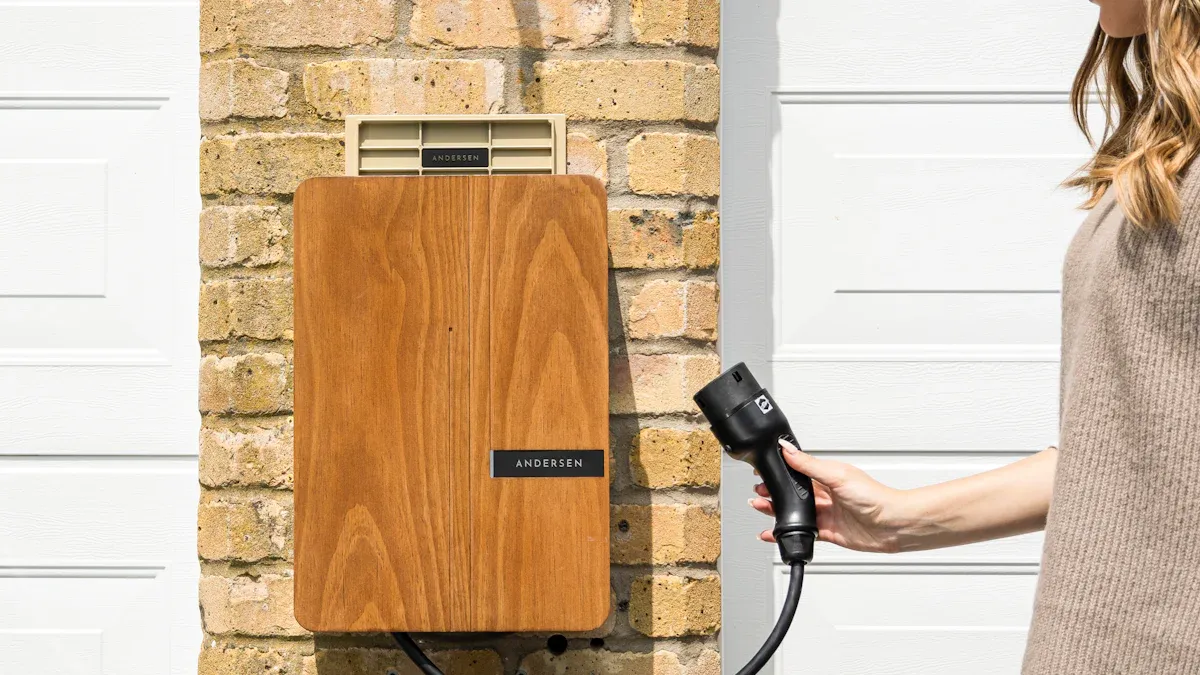
Regular Electrical Inspections for Safety
Spanish homeowners who use electric vehicle charging equipment should schedule regular electrical inspections. These inspections help identify potential hazards before they become serious problems. A licensed electrician can check the wiring, outlets, and circuit breakers for signs of wear or overload. Regular inspections also ensure that the home’s electrical system meets current safety standards.
Le recommended intervals for electrical inspections in Spanish homes with EV charging setups are as follows:
| Property Type | Recommended Interval |
|---|---|
| Domestic Property | 10 years |
| Rented Houses | 5 years |
| Other Property Types | Please enquire |
Homeowners should keep records of all inspections. These records provide proof of compliance with local regulations and can help with insurance claims if an incident occurs. Early detection of electrical faults reduces the risk of fire and protects both property and occupants.
Following Manufacturer Instructions for Charging
Manufacturers provide specific instructions to ensure safe use of Level 1 EV chargers. Homeowners should always read and follow these guidelines. Proper use of the charger extends its lifespan and maintains warranty coverage. The following best practices come directly from manufacturer recommendations:
- Thoroughly test the electric vehicle charger before actual use through a trial charge.
- Use Level 1 chargers only in emergencies, as they can risk overheating and potentially cause electrical fires.
- Ensure that EV charging stations are NRTL certified as per the National Electric Code (NEC) for safety compliance.
Manufacturers design these instructions to prevent accidents and protect users. Ignoring these guidelines can result in equipment failure or voided warranties. Homeowners who follow the instructions reduce the risk of overheating and electrical faults during charging.
Consulting a Licensed Electrician for Extension Cord Safety
A licensed electrician plays a critical role in maintaining extension cord safety for electric vehicle charging. Electricians have the expertise to assess the home’s wiring and recommend suitable solutions. They can determine if the existing outlets and circuits can handle the load required by the charger. If necessary, they can install dedicated outlets or upgrade the electrical panel.
Homeowners should consult an electrician before using an extension cord with a Level 1 charger. This step ensures that all connections meet safety standards and comply with Spanish regulations. Electricians can also advise on the best placement for the charging station to minimize risks. Professional guidance helps prevent common mistakes that lead to overheating, voltage drops, or fire hazards.
Tip: Always choose a certified electrician with experience in EV charging installations. Their expertise ensures a safe and reliable setup for every electric car owner.
Upgrading Home Electrical Systems for EV Charging
Spanish homeowners who plan to install electric vehicle charging stations must evaluate their home electrical systems. Many older homes lack the necessary infrastructure to support continuous, high-power charging. Upgrading the electrical system ensures safe operation and protects both the vehicle and the property.
A licensed electrician begins with a comprehensive assessment of the existing electrical panel and wiring. This evaluation identifies whether the system can handle the additional load from a charging station. For Level 1 chargers, the installation of a dedicated 120-volt outlet in the garage or driveway is recommended. The outlet should connect to adequate wiring that supports continuous use. Electricians often install a dedicated circuit breaker to prevent overloading and reduce fire risks.
Level 2 chargers require more substantial upgrades. These chargers operate on a 240-volt circuit and draw higher currents. Homeowners may need to upgrade the electrical panel if it lacks sufficient capacity. Running a new electrical line from the panel to the charging location is essential. Electricians install a suitable Level 2 charging station that complies with safety standards and local regulations.
The table below summarizes the requirements for each charger type:
| Type de chargeur | Exigences |
|---|---|
| Niveau 1 | – A dedicated 120-volt outlet in the garage or driveway |
– Adequate wiring for continuous use
– Dedicated circuit breaker to avoid overloading |
| Level 2 | – Dedicated 240-volt circuit in the electrical panel
– Electrical panel upgrade if needed
– New electrical line to the charging location
– Installation of a Level 2 charging station |
Upgrading the electrical panel is crucial for Level 2 chargers. These upgrades prevent circuit overloads and ensure reliable performance. Electricians also verify that all installations meet Spanish safety codes and regulations.
⚡ Conseil : Homeowners should always request a full electrical assessment before installing any charging equipment. This step helps identify potential hazards and ensures the system can support the new load.
Key steps in the upgrade process include:
- Evaluating the current electrical capacity.
- Installing dedicated outlets and circuits for charging stations.
- Upgrading the electrical panel if necessary.
- Ensuring compliance with local safety standards.
These upgrades provide peace of mind and protect against electrical faults. Homeowners who invest in proper infrastructure enjoy efficient charging and reduce the risk of fire or equipment damage.
Special Considerations for Spanish Homeowners and Extension Cord Safety
Common Electrical Setups in Spain
Spanish homes display a range of electrical configurations that impact the use of an extension cord with an ev charger. Many properties feature older wiring, while newer constructions often include dedicated circuits for high-power appliances. The most common setups for ev charging involve either wall-mounted chargers or reinforced sockets. Each setup requires specific circuit breakers and residual current devices to ensure safety during charging. The table below outlines the typical configurations found in Spanish residences:
| Setup Type | Disjoncteur de circuit | Type de RCD | Puissance nominale |
|---|---|---|---|
| Wall Charging (Mode 3) | 40 A | Type B RCD or Type A RCD (30 mA) | Jusqu'à 7,4 kW |
| Reinforced Socket (Mode 2) | 20 A | Type A RCD (30 mA) | Jusqu'à 3,7 kW |
Homeowners must understand that using an extension cord with an ev charger in these setups can introduce risks. The extension cord may not match the power rating required by the charger or the ev. Inadequate extension cords can lead to overheating, especially when the charger operates for long periods. The ev charger and the ev both depend on stable electrical connections, which extension cords may not provide in older Spanish homes.
Local Regulations and Permits for Charging
L'Espagne applique des réglementations strictes pour l'installation et l'utilisation d'une borne de recharge pour véhicule électrique. Les normes locales exigent que toute installation permanente d'une borne, qu'il s'agisse d'un chargeur mural ou d'une prise renforcée, soit conforme aux standards électriques nationaux. Les propriétaires doivent obtenir les autorisations nécessaires avant d'installer une nouvelle borne ou de modifier les circuits existants. Ces règles visent à protéger à la fois le véhicule électrique et le logement des défauts électriques. L'utilisation d'une rallonge avec une borne de recharge sort souvent du cadre des pratiques approuvées. Les compagnies d'assurance peuvent refuser de couvrir les dommages en cas d'incendie ou d'incident électrique impliquant une rallonge non adaptée à la puissance de la borne ou du véhicule électrique.
Les électriciens agréés jouent un rôle clé pour garantir la conformité. Ils évaluent l'adéquation du câblage domestique pour une borne de recharge et recommandent des mises à niveau si nécessaire. Les propriétaires qui contournent ces étapes en utilisant une rallonge risquent de violer les normes locales et d'annuler les garanties de la borne et du véhicule électrique. Suivre la procédure d'autorisation appropriée garantit que la borne, le véhicule électrique et la rallonge répondent tous aux exigences de sécurité.
⚠️ Conseil : Consultez toujours les autorités locales et un électricien agréé avant de modifier votre installation de recharge. Une documentation et une conformité adéquates réduisent les risques juridiques et assurantiels.
Défis climatiques et de sécurité pour la recharge en extérieur
Le climat varié de l'Espagne présente des défis uniques pour la recharge en extérieur avec une rallonge. De nombreuses régions connaissent des températures élevées en été et de fortes précipitations en hiver. Ces conditions peuvent affecter les performances d'une rallonge, de la borne de recharge et du véhicule électrique. L'humidité augmente le risque de court-circuit, surtout si la rallonge ou la borne ne sont pas étanches. Les températures élevées peuvent provoquer une surchauffe de la rallonge, susceptible d'endommager la borne ou le véhicule électrique.
Les propriétaires qui rechargent leur voiture électrique à l'extérieur doivent choisir une rallonge et une borne conçues pour un usage extérieur. Toutes les connexions doivent rester surélevées et protégées de l'eau. L'inspection régulière de la rallonge, de la borne et du véhicule électrique garantit qu'aucun dommage ou usure ne compromet la sécurité. Les propriétaires espagnols bénéficient de l'utilisation de bornes et de rallonges spécifiquement conçues pour l'extérieur afin de minimiser les risques.
🌦️ Remarque : La recharge en extérieur nécessite une vigilance accrue. Vérifiez toujours la rallonge, la borne et le véhicule électrique pour détecter tout signe d'usure ou de surchauffe, surtout après des conditions météorologiques extrêmes.
L'utilisation d'une rallonge avec des chargeurs de véhicule électrique de Niveau 1 présente des risques de sécurité graves pour les propriétaires espagnols. Des alternatives plus sûres, telles que des prises de recharge dédiées ou des stations installées professionnellement, protègent à la fois les biens et les véhicules. Les experts recommandent d'éviter autant que possible les rallonges. Les propriétaires espagnols doivent toujours consulter un électricien agréé avant de modifier leur installation de recharge. Donner la priorité à la sécurité garantit une recharge fiable et une tranquillité d'esprit.
⚡ Privilégiez toujours les solutions certifiées et les conseils professionnels pour la recharge de voiture électrique à domicile.
FAQ
Une rallonge domestique standard peut-elle supporter la recharge de Niveau 1 pour véhicule électrique ?
La plupart des rallonges domestiques standard ne peuvent pas supporter la charge continue d'un chargeur de Niveau 1 pour véhicule électrique. Elles surchauffent souvent et créent des risques d'incendie. Seules des rallonges robustes et correctement dimensionnées doivent être envisagées, et même dans ce cas, uniquement en dernier recours.
L'utilisation d'une rallonge annule-t-elle la garantie de mon véhicule électrique ou de mon chargeur ?
Les fabricants indiquent généralement que l'utilisation d'une rallonge peut annuler la garantie du véhicule électrique et du chargeur. Consultez toujours les conditions de garantie avant de connecter votre chargeur avec une rallonge.
Quelle section de câble est sûre pour les rallonges de recharge de véhicule électrique ?
Une section de câble d'au moins 2,5 mm² (ou 12 AWG) est recommandée pour la recharge de Niveau 1. Des câbles plus épais réduisent les risques de surchauffe et de chute de tension. N'utilisez jamais de rallonges fines ou non marquées.
La recharge en extérieur avec une rallonge est-elle sûre en Espagne ?
La recharge en extérieur avec une rallonge expose les connexions à l'humidité et aux températures extrêmes. Seules des rallonges étanches et conçues pour l'extérieur doivent être utilisées. Toutes les connexions doivent rester sèches et sécurisées pour éviter les risques électriques.
Comment les propriétaires peuvent-ils reconnaître une utilisation dangereuse d'une rallonge ?
Les signes incluent des prises chaudes, des câbles tièdes, des lumières qui clignotent ou des disjoncteurs qui déclenchent pendant la recharge. Ces symptômes indiquent une surcharge ou de mauvaises connexions. Les propriétaires doivent arrêter immédiatement la recharge et consulter un électricien agréé.
Existe-t-il des alternatives plus sûres à l'utilisation d'une rallonge pour la recharge de véhicule électrique ?
Oui. Installer une prise de recharge dédiée pour véhicule électrique ou un chargeur de Niveau 2 installé professionnellement offre une recharge plus sûre et plus fiable. Les chargeurs portables avec des dispositifs de sécurité intégrés constituent également une meilleure solution que les rallonges.