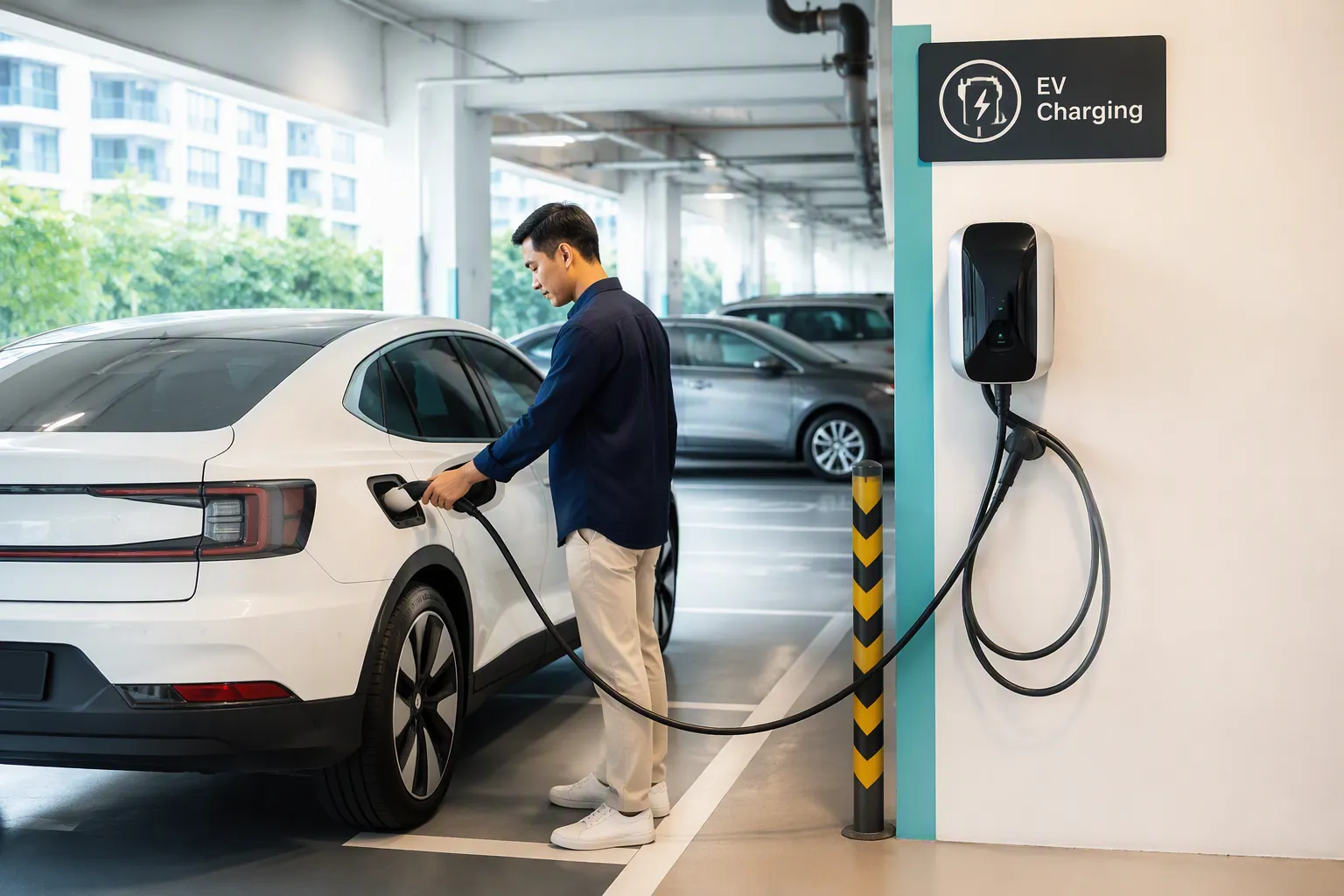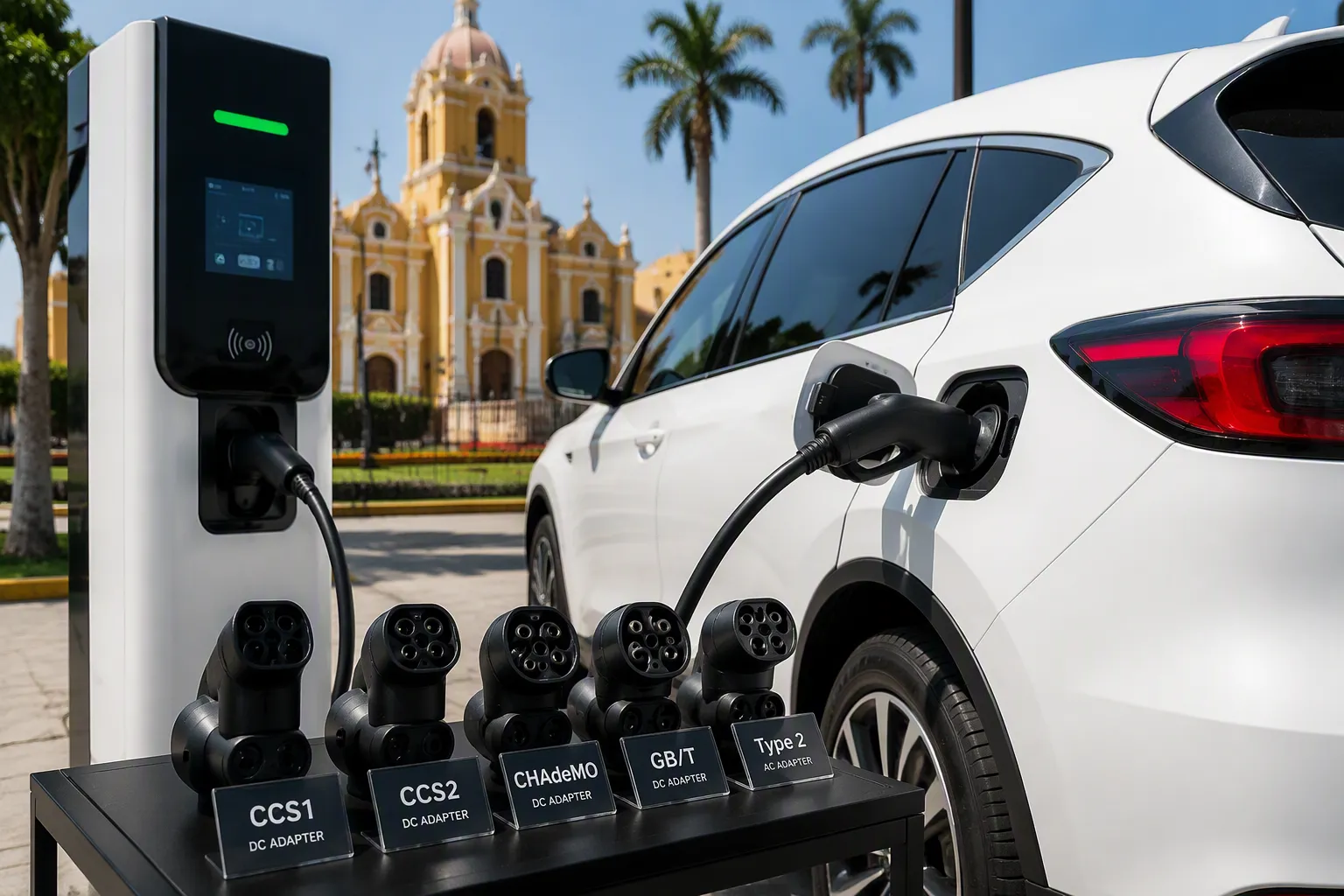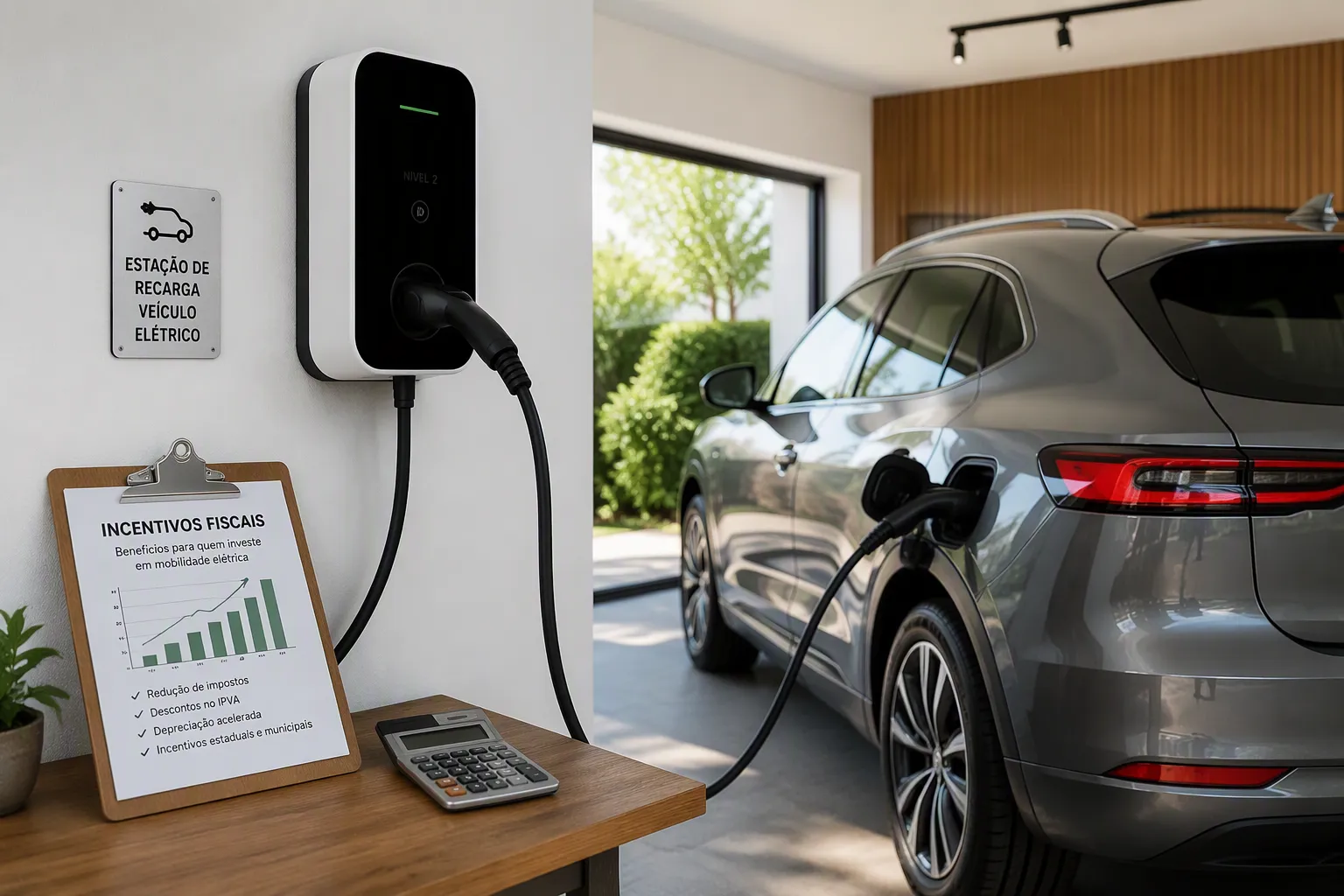

An apartment building in London has successfully completed the installation of EV charging stations, marking a significant step forward in urban EV infrastructure. This London apartment building faced common challenges but implemented innovative Solutions de recharge pour véhicules électriques. They overcame limited power with a smart system and eliminated high upfront costs. A scalable installation prepares them for future EV demand. Residents now enjoy fair, app-based pay-as-you-go charging. This project showcases how to deploy an Chargeur de VE system effectively, even with complex constraints. It sets a new standard for EV charging in residential properties across London.
Remarque : This case study highlights a real-world solution. It avoids complex options like chargeurs portables pour VE, focusing instead on a permanent, scalable installation provided by leading Fabricants de chargeurs de VE.
The Initial Challenge: Growing EV Demand vs. Limited Power

The management team for this London apartment building recognized a clear trend: the increasing demand for EV charging from its residents. To remain competitive and modern, providing on-site charging was no longer a luxury but a necessity. However, the path from decision to deployment was filled with significant technical, financial, and logistical obstacles common to many multi-unit residential buildings in London.
Assessing the Building’s Electrical Capacity
Identifying an Insufficient Power Supply
The first major hurdle appeared during the initial site survey. A professional assessment confirmed that the building’s main electrical intake had insufficient capacity. The existing power supply could handle the building’s daily needs, but it could not support the simultaneous operation of 20 new EV chargers. Adding this much load would far exceed the available power from the local substation, a common issue in dense urban areas.
The Risk of Overloading Existing Infrastructure
Simply connecting new chargers to the existing circuits was not an option. This approach would have created a high risk of overloading the building’s electrical infrastructure. The result would be tripped circuits, power outages for residents, and potential damage to sensitive electrical equipment. The project required a solution that could manage power demand intelligently, as simply adding connections would violate safety standards and destabilize the building’s power grid.
Facing Significant Financial Hurdles
The High Upfront Cost of Hardware
The cost of the charging hardware alone presented a considerable financial barrier. Procuring 20 commercial-grade 7.2kW chargers, like those offered by technologically advanced providers such as TPSON, requires a substantial capital investment that many residential management budgets cannot accommodate.
The Prohibitive Expense of Grid Upgrades
The most daunting expense was the potential cost of a grid upgrade. Initial estimates suggested that upgrading the building’s connection to the electric grid—a process involving new transformers and extensive civil works—would cost tens of thousands of pounds. This prohibitive expense made the entire EV project seem financially unfeasible for the building’s management and its residents.
Navigating Complex Installation Logistics
Planning for a Multi-Level Car Park
The physical installation posed its own set of challenges. The building featured a multi-level underground residential car park, which complicated the entire process.
Key logistical problems included:
- Poor 3G/4G signal, making it difficult for smart chargers to communicate for billing and load management.
- The need to run armored power and data cables over long distances to reach designated parking bays.
- The physical complexity of drilling and mounting hardware on concrete walls and ceilings.
Minimizing Disruption to Residents
Finally, the management team had to plan the installation to cause minimal disruption. The project required careful scheduling to ensure residents could continue to access their parking spaces. The work needed to be completed efficiently to limit noise and construction activity, preserving a peaceful living environment for everyone in the building, including those who did not yet own an electric vehicle.
Researching Solutions for Apartment EV Charging
Faced with these challenges, the building’s management team began a thorough research phase. They needed to find a viable solution that balanced resident needs, technical limitations, and financial realities. This process involved evaluating partners, financial models, and available government support.
Evaluating Charge Point Operators (CPOs)
Comparing Hardware and Software Options
The team first examined different Charge Point Operators. They compared the hardware and software packages available on the market. This included assessing the reliability and technological capabilities of chargers from providers like TPSON. Just as important was the back-office software, which needed to manage dynamic load balancing, process payments, and provide a seamless user experience for residents.
Vetting Installation Partners like SED EV
Choosing the right installation partner was critical. The management vetted specialist firms like SED EV, focusing on their experience with complex residential projects. A key requirement was that any partner had to be an installateur agréé OZEV. This certification was not just a mark of quality; it was a mandatory prerequisite for accessing government grants.
Exploring Financial and Ownership Models
The Pros and Cons of Self-Funding
The team initially considered a self-funded model. This approach would give the building full ownership of the EV charging equipment. However, the high upfront costs for hardware, groundworks, and potential grid upgrades made it a financially risky option.
Investigating Funded and Subscription Models
The investigation quickly turned to alternative financial structures. The funded partnership model emerged as the most attractive solution. This approach eliminated the significant capital outlay for the building.
| Fonctionnalité | Self-Funding | Funded Partnership |
|---|---|---|
| Coûts initiaux | £50,000 – £100,000+ | £0 |
| Ongoing Expenses | High (Maintenance, Support) | £0 (Fully Managed) |
| Management Burden | Haut | Zéro |
| Investment Risk | Significant | Zéro |
A funded partner covers the entire cost of the installation and infrastructure. The CPO then recoups its investment over time through a fair, pay-as-you-go subscription or usage fee paid only by the EV drivers using the service. This model transferred all financial risk from the building to the operator.
Understanding Government Incentives
Discovering the EV Infrastructure Grant
A pivotal discovery during the research was the UK Government’s EV Infrastructure Grant for residential car parks. This grant was specifically designed to help apartment buildings and other multi-unit properties prepare their parking areas for electric vehicle charging. It offered funding to cover the costs of the underlying charging infrastructure.
Navigating the Grant Application Process
The team learned the specific eligibility criteria to secure this funding. The grant application required careful planning to ensure compliance.
Key requirements for the grant included:
- The property must have multiple homes with shared parking.
- Work must cover a minimum of 5 parking spaces.
- At least one active chargepoint socket must be installed as part of the project.
- The remaining spaces could be prepared with passive infrastructure (cabling) for future vehicle charging needs.
This grant provided a clear path to financing the necessary infrastructure work, making the entire project financially viable.
The Strategic Solution for this London Apartment Building
By combining smart technology, scalable infrastructure, and a fair financial model, the management team developed a comprehensive solution. This strategy directly addressed the core challenges of limited power, high costs, and future growth, turning a seemingly impossible project into a successful reality for this London apartment building.
Overcoming Power Limits with Smart Technology
The most critical innovation was the decision to manage the building’s limited power supply instead of paying for an expensive grid upgrade. This was achieved through a Dynamic Load Management (DLM) system.
How Dynamic Load Management Works
A DLM system acts as an intelligent traffic controller for electricity. It continuously monitors the total power being used throughout the building in real-time. The system knows the maximum capacity of the main electrical supply and ensures that the total consumption never exceeds this limit.
The core process is simple yet powerful:
- Monitor: An energy meter measures the building’s total power draw at all times.
- Calculate: The system constantly calculates how much spare power is available.
- Distribute: It intelligently allocates this spare power among the active EV chargers.
This approach allows multiple EVs to charge simultaneously without any risk of overloading the building’s infrastructure.
Intelligently Distributing Power to Chargers
The system works by creating a communication network between the chargers. One charger acts as a “coordinator,” receiving data from the main energy meter via a Modbus data cable. This coordinator then communicates with all other chargers in the network.
As the building’s overall energy demand increases (for example, when elevators are in use or residents turn on appliances), the system automatically reduces the power sent to the EV chargers. Conversely, as building demand falls, more power becomes available for charging. When one EV finishes charging, its allocated power is instantly redistributed to other vehicles that are still plugged in. Technologically advanced providers like TPSON offer chargers with these sophisticated capabilities built-in, making the entire ev charging process seamless.
Designing for Scalability and Future Growth
The management team recognized that EV adoption would only increase. They planned for future demand from day one by choosing an infrastructure that could grow with the building’s needs.
Installing a Flat Cable Busbar System
Instead of running separate, armored cables from the electrical room to each individual parking bay, the installers used a flat cable busbar system. This system is essentially a pre-fabricated electrical track that runs along the car park ceiling. It provides a continuous source of power, ready for new connections to be added at any point along its length. This modern installation method is cleaner, faster, and more organized than traditional wiring.
How a Busbar Simplifies Future Installations
The busbar system makes future expansion incredibly simple and cost-effective. When a new resident in the London property needs an EV charger, the process is straightforward:
- An electrician simply clamps a new connection box onto the busbar at the resident’s parking bay.
- The new charger is mounted to the wall and connected to the box.
- The charger is configured to join the existing network.
This “plug-and-play” approach eliminates the need for disruptive and expensive new cabling runs, reducing the cost of adding a new charge point by up to 80%.
Ensuring Fair Usage and Simple Payments
A key priority was to create a system that was fair to all residents, including those who do not own an electric vehicle. The solution needed to be self-sustaining and easy for everyone to use.
Adopting a Pay-As-You-Go Model
The building implemented a pay-as-you-go model. This ensures that only the residents who use the chargers pay for the electricity they consume. The tariff is set at a competitive rate that covers the cost of electricity, software management, and ongoing maintenance. This model removes any financial burden from the building’s general service charge, creating a fair system that won’t penalize non-EV drivers.
Using a Mobile App for Access and Billing
Resident access is managed through a simple mobile app. The process is designed for convenience:
- Setup: Residents download the app, create an account, and link a payment method.
- Activation: To start a session, the driver scans a QR code on the charger.
- Surveillance : Le app displays real-time session details, including energy delivered (kWh), charging time, and total cost.
- Payment: Once the session is complete, the app automatically bills the user’s chosen payment method.
This self-service system gives residents full control and transparency over their charging costs, while completely removing the building management from payment administration.
Securing a Cost-Neutral Installation
The project’s greatest success was achieving a completely cost-neutral outcome for the building and its non-EV driving residents. This remarkable financial result was possible through a strategic combination of a funded partnership and successful government grant applications. The management team effectively transferred the entire financial burden to the Charge Point Operator (CPO) and the government.
Partenariat avec un Opérateur de Points de Charge
La pierre angulaire de la stratégie financière était un modèle de partenariat financé. Cette approche a éliminé le besoin de tout investissement en capital de la part de la gestion de l'immeuble ou des résidents.
Les Détails du Modèle Financé
L'immeuble a conclu un accord par lequel l'OPC a pris en charge tous les coûts initiaux. L'OPC a assumé l'entière responsabilité de la fourniture et de l'installation de l'ensemble du système, y compris les chargeurs technologiquement avancés TPSON. L'accord stipulait que l'OPC devait réaliser tous les travaux avec un soin et un savoir-faire professionnels.
Les termes clés de l'accord financé incluaient :
- Conformité Totale : L'OPC garantissait que l'installation respecterait les dernières normes de sécurité du Code de Pratique IET et de la BS 7671 .
- Main-d'œuvre et Matériaux : L'OPC fournissait toute la main-d'œuvre, jusqu'à 20 mètres de câble d'alimentation spécialisé pour VE par place, et tout le matériel de fixation nécessaire.
- Gestion Continue : L'OPC prenait en charge la maintenance du système, les mises à jour logicielles et le support client, supprimant toute charge de gestion pour l'immeuble.
Ce package de services complet a assuré une solution professionnelle, conforme et sans intervention pour la propriété.
Comment l'OPC Récupère Son Investissement
Le modèle économique de l'OPC est basé sur des revenus à long terme provenant du service de recharge. L'opérateur récupère son investissement initial sur plusieurs années grâce aux frais payés par les résidents utilisant les chargeurs. Le tarif est soigneusement calculé pour couvrir :
- Le coût de l'électricité consommée.
- Une redevance de service pour le logiciel, la maintenance et le support.
- Une marge qui rembourse la dépense en capital initiale.
Le présent Le modèle de paiement à l'utilisation crée un écosystème autosuffisant où le service est financé directement par ceux qui en bénéficient.
Obtention de la Subvention pour l'Infrastructure VE
Bien que l'OPC ait financé les chargeurs, l'immeuble devait encore faire face aux coûts de l'infrastructure sous-jacente. L'équipe de gestion a obtenu avec succès un financement gouvernemental pour couvrir cette dépense.
Le Montant Final de la Subvention Obtenue
L'équipe a fait une demande pour la Subvention pour l'infrastructure des véhicules électriques. subvention gouvernementale britannique . Cette subvention est spécifiquement conçue pour aider les immeubles résidentiels à se préparer à l'adoption généralisée des VE. L'immeuble s'est vu attribuer une subvention couvrant, 75 % du coût total de l'infrastructure , jusqu'au montant maximum autorisé basé sur le. nombre de places de stationnement équipées £30,000 . Le financement total obtenu était proche du.
plafond disponible par immeuble.
Comment la Subvention a Couvert les Coûts d'Infrastructure.
| Ce financement gouvernemental a été crucial pour rendre le projet viable. L'argent de la subvention a été alloué spécifiquement aux éléments "passifs" de l'installation de recharge pour VE. | Élément d'Infrastructure |
|---|---|
| Couverture par la Subvention | Système de Barres Omnibus & Câblage |
| Entièrement Couvert | Système de Barres Omnibus & Câblage |
| Tableaux de Distribution | Système de Barres Omnibus & Câblage |
| Main-d'œuvre pour les Travaux d'Infrastructure | Équipement par Place |
| Jusqu'à 500 £ par place | Jusqu'à 350 £ par prise |
Installation par Prise La subvention a effectivement payé, l'ossature électrique complète.
, y compris le système évolutif de barres omnibus. Cela a permis d'installer l'infrastructure de recharge sans aucun coût pour l'immeuble.
Le Résultat Financier Final.
La combinaison du modèle financé et de la subvention gouvernementale a produit un résultat financier idéal pour cet immeuble d'appartements londonien.
Coût Initial Zéro pour l'Immeuble La gestion de l'immeuble n'a pas eu à allouer de fonds provenant de son budget d'investissement ou de ses charges pour le projet. L'OPC a financé le matériel actif, et la subvention gouvernementale a financé l'infrastructure passive. Cette approche à mise de fonds nulle est un modèle éprouvé, similaire au projet réussi des, Oxygen Apartments à Greenwich.
, où un OPC a fourni une solution entièrement financée.
Coût Zéro pour les Résidents ne Possédant pas de VE.
Un principe fondamental du projet était l'équité. Le système de paiement à l'utilisation garantit que les résidents ne possédant pas de VE ne subissent aucun impact financier. Les coûts de l'électricité, de la maintenance et de la gestion du système sont tous inclus dans le tarif de recharge payé exclusivement par les conducteurs de VE via l'application mobile. Ce modèle isole toute responsabilité financière aux utilisateurs du service, protégeant les intérêts de la communauté au sens large.
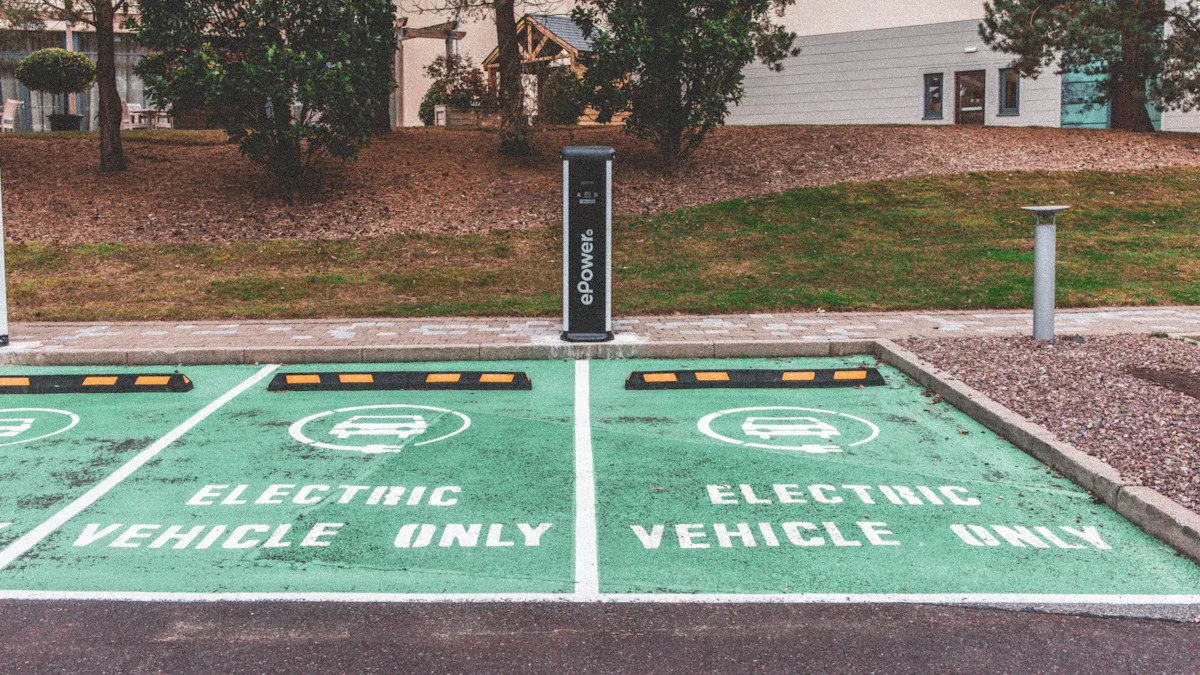
Étude de Cas : Comment un Immeuble d'Appartements Londonien a Déployé avec Succès 20 Chargeurs pour VE 6.
L'achèvement du projet a marqué une étape importante pour l'immeuble d'appartements londonien. La planification stratégique et la technologie moderne ont abouti à un réseau de recharge entièrement opérationnel et centré sur les résidents. Les résultats ont apporté des bénéfices immédiats et ont établi un cadre robuste pour une croissance future.
Succès Immédiat et Retour des Résidents
20 Chargeurs Actifs 7,2 kW/22 kW Opérationnels L'immeuble a déployé avec succès 20 prises de recharge pour VE actives. Ces chargeurs, provenant d'un fournisseur technologiquement avancé comme TPSON, offrent une flexibilité pour répondre aux divers besoins des résidents. L'installation comprend un mélange de, allowing residents to choose the charging speed that best suits their vehicle and schedule.
| Fonctionnalité | 7.2kW Charger | Chargeur 22kW |
|---|---|---|
| Vitesse de chargement | Slower (e.g., ~11.5 hours for 100kWh battery) | Three times faster (e.g., ~4.5 hours for 100kWh battery) |
| Alimentation électrique | Single-phase (common in UK homes) | Three-phase (common in commercial settings) |
This mix ensures efficient power use across the available single-phase and three-phase supplies within the building.
Positive Reception from EV-Driving Residents
The new system received overwhelmingly positive feedback. Residents praised the modern, fast, and user-friendly nature of the chargers. The intuitive payment system and competitive tariffs made the transition to electric vehicles more accessible and affordable. This sentiment reflects a growing trend in residential properties.
“Providing our residents with access to high-quality EV charging supports environmental goals and offers convenience and cost savings to residents,” said Adam Peer, Associate Director at RMG, commenting on a similar successful project.
Key Financial and Technical Achievements
Estimated Savings from Avoiding Grid Upgrades
A major financial victory was avoiding a costly grid upgrade. Upgrading infrastructure for this number of chargers could have cost the building between £40,000 and £60,000. This process is often expensive, slow, and bureaucratic. The dynamic load management system allowed the building to circumvent this significant expense entirely, saving tens of thousands of pounds.
Total Grant Funding Secured
The project maximized available government support. The building secured nearly £30,000 from the EV Infrastructure Grant. This funding covered the majority of the costs for the passive infrastructure, including the scalable busbar system and associated electrical work, making the entire installation financially sound.
A Future-Ready Electric Car Charging System
Equipped to Expand to 40+ Chargers
The initial installation of 20 charging bays was just the beginning. The busbar system provides the capacity to easily expand the network to over 40 charging ports as EV adoption grows. This foresight ensures the building’s electric car charging infrastructure will remain relevant and sufficient for years to come.
The Simple Process for Adding New Charge Points
Adding a new charger is now a simple, low-cost procedure. An electrician can clamp a new connection onto the existing busbar at a resident’s designated parking space. This “plug-and-play” approach eliminates the need for extensive new cabling, reducing the cost and disruption of future installations by up to 80%.
Long-Term Benefits and Key Takeaways
The successful deployment of this electric car charging network provides more than just convenience. It delivers lasting value to the property and offers a clear roadmap for other multi-unit residential buildings. The project’s long-term benefits enhance the building’s market position and financial health.
Enhancing Property Value and Appeal
How the Amenity Boosted the Building’s Profile
This London apartment building significantly boosted its profile by adding a modern, essential amenity. Properties with robust EV charging infrastructure are increasingly attractive to potential buyers and tenants. Market data highlights this trend:
- Properties with charging solutions attract higher-income tenants who sign longer leases.
- Rightmove data shows these properties can command rent premiums of 10-15%.
- RICS reports that such properties may see annual value appreciation rates 7% higher than comparable buildings without charging facilities.
Alors que certains hyper-central areas of London with low car usage have seen different results, the overall trend for a residential development like this is overwhelmingly positive. The installation positions the building as a forward-thinking and desirable place to live.
Demonstrating a Commitment to Sustainability
The project serves as a powerful and visible statement of the building’s commitment to sustainability. By encouraging the use of electric vehicles, the property directly contributes to reducing local air pollution and its community’s carbon footprint. This aligns with broader Environmental, Social, and Governance (ESG) goals.
Providing EV charging infrastructure is a measurable way to address environmental issues. It improves relationships with residents and investors who prioritize sustainable practices and enhances the building’s brand value.
This commitment future-proofs the property against potential regulations and solidifies its reputation as an environmentally responsible leader.
A Blueprint for Other Buildings
This case study provides a replicable blueprint for property managers facing similar challenges. The strategic combination of smart technology, funded partnerships, and government grants is a proven formula.
Lessons from Beaufort Park and Pier House
The success at this property is not an isolated event. It mirrors the positive outcomes seen in other large-scale projects like those at Beaufort Park and Pier House. These examples collectively demonstrate a reliable model for successful MURB EV charging implementation across different building types.
Applying the Model to Your Property
Property managers can apply this model by following a clear, strategic process. A step-by-step approach ensures a smooth and cost-effective installation.
- Get a property and grant readiness assessment. Check all technical limits and legal issues before starting.
- Let your installer handle all documentation. Delegate grant submissions and paperwork to a certified partner to avoid delays.
- Only hire certified and fully insured providers. Select qualified installers with a proven track record.
- Request a complete documentation pack. Obtain all survey forms, compliance certificates, and warranty details post-installation.
- Demand transparent, itemized quotes. Insist on clear cost breakdowns to compare offers accurately.
This case study provides a clear blueprint for residential buildings. With 70% des résidents britanniques prévoyant d'acheter un véhicule électrique, Une planification proactive est essentielle. Le succès repose sur quelques actions clés.
- Commencez par une évaluation électrique professionnelle.
- Utilisez une gestion intelligente de la charge pour éviter des mises à niveau coûteuses du réseau.
- Explorez les modèles financés pour éliminer les coûts initiaux de l'infrastructure de recharge.
- Obtenez des subventions gouvernementales pour financer l'infrastructure passive.
- Installez un système évolutif comme un busbar pour les futurs besoins de recharge de VE.
- Mettez en œuvre un modèle de recharge équitable à l'usage.
FAQ
Que faire si un bâtiment a une capacité électrique limitée ?
Un système de Gestion Dynamique de la Charge (DLM) est la solution idéale. Il surveille la consommation électrique totale du bâtiment. Le système répartit ensuite intelligemment la capacité disponible restante entre les bornes de recharge. Cette technologie évite des mises à niveau coûteuses du réseau tout en prévenant les surcharges.
Combien a coûté cette installation au bâtiment ?
Le bâtiment n'a supporté aucun coût initial. Un partenariat financé avec un Opérateur de Points de Charge (CPO) a couvert les dépenses matérielles. Une subvention gouvernementale a couvert les travaux d'infrastructure. Cette combinaison a donné lieu à un projet totalement neutre en coût pour la gestion immobilière et les résidents.
Qui paie l'électricité et l'entretien ?
Seuls les résidents utilisant les bornes paient. Le système utilise un modèle de paiement à l'usage via une application mobile. Le tarif inclut le coût de l'électricité, du logiciel et de la maintenance continue. Cela garantit l'équité pour tous les résidents, y compris les non-utilisateurs de VE.
Comment le bâtiment gère-t-il la future demande pour plus de bornes ?
L'installation a utilisé un système de busbar évolutif. Ce rail électrique permet une expansion facile. Ajouter une nouvelle borne est un simple processus “plug-and-play”. Cela réduit considérablement le coût et les perturbations des installations futures à mesure que plus de résidents passent aux VE.
Qu'est-ce qu'un modèle de recharge de VE financé ?
Un modèle financé est un partenariat où un CPO prend en charge tous les coûts initiaux du matériel et de l'installation. Le CPO récupère son investissement au fil du temps grâce aux frais de recharge payés par les conducteurs de VE. Ce modèle élimine le risque financier et le fardeau de gestion pour le bâtiment.
Pourquoi les bornes de recharge technologiquement avancées sont-elles importantes ?
Les bornes de recharge technologiquement avancées, comme celles de fournisseurs tels que TPSON, sont essentielles pour leurs fonctionnalités intelligentes. Elles permettent des fonctions critiques comme la gestion dynamique de la charge, la surveillance à distance et les paiements sans faille par application. Cela garantit que l'ensemble du réseau de recharge fonctionne de manière efficace et fiable.