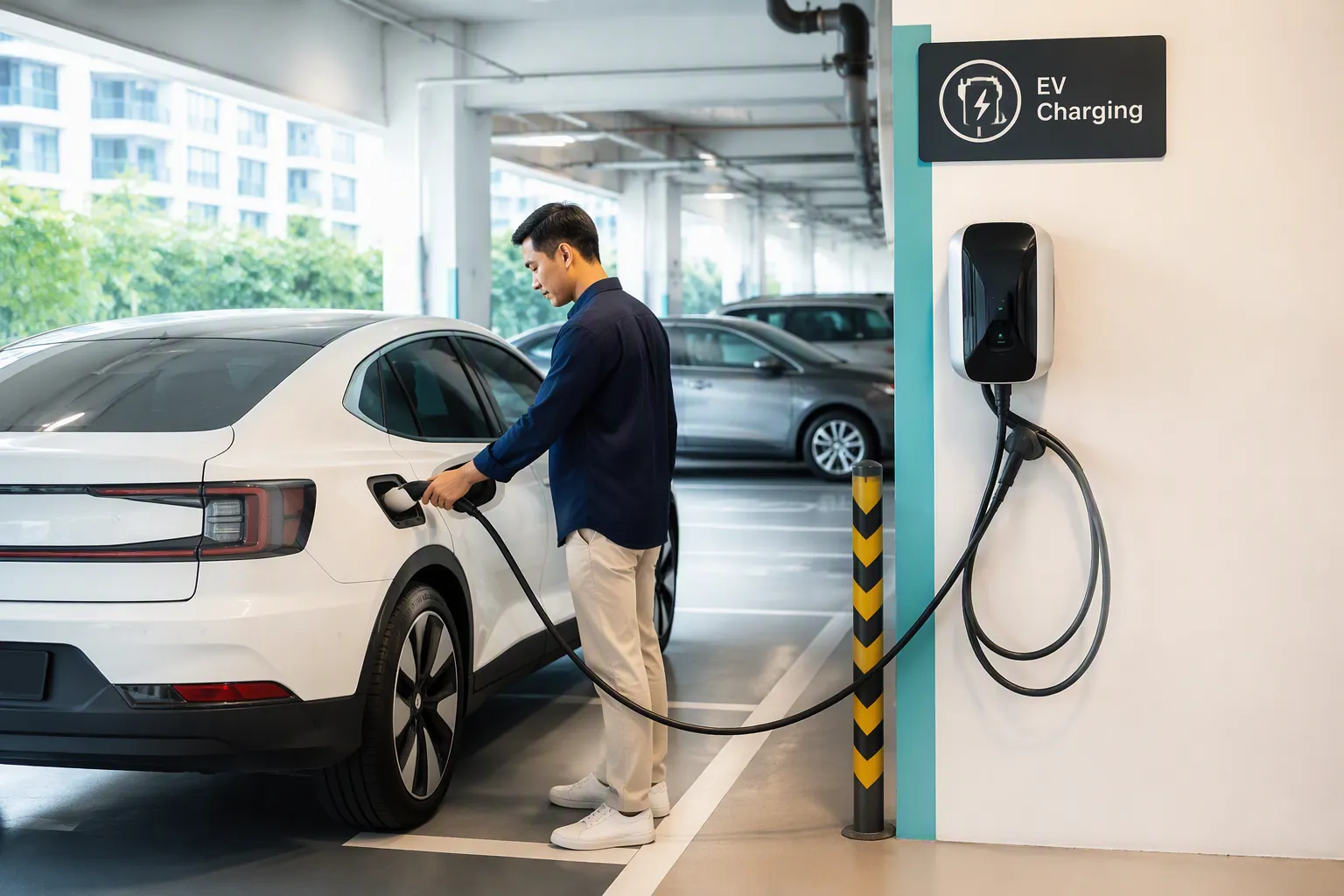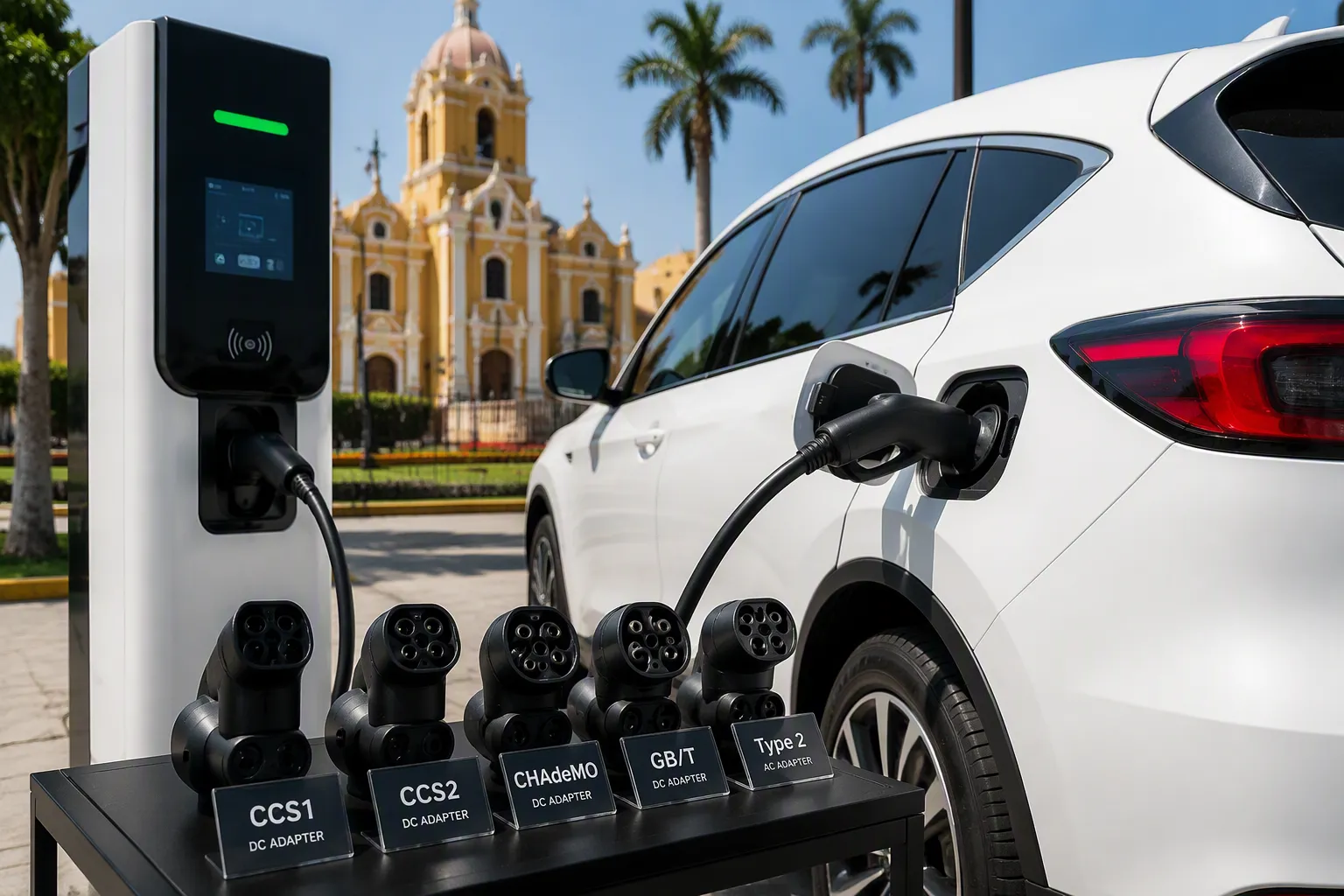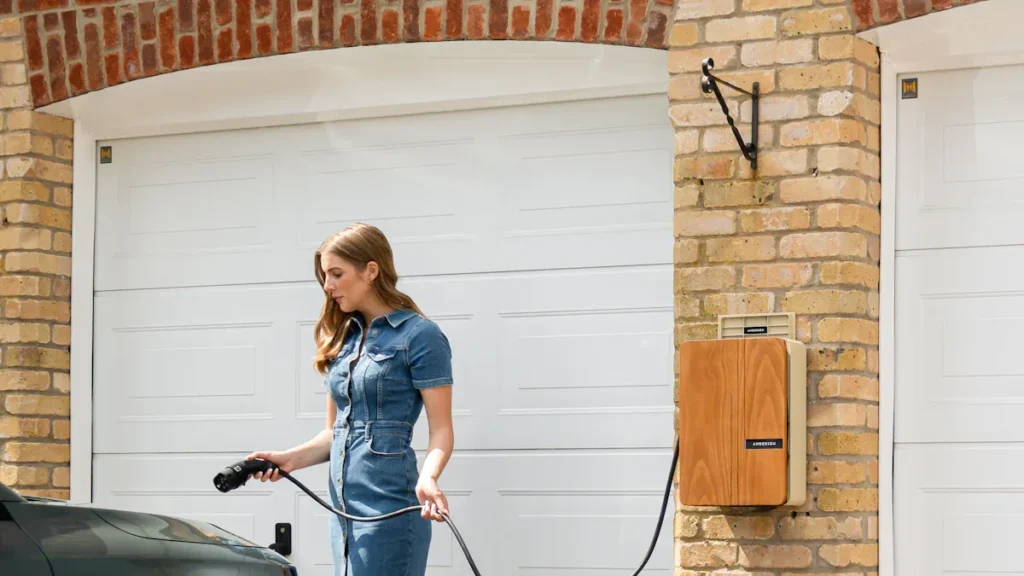
An EV owner in a Vietnamese condo faces unique charging challenges. Portable chargers present the most practical and cost-effective solution. These devices offer the flexibility, affordability, and simplicity required for condo living. Many Fabricants de chargeurs de VE, like the technologically advanced TPSON, produce superior chargeurs portables pour VE. Ceux-ci Solutions de recharge pour véhicules électriques allow owners to easily power their vehicles. A portable Chargeur de VE bypasses the complexities of permanent installations, making electric vehicle ownership more accessible for urban residents.
The Condo Charging Problem in Urban Vietnam

Electric vehicle adoption in Vietnam is growing, but condo residents face significant obstacles when trying to install permanent charging stations. These challenges range from high costs and bureaucratic red tape to fundamental building limitations. Understanding these problems highlights why alternative solutions are necessary for urban EV owners.
The High Cost of Permanent Wallboxes
Many EV owners are surprised to learn that the price of a wallbox charger is only the beginning. The total expense often becomes prohibitively high due to several factors.
Steep Hardware and Installation Fees
A permanent wallbox is a significant investment. Beyond the unit itself, owners must pay for professional installation. This process requires certified electricians to run dedicated wiring from the apartment’s electrical panel to the parking space, a service that carries substantial labor and material costs.
Complex Electrical Upgrade Costs
Older condo buildings in cities like Hanoi and Ho Chi Minh City were not built to support the high electrical demands of EV charging. Installing even one wallbox can require major upgrades to the building’s main electrical system. These upgrades involve complex work and expensive components, with costs often passed on to the EV owner.
Navigating Bureaucratic Hurdles
Financial barriers are just one part of the problem. EV owners must also navigate a maze of regulations and approvals before any work can begin.
Gaining Condo Management Approval
Every installation requires formal approval from the condo’s management board. This process can be slow and uncertain. Management boards often lack clear policies for EV chargers, leading to long delays or outright rejections due to concerns about safety, liability, and electrical capacity.
Remarque : Without a standardized approval process, each EV owner must individually petition their building management, creating an inconsistent and frustrating experience for residents.
Complying with Building and Safety Codes
Installations must adhere to strict national building and fire safety regulations (PCCC). This involves submitting detailed plans and undergoing inspections to ensure the wiring, placement, and equipment meet all legal standards. Failure to comply can result in fines and the forced removal of the charger.
Widespread Infrastructure Limitations
Finally, the physical design of many condos presents practical, and often insurmountable, challenges. Technologically advanced providers like TPSON design charging solutions to overcome some issues, but building infrastructure remains a core problem.
Non-Designated Parking Spaces
Many condos utilize a first-come, first-served parking system or rotate parking spaces annually. In these situations, installing a permanent charger is impossible because the owner does not have an assigned, exclusive spot. A fixed wallbox would be inaccessible most of the time.
Buildings Not Designed for EV Charging
The core issue is that most existing residential towers were constructed long before EVs became common. Their electrical grids were designed for standard household use, not for powering multiple vehicles. The basements lack sufficient power outlets, and the overall infrastructure cannot handle the cumulative load of several EV chargers operating simultaneously.
Why Portable Chargers are the Ideal Solution

Given the significant hurdles of permanent installations, chargeurs portables emerge as a practical and intelligent alternative for the modern Vietnamese condo dweller. They directly solve the core problems of cost, bureaucracy, and infrastructure by offering a solution centered on flexibility and simplicity.
Ultimate Flexibility Without Installation
The greatest advantage of a portable charger is its freedom from physical installation. This characteristic fundamentally changes the charging experience for condo residents.
True Plug-and-Play Convenience
Portable chargers deliver immediate, hassle-free operation. Owners can simply take the device from their vehicle, plug it into a standard wall socket, and connect it to their EV. There are no electricians to hire, no walls to drill, and no complex wiring to manage. This “plug-and-play” model transforms EV charging into a process as simple as charging a smartphone.
Use Standard Outlets in Your Basement
Most condo basements lack dedicated high-power circuits but have standard household power outlets (220V) near pillars or walls. Portable chargers are designed to use these existing outlets, instantly turning a regular parking area into a viable charging location.
Un chargeur de VE portable 2.3kW EV car charger can provide approximately 8 miles (about 13 km) of range per hour of charging. For a typical daily commute in Ho Chi Minh City or Hanoi, an overnight charging session is more than enough to replenish the battery.
While a dedicated wallbox is faster, the convenience of using any available outlet outweighs the need for rapid charging for most daily driving routines. The comparison is clear:
| Type de chargeur | Typical Power Rating | Approx. Range per Hour |
|---|---|---|
| Portable (3-pin plug) | 2,3 kW | 8 miles (~13 km) |
| Level 2 Wallbox (single-phase) | 7,4 kW | 25 miles (~40 km) |
| Level 2 Wallbox (three-phase) | 22kW | 75 miles (~120 km) |

A Smart Financial Choice
Beyond convenience, portable chargers present a significantly more affordable path to home charging. They eliminate the secondary costs that make wallboxes prohibitively expensive for many.
Low One-Time Purchase Cost
The initial financial outlay for a portable charger is a fraction of the cost of a permanent wallbox. EV owners make a single, predictable purchase for the device itself. This straightforward transaction avoids the complicated and often escalating quotes associated with permanent hardware and custom installation work.
No Installation or Permit Expenses
This is where the most substantial savings occur. An EV owner using a portable charger incurs zero costs for:
- Professional electrical installation
- Permit application fees
- Potential building-wide electrical upgrades
- Labor for running conduit and wiring
Ces dépenses évitées peuvent facilement permettre d'économiser des milliers de dollars, rendant la possession d'un véhicule électrique plus accessible financièrement.
Contourner les restrictions des copropriétés
Les chargeurs portables offrent une excellente solution pour naviguer parmi les défis administratifs et réglementaires de la vie en copropriété. Ils contournent les règles et les préoccupations qui conduisent souvent au rejet des solutions de recharge permanentes.
Aucune modification permanente du bâtiment
Puisqu'un chargeur portable n'est pas fixé au bâtiment, il ne nécessite aucune modification permanente. Il n'y a ni perçage, ni câblage, ni altération structurelle, qui sont les principales préoccupations de la plupart des conseils de copropriété. Cette absence de modification signifie souvent qu'il n'y a pas de processus d'approbation formel à suivre, éliminant ainsi une source majeure de retard et de frustration.
Évite les conflits de sécurité et de responsabilité
Les conseils de copropriété sont légitimement préoccupés par la sécurité et la responsabilité liées aux installations électriques haute puissance. Les chargeurs portables sont classés comme des appareils électroniques personnels, et non comme des infrastructures du bâtiment. Des fournisseurs technologiquement avancés comme TPSON équipent leurs chargeurs portables de multiples dispositifs de sécurité intégrés, notamment une protection contre les surintensités, les surtensions et la surchauffe. Cette conception de sécurité autonome place la responsabilité sur le fabricant de l'appareil et l'utilisateur, et non sur le bâtiment, évitant ainsi des négociations complexes sur la responsabilité avec le conseil.
Comment choisir le meilleur chargeur portable pour VE
Choisir le bon chargeur portable implique plus que simplement en trouver un qui convient. Un propriétaire doit évaluer les caractéristiques techniques clés et les certifications de sécurité pour garantir une expérience de recharge fiable et sécurisée. Prendre une décision éclairée garantit à la fois commodité et tranquillité d'esprit.
Caractéristiques essentielles à rechercher
Les meilleurs chargeurs portables équilibrent performance et praticité. Un propriétaire de VE doit se concentrer sur trois caractéristiques critiques qui impactent directement l'utilisation quotidienne dans un environnement de copropriété.
Compatibilité de la prise du véhicule (Type 1/Type 2)
La première étape consiste à s'assurer que la fiche du chargeur correspond au port de recharge du véhicule. La plupart des véhicules électriques modernes vendus au Vietnam et en Asie utilisent la norme Type 2 . Cependant, certains modèles importés peuvent utiliser la fiche Type 1 . Vérifier cette compatibilité est essentiel avant l'achat pour éviter tout problème de connexion.
Intensité réglable pour la sécurité
L'intensité réglable est une fonction de sécurité cruciale, en particulier dans les bâtiments avec des installations électriques anciennes. Cette fonction permet à l'utilisateur de réduire manuellement le courant de charge.
- Elle empêche la surchauffe de la prise murale, de la fiche et du câble pendant les longues sessions de charge nocturnes.
- Réduire la charge à un réglage inférieur, comme 6A, équilibre le réapprovisionnement de l'autonomie avec la sécurité électrique.
- Cela protège l'infrastructure du bâtiment et l'équipement de recharge contre d'éventuels dommages.
Conseil de pro : Même si une prise est conçue pour une charge plus élevée, régler le chargeur sur un ampérage plus bas pour la charge nocturne identique en prix. est une pratique de sécurité recommandée dans les immeubles d'habitation partagés.
Longueur de câble optimale pour les garages
Les garages de copropriété ont rarement des prises électriques situées commodément à côté de chaque place de stationnement. Un chargeur avec une longueur de câble optimale, généralement entre 5 et 7 mètres, offre la portée nécessaire. Cette flexibilité garantit que le propriétaire peut connecter son véhicule à une prise murale éloignée sans créer de risque de trébuchement ni exercer de tension sur le câble.
Prioriser la sécurité et la durabilité
Un chargeur est un appareil électrique haute puissance, rendant la sécurité non négociable. Les marques réputées, y compris les fournisseurs technologiquement avancés comme TPSON, donnent la priorité à la sécurité grâce à des certifications et une construction robuste.
Certifications de sécurité clés (CE, TUV)
Les certifications indiquent qu'un produit a été testé selon des normes de sécurité reconnues. Un propriétaire de VE doit rechercher ces marques clés :
| Certification | Signification dans les chargeurs pour VE |
|---|---|
| CE | Indique que le fabricant déclare la conformité aux normes de sécurité et environnementales de l'UE. |
| TUV | Signifie qu'un laboratoire indépendant a testé et vérifié la sécurité du produit. |
Alors que le marquage CE montre la conformité, un marquage TUV fournit une couche d'assurance supplémentaire d'un organisme de test tiers, confirmant que le produit répond à des normes rigoureuses comme la CEI 61851.
Fonctions de protection intégrées
Les chargeurs de qualité intègrent une série de mécanismes de sécurité internes. Ces systèmes surveillent en continu le processus de charge et protègent contre les défauts électriques. Les caractéristiques essentielles incluent la protection contre les surtensions, les sous-tensions, les surintensités et les surtempératures, ainsi que la détection de défaut d'isolement pour prévenir les chocs électriques.
Résistance aux intempéries (Indice de Protection IP)
L'indice de protection (IP) mesure la résistance d'un appareil à la poussière et à l'eau. Le premier chiffre indique la protection contre la poussière (0-6), et le second la protection contre l'eau (0-9). Pour un garage de copropriété, qui peut être poussiéreux et humide, un indice IP plus élevé est préférable.
- IP55 : Protégé contre la poussière limitée et les jets d'eau à basse pression.
- IP65 : Étanche à la poussière et protégé contre les jets d'eau.
- IP67 : Étanche à la poussière et protégé contre une immersion temporaire dans l'eau.
Un chargeur classé IP67 offre une durabilité et une protection supérieures, garantissant un fonctionnement sûr même dans des conditions de garage moins qu'idéales.
Guide pratique pour utiliser votre chargeur portable
Utiliser efficacement les chargeurs portables nécessite de se concentrer sur la sécurité et de comprendre leurs performances. Un propriétaire peut garantir une expérience fluide et fiable en suivant des directives pratiques pour une utilisation dans un garage de copropriété partagé.
Charger en toute sécurité dans un garage de copropriété
La sécurité est la priorité absolue lors de l'utilisation de tout appareil électrique. Dans un environnement partagé comme un garage de copropriété, cette responsabilité s'étend à la protection des biens et des voisins.
Trouver et inspecter les prises électriques
Un propriétaire de VE doit d'abord localiser les prises électriques standard disponibles dans la zone de stationnement. Avant de brancher, il doit inspecter visuellement la prise pour détecter tout signe de dommage, comme des fissures, des marques de brûlure ou des raccords desserrés. Une prise endommagée présente un risque d'incendie important et ne doit jamais être utilisée.
Bonnes pratiques pour la gestion des câbles
Une gestion appropriée des câbles est essentielle pour prévenir les accidents dans un garage à fort trafic. Un propriétaire doit s'assurer que le câble de recharge ne crée pas de risque de trébuchement.
- Le câble ne doit pas obstruer les allées ou l'accès à d'autres véhicules.
- Il doit reposer à plat sur le sol autant que possible.
- Utiliser un protège-câble antidérapant et très visible est la meilleure pratique pour sécuriser le cordon et prévenir les trébuchements.
Implementing these simple cable management solutions creates an orderly and safe charging setup.
Monitoring Your Charging Session
During the first few uses, an owner should periodically check the charging process. They can monitor the charger’s indicator lights for status updates and check the vehicle’s mobile app to confirm it is receiving power. This initial monitoring helps verify that the outlet and charger are functioning correctly together.
Understanding Charging Performance
An EV owner can better plan their schedule by understanding how their charger performs. Key factors include charging time, power levels, and electricity costs.
How to Calculate Charging Times
An owner can estimate charging time with a simple formula. This calculation helps them know how long it will take to replenish their vehicle’s battery for their daily commute.
Battery Size (kWh) ÷ Charger Power (kW) = Charging Time (hours)For example, adding 20 kWh to a battery with a 2.3 kW charger would take approximately 8.7 hours (20 kWh ÷ 2.3 kW).
The Difference Between Level 1 and Level 2
Charging is categorized into different levels based on power output.
- Chargement de niveau 1 uses a standard 220V household outlet, providing around 2-3 kW of power. This is the level provided by chargeurs portables and is perfect for overnight charging.
- Chargement de niveau 2 requires a professionally installed wallbox and delivers 7-22 kW, offering much faster speeds.
Managing Your Home Electricity Bill
When a garage outlet is connected to an apartment’s meter, the electricity used for charging will appear on the owner’s monthly utility bill. To manage costs, owners can take advantage of off-peak electricity rates, if available, by scheduling their charging sessions for late at night.
Condo Charging Etiquette and Best Practices
Utiliser un chargeur portable in a shared space requires more than just technical knowledge; it demands good etiquette. Responsible charging habits ensure a harmonious living environment for everyone. An EV owner who practices consideration and communicates clearly builds trust with neighbors and building management.
Being a Considerate EV Neighbor
Thoughtful actions prevent minor inconveniences from becoming major disputes. A considerate EV owner respects shared spaces and resources, setting a positive example for the community.
Keeping Pathways and Parking Clear
An owner must always prioritize safety and accessibility. The charging cable should never cross a pedestrian walkway or another vehicle’s parking space without proper protection. Using a highly visible cable cover or routing the cord along walls and pillars prevents it from becoming a tripping hazard. This simple step demonstrates respect for neighbors’ safety and convenience.
Avoiding Monopolizing Shared Outlets
In many condo garages, power outlets are a limited resource. An EV owner should avoid monopolizing a shared socket. Best practices include:
- Charging only when necessary, typically overnight.
- Unplugging the charger once the vehicle has enough range for the next day.
- Coordinating with other EV owners to create a fair usage schedule if multiple residents need access.
This cooperative approach ensures everyone can access the power they need.
Communicating with Management and Neighbors
Proactive communication is the key to preventing misunderstandings. An open and informative approach can address potential concerns before they arise, fostering a positive perception of EV charging within the building.
Informing Your Building Manager
An owner should inform the building manager about their use of a portable charger. This is not about asking for permission but demonstrating transparency.
Conseil de pro : Explain that the device is a personal electronic appliance, not a permanent installation. Mention that chargers from technologically advanced providers like TPSON include certified, self-contained safety features, placing no liability on the building. This information helps management understand the low-risk nature of the activity.
Addressing Neighbor Concerns Politely
Neighbors may have questions about safety or electricity usage. An owner should be prepared to address these concerns calmly and with factual information. When a neighbor asks questions, an owner can politely explain:
- The charger uses a standard outlet and operates within its safe electrical limits.
- The device has built-in protections against overheating and electrical faults.
- The electricity cost is billed directly to the owner’s apartment meter, not the community.
Clear, friendly communication helps demystify the process and reassures neighbors that charging is being done responsibly.
Portable charging stands out as the definitive solution for electric vehicle owners in Vietnamese condos. This method delivers an ideal mix of convenience, affordability, and compliance with building regulations. EV owners bypass complex installations and high costs.
An owner can embrace the simplicity of this approach to unlock the full potential of their electric vehicle today.
FAQ
Is it safe to use a portable charger overnight?
Yes, it is safe. Quality portable chargers include multiple built-in safety features. These systems protect against overheating, over-voltage, and short circuits. Technologically advanced providers like TPSON design their chargers for secure, long-duration use, ensuring peace of mind during overnight charging sessions.
Does an owner need permission from the condo board?
Generally, no. A chargeur portable is a personal electronic device, not a permanent building installation. It requires no drilling or wiring. An owner should inform the management board as a courtesy, but formal approval is typically not necessary for its use.
Who pays for the electricity used for charging? 🔌
The EV owner pays for the electricity. In most condos, basement outlets are connected to an individual apartment’s electrical meter. The cost of charging the vehicle will simply appear on the owner’s monthly utility bill, ensuring fair and direct billing.
Will a portable charger work with any electric vehicle?
Compatibility depends on the plug type. Most EVs in Vietnam use the Type 2 connector. An owner must verify their vehicle’s port and purchase a charger with the matching plug. Many portable chargers are available in both Type 1 and Type 2 versions.
What if the parking garage is damp or dusty?
An owner should choose a charger with a high IP (Ingress Protection) rating.
- Un IP67 rating is ideal.
- It ensures the device is dust-tight and protected from water.
This durability makes it safe for use in typical basement conditions.
How much range does an owner get from one night of charging?
A standard 2.3 kW portable charger adds about 13 km of range per hour. An 8-hour overnight session can replenish over 100 km. This is more than sufficient for the average daily commute in cities like Hanoi or Ho Chi Minh City.
What should an owner do if a neighbor also needs the outlet?
Communication is key. EV owners should coordinate to create a fair usage schedule. An owner can charge their vehicle to a sufficient level for the next day and then unplug it, allowing their neighbor to use the shared outlet.