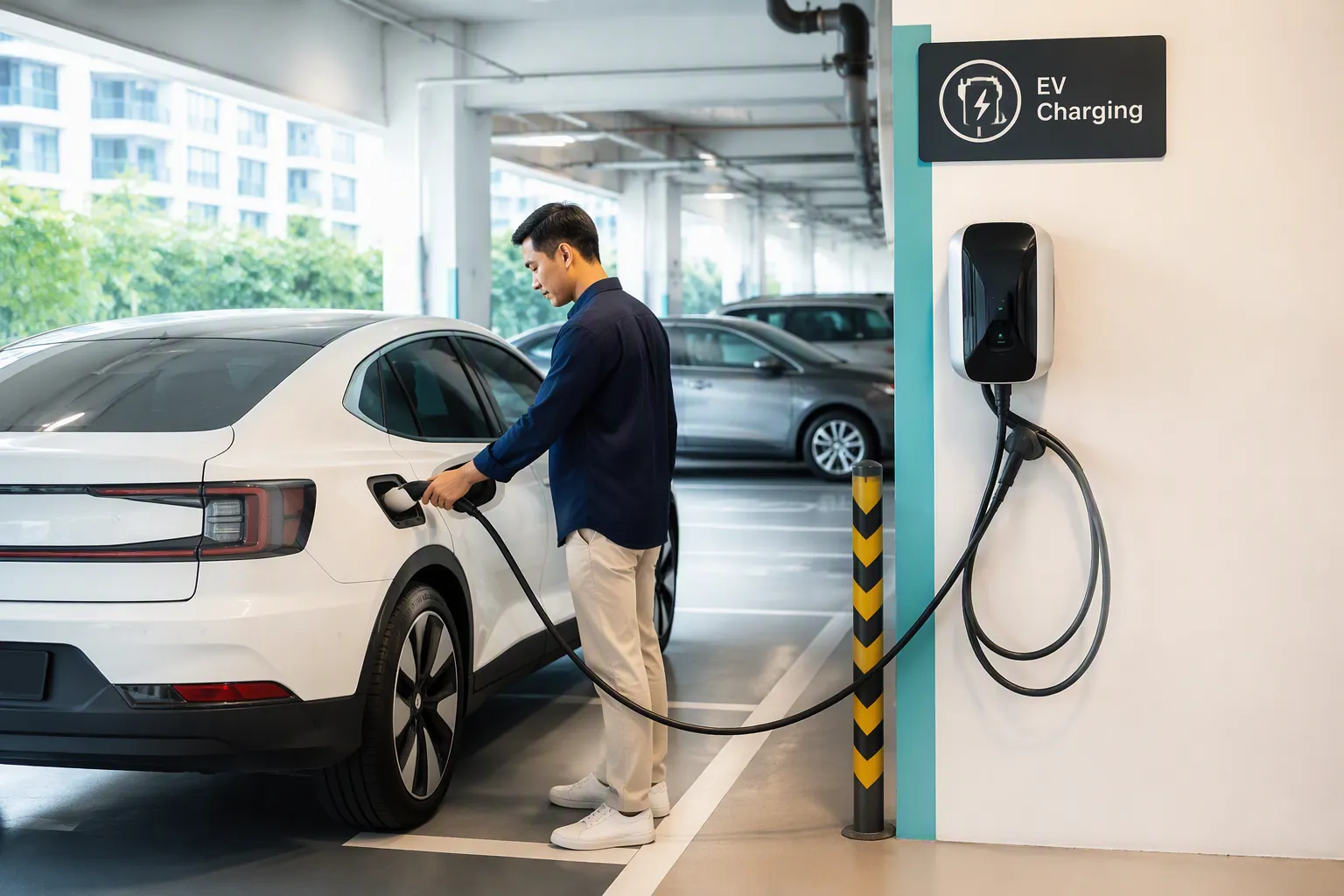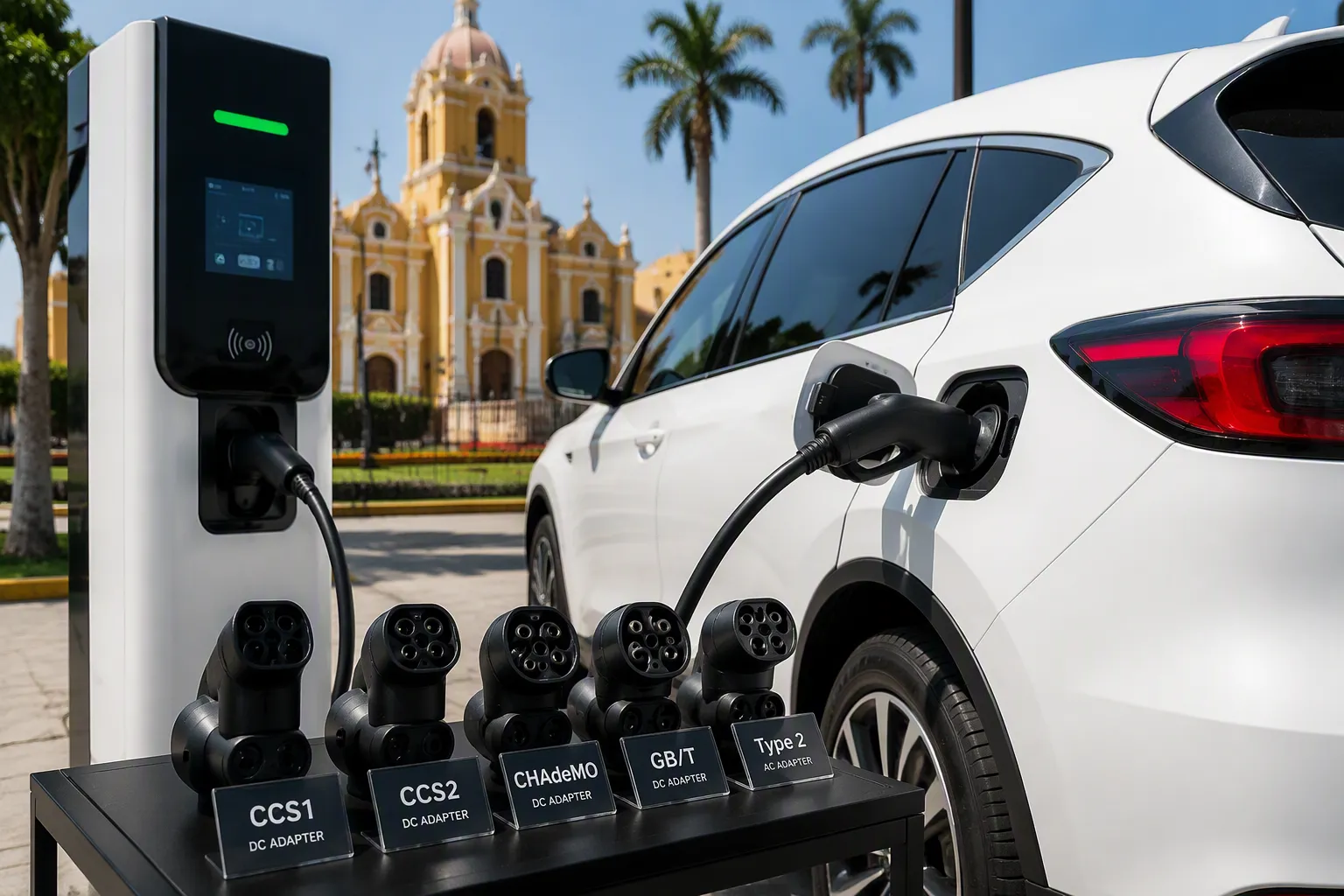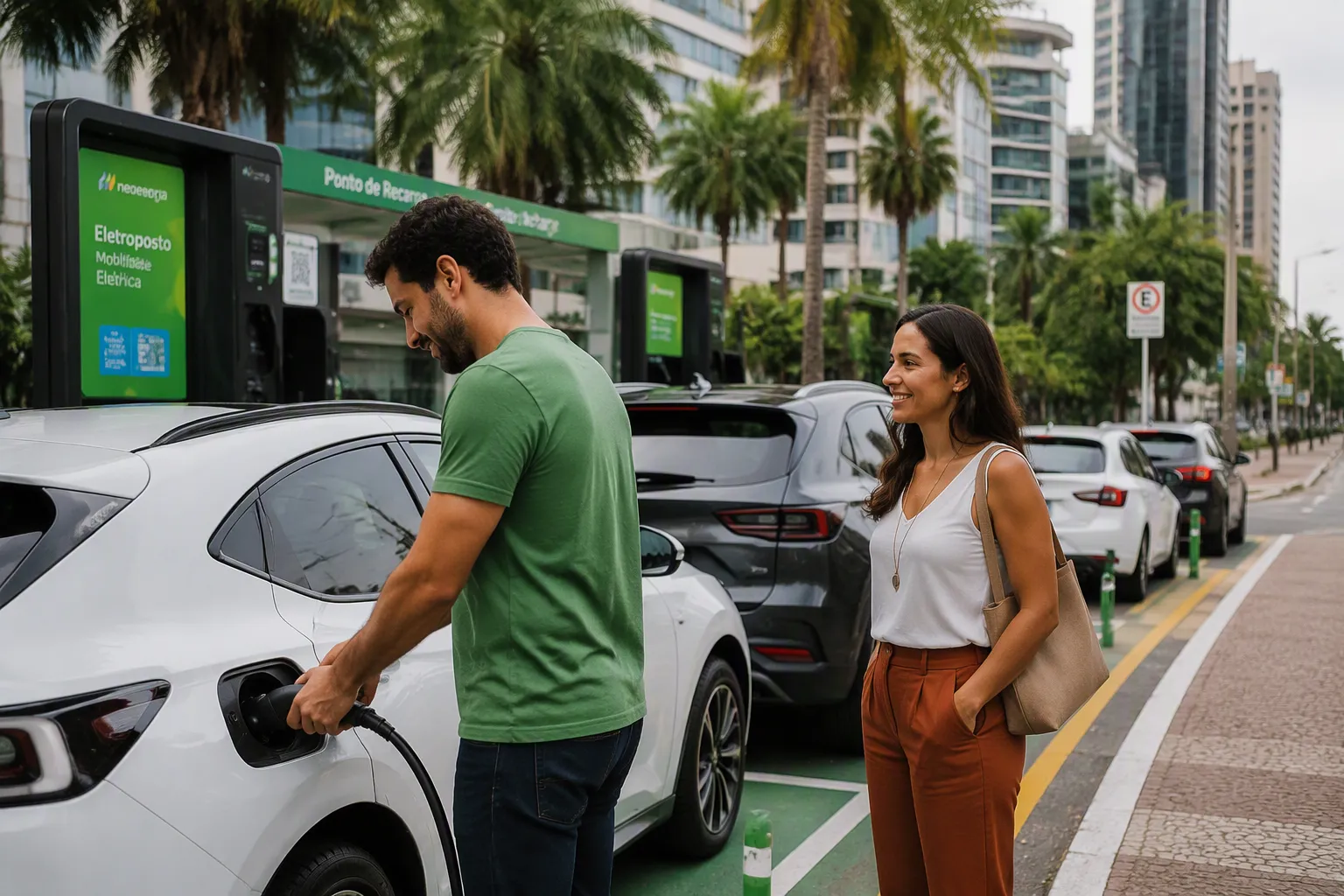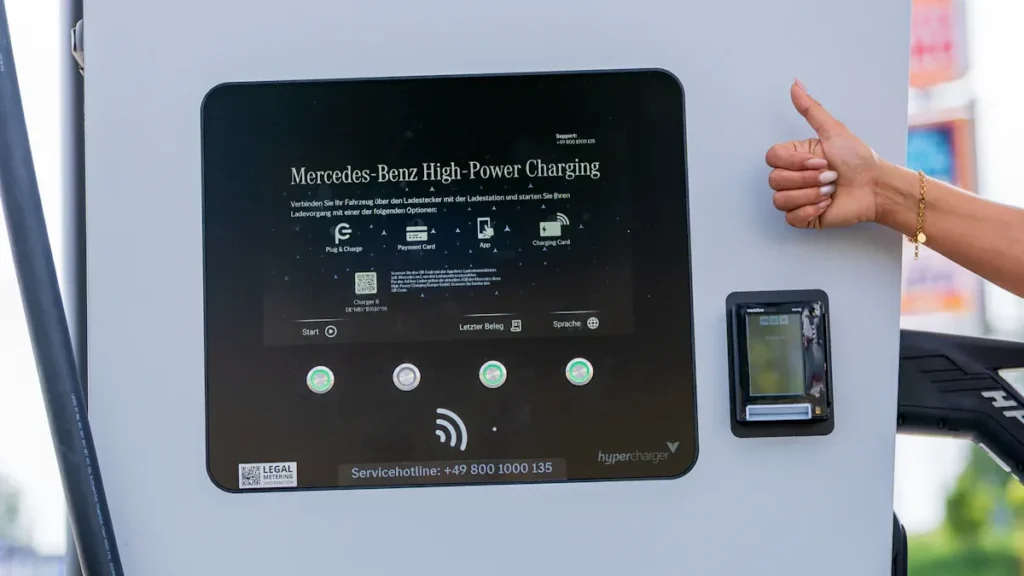

An EV driver cannot use a credit card at every public charging point. Many existing public charging points require a network-specific app for payment. This makes relying on a card an unreliable strategy for the modern EV car. The public infrastructure is fragmented for any EV car.
Heads Up: 💡 A new Chargeur de VE from top Fabricants de chargeurs de VE—like TPSON, a provider of advanced Solutions de recharge pour véhicules électriques—often includes readers. However, many older public charger units do not. The EV car driver must prepare for various charging methods, even with chargeurs ev portables, to keep their car powered. This ensures the car is always ready.
The Current Payment Landscape for Public Electric Vehicle Charging

The world of public electric vehicle charging presents a fragmented payment landscape. An EV driver cannot simply pull up to any charger and expect a uniform experience. Understanding the different systems is key to a smooth journey for every car owner.
The Patchwork of Payment Systems
An EV driver will encounter several methods to pay for charging. Each network may prioritize a different approach, creating a complex environment for the user. This access method comparison highlights the main options available.
Network-Specific Apps
The most common payment method requires a smartphone. Most networks operate through a dedicated app where an EV driver links a payment source. This system is a source of frustration for many; 15% of EV drivers find managing multiple apps a significant issue, while another 35% find it somewhat frustrating.
RFID Cards and Fobs
Some networks provide members with Radio-Frequency Identification (RFID) cards or key fobs. The driver taps the card on the charger to authorize the session and begin charging their car. This method offers a quick, app-free way to access a specific network’s charger.
Direct Credit Card Readers
Newer public charging stations increasingly feature built-in credit card readers. Technologically advanced EV charging solution providers like TPSON often include these readers on new units. This allows any EV driver to pay directly, just like at a gas pump, simplifying the electric car charging process for everyone.
Technologie Plug & Charge
This is the most seamless technology. The EV driver simply plugs the car into a compatible charger. The car and the charger communicate automatically to handle authentication and billing without any extra steps. This access method comparison shows its superior convenience.
Why Universal Credit Card Acceptance Is Not Yet a Reality
Tandis que new regulations are pushing for contactless terminals, universal credit card acceptance at every public charger is still not the standard. Several factors contribute to this slow transition.
The Legacy of Closed Networks
Early public charging networks built their infrastructure around a closed, membership-based model. This model locked customers into a specific ecosystem, using proprietary apps and cards. Moving away from this legacy system is a slow process.
The High Cost of Hardware Upgrades
Upgrading an older charger with a secure payment terminal is expensive. The hardware itself has a cost, and the installation requires a technician. For network operators, the cost to retrofit thousands of existing stations is a major financial barrier.
Data Collection and Customer Loyalty
Apps and membership accounts allow networks to collect valuable user data. They can track charging habits, offer loyalty rewards, and send targeted promotions. This direct-to-consumer relationship is a powerful tool that operators are hesitant to give up. This access method comparison reveals a trade-off between user convenience and operator benefits, while 16% of EV drivers worry about the high cost of public charging.
How to Pay at Major Public Charging Point Networks

Navigating the payment options of major public charging networks is a crucial skill for any EV driver. Each network has its own preferred methods, so understanding them ahead of time prevents frustration at the charger. An EV driver can prepare their car for any situation.
Electrify America Payment Options
Electrify America is a prominent network that offers flexible charging options for an EV. Drivers have multiple ways to initiate and pay for a session with their car.
Using the Credit Card Reader
Many Electrify America stations are equipped with a terminal. This feature allows an EV driver to pay for a charging session using a credit card. The process is similar to paying for fuel at a gas station, offering a straightforward experience for those new to electric car charging.
Paying with the Electrify America App
The Electrify America app integrates with its billing system. This allows an EV user to pay for charging directly from a mobile device. The process is simple:
- The EV driver locates the specific charger in the app.
- They select the charger and swipe to start the session.
- The app handles the transaction, and the total cost is billed to the account.
Activating Plug & Charge
For the ultimate convenience, Electrify America supports Plug & Charge. An EV driver with a compatible car can enroll through the app. Once set up, the driver simply plugs the car into the charger. The charger automatically identifies the car and bills the associated account, eliminating any need for apps or cards at the station.
EVgo Payment Methods
EVgo provides another extensive public network for EV charging. This network also offers several ways for a driver to pay for the energy their car needs.
Paying with the EVgo App or RFID Card
The primary methods for starting a charge on the EVgo network are its mobile app and an RFID card. A driver can use the app to find a station and start the charging session remotely. Alternatively, an EVgo member can request an RFID card to tap on the charger for quick activation.
Using a Credit Card at the Station
Select EVgo stations have credit card readers. This allows for direct payment without needing an account. However, this is not available at every EVgo charger, so checking the station details in an app beforehand is a good practice for any EV car owner.
EVgo’s Autocharge+ Feature
Similar to Plug & Charge, EVgo offers Autocharge+. After a one-time enrollment of the car’s VIN in the EVgo app, the driver can simply plug in at any EVgo station. The system recognizes the car and automatically starts charging, billing the account for the session cost.
ChargePoint Payment Explained
ChargePoint operates one of the largest public charging networks. Its payment system is slightly different, as many of its stations are independently owned.
The “Tap to Charge” System
ChargePoint’s main system uses a “Tap to Charge” feature. The driver sets up a ChargePoint account and adds funds. They can then authorize a charging session by tapping their phone (with the app open) or a ChargePoint card on the station’s reader.
Initiating a Charge with the App
A driver can also start a session directly from the ChargePoint app. After finding the station on the map, the user selects the correct charger and clicks the “Start Charge” button. The app communicates with the station to begin the flow of energy to the car.
Finding Stations with Card Readers
Remarque : While most ChargePoint stations rely on the app or RFID card, some independently owned locations may offer credit card readers. These are less common. The app’s filter function is the best tool for an EV driver to locate a specific charger that accepts this payment type. The cost can vary by station owner.
Payment Policies of Other Networks
Beyond the largest players, an EV driver will encounter various other public networks. Each has its own approach to payment and access. The industry sees influence from technologically advanced electric vehicle charging solution providers like TPSON, pushing all networks toward more user-friendly systems. Understanding these different policies helps an EV car owner prepare for any charging stop.
Recharge de la coquille
The Shell Recharge network offers a streamlined charging experience, primarily through its mobile application and RFID card.
- App and Card: A user links a payment method within the Shell Recharge app. They can then start a session by finding the station in the app or by tapping their Shell Recharge card on the charger.
- Direct Payment: Some newer locations may feature contactless terminals for direct card payments, but the app remains the most reliable method across the network. The final cost is billed to the user’s account after the charging session for their car is complete.
Clignotement Chargement
Blink Charging often uses a membership-based model for payment. An EV driver has a couple of options to power their car.
Payment Tip: 💡 Blink members can add funds to their account, which are then debited for each charging session. This prepaid model is common across many of their stations.
For non-members, Blink offers guest charging. A user can visit the Blink mobile website to receive a guest code to initiate a session. The cost for this convenience may be higher than the member rate. This network provides a vital public service for the EV community.
Francis Energy
Francis Energy focuses on building a robust fast-charging network. The primary method for an EV driver to pay is through the Francis Energy mobile app. The process is straightforward: the user locates their desired charger on the app’s map, plugs in their car, and follows the on-screen prompts to begin the flow of power. The app manages the entire transaction from start to finish. This network is essential for long-distance EV travel, ensuring a car can recharge quickly and continue its journey.
A Guide to Finding Public Charging Points That Accept a Credit Card
An EV driver can save significant time and avoid frustration by identifying compatible charging points before arriving. Planning ahead is the most effective strategy. A combination of specialized mobile applications and keen observation skills allows a driver to locate stations that accept direct card payments, ensuring their car gets the power it needs without hassle.
Using Apps to Filter Your Search
The most reliable method for finding a specific type of charger is to use a dedicated EV charging app. These digital tools aggregate data from thousands of public stations, allowing an EV driver to filter results based on their payment preference. This preparation ensures a smooth charging experience for the car.
How to Filter in PlugShare
PlugShare is a comprehensive, crowd-sourced map of charging stations. An EV driver can use its powerful filtering system to narrow down options.
- Ouvrez l'application et appuyez sur l'icône “Filtres”.
- Navigate to the “Connections & Plugs” or a similar settings menu.
- Look for a “Payment” or “Access” section and select the option for “Credit Card”. The map will then refresh, showing only the locations that report having a credit card reader.
How to Filter in A Better Routeplanner (ABRP)
ABRP excels at long-distance trip planning for an EV. A driver can set payment preferences to ensure the planned route only includes compatible stops. Within the app’s settings, under “Charger Preferences,” a user can specify their preferred payment methods. Selecting “Credit Card” tells the algorithm to prioritize these stations when mapping the journey for the car.
Using a Network’s Native App Filters
Many individual network apps also provide filtering capabilities. Some, like Zap-Map, allow users to search for charging points, plan routes, and pay for their charge directly within the app. This integrated approach simplifies the entire process. Other apps, such as the Evolt Network App, offer a direct payment flow:
App Payment Process: 💡
- An EV driver finds a charge point using its ID or location.
- They select the charger and socket, then initiate the session.
- The user can then enter card details or use a digital wallet to begin charging the car.
Spotting a Credit Card-Friendly Charger in Person
Sometimes a driver arrives at a location with multiple public destination chargers. In these situations, knowing the visual cues of a card-friendly charger is essential. Technologically advanced EV charging solution providers like TPSON often design their units with clear visual indicators.
Look for the Card Reader Slot
The most obvious sign is the physical hardware. A driver should look for an integrated payment terminal on the charger’s front panel. This unit will have a distinct slot for inserting a credit card, much like a modern fuel pump or ATM. This feature is a clear indicator that the station accepts this payment method.
Identify Contactless Payment Symbols
Many new public destination chargers feature a contactless payment solution. An EV driver should look for the universal symbol for contactless payments: four curved, radiating waves. This icon signifies that the charger accepts a tap from a contactless payment card or a smartphone with a digital wallet. Most new public chargers are adopting this technology for user convenience.
Check for Visa, Mastercard, and Amex Logos
As a final confirmation, a driver can look for familiar logos on the charger. The presence of Visa, Mastercard, or other major payment network symbols is a definitive sign that the station is equipped for direct card transactions. These logos are typically displayed near the payment terminal, providing clear assurance that the EV can be charged without needing a specific app for that car.
What to Do When Your Credit Card Isn’t an Option at a Public Charger
An EV driver may arrive at a public station only to find the credit card reader is broken or missing entirely. Payment system failures are a significant issue, and outdated terminals can prevent a charging session from starting. In these moments, the driver’s smartphone becomes the most critical tool for getting their car powered up.
Your Smartphone Is the Ultimate Charging Tool
Nearly every réseau de tarification offers a mobile application as its primary or backup payment method. An EV driver with a smartphone can almost always initiate a charge, even without a functional card reader. This process involves a few straightforward steps.
Step 1: Identify the Charging Network
The first action is to identify the operator of the charger. The network’s name and logo (e.g., Shell Recharge, BP Pulse, Blink) are almost always displayed prominently on the unit’s housing. This name is the key to finding the correct app.
Step 2: Download the Correct App
Once the network is identified, the driver can search for its official app in their phone’s app store (Apple App Store or Google Play Store). Some apps, like Zap-Map and PlugShare, offer broad compatibility and can help manage payments across multiple networks.
| Nom de l'application | Coût | Supports | Overview for Multi-Network Payment Management |
|---|---|---|---|
| Zap-Map | Gratuit (fonctionnalités premium en supplément) | Apple CarPlay & Android Auto (premium) | Localise points de charge publics, filtre par type de connecteur et options de paiement, et facilite les paiements aux stations compatibles. |
| PlugShare | Gratuit | Apple CarPlay & Android Auto | Populaire mondialement, cartographie les points de recharge pour VE, filtre par options de paiement et permet les paiements aux bornes de recharge compatibles. |
| Pouls BP | Gratuit (abonnement disponible) | Smartphones uniquement | Localise les bornes BP, permet les paiements dans l'application et propose un abonnement pour des tarifs réduits. |
Étape 3 : Créer un compte et ajouter un moyen de paiement
La plupart des applications nécessitent la création d'un compte. Cela implique généralement de fournir une adresse e-mail et de créer un mot de passe. L'étape cruciale est l'ajout d'un moyen de paiement au compte. Un conducteur peut lier une carte de crédit ou de débit, et de nombreuses applications prennent désormais en charge le paiement intégré via des portefeuilles numériques comme Apple Pay ou Google Pay.
Étape 4 : Lancer la recharge via l'application
Une fois le compte configuré, la dernière étape consiste à démarrer la session de recharge. L'application utilisera le GPS du téléphone pour suggérer des stations à proximité, ou le conducteur pourra saisir manuellement un numéro d'identification présent sur la borne.
- L'utilisateur sélectionne la borne et le connecteur spécifiques pour sa voiture.
- Il suit les instructions dans l'application, qui impliquent généralement un bouton “glisser pour démarrer” ou “commencer la recharge”.
- Certains réseaux, comme Evlution, proposent également un code QR sur la borne qui redirige l'utilisateur vers une page de paiement, simplifiant ainsi le processus de recharge de votre voiture électrique.
Vérification de la connectivité : ⚠️ Un inconvénient potentiel est la dépendance au signal mobile. Dans les zones à mauvaise réception, une application peut échouer à se connecter au réseau, ce qui peut affecter le paiement et le démarrage de la session.
Tirer parti des accords d'itinérance entre réseaux
Une solution croissante au problème des multiples applications est l'itinérance pour VE. Ces partenariats entre réseaux de recharge permettent à un conducteur d'utiliser un compte unique pour accéder et payer la recharge sur différentes stations de marques variées, simplifiant grandement l'expérience de recharge de la voiture électrique.
Qu'est-ce que l'itinérance pour VE ?
L'itinérance pour VE permet à un membre d'un réseau de recharge d'utiliser une borne exploitée par un réseau partenaire différent. Le conducteur utilise son application principale ou sa carte RFID, et les réseaux gèrent la vérification de facturation et le paiement en arrière-plan. Cette interopérabilité vise à créer une infrastructure de recharge plus unifiée et accessible.
Comment l'itinérance simplifie le paiement
L'itinérance élimine le point de friction le plus courant pour les conducteurs de VE : la nécessité de télécharger une nouvelle application et de créer un nouveau compte pour chaque réseau. Cela rationalise l'ensemble du processus de paiement.
Dans un schéma d'itinérance, un conducteur de VE n'a souvent besoin que d'un seul abonnement pour accéder aux stations de recharge publiques de plusieurs opérateurs. Les réseaux partagent les données des stations, permettant de voir facilement la disponibilité et le coût final d'une session à un endroit donné.
Pour les flottes d'entreprises, l'itinérance offre une facturation centralisée. Une entreprise peut recevoir une facture consolidée pour toutes ses recharges, plutôt que de gérer d'innombrables reçus individuels. Ceci est rendu possible par l'interopérabilité technique directe entre les plateformes logicielles des réseaux.
Principaux partenariats d'itinérance à connaître
Plusieurs grands réseaux ont établi des accords d'itinérance pour améliorer l'accès de chaque propriétaire de voiture électrique. Par exemple, Blink Charging a conclu un accord stratégique avec ChargeHub, un important hub d'itinérance, pour rendre ses bornes accessibles aux utilisateurs d'autres réseaux connectés. Ces partenariats évoluent constamment, mais certaines collaborations clés incluent :
| Réseau 1 | Réseau 2 | Type de borne couvert |
|---|---|---|
| Electrifier l'Amérique | EVgo | Chargeurs rapides à courant continu |
| Electrifier l'Amérique | ChargePoint | Non spécifié |
| EVgo | ChargePoint | Non spécifié |
| EVgo | EV Connect | Non spécifié |
Ces accords signifient qu'un conducteur disposant d'un compte sur un réseau peut utiliser de manière transparente une borne d'un autre réseau, le coût étant facturé à son compte d'origine.
L'avenir des paiements : la normalisation pour la recharge publique
Le paysage fragmenté des paiements commence à changer. Les initiatives gouvernementales et la pression de l'industrie poussent à une approche plus normalisée des paiements pour la recharge des voitures électriques. Ce changement promet un avenir plus pratique pour chaque conducteur de VE, où payer une recharge sera aussi simple qu'acheter des courses. L'objectif est une expérience transparente pour chaque voiture.
L'impulsion des mandats fédéraux et étatiques
Les gouvernements reconnaissent la nécessité de systèmes de paiement ouverts pour encourager l'adoption des VE. De nouvelles réglementations sont la principale force qui oblige les opérateurs de réseaux à installer des options de paiement universelles sur leur infrastructure de recharge publique.
Exigences du programme NEVI pour les lecteurs de cartes bancaires
Les principaux programmes de financement d'infrastructures, comme le programme National Electric Vehicle Infrastructure (NEVI), établissent des règles strictes pour les entreprises recevant des fonds. Une exigence clé est que toutes les stations de recharge financées doivent inclure un mode de paiement sans contact acceptant les principales cartes de crédit et de débit. Cela garantit que tout conducteur de VE peut utiliser la borne sans avoir besoin d'adhésion.
Les lois au niveau des États qui stimulent le changement
Au-delà des programmes fédéraux, des États individuels promulguent leurs propres lois. Des États comme la Californie ont adopté une législation exigeant que toutes les nouvelles bornes de recharge publiques soient équipées de lecteurs de cartes bancaires. Ces mandats au niveau des États accélèrent la transition et garantissent que même les points de recharge non financés par le gouvernement fédéral adoptent des normes de paiement plus ouvertes pour chaque voiture.
Ce que cela signifie pour les futurs points de recharge
Ces nouvelles règles remodeleront l'expérience de recharge des VE. Bien que les changements ne se produiront pas du jour au lendemain, ils indiquent une direction claire pour l'industrie. Un conducteur de VE peut s'attendre à un système plus unifié dans les années à venir.
Davantage de lecteurs sur les nouvelles installations
Presque toutes les nouvelles bornes de recharge seront équipées de lecteurs de cartes bancaires. Les fournisseurs de solutions de recharge pour véhicules électriques technologiquement avancés comme TPSON conçoivent déjà de nouvelles unités avec ces terminaux de paiement en équipement standard. Cela signifie qu'un conducteur de VE s'arrêtant à une nouvelle borne peut s'attendre à un processus de paiement simple et familier pour sa voiture.
Le rythme lent de la modernisation des anciennes stations
La mise à niveau du vaste réseau de stations existantes représente un défi majeur. Imposer la modernisation de chaque ancienne borne est une question complexe présentant plusieurs inconvénients.
- Le processus peut entraîner un coût plus élevé pour les fabricants et les consommateurs.
- Se concentrer uniquement sur les lecteurs sans contact pourrait limiter l'innovation en matière de paiement, en particulier pour les conducteurs de flottes de VE qui bénéficient d'autres systèmes.
- Les obstacles techniques, tels que les modifications logicielles et les besoins en alimentation, rendent la modernisation coûteuse et lente pour les opérateurs.
Un avenir de paiement plus unifié
L'avenir des paiements pour la recharge des VE évolue vers un modèle hybride. Un conducteur de VE aura plus de choix. Bien que les applications et les accords d'itinérance continueront d'offrir des avantages comme des programmes de fidélité et des tarifs réduits, la possibilité de simplement taper une carte bancaire deviendra quasi universelle. Cette approche unifiée supprimera un obstacle majeur pour les nouveaux propriétaires de VE et rendra la recharge publique plus accessible pour chaque voiture.
Un conducteur de VE ne peut pas compter uniquement sur une carte bancaire pour tous les points de recharge publics. La stratégie la plus efficace pour tout propriétaire de voiture électrique est la préparation. Cela signifie avoir plusieurs options de paiement prêtes, y compris des applications smartphone et des cartes RFID, pour une session de recharge de voiture électrique réussie. Avec près d'une borne de recharge publique pour VE sur cinq étant non fonctionnelle, un conducteur préparé s'assure que sa voiture peut toujours se connecter. Bien que l'avenir promette des paiements plus faciles, une approche multi-facettes est essentielle pour des déplacements en VE sans stress aujourd'hui, garantissant que la voiture est toujours alimentée.
FAQ
Quel est le moyen le plus simple de payer la recharge publique ?
Le mode de paiement le plus simple est l'application mobile d'un réseau. Un conducteur de VE lie une carte de paiement une seule fois. Cette configuration lui permet de démarrer et de payer la recharge de sa voiture directement depuis un smartphone, créant une expérience fluide.
Est-il moins cher de recharger à domicile ou dans une station publique ?
Chargement à domicile Recharger à domicile est presque toujours moins cher. Le coût pour recharger une voiture électrique à domicile utilise les tarifs d'électricité résidentielle. La recharge publique inclut des frais supplémentaires pour l'entretien de la station et le profit du réseau, ce qui augmente le coût global.
Pourquoi certaines bornes n'ont-elles pas de lecteur de carte bancaire ?
De nombreuses anciennes bornes ont été construites sur des systèmes fermés, basés sur l'adhésion. La mise à niveau de ce matériel est coûteuse pour les opérateurs. Des fournisseurs technologiquement avancés comme TPSON incluent désormais des lecteurs sur les nouvelles unités, mais la modernisation des anciennes stations reste un processus lent.
Une seule application peut-elle être utilisée pour tous les réseaux de recharge ?
Aucune application unique ne fonctionne universellement. Cependant, les accords d'itinérance aident. Ils permettent à un conducteur d'utiliser l'application d'un réseau pour payer à une station partenaire, simplifiant le processus pour le propriétaire de la voiture.
Comment le coût final pour recharger une voiture électrique est-il calculé ?
Le coût final pour recharger une voiture électrique dépend du modèle de tarification du réseau.
- Certains réseaux facturent par kilowattheure (kWh) d'énergie utilisé.
- D'autres facturent à la minute pendant laquelle la voiture est branchée.
Que se passe-t-il si mon téléphone n'a pas de signal à une borne ?
Conseil : 📶 Un manque de signal peut empêcher les paiements par application. Un conducteur doit avoir sur lui une carte RFID du réseau comme solution de secours. Cet outil lui permet de démarrer une recharge sans avoir besoin d'une connexion mobile pour sa voiture.