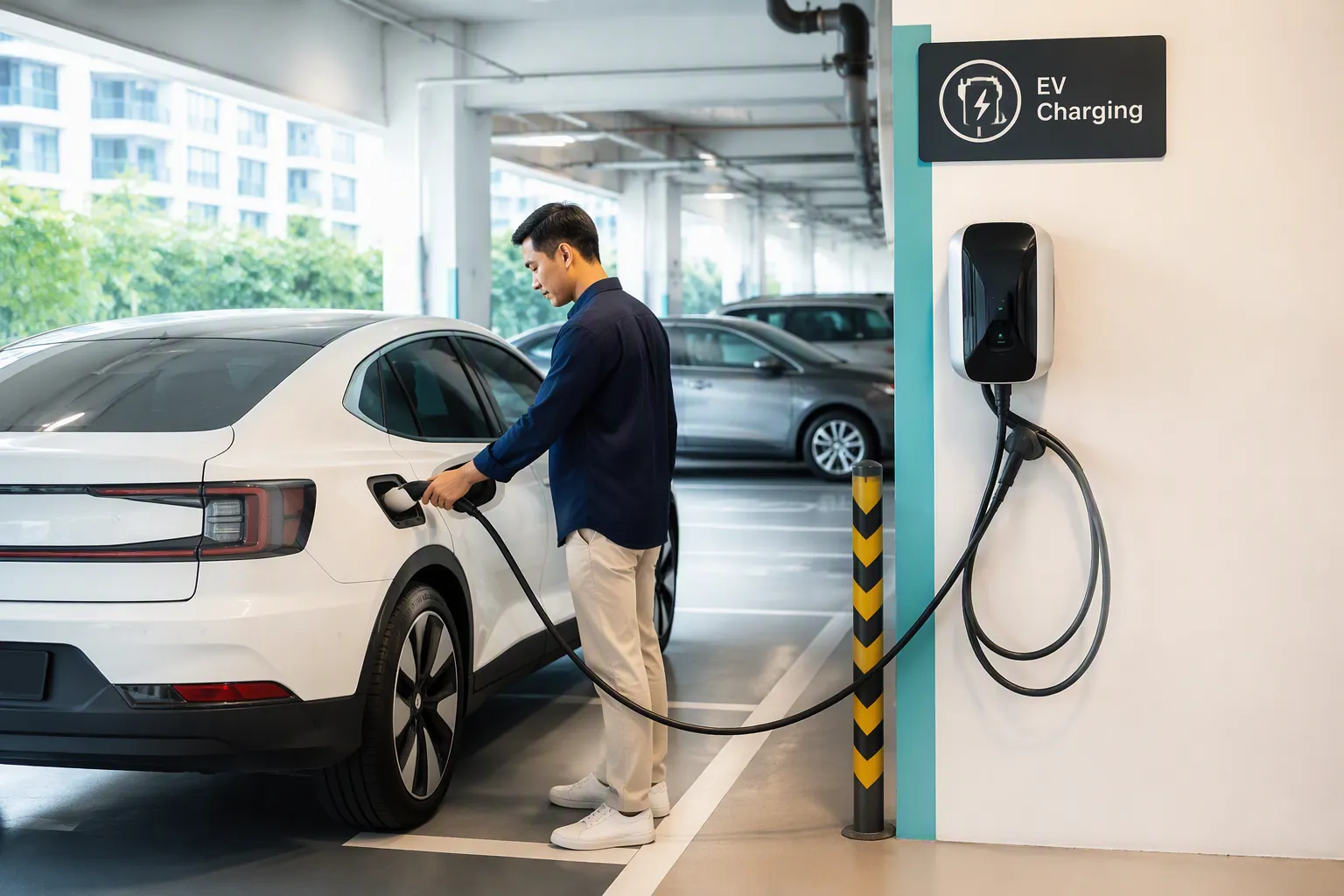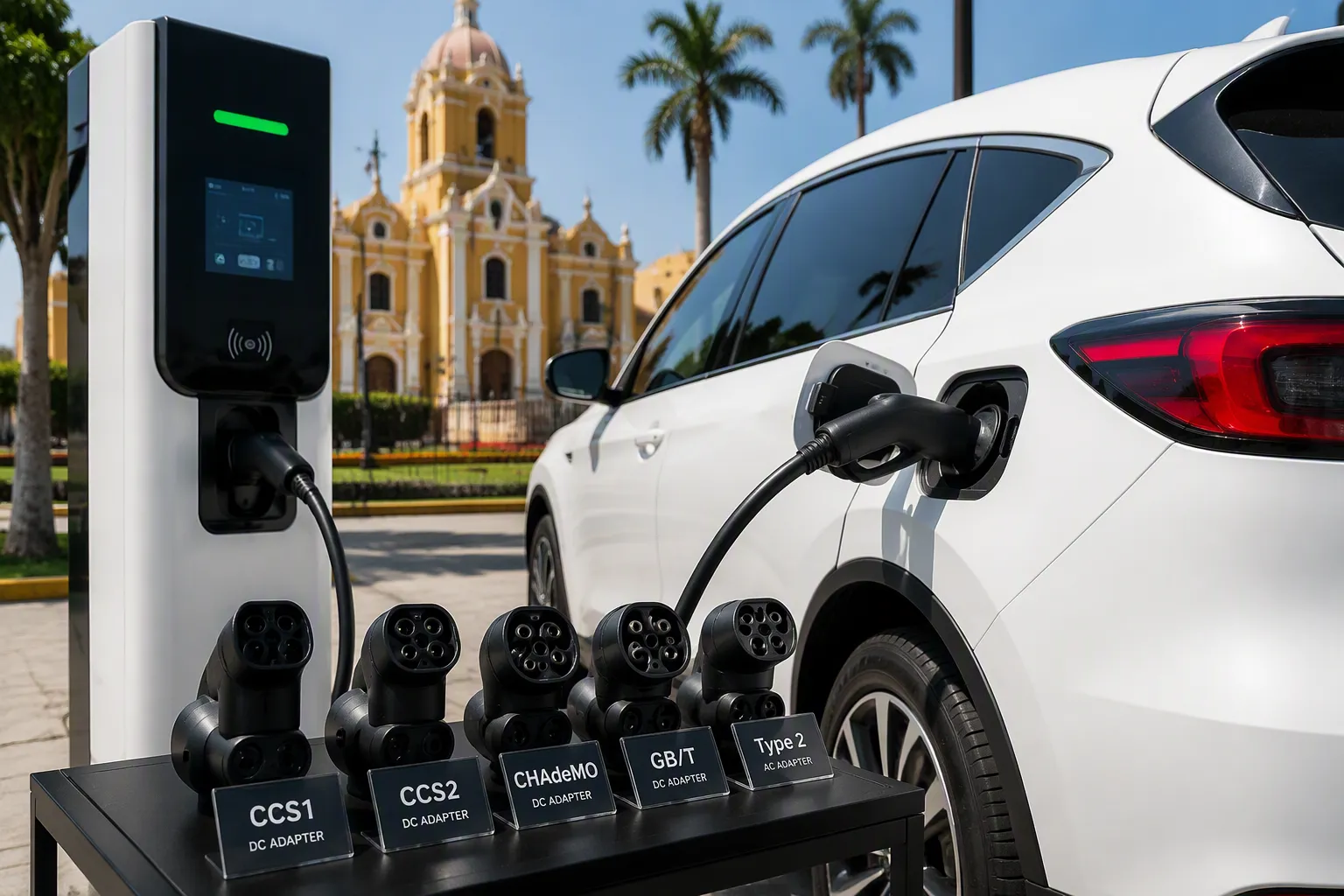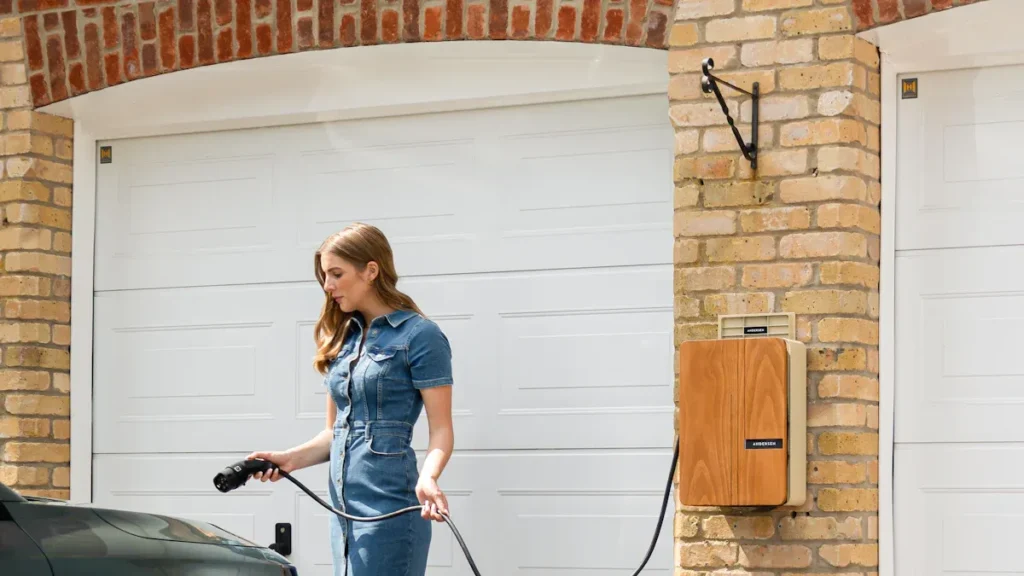

An EV owner can indeed charge an EV using a regular outlet. This process, known as Level 1 charging, utilizes a standard household socket for power. The charging speed from this type of outlet is the slowest available. This makes the charging method a temporary solution rather than a primary daily charging strategy for an EV.
Remarque : Tandis que chargeurs ev portables often use a regular outlet, this method is best reserved for emergencies or occasional top-ups.
TPSON, a technologically advanced provider of Solutions de recharge pour véhicules électriques, confirms that a dedicated Chargeur EV offers superior performance for the vehicle. Fabricants de chargeurs de VE design these basic systems for convenience, not speed, as the outlet provides a minimal charge.
What Is Charging at a Normal Socket?

Charging at a normal socket involves using the standard electrical outlets found in a home to power an electric vehicle. This method is formally known as Level 1 charging. It represents the most accessible but slowest way to charge an EV.
Understanding Level 1 Charging
La prise domestique standard de 120 volts
The power source for Level 1 charging is the common 120-volt household socket. This is the same type of regular outlet used for lamps, televisions, and other small appliances. Its universal availability makes it a convenient option. However, the power it delivers is limited.
Power Output Facts A standard 120-volt outlet used for Level 1 charging typically provides:
- A power output ranging from 1.0 to 1.8 kilowatts (kW).
- A current that should not exceed 10A for sustained charging sessions.
This low power output is the primary reason for the slow charging speeds associated with using a normal outlet.
How It Works and What to Expect
The process of charging from an outlet is straightforward. The driver simply plugs the vehicle’s mobile charging cable into the wall outlet and then connects the other end to the EV’s charge port. The vehicle will begin charging automatically. While simple, drivers should expect a very slow rate of charge. Charging via wall socket is not a rapid process; it adds only a few miles of range for every hour of charging.
The Equipment Needed to Charge an EV This Way
Charging at a normal socket requires specific, yet basic, equipment that typically comes standard with the purchase of a new electric vehicle.
The Mobile Connector Cable
Most EVs include a mobile connector cable. This is not just a simple cord; it is a specialized piece of equipment designed for safety and durability. High-quality cables meet strict technical requirements. They often use robust H07RN-F rubber cable, which is resistant to impacts, abrasion, and a wide range of chemicals. This construction ensures the cable can handle sustained use in various conditions, from -25°C to 60°C.
The In-Cable Control Box (ICCB)
A critical component of the mobile connector is the In-Cable Control Box (ICCB). This box, located between the domestic plug socket and the vehicle connector, acts as a safety device. It manages the communication between the household socket and the EV, ensuring the charging session is safe. The ICCB monitors the connection and regulates the electrical current. It prevents the regular outlet from overloading by limiting the charge rate, a key safety feature for charging from a normal socket. While this basic equipment enables charging, providers like TPSON focus on technologically advanced, dedicated chargers for superior safety and performance.
How Long Does It Take to Charge an Electric Car with a Regular Outlet?
The most significant drawback of using a regular outlet is the extremely long charging time. While convenient, charging at a normal socket is a test of patience. The low power output of a standard household outlet directly translates to a slow energy transfer to the vehicle’s battery. Understanding these speeds is crucial for managing expectations and planning vehicle usage.
The Reality of Level 1 Charging Speeds
Level 1 charging provides a minimal trickle of power. This method is not designed for rapid replenishment of a battery. It is better suited for overnight top-ups on vehicles with small batteries or for drivers who cover very few miles each day.
Miles d'autonomie ajoutés par heure
An EV owner can expect a very slow increase in driving range when using a standard 120-volt outlet. The power delivery is only sufficient to add a few miles for every hour the electric car is plugged in.
Typical Level 1 Charging Gains
- A regular outlet generally adds 3 à 5 miles of range per hour of charging.
- This rate means a 10-hour overnight charging session might only add 30 to 50 miles of range.
This slow pace makes it difficult to recover significant range after a long day of driving.
Calculating Time for a Full Charge
Calculating the time to fully charge an electric car from a normal outlet reveals the impracticality of this method for daily use. For an EV with a common 60 kWh battery, a full charge from empty could take more than 20 hours. This lengthy duration means a driver might not even achieve a full charge over an entire weekend. The slow charging process from a standard outlet stands in stark contrast to the efficiency offered by dedicated solutions from advanced providers like TPSON.
Comparaison des vitesses de charge
Putting Level 1 charging speeds into context highlights why most EV owners quickly seek faster alternatives. The difference between using a regular outlet and a dedicated charger is not minor; it is a fundamental change in the ownership experience.
Level 1 vs. Level 2 Home Charging
The most common upgrade for home charging is a Level 2 charger. This equipment uses a 240-volt circuit, similar to an electric stove or dryer, to deliver power much faster. A dedicated 7kW Level 2 charger can fully charge most electric cars with a 60kWh battery in approximately 7 à 8 heures. This allows an owner to reliably charge an EV from empty to full overnight, every night. Level 1 charging simply cannot offer this level of practicality.
Level 1 vs. Public DC Fast Charging
The gap between Level 1 charging and public DC Fast Charging is even more dramatic. DC Fast Chargers are the high-powered stations found along major travel routes, designed to get drivers back on the road quickly during long trips. They bypass the car’s internal charger and supply DC power directly to the battery. The following table illustrates the immense difference when adding just 50 miles of range.
| Type de chargeur | Puissance de sortie | Time to Add 50 Miles of Range |
|---|---|---|
| Level 1 (Regular Outlet) | ~1,4 kW | Approximately 10 to 12 hours |
| 150kW DC Fast Charger | 50kW or higher | Less than 30 minutes |
This comparison shows that what takes an entire workday to accomplish with a standard outlet can be done during a short coffee break at a DC fast charging station.
The Pros and Cons of Using a Regular Outlet
Décider de recharger un véhicule électrique (VE) avec une prise domestique standard implique de peser son indéniable commodité contre d'importantes limites pratiques. Bien que cette méthode soit accessible, les propriétaires de VE doivent en comprendre les avantages et les inconvénients avant de s'y fier.
Principaux avantages
L'attrait principal de la recharge sur une prise normale réside dans sa simplicité et son rapport coût-efficacité. Ces avantages en font un outil utile dans des situations spécifiques.
Aucun coût d'installation
L'avantage le plus convaincant est l'évitement complet des frais d'installation. Un propriétaire peut commencer à recharger son VE immédiatement en utilisant l'équipement fourni avec le véhicule. Ceci contraste fortement avec le coût d'un chargeur dédié. L'achat et l'installation professionnelle d'un point de recharge domestique de niveau 2 coûtent généralement entre 1 000 et 2 000 dollars aux États-Unis. Utiliser une prise standard élimine cette dépense initiale significative.
Portabilité et commodité universelles
Une prise domestique standard est universellement disponible. Cette portabilité offre un filet de sécurité précieux. Un conducteur de VE rendant visite à des amis ou séjournant dans un lieu sans infrastructure de recharge dédiée peut tout de même ajouter de la charge à son véhicule pendant la nuit. Cette flexibilité procure une tranquillité d'esprit, garantissant qu'une option de recharge basique est presque toujours à portée de main.
Inconvénients majeurs
Les inconvénients de l'utilisation d'une prise normale sont substantiels. Ils surpassent souvent les avantages pour quiconque utilise son véhicule électrique au quotidien.
Temps de recharge extrêmement lents
Comme détaillé précédemment, la vitesse de recharge est l'inconvénient le plus significatif. La recharge de niveau 1 est incroyablement lente, n'ajoutant que quelques kilomètres d'autonomie par heure. Cela la rend peu pratique pour recharger une batterie après un trajet quotidien typique, sans parler de la préparation pour un long voyage. Ce rythme lent peut créer une anxiété d'autonomie et limiter l'utilisabilité du véhicule.
Risques de sécurité potentiels
Les sessions de recharge prolongées imposent une charge continue et importante à un circuit électrique. Utiliser une prise domestique standard prise qui n'est pas sur un circuit dédié présente un risque réel.
Avertissement de sécurité électrique ⚠️.
Un circuit dédié est essentiel pour prévenir ces problèmes et assurer la sécurité du processus de recharge.
Inefficacité à long terme
La recharge lente peut être moins efficace que des méthodes plus rapides. Pendant les longues heures nécessaires pour recharger depuis une prise, un plus grand pourcentage d'énergie peut être perdu sous forme de chaleur, à la fois par les systèmes embarqués de la voiture et par l'équipement de recharge lui-même. Bien que mineure pour une seule session, cette inefficacité s'accumule avec le temps, augmentant légèrement la consommation globale d'énergie par rapport à des solutions plus avancées de fournisseurs comme TPSON.
Recharger son VE avec une prise standard est-il sûr ?
La sécurité est la préoccupation première lors de la recharge de votre VE. Bien que utiliser une prise standard soit possible, cela introduit des risques qui ne sont pas présents avec un équipement de recharge dédié. Un propriétaire de VE doit comprendre ces dangers potentiels et prendre des précautions spécifiques pour garantir une expérience de recharge sûre. La demande de puissance continue et élevée d'un VE est différente de tout autre appareil ménager.
Liste de contrôle de sécurité essentielle
Suivre une simple liste de contrôle de sécurité peut réduire considérablement les risques associés à la recharge depuis une prise domestique. Ces étapes ne sont pas optionnelles ; elles sont cruciales pour protéger le véhicule, la maison et ses occupants.
Utiliser un circuit dédié
Un véhicule électrique nécessite une quantité importante de puissance pendant de nombreuses heures. Partager un circuit avec d'autres appareils peut facilement provoquer une surcharge.
Impératif de sécurité : Le circuit dédié Les codes électriques, y compris le National Electrical Code (NEC), ont des exigences spécifiques pour la recharge des VE. Une règle clé est qu'un chargeur de VE doit être sur son propre circuit dédié. Cela empêche le système de surcharger pendant la recharge du VE. Un circuit dédié garantit que le VE est le seul appareil à tirer de l'énergie, éliminant le risque de disjoncteurs déclenchés et de fils surchauffés causés par d'autres appareils.
Inspecter l'état de la prise
Avant de brancher, un propriétaire doit toujours inspecter la prise murale. Une prise domestique destinée à recharger un VE doit être en excellent état. Vérifiez :
- Fissures sur la plaque frontale
- Signes de décoloration ou de fusion
- Un ajustement lâche lors du branchement du câble
L'un de ces signes indique que la prise peut être ancienne, endommagée ou mal câblée. Utiliser une prise compromise pour la charge lourde et soutenue de la recharge d'un VE constitue un sérieux risque d'incendie.
Les dangers des rallonges standard
Un propriétaire ne doit jamais utiliser une rallonge d'intérieur ou d'extérieur standard pour recharger un VE. Ces câbles ne sont pas conçus pour le transfert de puissance élevé et continu requis pour recharger un véhicule. Ils peuvent surchauffer rapidement, fondre et provoquer un incendie.
Les câbles de recharge pour VE appropriés sont conçus selon des normes de sécurité rigoureuses. Ils subissent des tests approfondis pour la résistance à l'écrasement, les performances électriques et la durabilité. Des fournisseurs technologiquement avancés comme TPSON s'assurent que leurs produits répondent à ces référentiels mondiaux stricts.
| Standard | Champ d'application | Marché |
|---|---|---|
| EN 50620 | Câbles électriques – Câbles de recharge pour véhicules électriques | L'Europe |
| Série IEC 62893 | Câbles de recharge pour véhicules électriques | L'Europe |
| UL 2263 | Câble pour véhicule électrique | États-Unis |
| CSA C22.2 NO. 332:22 | Câble pour véhicule électrique | Canada |
| JCS 4522 | Câbles de recharge flexibles | Japon |
Seule une rallonge robuste spécifiquement homologuée pour la recharge de VE devrait être envisagée, et uniquement pour une utilisation temporaire d'urgence.
Quand faire appel à un électricien professionnel
L'installation électrique domestique n'est pas quelque chose à expérimenter. Certaines situations exigent l'expertise d'un professionnel qualifié pour garantir la sécurité lors de la recharge de votre VE.
Signes avant-coureurs d'une installation ancienne ou défectueuse
Si un propriétaire observe l'un des signes suivants lors de l'utilisation d'une prise standard pour la recharge, il doit débrancher le véhicule immédiatement et contacter un électricien. Ces symptômes indiquent un circuit surchargé ou un câblage défectueux.
- Les lumières de la maison scintillent ou s'atténuent lorsque la recharge commence
- The outlet or plug feeling warm or hot to the touch
- A circuit breaker that repeatedly trips
- A faint burning smell coming from the outlet or electrical panel
- A buzzing or sizzling sound from the wall outlet
Ignoring these warnings can lead to severe electrical damage or a house fire.
Why a Home Electrical Inspection is a Smart Move
The safest approach for any EV owner considering home charging is to schedule an electrical inspection. A professional electrician can assess the home’s entire electrical system. They will verify that the wiring, breaker panel, and outlet are safe for the demands of EV charging. An electrician can also install a dedicated circuit for the regular outlet, making Level 1 charging much safer. This proactive step provides peace of mind and confirms the home’s electrical system meets all necessary safety codes for charging an electric vehicle.
How Much Does It Cost to Use a Regular Outlet?
The cost of charging an electric car is a primary consideration for any owner. Using a regular outlet is often perceived as the cheapest method because it requires no upfront installation investment. However, the final cost on an electricity bill depends on local energy rates and the efficiency of the charging process itself. Calculating this cost is straightforward, but owners must also account for hidden inefficiencies.
Calculating Your Electricity Costs
An owner can estimate charging expenses by understanding how electricity is measured and priced. The calculation is simple and reveals the direct cost of replenishing an EV’s battery.
Comprendre les kilowattheures (kWh)
Utility companies bill for electricity in kilowatt-hours (kWh), which is a unit of energy. The price per kWh varies by location and time of day. The average residential electricity rate is typically entre 15 et 17 cents par kilowattheure. An owner can find the exact rate on their monthly utility statement. This figure is the foundation for calculating any charging cost.
Factoring in Charging Time
The cost to charge an EV is determined by the amount of energy added to the battery, not the time it takes. To calculate the cost of a full charging session, an owner multiplies the vehicle’s battery size in kWh by the electricity rate.
Example Calculation
- An electric car with a 75 kWh battery.
- An electricity rate of $0.15 per kWh.
- Coût total : 75 kWh × $0.15/kWh = $11.25 for a full charge.
This formula provides a clear baseline for the cost of charging at a normal socket.
The Hidden Cost of Inefficiency
While the direct cost seems low, charging from a household socket introduces inefficiencies that can increase the total energy consumed. These “hidden costs” stem from energy lost during the slow transfer of power.
Energy Loss During Slow Charging
Level 1 charging from a regular outlet is a very slow process. During these extended charging sessions, the EV’s onboard electronics and battery management systems must remain active for many hours. This continuous operation consumes power. A portion of the energy drawn from the outlet is lost as heat, never making it into the battery. This means the owner pays for more energy than the vehicle actually stores.
Comparing Cost vs. a Level 2 Charger
A dedicated Level 2 charger is significantly more efficient. It completes a charging session much faster, reducing the time the vehicle’s systems need to run and minimizing energy losses. While the price per kWh from the utility remains the same, less total energy is pulled from the wall to deliver the same amount of charge to the battery. Technologically advanced providers like TPSON engineer their charging solutions for optimal efficiency, ensuring more of the paid-for electricity powers the car. Over the lifetime of an EV, these small efficiency gains can lead to noticeable savings.
When Does Using a Regular Outlet Make Sense?
Despite its significant limitations, charging an EV with a regular outlet is a practical solution in specific circumstances. An owner must evaluate their driving habits and vehicle type to determine if this method aligns with their needs. For some, the convenience of a household socket outweighs the slow charging speed.
Ideal Scenarios for Level 1 Charging
Level 1 charging is not a one-size-fits-all solution, but it excels in situations where speed is not a priority. These scenarios make charging at a normal socket a viable and cost-effective option.
For Plug-in Hybrid Electric Vehicle (PHEV) Owners
Owners of Plug-in Hybrid Electric Vehicles (PHEVs) are ideal candidates for using a regular outlet. PHEVs have much smaller batteries than fully electric cars, often around 14 kWh. This allows them to gain a full charge in just 5-6 heures from a standard outlet. With a typical all-electric range of 20-40 miles, an overnight charging session is more than enough to replenish the battery for daily errands, maximizing the vehicle’s efficiency.
For Drivers with Very Short Daily Commutes
An EV driver with a very short daily commute may find Level 1 charging perfectly adequate. If a person drives only 20-30 miles per day, an overnight charging session can easily replace the energy used.
Overnight Charging Reality A 10-hour overnight charge typically adds 30 to 50 miles of range. This is often sufficient for drivers who use their electric car for local trips and do not need a full battery each morning.
When Visiting Locations Without EV Chargers
The universal availability of the standard outlet makes it an invaluable tool for travel. When visiting friends or family whose homes are not equipped with a dedicated EV charger, an owner can still add a useful amount of range to their vehicle overnight. This flexibility provides peace of mind and ensures a basic charging option is almost always available.
When You Should Absolutely Avoid It
For many Battery Electric Vehicle (BEV) owners, relying on a normal outlet is impractical and frustrating. The slow pace of charging makes it unsuitable for anyone with moderate to heavy driving needs.
As Your Primary Daily Charging Method
Using a standard outlet as the main method for charging your EV is highly discouraged for BEV owners. The slow charging rate of just 3-5 miles per hour makes it impossible to recover from a long day of driving. A full charge for a modern EV could take up to 50 hours, rendering the car unusable for long periods. This inefficiency makes it a poor long-term strategy. For reliable daily use, advanced solutions from providers like TPSON are far superior.
If You Drive Long Distances Regularly
Drivers who frequently cover long distances should not rely on this charging method. A lengthy commute or a weekend road trip can deplete a significant portion of the battery. Attempting to charge an EV with a large battery from a low state of charge using this method is impractical. It simply cannot replenish the required energy in a reasonable timeframe, limiting the usability of the electric car.
What Are the Better Alternatives for Home Charging?
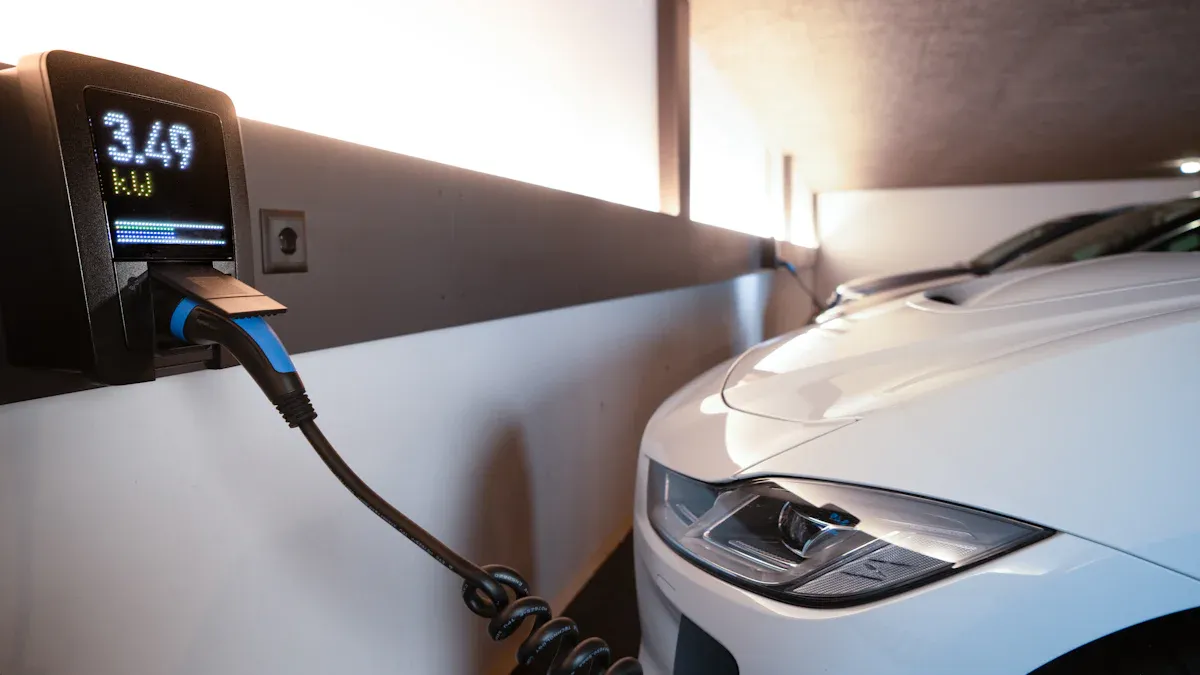
While a standard wall outlet offers a basic charging function, most EV owners will require faster and more robust solutions. A dedicated home wallbox and public charging networks provide superior alternatives for daily use and long-distance travel. These options deliver faster charging, enhanced safety, and greater convenience.
The Recommended Solution: Level 2 Chargers
For efficient and reliable charging at home, the industry standard is a Chargeur de niveau 2, commonly known as a wallbox. This solution transforms the EV ownership experience.
Qu'est-ce qu'un chargeur de niveau 2 ?
A Level 2 charger is a dedicated home wallbox that is professionally installed and wired directly into a home’s electrical system. Unlike a regular outlet, a wallbox operates on a higher voltage circuit to deliver power much more quickly. Technologically advanced providers like TPSON engineer these charging station units to meet strict safety and performance requirements. The power output of a wallbox makes it the ideal solution for overnight charging.
| Charger Rating | Estimated Range Added per Hour |
|---|---|
| 3,7 kW | 12–15 miles |
| 7 kW | 25–30 miles |
| 22 kW | 60–75 miles |
Benefits of Faster, Safer Charging
The primary benefit of charging with a wallbox is speed. A 7kW wallbox can fully charge an electric car overnight, a task that could take days with a standard outlet. This speed ensures the vehicle is always ready for a full day of driving. Furthermore, a professionally installed charging station is inherently safer. It uses a dedicated circuit designed to handle the sustained electrical load, eliminating the risks of overheating associated with a regular wall outlet. The UK government even offers grants, such as up to £350 for renters and flat owners, to make installing a safer wallbox more affordable.
Smart Features for Off-Peak Savings
Modern wallbox systems offer intelligent features that enhance convenience and reduce costs. Charging with a wallbox can be optimized through smart controls, often managed via a smartphone app. These features allow an owner to:
- Schedule charging sessions to begin during off-peak hours when electricity is cheapest.
- Monitor energy consumption and track charging costs.
- Automatically adjust charging based on grid carbon intensity.
- Initiate a “boost charge” for immediate power when needed.
Options for Charging Away From Home
When away from home, a network of public charging stations keeps an electric car moving. These are divided into two main categories based on their speed and intended use.
Public Level 2 Charging Stations
Public Level 2 charging station units are similar in speed to a home wallbox. They are commonly found at destinations like shopping centres, workplaces, and public car parks. This type of charging station is perfect for topping up the vehicle’s battery while the driver is occupied for a few hours. It is a convenient way to add significant range during the day.
DC Fast Charging for Road Trips
For long-distance journeys, DC Fast Charging stations are essential. These high-powered units can add hundreds of miles of range in under an hour, making road trips in an EV practical. This speed comes at a higher cost, with public ultra-rapid charging typically costing around 99 cents per kWh. The price can vary significantly between networks.
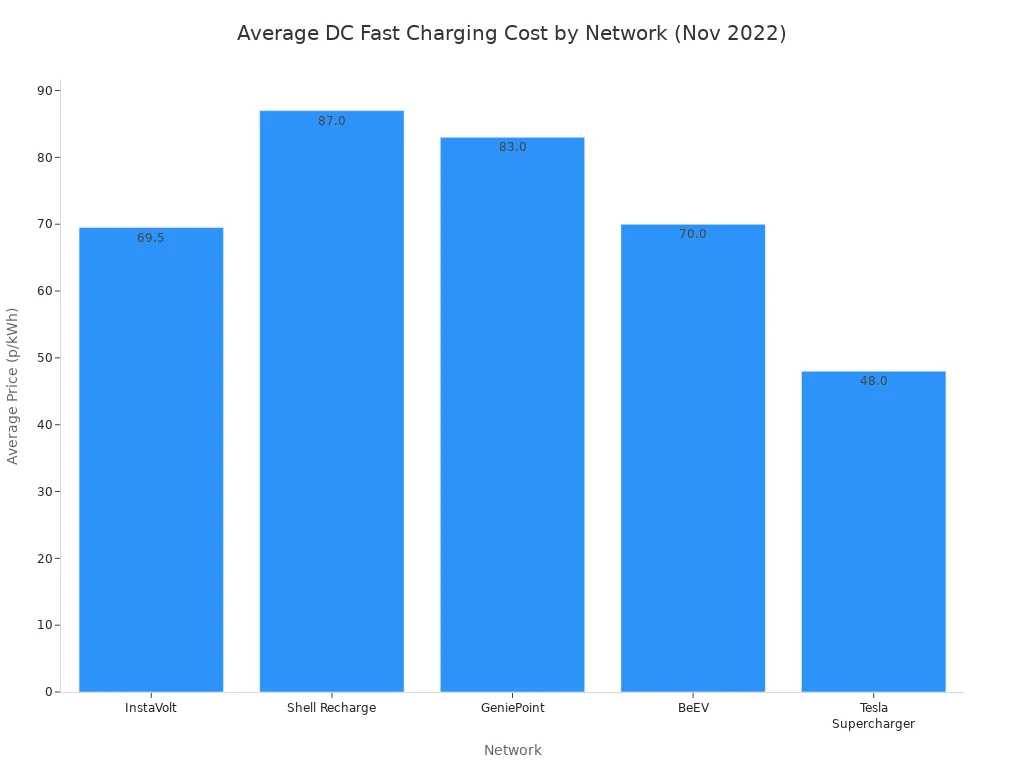
This type of charging station is designed for speed, not daily use, providing a quick charge to get drivers back on the road.
An owner can charge an EV using a prise domestique standard, but this method is not a practical long-term strategy. The slow speed of Level 1 charging makes it suitable for emergencies or some PHEV owners who do not require a full charge quickly. For most EV drivers, the limitations of charging from a regular outlet are significant.
Principaux enseignements 💡 For safe, fast, and efficient daily charging, investing in a dedicated Level 2 charger is the best decision. This is why 75% of BEV owners use one for their primary home charging. Technologically advanced providers like TPSON engineer these solutions for superior performance. An owner should always keep the mobile connector for the outlet in their vehicle for charging flexibility.
FAQ
Can any regular outlet be used for EV charging?
No, not every outlet is suitable. An owner should use an outlet on a dedicated circuit that is in excellent condition. Using old or damaged sockets is a significant safety risk. A professional inspection can confirm if an outlet meets the necessary requirements for charging.
Is a home charging station better than a public charging station?
A home charging station offers convenience and lower overnight electricity rates. A public charging station is essential for long trips or for drivers without home charging access. Many owners use a combination of a home charging station and a public charging station for maximum flexibility.
What is the main difference between an outlet and a home charging station?
A regular outlet (Level 1) is slow, adding 3-5 miles of range per hour. A dedicated home charging station (Level 2) is much faster, adding 25-30 miles per hour. A charging station also has advanced safety features not present when using a standard outlet.
Is it cheaper to use an outlet than a dedicated charging station?
Using an outlet avoids the upfront installation cost of a home charging station. However, a dedicated charging station is more energy-efficient, which can lead to small savings over time. The main benefit of a charging station is its speed and enhanced safety features.
Do I need a special adapter to use a regular outlet?
No. Most EVs come with a mobile connector cable designed to plug directly into a standard household outlet. This equipment allows an owner to charge without needing any special adapters. A dedicated charging station, however, requires installation professionnelle.
What are the safety requirements for using a regular outlet?
The primary safety rule is to use a dedicated circuit. This prevents overloading the electrical system. An owner must also inspect the outlet for damage and never use a standard extension cord. Following these requirements minimizes the risk of fire or electrical damage.
Why is a dedicated charging station recommended?
A dedicated charging station is the recommended solution for its speed, safety, and efficiency. Technologically advanced providers like TPSON engineer each charging station for optimal performance. A charging station provides a reliable and fast charge that a regular outlet cannot match.