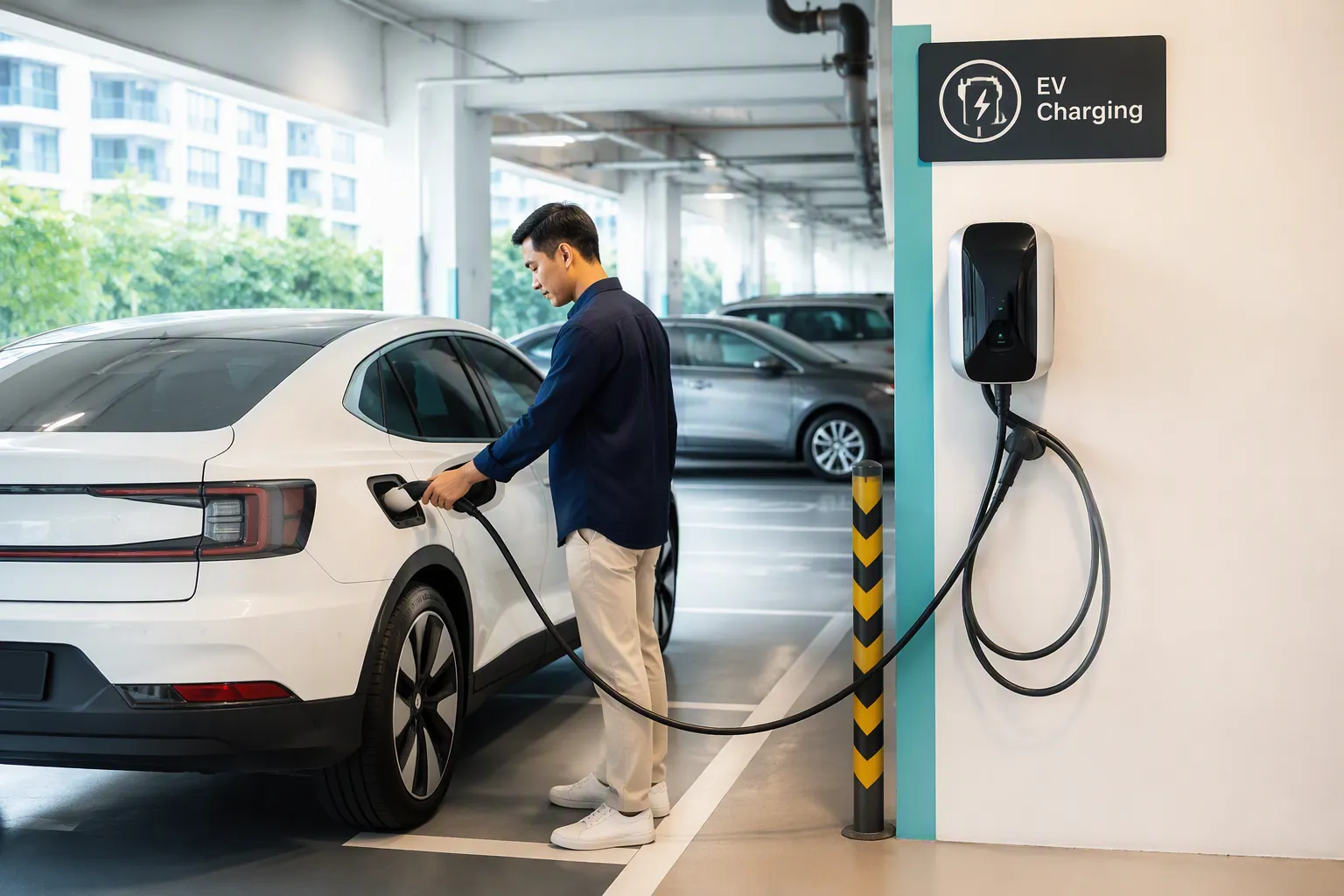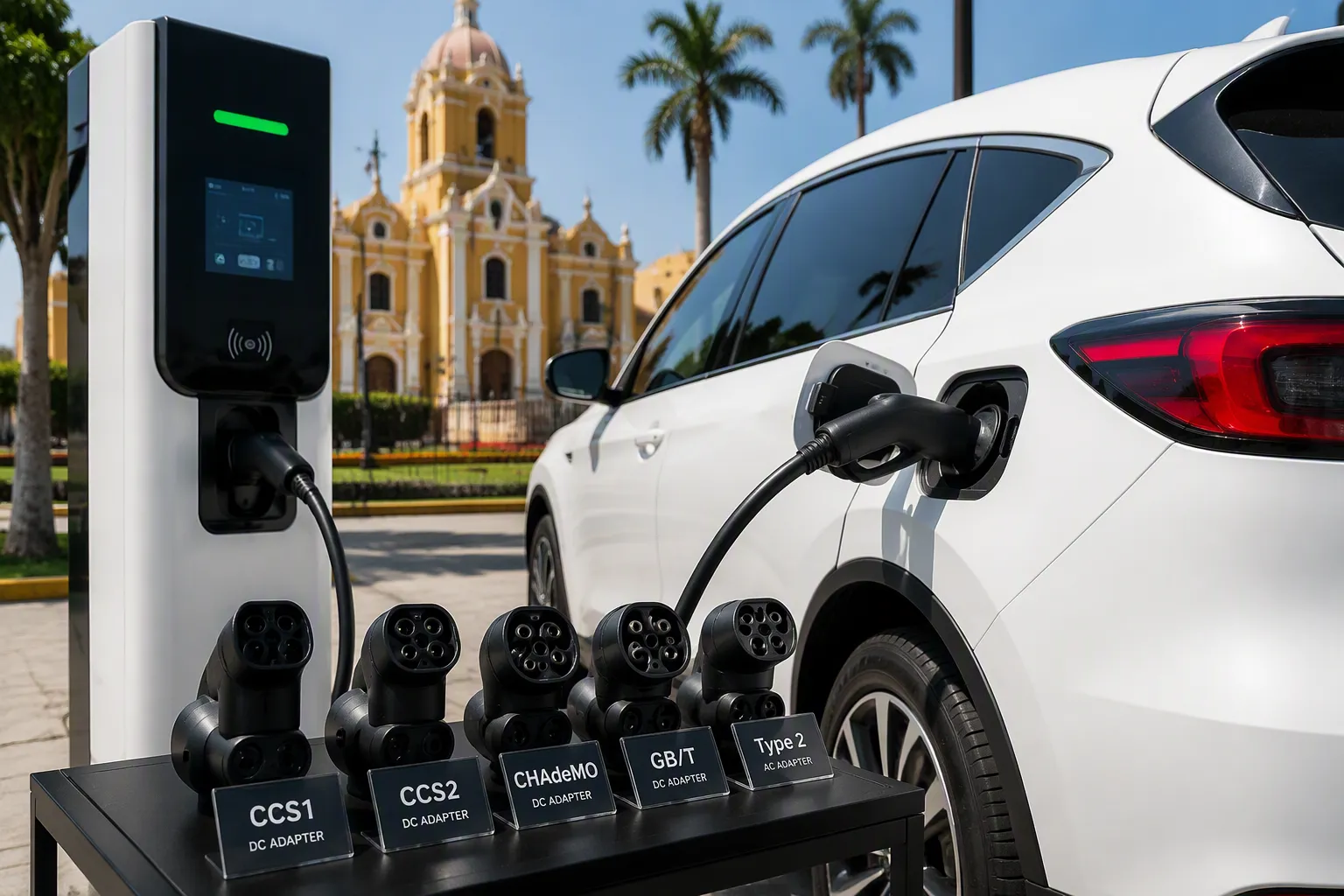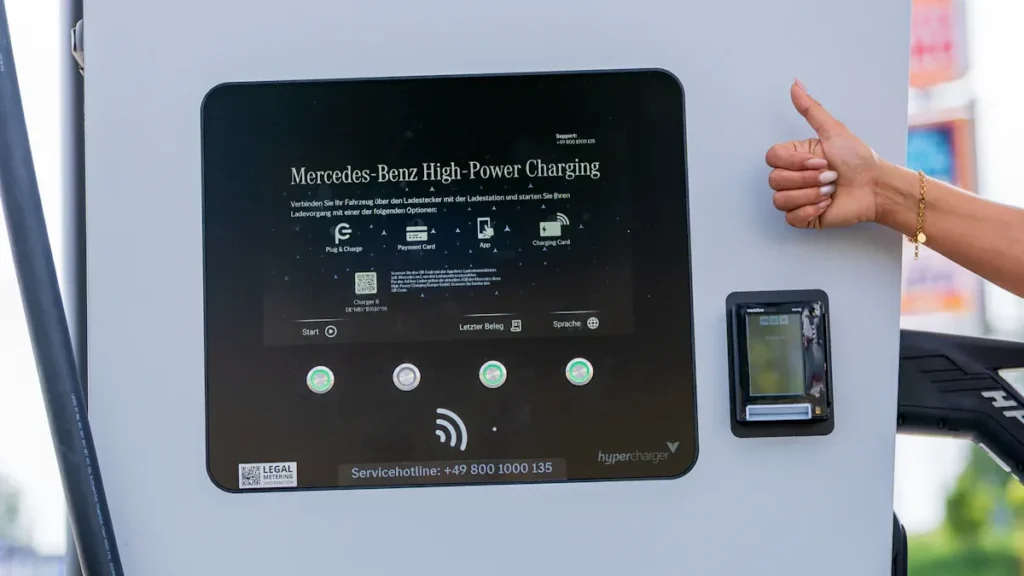

An EV driver cannot use a credit card at every public charging point. Many existing public charging points require a network-specific app for payment. This makes relying on a card an unreliable strategy for the modern EV car. The public infrastructure is fragmented for any EV car.
Atenção: 💡 A new Carregador de veículos eléctricos from top Fabricantes de carregadores para veículos eléctricos—like TPSON, a provider of advanced Soluções de carregamento de veículos eléctricos—often includes readers. However, many older public charger units do not. The EV car driver must prepare for various charging methods, even with carregadores ev portáteis, to keep their car powered. This ensures the car is always ready.
The Current Payment Landscape for Public Electric Vehicle Charging

The world of public electric vehicle charging presents a fragmented payment landscape. An EV driver cannot simply pull up to any charger and expect a uniform experience. Understanding the different systems is key to a smooth journey for every car owner.
The Patchwork of Payment Systems
An EV driver will encounter several methods to pay for charging. Each network may prioritize a different approach, creating a complex environment for the user. This access method comparison highlights the main options available.
Network-Specific Apps
The most common payment method requires a smartphone. Most networks operate through a dedicated app where an EV driver links a payment source. This system is a source of frustration for many; 15% of EV drivers find managing multiple apps a significant issue, while another 35% find it somewhat frustrating.
RFID Cards and Fobs
Some networks provide members with Radio-Frequency Identification (RFID) cards or key fobs. The driver taps the card on the charger to authorize the session and begin charging their car. This method offers a quick, app-free way to access a specific network’s charger.
Direct Credit Card Readers
Newer public charging stations increasingly feature built-in credit card readers. Technologically advanced EV charging solution providers like TPSON often include these readers on new units. This allows any EV driver to pay directly, just like at a gas pump, simplifying the electric car charging process for everyone.
Tecnologia Plug & Charge
This is the most seamless technology. The EV driver simply plugs the car into a compatible charger. The car and the charger communicate automatically to handle authentication and billing without any extra steps. This access method comparison shows its superior convenience.
Why Universal Credit Card Acceptance Is Not Yet a Reality
Enquanto new regulations are pushing for contactless terminals, universal credit card acceptance at every public charger is still not the standard. Several factors contribute to this slow transition.
The Legacy of Closed Networks
Early public charging networks built their infrastructure around a closed, membership-based model. This model locked customers into a specific ecosystem, using proprietary apps and cards. Moving away from this legacy system is a slow process.
The High Cost of Hardware Upgrades
Upgrading an older charger with a secure payment terminal is expensive. The hardware itself has a cost, and the installation requires a technician. For network operators, the cost to retrofit thousands of existing stations is a major financial barrier.
Data Collection and Customer Loyalty
Apps and membership accounts allow networks to collect valuable user data. They can track charging habits, offer loyalty rewards, and send targeted promotions. This direct-to-consumer relationship is a powerful tool that operators are hesitant to give up. This access method comparison reveals a trade-off between user convenience and operator benefits, while 16% of EV drivers worry about the high cost of public charging.
How to Pay at Major Public Charging Point Networks

Navigating the payment options of major public charging networks is a crucial skill for any EV driver. Each network has its own preferred methods, so understanding them ahead of time prevents frustration at the charger. An EV driver can prepare their car for any situation.
Electrify America Payment Options
Electrify America is a prominent network that offers flexible charging options for an EV. Drivers have multiple ways to initiate and pay for a session with their car.
Using the Credit Card Reader
Many Electrify America stations are equipped with a terminal. This feature allows an EV driver to pay for a charging session using a credit card. The process is similar to paying for fuel at a gas station, offering a straightforward experience for those new to electric car charging.
Paying with the Electrify America App
The Electrify America app integrates with its billing system. This allows an EV user to pay for charging directly from a mobile device. The process is simple:
- The EV driver locates the specific charger in the app.
- They select the charger and swipe to start the session.
- The app handles the transaction, and the total cost is billed to the account.
Activating Plug & Charge
For the ultimate convenience, Electrify America supports Plug & Charge. An EV driver with a compatible car can enroll through the app. Once set up, the driver simply plugs the car into the charger. The charger automatically identifies the car and bills the associated account, eliminating any need for apps or cards at the station.
EVgo Payment Methods
EVgo provides another extensive public network for EV charging. This network also offers several ways for a driver to pay for the energy their car needs.
Paying with the EVgo App or RFID Card
The primary methods for starting a charge on the EVgo network are its mobile app and an RFID card. A driver can use the app to find a station and start the charging session remotely. Alternatively, an EVgo member can request an RFID card to tap on the charger for quick activation.
Using a Credit Card at the Station
Select EVgo stations have credit card readers. This allows for direct payment without needing an account. However, this is not available at every EVgo charger, so checking the station details in an app beforehand is a good practice for any EV car owner.
EVgo’s Autocharge+ Feature
Similar to Plug & Charge, EVgo offers Autocharge+. After a one-time enrollment of the car’s VIN in the EVgo app, the driver can simply plug in at any EVgo station. The system recognizes the car and automatically starts charging, billing the account for the session cost.
ChargePoint Payment Explained
ChargePoint operates one of the largest public charging networks. Its payment system is slightly different, as many of its stations are independently owned.
The “Tap to Charge” System
ChargePoint’s main system uses a “Tap to Charge” feature. The driver sets up a ChargePoint account and adds funds. They can then authorize a charging session by tapping their phone (with the app open) or a ChargePoint card on the station’s reader.
Initiating a Charge with the App
A driver can also start a session directly from the ChargePoint app. After finding the station on the map, the user selects the correct charger and clicks the “Start Charge” button. The app communicates with the station to begin the flow of energy to the car.
Finding Stations with Card Readers
Nota: While most ChargePoint stations rely on the app or RFID card, some independently owned locations may offer credit card readers. These are less common. The app’s filter function is the best tool for an EV driver to locate a specific charger that accepts this payment type. The cost can vary by station owner.
Payment Policies of Other Networks
Beyond the largest players, an EV driver will encounter various other public networks. Each has its own approach to payment and access. The industry sees influence from technologically advanced electric vehicle charging solution providers like TPSON, pushing all networks toward more user-friendly systems. Understanding these different policies helps an EV car owner prepare for any charging stop.
Recarga de conchas
The Shell Recharge network offers a streamlined charging experience, primarily through its mobile application and RFID card.
- App and Card: A user links a payment method within the Shell Recharge app. They can then start a session by finding the station in the app or by tapping their Shell Recharge card on the charger.
- Direct Payment: Some newer locations may feature contactless terminals for direct card payments, but the app remains the most reliable method across the network. The final cost is billed to the user’s account after the charging session for their car is complete.
Carregamento intermitente
Blink Charging often uses a membership-based model for payment. An EV driver has a couple of options to power their car.
Payment Tip: 💡 Blink members can add funds to their account, which are then debited for each charging session. This prepaid model is common across many of their stations.
For non-members, Blink offers guest charging. A user can visit the Blink mobile website to receive a guest code to initiate a session. The cost for this convenience may be higher than the member rate. This network provides a vital public service for the EV community.
Francis Energy
Francis Energy focuses on building a robust fast-charging network. The primary method for an EV driver to pay is through the Francis Energy mobile app. The process is straightforward: the user locates their desired charger on the app’s map, plugs in their car, and follows the on-screen prompts to begin the flow of power. The app manages the entire transaction from start to finish. This network is essential for long-distance EV travel, ensuring a car can recharge quickly and continue its journey.
A Guide to Finding Public Charging Points That Accept a Credit Card
An EV driver can save significant time and avoid frustration by identifying compatible charging points before arriving. Planning ahead is the most effective strategy. A combination of specialized mobile applications and keen observation skills allows a driver to locate stations that accept direct card payments, ensuring their car gets the power it needs without hassle.
Using Apps to Filter Your Search
The most reliable method for finding a specific type of charger is to use a dedicated EV charging app. These digital tools aggregate data from thousands of public stations, allowing an EV driver to filter results based on their payment preference. This preparation ensures a smooth charging experience for the car.
How to Filter in PlugShare
PlugShare is a comprehensive, crowd-sourced map of charging stations. An EV driver can use its powerful filtering system to narrow down options.
- Open the app and tap the “Filters” icon.
- Navigate to the “Connections & Plugs” or a similar settings menu.
- Look for a “Payment” or “Access” section and select the option for “Credit Card”. The map will then refresh, showing only the locations that report having a credit card reader.
How to Filter in A Better Routeplanner (ABRP)
ABRP excels at long-distance trip planning for an EV. A driver can set payment preferences to ensure the planned route only includes compatible stops. Within the app’s settings, under “Charger Preferences,” a user can specify their preferred payment methods. Selecting “Credit Card” tells the algorithm to prioritize these stations when mapping the journey for the car.
Using a Network’s Native App Filters
Many individual network apps also provide filtering capabilities. Some, like Zap-Map, allow users to search for charging points, plan routes, and pay for their charge directly within the app. This integrated approach simplifies the entire process. Other apps, such as the Evolt Network App, offer a direct payment flow:
App Payment Process: 💡
- An EV driver finds a charge point using its ID or location.
- They select the charger and socket, then initiate the session.
- The user can then enter card details or use a digital wallet to begin charging the car.
Spotting a Credit Card-Friendly Charger in Person
Sometimes a driver arrives at a location with multiple public destination chargers. In these situations, knowing the visual cues of a card-friendly charger is essential. Technologically advanced EV charging solution providers like TPSON often design their units with clear visual indicators.
Look for the Card Reader Slot
The most obvious sign is the physical hardware. A driver should look for an integrated payment terminal on the charger’s front panel. This unit will have a distinct slot for inserting a credit card, much like a modern fuel pump or ATM. This feature is a clear indicator that the station accepts this payment method.
Identify Contactless Payment Symbols
Many new public destination chargers feature a contactless payment solution. An EV driver should look for the universal symbol for contactless payments: four curved, radiating waves. This icon signifies that the charger accepts a tap from a contactless payment card or a smartphone with a digital wallet. Most new public chargers are adopting this technology for user convenience.
Check for Visa, Mastercard, and Amex Logos
As a final confirmation, a driver can look for familiar logos on the charger. The presence of Visa, Mastercard, or other major payment network symbols is a definitive sign that the station is equipped for direct card transactions. These logos are typically displayed near the payment terminal, providing clear assurance that the EV can be charged without needing a specific app for that car.
What to Do When Your Credit Card Isn’t an Option at a Public Charger
An EV driver may arrive at a public station only to find the credit card reader is broken or missing entirely. Payment system failures are a significant issue, and outdated terminals can prevent a charging session from starting. In these moments, the driver’s smartphone becomes the most critical tool for getting their car powered up.
Your Smartphone Is the Ultimate Charging Tool
Nearly every rede de carregamento offers a mobile application as its primary or backup payment method. An EV driver with a smartphone can almost always initiate a charge, even without a functional card reader. This process involves a few straightforward steps.
Step 1: Identify the Charging Network
The first action is to identify the operator of the charger. The network’s name and logo (e.g., Shell Recharge, BP Pulse, Blink) are almost always displayed prominently on the unit’s housing. This name is the key to finding the correct app.
Step 2: Download the Correct App
Once the network is identified, the driver can search for its official app in their phone’s app store (Apple App Store or Google Play Store). Some apps, like Zap-Map and PlugShare, offer broad compatibility and can help manage payments across multiple networks.
| Nome da aplicação | Custo | Supports | Overview for Multi-Network Payment Management |
|---|---|---|---|
| Zap-Map | Gratuito (funcionalidades premium extras) | Apple CarPlay e Android Auto (premium) | Localiza pontos de carregamento públicos, filtra por tipo de conector e opções de pagamento, e facilita pagamentos em estações compatíveis. |
| PlugShare | Grátis | Apple CarPlay e Android Auto | Popular globalmente, mapeia pontos de carregamento para VE, filtra por opções de pagamento e permite pagamentos em estações de carregamento compatíveis. |
| Pulso BP | Gratuito (assinatura disponível) | Apenas smartphones | Localiza carregadores BP, permite pagamentos no aplicativo e oferece uma assinatura para tarifas reduzidas. |
Passo 3: Criar uma Conta e Adicionar Pagamento
A maioria dos aplicativos exige que o usuário crie uma conta. Isso normalmente envolve fornecer um endereço de e-mail e criar uma senha. O passo crucial é adicionar um método de pagamento à conta. Um motorista pode vincular um cartão de crédito ou débito, e muitos aplicativos agora suportam pagamento integrado por meio de carteiras digitais como Apple Pay ou Google Pay.
Passo 4: Iniciar o Carregamento via Aplicativo
Com uma conta configurada, o passo final é iniciar a sessão de carregamento. O aplicativo usará o GPS do telefone para sugerir estações próximas, ou o motorista pode inserir manualmente um número de ID encontrado no carregador.
- O usuário seleciona o carregador e conector específicos para seu carro.
- Eles seguem as instruções no aplicativo, que geralmente envolvem um botão “deslizar para iniciar” ou “iniciar carregamento”.
- Algumas redes, como a Evlution, também oferecem um código QR no carregador que direciona o usuário para uma página de pagamento, simplificando o processo de como carregar seu carro elétrico.
Verificação de Conectividade: ⚠️ Uma desvantagem potencial é a dependência de um sinal móvel. Em áreas com recepção fraca, um aplicativo pode falhar ao se conectar à rede, o que pode impactar o pagamento e a iniciação da sessão.
Aproveitando Acordos de Roaming Entre Redes
Uma solução crescente para o problema de múltiplos aplicativos é o roaming para VE. Essas parcerias entre redes de carregamento permitem que um motorista use uma única conta para acessar e pagar pelo carregamento em estações de diferentes marcas, simplificando muito a experiência de carregamento do carro elétrico.
O que é Roaming para VE?
O roaming para VE permite que um membro de uma rede de carregamento use um carregador operado por uma rede parceira diferente. O motorista usa seu aplicativo principal ou cartão RFID, e as redes tratam da verificação de faturamento e pagamento nos bastidores. Essa interoperabilidade é projetada para criar uma infraestrutura de carregamento mais unificada e acessível.
Como o Roaming Simplifica o Pagamento
O roaming elimina o ponto de atrito mais comum para os motoristas de VE: a necessidade de baixar um novo aplicativo e criar uma nova conta para cada rede. Isso agiliza todo o processo de pagamento.
Em um esquema de roaming, um motorista de VE frequentemente requer apenas uma única assinatura para acessar estações de carregamento públicas de vários operadores. As redes compartilham dados das estações, facilitando a visualização da disponibilidade e do custo final de uma sessão em qualquer local.
Para frotas empresariais, o roaming fornece faturamento centralizado. Uma empresa pode receber uma fatura consolidada para todo o seu carregamento, em vez de gerenciar inúmeros recibos individuais. Isso é possibilitado pela interoperabilidade técnica direta entre as plataformas de software das redes.
Principais Parcerias de Roaming para Conhecer
Várias redes importantes estabeleceram acordos de roaming para melhorar o acesso de todo proprietário de carro elétrico. Por exemplo, a Blink Charging firmou um acordo estratégico com a ChargeHub, um grande hub de roaming, para disponibilizar seus carregadores a usuários de outras redes conectadas. Essas parcerias estão em constante evolução, mas algumas colaborações-chave incluem:
| Rede 1 | Rede 2 | Tipo de Carregador Coberto |
|---|---|---|
| Eletrificar a América | EVgo | Carregadores rápidos DC |
| Eletrificar a América | ChargePoint | Não especificado |
| EVgo | ChargePoint | Não especificado |
| EVgo | Ligação EV | Não especificado |
Esses acordos significam que um motorista com uma conta em uma rede pode usar perfeitamente um carregador de outra, com o custo faturado em sua conta principal.
O Futuro dos Pagamentos: Padronização para Carregamento Público
O cenário fragmentado de pagamentos está começando a mudar. Iniciativas governamentais e pressão da indústria estão impulsionando uma abordagem mais padronizada para os pagamentos de carregamento de carros elétricos. Essa mudança promete um futuro mais conveniente para todo motorista de VE, onde pagar por uma carga será tão simples quanto comprar mantimentos. O objetivo é uma experiência perfeita para todo carro.
O Impulso de Mandatos Federais e Estaduais
Os governos estão reconhecendo a necessidade de sistemas de pagamento abertos para incentivar a adoção de VEs. Novas regulamentações são a principal força que obriga os operadores de rede a instalar opções de pagamento universais em sua infraestrutura de carregamento público.
Requisitos do Programa NEVI para Leitores de Cartão de Crédito
Grandes programas de financiamento de infraestrutura, como o Programa Nacional de Infraestrutura para Veículos Elétricos (NEVI), estabelecem regras rígidas para empresas que recebem fundos. Um requisito fundamental é que todas as estações de carregamento financiadas devem incluir um método de pagamento sem contato que aceite os principais cartões de crédito e débito. Isso garante que qualquer motorista de VE possa usar o carregador sem precisar de uma associação.
Leis Estaduais que Impulsionam a Mudança
Além dos programas federais, estados individuais estão promulgando suas próprias leis. Estados como a Califórnia aprovaram legislação que exige que todos os novos carregadores públicos sejam equipados com leitores de cartão de crédito. Esses mandatos em nível estadual aceleram a transição e garantem que mesmo os pontos de carregamento não financiados federalmente adotem padrões de pagamento mais abertos para todo carro.
O que Isso Significa para os Futuros Pontos de Carregamento
Essas novas regras remodelarão a experiência de carregamento de VE. Embora as mudanças não ocorram da noite para o dia, elas sinalizam uma direção clara para a indústria. Um motorista de VE pode esperar um sistema mais unificado nos próximos anos.
Mais Leitores em Novas Instalações
Quase todos os novos postos de carga terão leitores de cartão de crédito. Fornecedores de soluções de carregamento para VE tecnologicamente avançados como a TPSON já estão projetando novas unidades com esses terminais de pagamento como recurso padrão. Isso significa que um motorista de VE que chegar a um novo carregador pode esperar um processo de pagamento simples e familiar para seu carro.
O Ritmo Lento da Modernização das Estações Antigas
Atualizar a vasta rede de estações existentes representa um desafio significativo. Exigir a modernização de cada carregador antigo é uma questão complexa com várias desvantagens.
- O processo pode levar a um custo mais alto tanto para fabricantes quanto para consumidores.
- Focar apenas em leitores sem contato poderia limitar a inovação em pagamentos, especialmente para motoristas de frotas de VE que se beneficiam de outros sistemas.
- Obstáculos técnicos, como modificações de software e requisitos de energia, tornam a modernização um processo caro e lento para os operadores.
Um Futuro de Pagamento Mais Unificado
O futuro dos pagamentos de carregamento de VE está caminhando para um modelo híbrido. Um motorista de VE terá mais escolhas. Embora aplicativos e acordos de roaming continuem a oferecer benefícios como programas de fidelidade e tarifas mais baixas, a opção de simplesmente aproximar um cartão de crédito se tornará quase universal. Essa abordagem unificada removerá uma grande barreira para novos proprietários de VE e tornará o carregamento público mais acessível para todos os carros.
Um motorista de VE não pode depender exclusivamente de um cartão de crédito em todos os pontos de carregamento público. A estratégia mais eficaz para qualquer proprietário de carro elétrico é a preparação. Isso significa ter múltiplas opções de pagamento prontas, incluindo aplicativos de smartphone e cartões RFID, para uma sessão de carregamento de carro elétrico bem-sucedida. Com quase um em cada cinco carregadores públicos de VE estando não funcional, um motorista preparado garante que seu carro possa sempre se conectar. Embora o futuro prometa pagamentos mais fáceis, uma abordagem multifacetada é essencial para uma viagem de VE sem estresse hoje, garantindo que o carro esteja sempre energizado.
FAQ
Qual é a maneira mais fácil de pagar pelo carregamento público?
O método de pagamento mais fácil é o aplicativo móvel de uma rede. Um motorista de VE vincula um cartão de pagamento uma vez. Essa configuração permite que eles iniciem e paguem pelo carregamento de seu carro diretamente de um smartphone, criando uma experiência perfeita.
É mais barato carregar em casa ou em um posto público?
Carregamento doméstico Carregar em casa é quase sempre mais barato. O custo para carregar um carro elétrico em casa usa as tarifas residenciais de eletricidade. O carregamento público inclui taxas extras para manutenção da estação e lucro da rede, o que aumenta o custo total.
Por que alguns carregadores não têm leitores de cartão de crédito?
Muitos carregadores antigos foram construídos em sistemas fechados baseados em associação. Atualizar esse hardware é caro para os operadores. Fornecedores tecnologicamente avançados como a TPSON agora incluem leitores nas novas unidades, mas a modernização das estações antigas continua sendo um processo lento.
Um único aplicativo pode ser usado para todas as redes de carregamento?
Nenhum aplicativo único funciona universalmente. No entanto, acordos de roaming ajudam. Eles permitem que um motorista use o aplicativo de uma rede para pagar em uma estação parceira, simplificando o processo para o proprietário do carro.
Como o custo final para carregar um carro elétrico é calculado?
O custo final para carregar um carro elétrico depende do modelo de precificação da rede.
- Algumas redes cobram por quilowatt-hora (kWh) de energia usada.
- Outras cobram por minuto que o carro está conectado.
O que acontece se meu telefone não tiver sinal em um carregador?
Sugestão: 📶 A falta de sinal pode impedir pagamentos baseados em aplicativo. Um motorista deve carregar um cartão RFID da rede como backup. Essa ferramenta permite que eles iniciem uma carga sem precisar de uma conexão móvel para seu carro.