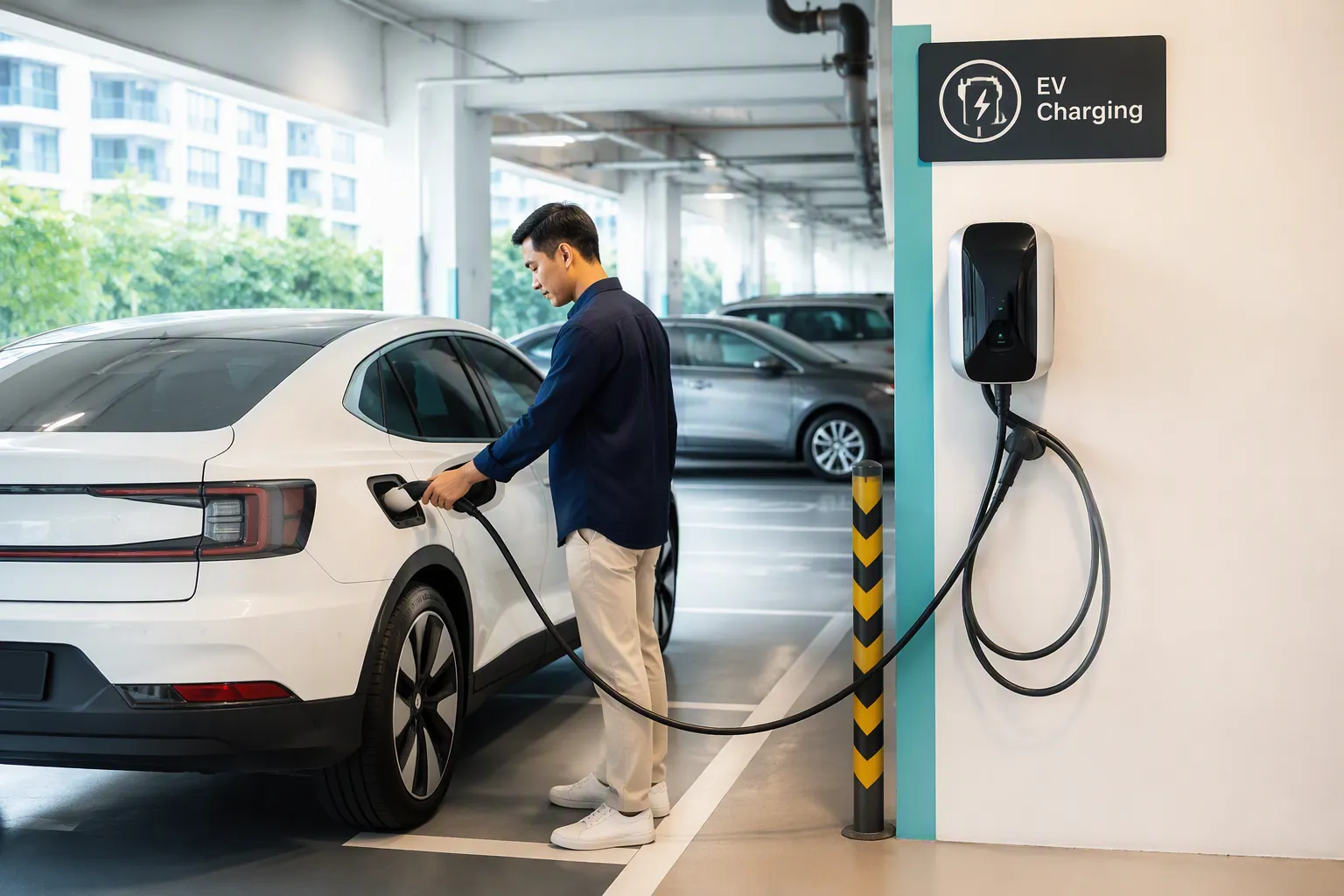

Drivers in Colombia face serious risks when using homemade or cheap adapters for their Cargador EV. The Risks of Homemade EV Adapters include fire, electric shock, and costly damage. Fabricantes de cargadores para VE warn that uncertified adapters can void warranties and insurance policies. Many cargadores portátiles ev require certified Soluciones de recarga de vehículos eléctricos para cumplir con estrictos estándares de seguridad.
Only certified adapters protect both the vehicle and the driver from dangerous failures.
Risks of Homemade EV Adapters for Colombian Drivers
Fire Hazards and Overheating
Overheating and Melting Components
Homemade adapters often lack proper engineering and certified materials. Many Colombian drivers face the risks of homemade ev adapters when they use devices that cannot handle high electrical loads. Uncertified adapters frequently overheat, causing plastic and metal components to melt. Melting leads to exposed wires and increases fire hazards. Faulty wiring in these adapters creates hot spots that damage both the adapter and the charging cable.
Tip: Always check for signs of overheating, such as discoloration or a burning smell, during charging sessions.
Real-Life Fire Incidents in Colombia
Several fire incidents in Colombia have resulted from the risks of homemade ev adapters. In Bogotá, a driver experienced a garage fire after using an uncertified adapter. The fire destroyed the vehicle and damaged the home’s electrical system. Local news reports show that uncertified adapters contributed to at least three EV-related fires in 2023. These cases highlight the dangers and underline the importance of equipos de carga certificados.
| Incident Location | Causa | Resultado |
|---|---|---|
| Bogotá | Uncertified adapter | Vehicle and property loss |
| Medellín | Faulty wiring | Garage fire |
| Cali | Sobrecalentamiento | Charger destroyed |
Electric Shock and Safety Failures
Poor Insulation and Wiring Risks
Uncertified adapters often use poor insulation and substandard wiring. These flaws expose drivers to electric shock risks. Faulty wiring increases the chance of short circuits, which can injure anyone handling the adapter. Many homemade adapters lack protective barriers, making them unsafe for daily use. The risks of homemade ev adapters extend to anyone who touches the device, including children and pets.
Lack of Grounding and Shock Protection
Certified adapters include grounding and shock protection features. Uncertified products rarely meet these standards. Without grounding, electric shock risks rise sharply. Drivers in Colombia have reported tingling sensations and minor shocks when using homemade adapters. These incidents demonstrate the hazards and underline the risks of homemade ev adapters. Proper grounding prevents dangerous voltage buildup and protects users from injury.
Vehicle and Charger Damage
Electrical System Failures in EVs
The risks of homemade ev adapters include damage to the vehicle’s electrical system. Uncertified adapters can deliver unstable voltage, causing system failures. EVs rely on precise charging protocols. Homemade adapters disrupt these protocols, leading to battery degradation and malfunction. Repairing electrical system failures often costs thousands of pesos and voids manufacturer warranties.
Damage to Home Wiring and Chargers
Faulty wiring in homemade adapters can overload home circuits. Uncertified adapters may cause breakers to trip or wires to burn. These risks affect not only the EV but also the entire household. Many Colombian drivers have faced expensive repairs after using uncertified adapters. The risks of homemade ev adapters extend beyond the vehicle, threatening home safety and increasing liability.
Note: Always consult a certified electrician before installing any EV charging equipment.
Voided Warranties and Insurance Risks
Manufacturer Warranty Exclusions
Manufacturers of electric vehicles in Colombia set strict guidelines for charging equipment. They require drivers to use certified adapters and chargers. When a driver uses a homemade or cheap adapter, the manufacturer often excludes warranty coverage. The risks of homemade EV adapters become clear when the vehicle suffers electrical damage. Manufacturers refuse to repair or replace components if the damage results from uncertified charging devices.
⚠️ Alerta: Using an uncertified adapter can void the entire vehicle warranty, including coverage for the battery, charging port, and onboard electronics.
A typical warranty policy includes the following exclusions:
| Cobertura de la garantía | Certified Adapter Used | Homemade/Cheap Adapter Used |
|---|---|---|
| Battery | ✅ Covered | ❌ Not Covered |
| Puerto de carga | ✅ Covered | ❌ Not Covered |
| Electronics | ✅ Covered | ❌ Not Covered |
| Fire Damage | ✅ Covered | ❌ Not Covered |
Manufacturers document these exclusions in the owner’s manual and warranty agreement. They instruct drivers to keep proof of purchase and certification for all charging accessories. If a driver cannot provide this documentation, the manufacturer denies warranty claims.
Insurance Claim Denials
Insurance companies in Colombia also enforce strict requirements for EV charging equipment. They expect drivers to use certified adapters to reduce risk. When a fire or electrical incident occurs, the insurer investigates the cause. If the investigation reveals a homemade or cheap adapter, the company often denies the claim.
Consejo: Always ask your insurance provider about their requirements for EV charging accessories. Keep receipts and certification documents for every adapter.
Insurance claim denials can lead to significant financial losses. Drivers face the following consequences:
- Payment for repairs out of pocket
- Loss of coverage for property damage
- Increased premiums after denied claims
- Legal liability for injuries or damages
Insurance policies include clauses that exclude coverage for incidents caused by uncertified equipment. Drivers must read these clauses carefully. They should consult their insurance agent before purchasing any EV charging accessory.
The risks of homemade EV adapters extend beyond technical failures. They threaten the financial security of drivers and their families. Certified adapters protect both the vehicle and the driver from costly exclusions and denials.
Dangers of Cheap Adapters and Uncertified Products
Bypassing Safety Features
How Uncertified Adapters Compromise Safety Systems
Uncertified adapters create significant dangers for Colombian drivers. These products often bypass essential safety systems built into electric vehicles and chargers. Manufacturers design safety features to prevent overheating, electric shock, and fire. When drivers use uncertified adapters, these protections fail. Third-party testing reveals that many cheap adapters do not meet international safety standards. The dangers of cheap adapters become clear when safety systems cannot detect faults or disconnect power during emergencies.
| Test Result | Descripción |
|---|---|
| Unsafe | All three tested cables posed a risk of electric shock due to failure to meet RCD test requirements. |
| Sobrecalentamiento | None of the cables met the relevant British Standard, leading to potential overheating risks. |
| Non-compliance | Cables failed to meet IEC standards, British Standards, and Electrical Equipment (Safety) Regulations 2016. |
This table shows how uncertified adapters compromise safety systems. The dangers of cheap adapters include electric shock and overheating. Third-party testing confirms that these products do not comply with regulations.
Charger Contagion and Spreading Defects
Uncertified adapters can spread defects between chargers and vehicles. When a driver connects a cheap EV charging adapter, the dangers multiply. Faults in the adapter may damage the charger, which then affects other vehicles. This contagion effect increases risks for everyone using the same charging station. The dangers of cheap adapters extend beyond one driver, threatening the entire EV community. Third-party testing demonstrates that uncertified products often introduce defects that persist across multiple charging sessions.
Consecuencias Legales y Financieras
Regulatory Violations and Fines in Colombia
Colombian regulations require certified charging equipment. Drivers who use uncertified adapters face legal dangers. Authorities may issue fines for violating safety standards. The dangers of cheap adapters include regulatory penalties and loss of compliance. Third-party testing helps identify products that fail to meet national requirements. Drivers must understand that uncertified adapters expose them to legal consequences.
⚠️ Authorities in Colombia enforce strict penalties for using uncertified charging equipment.
Costly Repairs and Liability Issues
The dangers of cheap adapters also include expensive repairs and liability. When an uncertified adapter causes damage, drivers must pay for repairs. Insurance companies often deny claims related to uncertified products. Liability issues arise when fires or injuries occur. The dangers extend to property owners and neighbors. Third-party testing shows that uncertified adapters increase the risk of costly incidents.
Impact on Public Safety and EV Adoption
Public Perception and Trust in EVs
The dangers of cheap adapters affect public perception of electric vehicles. When drivers experience failures or accidents, trust in EV technology declines. Uncertified adapters create negative headlines and discourage new buyers. The dangers undermine efforts to promote safe EV adoption in Colombia. Third-party testing provides evidence that uncertified products damage the reputation of electric vehicles.
Barriers to Safe EV Growth in Colombia
Uncertified adapters create barriers to safe EV growth. The dangers of cheap adapters slow the expansion of charging infrastructure. Authorities hesitate to approve new stations when uncertified products threaten safety. The dangers affect investment and innovation. Third-party testing supports the need for certified equipment. Drivers must avoid uncertified adapters to support safe EV growth.
Tip: Always choose certified adapters and rely on third-party testing to verify safety.
Why Certification Matters for EV Adapters
Safety Standards and Third-Party Testing
International and Colombian Certification Marks
Certification plays a vital role in electric vehicle safety. Certification marks show that an EV adapter meets strict standards for performance and reliability. International certification marks, such as CE and UL, appear on many quality adapters. In Colombia, drivers should look for RETIE certification marks, which confirm compliance with national standards. These certification marks help drivers identify products that have passed rigorous testing.
Manufacturers like TPSON display certification marks on their adapters to demonstrate adherence to both international and Colombian standards. Certification marks act as a guarantee that the product meets all required safety standards. Drivers should always check for these certification marks before purchasing any EV adapter.
Role of Third-Party Testing and Quality Assurance
Third-party testing ensures that EV adapters meet certification standards. Independent laboratories conduct a series of tests to verify safety and reliability. The following table outlines common testing protocols:
| Testing Protocol | Propósito |
|---|---|
| Continuity Test | Ensures electrical connections are intact. |
| Insulation Test | Verifies that the insulation is effective to prevent electrical faults. |
| Charge Verification | Confirms that the correct charge is sent to the vehicle before engagement. |
| Loop & Impedance Test | Measures the impedance to ensure safe operation. |
| Prueba RCD | Tests the residual current device functionality to prevent electric shock. |
| Earth Fault Simulation | Simulates faults to ensure no charge is delivered in unsafe conditions. |
Third-party testing also includes:
- Independent test marks from accredited labs, such as TÜV, which confirm compliance with certification standards.
- Equipment that verifies the presence of protective earth before energizing the system.
- Immediate disconnection of the contactor if protective earth is lost, which enhances safety.
These steps ensure that only adapters with proper certification reach the market. Certification marks from third-party labs provide extra assurance for Colombian drivers.
Legal Requirements for Certification in Colombia
National Regulations for EV Charging Equipment
Colombian law requires all EV charging equipment to meet strict certification standards. National regulations specify that only adapters with valid certification marks can be sold or installed. These standards protect drivers, vehicles, and property from electrical hazards. TPSON designs its products to comply with both international and Colombian certification standards, ensuring that every adapter meets the highest safety requirements.
Penalties for Using Uncertified Adapters
Drivers who use adapters without proper certification face legal consequences. Authorities may issue fines or confiscate uncertified equipment. Insurance companies may also deny claims if an incident involves a product lacking certification marks. These penalties highlight the importance of choosing adapters that meet all certification standards. Certification protects drivers from both safety risks and legal trouble.
Note: Always verify that your EV adapter displays the correct certification marks before use.
Consistent Quality and Accountability
Traceability of Certified Products
Certified adapters offer traceability. Each product with certification marks can be tracked back to its manufacturer and batch. This traceability ensures that any issues can be quickly identified and resolved. Certification standards require manufacturers to keep detailed records for every certified adapter. Drivers benefit from this transparency and accountability.
Manufacturer Responsibility
Manufacturers who obtain certification for their adapters accept responsibility for product safety. Certification marks show that the manufacturer has met all required standards. Companies like TPSON invest in certification to guarantee consistent quality. If a problem arises, certification standards require the manufacturer to address it promptly. Certification marks give drivers confidence in the product and the company behind it.
Certification remains the foundation of safe EV charging in Colombia. Certification marks, strict standards, and third-party testing work together to protect drivers, vehicles, and property.
How to Identify Safe, Certified EV Adapters
Recognizing Certification Marks
Common International Certifications (UL, CE)
Drivers must check for certification marks before purchasing any EV adapter. International certifications such as UL and CE indicate that the product has passed strict safety and performance requirements. These marks show that the adapter has undergone independent testing. UL certification comes from Underwriters Laboratories, a global leader in product safety. CE certification means the adapter meets European safety standards. Both marks confirm that the manufacturer has followed proper procedures and that the adapter has passed electrical and mechanical testing.
Colombian-Specific Certifications (RETIE)
In Colombia, the RETIE mark holds special importance. RETIE stands for “Technical Regulation for Electrical Installations.” This certification ensures that the adapter complies with national electrical safety regulations. Colombian authorities require RETIE certification for all EV charging equipment. Drivers should always look for this mark when recognizing certification marks on adapters. RETIE certification involves rigorous testing to confirm that the product meets local safety standards.
Spotting Uncertified and Counterfeit Adapters
Warning Signs of Fake Products
Uncertified and counterfeit adapters often display poor build quality. Drivers may notice misspelled words, missing labels, or inconsistent logos. Fake products sometimes lack serial numbers or have unclear user manuals. These warning signs suggest that the adapter has not passed proper testing. Counterfeit adapters may also feel lighter or use cheap materials. Drivers should avoid products that do not provide clear information about their origin or certification.
Steps to Verify Authenticity
Drivers can take several steps to verify the authenticity of an EV adapter:
- Check for official certification marks such as UL, CE, or RETIE.
- Request documentation from the seller that proves the adapter has passed testing.
- Visit the manufacturer’s website to confirm the product’s certification status.
- Compare the adapter’s serial number with the manufacturer’s records.
- Contact customer support if any doubts arise about the adapter’s authenticity.
These steps help ensure that the adapter has undergone proper testing and meets all safety requirements.
Where to Buy Certified Adapters in Colombia
Trusted Retailers and Online Stores
Purchasing from trusted retailers and official online stores reduces the risk of buying uncertified adapters. Reputable sellers provide documentation and support for their products. The following table highlights a certified product available in Colombia:
| Product Name | Descripción | Certificación |
|---|---|---|
| Fluke FEV300 EV Charging Station Test Adapter | Available for purchase in Colombia | IECEE CB Scheme Certification |
The IECEE CB Scheme Certification ensures the safety of electrical products. It allows manufacturers to certify their products for multiple global markets.
Avoiding High-Risk Marketplaces
Drivers should avoid high-risk marketplaces such as informal street vendors or unverified online platforms. These sources often sell adapters that have not passed any testing. Products from these sellers may lack certification marks or proper documentation. Purchasing from these sources increases the risk of electrical hazards and financial loss.
Tip: Always request proof of certification and testing before making a purchase.
Practical Tips for Avoiding the Risks of Homemade EV Adapters
Steps Before Purchasing an Adapter
Checking Documentation and Certification
Colombian drivers must prioritize safety by verifying documentation and certification before purchasing any EV adapter. Certification marks indicate compliance with national and international regulations. Drivers should examine the packaging and product labels for clear certification symbols. Complete documentation demonstrates that the adapter meets safety standards and has passed rigorous testing. Choosing reputable brands reduces the risk of failure and vehicle damage. Many safety recalls involve adapters that lack proper certification or use poor quality materials. Drivers who ignore certification requirements expose themselves to shock hazards and legal consequences.
Asking Sellers for Proof of Compliance
Before completing a purchase, drivers should request proof of compliance from sellers. Reputable retailers provide certificates and test reports that confirm the adapter’s compliance with regulations. Sellers must supply documentation that verifies the product’s safety and protection features. Drivers should avoid vendors who cannot demonstrate compliance or who offer adapters without certification marks. Asking for proof ensures that the adapter will not cause shock, failure, or vehicle damage. Safety recalls often target products sold without proper compliance documentation.
Tip: Always ask for certification papers and check for recent safety recalls before buying an EV adapter.
What to Do If You Suspect an Uncertified Adapter
Stop Using the Adapter Immediately
If a driver suspects that an adapter lacks certification or compliance, immediate action is necessary. Stop using the adapter to prevent shock, failure, or vehicle damage. Uncertified adapters pose serious risks, including fire and electrical shock. Removing the adapter from service protects both the vehicle and the household from potential hazards.
Reporting Unsafe Products to Authorities
Los conductores deben report unsafe or counterfeit adapters to local consumer protection agencies or national market surveillance authorities. Sharing experiences with unsafe adapters on forums, social media, or retailer websites raises awareness and helps others avoid similar risks. Authorities investigate reports and may issue safety recalls for products that fail to meet regulations. Reporting unsafe products supports compliance and strengthens public safety.
- Always check for certification marks and complete documentation before buying an EV adapter.
- Report unsafe or counterfeit adapters to consumer protection agencies.
- Share experiences with unsafe adapters to inform other drivers.
Maintaining Safe Charging Equipment
Regular Inspections and Maintenance
Routine inspections and maintenance ensure ongoing safety and compliance. Drivers should examine adapters and charging stations for signs of failure, shock hazards, or vehicle damage. Authorized personnel must follow strict maintenance procedures to guarantee protection during decommissioning and commissioning. Regular checks help identify products affected by safety recalls or those that use poor quality materials.
| Safety Measure | Descripción |
|---|---|
| Water Exposure Protection | Chassis and buses withstand wet conditions, with comprehensive testing for water ingress. |
| Sistema de gestión de baterías | Regulates charging and discharge current, controls cooling and heating for optimal conditions. |
| Continuous Monitoring | Monitors temperature and voltage to ensure safe operation. |
| Mechanical Protection | Battery cells assembled in modules for impact and heat insulation. |
| Protección eléctrica | Monitors electrical components, disconnects automatically in case of anomalies. |
| Thermal Protection | Temperature control systems prevent overheating and manage thermal runaway risks. |
| Maintenance Procedures | Authorized personnel follow strict procedures for safety during maintenance. |
When to Replace Your Adapter
Drivers must replace adapters at the first sign of failure, shock risk, or loss of compliance. Adapters affected by safety recalls or those showing physical damage require immediate replacement. Reputable brands offer guidance on replacement intervals and provide support for compliance with regulations. Timely replacement prevents vehicle damage and ensures ongoing protection for drivers and their families.
Note: Replace any adapter that fails inspection or is subject to safety recalls. Always choose reputable products that meet all compliance requirements.
Homemade or cheap EV adapters expose drivers to fire hazards. Fire destroys vehicles and homes. Fire causes injuries and financial loss. Fire results from poor wiring and lack of certification. Fire spreads quickly in garages and charging stations. Fire incidents increase insurance claims. Fire voids warranties and coverage. Fire damages electrical systems. Fire affects public trust in electric vehicles. Fire leads to regulatory penalties. Fire creates barriers to safe EV adoption. Fire threatens community safety. Fire highlights the need for certified adapters.
- Drivers must choose certified adapters.
- They should verify documentation and buy from reputable sources.
- Reporting unsafe products protects the community.
Safe charging prevents fire and supports the future of electric vehicles in Colombia.
PREGUNTAS FRECUENTES
What makes homemade EV adapters unsafe?
Homemade adapters lack certified materials and engineering. They often miss critical safety features. These flaws increase the risk of fire, electric shock, and equipment failure.
How can drivers identify a certified EV adapter?
Drivers should check for official certification marks like RETIE, UL, or CE on the adapter and packaging. They can also request documentation from the seller.
Will using an uncertified adapter void a vehicle warranty?
Yes. Manufacturers in Colombia exclude warranty coverage for vehicles damaged by uncertified adapters. Drivers must use certified equipment to maintain warranty protection.
What are the penalties for using uncertified adapters in Colombia?
Authorities may issue fines or confiscate uncertified equipment. Insurance companies can deny claims related to uncertified adapters. Legal consequences protect public safety.
Where should drivers buy certified EV adapters?
Drivers should purchase adapters from trusted retailers or official online stores. Reputable sellers provide proof of certification and support.
What should a driver do if an adapter shows signs of overheating?
Stop using the adapter immediately. Signs like discoloration or a burning smell indicate danger. Replace the adapter with a certified product.
Can cheap adapters affect public trust in electric vehicles?
Yes. Incidents caused by cheap or uncertified adapters damage public perception. Safe charging practices support EV adoption and community confidence.