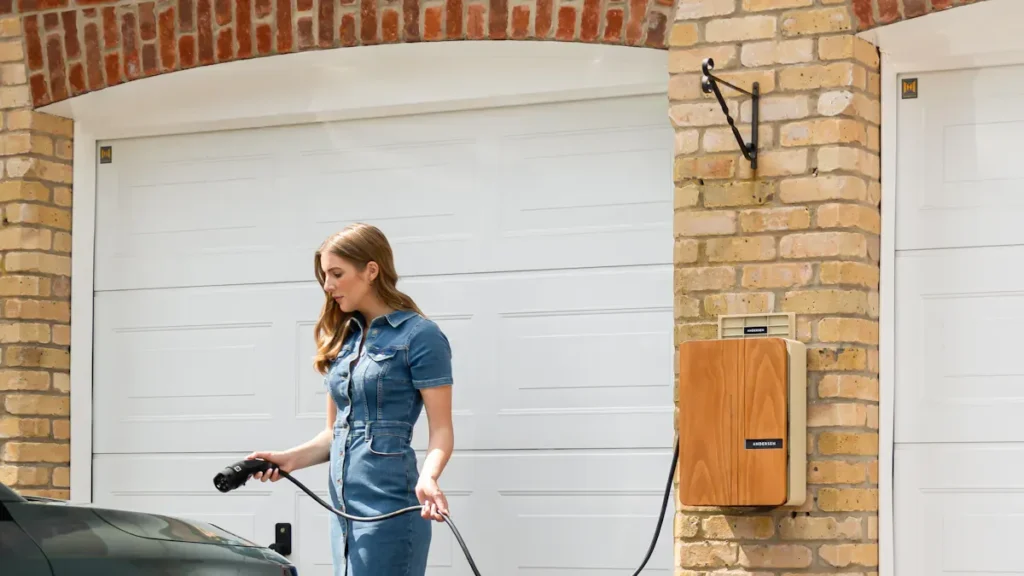
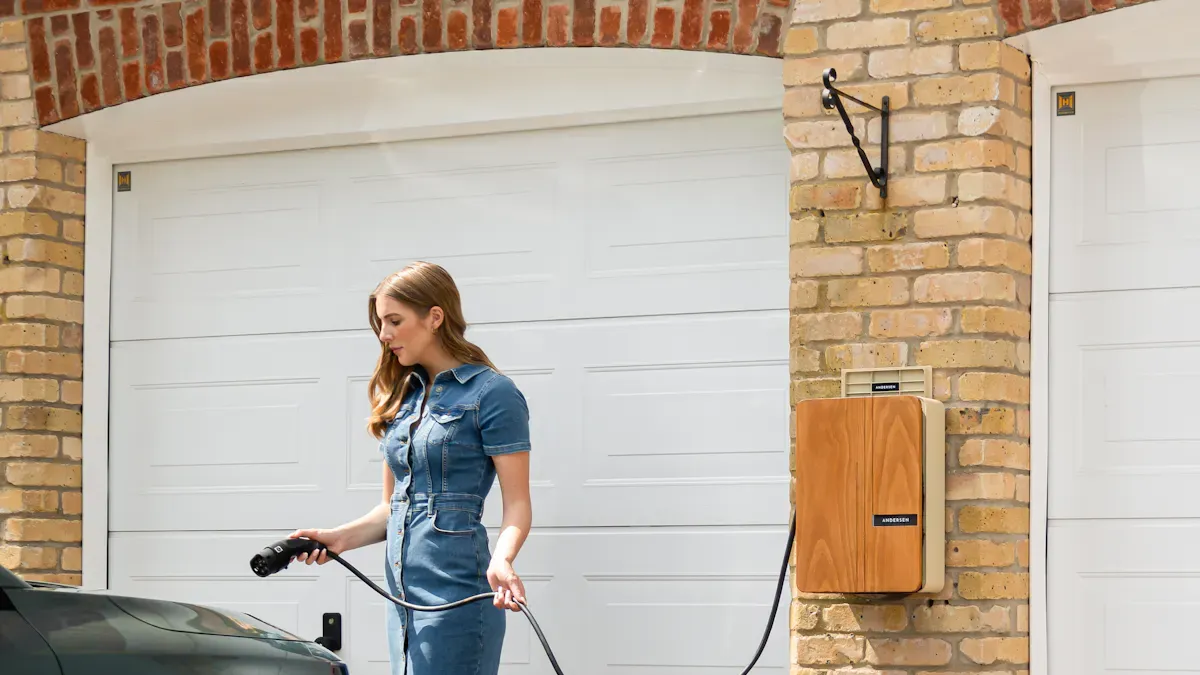
Un cargador portátil cargador ev stands as a travel essential for drivers of electric vehicles across the UK. They value ultimate convenience, especially when a charging station proves hard to find. Many Fabricantes de cargadores para VE design travel charger options that fit UK outlets and offer reliable Soluciones de recarga de vehículos eléctricos. This guide highlights how cargadores portátiles ev deliver flexibility and convenience for journeys.
Drivers trust portable EV chargers to power their trips, ensuring readiness wherever they go.
Portable EV Charger Basics: What You Need to Know
What Is a Portable EV Charger?
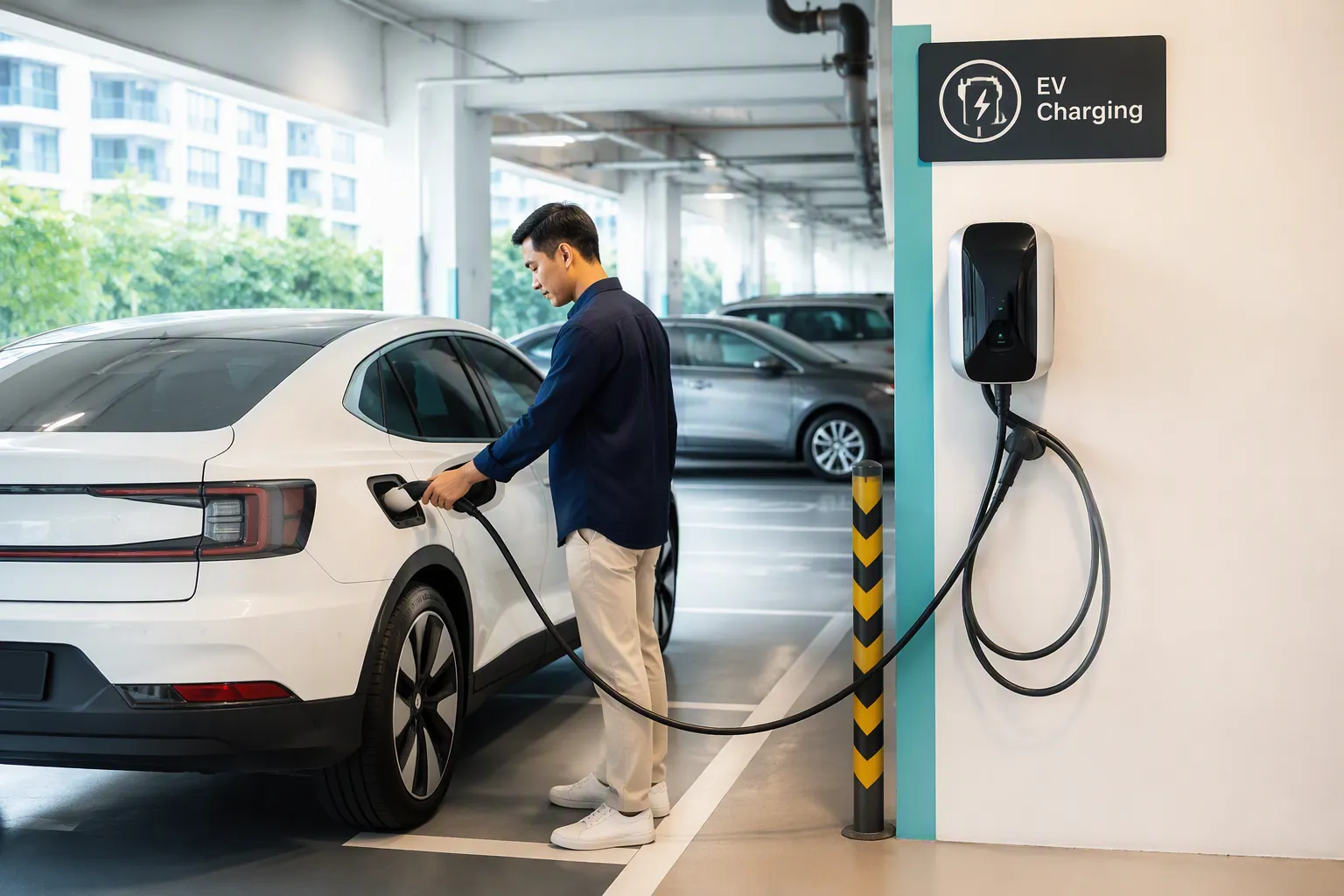
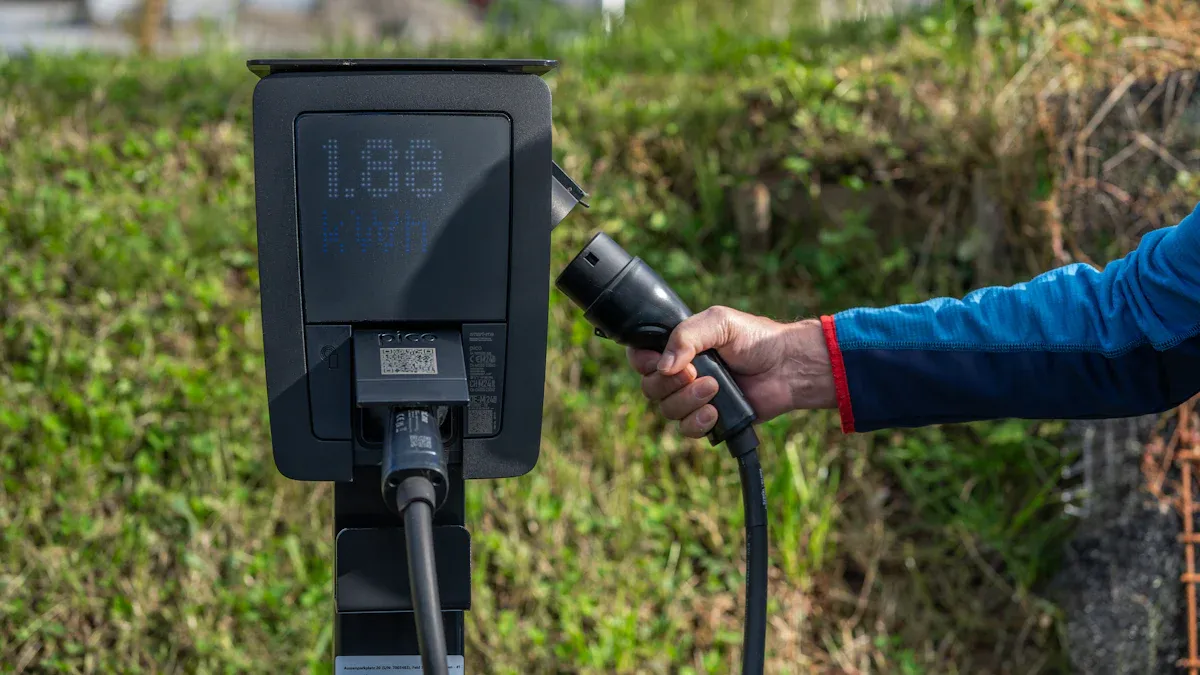
A portable EV charger provides a flexible charging solution for electric vehicles. Unlike fixed home chargers, this device allows drivers to charge their vehicles using standard electrical outlets. The portable electric car charger connects directly to the mains, making it suitable for use at home, at work, or while traveling. Many models require no special installation or planning permission, which adds to their convenience. The portable EV charger UK models often come with a UK 3-pin plug and a Type 2 connector, ensuring compatibility with most electric vehicles on the market.
The main components and functions of a portable electric car charger include:
| Component/Function | Descripción |
|---|---|
| Mains Connection | Connects to the home’s electrical system, similar to traditional EV chargers. |
| Instalación de circuitos | Requires a circuit to safely handle higher currents. |
| Normas de seguridad | Designed to meet safety standards, ensuring protection against hazards. |
| Velocidad de carga | Can charge at the same speed as many EV charger boxes, delivering 7kW of power. |
| Asequibilidad | Much less expensive than dedicated wall box EV chargers. |
| Carga rápida | New cables can charge at the same speed as wallbox chargers. |
| No Apps Required | Simple plug-in operation without the need for apps or WiFi. |
| No Planning Permission Needed | Installation of a simple socket does not require planning permission. |
| Conveniencia | Portable charger can be taken while traveling, offering flexibility. |
| Multi-Purpose Socket | The socket can be used for other equipment, not just EV charging. |
| Opción de copia de seguridad | Can serve as a backup or supplementary option for charging. |
| Instalación | Involves setting up a general-purpose external commando socket connected to a dedicated circuit. |
Características Clave de los Cargadores Portátiles para VE
When selecting a portable EV charger, uk drivers should consider several características importantes to ensure safety and efficiency. The following list highlights the most critical aspects:
- Power Rating: Most portable EV chargers offer 2.3–3.3kW charging on a standard 13A socket, suitable for overnight charging.
- Plug Type: A UK 3-pin plug and Type 2 connector provide compatibility with most electric vehicles.
- Safety Features: Built-in protection against overcurrent, earth fault, and overheating is essential for safe operation.
- Cable Length: A longer cable, typically between 5 and 10 meters, allows for flexible charging in various locations.
- Durability: An IP-rated, weatherproof charger ensures reliable performance outdoors or in garages.
Tip: Always check for safety certifications such as overcurrent protection, overvoltage protection, thermal monitoring, earth fault detection, and an IP54 or higher weather rating. Type B RCD protection is mandatory for installations in the UK.
Why Portable EV Chargers Are Essential for UK Travel
Portable EV chargers play a vital role for travelers across the UK. They do not replace home or public chargers but serve as a supplementary option, especially during emergencies. Many drivers rely on them when public charging stations are unavailable or when parking on the street prevents the installation of permanent infrastructure. Portable EV chargers also benefit plug-in hybrid owners who rent their property and frequent travelers who need flexible charging options.
Common scenarios where a portable EV charger proves essential include:
- Providing a 20-mile charge to reach the nearest public charging station.
- Acting as an emergency charge pack during long trips.
- Offering peace of mind for those traveling in areas with limited public charger coverage.
This guide helps drivers understand the importance of carrying a portable EV charger, ensuring convenience and reliability on every journey.
Step-by-Step Guide: How to Use a Portable EV Charger in the UK

Pre-Use Checks for Your Portable EV Charger
Inspecting Your Portable EV Charger and EV Charging Cable
Before starting a charging session, drivers should inspect their portable ev charger and ev charging cable. They check for visible damage, secure connections, and proper functioning indicator lights. Routine inspections help prevent hazards and ensure reliable operation. The table below outlines recommended inspection intervals and tasks:
| Check Interval | Tasks | Replace/Service if you see… |
|---|---|---|
| Pre-charge (Every Use) | Cable jacket intact Connector latch secure No debris/moisture in inlet Indicator lights normal | Cracked cable Loose connector Moisture or debris present Fault lights |
| Mensualmente | Check for discoloration at plug/connector Feel for warm spots on receptacle Inspect mounting hardware for looseness Eliminate tripping hazards (cords, clutter) Look for moisture ingress, especially in garage Test GFCI/RCD with test button (per manual) | Marcas de quemaduras o plástico fundido Loose wall mount or bracket Persistent moisture or rust GFCI/RCD won’t trip or reset |
| Anual | Have electrician tighten terminations Test all protections (GFCI, surge, etc.) Review software/firmware for updates Confirm compliance with latest codes | Connectors wobble or pit Cables crack or stiffen Nuisance trips persist after evaluation |
Tip: Drivers should always replace or service equipment if they notice any faults or damage. Regular checks extend the life of the portable ev charger and ev charging cable.
Verifying UK Outlet Compatibility
Drivers must verify that the outlet matches the requirements of the portable ev charger. They check for a UK 3-pin socket or a commando socket, depending on the charger model. The outlet should be free from damage, moisture, and debris. Compatibility ensures safe and efficient charging. If the outlet does not meet the charger’s specifications, drivers should avoid using it.
Setting Up and Connecting Your Portable EV Charger
Connecting to the Power Source Safely
Safety remains the top priority when connecting a portable ev charger. Drivers follow these steps to ensure proper setup:
- Inspect the socket for visible damage.
- Confirm that the charging cable can reach the outlet without tension.
- Uncoil the charging cable completely to prevent overheating.
- Plug the charger into the wall socket.
- Wait for the self-check indicator light to confirm readiness.
Note: Fully uncoiling the cable prevents heat buildup and reduces fire risk.
Plugging the EV Charging Cable Into Your Vehicle
After connecting to the power source, drivers plug the ev charging cable into the car. They listen for a secure click, which signals a proper connection. The charger’s indicator lights should display normal operation. If the lights show a fault, drivers disconnect and inspect the cable and connectors.
Starting and Monitoring the Charging Session
Drivers start the charging session by verifying the charger’s display or indicator lights. They set the desired amperage and schedule charging during off-peak hours if the charger supports scheduled charging. Monitoring the session ensures safe operation and optimal battery health. Drivers secure the cable to prevent tripping hazards and check the charger periodically.
Managing your charging session helps maximize efficiency and safety. Drivers should monitor progress and address any issues promptly.
Ending and Storing Your Portable EV Charger
Disconnecting the Charger Safely
When the charging session ends, drivers disconnect the charger from the car first, then from the wall socket. They avoid pulling the cable forcefully and check for any signs of heat or damage. Proper disconnection prevents wear and extends the life of the equipment.
Proper Storage Tips for Your Portable EV Charger
Drivers store the portable ev charger and ev charging cable in a dry, cool place. They coil the cable loosely and avoid sharp bends. Storage bags or cases protect the charger from dust and moisture. Keeping the charger organized ensures readiness for the next journey.
Storing the charger properly maintains its performance and reliability. Drivers should always check the equipment before each use.
Choosing the Right Portable EV Charger: Tips for UK Drivers
Power Rating and Charging Speed Explained
Selecting the best portable ev chargers starts with understanding power ratings and charging speeds. Higher power ratings deliver faster charging, while lower ratings extend charging times. UK domestic electrical systems limit the current drawn, which affects the overall charging speed. Most home charging solutions reach a maximum speed of 7.4 kW due to the single-phase supply. A 7kW charger typically takes 7 to 9 hours to fully charge mid-sized electric vehicles with 50 to 65 kWh batteries. Public charging points often provide faster options, such as 22kW chargers, which can reduce charging time to approximately 3 hours for the same battery size.
- Higher power ratings lead to faster charging speeds.
- Lower power ratings result in longer charging times.
- UK domestic systems limit charging speed.
- 7kW chargers are considered slow, ideal for overnight charging.
- 22kW chargers are classified as fast chargers, significantly reducing charging time.
TPSON offers technologically advanced portable ev chargers that optimize charging speed while maintaining proper uk compliance. Drivers seeking convenience should evaluate their car’s battery size and typical journey length before choosing a charging solution.
Plug Types and UK Socket Compatibility
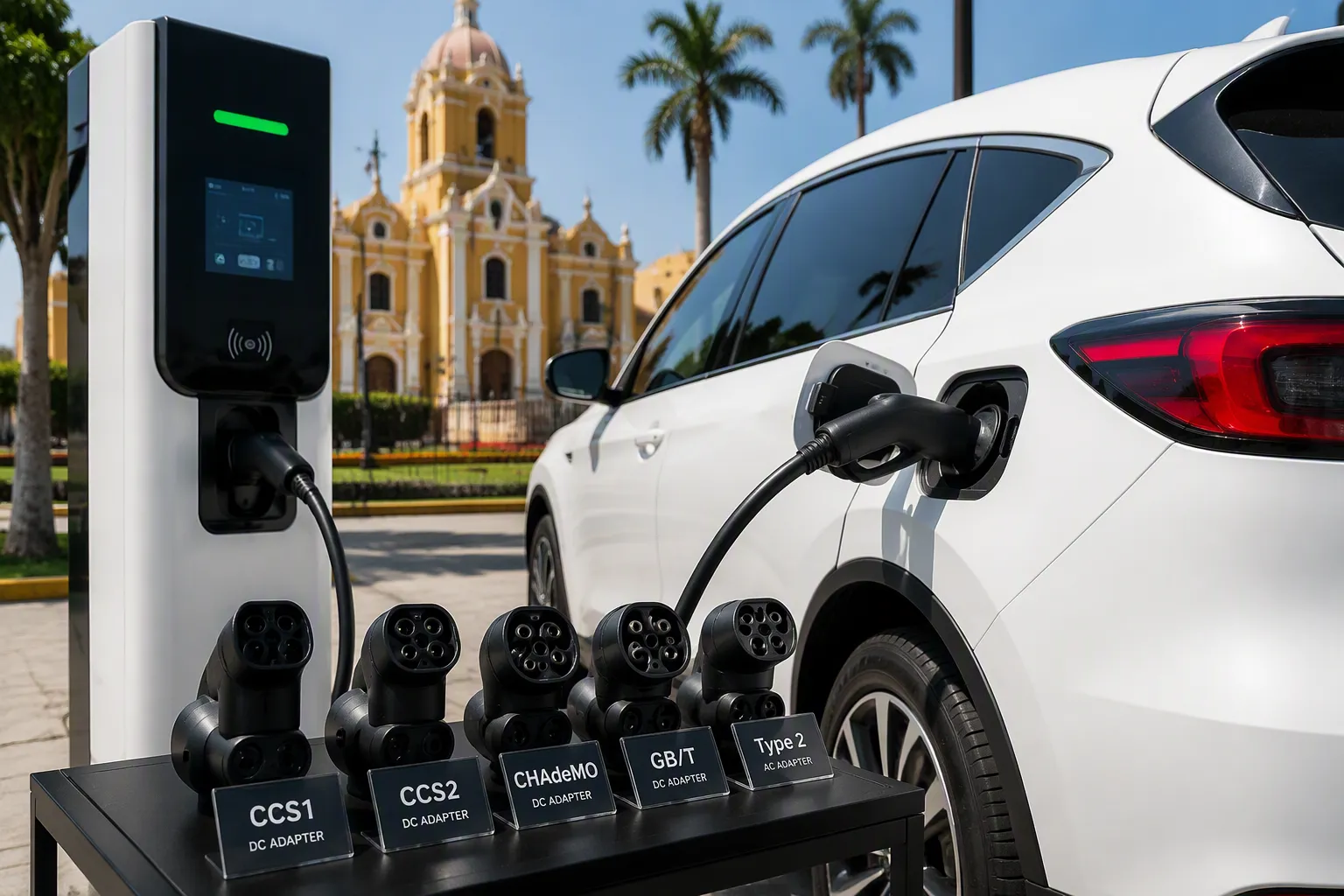
Plug type compatibility is essential for uk drivers. The most common connectors for portable ev chargers include the Type 2 connector and the UK three-pin plug. Type 2 connectors are widely used for electric vehicles in the UK, while the three-pin plug allows charging from standard domestic sockets. Compatibility between the vehicle and charger ensures safe and efficient operation.
| Tipo de conector | Descripción | Compatibility Notes |
|---|---|---|
| Tipo 1 | Up to 6kW AC, found on older EVs like the 2010-2017 Nissan Leaf. | Usually includes an adaptor for Type 2 compatibility. |
| Tipo 2 | Up to 6kW AC, the majority of European-market EVs use this connector. | Common for slow and fast AC charging in the UK. |
| UK three-pin plug | Up to 3kW AC, many new EVs no longer come with a three-pin charging cable. | Less common for new EVs, primarily for home charging. |
| ‘Commando’ CEE plug | Capable of up to 6kW, often used for camping. | Can connect to a charging cable via an adaptor for higher charging rates. |
| CHAdeMO | Used by some EVs like the Nissan Leaf, being phased out in newer models. | Compatibility may vary with newer Nissan models. |
| CCS combo type 2 | Used for rapid (DC) charging, common in the UK. | Most electric cars sold in the UK utilize this connector type for fast charging. |
Advice: Always check your vehicle’s connector type before purchasing a high-quality portable charger. This ensures seamless compatibility and avoids charging delays.
Safety Features to Look for in Portable EV Chargers
Safety remains a top priority when selecting the best portable ev chargers. Integrated protection features such as overcurrent detection, temperature monitoring, and earth-fault protection help prevent electrical hazards. Chargers with strong IP ratings offer weather resistance, making them suitable for outdoor use. Residual Current Devices (RCD) instantly cut off power when earth leakage is detected, ensuring safety during charging.
| Dispositivo de seguridad | Descripción |
|---|---|
| Integrated protection | Overcurrent detection, temperature monitoring, earth-fault protection. |
| Weather resistance | Strong IP rating for outdoor durability. |
| Residual Current Devices (RCD) | Instantly cut off power during earth leakage. |
- Temperature protection includes thermal monitoring and automatic overheat shutoff.
- Core electrical protections cover surge, overcurrent, and undervoltage safeguards.
- Certifications such as CE, UKCA, and TÜV confirm proper uk compliance.
- PEN fault detection disconnects the charger during voltage fluctuations, preventing electric shocks.
Tips: EV charging is safe when wiring, sockets, and leads remain in good condition. Loose terminations can lead to fires, so regular inspection is crucial. PEN fault detection maintains grounding and reduces the risk of exposed metal parts becoming hazardous.
Choosing a portable ev charger with robust safety features ensures reliable performance and peace of mind for every journey.
EV Charging Cable Length and Portability Considerations
Cable length plays a crucial role in the usability and convenience of portable EV chargers. Drivers often face different parking scenarios, so selecting the right cable length ensures flexibility and ease of use. The most common cable lengths available for travel in the UK include 5, 7, 10, and 15 to 20 meters. Each length serves a specific purpose, as shown in the table below:
| Longitud del cable | Propósito |
|---|---|
| 5 meters | Compact and tidy for short distances |
| 7 meters | Most common and versatile for daily use |
| 10 meters | Added flexibility for larger spaces |
| 15/20 meters | Maximum reach for complex parking layouts |
A 5-meter cable works best for standard home driveways, while a 7-meter cable suits most charging needs, including side-mounted charge ports. For those who occasionally use public charging points or park further from outlets, a 10-meter cable provides extra reach. In rare cases, a 15 or 20-meter cable offers maximum flexibility, especially in complex parking situations.
Longer cables provide greater flexibility in choosing a charging location. They allow drivers to reach sockets that are farther away or navigate around obstacles. However, longer cables can be heavier and more cumbersome to store. Portability decreases as cable length increases, so drivers must balance convenience with ease of transport. Heavier cables may also take up more space in the vehicle, which can impact overall travel comfort.
Tip: For most drivers, a 7-meter cable offers the best balance between reach and portability. It handles typical charging scenarios without adding unnecessary bulk.
Ensuring Vehicle Compatibility with Portable EV Chargers
Vehicle compatibility remains essential when selecting a portable EV charger. Most portable chargers in the UK fit Type 2 inlets, which are standard on modern European and UK electric vehicles. Some older or imported models may use a Type 1 connector. Drivers should check their car’s charging port or consult the owner’s manual to confirm the connector type.
Portable EV chargers allow charging almost anywhere with a plug socket. They serve as a universal backup when other charging options are unavailable. To verify compatibility, drivers should:
- Identify the connector type on their vehicle (Type 1 or Type 2).
- Review the charger’s specifications for supported connectors.
- Consult the vehicle’s manual for charging requirements.
- Refer to online EV cable comparison tables for a detailed breakdown of compatibility.
- Contact the charger manufacturer’s support team if unsure.
By confirming these details, drivers ensure safe and efficient charging for their specific car model. This preparation prevents delays and maximizes the benefits of portable charging during travel.
Safety and Best Practices for Portable EV Chargers
Essential Safety Tips for Charging on the Go
Evitar condiciones húmedas o peligrosas
Drivers in the UK often face unpredictable weather. Rain, wind, and cold temperatures can impact both electric vehicle efficiency and charging safety. They should always avoid charging their car in wet or hazardous conditions. Water near electrical connections increases the risk of electric shock and equipment failure. Drivers must check for dry surfaces and shelter before plugging in a portable ev charger. If rain starts during charging, they should disconnect the charger and store it safely. Using weatherproof chargers with high IP ratings ensures reliable performance even in challenging environments.
Advice: Always inspect the charging area for moisture, puddles, or debris before starting a session. Charging in dry, sheltered locations reduces charging-related stress and supports safe charging.
Proper EV Charging Cable Management
Cable management plays a crucial role in safety. Drivers should uncoil the cable fully to prevent overheating. They must keep the cable away from walkways to avoid tripping hazards. After charging, they should coil the cable loosely and store it in a protective case. Proper cable management extends the life of portable ev chargers and prevents accidents during long journeys.
Common Mistakes to Avoid with Portable EV Chargers
Many UK drivers make mistakes that reduce charging efficiency and battery health. They often charge to 100% every night, which can degrade battery life. Charging during peak electricity hours increases costs and strains the grid. Some forget to schedule charging, missing off-peak rates. Leaving the vehicle plugged in for days without needing a charge wastes energy. Using fast charging too often can cause battery wear. Drivers should avoid these habits to maintain reliable performance and reduce range anxiety.
- Charging to 100% every night
- Charging during peak electricity hours
- Forgetting to schedule charging
- Leaving the vehicle plugged in for days without needing any charge
- Using fast charging too often
Weather and Environmental Considerations for UK Travel
Weather conditions in the UK affect portable ev chargers and electric vehicle efficiency. Rain increases rolling resistance, causing higher battery drain. Wind can either increase air resistance or improve efficiency, depending on direction. Temperature changes may impact charging speed and battery performance. Drivers planning long journeys should monitor weather forecasts and adjust charging stops accordingly. They must prepare for environmental challenges to ensure safe charging and reduce charging-related stress.
Tip: Drivers who plan ahead and adapt to weather conditions experience fewer disruptions and enjoy greater peace of mind during travel.
Portable EV Chargers vs. Home Charging: A Quick Guide
Key Differences Between Portable and Home EV Chargers
Drivers in the UK often weigh the benefits of portable EV chargers against home charging stations. Each option offers distinct advantages and limitations. El siguiente cuadro destaca las principales diferencias in performance and convenience:
| Característica | Cargadores portátiles para vehículos eléctricos | Estaciones de carga domésticas |
|---|---|---|
| Velocidad de carga | Slow, can take several hours to charge | Fast, can charge overnight |
| Instalación | No professional installation needed | Requiere instalación profesional |
| Seguridad | Potential strain on household sockets | Designed for long-term use with safety features |
| Coste | Cheaper, between £100 and £350 | More expensive, but offers long-term savings |
| Compatibility with Tariffs | No specific benefits from EV tariffs | Can be paired with intelligent EV tariffs |
| Funciones inteligentes | Limited functionality | Often includes smart features for control |
Portable EV chargers provide flexibility and ease of use. Home charging stations deliver faster charging and advanced features. Home units also integrate with smart tariffs, allowing drivers to optimize charging costs.
When to Use a Portable EV Charger vs. a Home Charger
Certain situations make portable EV chargers the preferred choice for UK drivers. These scenarios include:
- Property ownership restrictions that prevent home charger installation.
- Limited parking availability, making fixed chargers impractical.
- Budget constraints, as portable chargers cost less than home units.
- Long journeys where charging flexibility is essential.
- Emergency charging needs during trips with sparse public infrastructure.
Home charging stations suit drivers who park at home regularly and want fast, reliable charging. Portable chargers serve as backup solutions and offer peace of mind during travel.
Tip: Drivers should assess their daily routines and travel habits before choosing between portable and home charging options.
Pros and Cons for UK Travelers
Travelers in the UK must consider the advantages and disadvantages of portable EV chargers compared to other charging solutions. The table below summarizes the main points:
| Pros | Contras |
|---|---|
| They can travel with you | They have a slow charging speed |
| They’re perfect for emergency charging | They can be heavy to bring around |
| They’re easy to install and use | They have limited features |
| They’re compatible with various EVs | They’re more prone to wear and tear |
Portable EV chargers offer unmatched mobility and emergency support. They require minimal setup and work with many car models. However, slow charging speeds and limited smart features may frustrate some drivers. The physical weight and potential for wear also pose challenges during extended travel.
Note: Portable EV chargers remain a practical solution for drivers who value flexibility and backup charging. Home charging stations provide speed and convenience for those with stable parking and property access.
Expert Tips for Using a Portable EV Charger on UK Roads
Planning Charging Stops with Your Portable EV Charger
Drivers who plan long journeys across the UK benefit from strategic charging stops. They analyze their route and identify locations with reliable power sources. Many drivers use mapping apps to locate hotels, campsites, or public spaces with accessible outlets. They check the compatibility of each outlet before arrival. Charging during meal breaks or overnight stays maximizes efficiency. Drivers who schedule stops based on their car’s battery range avoid unnecessary delays. They also consider weather conditions, as rain or cold temperatures may affect charging speed.
Tip: Drivers who prepare a charging plan reduce stress and maintain steady progress during travel.
Storing and Transporting Your Portable EV Charger Safely
Proper storage and transport of portable EV chargers ensures longevity and safety. Drivers use dedicated carrying cases to protect the charger from dust and moisture. They coil the cable loosely and avoid sharp bends. Many drivers place the charger in the trunk or under the seat, away from heavy objects. They inspect the charger before each use and after every trip. A clean, dry storage area prevents corrosion and damage. Drivers who travel frequently keep the charger accessible for quick deployment.
| Storage Method | Beneficio |
|---|---|
| Carrying case | Shields from moisture |
| Bobinado suelto | Prevents cable damage |
| Trunk placement | Reduces impact risk |
| Routine inspection | Maintains reliability |
Handling Emergencies While Charging on the Road
Emergencies can occur during charging sessions. Drivers who encounter faults or interruptions act quickly to ensure safety. They disconnect the charger immediately if they notice overheating or unusual smells. Many drivers carry a basic toolkit for minor repairs. They contact roadside assistance if the charger fails or the outlet malfunctions. Drivers who travel in remote areas keep emergency contact numbers handy. They monitor the charging session and address issues as soon as they arise. A calm response prevents escalation and protects both the charger and the car.
🚨 Note: Drivers who remain vigilant during charging sessions handle emergencies efficiently and minimize risks.
Maximizing Charging Efficiency: Practical Tips
Drivers who want to get the most out of their portable EV charger can follow several practical strategies. These tips help reduce charging time, save energy, and extend battery life. Charging efficiently also supports a smoother journey across the UK.
1. Charge During Off-Peak Hours
Electricity demand drops at night and early morning. Charging a car during these times often costs less and puts less strain on the grid. Many portable chargers allow users to set a timer or schedule charging sessions. Drivers should check their energy provider’s rates and plan accordingly.
2. Monitor Battery State of Charge
Keeping the battery between 20% and 80% helps maintain long-term health. Charging to 100% is rarely necessary for daily travel. Drivers should avoid letting the battery drop below 10%, as deep discharges can reduce performance over time.
3. Use the Right Power Source
A dedicated outdoor socket or a certified commando outlet provides a stable and safe power supply. Standard household sockets may not deliver consistent power, especially in older buildings. Using the correct outlet ensures the charger operates at its best efficiency.
4. Keep Charging Equipment Clean and Dry
Moisture and dirt can affect charging speed and safety. Drivers should inspect connectors before each use and store the charger in a dry location. Clean contacts allow for better energy transfer and reduce the risk of faults.
5. Optimize Cable Placement
Uncoiling the cable fully prevents heat buildup. Placing the cable away from walkways avoids accidental unplugging or tripping. Proper cable management also reduces wear and extends the life of the equipment.
6. Precondition the Vehicle
Many electric vehicles offer a preconditioning feature. This system warms or cools the cabin while the car remains plugged in. Preconditioning uses grid power instead of the battery, preserving range for the journey.
Tip: Drivers who plan their charging stops and monitor progress can avoid unnecessary delays. They should use navigation apps that display charging locations and real-time availability.
| Consejo | Beneficio |
|---|---|
| Tarificación fuera de horas punta | Lower costs |
| Battery state management | Longer battery life |
| Proper power source | Faster, safer charging |
| Clean equipment | Rendimiento fiable |
| Gestión de cables | Reduced wear and hazards |
| Preconditioning | Preserved driving range |
Charging efficiently requires attention to detail and good habits. Drivers who follow these steps enjoy reliable performance and peace of mind on every trip.
Portable EV Charger FAQs: Your Top Questions Answered
Can I Use a Portable EV Charger at Any UK Outlet?
Drivers often wonder if they can plug portable EV chargers into any outlet in the UK. Most portable chargers designed for the UK market work with standard 3-pin domestic sockets or blue “commando” sockets. However, not every outlet is suitable for charging an electric car. Outlets must be in good condition, free from damage, and capable of handling the current required by the charger. Using an old or overloaded socket increases the risk of overheating or electrical faults. For safety, drivers should avoid extension leads and always check the manufacturer’s recommendations before connecting. Some public places, such as hotels or campsites, may have policies about EV charging, so drivers should ask for permission before plugging in.
Tip: Always inspect the outlet for signs of wear or moisture before use. If unsure, consult a qualified electrician.
How Long Does It Take to Charge with a Portable EV Charger?
Charging time depends on several factors, including the charger’s power rating, the car’s battery size, and the starting state of charge. Most portable EV chargers in the UK deliver between 2.3 kW and 3.3 kW when plugged into a standard socket. For a typical electric vehicle with a 60 kWh battery, a full charge from empty can take between 18 and 26 hours using a 3-pin plug. Charging from a blue commando socket at 3.6 kW reduces this time slightly. Drivers rarely need a full charge in one session. Topping up overnight or during a stop often provides enough range for daily needs and helps reduce range anxiety.
| Tipo de cargador | Potencia de salida | Approximate Time for 60 kWh Battery |
|---|---|---|
| 3-pin UK socket | 2,3 kW | 24–26 hours |
| Blue commando socket | 3,6 kW | 16–18 hours |
Note: Charging times vary by vehicle and charger. Always refer to the car’s manual for specific guidance.
Is It Safe to Leave My EV Charging Overnight?
Many drivers choose to charge their vehicles overnight for convenience. Modern portable EV chargers include built-in safety features such as overcurrent protection, temperature monitoring, and earth leakage detection. These features help prevent overheating and electrical faults during long charging sessions. Charging overnight is generally safe if the charger and socket are in good condition and installed correctly. Drivers should avoid covering the charger or cable, as this can trap heat. Regular inspection of the equipment ensures ongoing safety. If the charger or socket feels hot to the touch, disconnect and seek professional advice.
Safety Reminder: Never use damaged equipment or faulty sockets. Proper maintenance and safe practices protect both the vehicle and the driver.
What Should I Do If I Encounter a Problem While Charging?
Drivers sometimes face issues when charging their electric vehicles. They may notice error lights, unexpected interruptions, or overheating. When a problem occurs, they should follow a systematic approach to resolve it safely.
Stop Charging Immediately
He or she should disconnect the charger from the vehicle and the power source. This action prevents further damage or risk.Check for Visible Issues
They inspect the charger, cable, and socket for signs of wear, moisture, or overheating. If the equipment feels hot or shows burn marks, the driver should avoid reuse.Review Indicator Lights and Error Codes
Most portable EV chargers display error codes or indicator lights. The driver consults the charger manual to interpret these signals.Reset the Charger
He or she can try resetting the charger by unplugging it for several minutes. Afterward, the driver reconnects and observes if the issue persists.Contact Technical Support
If the problem continues, the driver contacts the manufacturer’s support team. They provide details about the issue and follow guidance from professionals.
🚨 Safety Tip: Drivers should never attempt repairs on electrical equipment unless qualified. They must seek professional help for persistent faults.
Do I Need Special Adapters for UK Travel?
Traveling across the UK with a portable EV charger sometimes requires adapters. Most chargers designed for the region fit standard 3-pin domestic sockets or blue commando sockets. However, some locations may use different outlets, especially at campsites or older properties.
| Tipo de adaptador | Caso práctico | Disponibilidad |
|---|---|---|
| 3-pin to Commando | Campsites, outdoor sockets | Ampliamente disponible |
| Type 2 to Type 1 | Older EV models | Specialized stores |
| Extension leads | Not recommended for EV charging | Avoid use |
Drivers should check the outlet type at their destination before departure. He or she purchases certified adapters from reputable suppliers. Using uncertified adapters increases risk and may void warranty.
Note: The driver should avoid extension leads for EV charging. These leads often fail to handle the required current safely.
Are Portable EV Chargers Allowed at Hotels and Campsites?
Many hotels and campsites in the UK permit portable EV chargers, but policies vary. Drivers should always ask the property manager before plugging in. Some locations offer dedicated charging points, while others allow use of standard sockets.
- Hotels may restrict charging to certain areas or require a fee.
- Campsites often provide blue commando sockets for caravans and EVs.
- Some properties prohibit EV charging due to electrical limitations.
He or she checks the property’s website or contacts staff in advance. The driver follows all posted guidelines and avoids overloading sockets. Respecting property rules ensures safe charging and maintains good relationships with hosts.
Tip: Drivers who plan ahead and communicate with property owners enjoy smoother travel and reliable charging access.
How Do I Maintain My Portable EV Charger and EV Charging Cable?
He maintains a portable EV charger and EV charging cable by following a routine that ensures reliability and safety. Regular maintenance prevents unexpected failures and extends the lifespan of the equipment. Drivers who travel frequently benefit from a consistent care schedule.
Recommended Maintenance Steps:
- Inspect the charger and cable for visible damage before each use.
- Clean connectors with a dry cloth to remove dust and debris.
- Store the charger in a cool, dry location away from direct sunlight.
- Coil the cable loosely to avoid kinks and stress on the wires.
- Test the charger’s safety features, such as RCD and indicator lights, monthly.
- Check for signs of overheating after each charging session.
- Update firmware if the manufacturer provides software updates.
Tip: He should avoid using harsh chemicals or water when cleaning the charger. Moisture can cause corrosion and electrical faults.
A table helps drivers track maintenance tasks:
| Tarea | Frecuencia | Propósito |
|---|---|---|
| Inspección visual | Every use | Detect damage early |
| Connector cleaning | Semanal | Ensure efficient charging |
| Safety feature testing | Mensualmente | Confirm protection works |
| Actualizaciones de firmware | Publicado | Improve performance |
| Storage check | Mensualmente | Prevent moisture buildup |
He replaces the cable or charger if he notices cracks, exposed wires, or persistent faults. Proper maintenance supports safe operation and reduces the risk of charging interruptions.
Can I Use My Portable EV Charger in Other Countries?
He can use a portable EV charger outside the UK, but he must consider several factors. Electrical standards and socket types vary across countries. Many European nations use different plug shapes and voltage levels. He checks the charger’s specifications for voltage compatibility and supported plug types.
Key Considerations for International Use:
- Verify the charger supports the local voltage (often 220–240V in Europe).
- Obtain certified plug adapters for the destination country.
- Confirm the charger’s safety certifications meet local regulations.
- Review the vehicle’s charging port compatibility with local infrastructure.
- Avoid using extension leads or uncertified adapters.
Note: He should consult the manufacturer’s guidelines before traveling. Some chargers may not operate safely in regions with unstable power supplies.
A driver who plans to travel internationally prepares by researching charging options and purchasing the correct adapters. He ensures the charger remains compliant with local safety standards. This preparation allows him to charge confidently and avoid unexpected issues abroad.
A portable ev charger empowers drivers to travel across the uk with greater flexibility and confidence. He or she selects the right charger and follows essential safety practices to ensure a smooth journey. Preparation remains key for reliable charging and stress-free exploration. Drivers who use this guide gain practical knowledge and enjoy the freedom to discover new destinations.
Tip: Careful planning and routine equipment checks help drivers maximize convenience and minimize charging issues.
PREGUNTAS FRECUENTES
Can drivers use a portable EV charger anywhere in the UK?
Drivers can use a portable EV charger at most locations with a suitable outlet. They must check the socket’s condition and confirm permission at hotels or campsites. Safety standards in the UK support reliable charging.
¿Cuánto se tarda en cargar un VE con un cargador portátil?
Charging time depends on battery size and charger power. Most portable chargers require 18–26 hours for a full charge from a standard socket. Drivers often top up overnight or during stops.
Is it safe to leave an EV charging overnight?
Modern chargers include safety features such as overcurrent protection and temperature monitoring. Drivers should inspect equipment regularly and avoid damaged sockets. Overnight charging remains safe when following manufacturer guidelines.
What should drivers do if the charger stops working?
Drivers should disconnect the charger and inspect for visible damage or error lights. They consult the manual for troubleshooting steps. If issues persist, they contact technical support or a qualified electrician.
Do drivers need special adapters for travel?
Some locations use different outlets, especially campsites. Drivers should carry certified adapters for their charger and vehicle. They avoid extension leads and confirm compatibility before departure.
Are portable EV chargers allowed at hotels and campsites?
Many hotels and campsites permit portable chargers. Drivers must ask property managers for permission and follow posted guidelines. Some locations offer dedicated charging points for electric vehicles.
How can drivers maintain their portable EV charger?
Drivers inspect the charger and cable before each use. They clean connectors, store equipment in a dry place, and test safety features monthly. Routine maintenance extends the charger’s lifespan and ensures reliable performance.
Can drivers use a portable EV charger in other countries?
Drivers check voltage compatibility and obtain certified plug adapters for international travel. They review local regulations and confirm the charger’s certifications. Preparation ensures safe charging outside the UK.
Tip: Drivers who plan ahead and follow safety practices enjoy stress-free EV travel.