Trickle charge remains a debated topic among EV owners. Many drivers wonder if this slow charging method benefits their vehicle’s battery or daily routine. Battery longevity, charging speed, and cost often dominate the conversation. Safety concerns also arise, especially when using a standard Cargador EV or exploring cargadores portátiles ev. Fabricantes de cargadores para VE and providers of Soluciones de recarga de vehículos eléctricos emphasize that personal habits and charging infrastructure play a significant role. The table below highlights common factors influencing EV charging preferences:
| Factor | Descripción |
|---|---|
| Environmental self-identity | How environmentally friendly a person perceives themselves, shaping charging choices. |
| Ansiedad de autonomía | Worry about running out of power, especially for new EV drivers. |
| Availability of charging infrastructure | The ease of finding charging stations, which affects convenience and practicality. |
What Is Trickle Charge for EVs?
How a Trickle Charger Works
Explicación del proceso de tarificación
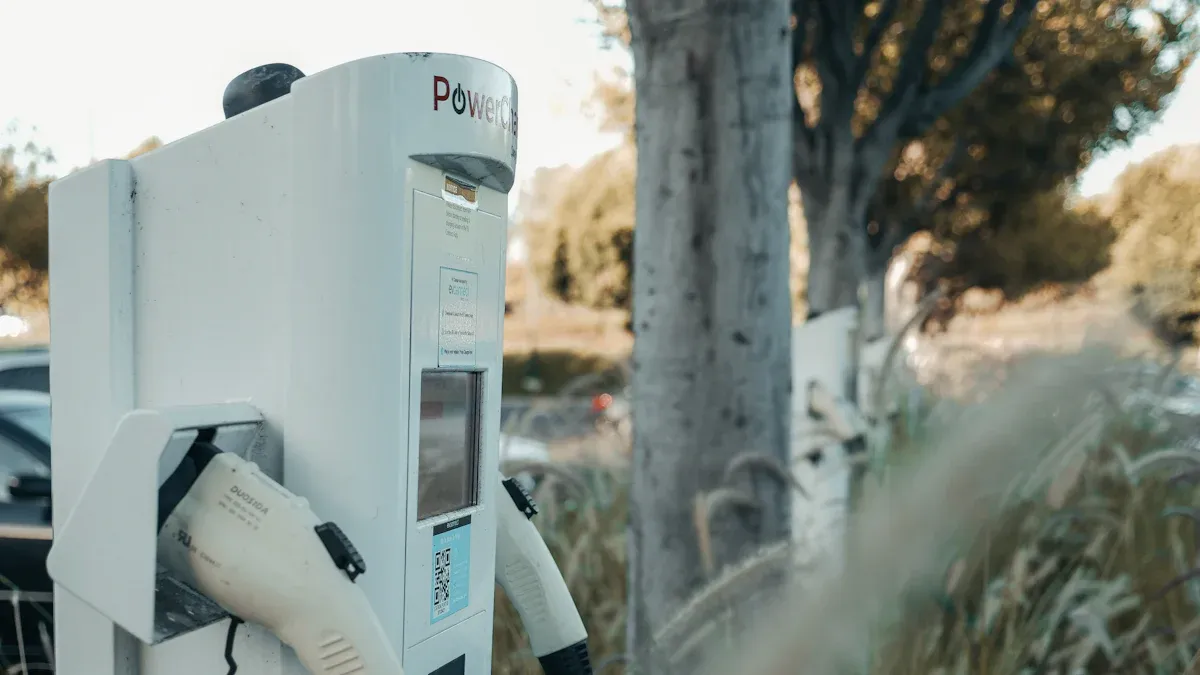
A trickle charger supplies a small current to an electric vehicle’s battery, especially when the battery nears full capacity. This process, also called float charging, helps maintain the battery’s charge and offsets natural discharge. Many electric vehicles use this method during the final stage of charging. The battery management system (BMS) in modern EVs controls the trickle charger to ensure optimal performance. This approach benefits battery health and maximizes driving range, particularly in colder climates where batteries lose charge more quickly.
- Trickle charging provides a low, steady current.
- The charger activates when the battery approaches full charge.
- The system prevents overcharging by monitoring voltage and current.
- This method supports battery longevity and reliability.
Typical Charging Rates and Times
A trickle charger operates at a much lower charging speed compared to other methods. Most trickle chargers deliver between 1 and 2 kilowatts, which means a full charge can take over 24 hours for larger battery packs. This slow pace suits situations where time is not a constraint, such as overnight charging at home. Drivers who use their vehicles infrequently often rely on trickle charging to keep the battery topped up without risking damage.
Trickle Charge vs Other Charging Methods
Level 1, Level 2, and DC Fast Charging Compared
Electric vehicle owners can choose from several charging options. Level 1 charging uses a standard household outlet and provides a slow charge, similar to a trickle charger. Level 2 charging requires a dedicated unit and offers faster charging speeds, typically between 7 and 22 kilowatts. DC fast charging delivers the highest charging speed, often reaching 80% battery capacity in less than 30 minutes.
The table below highlights the main differences between fast charging and trickle charging:
| Característica | Carga rápida | Trickle Charging |
|---|---|---|
| Velocidad | Very Fast | Muy lento |
| Lo mejor para | Quick top-ups (0-80%) | Safely topping up to full (80-100%) |
| Heat | Generates more heat | Generates minimal heat |
| Key Tech | Advanced power delivery | Smart control via BMS |
Trickle charging delivers a low and steady stream of power, making it ideal for safely topping up a battery to full capacity, especially overnight. In contrast, fast charging methods, such as Level 2 and DC fast charging, utilize higher power levels to significantly reduce charging times. However, fast charging generates more heat, which can impact long-term battery health.
Pros and Cons of Each Charging Speed
Choosing the right charging speed depends on the driver’s needs and the vehicle’s usage pattern. El siguiente cuadro resume the main advantages and disadvantages of trickle charging:
| Advantages of Trickle Charging | Disadvantages of Trickle Charging |
|---|---|
| Extended Battery Life | Not Suitable for All Battery Types |
| Convenience for Infrequent Use | Slow Charging Rate |
| Prevention of Sulfation | Risk of Overcharging with Poor Quality Chargers |
| Safe Charging Method | N/A |
TPSON, a technologically advanced electric vehicle charging solution provider, recommends that drivers consider their daily mileage and charging infrastructure before selecting a charger. Trickle charging works best for those who prioritize battery health and do not require rapid turnaround times. Drivers who need faster results may prefer Level 2 or DC fast charging, especially when managing busy schedules or long trips. Understanding the differences in ev charging speeds helps owners make informed decisions for their vehicles.
Trickle Charge and Battery Longevity
Effects of Trickle Charging on Battery Health
Benefits of Slow Charging
Slow charging offers several advantages for electric vehicle batteries. This method reduces stress on battery cells and helps maintain stable internal temperatures. Many scientific studies show that trickle charge compensates for small drops in battery levels, usually around 2–3% per month. By supplying a steady, low current, slow charging minimizes the risk of overheating and supports battery longevity. Drivers who use slow charging often notice improved reliability and fewer issues related to battery degradation.
Note: Slow charging is especially beneficial in colder climates, where batteries tend to lose charge more quickly. Maintaining a moderate charge level helps preserve battery health and ensures consistent performance.
Risks of Overcharging or Undercharging
While slow charging provides benefits, improper use can introduce risks. Continuously topping up batteries to 100% causes them to fluctuate between full and nearly full states. This fluctuation increases internal temperature and accelerates battery degradation. Overcharging, especially with poor-quality chargers, can shorten battery lifespan and reduce capacity. Undercharging, on the other hand, leaves batteries at low levels for extended periods, which may also contribute to degradation and reliability issues.
- Overcharging increases internal heat and reduces battery capacity.
- Undercharging leaves batteries vulnerable to deep discharge cycles.
- Both practices negatively impact battery longevity.
Trickle Charge vs Rapid Charging for Battery Longevity
Battery Degradation and Charging Speed
Charging speed plays a critical role in battery health. Rapid charging delivers high power, which generates more heat and increases the rate of battery degradation. Batteries exposed to frequent fast charging cycles often experience reduced capacity and shorter lifespans. Trickle charge, with its slow and steady approach, helps limit temperature spikes and supports gradual energy replenishment. However, keeping batteries at 100% charge for long periods can still accelerate wear.
- Rapid charging increases heat and speeds up battery degradation.
- Trickle charge reduces stress but may cause degradation if used excessively.
- Optimal battery longevity requires balancing charging speed and charge levels.
Manufacturer Guidelines and Recommendations
Major EV manufacturers provide specific guidance on charging practices to maximize battery longevity. The table below summarizes their recommendations:
| Fabricante | Recomendación |
|---|---|
| SEAT | Avoid trickle charging unless necessary; use compatible smart chargers. |
| Tesla | Keep the vehicle plugged in to maintain battery charge levels. |
| Toyota | Use a suitable trickle charger for 12V batteries if stationary for long periods. |
| MG | Use a trickle charger for the 12V battery if the vehicle is not in use for some time. |
Manufacturers emphasize the importance of using compatible chargers and maintaining moderate charge levels. SEAT advises against unnecessary trickle charging and recommends smart chargers. Tesla suggests keeping the vehicle plugged in to preserve battery health. Toyota and MG recommend trickle chargers for 12V batteries when vehicles remain stationary for extended periods. These guidelines reflect the need to balance charging speed, battery degradation, and overall longevity.
Tip: Drivers should follow manufacturer recommendations and avoid keeping batteries at full charge for prolonged periods. Aiming for 80–90% charge supports battery longevity and reduces the risk of degradation.
Charging Speed and Everyday Convenience
How Long Does Trickle Charging Take?
Charging Times for Different EV Models
Charging times vary widely between electric vehicle models. Smaller EVs with battery capacities around 30 kWh may require 15 to 20 hours to reach a full charge using a standard home charger at trickle charge rates. Larger vehicles, such as SUVs or those with 60 kWh batteries, can take more than 30 hours to charge fully. The actual time depends on the battery size and the power output of the home charger. Some manufacturers provide estimated charging times in their manuals, but real-world results often differ due to temperature, battery age, and the state of charge at the start.
| Modelo EV | Tamaño de la batería (kWh) | Estimated Trickle Charge Time (hours) |
|---|---|---|
| Compact Hatchback | 30 | 15–20 |
| Mid-size Sedan | 50 | 24–28 |
| Large SUV | 60 | 30–36 |
Overnight and Extended Charging Scenarios
Many EV owners prefer to charge their vehicles overnight. This approach works well for those who drive short distances each day. Overnight charging allows the battery to replenish slowly, reducing stress on the cells. For drivers who use their vehicles infrequently, extended charging sessions over several days can keep the battery topped up without causing harm. However, those with high daily mileage may find that trickle charge does not meet their needs, especially if they require a full battery each morning.
Note: Charging overnight with a home charger provides convenience, but users should monitor the process to avoid leaving the vehicle plugged in for unnecessary periods.
Is Trickle Charging Practical for Daily Use?
Home Charging Setup and Requirements
A reliable home charger is essential for anyone considering regular trickle charging. Most households already have the necessary electrical outlets, but some may need to upgrade wiring or install dedicated circuits for safety. The installation process for a home charger is usually straightforward, but larger vehicles or those towing caravans may require additional infrastructure. Owners should check compatibility with their vehicle and ensure the charger meets local electrical codes.
Suitability for Various Driving Habits
Trickle charge suits drivers with predictable, low daily mileage. Those who commute short distances or use their EV occasionally benefit most from this method. However, several challenges can arise:
- Owners must adapt their charging habits, moving away from traditional refueling routines.
- Concerns about battery degradation may increase if vehicles remain plugged in for long periods.
- The existing infraestructura de recarga may not support larger vehicles or those with special requirements.
Drivers with unpredictable schedules or high mileage may find trickle charging impractical. They often need faster charging solutions to ensure their vehicle is ready when needed. For these users, combining a home charger with occasional use of public fast chargers can provide flexibility and peace of mind.
Cost Implications of Using a Trickle Charger
Electricity Costs of Trickle Charging
Comparing Energy Use with Other Charging Methods
Electric vehicle owners often compare the energy costs of trickle charging with faster alternatives. Trickle charging uses a lower power rate, which spreads energy consumption over a longer period. This approach can help drivers take advantage of off-peak electricity rates. In the UK, the average cost per kilowatt-hour for home charging stands at approximately 28p. For those who use Economy 7 tariffs, the cost drops to about 11p overnight. Charging an EV to full capacity costs around £14 at the standard rate and £5.50 during off-peak hours. Drivers who charge overnight can save money by using these lower rates.
| Método de carga | Coste medio por kWh | Full Charge Cost (Typical EV) |
|---|---|---|
| Standard Rate | 28p | £14 |
| Economy 7 (Overnight) | 11p | £5.50 |
Impact on Monthly Utility Bills
Trickle charging can influence monthly utility bills based on usage patterns and local tariffs. Drivers who charge their vehicles overnight benefit from reduced rates, which lowers the overall cost. Those who charge during peak hours may see higher bills. The slow and steady nature of trickle charging allows owners to spread energy consumption, making it easier to manage household expenses. Many drivers find that using a trickle charger at home provides predictable costs and helps avoid sudden spikes in electricity bills.
Tip: Monitoring energy usage and choosing off-peak hours for charging can lead to significant savings over time.
Equipment and Installation Costs
Using Existing Outlets vs Upgrading Chargers
Setting up a trickle charger at home involves several cost considerations. Many households already have suitable outlets, which reduces gastos de instalación. However, some owners choose to upgrade their electrical systems or install dedicated chargers for improved safety and performance. Installation costs for a home EV charger typically range from £300 to £1,200. The price of the charger itself varies from £300 to £1,000, depending on the model and features. Electricians charge between £50 and £80 per hour for labor. Additional expenses may arise if upgrades are needed, costing between £100 and £500. Exterior installations may require trenching, which adds £300 to £500. Permits can also incur costs ranging from £50 to £200.
- Installation costs: £300–£1,200
- Charger price: £300–£1,000
- Labor: £50–£80 per hour
- Electrical upgrades: £100–£500
- Trenching (exterior): £300–£500
- Permits: £50–£200
Long-Term Cost Considerations
Trickle chargers offer long-term savings compared to other charging equipment. Electric chargers generally have lower maintenance costs than diesel-powered alternatives. The reduced need for frequent maintenance makes electric chargers a more economical choice. Owners benefit from savings on fuel and maintenance over time. These advantages make trickle chargers appealing for those seeking cost-effective solutions for their electric vehicles.
Note: Investing in a reliable charger and monitoring maintenance needs can maximize savings and ensure consistent performance.
Safety Considerations with Trickle Charging
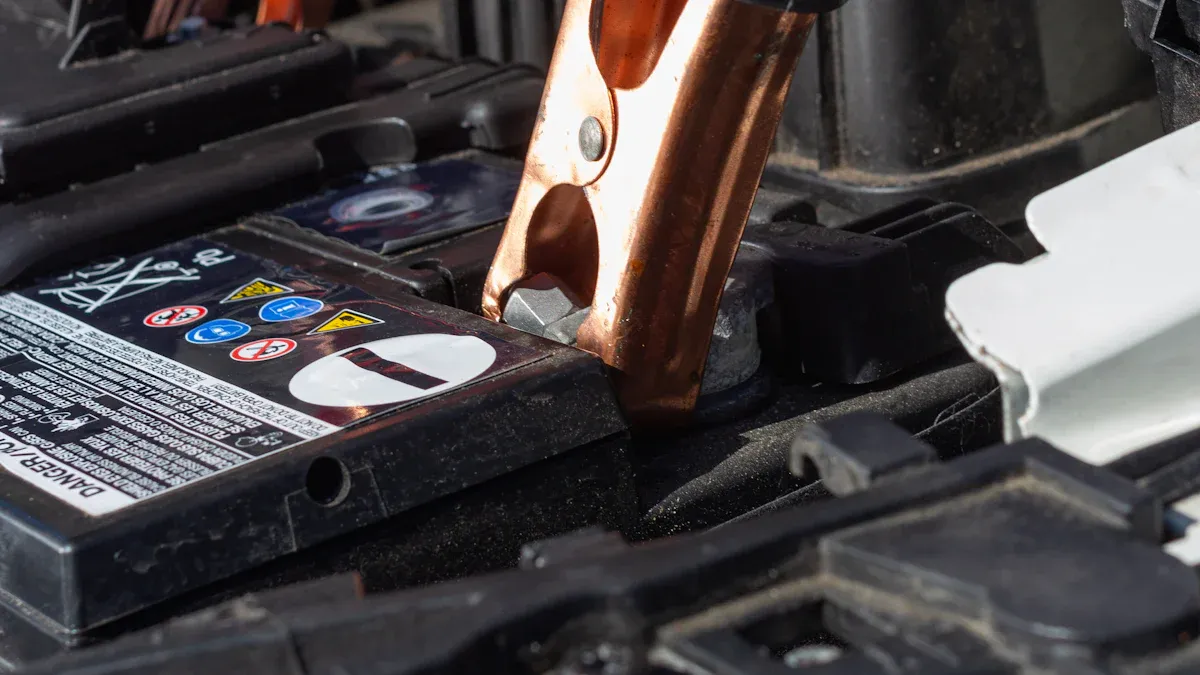
Is Trickle Charging Safe for Your EV?
Risks of Using Standard Home Outlets
Many electric vehicle owners use standard home outlets for charging. This practice introduces several risks. Outlets may not handle continuous low-current charging, especially if the wiring is old or faulty. Overheating can occur when the outlet or wiring cannot support the charger’s load. Loose connections or damaged sockets increase the chance of electrical faults. These issues may lead to equipment failure or, in rare cases, fire hazards.
Note: Always inspect outlets and wiring before connecting a trickle charger. If the outlet shows signs of wear or damage, consult a qualified electrician.
Fire and Electrical Hazards
Charging an EV at home presents potential fire and electrical hazards. Faulty connections, overloaded circuits, and poor-quality chargers can cause sparks or overheating. Moisture and dust in garages or outdoor spaces may increase the risk of short circuits. Owners must remain vigilant to prevent accidents. UK electrical safety legislation requires compliance with installation and operation standards to minimize these risks.
- Serie IEC 61851 outlines safety guidelines for EV charging stations.
- IP ratings define protection against dust and water ingress.
- Legal requirements ensure safe installation and operation.
Safety Features in Trickle Chargers and EVs
Built-in Protections and Best Practices
Modern trickle chargers and electric vehicles include advanced safety features. These protections help prevent electrical hazards and ensure reliable operation.
| Dispositivo de seguridad | Descripción |
|---|---|
| Protección contra sobretensiones | Prevents damage from voltage spikes caused by lightning, grid switching, or faults in the power network. |
| Undervoltage Protection | Disconnects equipment when voltage drops below a safe threshold to prevent damage and reduce fire risks. |
| Protección contra sobrecorriente | Prevents excessive current from damaging equipment by activating during short circuits or overloads. |
| Grounding Protection | Directs fault current safely to the ground to prevent electrical shock to users and protect equipment. |
| Temperature Protection | Monitors and limits power flow to prevent overheating during the charging process. |
These features work together to reduce the likelihood of accidents. Manufacturers design chargers to meet international standards and environmental testing requirements.
Tips for Safe Home Charging
Owners can follow several best practices to enhance safety during trickle charging:
- Choose a charger specifically designed for trickle charging.
- Follow the manufacturer’s instructions for safe operation.
- Charge in a well-ventilated area to prevent overheating.
- Inspect the charger and battery for damage before use.
- Connect cables properly to avoid short circuits.
- Monitor the charging progress regularly.
- Disconnect the charger after the battery reaches full charge.
Tip: Regular maintenance and careful monitoring help prevent electrical hazards and extend the life of both the charger and the vehicle’s battery.
When to Use Trickle Charge vs Faster Charging
Best Situations for Trickle Charging
Low Daily Mileage and Occasional Use
Drivers with low daily mileage or those who use their electric vehicles occasionally find trickle charging highly effective. This method suits individuals who travel short distances each day or leave their vehicles parked for extended periods. Trickle charging maintains battery health by providing a steady, low current. The battery management system prevents overcharging, which supports long-term reliability.
- Trickle charging works well for vehicles parked for several days.
- Owners who drive less than 20 miles per day benefit from slow charging.
- Occasional use reduces the need for rapid charging cycles.
Trickle charging minimizes battery stress and extends lifespan. Many owners prefer this approach because it aligns with their driving habits and reduces maintenance concerns.
Carga nocturna en casa
Overnight charging at home represents one of the most beneficial scenarios for trickle charging. Many EV owners plug in their vehicles before bedtime and wake up to a fully charged battery. This routine fits seamlessly into daily life and avoids the rush of public charging stations. Charging overnight allows the battery to replenish gradually, which supports optimal performance.
- Overnight charging provides convenience and reliability.
- The slow pace reduces heat generation and preserves battery health.
- Home charging eliminates the need for frequent trips to public stations.
Tip: Charging overnight ensures the vehicle is ready each morning without stressing the battery.
When Faster Charging Is a Better Choice
Long Trips and Emergency Charging Needs
Faster charging becomes essential during long trips or emergencies. Service stations often feature fast chargers, which enable drivers to recharge quickly and continue their journeys. Ultra-fast chargers provide quick top-ups, making them ideal for time-sensitive travel. Drivers covering high mileage rely on these stations to minimize downtime.
- Fast chargers are available at service stations for long-distance travel.
- Quick recharging during breaks supports tight schedules.
- Ultra-fast charging helps drivers complete journeys without delays.
Travelers benefit from faster charging when they need to cover large distances or respond to unexpected situations. The ability to recharge in minutes rather than hours offers peace of mind and flexibility.
High Daily Mileage and Busy Schedules
Individuals with high daily mileage or demanding schedules require faster charging solutions. Rapid charging supports those who depend on their vehicles for work or frequent commutes. The increased power output ensures the battery reaches a usable level quickly, which keeps drivers on the road.
- Faster charging is crucial for high-mileage drivers.
- Busy schedules demand quick turnaround times.
- Rapid charging reduces waiting and maximizes productivity.
Note: Drivers with unpredictable routines or heavy usage should consider installing a Level 2 charger at home or using public fast chargers to meet their needs.
Choosing between trickle charging and faster charging depends on driving habits, travel requirements, and daily routines. Owners who prioritize battery longevity and convenience often select trickle charging, while those with high mileage or urgent needs opt for rapid charging solutions.
Recent research shows that trickle charging can extend battery lifespan by maintaining a steady charge and reducing cell stress, though not all batteries benefit equally. The table below highlights how different charging methods affect battery health and longevity:
| Método de carga | Lifespan Multiplier | Impacto en la salud de la batería |
|---|---|---|
| Optimal Charging (20-80%) | 1.3x | Minimizes stress, extends battery life by 30-40% compared to full cycling. |
| Normal Charging (0-100%) | 1.0x | Standard usage, accelerates degradation due to high voltage stress. |
| Fast Charging (25W-120W) | 0.8x | Quick top-ups but increases heat, leading to faster chemical breakdown. |
| Carga inalámbrica | 0.9x | Convenient but less efficient, generates heat, and can lead to accelerated degradation. |

Common misconceptions include concerns about overcharging and safety. In reality, modern EVs use battery management systems that prevent overcharging and maintain optimal performance. For most drivers, trickle charging works best for low daily mileage and overnight charging at home. Those with higher usage should consider faster charging options. Always follow manufacturer guidelines and take advantage of available incentives for safe, cost-effective charging.
PREGUNTAS FRECUENTES
What is trickle charging in EVs?
Trickle charging means supplying a low, steady current to an EV battery. This method helps maintain charge levels and supports battery health. Many owners use trickle charging for overnight sessions or when storing their EV for long periods.
Does trickle charging damage an EV battery?
Trickle charging does not damage an EV battery when used correctly. The battery management system in most EV models prevents overcharging. Owners should always use chargers recommended by the manufacturer to ensure safety and reliability.
How often should an EV use trickle charging?
Drivers can use trickle charging daily if they have low mileage. This method works well for overnight charging at home. Those who drive their EV less frequently may use trickle charging to keep the battery topped up during long periods of inactivity.
Is trickle charging suitable for all EV models?
Most modern EVs support trickle charging. However, some older models or specific brands may require special equipment. Owners should check the vehicle manual or consult the manufacturer before using this charging method.
Can trickle charging save money on electricity bills?
Trickle charging can help reduce electricity costs. Charging an EV overnight often takes advantage of lower off-peak rates. This approach spreads energy use over time, making it easier to manage household expenses.
What safety precautions should owners take with trickle charging?
Owners should inspect outlets and wiring before connecting an EV charger. They must use chargers with built-in safety features. Charging in a well-ventilated area and monitoring the process helps prevent electrical hazards.
When should an EV owner choose faster charging instead?
Faster charging suits drivers with high daily mileage or urgent travel needs. Those who rely on their EV for long trips or work schedules benefit from rapid charging. Public fast chargers provide quick top-ups during busy days.
Does trickle charging extend the lifespan of electric vehicles?
Trickle charging can extend the lifespan of electric vehicles by reducing battery stress. This method limits heat generation and supports gradual energy replenishment. Owners who prioritize battery health often choose trickle charging for routine use.