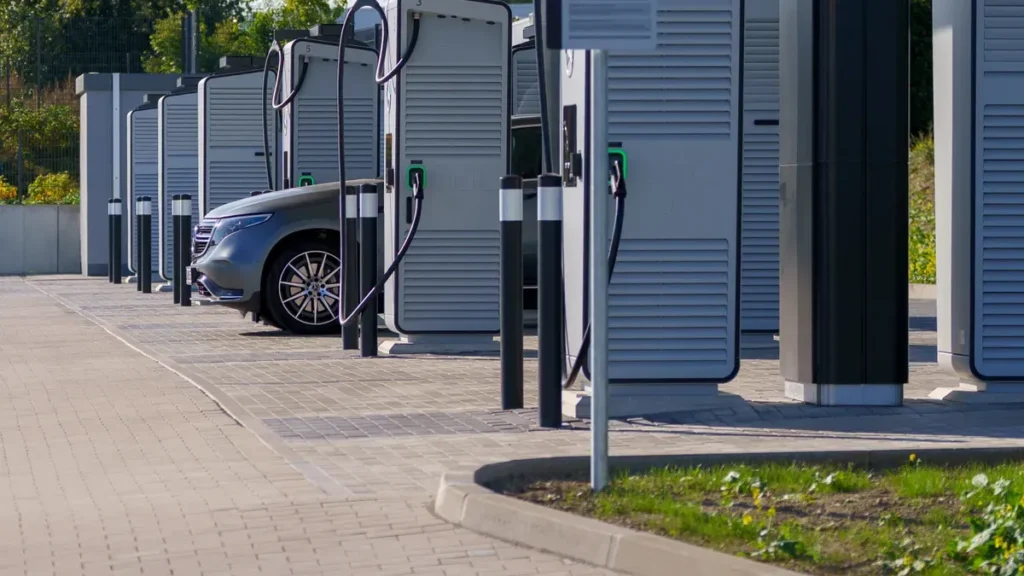
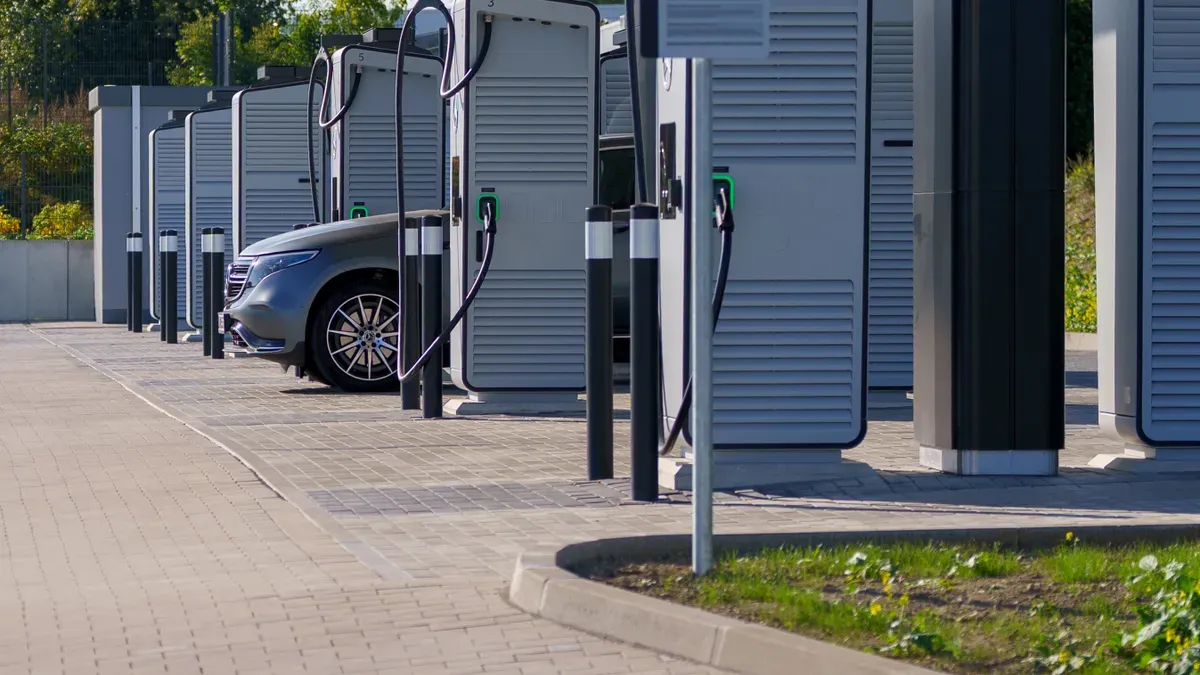
A commercial EV charging station brings significant value to any charging station business in France. Business owners recognize that installation requires expertise in electric vehicle charging and a strong understanding of the ev charging station business landscape. They often consult Fabricantes de cargadores para VE to identify the right Soluciones de recarga de vehículos eléctricos and compare options such as cargadores portátiles ev. Every commercial project must address charging capacity, compliance, and user needs. The right Cargador EV supports efficient charging and ensures the ev charging station meets customer expectations.
Site Assessment for Commercial EV Charging Station

A thorough site assessment and planning process forms the foundation for a successful commercial ev charging station. Business owners in France must evaluate several critical factors before installation.
Location Suitability for EV Charging Station Business
Accessibility for Customers and Employees
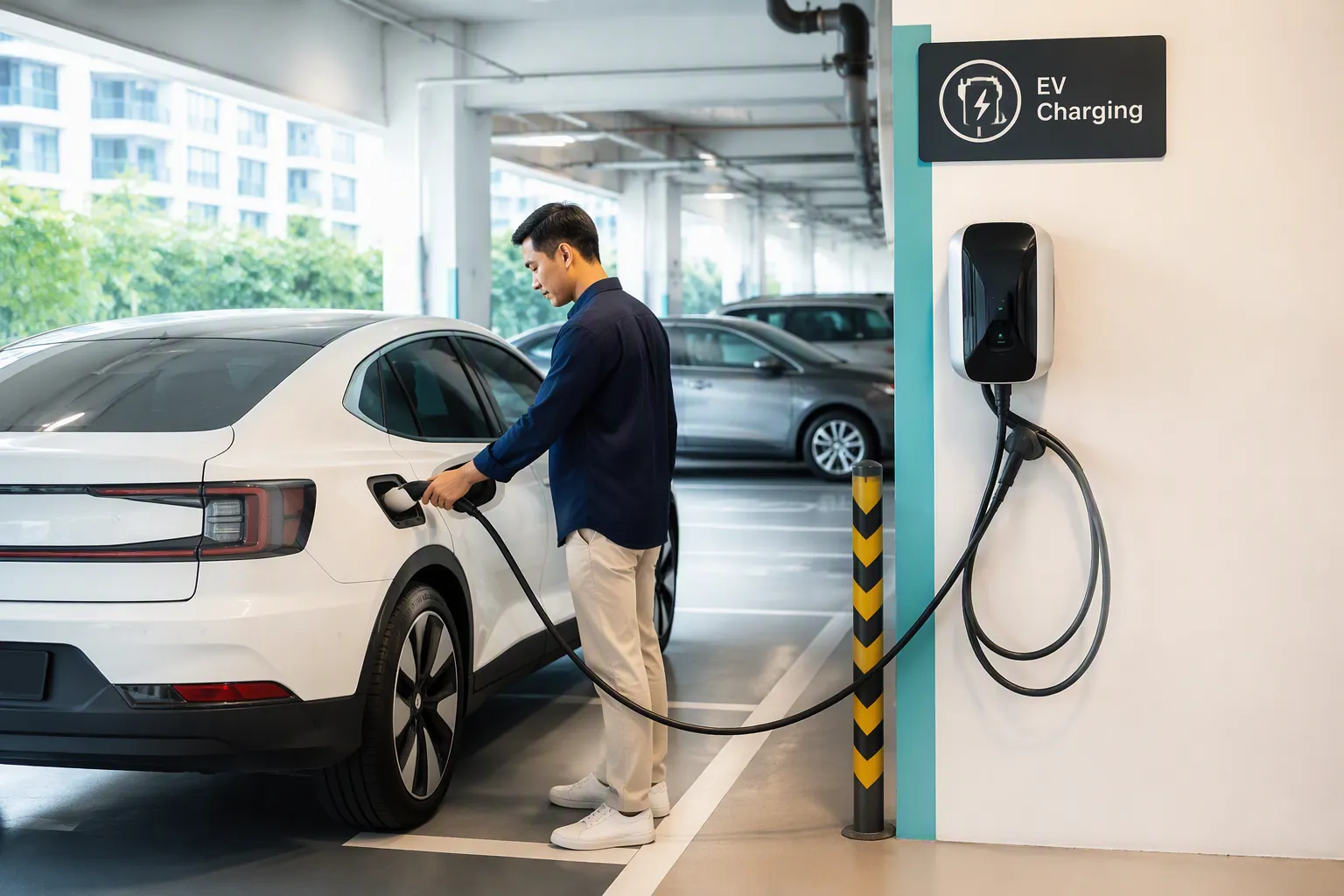
Site accessibility determines how easily drivers can use the ev charging station. High-traffic areas attract more users, especially when the location offers convenient entry and exit points. Employees and customers benefit from clear pathways and designated parking spaces near the charging stations. Easy access encourages repeat visits and supports both fleet ev charger needs and public charging.
Visibility and Signage
Visibility plays a key role in attracting electric vehicle drivers. Prominent signage helps users locate the charging infrastructure quickly. Well-placed signs guide drivers from the main road to the charging points. Clear branding and instructions at the site improve the overall user experience and reduce confusion.
Tip: Position charging stations where they remain visible from the entrance and main traffic flow. Use standardized symbols and directional arrows for clarity.
Electrical Capacity for Commercial EV Charger Installation
Existing Infrastructure Review
A qualified installer must assess the building’s electrical system to ensure compatibility with electric vehicle charging. The review includes checking the maximum electrical capacity and identifying any limitations. This step prevents overloads and ensures safe operation of multiple charging stations.
| Tipo de requisito | Detalles |
|---|---|
| Mandatory Pre-Equipment | At least 20% of parking spaces in buildings with 10 or more spaces must have charging infrastructure. |
| Renovation Requirement | Existing buildings undergoing major renovations must also comply with pre-equipment obligations. |
| Evaluación del sistema eléctrico | A qualified installer must assess the building’s electrical system for compatibility with EV chargers. |
Upgrading Power Supply if Needed
Some sites require upgrades to support the power demands of a commercial ev charging station. Owners may need to coordinate with utility providers to increase grid capacity. Installing a load balancer can help manage simultaneous charging for multiple electric vehicles. Proper upgrades ensure reliable service and future-proof the charging infrastructure.
Charging Needs for EV Charging Station
Número de puntos de recarga
Determining the right number of charging points depends on user demand. Business owners should consider the volume of employees, customers, and fleet vehicles. Planning for future growth allows for easy expansion as electric vehicle adoption increases.
- Assess current and projected usage.
- Allocate space for additional chargers.
- Design the layout for efficient traffic flow.
Types of Vehicles to Support
Different vehicles require different connector types and power levels. The ev charging station should accommodate a range of electric vehicles, including passenger cars, delivery vans, and fleet vehicles. Supporting various models ensures the station serves both public and business needs.
Note: Evaluate the types of vehicles that frequent the site and select compatible charging solutions.
A comprehensive site assessment and planning phase addresses location, electrical capacity, and user needs. This approach ensures the charging station meets regulatory requirements and delivers a positive experience for all users.
Planning Expansion for EV Charging Station Business
Scalability Considerations
Business owners in France must address scalability when developing a commercial EV charging station. They need to anticipate future growth and ensure the infrastructure can adapt to increased demand. A robust approach involves evaluating current and projected traffic patterns. Many operators now use AI technology to assess traffic flow and identify popular routes for electric vehicle drivers. This data-driven method helps pinpoint optimal locations for additional charging points.
Collaboration with local authorities, Distribution Network Operators (DNOs), and Charging Point Operators (CPOs) remains essential. These stakeholders provide valuable insights and support for creating viable charging sites. Grid capacity planning also plays a critical role. Experts recommend a minimum grid capacity of 800 kVA for small charging hubs. Owners should plan for potential upgrades to avoid bottlenecks and ensure reliable service as usage grows.
Tip: Engage with stakeholders early in the process to streamline approvals and secure technical support for future expansion.
El siguiente cuadro resume best practices for scalable EV charging station development:
| Buenas prácticas | Descripción |
|---|---|
| Infrastructure Assessment | Utilize AI technology to assess traffic flow and popular routes for EV drivers to identify optimal charging locations. |
| Stakeholder Engagement | Foster collaboration between local authorities, DNOs, and CPOs to create viable charging sites. |
| Grid Capacity Planning | Ensure a minimum grid capacity of 800 kVA for small hubs and plan for potential upgrades to avoid unviable locations. |
| Distribution of Charging Stations | Address the uneven distribution of chargers by planning for a more equitable rollout across regions to meet future demand. |
Space Allocation
Proper space allocation ensures the charging station can accommodate more units as demand increases. Owners should reserve extra parking spaces and consider the physical layout for easy expansion. Wide driveways and clear signage help manage traffic flow and prevent congestion. The design should allow for the installation of additional charging points without major disruptions.
A well-organized site also improves safety and accessibility. Allocating space for maintenance vehicles and emergency access supports long-term operations. Owners should evaluate the needs of different vehicle types, including delivery vans and fleet vehicles, to ensure the site remains flexible.
Note: Early planning for space allocation reduces future costs and minimizes operational downtime during expansion.
A forward-thinking approach to scalability and space allocation positions a business for long-term success in the evolving EV charging market.
Permits and Regulatory Compliance for EV Charging Station Installation
Local Permits for Commercial EV Charger Installation
Municipal Requirements
French municipalities require business owners to secure permits before starting a commercial ev charger installation. Local authorities review each application to ensure the project aligns with city planning goals. They check for compliance with safety codes and public access rules. Owners must submit detailed site plans, electrical diagrams, and proof of insurance. Some cities may request an environmental impact statement. Early engagement with municipal offices helps avoid delays and ensures a smooth approval process.
Zoning and Land Use
Zoning laws determine where an ev charging station can operate. Local governments classify land for commercial, industrial, or mixed-use purposes. Business owners must verify that their chosen site meets zoning requirements for charging infrastructure. In some cases, they may need to apply for a zoning variance or special use permit. Clear communication with planning departments helps address any land use restrictions. Proper zoning ensures the station serves both electric vehicles and the broader community.
National and EU Standards for EV Charging Station
French Electrical Codes
France enforces strict electrical codes for all electric vehicle charging projects. Installers must follow national standards for wiring, grounding, and equipment safety. Certified electricians handle all connections to the grid. Regular inspections confirm that the installation meets technical and safety requirements. These codes protect users and prevent electrical hazards at every commercial ev charging station.
EU Directives for EV Charging
The European Union sets additional rules for commercial charging infrastructure. The Regulación de la infraestructura de combustibles alternativos (AFIR, 2023/1804) stands as the main regulation for public and commercial charging stations in France. AFIR requires operators to provide real-time data on pricing, availability, connector status, and energy delivered. By 2026, all public charging points must support ISO 15118 for vehicle-to-grid (V2G) communication. These standards ensure interoperability and transparency across the EU.
- AFIR mandates real-time information for users.
- ISO 15118 enables advanced features for electric vehicles.
- Compliance supports seamless charging experiences for drivers.
Safety and Accessibility for Commercial EV Charging Station
Fire Safety Standards
Fire safety remains a top priority for every commercial project. Installers must use certified materials and follow best practices for cable management. Emergency shut-off switches and clear signage help users respond quickly in case of an incident. Local fire departments may inspect the site before granting final approval.
Accessibility for Disabled Users
A new amendment requires all future public chargepoints to meet accessibility standards. This ensures that every ev charging station remains safe and usable for everyone, including individuals with disabilities. Charging signs can appear on motorways and other roads, providing clear directions and distances to each station. Some locations must offer 24/7 access, making charging convenient for all drivers.
Tip: Early planning for accessibility helps businesses serve a wider customer base and comply with evolving regulations.
Environmental Impact for EV Charging Station Business
Waste Management
Proper waste management forms a critical part of any commercial EV charging station project. Business owners in France must address the disposal and recycling of materials generated during installation and operation. Electrical components, packaging, and construction debris can accumulate quickly. Responsible handling of these materials reduces environmental harm and aligns with national sustainability goals.
- Recycling Electrical Components: Installers often remove old wiring, circuit breakers, and outdated charging units. These items contain metals and plastics that require specialized recycling. Owners should partner with certified waste management companies to ensure safe disposal.
- Battery and Electronic Waste: Some charging stations include backup batteries or smart modules. These components reach end-of-life after several years. French regulations classify them as hazardous waste. Proper collection and recycling prevent soil and water contamination.
- Packaging Materials: Equipment shipments generate cardboard, plastic wrap, and wooden pallets. Sorting and recycling these materials minimize landfill use.
Tip: Maintain a waste log during installation and operation. This record helps track disposal methods and supports compliance with environmental audits.
A table below summarizes best practices for waste management at commercial EV charging stations:
| Waste Type | Acción Recomendada | Regulatory Reference |
|---|---|---|
| Electrical Components | Recycle with certified partners | French Environmental Code |
| Batteries & Electronics | Hazardous waste collection & recycling | EU Battery Directive |
| Packaging Materials | Sort and recycle locally | Local Waste Regulations |
Noise and Emissions
EV charging stations produce less noise and emissions than traditional fueling sites. However, business owners must still consider their impact on the surrounding environment. Equipment such as transformers, cooling fans, and power electronics can generate operational noise. In urban or residential areas, excessive noise may disturb nearby residents or businesses.
- Noise Mitigation: Owners can select low-noise equipment and install sound barriers if needed. Regular maintenance reduces mechanical noise from fans and transformers. Site layout also plays a role; placing equipment away from sensitive areas helps minimize disturbance.
- Emissions Control: EV charging stations do not emit exhaust gases. However, construction activities and increased electricity demand can indirectly contribute to emissions. Choosing renewable energy sources, such as solar or wind, reduces the carbon footprint of the charging station.
Note: Many French regions offer incentives for businesses that use green electricity for EV charging. This choice supports national climate targets and enhances the business’s reputation.
Business owners who prioritize waste management and noise reduction demonstrate environmental responsibility. These efforts help create a cleaner, quieter, and more sustainable charging infrastructure for the future.
Equipment Selection for Commercial EV Charging Station
Selecting the right equipment shapes the success of any commercial EV charging station. French business owners must evaluate charger types, compatibility, and smart features to ensure reliable service and future-proof operations.
Types of Commercial EV Chargers
AC vs. DC Chargers
Business owners often choose between AC and DC chargers. AC chargers deliver alternating current and suit locations where vehicles remain parked for longer periods, such as offices or shopping centers. DC chargers provide direct current and enable rapid charging, making them ideal for highway stops or fleet depots. The choice depends on user needs, site power capacity, and the desired charging speed.
Fast vs. Standard Charging
The type of charger determines charging speed. Standard chargers, typically AC, offer moderate charging rates and work well for overnight or long-duration parking. Fast chargers, usually DC, can recharge most electric vehicles in under an hour. Many commercial sites install a mix of both to serve diverse customer needs.
Compatibility for EV Charging Station Installation
Tipos de conectores para vehículos
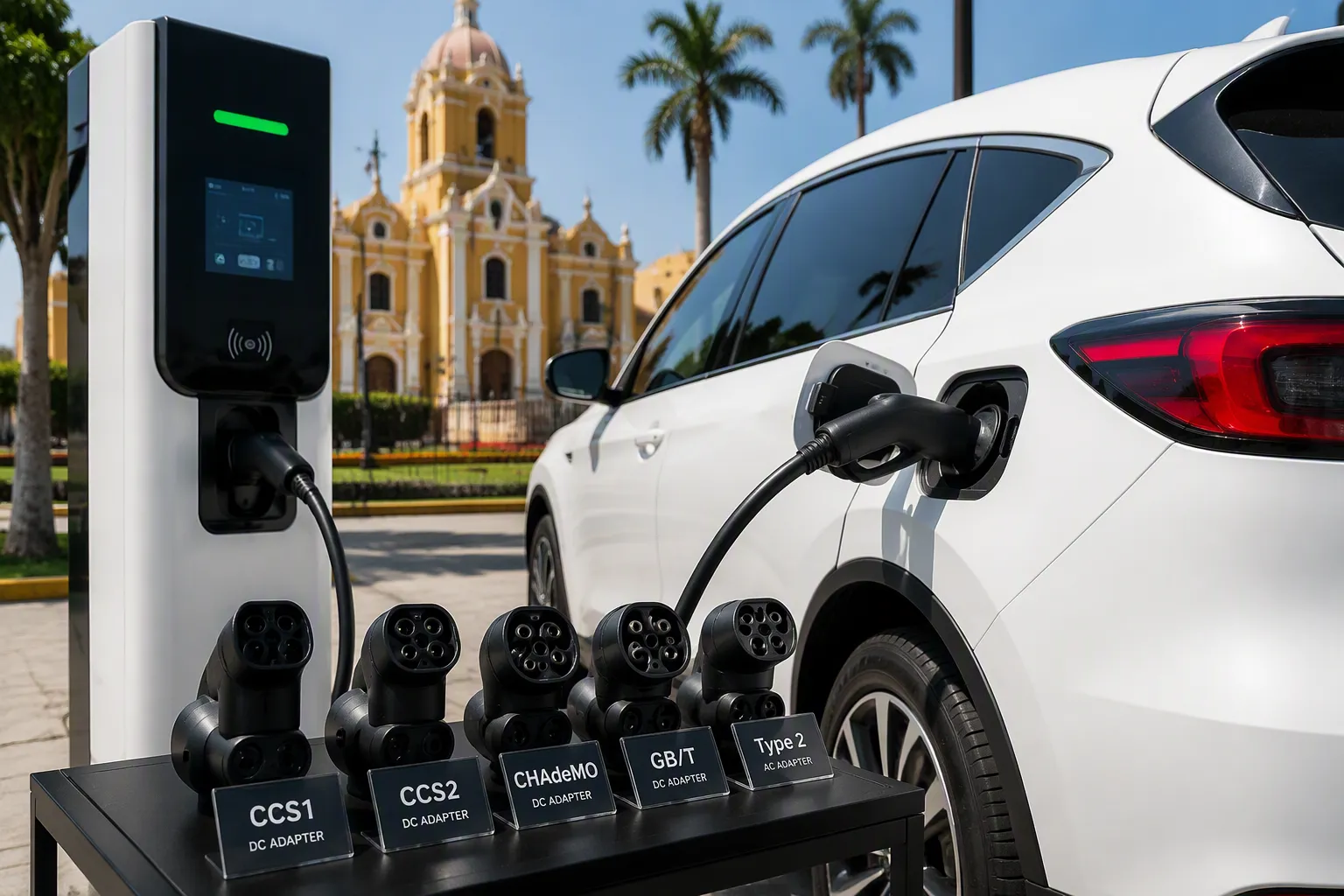
Compatibility remains essential for every electric vehicle charger installation. French businesses ensure their stations support various vehicle models by offering multiple connector types. The table below summarizes the main options:
| Tipo de carga | Tipo de conector | Descripción |
|---|---|---|
| Carga de CA | Tipo 2 | Commonly used in most home and public charging stations in Europe. |
| Carga rápida de CC | CCS | Allows connection to fast charging stations, especially on highways. |
| Adaptadores | Varios | Facilitate connection to different electrical outlets, enhancing compatibility. |
Selecting the right connectors ensures that the station serves a wide range of electric vehicles, from passenger cars to delivery vans.
Open Protocols and Networks
Open protocols and network compatibility allow seamless integration with different management systems and payment platforms. Many providers, including TPSON, support open standards to enable interoperability. This approach lets business owners connect their stations to national and European charging networks, expanding access for all EV drivers.
Smart Features for EV Charging Station Business
Control remoto
Modern charging stations often include remote monitoring capabilities. Operators track charger status, energy consumption, and usage patterns in real time. This feature helps identify issues quickly and reduces downtime.
User Authentication Options
User authentication options enhance security and streamline access. Stations may use RFID cards, mobile apps, or QR codes to verify users. These systems support flexible payment models and enable guest access when needed.
Smart charging networks in France integrate with renewable energy sources and energy storage systems. They optimize charging schedules based on solar or wind energy availability. Dynamic Load Management allocates power in real time, preventing overloads and improving efficiency. Cloud-based services adjust charging speed and timing according to grid congestion and tariffs.
Tip: Choosing a provider like TPSON ensures access to advanced smart features and future-ready technology.
Supplier Selection for Commercial EV Charger Installation
Comparing Vendors
Selecting the right supplier stands as a critical step in the commercial EV charger installation process. French business owners must evaluate vendors using clear, objective criteria. The right choice ensures reliable operation, long-term value, and a smooth installation experience.
A structured comparison helps decision-makers focus on the most important factors. The table below summarizes key criteria for supplier selection:
| Criterios | Descripción |
|---|---|
| Tipo de cargadores | Determine the appropriate charger type based on user needs and charging speed requirements. |
| Physical Equipment Quality | Assess the durability and material quality of the charger, especially for Level 3 chargers. |
| Connectivity Features | Evaluate communication channels, support for Open Charge Protocol, and customization options. |
| Overall Support from Supplier | Consider the level of support and service provided by the supplier throughout the installation process. |
Business owners should start by identifying the types of chargers that best fit their location. Some sites require fast DC chargers for quick turnaround, while others benefit from standard AC chargers for longer parking durations. Equipment quality also plays a major role. Durable materials and robust construction ensure the chargers withstand daily use and harsh weather conditions.
Connectivity features deserve careful attention. Suppliers who offer open protocols and advanced communication options make it easier to integrate the charging station with management software and payment systems. Customization options, such as branding or user interface adjustments, can enhance the customer experience.
A thorough vendor comparison should include site visits, product demonstrations, and reference checks. Business owners often request case studies or testimonials from similar projects. This approach provides insight into real-world performance and supplier reliability.
Tip: Create a checklist based on the table above to score each vendor during the selection process. This method brings clarity and consistency to the decision.
Garantía y asistencia
Warranty and after-sales support form the backbone of a successful EV charging station business. A strong warranty protects the investment and reduces long-term maintenance costs. Business owners should review warranty terms carefully, noting coverage for parts, labor, and on-site repairs.
Support services also influence the overall experience. Leading suppliers offer technical assistance, remote diagnostics, and rapid response times for service calls. Some vendors provide training for staff, ensuring smooth daily operations. Others include software updates and proactive maintenance as part of their service package.
Prompt support minimizes downtime and keeps the charging station operational. Business owners should clarify service level agreements (SLAs) before signing any contract. Clear SLAs outline response times, escalation procedures, and contact points for emergencies.
Note: Choosing a supplier with a proven track record in warranty fulfillment and customer support reduces risk and builds confidence in the long-term success of the charging station.
Installation Process for Commercial EV Charging Station
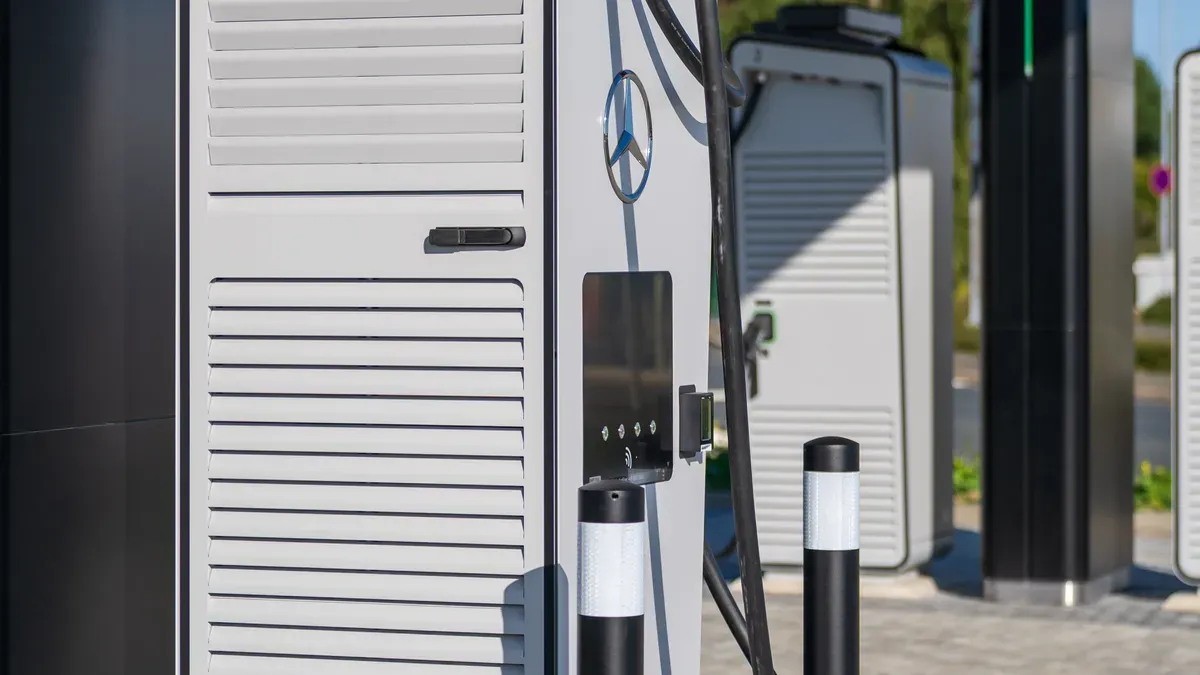
A successful installation process for a commercial EV charging station requires careful planning and execution. French business owners must follow a structured approach to ensure safety, compliance, and long-term reliability.
Hiring Certified Installers for EV Charging Station
Finding Qualified Professionals
Business owners should seek professionals with proven experience in commercial EV charger installation. Qualified installers understand the technical requirements and local regulations. They often belong to recognized industry associations and maintain up-to-date training on the latest charging technologies. Owners can request references from previous projects to verify expertise.
Verifying Certifications
Certification stands as a critical factor in selecting an installer. In France, certified electricians must handle all electrical connections. Installers should hold certifications such as IRVE (Infrastructure de Recharge pour Véhicule Électrique), which demonstrates competence in EV charging infrastructure. Owners should request copies of certificates and confirm their validity with the issuing authority.
Site Preparation for Commercial EV Charger Installation
Groundwork and Civil Engineering
Site preparation forms the backbone of a safe and efficient installation. The process begins with a full site assessment. Professionals evaluate the business premises, focusing on power supply, parking layout, and access routes. They identify any obstacles that could affect the installation timeline. Civil engineering tasks may include trenching for cables, reinforcing surfaces, and installing protective barriers.
Tip: Early site assessment helps prevent costly changes during later stages.
Mejoras eléctricas
Many sites require electrical upgrades to support new charging equipment. Installers review the existing infrastructure and coordinate with utility providers if upgrades are necessary. They ensure compliance with all EV charger restrictions and regulations. Some projects may need permissions for significant structural changes, such as increasing grid capacity or adding new distribution panels. Proper upgrades guarantee reliable operation and future scalability.
Key Steps in Site Preparation:
- Conduct a comprehensive site assessment, including power supply evaluation.
- Ensure compliance with all relevant regulations and obtain necessary permissions.
Installation and Safety Checks for EV Charging Station
Equipment Setup
Installers position and secure charging units according to the site plan. They connect chargers to the electrical supply, configure network settings, and test communication with management systems. Proper labeling and clear instructions at each charging point enhance user safety and convenience.
Compliance Inspections
After equipment setup, inspectors verify that the installation meets national and EU standards. They check wiring, grounding, and emergency systems. Inspectors also review accessibility features and fire safety measures. Only after passing these inspections can the charging station begin operation.
Note: Thorough safety checks protect users and reduce the risk of costly repairs or legal issues.
A well-managed installation process ensures that the commercial EV charging station operates efficiently and complies with all regulations from day one.
Testing and Commissioning for EV Charging Station Business
A commercial EV charging station reaches its final stage with thorough testing and commissioning. This phase ensures that every component operates as intended and that users can charge their vehicles safely and efficiently. French business owners must prioritize both technical validation and user readiness before opening the station to the public.
System Functionality Tests
Certified installers conduct a series of system functionality tests to verify the performance of the charging infrastructure. These tests confirm that each charger delivers the correct power output and communicates properly with management software. Installers check for electrical safety, network connectivity, and compliance with national and EU standards.
Key steps in system functionality testing include:
- Power Verification: Technicians measure voltage and current at each charging point. They ensure that chargers supply consistent power without fluctuations.
- Communication Checks: Installers test data exchange between chargers and backend systems. They verify that remote monitoring, payment processing, and user authentication work seamlessly.
- Safety Inspections: Inspectors activate emergency shut-off switches and review fire safety systems. They confirm that all warning labels and instructions are visible and accurate.
- Interoperability Testing: The team connects different vehicle models to each charger. They confirm compatibility with various connector types and charging protocols.
Tip: Document all test results in a commissioning report. This record supports regulatory compliance and provides a reference for future maintenance.
A summary table helps track the main areas of system testing:
| Test Area | Objetivo | Responsible Party |
|---|---|---|
| Potencia de salida | Ensure correct voltage/current | Instalador certificado |
| Conectividad de red | Verify data and payment systems | IT Specialist |
| Safety Systems | Confirm emergency readiness | Safety Inspector |
| Compatibilidad de vehículos | Test with multiple EV models | Installer/Operator |
User Training
After technical validation, business owners must focus on user training. Employees and staff need to understand how to operate, monitor, and troubleshoot the charging station. Proper training reduces errors and enhances the customer experience.
Effective user training covers:
- Basic Operation: Staff learn how to start and stop charging sessions, use authentication methods, and assist customers with payment options.
- Solución de problemas: Employees identify common issues, such as power interruptions or connectivity errors. They follow step-by-step guides to resolve minor problems.
- Safety Procedures: The team reviews emergency protocols, including how to use shut-off switches and contact support services.
- Atención al cliente: Staff practice answering frequently asked questions and guiding users through the charging process.
Note: Many suppliers offer on-site or online training modules. These resources help staff stay updated on new features and regulatory changes.
A well-executed testing and commissioning phase ensures that the commercial EV charging station operates reliably from day one. Business owners who invest in thorough validation and comprehensive training set the foundation for a successful and customer-friendly charging service.
Payment and Management Systems for EV Charging Station Business
A robust payment and management system forms the backbone of any commercial ev charging station. French business owners must select solutions that streamline transactions, enable real-time monitoring, and provide secure user access. These systems help control installation costs, improve customer satisfaction, and support the long-term growth of the charging station business.
Payment Solutions for Commercial EV Charging Station
Contactless Payment Options
Modern ev charging station operators in France offer a variety of payment methods to meet the needs of both public and fleet users. Contactless payment options have become standard at many public charging stations and commercial sites. Drivers can pay using credit or debit cards directly at the charger, reducing wait times and simplifying the process. Many stations also display QR codes that link to secure payment pages or mobile apps, allowing users to pay with their smartphones.
- Contactless credit or debit card payments at ultra-rapid charging stations
- Payment pages accessed via QR codes or dedicated apps
- Cross-network cards such as Shell Recharge, Plugsurfing, and Chargemap Pass
These flexible options help attract more users and reduce barriers to electric vehicle charging.
Modelos de suscripción y afiliación
Subscription services and membership models provide additional value for frequent users and fleet ev charger operators. Popular programs in France include Kia Charge, Mercedes Me Charge, and VW’s We Charge. These services offer discounted rates, simplified billing, and access to a wide network of charging infrastructure. Businesses can manage costs more effectively and provide employees or customers with seamless access to fleet ev charging points.
Management Software for EV Charging Station
Usage Monitoring
Management software plays a critical role in the operation of a commercial ev charging station. Real-time monitoring allows operators to track charger status, energy consumption, and user activity. Solutions such as e-Mobility Services and Consultancy, Full Fleet Electrification, and EV ChargeLOG deliver advanced monitoring features. EO Cloud, for example, integrates with commercial-grade infrastructure and provides proactive monitoring, software-enabled load management, and high reliability with uptime exceeding 99.5%.
| Software Option | Características principales |
|---|---|
| e-Mobility Services and Consultancy | User-centric design, transparent pricing, scalable management, EMS/BESS integration |
| Full Fleet Electrification | Proactive monitoring, load management, high reliability, telematics integration |
| EV ChargeLOG | Charging quotas, smart charging, load balancing, detailed reporting |
Reporting and Analytics
Detailed reporting and analytics help business owners optimize operations and reduce installation costs. Management platforms record transaction data, track usage trends, and generate reports for billing or regulatory compliance. Operators can analyze peak usage times, identify underused chargers, and plan future expansion.
ChargeLOG allows setting charging quotas for electric vehicles in terms of kWh, minutes, or usage instances. It optimizes electric vehicle charger power management based on available energy and automates charging efficiency through load balancing.
User Access Control for Commercial EV Charger Installation
RFID Cards and Mobile Apps
User access control ensures that only authorized individuals can use business ev chargers. Many commercial and public charging stations in France use RFID card systems or mobile application access. These methods provide secure authentication and allow operators to manage user permissions easily. Mobile apps also enable remote start and stop functions, enhancing the user experience.
Guest Access
Guest access features allow visitors or occasional users to access the charging infrastructure without a subscription. Operators can issue temporary RFID cards or provide app-based guest passes. This flexibility supports both public and private use cases, making the commercial ev charging station accessible to a wider audience.
A well-designed payment and management system supports efficient operation, reduces costs, and enhances the reputation of the ev charging station business. Careful planning and the right technology ensure that every installation meets the needs of today’s electric vehicle drivers.
Maintenance and Troubleshooting for Commercial EV Charging Station
Routine Maintenance for EV Charging Station Business
Limpieza e inspección
Regular cleaning and inspection keep a commercial EV charging station in optimal condition. Technicians remove dust, debris, and graffiti from charging units and signage. They check for physical damage, loose connections, and signs of wear. Routine visual inspections help identify issues before they disrupt service. Many operators schedule these tasks monthly to maintain a professional appearance and ensure safety for all users.
Actualizaciones de software
Actualizaciones de software play a crucial role in the reliability of charging infrastructure. Providers release updates to address security vulnerabilities, improve user interfaces, and add new features. Technicians install these updates during off-peak hours to minimize downtime. Automated monitoring systems alert operators when updates become available. Keeping software current supports compatibility with new vehicles and payment systems.
Troubleshooting for Commercial EV Charger Installation
Problemas de alimentación
Power supply problems often cause downtime at charging stations. Technicians first check circuit breakers and power lines for faults. They monitor energy consumption, especially during peak hours, to prevent overloads. In France, managing power during high-demand periods remains a challenge for many operators. Upgrading transformers or installing load management systems can resolve recurring issues.
Connectivity Errors
Connectivity errors disrupt communication between chargers, management software, and payment platforms. Technicians test network cables, wireless modules, and backend servers. They reset devices and update firmware to restore connections. Limited protocols between network providers sometimes complicate troubleshooting. Operators often collaborate with IT specialists to resolve persistent errors and ensure seamless service.
Common troubleshooting challenges in France include poor charging infrastructure, station performance issues, and difficulties with payment method integration. Operators address these by improving network agreements, upgrading hardware, and offering user-friendly payment options.
Service Agreements for EV Charging Station
Choosing Maintenance Providers
Selecting the right maintenance provider ensures long-term reliability for the ev charging station business. Service agreements should include inspecciones periódicas, preventive maintenance, and tailored service plans. Providers offer support for fault reporting and technical advice. Larger clients may receive a designated account manager for personalized assistance.
| Service Agreement Feature | Beneficio |
|---|---|
| Inspecciones periódicas | Early detection of potential issues |
| Mantenimiento preventivo | Reduced risk of unexpected downtime |
| Soporte Técnico | Fast resolution of faults |
| Tailored Service Plans | Customized to business needs |
Ayuda de emergencia
Emergency support forms a vital part of any service agreement. Providers guarantee rapid response times for urgent repairs. They maintain a hotline for immediate assistance and dispatch technicians when critical faults occur. Reliable emergency support minimizes station downtime and reassures both operators and drivers.
Tip: Review service agreements annually to ensure they meet the evolving needs of the commercial ev charger installation.
Funding and Incentives for EV Charging Station Business
French business owners can access a range of funding options and incentives to reduce the cost of starting an ev charging station business. These programs help offset installation costs and encourage the launch and growth of an ev charging station business.
Government Grants for Commercial EV Charging Station
National Incentive Programs
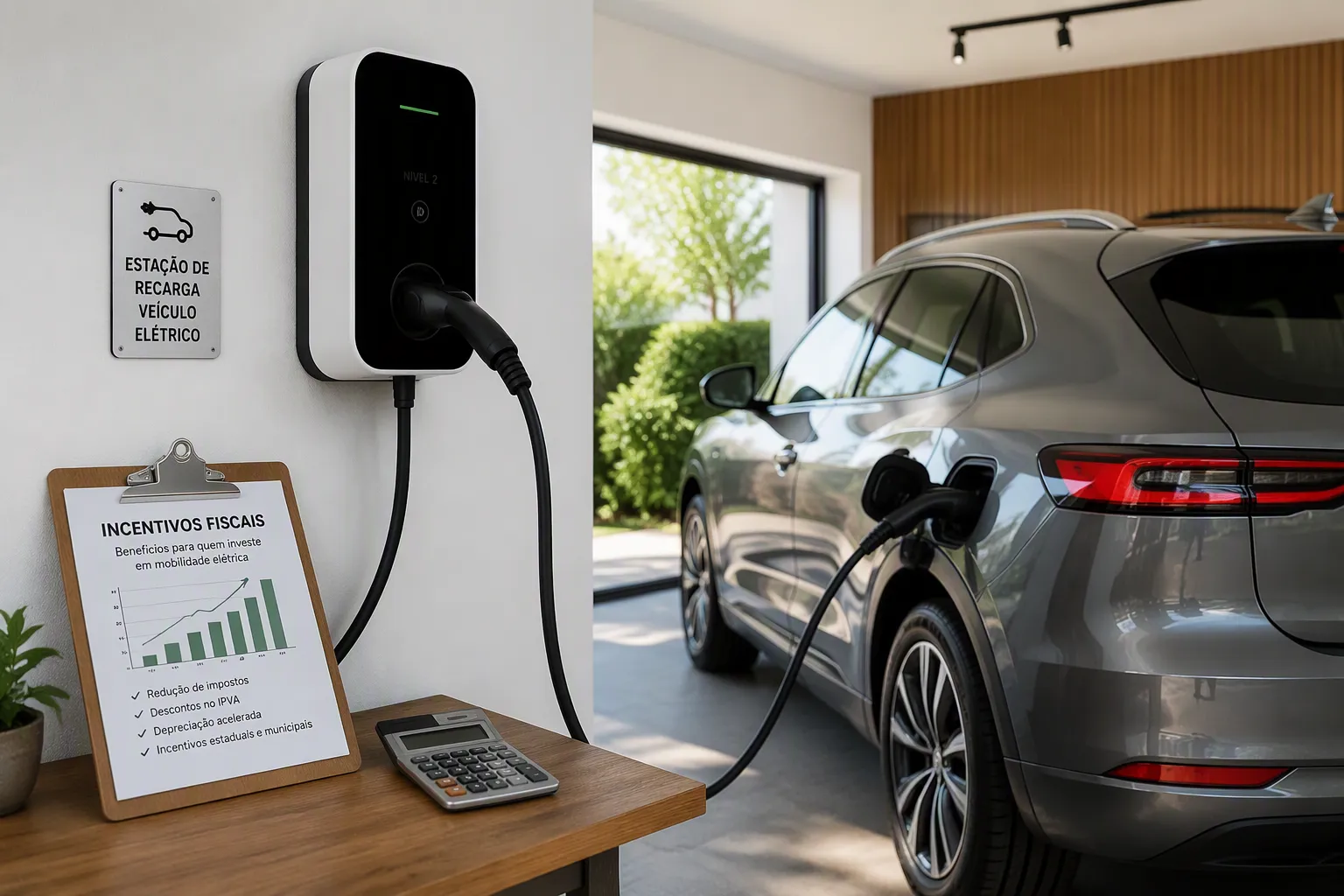
National programs support the installation of charging infrastructure across France. The ADVENIR program stands out as a leading initiative. It covers up to 40% of installation costs for companies and public entities. Municipalities benefit from subsidies that provide up to €2,160 per charging point when installing infrastructure near residences or workplaces. Condominium support offers up to 50% of installation costs for charging points in shared buildings, aiming for thousands of installations.
| Programa de incentivos | Descripción |
|---|---|
| ADVENIR | Covers up to 40% of costs for installation of charging points for companies and public entities. |
| Subsidies | Provides up to €2,160 per charging point for municipalities installing infrastructure near residences or workplaces. |
| Condominium Support | Offers up to 50% of installation costs for charging points in condominiums, aiming for 3,000 installations by 2022. |
Regional and Local Support
Regional and local governments offer additional grants to support the charging station business. These incentives target areas with limited access to charging infrastructure. Local authorities may provide funding for site preparation, equipment, and public awareness campaigns. Business owners should contact their regional offices to learn about current programs and eligibility requirements.
Tip: Apply early for regional grants to secure funding before budgets run out.
Tax Benefits for EV Charging Station Installation
VAT Reductions
Tax benefits play a significant role in lowering installation costs. French business owners may qualify for VAT reductions on equipment and services related to ev charging station installation. These reductions decrease upfront expenses and improve cash flow for the charging station business.
Depreciation Allowances
Depreciation allowances allow business owners to spread the cost of equipment over several years. This approach reduces taxable income and supports long-term investment in ev charging station infrastructure. Owners should consult tax professionals to maximize these benefits and ensure compliance with French regulations.
Energy Provider Partnerships for Commercial EV Charger Installation
Utility Company Programs
Utility companies in France offer partnership programs to support commercial ev charger installation. These programs provide technical assistance, grid connection services, and sometimes financial incentives. Electreon collaborates with Bpifrance and relevant French Ministries to deploy wireless charging systems as part of a pilot project. Business owners gain access to innovative technology and expert support.
Green Energy Options
Energy providers promote green energy options for ev charging station operators. Owners can choose renewable electricity sources, such as solar or wind, to power their stations. This choice reduces emissions and enhances the reputation of the charging station business. Incentive programs are administered by government agencies, and eligibility depends on specific criteria.
- Utility company partnerships offer technical support and access to pilot projects.
- Green energy options help reduce environmental impact and attract eco-conscious customers.
Business owners who leverage grants, tax benefits, and energy provider partnerships can launch and grow their ev charging station business efficiently. These incentives lower installation costs and support the transition to electric mobility.
Installing a commercial EV charging station in France involves careful planning and ongoing management. French business owners gain several advantages by following this checklist:
- Hitting ESG targets strengthens sustainability credentials.
- Financial benefits include VAT recovery and new income streams.
- Future-proofing assets attracts tenants and increases property value.
- Regulatory compliance prevents fines and unlocks incentives.
- Increased customer dwell time boosts foot traffic and spending.
A well-managed ev charging station supports the transition to electric mobility and ensures a successful ev charging station business.
PREGUNTAS FRECUENTES
What permits does a French business need for a commercial EV charging station?
A business must secure municipal building permits and comply with zoning laws. They also need to meet national electrical codes and EU directives. Early consultation with local authorities helps avoid delays.
How long does installation of a commercial EV charging station take?
Installation usually takes two to six weeks. The timeline depends on site preparation, electrical upgrades, and permit approvals. Certified installers can provide a detailed schedule after the initial assessment.
What types of vehicles can use commercial EV charging stations?
Most commercial stations support passenger cars, delivery vans, and fleet vehicles. Owners should select chargers with multiple connector types to accommodate different electric vehicle models.
Are there financial incentives for installing EV charging stations in France?
Yes. Programs like ADVENIR cover up to 40% of installation costs. Regional grants and VAT reductions also help lower expenses. Owners should check eligibility before starting the project.
How does a business manage payments at a commercial EV charging station?
Operators use contactless payment systems, mobile apps, or RFID cards. Some offer subscription models for frequent users. Management software tracks transactions and generates reports.
What maintenance does a commercial EV charging station require?
Routine maintenance includes cleaning, visual inspections, and software updates. Technicians check for physical damage and test system functionality. Service agreements often cover emergency support.
Can a business expand its charging station in the future?
Yes. Owners should plan for scalability during the initial design. Reserving extra space and upgrading electrical infrastructure allows for easy addition of more charging points.
Is green energy available for commercial EV charging stations?
Many energy providers offer renewable electricity options. Using green energy reduces emissions and supports sustainability goals. Some regions provide incentives for choosing renewable sources.