How much does EV charging cost?
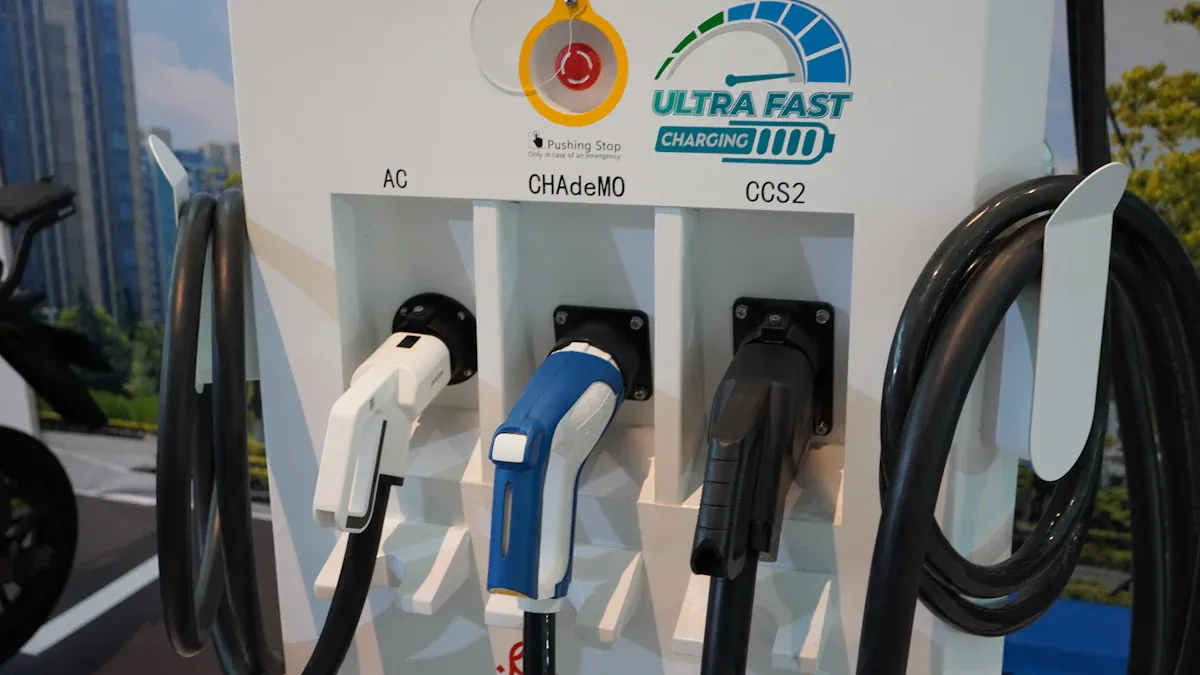
The EV charging cost varies, from $5-$25 for a full charge at home to $15-$45 at a public DC fast charger. Home charging is the most affordable option.

The EV charging cost varies, from $5-$25 for a full charge at home to $15-$45 at a public DC fast charger. Home charging is the most affordable option.

An EV charger typically adds $30 to $80 to your monthly electric bill. This cost depends on your car’s efficiency, mileage, and local electricity rates.
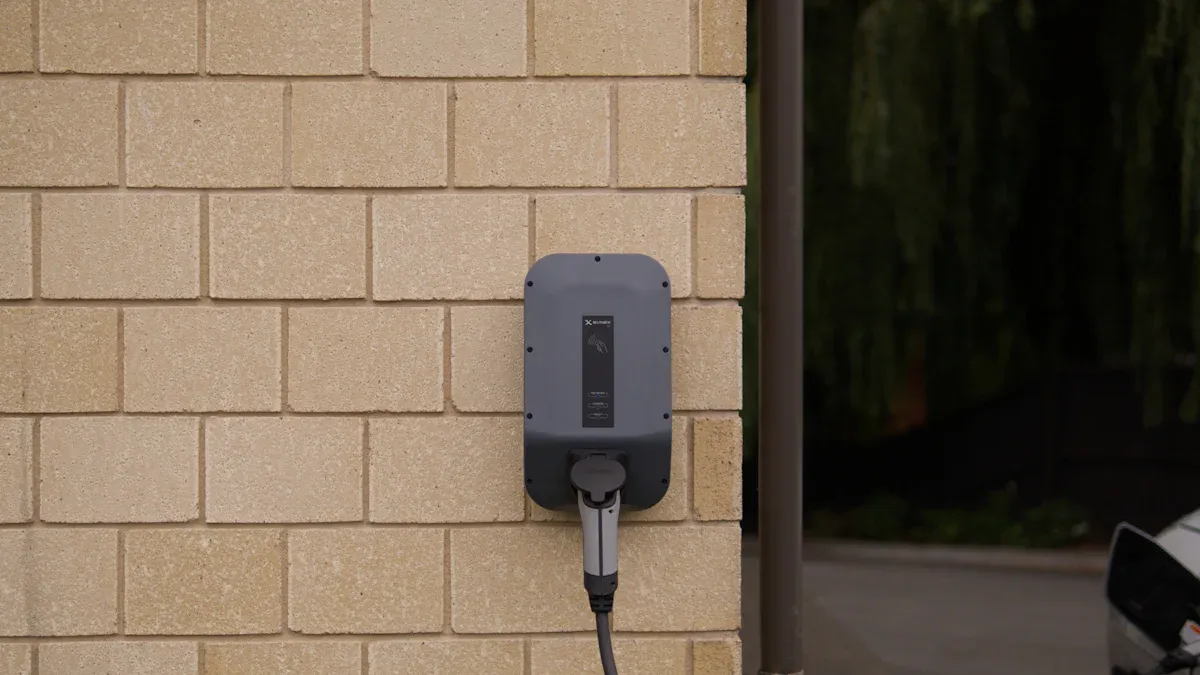
An electrician charge for a Level 2 EV charger installation typically ranges from $1,200 to $2,500, including the unit, labor, and permits for your home.

In 2025, a Level 2 EV charger installation costs €1,200-€2,500 in France. With a €500 tax credit, the net cost is €700-€2,000 for the unit and labor.

EV charging stations typically charge $0.20-$0.50/kWh for Level 2 and $0.40-$0.75/kWh for DC fast charging. Costs vary by network, location, and time of day.

In 2024, a full fast charge in Singapore costs between S$35 and S$55. The final fast charge cost depends on your EV’s battery and the provider’s S$/kWh rate.

A commercial EV charging station costs from $6,000 for a Level 2 charger to over $100,000 for a DC fast charger, including hardware and installation fees.
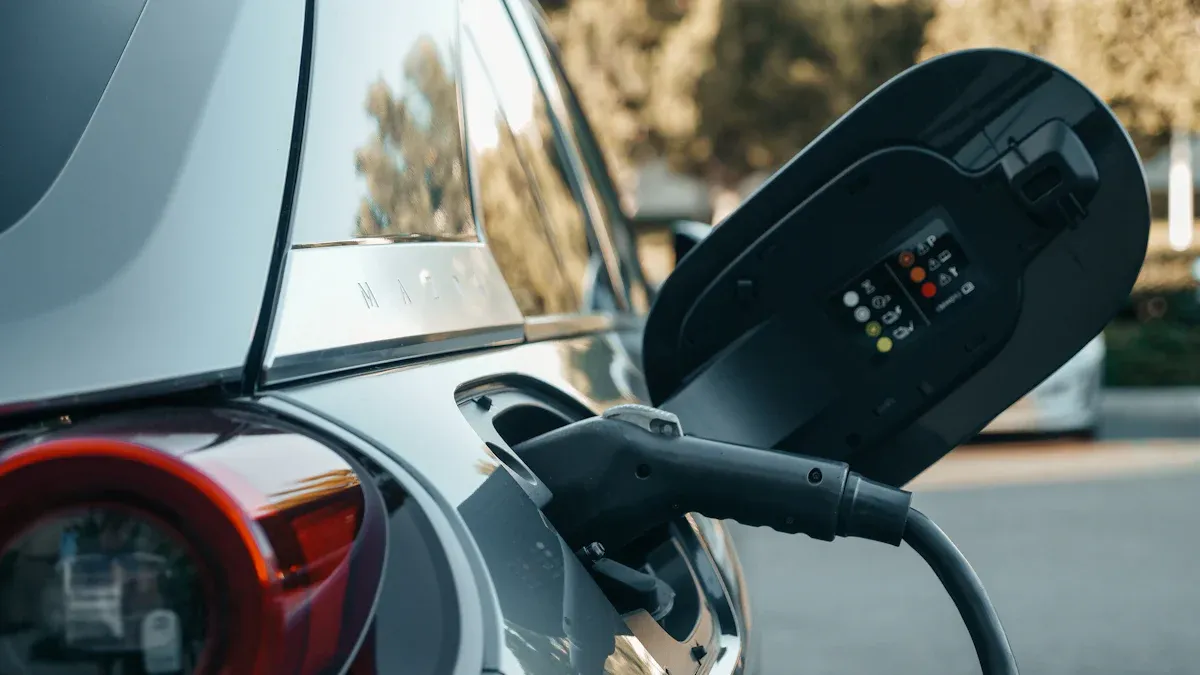
Using a Level 2 charger, you can charge an EV at home in 4 to 10 hours, adding 25-30 miles of range per hour. This ensures a full battery overnight.

How long does it take to charge an EV car? A full charge at home takes 6-12 hours. At a public station, a fast charger can charge an EV to 80% in 20-60 minutes.
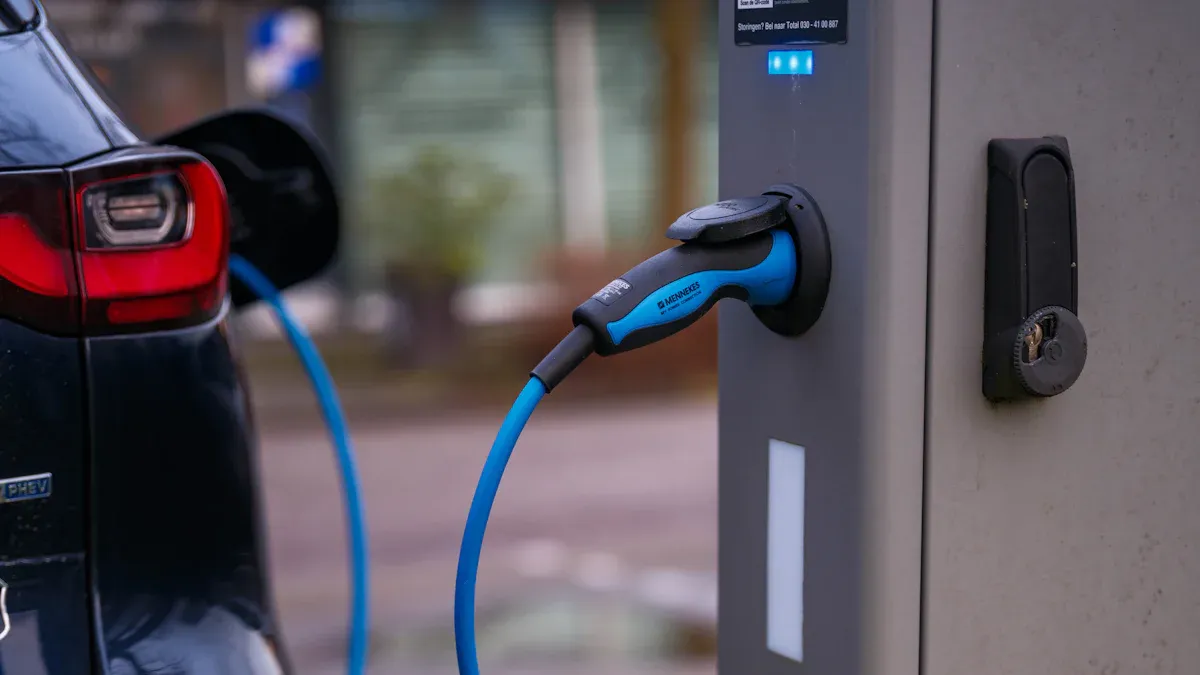
For daily driving, keep your EV battery between 20% and 80% to maximize its lifespan. Avoid letting it regularly drop below 20% to prevent excess wear.
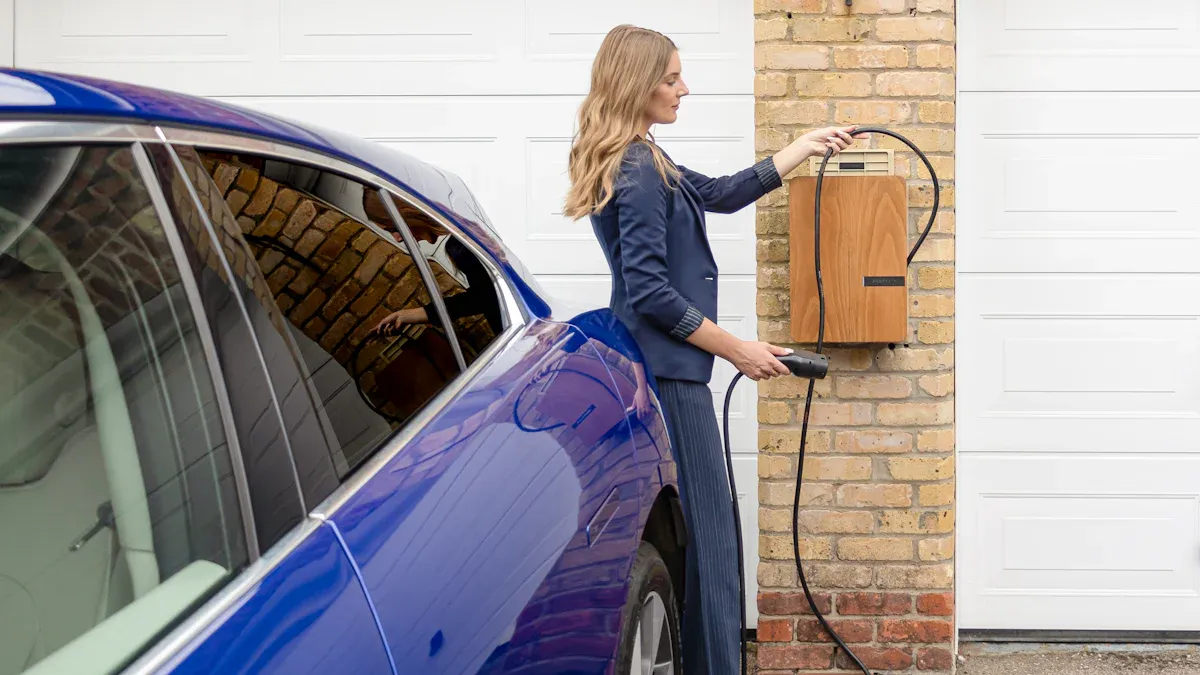
En los Países Bajos, un cargador portátil para VE suministra entre 2,3 y 3,7 kW desde un enchufe doméstico, lo que añade entre 10 y 15 km de autonomía por hora, ideal para la carga nocturna.

El tiempo de carga de un coche eléctrico en una estación pública oscila entre 20 minutos y más de 8 horas. Un cargador rápido de CC añade una autonomía significativa en menos de una hora, mientras que un cargador de nivel 2 tarda varias horas en realizar una carga completa.

El tiempo de carga de un VE oscila entre 20 minutos y más de 24 horas. Un VE típico de 60 kWh tarda unas 8 horas en cargarse por completo con un cargador doméstico de 7 kW.

Un cargador doméstico de 7,4 kW añade 40-50 km de autonomía por hora, cargando por completo la mayoría de los VE durante la noche. Nuestra guía de velocidades de carga explicadas lo cubre todo para los propietarios españoles.
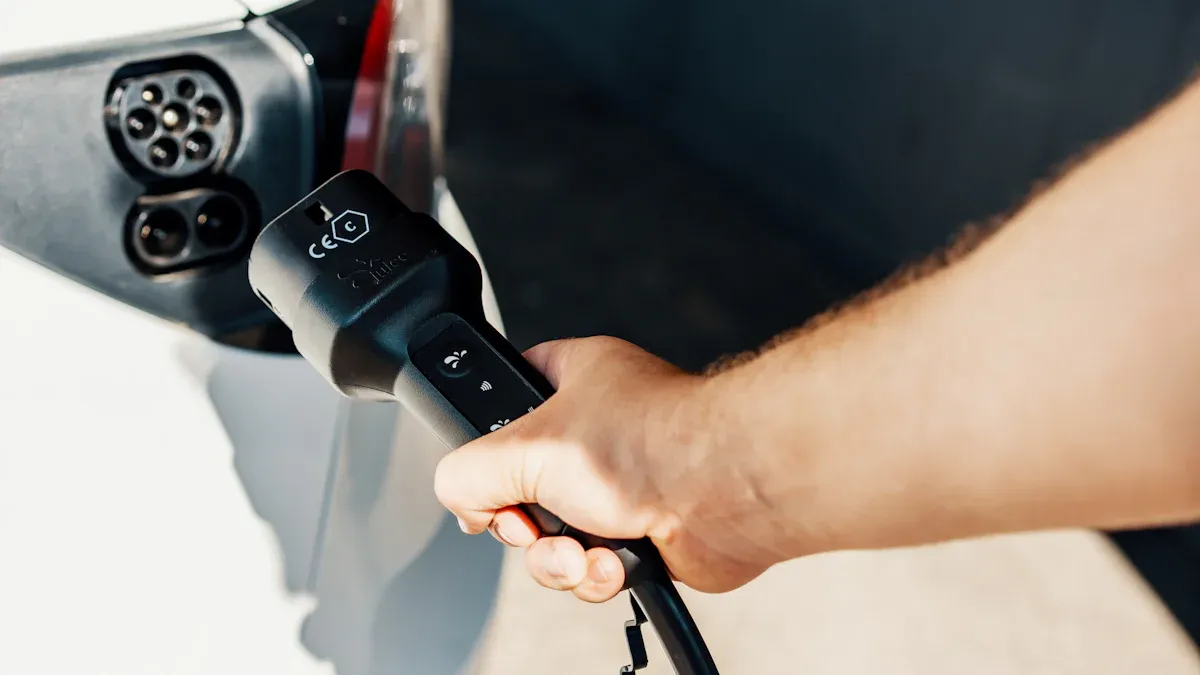
EV charging works by converting AC power from the grid to DC power for your car’s battery. This happens in the car for slow AC charging or at the station for fast DC charging.

A Level 2 charger adds 12 to 80 miles of range per hour, allowing a full EV charge in 4-10 hours. Your final speed depends on the charger’s power and your car.
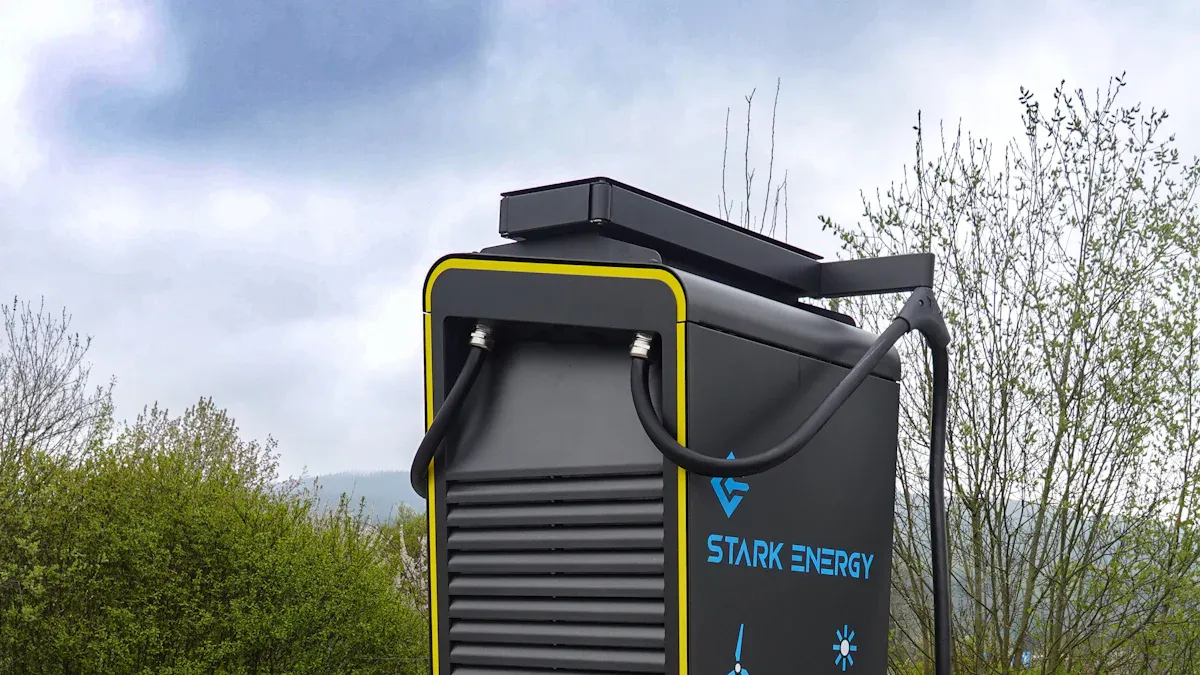
Las estaciones de recarga de vehículos eléctricos obtienen ingresos a través de las tarifas directas que cobran los usuarios (por kWh, sesión o suscripción) y de los ingresos indirectos que obtienen al atraer a clientes que gastan más en los puntos de recarga.

Las redes de cargadores de vehículos eléctricos son sistemas basados en aplicaciones para encontrar, autentificar y pagar por la recarga. Para recarga rápida, Tesla y Electrify America tienen la mejor cobertura.