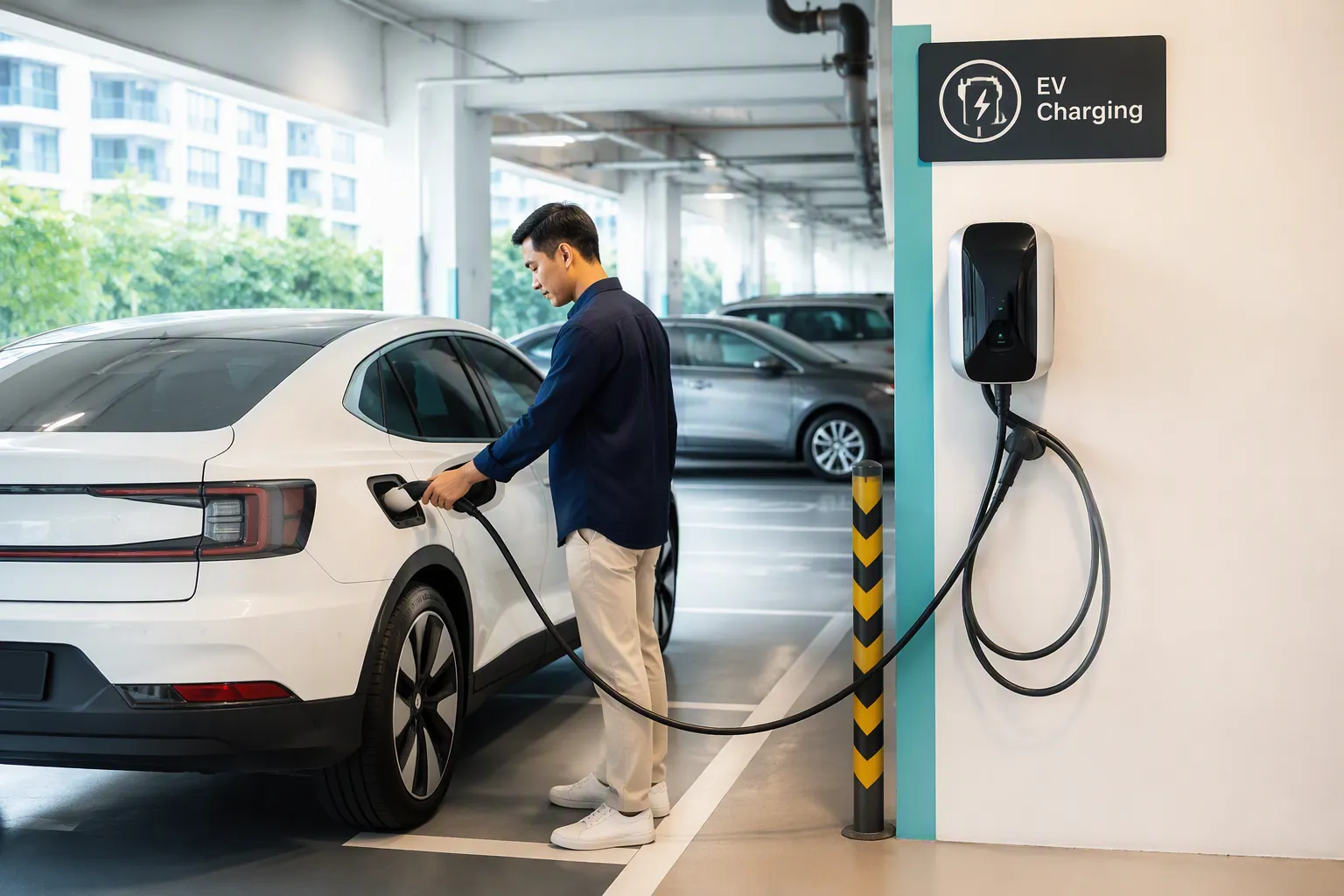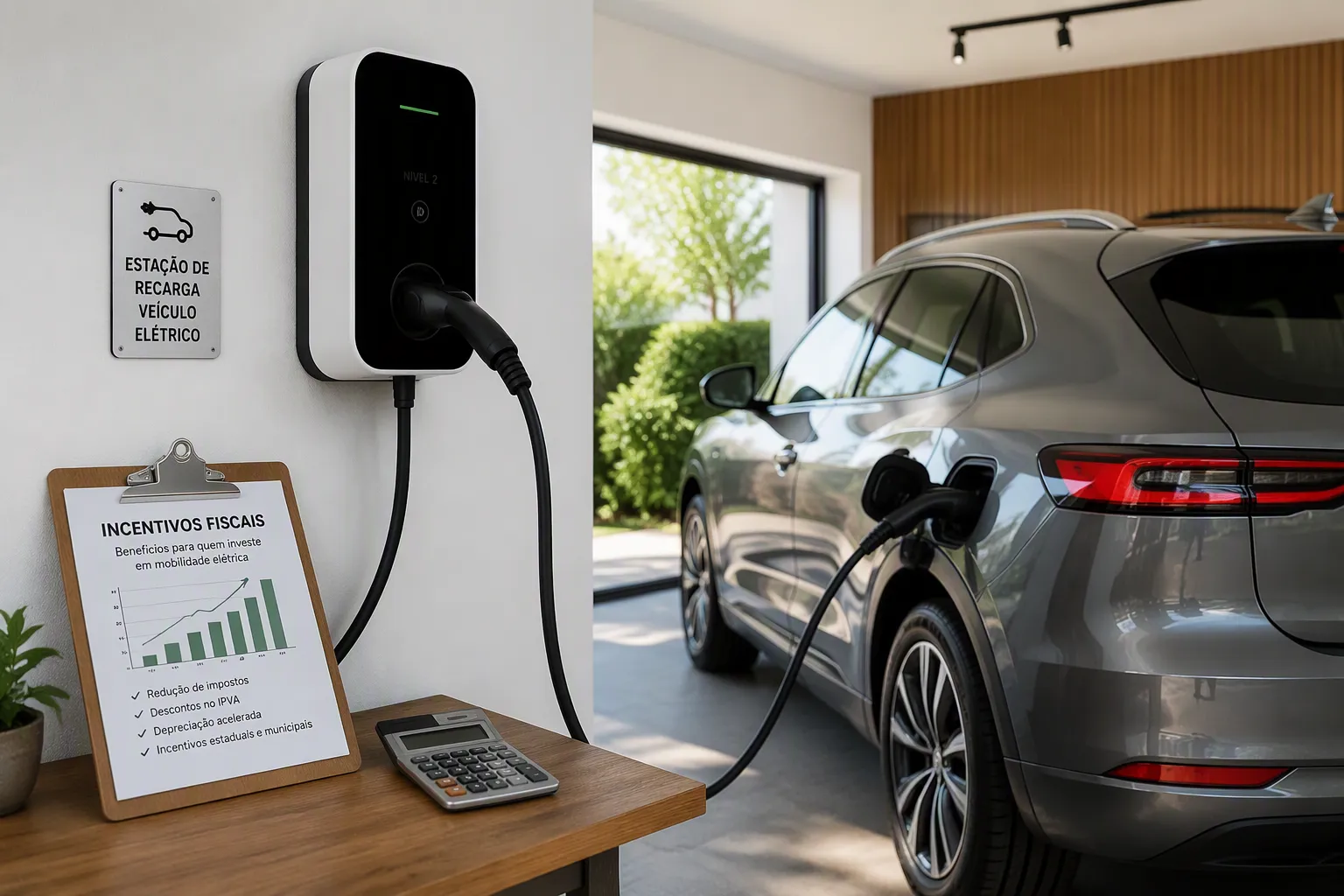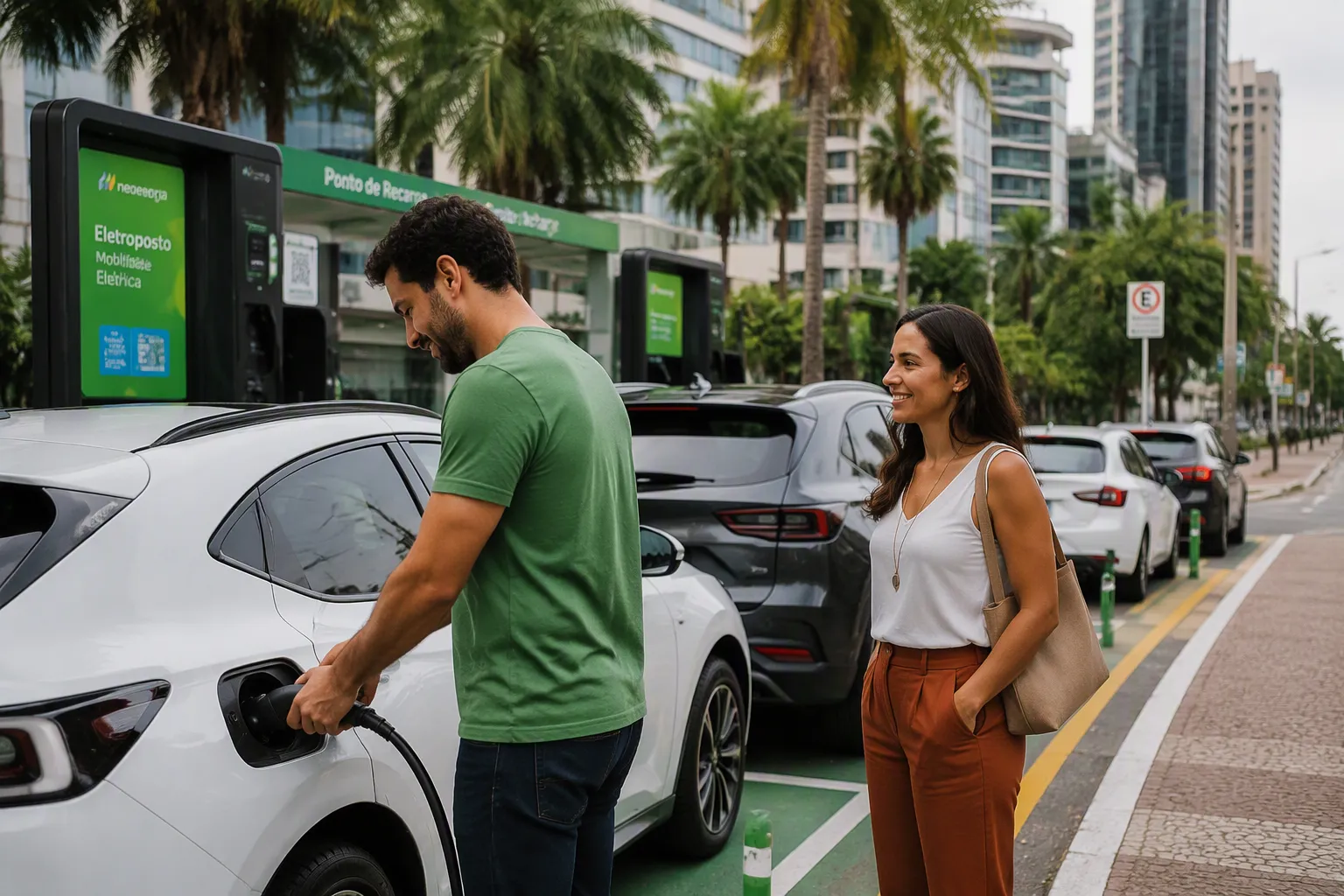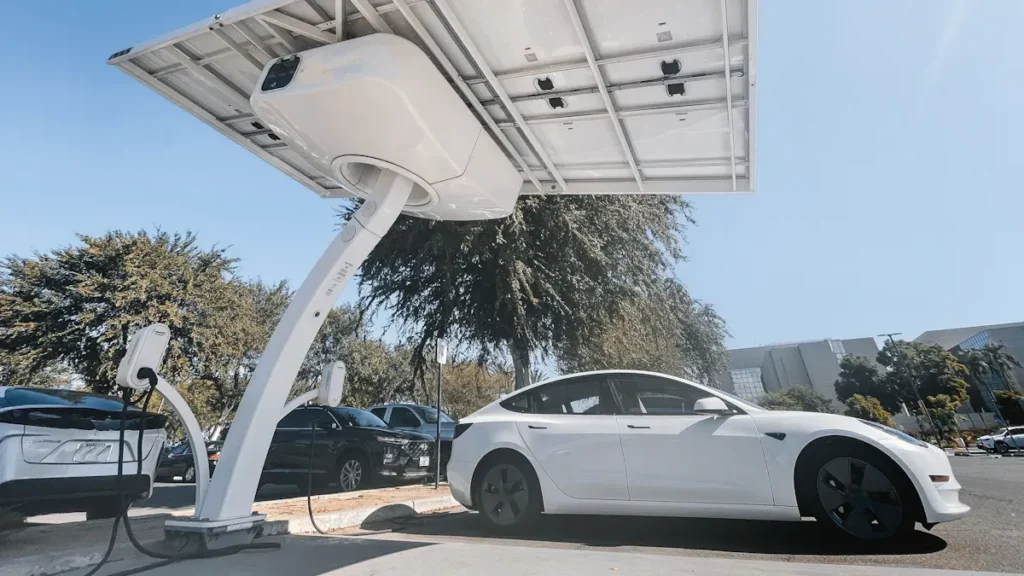
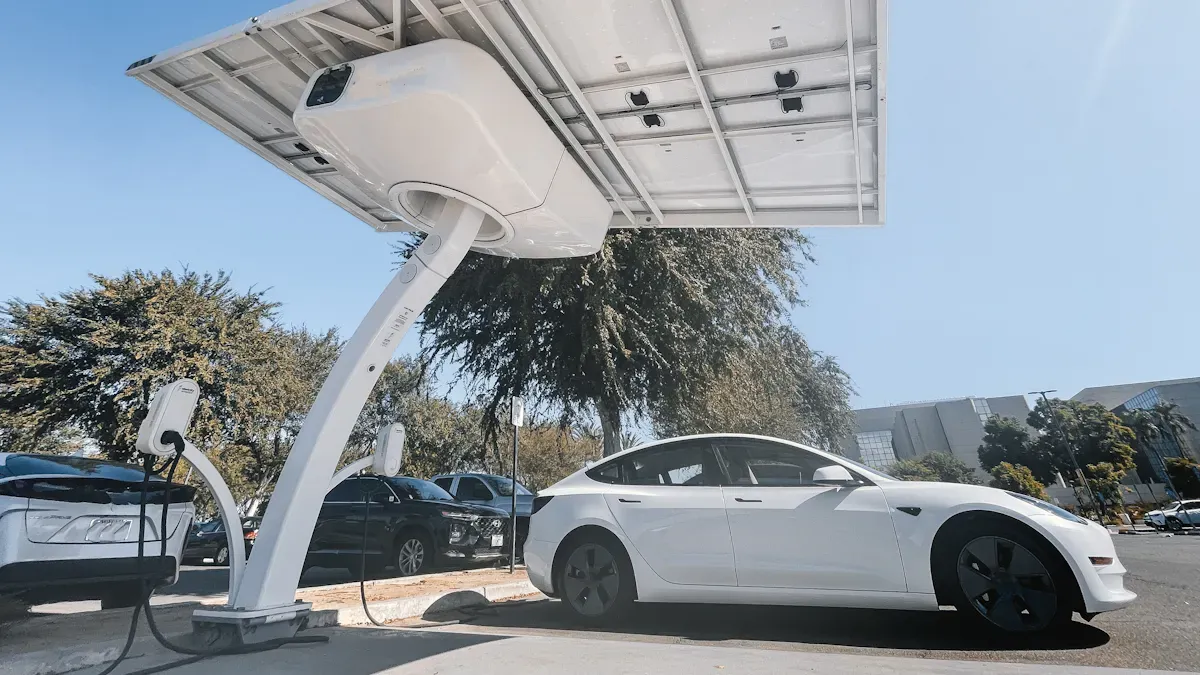
The Future of Charging in ASEAN shows rapid change as technology advances and consumer needs shift. Many people use adapters daily, but new standards drive demand for seamless solutions. Cargador EV infrastructure grows, supported by Fabricantes de cargadores para VE e innovador Soluciones de recarga de vehículos eléctricos. Cargadores portátiles now offer flexibility for travelers and commuters. These trends suggest that adapters may soon lose their relevance, paving the way for a more unified charging experience.
Current State of Charging and Adapter Use in ASEAN

Charging Standards and Device Compatibility
Popular Device Types and Charging Ports in ASEAN
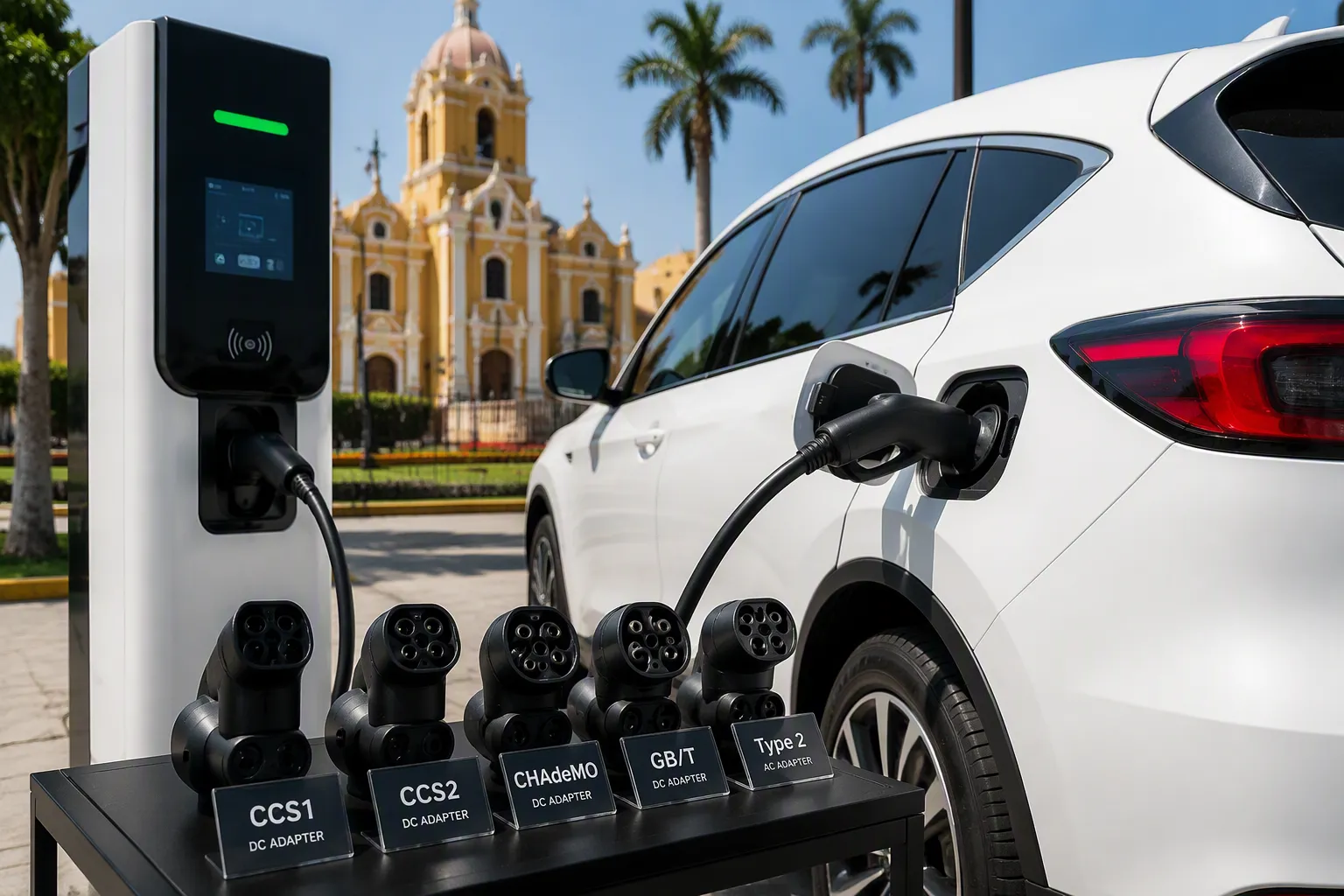
People in ASEAN countries use a wide range of devices, from smartphones and tablets to electric vehicles (EVs). Each device often requires a specific charging port or connector. The region sees a mix of legacy ports, such as micro-USB and proprietary connectors, alongside newer standards like USB-C. For EVs, several connector types exist, each with unique features and power capacities. The table below highlights the most common charging connectors found in ASEAN markets:
| Tipo de conector | Descripción | Modo de carga | Power Capacity |
|---|---|---|---|
| Tipo 1 (SAE J1772) | Used in Asian markets, single-phase AC power | Mode 2, Mode 3 | 3kW – 7kW |
| GB/T | Standard plug in China, AC and DC versions | Trifásico | Up to 190kW |
| Type 2 (SAE J3068) | Common outside Asia, three-phase AC or high-current DC | Modes 1, 2 | 22kW (three-phase), 7.4kW (single-phase) |
| CHAdeMO | DC power at high currents, designed for quick charging | Trifásico | Up to 62.5kW |
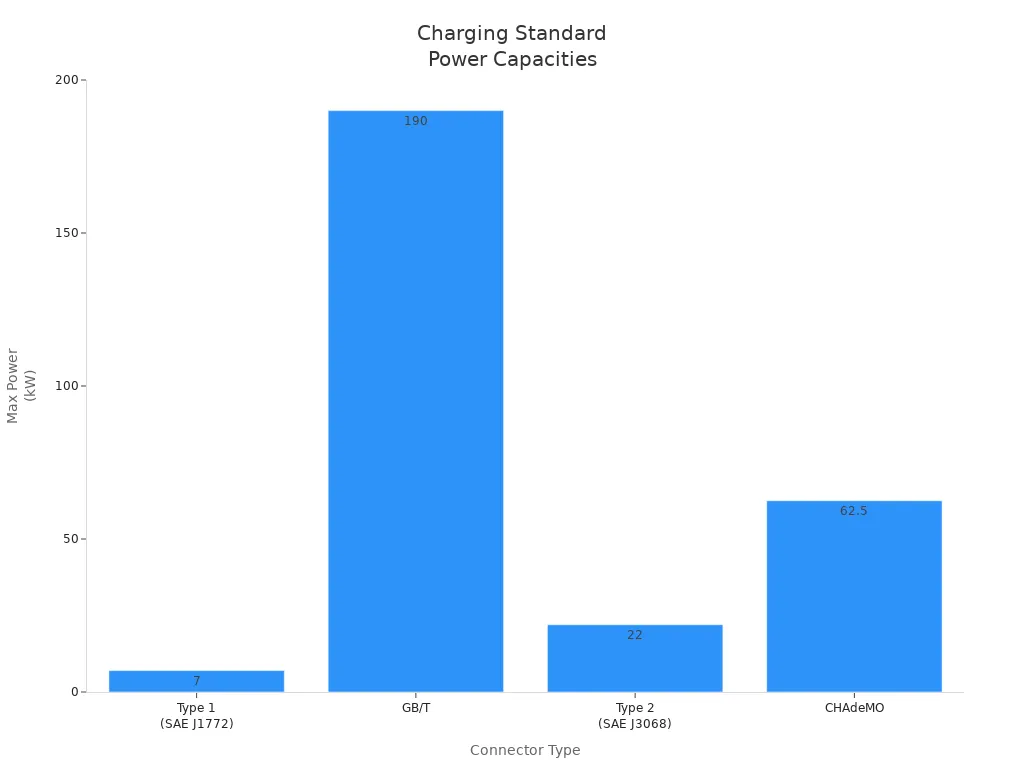
The chart below compares the maximum power capacity of these connector types, showing the diversity in charging speeds available in the region:
Prevalence and Role of Adapters in Daily Life
Adapters play a crucial role in daily life across ASEAN. Many households and businesses rely on adapters to bridge the gap between different charging standards. Travelers often carry multiple adapters to ensure compatibility with various devices and charging stations. The need for adapters remains high due to the coexistence of old and new technologies.
Challenges with Multiple Charging Standards
Compatibility Issues Across Devices and Brands
Device compatibility presents a significant challenge in the region. Users encounter difficulties when charging devices from different brands or countries. For example, an EV owner may find that a charging station supports only one connector type, leaving other vehicles unsupported. This fragmentation slows the adoption of new technologies and complicates the charging process.
Several initiatives aim to address these issues. In Malaysia, ChargEV leads a technical committee focused on EV charging standards. The adoption of CCS2 as the primary standard in Malaysia demonstrates progress toward broader compatibility. This standard supports all EVs, making it easier for users to access charging infrastructure.
Consumer Frustrations and Common Workarounds
Consumers often express frustration with the need to carry multiple adapters and cables. They face confusion when selecting the correct charger for each device. Many people develop workarounds, such as purchasing universal adapters or multi-port chargers. These solutions offer temporary relief but do not address the root cause of incompatibility.
Note: The Future of Charging in ASEAN depends on continued efforts to standardize ports and connectors. As more countries adopt unified standards, the reliance on adapters will decrease, leading to a more seamless charging experience.
Technological Trends and the Future of Charging
Standardization and USB-C Adoption
Influence of Global Tech Brands on ASEAN Markets
Global technology brands shape the charging landscape in ASEAN. Companies like Samsung, Huawei, and Apple set trends by adopting new charging standards. Their decisions influence local manufacturers and consumers. When these brands switch to USB-C, device makers in ASEAN often follow. This shift creates a ripple effect across the region. Consumers see more USB-C devices in stores and online. Retailers adjust their inventory to match the new demand.
Transition from Legacy Ports to USB-C
The transition from legacy ports to USB-C continues to accelerate. Many smartphone and laptop makers now use USB-C as the default charging port. This change simplifies the charging process for users. They no longer need to carry multiple cables for different devices. The move to USB-C also supports faster charging and data transfer. As more devices adopt this standard, the Future of Charging in ASEAN looks more unified and convenient.
Advances in Smart and Adaptive Charging
Integration with Smart Homes and IoT Devices
Smart homes and IoT devices play a growing role in the charging ecosystem. Homeowners can now control charging schedules through mobile apps or voice assistants. Smart plugs and connected chargers allow users to monitor energy usage. These features help reduce electricity costs and improve safety. The integration of charging solutions with smart home systems marks a key step in the Future of Charging.
Adaptive Charging Technologies and User Benefits
Adaptive charging technologies adjust power delivery based on device needs. This approach protects batteries and extends device life. For example, some chargers slow down charging when a device reaches 80% capacity. Users benefit from longer-lasting devices and lower replacement costs. Companies like TPSON lead the way with advanced adaptive charging solutions for electric vehicles and consumer electronics.
Hardware Innovations Shaping the Future of Charging
Universal Chargers and Multi-Device Solutions
Universal chargers and multi-device solutions gain popularity in ASEAN. These products allow users to charge several devices at once. A single charger can support smartphones, tablets, and even laptops. This innovation reduces clutter and simplifies daily routines. Many hotels and airports now offer universal charging stations for travelers.
Fast Charging, Ultra-Fast Charging, and Power Delivery
Carga rápida and ultra-fast charging technologies continue to evolve. Power delivery standards enable higher wattage and shorter charging times. Users can charge their devices in minutes instead of hours. EV charging solutions from providers like TPSON offer fast and reliable charging for electric vehicles. These advancements make the Future of Charging more efficient and user-friendly.
Tip: Users should check device compatibility before purchasing new chargers to ensure optimal performance.
Infrastructure and Policy Developments Impacting Adapter Use
Government Regulations and Environmental Policies
Push for Standardized Charging Ports Across ASEAN
Governments in ASEAN recognize the importance of unified charging standards. They have started to introduce regulations that encourage manufacturers to adopt common charging ports. For example, several countries now require new electronic devices to support USB-C or similar universal connectors. This policy aims to reduce confusion for consumers and streamline the charging process. Regulators believe that standardization will help lower costs for both users and manufacturers.
E-Waste Reduction Initiatives and Their Impact
E-waste presents a growing challenge in the region. Old adapters and cables often end up in landfills, creating environmental hazards. Policymakers have responded with initiatives that promote recycling and responsible disposal. Some governments offer incentives for companies that design eco-friendly charging solutions. These efforts help reduce the number of obsolete adapters in circulation. As a result, the region moves closer to a cleaner and more sustainable charging ecosystem.
Note: E-waste reduction policies not only protect the environment but also support the transition to fewer adapters and more universal charging solutions.
Regional Collaboration and Standardization Efforts
ASEAN-Level Agreements on Charging Standards
ASEAN member states have begun to collaborate on charging standards. They participate in regional forums and technical committees to align their policies. These agreements help ensure that devices and charging stations remain compatible across borders. Manufacturers benefit from clear guidelines, while consumers enjoy a more consistent charging experience.
Cross-Border Compatibility and Traveler Convenience
Travelers in Southeast Asia often face challenges when charging their devices abroad. Regional standardization efforts address this issue by promoting cross-border compatibility. Hotels, airports, and public spaces now invest in charging stations that support multiple device types. This trend improves convenience for tourists and business travelers. It also encourages the adoption of new technologies throughout the region.
Investments in Charging Infrastructure
Expansion of Public and Private Charging Networks
Both public and private sectors invest heavily in charging infrastructure. Cities expand networks of EV charging stations to support the growing number of electric vehicles. Businesses install charging points in offices, malls, and parking lots. These investments make it easier for users to charge devices without relying on adapters.
Support for Wireless Charging Stations and Battery Swapping
Innovative solutions like wireless charging stations and battery swapping gain traction in ASEAN. Companies pilot wireless charging zones in cafes and airports. Battery swapping services for electric scooters and motorcycles offer fast and convenient energy replenishment. These advancements signal a shift toward a more flexible and adapter-free charging environment.
The Future of Charging in ASEAN depends on continued collaboration, investment, and policy support. These efforts pave the way for a seamless and sustainable charging experience for all.
The Future of Charging: Scenarios and Possibilities
Universal Chargers and Adapter-Free Devices
Timeline for Widespread Adoption in ASEAN
Industry experts predict that universal chargers will become the norm in ASEAN within the next five to seven years. Many device manufacturers have already shifted to USB-C, and regional governments continue to push for standardization. Large cities in Singapore, Malaysia, and Thailand have started to see public spaces equipped with universal charging stations. Rural areas may experience a slower transition due to infrastructure limitations and the continued use of legacy devices.
A possible timeline for widespread adoption in ASEAN:
- 2024-2026: Major cities complete the rollout of universal charging stations in airports, hotels, and shopping centers.
- 2026-2028: Most new consumer electronics and electric vehicles launch with universal charging ports.
- 2028-2030: Legacy devices phase out, and adapter sales decline sharply. Universal chargers become standard in homes and businesses.
Note: The speed of adoption depends on government incentives, consumer demand, and the willingness of manufacturers to update product lines.
Impact on Consumers, Manufacturers, and Legacy Devices
Universal chargers will simplify life for consumers. People will no longer need to carry multiple adapters or worry about compatibility. This change will reduce electronic waste and lower costs for households. Manufacturers will benefit from streamlined production processes and reduced inventory complexity. They can focus on innovation rather than maintaining support for outdated charging standards.
Legacy devices present a challenge during the transition. Some users will keep older electronics for several years, which means adapters will remain necessary in the short term. Retailers may continue to offer adapters as a niche product, but demand will decrease as the Future of Charging becomes more unified.
Wireless Charging and Emerging Solutions
Current State and Growth of Wireless Charging in ASEAN
Wireless charging technology has gained momentum in ASEAN. Many smartphone brands now include wireless charging capabilities in their flagship models. Cafes, airports, and hotels in major cities have started to install wireless charging pads for customer convenience. The automotive sector also explores wireless charging for electric vehicles, although adoption remains in the early stages.
A table summarizing the current state of wireless charging in key ASEAN markets:
| País | Public Wireless Charging Availability | EV Wireless Charging Pilots | Consumer Adoption Rate |
|---|---|---|---|
| Singapur | Alta | Sí | Moderado |
| Malasia | Moderado | Limitado | Bajo |
| Tailandia | Moderado | Sí | Bajo |
| Indonesia | Bajo | No | Bajo |
| Vietnam | Bajo | No | Bajo |
Potential for Public Wireless Charging Zones and Battery Swapping
The Future of Charging in ASEAN will likely include public wireless charging zones in high-traffic areas. These zones will allow users to charge devices without cables or adapters. Airports, malls, and universities may lead the way by offering wireless charging as a standard amenity.
Battery swapping stations represent another emerging solution, especially for electric scooters and motorcycles. Riders can exchange depleted batteries for fully charged ones in minutes. This approach reduces downtime and eliminates the need for adapters. Companies in Indonesia and Vietnam have started pilot programs to test the viability of battery swapping networks.
Tip: Businesses that invest early in wireless charging infrastructure can attract tech-savvy customers and set themselves apart from competitors.
Remaining Barriers to Adapter Obsolescence
Legacy Devices and Transition Periods
Many households and businesses in ASEAN still use legacy devices that require proprietary adapters. The transition to universal charging will not happen overnight. Schools, offices, and public institutions may need several years to upgrade their equipment. During this period, adapters will remain essential for bridging the gap between old and new technologies.
A few common scenarios where adapters will persist:
- Users with older laptops or smartphones
- Small businesses with legacy point-of-sale systems
- Public facilities with outdated charging infrastructure
Alert: Consumers should plan for a gradual transition and avoid discarding adapters until all devices support universal charging.
Economic and Accessibility Considerations
Economic factors influence the pace of change. Not all consumers can afford to replace devices immediately. Lower-income communities may prioritize cost over convenience, which extends the lifespan of legacy devices and adapters. Governments and NGOs can help by offering subsidies or recycling programs to encourage the adoption of new charging standards.
Accessibility also matters. Rural areas may lack access to the latest charging infrastructure. Policymakers must ensure that the benefits of the Future of Charging reach all segments of society. Inclusive planning will help bridge the digital divide and create a more equitable technology landscape.
Note: The journey toward adapter-free charging requires collaboration among governments, manufacturers, and consumers. Success depends on addressing both technological and social challenges.
Impact on Daily Life and Business in ASEAN
What Consumers Can Expect from the Future of Charging
Simplified Charging Experiences and Fewer Adapters
Consumers in ASEAN will notice significant changes in their daily routines. Charging devices will become more straightforward. People will no longer need to search for the right adapter or cable. Most new devices will use the same charging port, which will reduce clutter at home and in the office. Families will share chargers without confusion. Travelers will pack lighter, carrying only one or two cables for all their electronics.
Tip: Consumers should keep a universal charger at home and in their travel bag for maximum convenience.
Retailers will offer fewer types of adapters. This shift will help consumers save money and reduce electronic waste. The market for universal chargers will grow, while demand for single-use adapters will decline. People will spend less time troubleshooting charging issues and more time using their devices.
Preparing for New Charging Standards and Devices
Consumers must stay informed about new charging standards. They should check device specifications before making a purchase. Many manufacturers now include USB-C ports in smartphones, tablets, and laptops. People who upgrade their devices will experience faster charging and improved compatibility.
A simple checklist for consumers preparing for the transition:
- Review device manuals for charging port information.
- Purchase universal or multi-port chargers.
- Recycle old adapters responsibly.
- Monitor government announcements about charging regulations.
Alert: Some legacy devices may still require adapters during the transition period. Consumers should keep essential adapters until all devices support the new standard.
Adaptation by Businesses and Public Spaces
Upgrades in Hotels, Airports, and Cafes
Businesses in the hospitality and travel sectors have started to upgrade their charging infrastructure. Hotels now install universal charging stations in guest rooms and lobbies. Airports provide charging hubs that support multiple device types. Cafes offer wireless charging pads at tables. These upgrades improve customer satisfaction and attract tech-savvy guests.
A table showing common upgrades in public spaces:
| Venue | Tipo de actualización | Customer Benefit |
|---|---|---|
| Hotel | Universal charging stations | Easy charging for all |
| Airport | Multi-port charging hubs | Supports global travelers |
| Cafe | Las almohadillas de carga inalámbrica | Cable-free convenience |
Changes in Workplaces and Educational Institutions
Workplaces and schools also adapt to the Future of Charging. Offices replace old power strips with universal charging docks. Meeting rooms feature wireless charging zones for employees and visitors. Educational institutions update computer labs and libraries with modern charging solutions. These changes support productivity and reduce downtime.
Note: Early adoption of new charging standards can position businesses and schools as leaders in technology and sustainability.
Adapters in ASEAN will likely become obsolete within the next decade as universal charging standards and wireless solutions expand. The Future of Charging depends on strong policy support, rapid technological innovation, and market demand.
- Consumers should monitor device compatibility and recycle outdated adapters.
- Businesses can upgrade infraestructura de recarga to meet new standards.
Staying informed and proactive will help everyone benefit from a seamless charging experience.
PREGUNTAS FRECUENTES
Will adapters disappear completely in ASEAN soon?
Adapters will not vanish overnight. Many users still own legacy devices. The transition to universal charging will take several years. Adapters will remain available during this period.
What is driving the shift toward universal charging in ASEAN?
Governments, global tech brands, and environmental policies drive this shift. They promote standardization and e-waste reduction. Consumers also demand simpler charging solutions.
How does USB-C benefit consumers in ASEAN?
USB-C offers faster charging, higher data transfer speeds, and broad compatibility. Consumers can use one cable for multiple devices. This reduces clutter and confusion.
Are wireless charging stations common in public spaces?
Major cities in ASEAN have started to install wireless charging pads in airports, hotels, and cafes. Rural areas see slower adoption. The trend continues to grow.
What should businesses do to prepare for new charging standards?
Businesses should upgrade estaciones de carga to support universal ports and wireless solutions. They can attract more customers and improve user satisfaction.
How can consumers recycle old adapters and cables?
Many retailers and local governments offer e-waste recycling programs. Consumers should check for collection points in their area. Proper recycling helps protect the environment.
Will legacy devices still work with new charging infrastructure?
Legacy devices will require adapters to connect with new charging stations. Users should keep essential adapters until they replace all older devices.