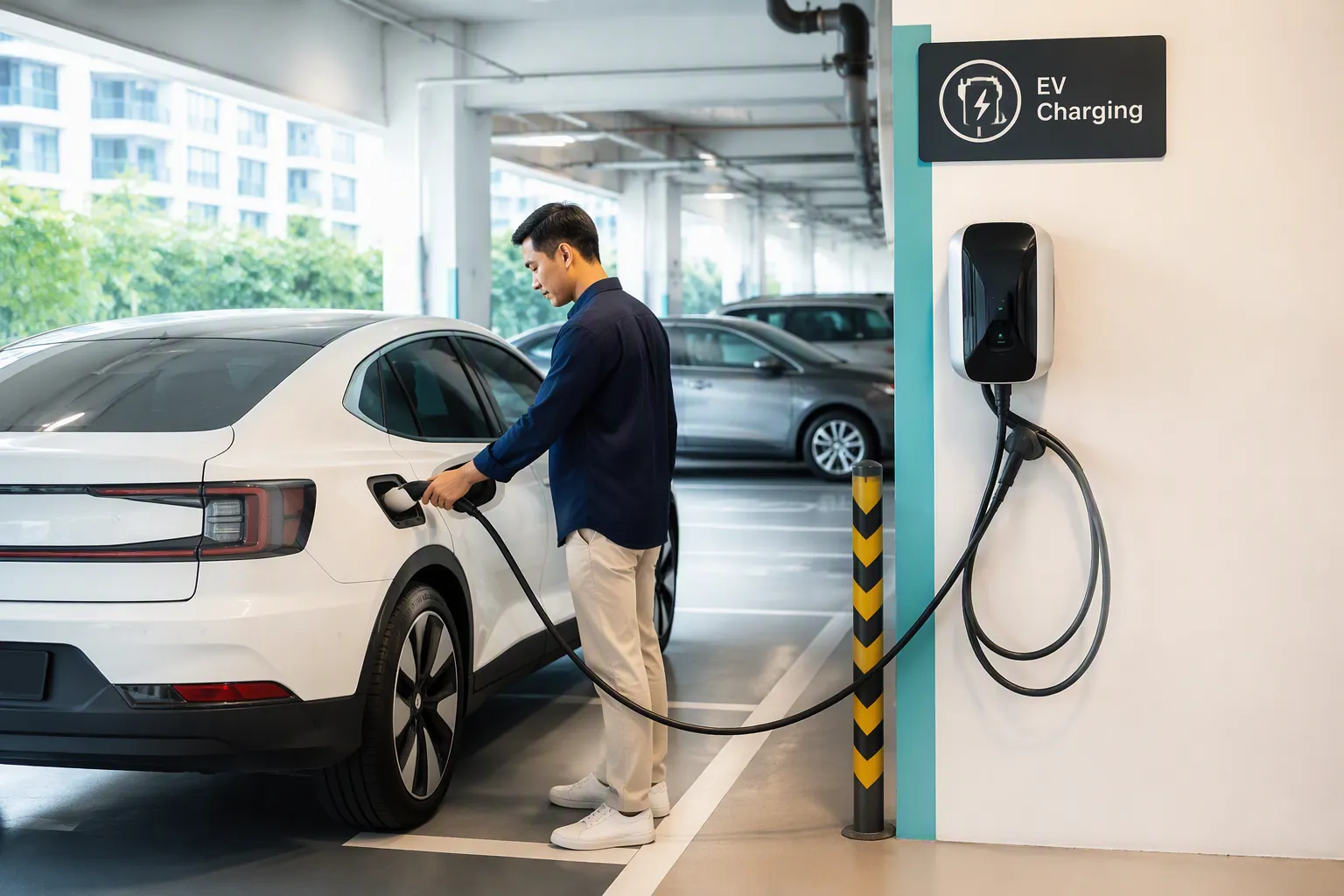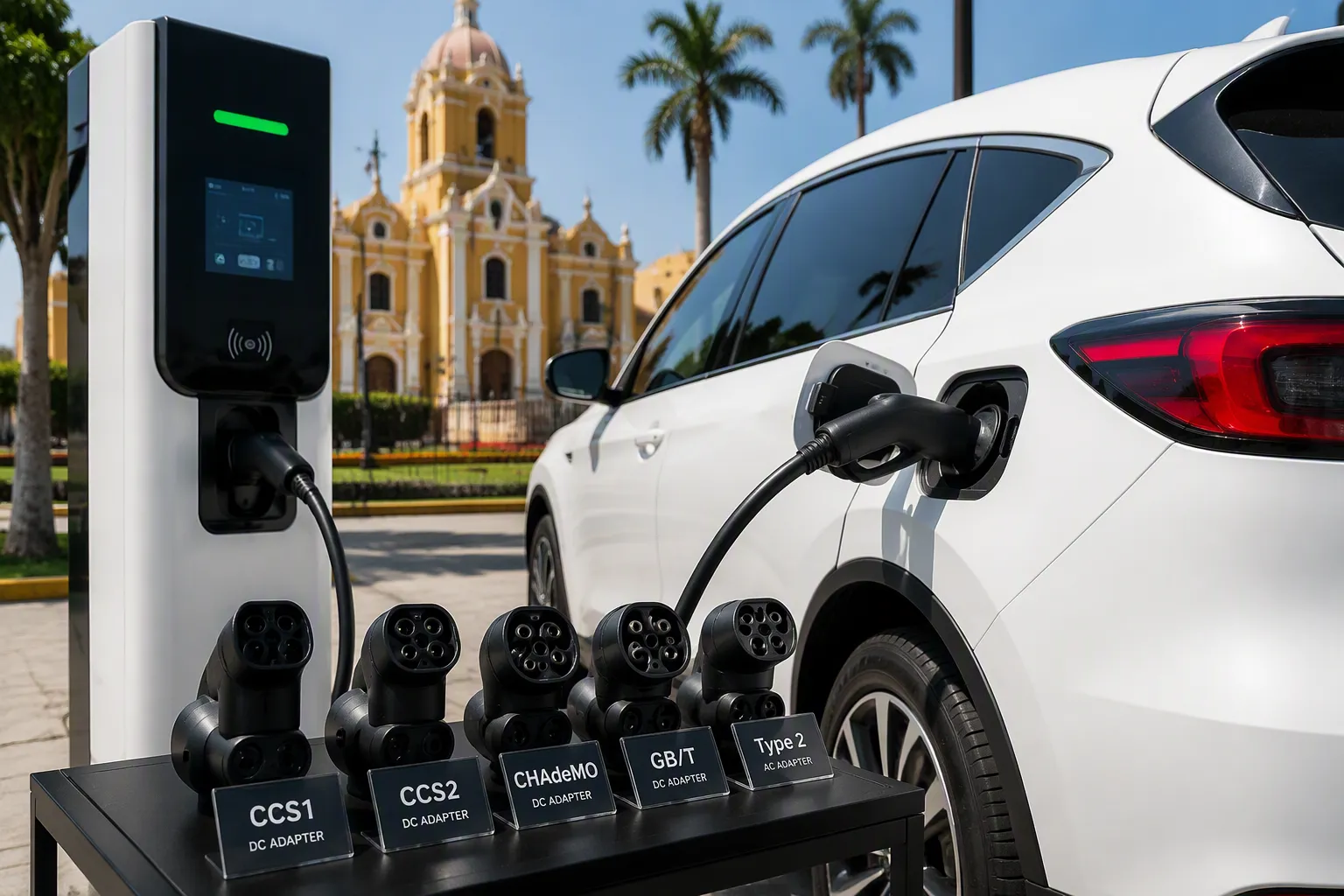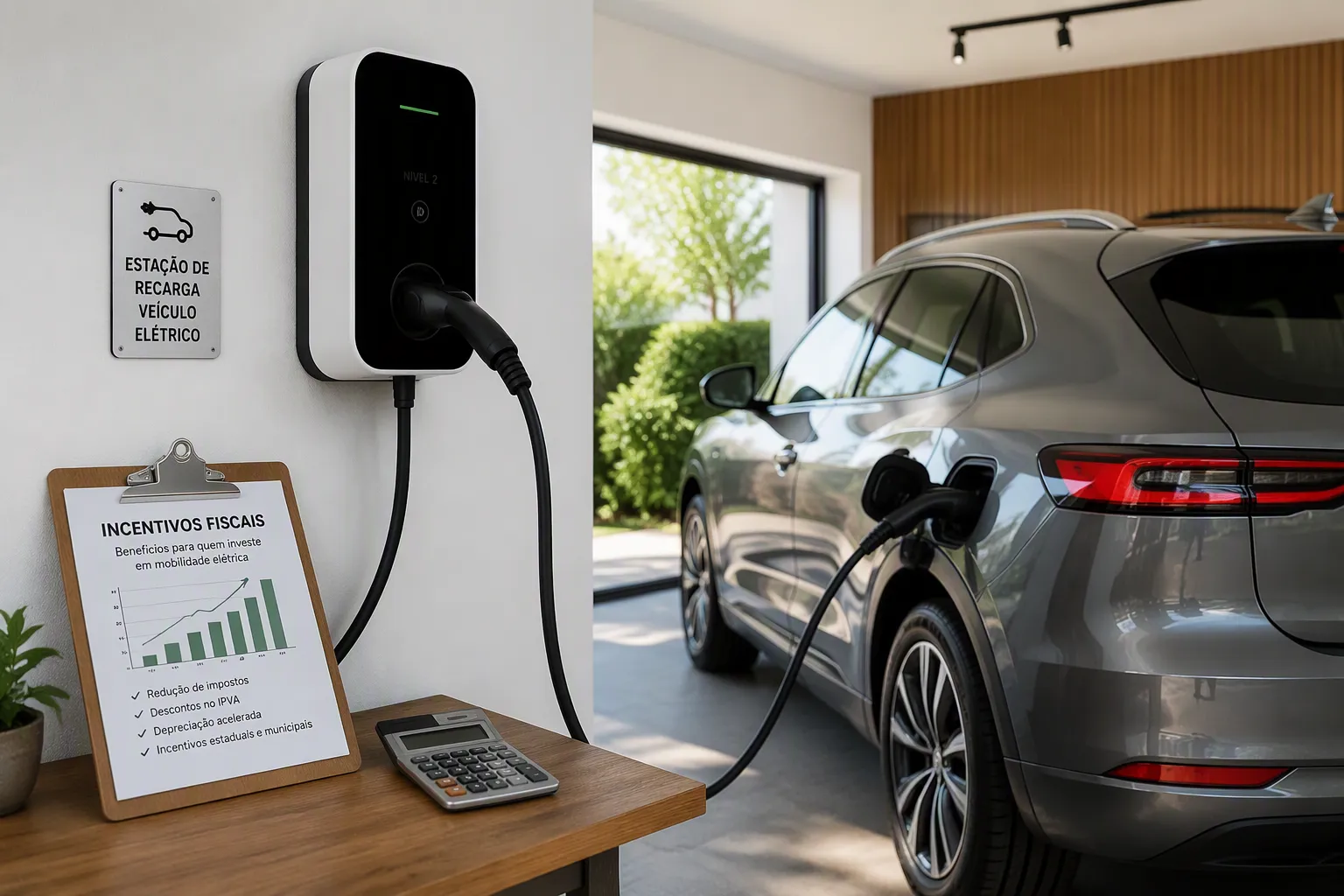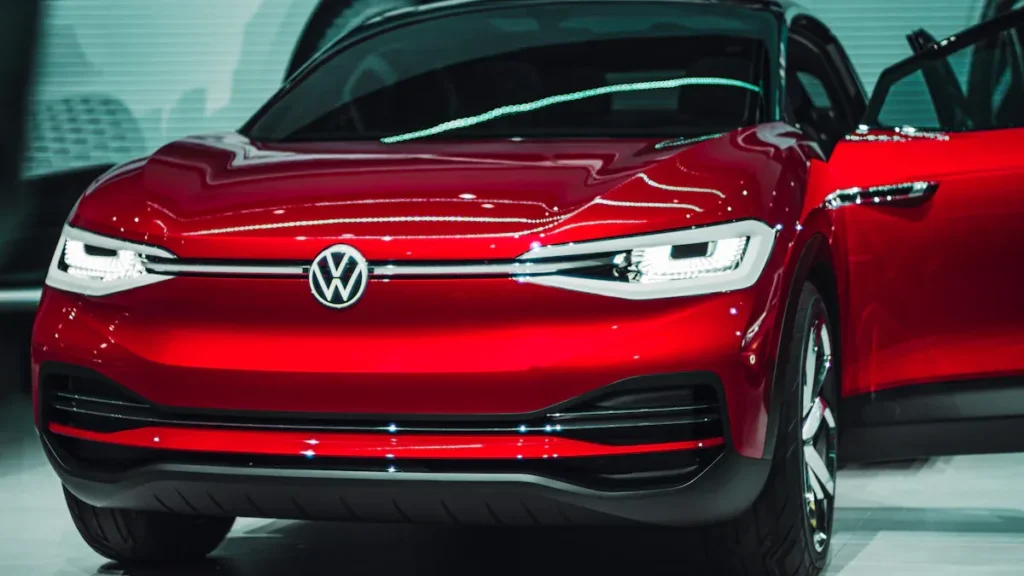
Los conductores alemanes de vehículos eléctricos enfrentan una decisión crucial al elegir entre la carga de Nivel 1 y la de Nivel 2. La carga de Nivel 2 destaca por su velocidad y conveniencia, satisfaciendo las demandas de la mayoría de las rutinas diarias. La carga de Nivel 1 se adapta a conductores con kilometraje bajo y a aquellos que dependen de cargadores portátiles ev. Soluciones de recarga de vehículos eléctricos del líder Fabricantes de cargadores para VE ofrecer flexibilidad para cada hogar. Un Cargador EV soporta una carga eficiente y ayuda a maximizar el rendimiento del vehículo eléctrico. Los propietarios de vehículos eléctricos en Alemania deben evaluar sus hábitos de conducción y la configuración de su hogar para seleccionar la opción correcta para su vehículo eléctrico.
Consejo: Considere su presupuesto y kilometraje diario para determinar qué solución de carga para vehículos eléctricos se adapta mejor a sus necesidades.
Carga Nivel 1 vs. Nivel 2: Lo que los conductores alemanes de vehículos eléctricos necesitan saber
Explicación de la carga de nivel 1
Conceptos básicos de la carga de vehículos eléctricos
La carga de Nivel 1 utiliza un enchufe doméstico estándar. La mayoría de los hogares alemanes admiten este método sin instalación adicional. Los conductores pueden conectar su vehículo eléctrico directamente a un enchufe de pared. Este enfoque ofrece la forma más simple de iniciarse en la carga de vehículos eléctricos. Se adapta a quienes desean comenzar con una inversión mínima. La carga de Nivel 1 suministra energía a un ritmo más lento en comparación con otras opciones.
Rendimiento en condiciones reales
La carga de Nivel 1 vs. Nivel 2 muestra diferencias claras en la entrega de energía y la recuperación de autonomía. La siguiente tabla compara ambas:
| Nivel de carga | Tensión | Potencia Suministrada | Tiempo de carga | Autonomía Recuperada |
|---|---|---|---|---|
| Nivel 1 | 120V | Hasta 1.4 kW | 8 horas | ~40 millas |
| Nivel 2 | 240V | Hasta 7,2 kW | Durante la noche | Carga completa |
La carga de Nivel 1 proporciona hasta 1.4 kW de potencia. Un vehículo eléctrico puede ganar aproximadamente 40 millas de autonomía después de ocho horas. Esta velocidad puede no satisfacer las necesidades de conductores con desplazamientos diarios largos. Para aquellos que conducen distancias cortas, este método puede ser suficiente.
Cuándo la carga de Nivel 1 es suficiente
Algunos conductores alemanes de vehículos eléctricos consideran que la carga de Nivel 1 satisface sus necesidades. Esto aplica a quienes:
- Conducen menos de 40 kilómetros por día.
- Poseen un híbrido enchufable con una batería pequeña.
- Tienen acceso a puntos de carga públicos para emergencias.
- Desean una solución de respaldo en casa.
Nota: La carga de Nivel 1 funciona mejor para conductores ocasionales o como punto de carga secundario. No es adecuada para aquellos con un kilometraje diario alto o múltiples vehículos eléctricos.
Resumen de la carga de Nivel 2
Características del cargador para vehículos eléctricos
La carga de Nivel 2 ofrece funciones avanzadas y mayor flexibilidad. La mayoría de los hogares alemanes pueden instalar un estación de carga específica con la ayuda de un profesional. TPSON, un proveedor de soluciones de carga para vehículos eléctricos tecnológicamente avanzado, suministra cargadores con funciones inteligentes. La siguiente tabla describe las principales características de los cargadores de Nivel 2 disponibles en Alemania:
| Característica | Descripción |
|---|---|
| Tipo de conector | Cargador de vehículo eléctrico Tipo 2 con configuración de siete pines, estándar en Europa. |
| Compatibilidad | Funciona con la mayoría de los vehículos eléctricos e híbridos enchufables, conforme a los estándares IEC 62196. |
| Velocidades de carga | Admite carga CA desde 3.7 kW hasta 22 kW; la carga rápida CC puede alcanzar hasta 350 kW. |
| Mecanismo de bloqueo automático | Mejora la seguridad al minimizar el robo del cable. |
| Construcción robusta | Resistente al polvo, la lluvia y el desgaste, adecuado para diversos entornos. |
| Opciones de carga inteligentes | Muchos cargadores ofrecen integración con aplicaciones, Wi-Fi y funciones de balance de carga. |
| Tiempo de carga | Varía según la potencia nominal: 3.7 kW (12 horas), 7.4 kW (6-8 horas), 11-22 kW (3-5 horas). |
Los cargadores de Nivel 2 admiten carga inteligente, integración con aplicaciones y gestión de carga. Estas funciones ayudan a optimizar el uso de energía y mejorar la conveniencia.
Velocidad y potencia de carga
Carga Nivel 1 vs. Carga Nivel 2 difiere principalmente en velocidad y potencia. La carga de Nivel 2 suministra hasta 7.2 kW o más, dependiendo del cargador y del vehículo. Los conductores pueden esperar una carga completa durante la noche, incluso para baterías más grandes. Esta velocidad se adapta a estilos de vida ocupados y desplazamientos más largos. La carga de Nivel 2 también es adecuada para hogares con más de un vehículo eléctrico.
Cuándo es necesaria la carga de Nivel 2
La carga de Nivel 2 se vuelve esencial para muchos conductores alemanes de vehículos eléctricos. Es necesaria cuando:
- La conducción diaria supera los 40 kilómetros.
- El hogar posee múltiples vehículos eléctricos.
- Se requiere un tiempo de respuesta rápido entre viajes.
- El conductor desea preparar su hogar para el futuro con nuevos modelos de vehículos eléctricos.
Consejo: La carga de Nivel 1 vs. Nivel 2 debe evaluarse en función del kilometraje diario, el número de vehículos y el tiempo de carga disponible. La carga de Nivel 2 ofrece el mejor equilibrio entre velocidad, conveniencia y valor a largo plazo para la mayoría de los propietarios alemanes de vehículos eléctricos.
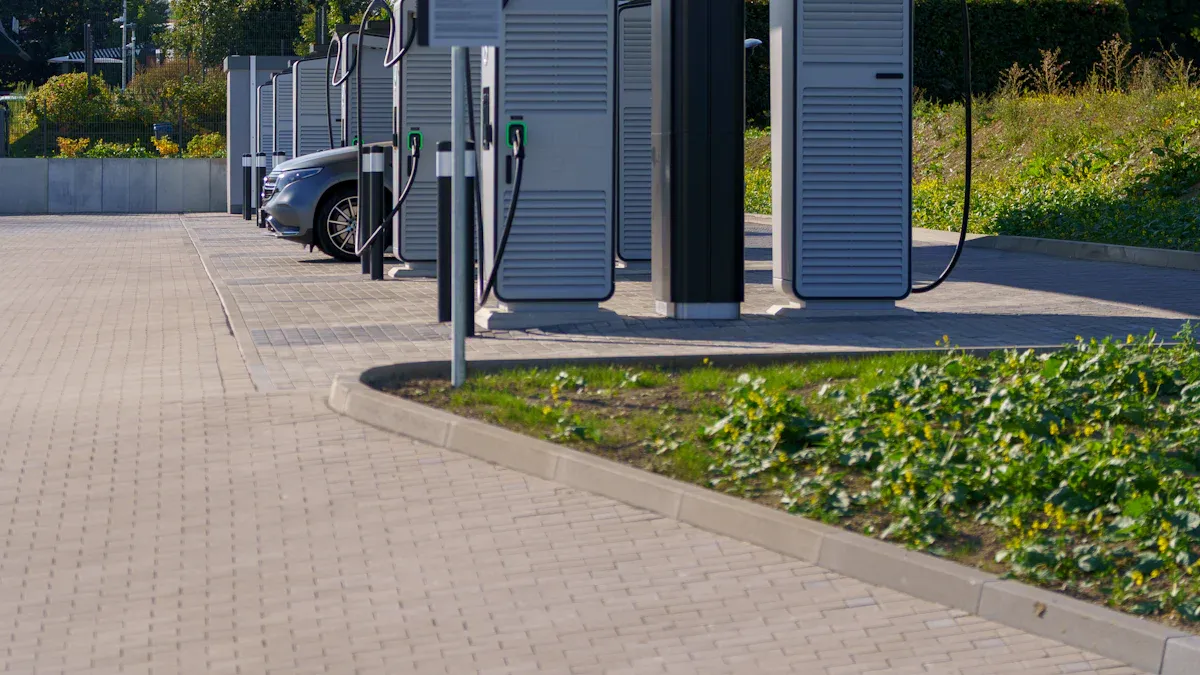
Velocidad de carga de vehículos eléctricos: Comparación Nivel 1 vs. Nivel 2
Tiempos de carga para vehículos eléctricos alemanes
Modelos y autonomía típicos
Los conductores alemanes de vehículos eléctricos a menudo seleccionan vehículos basándose en la autonomía y las velocidades de carga. Modelos populares como el Volkswagen ID.3, BMW i3 y Mercedes EQC ofrecen capacidades de batería que se adaptan a las necesidades urbanas y rurales. El tiempo de carga para estos vehículos depende del tipo de cargador. Los cargadores de Nivel 1 requieren un compromiso significativo. Los conductores pueden esperar 40 a 50 horas o más para alcanzar el 80% de la capacidad de la batería desde vacío. Los cargadores de Nivel 2 reducen esta espera drásticamente. La mayoría de los vehículos alcanzan una carga del 80% en 4 a 10 horas. Esta diferencia determina cómo los conductores planifican sus rutinas.
- Cargadores Nivel 1: 40–50+ horas para carga al 80%
- Cargadores Nivel 2: 4–10 horas para carga al 80%
Una tabla a continuación ilustra los tiempos de carga para vehículos eléctricos alemanes típicos:
| Modelo EV | Tamaño de la batería (kWh) | Level 1 Charging Time (80%) | Level 2 Charging Time (80%) |
|---|---|---|---|
| VW ID.3 | 58 | 45 hours | 6 hours |
| BMW i3 | 42 | 32 hours | 4.5 horas |
| Mercedes EQC | 80 | 62 hours | 8 horas |
Full Charge vs. Top-Up
Drivers rarely charge their vehicle from empty to full. Most prefer top-up charging, which maintains battery health and supports daily use. Charging speeds decline above 80% battery capacity. This pattern encourages drivers to avoid frequent full charges. Top-up charging with Level 2 chargers fits busy schedules. Level 1 charging suits those who drive infrequently or cover short distances.
Note: Top-up charging helps preserve battery longevity and reduces waiting time for German EV owners.
Impacto en las rutinas diarias
Carga Nocturna
Overnight charging remains a practical solution for many German households. Level 2 chargers allow drivers to plug in their vehicle after work and wake up to a nearly full battery. This routine supports consistent mobility and reduces stress. Level 1 chargers may not deliver enough energy overnight for high-mileage drivers. Those who rely on Level 1 charging often need to plan their trips carefully.
Busy Lifestyles
Charging speed influences daily routines and convenience. Drivers with demanding schedules benefit from faster charging speeds. They spend less time waiting and more time using their vehicle. Frequent charging impacts battery degradation. Drivers who charge their EV often must consider battery health. Fast charging speeds decline above 80% battery charge, so many drivers avoid topping up to full capacity every day. This practice extends battery life and supports flexible use.
- Charging speed affects battery degradation and charging frequency.
- Fast charging speeds decline above 80% battery charge.
- Frequent charging impacts battery longevity and convenience.
German EV drivers adapt their routines based on charging speeds and vehicle needs. Level 2 charging supports busy lifestyles and future mobility.
Cost of EV Charging: Level 1 vs. Level 2
Installation Costs for Chargers
Level 1 Setup
Level 1 charging station installation requires minimal infrastructure. Most German homes already have the standard outlets needed for basic EV charging. Drivers can use the charger supplied with their electric vehicle. No specialized installation or upgrades are necessary. This setup appeals to those who want to avoid additional infrastructure costs. Compatibility remains high, as nearly every home supports this standard. Level 1 charging infrastructure offers a simple entry point for EV owners.
Level 2 Setup
Level 2 charging station installation involves more infrastructure and planning. Electric vehicle owners must hire a certified electrician to install a dedicated charger. The process includes upgrading wiring, ensuring compatibility with the home’s electric system, and meeting German safety standards. Installation costs vary based on the charging station model, infrastructure complexity, and charger compatibility. Many drivers invest in Level 2 charging infrastructure to future-proof their homes and support faster charging. Apartment dwellers may need approval from property managers or local authorities. Level 2 charging station installation delivers greater flexibility and supports multiple EVs.
Electricity Costs and Efficiency
Energy Use
Electricity costs for EV charging depend on the charging station type and infrastructure efficiency. Level 1 charging uses standard household tariffs, which range from 0.20 to 0.40 euros per kWh. Level 2 charging stations may incur higher costs, especially with advanced infrastructure and faster chargers. The table below compares typical electricity costs and efficiency for German EV charging:
| Nivel de carga | Cost per kWh (euros) | Efficiency (kWh/hour) | Range Added (km/hour) |
|---|---|---|---|
| Nivel 1 | 0.20 – 0.40 | N/A | N/A |
| Nivel 2 | Higher (2-3 times more) | Up to 7 | Up to 40 |
Level 2 charging infrastructure delivers more energy per hour, adding up to 40 kilometers of range. Level 1 charging infrastructure suits occasional drivers who prioritize low cost and compatibility.
German Tariffs
German EV charging infrastructure relies on standard electricity tariffs. Level 1 charging stations use residential rates, while Level 2 charging stations may access commercial tariffs. Compatibility with local infrastructure affects the final cost. Some regions offer incentives for installing EV charging stations. Drivers should review tariff structures and charger compatibility before making a decision. Efficient charging infrastructure reduces long-term costs and supports sustainable electric mobility.
Long-Term Value of EV Charging
Resale and Future-Proofing
Investing in advanced EV charging infrastructure increases property value and supports future compatibility. Homes with Level 2 charging stations attract buyers who prioritize electric mobility. Standard installation ensures compatibility with new EV models and charging station upgrades. Level 2 charging infrastructure delivers faster charging and supports multiple vehicles. Resale value rises when homes feature modern charging infrastructure. Apartment owners benefit from shared charging stations and improved compatibility. Future-proofing with Level 2 charging infrastructure prepares homes for evolving electric vehicle standards.
Tip: German EV drivers should consider long-term infrastructure value and compatibility when choosing a charging station. Investing in Level 2 charging infrastructure supports resale, flexibility, and sustainable electric mobility.
A comparison of charging efficiency highlights the benefits of advanced infrastructure:
| Tipo de cargador | Potencia de salida | Velocidad de carga | Lo mejor para |
|---|---|---|---|
| Nivel 1 | 1.4kW-1.9kW | 3-5 miles per hour | PHEVs or short daily commutes |
| Level 2 (7.4kW) | 7,4 kW | 25 miles per hour | Average EVs, full charge in ~8 hours |
| Level 2 (22kW) | 22kW | Faster than 7.4kW | High-end residential or commercial use |
Level 2 charging infrastructure offers superior compatibility, speed, and long-term value. German EV drivers benefit from investing in modern charging stations and robust infrastructure.
Convenience and Practicality of EV Charging
Home Charging Setup
Space and Power Needs
German EV drivers often prioritize a seamless charging experience at home. A home EV charger requires careful consideration of available space and electrical capacity. Many homes in Germany feature garages or driveways, which provide ideal locations for installing a suitable home EV charger. The installation process involves assessing the power supply and ensuring compatibility with the EV. Nivel 1 charging uses a standard outlet, making it accessible for most households. Nivel 2 charging demands a dedicated 240-volt circuit, which may require professional installation. Drivers benefit from a reliable home EV charger that supports their daily routines and maximizes convenience.
Tip: Evaluate your home’s electrical panel and parking area before selecting a home EV charger. Proper planning ensures a safe and efficient charging experience.
Apartment and Rental Solutions
Apartment dwellers and renters face unique challenges when installing a home EV charger. Shared parking spaces and limited access to electrical infrastructure can complicate the process. Many property managers now recognize the growing demand for EV charging and offer solutions such as communal charging stations or designated spots for home EV chargers. Renters should communicate with landlords to explore installation options. Portable chargers and plug-in solutions provide flexibility for those who move frequently. A home EV charger enhances the charging experience and supports sustainable mobility, even in multi-unit buildings.
Flexibility for German EV Drivers
Urban vs. Rural Charging
Urban and rural environments present distinct challenges for EV charging. Urban areas offer more public charging stations, but city planners often focus on public transport and congestion reduction rather than expanding charging infrastructure. Rural regions experience limited access to charging stations, leading to range anxiety among EV drivers. A home EV charger becomes essential in rural settings, providing reliable charging and reducing dependence on public infrastructure. Urban drivers may rely on a combination of home EV chargers and public stations to maintain a consistent charging experience.
| Nivel de carga | Tensión | Velocidad de carga | Ideal For |
|---|---|---|---|
| Nivel 1 | 120V | Lento | Overnight charging for lower daily ranges |
| Nivel 2 | 208-240V | Más rápido | Most daily needs, charging in 4-10 hours for BEVs |
Commuters vs. Occasional Drivers
German EV drivers display diverse daily routines. Commuters require a charging experience that fits their busy schedules. Carga de nivel 2 offers rapid energy replenishment, supporting longer commutes and frequent use. Occasional drivers benefit from Level 1 charging, which provides simple overnight charging for lower daily driving needs. The flexibility of a home EV charger allows drivers to tailor their charging experience to their lifestyle.
- Level 1: Best for users with lower daily driving needs, allowing for simple overnight charging.
- Level 2: Recommended for those who require quicker charging solutions, fitting into busier daily schedules.
- Home EV charger: Supports both scenarios, enhancing convenience and practicality.
A suitable cargador doméstico de VE improves the charging experience for all German EV drivers, regardless of their routine or location.
Decision Guide: Choosing the Right EV Charger
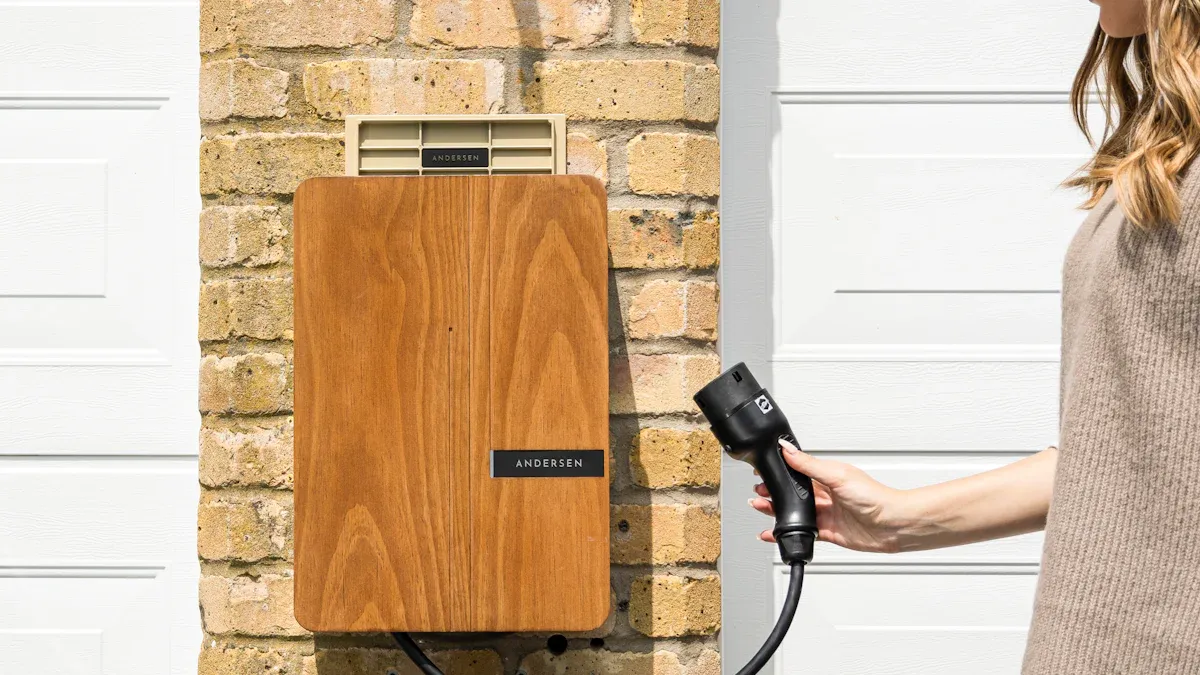
Checklist for German EV Drivers
Kilometraje diario
German EV drivers should first assess their average daily mileage. Those who travel less than 40 kilometers per day may find a basic EV charger sufficient. Level 1 chargers add only 3 a 5 millas de autonomía por hora, making them suitable for short commutes or infrequent use. Drivers with longer daily routes require a faster solution to ensure their EV remains ready for every journey.
Number of EVs
Households with more than one EV must consider the increased demand on their charging setup. A single Level 1 charger may not provide enough power for multiple vehicles, especially if both require charging overnight. Level 2 chargers offer a practical solution, delivering 12 to 30 miles of range per hour and supporting efficient charging for several EVs within the same household.
Charging Time Available
The amount of time available for charging each day plays a crucial role in selecting the right charger. Drivers who can leave their EV plugged in overnight may manage with a slower charger. However, those with limited charging windows or unpredictable schedules benefit from the speed and flexibility of a Level 2 charger. Fast charging ensures the EV is always ready, even when time is short.
Tip: Review your daily routine and parking situation to determine how much time your EV can spend connected to a charger.
Matching EV Charging to Your Needs
Level 1 Charging Scenarios
Level 1 charging equipment usually comes with the EV, making it a cost-effective option for drivers who use their vehicle infrequently. This type of charger works best for:
- Drivers with low daily mileage.
- Households with a single EV.
- Those who have ample time to charge, such as overnight or during long periods at home.
- Users who want a backup charging method.
Level 1 chargers are typically used at home and are not practical for public charging scenarios due to their slow speed.
Level 2 Charging Scenarios
Level 2 chargers, while more expensive, are easier to install and provide a more efficient charging experience. These chargers suit drivers who:
- Require faster charging to support daily or long-distance travel.
- Own multiple EVs that need charging at the same time.
- Want to future-proof their home for new EV models.
- Prefer the convenience of efficient overnight charging.
A comparison of charger types helps clarify the best fit for different needs:
| Tipo de cargador | Velocidad de carga | Tipo de conector | Notas |
|---|---|---|---|
| AC (7kW) | Most wallbox chargers | Type 2, Type 1 | Fills most EV batteries overnight |
| DC (50kW+) | Fast public chargers | CCS2 | Can charge to 80% in under an hour |
| AC (11kW, 22kW) | Puntos de recarga públicos | Requires three-phase electricity | Generally not available for homes |
| CCS | Combined charging system | Type 2/Type 1 with DC connector | Allows for faster charging speeds |
Selecting the right EV charger depends on daily habits, the number of vehicles, and available charging time. German EV drivers who prioritize efficiency and flexibility often choose Level 2 chargers for their homes.
Common Concerns About EV Charging
Is Level 2 Charging Always Needed
Many German EV drivers wonder if a cargador de nivel 2 is necessary for their daily routines. Some drivers use their vehicles for short trips or occasional errands. They find that a basic charger meets their needs. Others rely on public chargers for top-ups during shopping or work hours. For drivers with low daily mileage, a standard charger provides enough range overnight. However, those with longer commutes or multiple vehicles benefit from faster charging speeds. Public chargers offer flexibility but may not always be available or convenient. A level 2 charger supports busy lifestyles and ensures the vehicle is ready each morning. Drivers who plan to upgrade their EV or increase usage should consider installing a faster charger at home.
Note: Public chargers supplement home charging but do not replace the reliability of a dedicated charger for frequent use.
Battery Safety with Level 1 Charging
La seguridad de la batería sigue siendo una prioridad para los propietarios de vehículos eléctricos. Carga de nivel 1 utiliza menor potencia y genera menos calor. Este método reduce el estrés en la batería y favorece su salud a largo plazo. Los conductores que utilizan un cargador básico evitan cambios bruscos de temperatura y minimizan el desgaste. Los cargadores públicos suelen suministrar mayor potencia, lo que puede acelerar el envejecimiento de la batería si se usan con frecuencia. Un cargador con características de seguridad adecuadas protege la batería contra sobrecargas y picos de voltaje. Los vehículos eléctricos alemanes incluyen salvaguardas integradas que monitorean las condiciones de carga. Los conductores deben seguir las directrices del fabricante y evitar el uso de cargadores dañados. La inspección regular garantiza un funcionamiento seguro y preserva el rendimiento de la batería.
- La carga de nivel 1 permite una reposición gradual de energía.
- Los cargadores públicos ofrecen comodidad, pero requieren un uso cuidadoso.
- Un cargador con certificaciones de seguridad brinda tranquilidad.
Instalación de un cargador de nivel 2 en Alemania
Instalar un cargador de nivel 2 en Alemania implica varios pasos legales y técnicos. Electricistas profesionales autorizados deben realizar la instalación. Es obligatorio cumplir con la normativa BS7671 y el Código de Prácticas para la Instalación de Equipos de Carga de Vehículos Eléctricos. Contratar a un profesional cualificado y certificado garantiza seguridad y fiabilidad. Los electricistas siguen las normas IEC 60364-4-44 e IEC 60364-5-54. También se adhieren a la Regla de Aplicación VDE N 4100, la regulación alemana correspondiente. Todas las soluciones y productos DEHN cumplen con estos requisitos. La información sobre el cumplimiento normativo está disponible a través de fabricantes e instaladores.
- Se requiere instalación por profesionales autorizados.
- El cumplimiento de estándares nacionales e internacionales es esencial.
- Los productos y soluciones certificados garantizan la seguridad.
Consejo: Los conductores deben consultar a un electricista certificado antes de instalar un cargador. Una instalación adecuada asegura un funcionamiento seguro y cumple con los requisitos legales.
Los cargadores públicos siguen siendo una opción para quienes no pueden instalar un cargador doméstico. Residentes de apartamentos y arrendatarios suelen depender de cargadores públicos para el uso diario. Sin embargo, un cargador dedicado en casa ofrece mayor comodidad y responde a las futuras necesidades de vehículos eléctricos.
- La carga de nivel 2 ofrece velocidad, comodidad y preparación para el futuro a los conductores alemanes de vehículos eléctricos.
- La carga de nivel 1 es adecuada para bajo kilometraje o uso ocasional, pero puede no satisfacer las demandas de los vehículos eléctricos modernos.
- Los conductores deben evaluar sus rutinas diarias y entornos domésticos antes de elegir un cargador.
- Comenzar con nivel 1 funciona para necesidades mínimas. Planificar el nivel 2 asegura flexibilidad a medida que crece el uso del vehículo eléctrico.
Una planificación inteligente ayuda a los conductores a maximizar su inversión en vehículos eléctricos y adaptarse a las necesidades de movilidad en evolución.
PREGUNTAS FRECUENTES
¿Cuál es la principal diferencia entre la carga de Nivel 1 y Nivel 2?
La carga de nivel 1 utiliza un enchufe doméstico estándar y carga lentamente. La carga de nivel 2 requiere una estación dedicada y ofrece velocidades de carga más rápidas. La mayoría de los conductores alemanes de vehículos eléctricos prefieren el nivel 2 para el uso diario.
¿Pueden los arrendatarios instalar un cargador de nivel 2 en Alemania?
Los arrendatarios deben obtener permiso de los propietarios. Muchos complejos de apartamentos ahora ofrecen estaciones de carga compartidas. Los cargadores portátiles de nivel 2 ofrecen flexibilidad a arrendatarios que se mudan con frecuencia.
¿Cuánto tiempo se tarda en cargar un vehículo eléctrico típico con nivel 2?
Los tiempos de carga dependen del tamaño de la batería y la potencia del cargador. La mayoría de los vehículos eléctricos alemanes alcanzan una carga del 80% en 4 a 10 horas con carga de nivel 2. La carga nocturna se adapta a la mayoría de las rutinas.
¿Es segura la carga de nivel 1 para las baterías de vehículos eléctricos?
La carga de nivel 1 suministra baja potencia y genera menos calor. Este método favorece la salud de la batería y reduce el desgaste. Los vehículos eléctricos alemanes incluyen características de seguridad que monitorean las condiciones de carga.
¿Los cargadores de nivel 2 aumentan el valor de la vivienda?
Las viviendas con cargadores de nivel 2 instalados atraen a compradores que priorizan la movilidad eléctrica. El valor de la propiedad aumenta cuando se dispone de infraestructura de carga moderna. La preparación para el futuro favorece la reventa y la compatibilidad.
¿Son fiables las estaciones de carga públicas para el uso diario?
Las estaciones de carga pública ofrecen comodidad en áreas urbanas. Los conductores pueden enfrentar tiempos de espera o disponibilidad limitada durante las horas pico. La carga doméstica proporciona fiabilidad y se adapta a las rutinas diarias.
¿Qué deben considerar los conductores antes de instalar un cargador?
Los conductores deben evaluar el kilometraje diario, el número de vehículos eléctricos y el tiempo de carga disponible. Consultar a un electricista certificado garantiza una instalación segura. Revisar las estructuras tarifarias y la compatibilidad favorece una carga eficiente.