
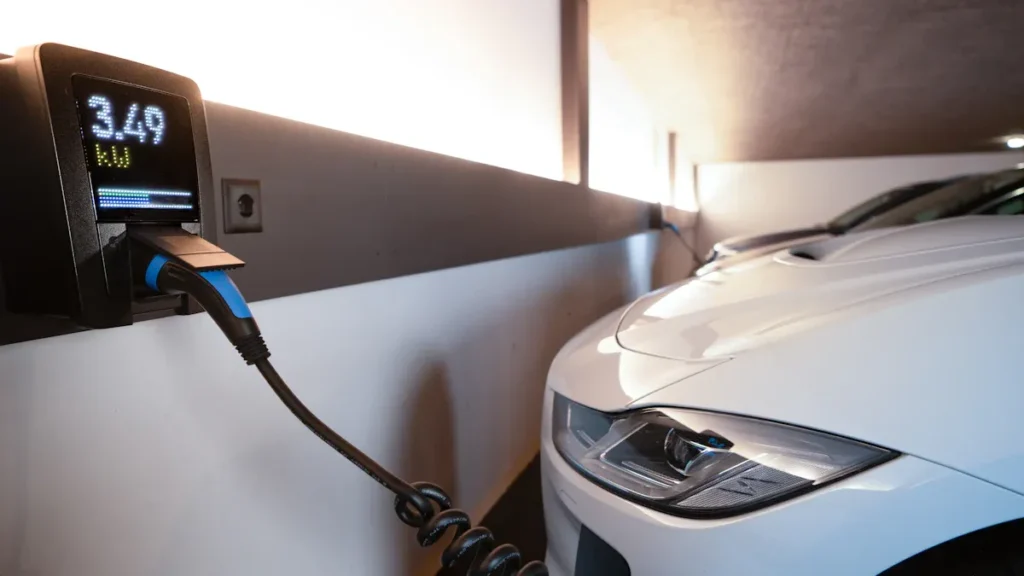

Selecting the right portable Cargador EV ensures safe and efficient EV charging. Fabricantes de cargadores para VE diseño Soluciones de recarga de vehículos eléctricos with specific charging standards in mind. For Malaysia, a portable EV charger must have a BS 1363 Type G plug for the wall socket. Electrical compatibility requires a 230V/50Hz rating. Adjustable amperage is crucial for safe charging from a standard 13A outlet, preventing circuit trips during EV charging. This ensures proper charging for EV vehicles. Most modern EV vehicles use a Type 2 connector, a key detail for seamless charging. Following these EV charging standards guarantees a reliable charging experience for any EV. Los cargadores portátiles para VE offer flexible charging options.
Step 1: Verify the Plug Type for Malaysia Power Sockets

The first and most critical step in choosing a portable charger is ensuring it can physically and safely connect to a local power source. In Malaysia, this means selecting a charger with a very specific plug. Making the wrong choice here is not an inconvenience; it is a significant safety hazard.
The Only Correct Plug: BS 1363 (Type G)
For safe and compliant charging in Malaysia, a Un cargador portátil para VE must be factory-fitted with a BS 1363 plug, commonly known as a Type G plug. This is the standard plug used across the country for all domestic appliances. The correct plug type is non-negotiable for safe charging.
Identifying the 3-Pin Rectangular Plug
An authentic BS 1363 plug is easy to identify. An EV owner should look for these distinct features:
- Three Rectangular Prongs: It has two horizontal, rectangular prongs for live and neutral connections and one slightly longer, vertical rectangular prong for the ground connection.
- Built-in Fuse: Every BS 1363 plug contains an internal fuse (typically rated at 13A) as a crucial safety feature. This fuse protects the appliance and cable from over-current situations.
- Shuttered Sockets: The design works with Malaysian sockets that have internal shutters, which only open when the longer ground pin is inserted. This prevents foreign objects from being pushed into the live or neutral slots.
A proper plug ensures a secure connection to the wall outlet, which is essential for the high-power demands of EV charging.
Why a Malaysia Travel Adaptor is Unsafe for EV Charging
It may seem tempting to use a travel adaptor if a portable charger has a different plug, but this is extremely dangerous. A travel adaptor is not a safe solution for EV charging.
⚠️ Critical Safety Warning An EV owner must never use a travel adaptor or any form of plug adaptor to connect a portátil EV charger to a wall socket. These devices are not designed for the high, continuous electrical load required for charging an electric vehicle.
The fundamental design of a travel adaptor makes it completely unsuitable for this task. Here’s why using a Malaysia travel adaptor is a severe risk:
- No Over-Current Protection: Most travel adaptors are simple pass-through devices. They lack the integrated safety fuse found in a BS 1363 plug, leaving the EV and the charging equipment vulnerable to power surges.
- Extreme Overheating Risk: The internal components and wiring of a travel adaptor are thin and designed for low-power devices like phone chargers or laptops. The sustained high current of EV charging will cause the adaptor to overheat rapidly, leading to melting plastic, fire, and potential damage to the charger and the building’s wiring.
- Poor Electrical Connection: Travel adaptors often create a loose, unstable connection. This poor contact can cause electrical arcing—sparks that generate intense heat—creating another significant fire hazard during the charging process.
In short, all travel adaptors are a weak link in the charging chain. The adaptor itself can melt long before a circuit breaker trips. Using the wrong adaptor for EV charging is a gamble that can have catastrophic consequences for the vehicle and property.
Step 2: Match Your Portable EV Charger to Malaysia’s Grid
After confirming the physical plug, the next step is to ensure electrical compatibility. A portable EV charger must align with the voltage, frequency, and current limitations of Malaysia’s national power grid. This alignment is not just for performance; it is a fundamental requirement for safe operation. An EV owner must verify these electrical parameters to prevent damage to their vehicle, the charger, and their home’s wiring.
Understanding Voltage and Frequency Compatibility
Every country’s power grid operates at a specific standard voltage and frequency. A portable EV charger is an electronic device designed to work within these precise parameters. Using a charger that does not match the local grid can lead to malfunction or permanent failure.
Confirming 230V and 50Hz Ratings
Malaysia’s electrical grid, like that of the United Kingdom and many other countries, operates on a specific standard. An EV owner must select a charger explicitly rated for these specifications.
- Tensión: 230 Volts (V)
- Frequency: 50 Hertz (Hz)
A charger’s specification label or manual should clearly state its input voltage range. A compatible device will show 230V, 240V, or a range like 220V-240V. The frequency must also be listed as 50Hz o 50/60Hz. This compatibility ensures the charger’s internal components operate as intended, providing a stable power supply for charging the EV.
| País | Frecuencia |
|---|---|
| Malasia | 50Hz |
| Singapur | 50Hz |
| Reino Unido | 50Hz |
| Australia | 50Hz |
| China | 50Hz |
The Risks of Using 110V Chargers
Some EV owners might consider importing a charger from a country like the United States, which uses a 110V/60Hz standard. This is a dangerous and impractical idea. Plugging a 110V device into a 230V outlet will almost instantly destroy it.
⚡️ Warning: Electrical Mismatch Connecting a 110V charger to a 230V power source will cause a massive over-voltage event. This can result in the charger’s internal components burning out, creating smoke, fire, and potentially damaging the EV’s onboard charging system.
Even with a step-down transformer, which is bulky and inefficient, the frequency mismatch (60Hz vs. 50Hz) can still cause operational problems. For safe and reliable charging, an EV owner should only purchase a charger designed for the 230V/50Hz system used in Malaysia.
Amperage: The Key to Safe Home Charging
Amperage (measured in Amps or ‘A’) refers to the electrical current drawn by the charger. While voltage is a fixed property of the grid, amperage is the variable that determines charging speed and, more importantly, safety when using a standard wall outlet.
Malaysia’s Standard 13A Socket Limit
Standard wall sockets in Malaysia are connected to circuits protected by a circuit breaker and are typically rated for a maximum continuous load of 13 Amps (13A). While a 13A draw is suitable for short periods, sustained charging for many hours can cause significant heat buildup in the socket, plug, and wiring. This creates a fire risk, especialmente en edificios antiguos con sistemas eléctricos envejecidos.
El beneficio del amperaje ajustable
Una característica crucial para cualquier cargador portátil de VE es el amperaje ajustable. Esto permite al usuario reducir manualmente la corriente de carga a un nivel más seguro para cargas de larga duración.
- 10A u 8A para carga nocturna: Para sesiones de carga prolongadas, como durante la noche, los expertos recomiendan configurar el cargador a 10A o incluso 8A. Esta corriente más baja reduce significativamente el estrés térmico en el enchufe de pared y el cableado, previene el sobrecalentamiento y garantiza un proceso de carga más seguro.
- Flexibilidad para diferentes enchufes: Si un propietario de VE no está seguro de la calidad del cableado de un enchufe, seleccionar un amperaje más bajo proporciona un margen adicional de seguridad.
- Evitar disparos del circuito: El amperaje ajustable ayuda a prevenir la sobrecarga del circuito, especialmente si otros electrodomésticos están funcionando en la misma línea. Esto evita disparos molestos del interruptor automático.
Esta característica le da al propietario del VE control sobre su consumo de energía y mejora la seguridad general de la experiencia de carga.
Cómo verificar el interruptor automático de su hogar
Un propietario de VE puede conocer la capacidad eléctrica de su hogar inspeccionando el cuadro de interruptores automáticos (también conocido como panel de interruptores o caja de fusibles).
- Localice el Panel: Suele encontrarse cerca de la entrada principal, en un cuarto de servicio o en la cocina.
- Identificar el interruptor: Encuentre el interruptor que controla los enchufes en el área donde se realizará la carga.
- Leer la clasificación: La clasificación de amperaje está impresa en el propio interruptor. Normalmente estará marcada con un número seguido de ‘A’ (por ejemplo,
C16,B20). Para enchufes estándar, el interruptor suele ser de 20A o 32A, protegiendo un circuito de múltiples tomas, pero el límite del enchufe individual sigue siendo de 13A.
Conocer la clasificación del interruptor ayuda a comprender la capacidad total del circuito, reforzando la importancia de no sobrecargarlo durante la carga del VE.
Paso 3: Priorizar certificaciones de seguridad esenciales
La seguridad del propietario de un VE es la máxima prioridad. Un cargador portátil de VE maneja altas corrientes eléctricas durante horas. Por lo tanto, debe cumplir con estrictos estándares de seguridad y calidad. Las certificaciones de organismos reconocidos no son solo logotipos en una caja; son la prueba de que el dispositivo ha sido sometido a pruebas rigurosas. Un propietario de VE siempre debe buscar estas marcas antes de comprar. Significan que el cargador está construido para proteger al usuario, al VE y a la propiedad de riesgos eléctricos.
Marcas clave de seguridad para tranquilidad
Las certificaciones oficiales brindan garantía de la calidad y seguridad de un producto. Para un dispositivo de alta potencia como un cargador portátil de VE, estas marcas no son negociables. Indican el cumplimiento de los estándares y regulaciones de carga establecidos.
Marcado CE para estándares europeos
El marcado CE es una imagen familiar en los productos electrónicos. Significa que el producto cumple con la legislación de la Unión Europea (UE) sobre seguridad, salud y protección ambiental. Dado que muchos cargadores de alta calidad se fabrican para el mercado europeo, la marca CE es un buen indicador de un diseño de seguridad robusto.
Un cargador con marcado CE ha sido probado contra varios riesgos críticos. Estas pruebas garantizan que el producto cumple con altos estándares de seguridad. Las áreas clave cubiertas incluyen:
- Seguridad eléctrica: El cargador debe tener un espacio interno adecuado para evitar cortocircuitos y descargas eléctricas.
- Durabilidad mecánica: El dispositivo debe soportar un estrés físico razonable, como caídas o impactos, sin comprometer su seguridad.
- Información al usuario: El fabricante debe proporcionar instrucciones claras para una operación segura.
- Cumplimiento de la normativa: El producto se adhiere a regulaciones específicas, como la Reglamento sobre material eléctrico (seguridad) de 2016, que rigen la seguridad de los dispositivos eléctricos.
Esta certificación genera confianza en el cliente, asegurándole la seguridad del producto y su adhesión a altos estándares de carga.
Certificaciones SIRIM y ST en Malasia
Si bien la marca CE es un fuerte indicador internacional, las certificaciones locales brindan un nivel de confianza aún mayor para su uso en Malasia.
Consejo de cumplimiento local 🇲🇾.
- SIRIM: Esta es la organización nacional de estándares y calidad de Malasia. Un producto certificado por SIRIM ha sido probado para cumplir con los Estándares Malasios (MS).
- Suruhanjaya Tenaga (ST): La Comisión de Energía de Malasia regula el sector energético, incluida la seguridad de los equipos eléctricos. Un Certificado de Aprobación (CoA) de ST es obligatorio para ciertos productos eléctricos vendidos localmente.
Elegir un cargador con estas marcas locales garantiza la máxima seguridad y cumplimiento para cargar un VE.
Impermeabilización para el clima de Malasia
El clima tropical de Malasia implica alta humedad y lluvias frecuentes e intensas. Un cargador portátil de VE, a menudo utilizado al aire libre o en cocheras semi-expuestas, debe estar construido para soportar estas condiciones. La impermeabilización es una característica de seguridad crítica que evita que la humedad dañe la electrónica del cargador.
Comprender las clasificaciones IP (Protección contra ingreso)
El sistema de clasificación IP es un estándar internacional que clasifica el grado de protección que tiene un dispositivo contra la intrusión de objetos extraños (como polvo) y humedad (como agua). Una clasificación IP consta de dos números:
| Dígitos | Primera cifra (Sólidos) | Segunda cifra (Líquidos) |
|---|---|---|
| 0 | Sin protección | Sin protección |
| 1 | >50 mm (por ejemplo, una mano) | Agua que gotea |
| 2 | >12.5 mm (por ejemplo, un dedo) | Agua que gotea cuando está inclinado |
| 3 | >2.5 mm (por ejemplo, herramientas, cables) | Agua rociada |
| 4 | >1 mm (por ejemplo, cables pequeños) | Splashing of water |
| 5 | Polvo protegido | Chorros de agua |
| 6 | Polvo apretado | Potentes chorros de agua |
| 7 | N/A | Immersion up to 1m |
The first digit rates protection against solids, and the second rates protection against liquids. Higher numbers mean better protection.
Why IP65 or Higher is Recommended
For safe outdoor or carport charging in Malaysia, an EV owner should select a charger with a minimum rating of IP65.
- IP65: This rating means the charger is completely dust-tight (
6) and can withstand low-pressure water jets from any direction (5). This level of protection is sufficient to guard against heavy rain and ensures the long-term safety and reliability of the charging equipment. - IP67: A charger with an IP67 rating offers even greater protection. It is also dust-tight (
6) and can be temporarily submerged in up to one meter of water (7). This provides an extra margin of safety for charging during extreme weather conditions.
Choosing a charger with a high IP rating is a crucial step for safe and durable EV charging.
Step 4: Insist on Built-In Protective Features
Beyond certifications, a high-quality portable EV charger must have a suite of internal electronic safeguards. These features actively monitor the charging session to protect against electrical faults. They are the charger’s first line of defense, ensuring the safety of the user, the EV, and the home’s electrical system. Adhering to these charging standards is essential for a secure charging experience.
Essential Electronic Safeguards
Modern chargers incorporate several automatic protection systems. These safeguards work in the background to prevent common electrical hazards associated with high-power charging.
Over-Current Protection
This feature prevents the charger from drawing more electrical current than the circuit can safely handle. If the charger detects an excessive current draw, it automatically reduces the power or shuts down the charging session. This protects both the charger’s internal components and the building’s wiring from damage.
Over-Voltage Protection
This system shields the EV from sudden spikes in the grid’s voltage. A power surge can permanently damage the sensitive electronics in an EV. Over-voltage protection detects abnormally high voltage and immediately stops the charging process, safeguarding the vehicle’s expensive battery and onboard charger.
Over-Temperature Monitoring
Continuous EV charging generates heat in the plug, cable, and charger unit. Over-temperature sensors constantly monitor these components. If temperatures exceed a safe operating limit, the charger will automatically lower the charging current or pause charging until it cools down. This proactive safety measure is crucial for preventing overheating and fire risks.
Critical Safety Mechanisms
These mechanisms are designed to protect people from electric shock, a primary concern with any high-voltage appliance. Their presence is a non-negotiable aspect of modern EV charging standards.
Leakage Protection (RCD)
A Residual Current Device (RCD) is arguably the most important safety feature. It provides life-saving protection against electric shock. Product recalls have occurred for chargers that fail to meet RCD test requirements, highlighting a serious risk of electric shock due to a lack of protection under fault conditions. A functional RCD is vital for user safety.
An RCD works by:
- Constantly comparing the current flowing in the active and neutral wires.
- Detecting tiny imbalances (leakage currents as low as 30mA) that indicate electricity is leaking to the ground, possibly through a person’s body.
- Disconnecting the power supply automatically within 25-40 milliseconds, which is fast enough to prevent a fatal shock.
This rapid response is a core component of safe charging equipment.
Detección de fallos a tierra
This feature ensures a proper ground connection exists before charging begins. A ground connection provides a safe path for fault currents to flow to the ground, preventing the EV’s chassis from becoming live. If the charger detects a missing or faulty ground connection, it will refuse to start the charging session, eliminating a major safety hazard. This function reinforces the overall safety of the charging process.
Step 5: Ensure Full Compatibility with Your EV
An EV owner must ensure the portable charger is compatible with their specific electric vehicle. This final check guarantees a seamless connection and efficient charging. The charger’s plug must physically fit the EV’s charging port. This compatibility is a fundamental part of the charging process. Mismatched connectors will prevent charging entirely. Therefore, verifying the connector type is a crucial step before purchasing any charging equipment for electric vehicles.
Matching the Connector to Your Vehicle
After confirming the wall plug and electrical ratings, the final piece of the puzzle is the vehicle-side connector. This connector must match the charging port on the EV. Using the correct connector ensures a secure and safe transfer of power during charging. Different regions and vehicle manufacturers have adopted various charging standards over the years, so an EV owner must know which one their vehicle uses.
Cómo identificar el puerto de carga de su vehículo eléctrico
Identifying an EV’s charging port is straightforward. An EV owner can find this information in several places:
- Vehicle Manual: The owner’s manual provides detailed specifications, including the type of charging port.
- Manufacturer’s Website: The official website for the EV model will list its charging specifications.
- Visual Inspection: The port itself has a distinct shape. An EV owner can open the charging flap on their vehicle and compare the port’s design to online images of different connector types.
Knowing the correct port type is essential for ensuring full compatibility with any charging solution.
Type 2: The Standard in Malaysia
For most modern electric vehicles sold in Malaysia, the standard AC charging connector is the Tipo 2, also known as the Mennekes plug. This connector has become the dominant standard across Europe and much of Asia.
¿Sabías que...? 🔌 The Type 2 connector is versatile. It can handle both single-phase and three-phase AC charging, making it suitable for everything from slow home charging to faster public AC charging stations.
Nearly all new EV models from brands like Tesla, BMW, Mercedes-Benz, Hyundai, and BYD come equipped with a Type 2 port for AC charging. Choosing a portable charger with a Type 2 connector ensures broad compatibility with the current and future fleet of electric vehicles in the country. This adherence to prevailing charging standards simplifies the charging experience for all EV owners.
What if Your EV Uses a Type 1 Port?
Some older or parallel-imported electric vehicles, particularly those from Japan or North America (like early Nissan Leafs), may have a Tipo 1 (J1772) charging port. These vehicles require a different approach.
If an EV has a Type 1 port, the owner has two main options for portable charging:
- Purchase a Type 1 Charger: Find a portable charger specifically designed with a Type 1 vehicle-side connector.
- Utilice un Type 2 to Type 1 Adaptor: Purchase a high-quality, certified adaptor that allows a standard Type 2 charger to connect to a Type 1 port.
While adaptors are a viable solution for connecting different vehicle ports, an EV owner must choose a reputable brand. A well-made adaptor ensures a safe and reliable connection, maintaining the integrity of the charging process and upholding EV charging standards. This ensures proper compatibility for all types of vehicles.
Step 6: Consider Practical Features for Daily Use

Beyond electrical specifications, the practical usability of a portable EV charger greatly influences the daily ownership experience. An EV owner should evaluate features like cable length, durability, and overall build quality. These details determine how convenient and reliable the charging process will be. A well-designed charger simplifies daily charging routines for any EV.
Longitud y gestión de cables
The cable is the physical link between the power source and the EV. Its length and durability are crucial for hassle-free charging.
Choosing Between 5m, 7m, or Longer Cables
A 5-meter cable is often standard and sufficient for most home charging scenarios where the EV can park close to the outlet. However, longer cables of 7 meters or more offer valuable flexibility. This extra length is useful if the power socket is far from the parking spot. While longer cables provide convenience, they do introduce minor energy loss due to increased electrical resistance.
| Longitud del cable | Approximate Power Loss (at 32A) |
|---|---|
| 10-meter | 50-60 watts |
| 15-meter | 85-90 watts |
| 20-meter | Over 100 watts |
These losses are generally minimal and do not significantly impact the overall charging efficiency. For most EV drivers, the convenience of reaching a distant socket outweighs the small energy loss.
Tips for Cable Durability
Proper care significantly extends a charging cable’s lifespan, especially in Malaysia’s climate. An EV owner should follow these best practices for cable maintenance:
- Never leave the charging cable on the ground where it can be exposed to rainwater and potential damage.
- Avoid wrapping the cable tightly around the charger body, as this can strain the connections.
- Store the cable in a dry location, preferably indoors in its storage bag, when not in use.
- If outdoor storage is necessary, use a wall-mounted holder to keep the connector pointed downwards, preventing water from entering.
Proper storage is key to preventing corrosion and ensuring a long service life for the charging equipment.
Portability and Build Quality
A portable EV charger should be both easy to transport and robust enough for regular use. High-quality materials are a sign of a durable and safe product. Technologically advanced providers like TPSON focus on using premium materials for their charging solutions. The build quality directly impacts the safety and longevity of the charging device.
Assessing Charger Size and Weight
The ideal portable EV charger is compact and lightweight enough to be handled easily. An EV owner should consider its dimensions and weight, especially if they plan to carry it in their EV for opportunity charging. A bulky or heavy unit can be cumbersome to manage daily. The design should balance a sturdy build with practical portability for on-the-go charging needs.
The Importance of a Carrying Case
A dedicated carrying case is an essential accessory. It offers several key benefits:
- Protección: A case shields the charger from impacts, dust, and moisture during transport.
- Organization: It keeps the charger and its cable neatly coiled and contained in the EV’s trunk.
- Longevity: Protecting the charger from physical damage ensures it remains a reliable tool for EV charging.
High-quality chargers often include a durable case made from durable materials, reflecting the overall quality of the product. This simple addition makes the charging experience much more convenient.
Choosing the right portable charger ensures a safe and efficient EV charging experience. An EV owner in Malaysia must follow key charging standards for every charging session. This guarantees a reliable charging process for their EV.
- Los conductores comienzan permitiendo que la aplicación vea su ubicación. Luego pueden filtrar el mapa para mostrar solo los cargadores compatibles. Los filtros clave incluyen: The charger must have a BS 1363 (Type G) plug.
- Electrical Rating: It needs to support 230V/50Hz and offer adjustable amperage for safe charging.
- Seguridad: The device should have CE, SIRIM, or ST marks and an IP65+ rating for reliable charging.
- EV Connector: The connector must match the EV port, typically Type 2.
Following these charging standards ensures a safe charging experience for any EV. A reputable seller provides warranty and support for all charging needs.
PREGUNTAS FRECUENTES
Can an EV owner use an extension cord for charging?
⚠️ ¡Seguridad primero! An EV owner should never use a standard household extension cord for EV charging. These cords are not rated for the high, sustained power required for charging electric vehicles. Using one creates a serious fire risk. Only a heavy-duty, EV-specific extension cable is safe for charging.
¿Cuál es la diferencia entre cargar con CA y con CC?
AC (Alternating Current) charging is the standard for home and portable charging. The EV’s onboard charger converts AC to DC power for the battery. DC (Direct Current) fast charging bypasses the onboard charger, delivering power directly to the battery for much faster charging speeds at public stations.
How long does portable charging take for an EV?
Charging time for an EV depends on the battery size and the selected amperage. A typical portable charging session at 10A adds about 10-15 km of range per hour. This method is ideal for overnight charging, ensuring the EV is ready for the next day’s use.
Is daily portable charging bad for my EV battery?
No, daily slow charging with a portable charger is healthy for an EV battery. Lithium-ion batteries in most electric vehicles perform best with regular, slower charging cycles. This charging method helps maintain long-term battery health compared to frequent DC fast charging. This is a good charging practice.
Can I use my portable EV charger in the rain?
An EV owner should only use a charger with an IP65 rating or higher for outdoor charging. This rating ensures it is protected from rain. However, for maximum safety during charging, they should keep the plug and charger unit sheltered from direct downpours.
Why does my portable charger get hot during charging?
It is normal for a charger to become warm during an EV charging session. However, excessive heat can indicate a problem. Lowering the charging amperage (e.g., to 8A or 10A) reduces heat. This is a key safety feature for all charging equipment for electric vehicles.
¿Todos los vehículos eléctricos utilizan el mismo conector de carga?
No, not all electric vehicles use the same connector. Most new EV models in Malaysia use the Type 2 connector for AC charging. Some older or imported vehicles might use a Type 1 connector. An EV owner must verify their vehicle’s port before purchasing charging equipment.




