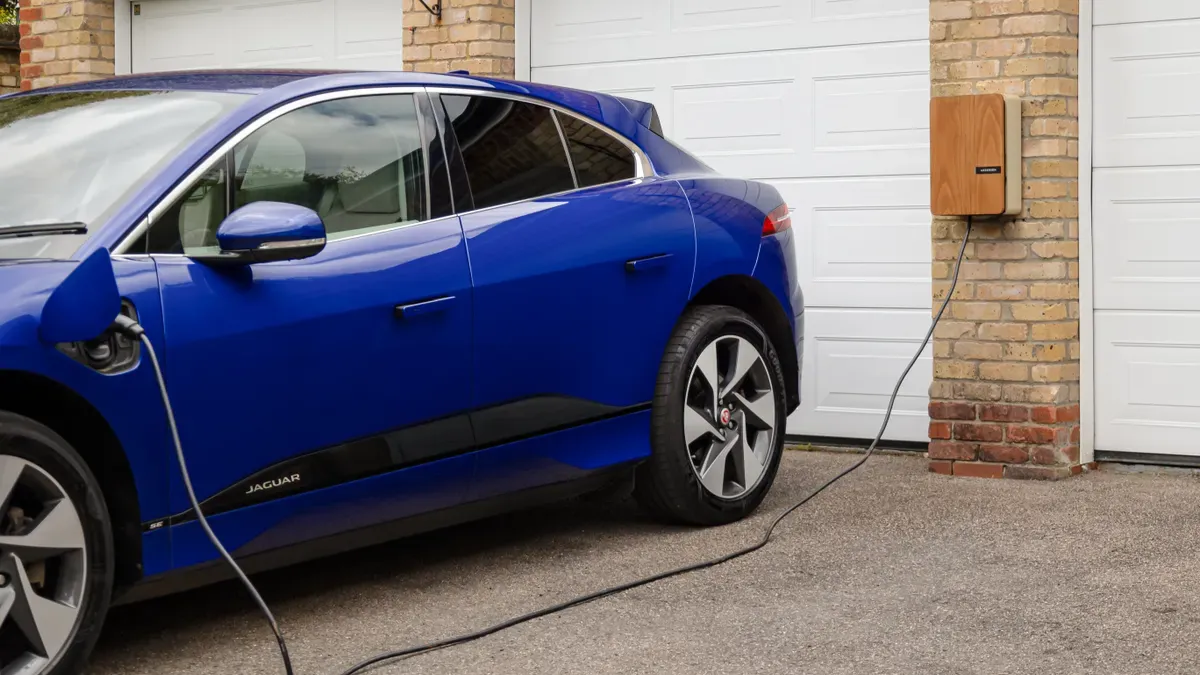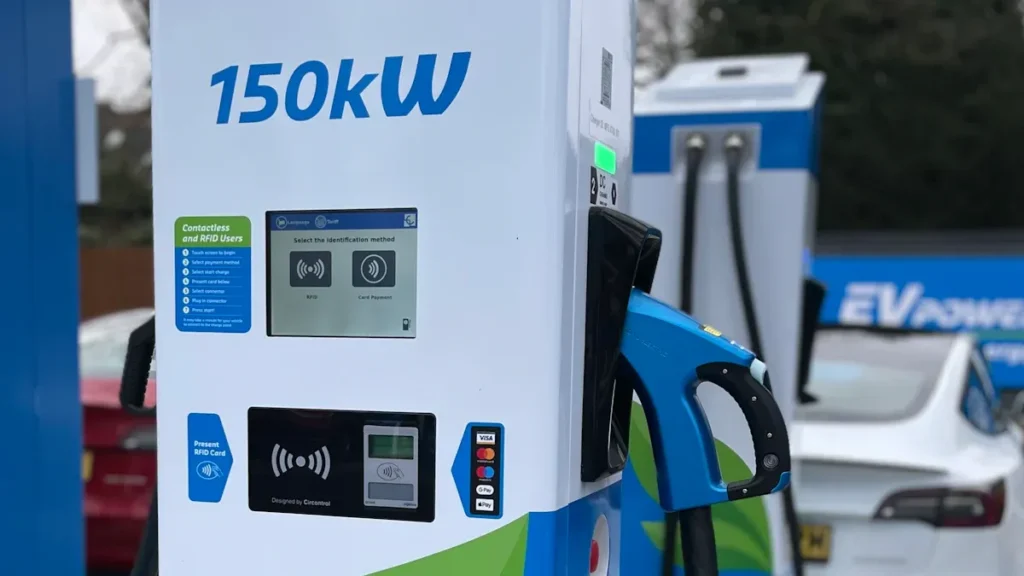

Responder a la pregunta de “cuánto cuesta cargar un vehículo eléctrico” es cada vez más relevante a medida que crece la adopción de vehículos eléctricos. La cuota de mercado de los vehículos totalmente eléctricos sigue aumentando, lo que muestra un cambio significativo en las preferencias de los consumidores. Comprender el coste de cargar un coche eléctrico es una parte clave de esta transición. El precio final depende en gran medida del lugar de carga y del propio vehículo, así como del tipo de Cargador EV utilizado. La carga doméstica ofrece la opción más económica, mientras que la carga pública proporciona comodidad a un coste mayor.
Conclusiones clave sobre los costes de carga de vehículos eléctricos:
- Carga doméstica: Una carga completa suele costar entre 7 y 25 dólares.
- Carga rápida pública: Espere pagar de 20 a 60 dólares por una carga completa.
- Coste por milla (doméstico): Aproximadamente 2-7 centavos.
- Coste por milla (público): Oscila entre 15 y 30 centavos.
Estas cifras ilustran cuánto cuesta cargar un coche eléctrico en diferentes escenarios. Los costes generales de carga están influenciados por su tarifa eléctrica, dónde utiliza un cargador para vehículos eléctricos y el tamaño de la batería de su coche. Empresas como TPSON, uno de los principales Fabricantes de cargadores para VE y proveedor tecnológicamente avanzado de soluciones de carga para vehículos eléctricos, ofrecen varios Soluciones de recarga de vehículos eléctricos, incluyendo cargadores portátiles para vehículos eléctricos, para ayudar a gestionar estos gastos. Esto hace que la carga de coches eléctricos sea más accesible.
¿Cuánto cuesta cargar un coche eléctrico en casa?

Cargar un vehículo eléctrico en casa es el método más conveniente y rentable para la mayoría de los propietarios de vehículos eléctricos. El coste de la carga doméstica de vehículos eléctricos es significativamente menor que repostar un coche de gasolina. Los conductores pueden despertarse cada mañana con la batería completamente cargada. Comprender los factores que determinan su factura final es el primer paso para maximizar el ahorro. El coste total de cargar un coche eléctrico depende de un cálculo sencillo que involucra la batería de su vehículo y el precio local de la electricidad.
Cálculo de su coste de carga doméstica
Determinar sus costes de carga es sencillo. Necesita dos datos clave: el tamaño de la batería de su coche (medido en kilovatios-hora, o kWh) y su tarifa eléctrica del proveedor de servicios (medida en dólares por kWh).
La fórmula básica: kWh x $/kWh
La fórmula fundamental para calcular el coste de cargar un coche eléctrico de vacío a lleno es simple. Se multiplica la energía total añadida a la batería por el precio que se paga por esa energía.
Coste para llenar la batería = Tamaño de la batería (kWh) × Tarifa eléctrica ($/kWh)
Este cálculo proporciona una estimación clara para una sesión de carga completa. Sin embargo, la mayoría de los conductores recargan su batería diariamente en lugar de cargarla del 0% al 100%.
Ejemplo práctico con un vehículo eléctrico popular
Consideremos un coche eléctrico popular con una batería de 75 kWh. La tarifa eléctrica promedio nacional es de aproximadamente 0,17 dólares por kWh.
Usando la fórmula, podemos calcular el coste para una carga completa:
75 kWh × 0,17 $/kWh = 12,75 $
Una carga completa para este vehículo costaría menos de trece dólares. Esta cifra destaca lo asequible que puede ser la carga en casa en comparación con otros métodos.
Cómo reducir sus costes de carga doméstica de vehículos eléctricos
Si bien la carga doméstica estándar ya es económica, varias estrategias pueden ayudar a reducir aún más los costes de carga de vehículos eléctricos. Estos métodos implican comprender la estructura de precios de su compañía eléctrica y realizar una inversión inicial en el equipo adecuado.
Comprender las tarifas fuera de horas punta
Muchas compañías eléctricas ofrecen planes de Tiempo de Uso (TOU). Estos planes varían el precio de la electricidad según la hora del día. Las tarifas son más altas durante las horas “punta” cuando la demanda es alta (generalmente a última hora de la tarde y primeras horas de la noche). Las tarifas son más bajas durante las horas “fuera de punta”, típicamente durante la noche. Programar sus sesiones de carga del coche eléctrico para estas horas fuera de punta puede reducir drásticamente sus costes de carga.
Encontrar planes especiales de carga para vehículos eléctricos
Algunas compañías eléctricas ofrecen planes de carga para vehículos eléctricos dedicados con tarifas nocturnas aún más bajas para incentivar el uso fuera de horas punta. Para acceder a estos ahorros, un cargador de Nivel 2 es esencial. Si bien hay un coste de instalación inicial, los ahorros a largo plazo son sustanciales. Proveedores tecnológicamente avanzados como TPSON ofrecen soluciones de carga que pueden ayudar a gestionar estas sesiones programadas automáticamente.
Los costes de instalación de un cargador de Nivel 2 pueden variar.
- Una instalación estándar de la unidad y mano de obra a menudo oscila entre aproximadamente 1.000 y 1.500 dólares.
- El servicio de instalación solo suele oscilar entre aproximadamente 375 y 875 dólares.
- Los factores que pueden aumentar el coste incluyen recorridos largos del cable (más de 10 metros), rutas complejas a través de paredes o la necesidad de actualizaciones del cuadro eléctrico.
Saber cómo cargar su coche eléctrico de manera eficiente comienza con tener la configuración correcta en casa.
Carga en casa frente a gastos de gasolina
El principal beneficio financiero de poseer un vehículo eléctrico se hace evidente al comparar los costes de carga doméstica con el precio de la gasolina. Los ahorros por milla se acumulan rápidamente, lo que conduce a ahorros anuales significativos.
Comparación del coste por milla
Comparemos nuestro vehículo eléctrico de 75 kWh con un coche de gasolina que logra 25 millas por galón (MPG). Supongamos que el vehículo eléctrico tiene una autonomía de 300 millas con una carga completa.
- Coste por milla del vehículo eléctrico: 12,75 $ / 300 millas = 0,0425 $ por milla
- Coste por milla del coche de gasolina: Usando un precio promedio nacional de la gasolina de 2,998 $ por galón, el coste de conducir una milla es 2,998 $ / 25 MPG = 0,12 $ por milla
En este escenario, conducir el vehículo eléctrico es casi tres veces más barato por milla.
Cálculo del ahorro anual
Una persona promedio conduce aproximadamente 13,500 millas al año. Podemos usar los costes por milla para estimar los gastos totales anuales de combustible. Esta comparación revela cuánto impacta en su presupuesto a lo largo del tiempo el coste de cargar un vehículo eléctrico.
| Tipo de vehículo | Coste por milla | Coste anual de combustible (13,500 millas) |
|---|---|---|
| Vehículo eléctrico (carga doméstica) | $0.0425 | $573.75 |
| Vehículo de gasolina (25 MPG) | $0.12 | $1,620.00 |
Según estas cifras, un propietario de un vehículo eléctrico que lo carga en casa podría ahorrar más de 1.000 libras al año solo en combustible. Esto demuestra la poderosa propuesta de valor a largo plazo de pasarse a la electricidad. El coste constante y bajo de la electricidad proporciona un presupuesto estable y predecible para el combustible de transporte.
¿Cuánto cuesta cargar un coche eléctrico en una estación pública?

Aunque la carga doméstica es la opción más barata, la carga pública es esencial para los viajes de larga distancia y para los conductores sin acceso a carga en casa. El coste de la carga pública es superior al de la carga doméstica. Refleja el coste del equipo, la instalación, el mantenimiento y la comodidad del repostaje sobre la marcha. Comprender las variables que afectan al precio final ayuda a los conductores a gestionar eficazmente su presupuesto de carga del coche eléctrico.
Factores del precio de la carga pública
Varios elementos determinan el coste final de la carga en una estación pública. Estos factores incluyen el proveedor de la red, la velocidad del cargador e incluso la ubicación física de la estación de carga.
Tarifas de las redes de carga (Electrify America, EVgo)
Grandes redes de carga como Electrify America y EVgo operan extensos sistemas de instalaciones de carga. Cada red establece su propia estructura de precios. El coste puede facturarse por kilovatio-hora (kWh) consumido o por minuto de carga. Muchas redes también ofrecen planes de suscripción. Estos planes suelen implicar una cuota mensual a cambio de una tarifa más baja por kWh o por minuto, lo que puede reducir los costes totales de carga para los usuarios frecuentes.
Velocidad del cargador y coste (Nivel 2 vs. Carga Rápida en CC)
La velocidad del cargador afecta significativamente al precio.
- Cargadores de nivel 2 **Los cargadores de Nivel 2** son más lentos y generalmente menos costosos. Son comunes en lugares donde los coches están aparcados durante varias horas, como centros comerciales o lugares de trabajo.
- Cargadores rápidos de CC **Los cargadores rápidos de CC** proporcionan una carga rápida a un coste mucho mayor. Son ideales para recargas rápidas durante viajes por carretera. El precio más elevado refleja la tecnología avanzada y la mayor potencia suministrada.
Diferencias de precios según la ubicación
La ubicación de un cargador público también influye en el coste. Una estación de carga en una zona urbana privilegiada o a lo largo de una autopista principal puede tener un precio más alto que una en una ubicación con menos tráfico. Esto es similar a cómo los precios de la gasolina pueden variar según el barrio. Los operadores trasladan al consumidor costes como el alquiler y la alta demanda de electricidad.
Costes típicos de la carga pública
El panorama de la carga pública incluye una amplia gama de precios. El coste de cargar un coche eléctrico depende en gran medida del tipo de cargador utilizado. Los conductores deben anticipar tarifas diferentes para la carga lenta de Nivel 2 frente a la carga rápida de CC de alta velocidad.
Precios de la carga pública de Nivel 2
La carga pública de Nivel 2 ofrece un equilibrio entre velocidad y coste. Es más rápida que un enchufe estándar de pared pero más asequible que la carga rápida de CC. El precio de estos cargadores suele oscilar entre aproximadamente 0,38 y 0,50 libras por kWh. Esto los convierte en una opción práctica para conductores que pueden dejar su coche eléctrico durante una hora o más.
Precios de la carga rápida de CC
La carga rápida de CC es la opción premium, diseñada para que los conductores vuelvan a la carretera rápidamente. Esta velocidad tiene un coste más elevado. El precio de la carga rápida de CC puede oscilar entre aproximadamente 0,56 y 1,06 libras por kWh. La siguiente tabla y gráfico ilustran los rangos de coste típicos para las diferentes velocidades de los cargadores públicos.
| Tipo de carga | Rango de precios (por kWh) |
|---|---|
| Carga de nivel 2 | $0.38 – $0.50 |
| Carga rápida de CC | $0.56 – $1.06 |
| Carga rápida (7-22 kW) | $0.38 – $0.56 |
| Carga ultrarrápida (50-150 kW) | $0.63 – $0.99 |

Estas cifras muestran que las velocidades de carga más rápidas exigen un precio más alto, por lo que es importante que los conductores elijan el cargador adecuado para sus necesidades y presupuesto.
Encontrar carga pública gratuita
Lo creas o no, es posible cargar un vehículo eléctrico de forma gratuita. Aunque no es una estrategia de carga principal, aprovechar las oportunidades de carga gratuita puede ayudar a reducir los costes totales de carga. Estos son casi siempre cargadores de Nivel 2, por lo que un cargador portátil de un proveedor como TPSON puede ser útil para conectarse.
Dónde buscar cargadores gratuitos
La carga gratuita se ofrece a menudo como una ventaja para atraer clientes. Los conductores pueden encontrar estas oportunidades en varios lugares comerciales y públicos.
- Hoteles y B&Bs: Muchos establecimientos ofrecen carga gratuita a los huéspedes que pernoctan.
- Atracciones turísticas: Los parques temáticos, museos y zoológicos a veces ofrecen carga gratuita a los visitantes.
- Instituciones: Algunas universidades, centros recreativos y escuelas ofrecen carga gratuita para el personal, estudiantes o visitantes.
Ciertos supermercados también ofrecen carga gratuita, aunque la disponibilidad puede ser limitada.
| Supermercado | ¿Carga gratuita para vehículos eléctricos? | Detalles |
|---|---|---|
| Sainsbury's | Sí | Carga de 7kW en alrededor de una docena de sitios en todo el Reino Unido |
| Aldi | Sí | Carga de 7kW en un pequeño número de ubicaciones en todo el Reino Unido |
| Lidl | Sí | Carga de 7kW en un pequeño número de ubicaciones en todo el Reino Unido |
| Costco | Sí | Los socios de Costco suelen poder utilizar cargadores de 7kW de forma gratuita |
| Tesco | No | Los clientes de Vauxhall que compran un vehículo eléctrico nuevo obtienen actualmente 500 libras de crédito de carga para la red de Tesco |
Limitaciones: Velocidades lentas y alta demanda
La carga gratuita conlleva contrapartidas.
Nota: Estos cargadores suelen ser de Nivel 2, lo que significa que añaden autonomía lentamente. Se utilizan mejor cuando el vehículo va a estar aparcado durante un período prolongado. Además, al ser gratuitas, estas estaciones suelen tener una gran demanda y pueden estar ocupadas cuando llegues.
¿Qué factores influyen en los costes de carga de los vehículos eléctricos?
Varias variables clave determinan el precio final de la carga de un vehículo eléctrico. El gasto total no es una cifra fija única, sino el resultado de las especificaciones de tu vehículo y de tu mercado energético local. Comprender estos factores ayuda a los conductores a predecir y gestionar sus costes de carga del vehículo eléctrico de forma más eficaz. Los tres elementos principales son el tamaño de la batería del vehículo, su eficiencia energética y las tarifas eléctricas locales.
Tamaño de la batería de tu vehículo (kWh)
La capacidad de la batería de un vehículo eléctrico, medida en kilovatios-hora (kWh), es el factor más directo que influye en el coste de cobrar. **coste de carga**. Una batería más grande almacena más energía y, por tanto, requiere más electricidad para llenarse.
Cómo afecta la capacidad de la batería al coste total
La relación entre el tamaño de la batería y los costes de carga es sencilla. Los vehículos eléctricos más grandes con baterías más grandes necesitan más electricidad para una carga completa, lo que conduce a un **coste total más alto**. El cálculo es simple: **multiplica el tamaño de la batería en kWh por tu tarifa eléctrica**..
Por ejemplo, cargar una batería de 100 kWh a una tarifa de $0.26 por kWh da como resultado un costo total de $26.00 para una carga completa. Una batería de 50 kWh en las mismas condiciones costaría la mitad, es decir, $13.00.
Costo de Carga: Baterías Pequeñas vs. Grandes
La diferencia de costo se hace evidente al comparar vehículos. Una camioneta grande como la Ford F-150 Lightning tiene una enorme batería de 131 kWh. En contraste, un automóvil más pequeño como el Chevrolet Bolt tiene una batería de aproximadamente 65 kWh. El costo para cargar la F-150 Lightning será aproximadamente el doble que el del Bolt, asumiendo el mismo precio de electricidad.
Eficiencia de Su Vehículo (mi/kWh)
La calificación de eficiencia de un vehículo, a menudo expresada como millas por kilovatio-hora (mi/kWh), juega un papel crucial en los costos reales de carga de su vehículo eléctrico. Mide qué distancia puede recorrer el automóvil con una unidad de energía.
Por Qué la Eficiencia Importa para Su Bolsillo
Un vehículo más eficiente recorre más distancia con la misma cantidad de electricidad. Esto reduce directamente su costo por milla. Un automóvil eléctrico ineficiente puede ver cómo sus costos de funcionamiento aumentan rápidamente, especialmente al depender de cargadores públicos costosos. Una mayor eficiencia también proporciona una autonomía mayor, reduciendo la necesidad de paradas frecuentes para cargar y minimizando el tiempo de inactividad del conductor.
Comparación de los VE Más y Menos Eficientes
Diferentes modelos tienen diferentes calificaciones de eficiencia. Un sedán aerodinámico y elegante casi siempre será más eficiente que un SUV grande y cuadrado. Esta diferencia en el consumo de energía impacta directamente en el resultado final, haciendo de la eficiencia del vehículo un factor crítico para el ahorro a largo plazo en la carga de automóviles eléctricos.
Sus Tarifas Eléctricas Locales
Donde vive tiene un impacto significativo en sus gastos de carga porque los precios de la electricidad varían ampliamente según la región.
Diferencias de Tarifas por Estado
El costo de un kilovatio-hora cambia de un estado a otro. Algunos estados tienen precios de energía mucho más bajos que otros.
- Estados como Luisiana y Oklahoma a menudo tienen algunas de las tarifas eléctricas más baratas del país.
- Por el contrario, los residentes en estados como Hawai y Connecticut normalmente pagan los precios más altos por la electricidad.
Esta variación geográfica significa que exactamente la misma sesión de carga de un vehículo eléctrico puede tener un costo diferente según la ubicación.
Cómo Funcionan las Tarifas de Tiempo de Uso (TOU)
Muchos proveedores de servicios públicos ofrecen planes de Tiempo de Uso (TOU) para ayudar a gestionar la demanda de energía. Estos planes están diseñados para que usted pague precios diferentes por la energía según la hora del día. Este sistema permite a los consumidores ahorrar dinero trasladando su uso de energía a horas de menor demanda. Así es como generalmente funcionan:
| Tipo de tarifa | Período de Tarifa | Hora Típica | Precio |
|---|---|---|---|
| Plan TOU | Punta | Tardes/Noches | Más alto |
| Plan TOU | Valle | Durante la noche | Baja |
Al programar la carga del vehículo eléctrico durante la noche en horas de menor demanda, los conductores pueden reducir significativamente sus costos de carga.

Una Comparación Directa de Costos: Cuánto Cuesta Cargar un VE vs. Gasolina
Una comparación directa revela las ventajas financieras de los vehículos eléctricos. El costo de repostar un VE frente a un automóvil de gasolina difiere significativamente, especialmente a largo plazo. Comprender estas diferencias ayuda a los compradores potenciales a tomar decisiones informadas. El debate sobre cómo cargar un VE a menudo se reduce a equilibrar la conveniencia con el gasto.
Costo de Conducir 100 Millas: VE vs. Gasolina
Analizar el costo de viajar una distancia fija, como 100 millas, proporciona una comparación clara y práctica. Este cálculo depende en gran medida de dónde se cargue el vehículo.
Escenario de Carga en el Hogar
Carga a domicilio ofrece el costo operativo más bajo. Un VE eficiente podría usar alrededor de 28 kWh para recorrer 100 millas.
VE (Hogar): 28 kWh × $0.17/kWh = $4.76
Automóvil a Gasolina (25 MPG): 4 galones × $3.50/galón = $14.00
En este escenario, conducir el VE cuesta casi un 66% menos que el equivalente de gasolina. Las soluciones de carga tecnológicamente avanzadas de proveedores como TPSON ayudan a los propietarios a programar la carga durante las horas más baratas, reduciendo aún más este gasto.
Escenario de Carga Pública
El precio aumenta al utilizar estaciones comerciales. La carga pública es necesaria para viajes por carretera o para conductores sin acceso a carga en el hogar.
VE (Público): 28 kWh × $0.50/kWh = $14.00
Automóvil a Gasolina (25 MPG): 4 galones × $3.50/galón = $14.00
Aquí, el costo de conducir 100 millas se vuelve casi idéntico al de un automóvil de gasolina. Esto destaca la importancia de la carga en el hogar para maximizar el ahorro.
Ahorro en Combustible a Largo Plazo con un VE
El verdadero beneficio financiero de un automóvil eléctrico se acumula a lo largo de los años de propiedad. Los ahorros constantes de la carga en el hogar se suman a una cantidad sustancial.
Estimación de Sus Ahorros a 5 Años
Un conductor promedio viaja aproximadamente 13,500 millas por año. Podemos proyectar el costo del combustible durante un período de cinco años basándonos en los escenarios de 100 millas.
| Tipo de vehículo | Coste anual del combustible | Costo de Combustible a 5 Años |
|---|---|---|
| VE (Carga en el Hogar) | $642.60 | $3,213 |
| Coche de gasolina | $1,890.00 | $9,450 |
| Ahorro Total | $6,237 |
Esta tabla ilustra que un propietario de un VE que carga principalmente en el hogar podría ahorrar más de $6,000 en cinco años.
El Impacto de la Volatilidad del Precio de la Gasolina
Los precios de la gasolina son famosamente inestables. Pueden subir y bajar drásticamente según eventos globales y la demanda del mercado. Las tarifas eléctricas, en contraste, están reguladas y son mucho más predecibles. Esta estabilidad les da a los propietarios de VE un costo de transporte constante y favorable para el presupuesto. Los conductores están protegidos de los aumentos repentinos de precios que afectan a los propietarios de automóviles de gasolina.
Comprender los Niveles de Cargador y Sus Costos
El velocidad de carga y costo están directamente vinculados al tipo de cargador utilizado. La industria clasifica los cargadores en tres niveles principales, cada uno ofreciendo un equilibrio diferente de velocidad, costo y conveniencia. Comprender estos niveles es crucial para cualquier propietario de un vehículo eléctrico (EV) para gestionar sus costos y tiempos de carga de manera efectiva. Desde un simple enchufe de pared hasta una estación pública de alta potencia, cada nivel de cargador cumple un propósito distinto en el ecosistema de carga de automóviles eléctricos.
Carga Nivel 1 (Enchufe de 120V)
La carga Nivel 1 utiliza un enchufe de pared estándar de 120 voltios, del mismo tipo que se usa para una lámpara o una computadora portátil. Este método no requiere instalación especial; los conductores simplemente pueden conectar su vehículo usando un cargador portátil, como los ofrecidos por proveedores tecnológicamente avanzados como TPSON.
Costo y Casos de Uso Principales
La ventaja principal de la carga Nivel 1 es su accesibilidad y costo de instalación cero. Es la forma más económica de cargar, ya que solo requiere un enchufe estándar. Este método es más adecuado para escenarios específicos:
- Híbridos Enchufables (PHEV): Estos vehículos tienen baterías más pequeñas y a menudo pueden recargarse por completo durante la noche.
- Conductores de Bajo Kilometraje: Si conduces distancias cortas diariamente, el Nivel 1 puede reponer la energía utilizada.
- Opción de Emergencia o Respaldo: Sirve como una copia de seguridad confiable cuando no hay disponible un cargador más rápido.
¿Es Práctica la Carga Nivel 1 para el Uso Diario?
Para la mayoría de los propietarios de vehículos eléctricos de batería (BEV), la carga Nivel 1 no es práctica para el uso diario. La velocidad de carga es muy lenta.
Un cargador Nivel 1 típicamente agrega solo 3 a 5 millas de autonomía por hora.
Esto significa que una carga completa en un EV moderno podría tomar varios días. Si bien funciona para recargas nocturnas en PHEV o para conductores con trayectos muy cortos, no puede satisfacer las demandas de la conducción diaria promedio en un automóvil totalmente eléctrico.
Carga Nivel 2 (Enchufe de 240V)
El Nivel 2 es la solución más común y práctica para la carga doméstica. Utiliza un circuito de 240 voltios, similar al de una secadora eléctrica, y proporciona una carga mucho más rápida que el Nivel 1.
El Estándar de Carga Doméstica
Un cargador Nivel 2 se considera el estándar de oro para uso doméstico. Puede cargar completamente la mayoría de los EV durante la noche, asegurando una batería llena cada mañana. Un cargador Nivel 2 típico de 7 kW puede cargar una batería de 65 kWh en aproximadamente 8-12 horas, 9 horas, mientras que un cargador Nivel 1 tardaría más de 24 horas en hacer el mismo trabajo. Esta velocidad y conveniencia lo convierten en la opción preferida para la gran mayoría de los propietarios de EV.
Costos de Instalación y Operación
Para usar un cargador Nivel 2, necesitas instalar un cargador para automóvil eléctrico. El costo total de la unidad y la instalación profesional puede variar.
| Tipo de Cargador (7kW) | Costo Promedio (Hardware e Instalación) |
|---|---|
| Enchufe universal | $560 – $1,000 |
| Conector Atado (Tethered) | $625 – $875 |
Los costos de operación están determinados por tu tarifa eléctrica. Combinar un cargador Nivel 2 con un plan de electricidad en horas de menor demanda es la forma más efectiva de reducir tus costos de carga a largo plazo.
Nivel 3 (Carga Rápida de CC)
La carga Nivel 3, también conocida como Carga Rápida de CC, es la forma más rápida de cargar un EV. Estos cargadores se encuentran en estaciones públicas a lo largo de las principales rutas de viaje.
La Opción de Alta Velocidad y Alto Costo
Los cargadores rápidos de CC suministran corriente continua (CC) directamente a la batería, evitando el cargador incorporado del automóvil. Esto permite velocidades increíblemente rápidas, con salidas de potencia que van desde 50 kW hasta más de 350 kW.
Un cargador ultrarrápido puede agregar hasta 200 millas de autonomía en solo 30 minutos.
Esta velocidad tiene un precio elevado, convirtiéndola en la opción de carga más costosa. El alto costo refleja la tecnología sofisticada y los enormes requisitos de potencia del cargador.
Cuándo Usar un Cargador Rápido de CC
Los cargadores rápidos de CC no están diseñados para uso regular y diario. Su propósito principal es facilitar viajes de larga distancia.
Consejo profesional: viajes por carretera. Usa un cargador rápido de CC durante viajes por carretera para agregar rápidamente autonomía significativa y minimizar el tiempo de inactividad. Son esenciales para que los viajes en EV sean tan convenientes como los de automóviles a gasolina.
Cargar un EV al 80% en un cargador rápido puede tomar tan solo 20-40 minutos, lo que lo convierte en la opción ideal para una parada rápida en un viaje largo.
La forma más económica de cargar un EV es mediante la carga doméstica. Un cargador doméstico dedicado permite a los conductores acceder a tarifas en horas de menor demanda, reduciendo el precio a tan solo aproximadamente 9 centavos por milla. Si bien la carga pública ofrece conveniencia para viajes por carretera, su costo es mayor. En última instancia, un propietario de un automóvil eléctrico que utiliza un cargador confiable experimenta ahorros significativos en comparación con la gasolina. Las soluciones de cargadores tecnológicamente avanzadas de proveedores como TPSON hacen que la gestión de este proceso sea simple, asegurando que el cargador opere de manera eficiente.
PREGUNTAS FRECUENTES
¿Es más barato cargar un EV en casa o en una estación pública?
La carga doméstica es significativamente más barata que usar estaciones públicas. Los cargadores públicos tienen costos adicionales por mantenimiento, electricidad y ganancias. Los conductores maximizan sus ahorros cargando sus vehículos durante la noche en casa usando su suministro eléctrico doméstico.
¿Cuánto tarda en cargarse un coche eléctrico?
El tiempo de carga depende de la potencia del cargador.
- Nivel 2 (Hogar): 8-12 horas para una carga completa.
- Nivel 3 (Carga Rápida de CC): 20-40 minutos para alcanzar el 80% de capacidad.
Los cargadores más lentos son mejores para uso nocturno, mientras que los cargadores rápidos son ideales para viajes por carretera.
¿Puedo usar un enchufe normal para cargar mi EV?
Sí, un enchufe de pared estándar proporciona carga Nivel 1. Este método es extremadamente lento, agregando solo unas pocas millas de autonomía por hora. Es mejor para híbridos enchufables o como una opción de respaldo de emergencia.
¿Necesito un plan de electricidad especial para mi EV?
Un plan especial no es obligatorio, pero es muy recomendable para ahorrar costos.
Muchas compañías de servicios públicos ofrecen tarifas por Tiempo de Uso (TOU) o tarifas específicas para EV. Estos planes ofrecen tarifas eléctricas más baratas durante las horas de menor demanda, generalmente durante la noche, reduciendo los gastos de carga.
¿Cómo afecta el clima al costo de carga?
El clima frío reduce la eficiencia de la batería. El sistema de gestión de la batería debe trabajar más para mantener una temperatura óptima. Este proceso consume más energía, lo que puede aumentar ligeramente el costo por milla en cada sesión de carga.
¿Cuál es el mejor tipo de cargador doméstico?
Un cargador de Nivel 2 es el estándar de la industria para instalaciones domésticas. Proporciona una carga confiable y suficientemente rápida para las necesidades de conducción diaria. Proveedores tecnológicamente avanzados como TPSON ofrecen soluciones de carga inteligente que ayudan a gestionar el uso de energía de manera efectiva.