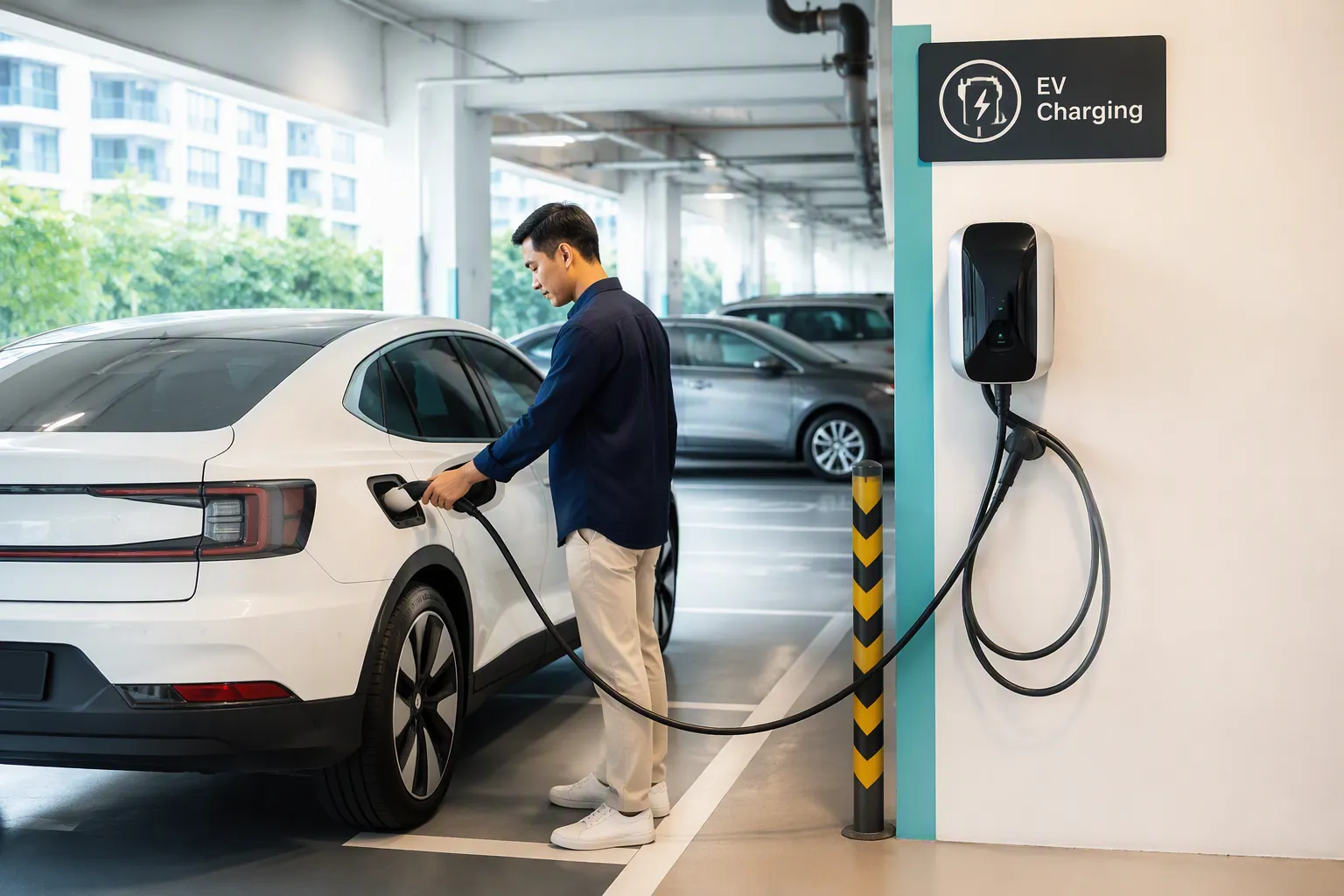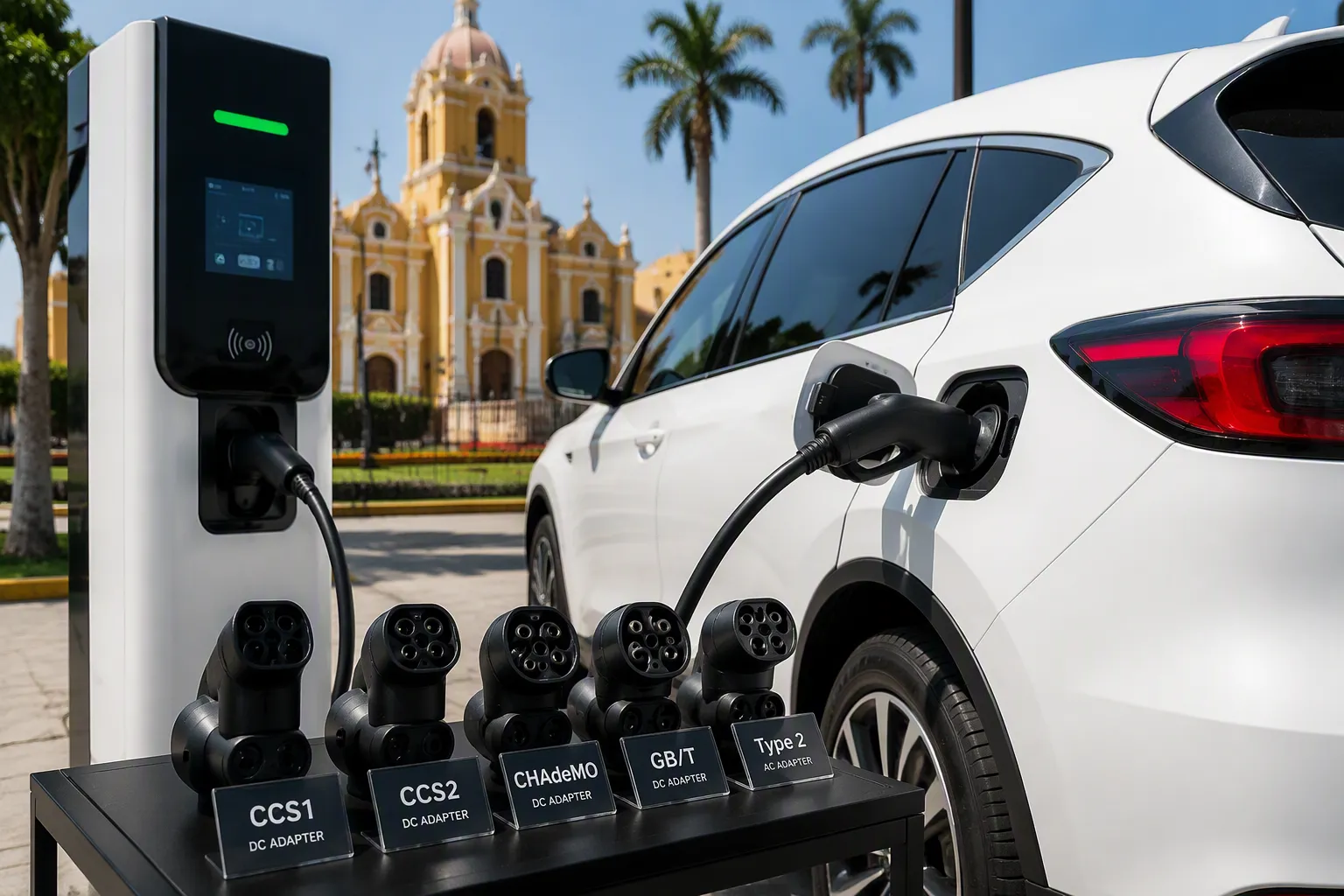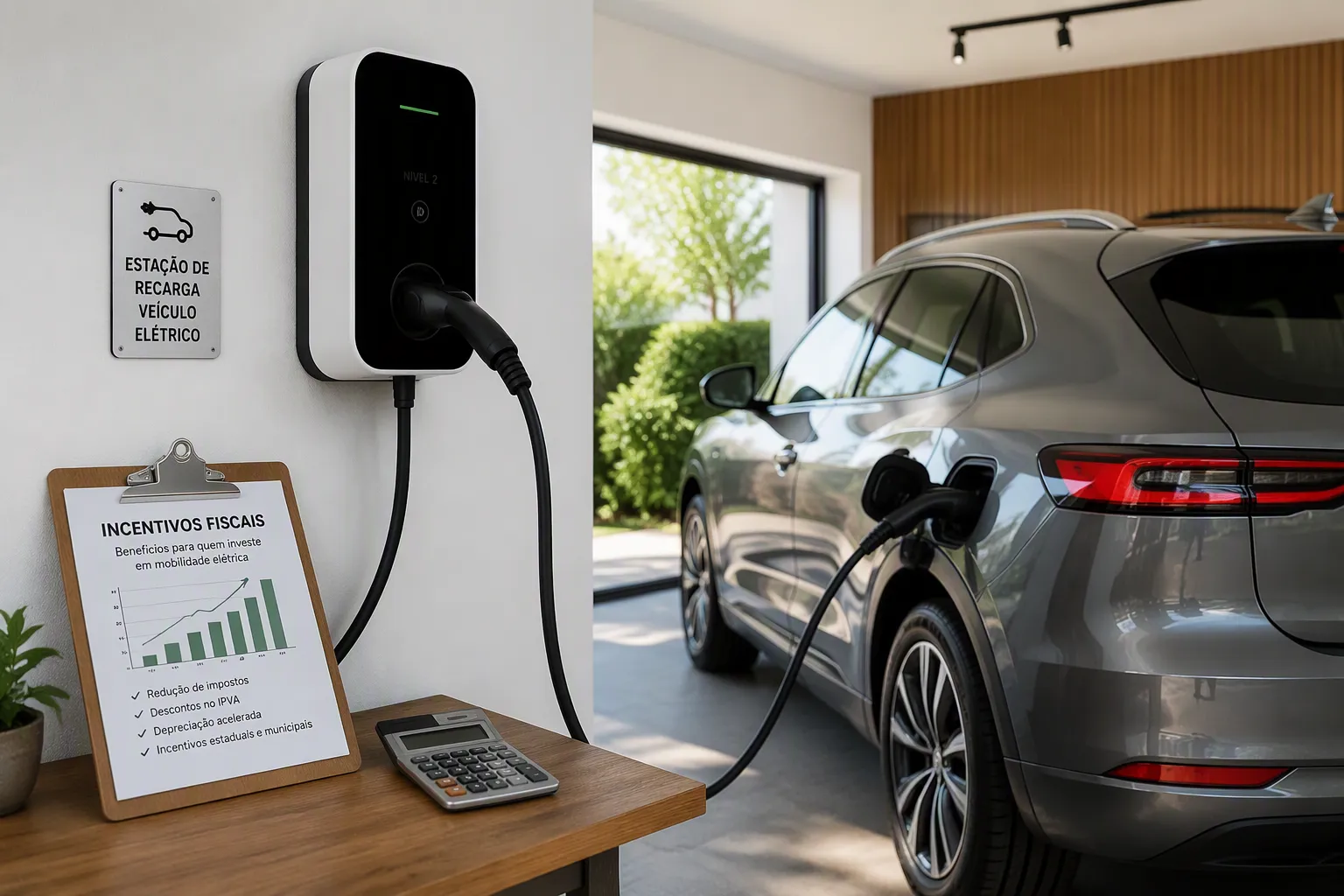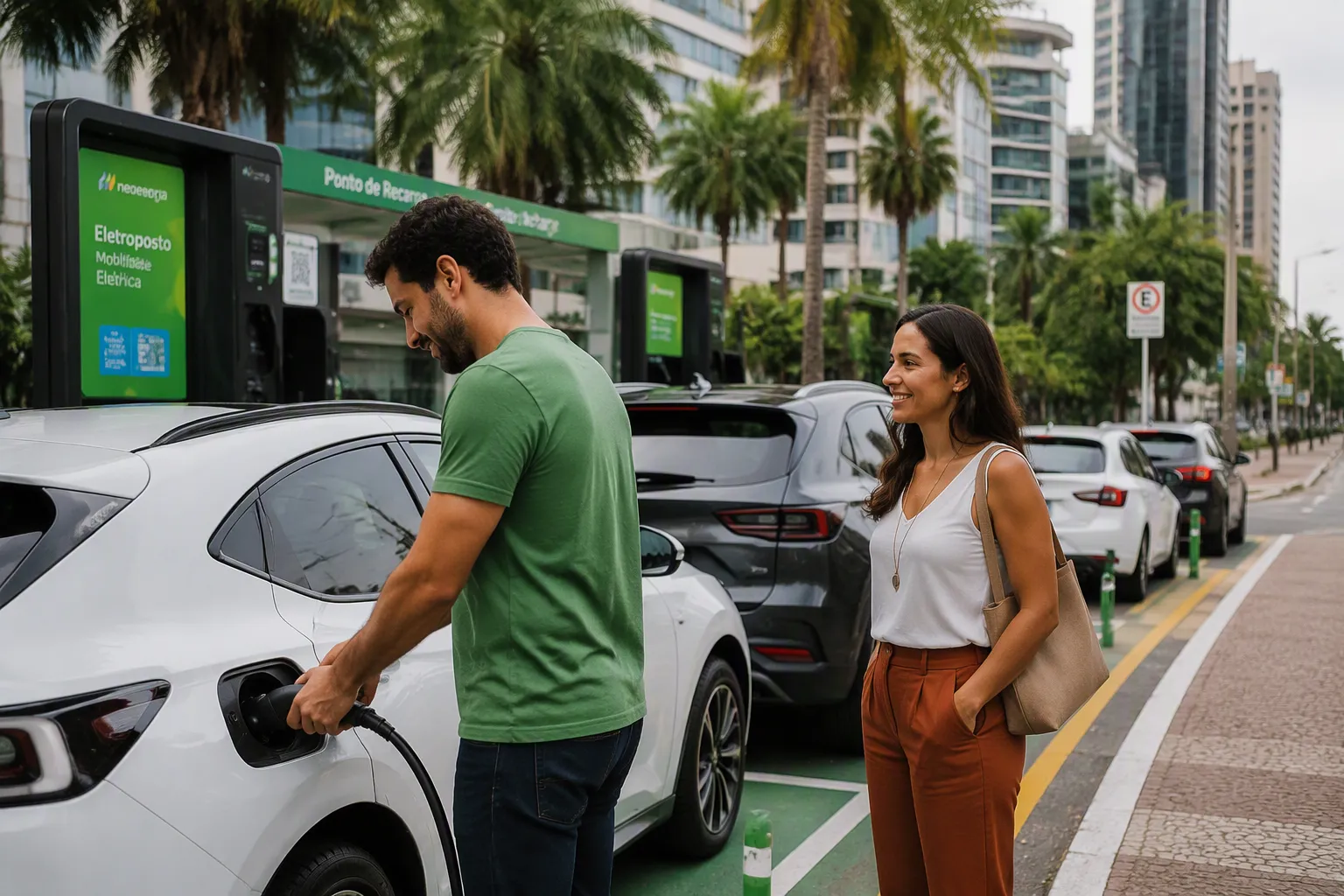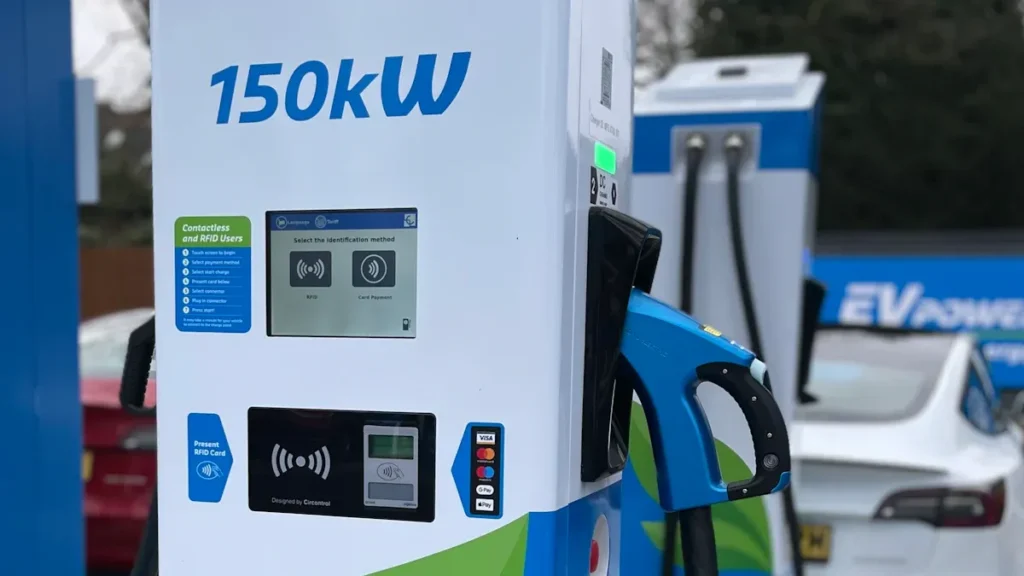

Answering the question of “how much does it cost to charge an EV” is becoming increasingly relevant as electric vehicle adoption grows. The market share for fully electric vehicles continues to climb, showing a significant shift in consumer preferences. Understanding the cost to charge an electric car is a key part of this transition. The final price depends heavily on the charging location and the vehicle itself, as well as the type of شاحن السيارة الكهربائية used. Home charging offers the most economical option, while public charging provides convenience at a higher cost.
Key Takeaways on EV Charging Costs:
- Home Charging: A full charge typically costs between $7 and $25.
- Public Fast Charging: Expect to pay $20 to $60 for a full charge.
- Cost Per Mile (Home): Approximately 2-7 cents.
- Cost Per Mile (Public): Ranges from 15-30 cents.
These figures illustrate how much it costs to charge an electric car under different scenarios. The overall charging costs are influenced by your electricity rate, where you use an EV charger, and your car’s battery size. Companies like TPSON, one of the leading الشركات المصنعة لشاحن السيارة الكهربائية and a technologically advanced electric vehicle charging solution provider, offer various حلول شحن السيارات الكهربائية, بما في ذلك شواحن السيارات الكهربائية المحمولة, to help manage these expenses. This makes electric car charging more accessible.
How Much Does It Cost to Charge an Electric Car at Home?

Charging an EV at home is the most convenient and cost-effective method for the majority of electric vehicle owners. The home ev charging cost is significantly lower than refueling a gasoline car. Drivers can wake up to a full battery every morning. Understanding the factors that determine your final bill is the first step toward maximizing savings. The overall cost of charging an electric car depends on a simple calculation involving your vehicle’s battery and your local electricity price.
Calculating Your Home Charging Cost
Determining your charging costs is straightforward. You need two key pieces of information: the size of your car’s battery (measured in kilowatt-hours, or kWh) and your electricity rate from your utility provider (measured in dollars per kWh).
The Basic Formula: kWh x $/kWh
The fundamental formula for calculating the cost to charge an electric car from empty to full is simple. You multiply the total energy added to the battery by the price you pay for that energy.
Cost to Fill Battery = Battery Size (kWh) × Electricity Rate ($/kWh)
This calculation provides a clear estimate for a full charging session. Most drivers, however, top off their battery daily rather than charging from 0% to 100%.
Real-World Example with a Popular EV
Let’s consider a popular electric car with a 75 kWh battery. The national average electricity rate is approximately $0.17 per kWh.
Using the formula, we can calculate the cost for a full charge:
75 kWh × $0.17/kWh = $12.75
A full charge for this vehicle would cost under thirteen dollars. This figure highlights how affordable charging at home can be compared to other methods.
How to Lower Your Home EV Charging Costs
While standard home charging is already inexpensive, several strategies can help reduce electric vehicle charging costs even further. These methods involve understanding your utility’s pricing structure and making an initial investment in proper equipment.
Understanding Off-Peak Rates
Many utility companies offer Time-of-Use (TOU) plans. These plans vary the price of electricity based on the time of day. Rates are highest during “peak” hours when demand is high (usually late afternoon and early evening). Rates are lowest during “off-peak” hours, typically overnight. Scheduling your electric car charging sessions for these off-peak hours can dramatically lower your charging costs.
Finding Special EV Charging Plans
Some utilities provide dedicated electric vehicle charging plans with even lower overnight rates to incentivize off-peak usage. To access these savings, a Level 2 charger is essential. While there is an upfront installation cost, the long-term savings are substantial. Technologically advanced providers like TPSON offer charging solutions that can help manage these scheduled sessions automatically.
Installation costs for a Level 2 charger can vary.
- A standard installation for the unit and labor often falls between approximately $1,000 and $1,500.
- The installation service alone typically ranges from approximately $375 to $875.
- Factors that can increase the cost include long cable runs (over 10 meters), complex routing through walls, or the need for consumer unit upgrades.
Knowing how to charge your electric car efficiently starts with having the right setup at home.
الشحن المنزلي مقابل تكاليف البنزين
The primary financial benefit of owning an EV becomes clear when comparing home charging costs to the price of gasoline. The savings per mile accumulate quickly, leading to significant annual savings.
Cost Per Mile Comparison
Let’s compare our 75 kWh EV with a gasoline car that achieves 25 miles per gallon (MPG). Assume the EV has a range of 300 miles on a full charge.
- EV Cost Per Mile: $12.75 / 300 miles = $0.0425 per mile
- Gas Car Cost Per Mile: Using a national average gas price of $2.998 per gallon, the cost to drive one mile is $2.998 / 25 MPG = $0.12 per mile
In this scenario, driving the electric vehicle is nearly three times cheaper per mile.
Annual Savings Calculation
An average person drives about 13,500 miles per year. We can use the per-mile costs to estimate total annual fuel expenses. This comparison reveals just how much to charge an ev impacts your budget over time.
| نوع المركبة | تصبح ميزة التكلفة لكل ميل واضحة جداً عند النظر إليها على المدى الطويل. | Annual Fuel Cost (13,500 Miles) |
|---|---|---|
| Electric Vehicle (Home Charging) | $0.0425 | $573.75 |
| Gasoline Vehicle (25 MPG) | $0.12 | $1,620.00 |
Based on these figures, an EV owner who is charging an EV at home could save over $1,000 per year on fuel alone. This demonstrates the powerful long-term value proposition of switching to electric. The consistent and low cost of electricity provides a stable and predictable budget for transportation fuel.
What Is the Cost to Charge an Electric Car at a Public Station?

While home charging is the cheapest option, public charging is essential for long-distance travel and for drivers without home charging access. The public charging cost is higher than charging at home. It reflects the cost of equipment, installation, maintenance, and the convenience of on-the-go refueling. Understanding the variables that affect the final price helps drivers manage their electric car charging budget effectively.
Public Charging Price Factors
Several elements determine the final cost to charge at a public station. These factors include the network provider, the speed of the charger, and even the physical location of the charging station.
Charging Network Rates (Electrify America, EVgo)
Major charging networks like Electrify America and EVgo operate extensive systems of charging facilities. Each network sets its own pricing structure. The cost can be billed per kilowatt-hour (kWh) consumed or per minute spent charging. Many networks also offer subscription plans. These plans typically involve a monthly fee in exchange for a lower per-kWh or per-minute rate, which can reduce overall charging costs for frequent users.
Charger Speed and Cost (Level 2 vs. DC Fast)
The speed of the charger significantly impacts the price.
- شواحن المستوى 2 are slower and generally less expensive. They are common in places where cars park for several hours, like shopping centres or workplaces.
- أجهزة الشحن السريع بالتيار المستمر provide rapid charging for a much higher cost. They are ideal for quick top-ups during road trips. The higher price reflects the advanced technology and greater power delivery.
Location-Based Pricing Differences
The location of a public charger also influences the cost. A charging station in a prime urban area or along a major highway may have a higher price than one in a less-trafficked location. This is similar to how gasoline prices can vary by neighbourhood. Operators pass on costs like rent and high electricity demand to the consumer.
Typical Public Charging Costs
The public charging landscape includes a wide range of pricing. The cost to charge an electric car depends heavily on the type of charger used. Drivers should anticipate different rates for slower Level 2 charging versus high-speed DC fast charging.
Level 2 Public Charging Prices
Level 2 public charging offers a balance between speed and cost. It is faster than a standard wall outlet but more affordable than DC fast charging. The price for these chargers typically falls between approximately $0.38 and $0.50 per kWh. This makes them a practical option for drivers who can leave their electric car for an hour or more.
DC Fast Charging Prices
DC fast charging is the premium option, designed to get drivers back on the road quickly. This speed comes at a higher cost. The price for DC fast charging can range from approximately $0.56 to $1.06 per kWh. The following table and chart illustrate the typical cost ranges for different public charger speeds.
| نوع الشحن | Price Range (per kWh) |
|---|---|
| شحن المستوى 2 | $0.38 – $0.50 |
| الشحن السريع بالتيار المستمر | $0.56 – $1.06 |
| الشحن السريع (7-22 كيلوواط) | $0.38 – $0.56 |
| Rapid Charging (50-150 kW) | $0.63 – $0.99 |

These figures show that faster charging speeds command a higher price, making it important for drivers to choose the right charger for their needs and budget.
Finding Free Public Charging
Believe it or not, it is possible to charge an EV for free. While not a primary charging strategy, taking advantage of free charging opportunities can help lower overall charging costs. These are almost always Level 2 chargers, so a portable charger from a provider like TPSON can be useful for connecting.
Where to Look for Free Chargers
Free charging is often offered as a perk to attract customers. Drivers can find these opportunities at various commercial and public locations.
- Hotels and B&Bs: Many establishments offer complimentary charging for overnight guests.
- Tourist Attractions: Theme parks, museums, and zoos sometimes provide free charging to visitors.
- Institutions: Some universities, recreation centers, and schools offer free charging for staff, students, or visitors.
Certain grocery stores also provide free charging, though availability can be limited.
| Supermarket | Free EV charging? | التفاصيل |
|---|---|---|
| سينسبريز | نعم | 7kW charging at around a dozen sites across the UK |
| ألدي | نعم | 7kW charging at a small number of locations across the UK |
| ليدل | نعم | 7kW charging at a small number of locations across the UK |
| Costco | نعم | Costco members can usually use 7kW chargers for free |
| تيسكو | لا يوجد | Vauxhall customers who purchase a new EV currently get £500 of charging credit for Tesco’s network |
Limitations: Slow Speeds and High Demand
Free charging comes with trade-offs.
ملاحظة: These chargers are typically Level 2, meaning they add range slowly. They are best used when the vehicle will be parked for an extended period. Additionally, because they are free, these stations are often in high demand and may be occupied when you arrive.
What Factors Influence Electric Vehicle Charging Costs?
Several key variables determine the final price of electric vehicle charging. The total expense is not a single fixed number but a result of your vehicle’s specifications and your local energy market. Understanding these factors helps drivers predict and manage their ev charging costs more effectively. The three primary elements are the vehicle’s battery size, its energy efficiency, and local electricity rates.
حجم بطارية سيارتك (كيلوواط ساعة)
The capacity of an EV’s battery, measured in kilowatt-hours (kWh), is the most direct factor influencing the تكلفة الشحن. A larger battery holds more energy and therefore requires more electricity to fill.
How Battery Capacity Affects Total Cost
The relationship between battery size and charging costs is straightforward. Larger EVs with bigger batteries need more electricity for a full charge, which leads to a higher overall cost. The calculation is simple: اضرب حجم البطارية بالكيلوواط/ساعة في سعر الكهرباء لديك..
على سبيل المثال، شحن بطارية سعتها 100 كيلوواط/ساعة بسعر 0.26 دولار لكل كيلوواط/ساعة يؤدي إلى تكلفة إجمالية قدرها 26.00 دولار للشحن الكامل. بينما تبلغ تكلفة شحن بطارية 50 كيلوواط/ساعة في نفس الظروف نصف ذلك المبلغ، أي 13.00 دولار.
تكلفة الشحن: البطاريات الصغيرة مقابل الكبيرة
يصبح الفرق في التكلفة واضحًا عند مقارنة المركبات. تمتلك شاحنة كبيرة مثل فورد إف-150 لايتنينج بطارية ضخمة تبلغ 131 كيلوواط/ساعة. في المقابل، تمتلك سيارة أصغر مثل شيفروليه بولت بطارية تبلغ حوالي 65 كيلوواط/ساعة. ستكون تكلفة شحن إف-150 لايتنينج تقريبًا ضعف تكلفة شحن البولت، بافتراض نفس سعر الكهرباء.
كفاءة مركبتك (ميل/كيلوواط/ساعة)
يلعب تصنيف كفاءة المركبة، الذي يُعبر عنه غالبًا بـ الأميال لكل كيلوواط/ساعة (ميل/كيلوواط/ساعة), ، دورًا حاسمًا في تكاليف شحن مركبتك الكهربائية الفعلية. فهو يقيس المسافة التي يمكن للسيارة قطعها بوحدة طاقة واحدة.
لماذا تهم الكفاءة لمحفظتك
تسير المركبة الأكثر كفاءة مسافة أبعد بنفس كمية الكهرباء. وهذا يخفض مباشرة تكلفتك لكل ميل. يمكن أن تتراكم تكاليف تشغيل سيارة كهربائية غير فعالة بسرعة، خاصة عند الاعتماد على محطات الشحن العامة الباهظة. توفر الكفاءة الأعلى أيضًا مدىً أكبر، مما يقلل الحاجة إلى توقفات الشحن المتكررة ويقلل وقت توقف السائق.
مقارنة السيارات الكهربائية الأكثر والأقل كفاءة
تتمتع الموديلات المختلفة بتصنيفات كفاءة مختلفة. ستكون السيارة السيدان الانسيابية الهوائية دائمًا أكثر كفاءة من سيارة الدفع الرباعي الكبيرة والمربعة الشكل. يؤثر هذا الاختلاف في استهلاك الطاقة مباشرة على التكلفة النهائية، مما يجعل كفاءة المركبة عاملاً حاسمًا في التوفير طويل الأمد من شحن السيارة الكهربائية.
أسعار الكهرباء المحلية لديك
للمكان الذي تعيش فيه تأثير كبير على نفقات الشحن لأن أسعار الكهرباء تختلف على نطاق واسع حسب المنطقة.
اختلاف الأسعار من ولاية إلى أخرى
يتغير سعر الكيلوواط/ساعة من ولاية إلى أخرى. لدى بعض الولايات أسعار طاقة أقل بكثير من غيرها.
- ولايات مثل لويزيانا و وأوكلاهوما غالبًا ما يكون لديها بعض أرخص أسعار الكهرباء في البلاد.
- على العكس من ذلك، يدفع المقيمون في ولايات مثل هاواي و كونيتيكت هاواي.
وكاليفورنيا.
عادةً أعلى الأسعار للكهرباء.
يعني هذا الاختلاف الجغرافي أن جلسة شحن السيارة الكهربائية نفسها تمامًا يمكن أن تكلف مبلغًا مختلفًا حسب الموقع. كيفية عمل تعريفة الاستهلاك حسب الوقت (TOU) تقدم العديد من شركات المرافق
| نوع التعريفة | خطط الاستهلاك حسب الوقت (TOU) | للمساعدة في إدارة الطلب على الطاقة. صُممت هذه الخطط لجعلك تدفع أسعارًا مختلفة للطاقة حسب وقت اليوم. يسمح هذا النظام للمستهلكين بتوفير المال عن طريق تحويل استخدامهم للطاقة إلى أوقات خارج أوقات الذروة. إليك كيفية عملها بشكل عام: | السعر |
|---|---|---|---|
| فترة التسعير | الوقت النموذجي | خطة الاستهلاك حسب الوقت (TOU) | أعلى |
| فترة التسعير | الذروة | بين عشية وضحاها | أقل |
بعد الظهر / المساء.

منتصف الليل - الصباح الباكر
من خلال جدولة شحن السيارة الكهربائية ليلاً خلال ساعات خارج الذروة، يمكن للسائقين خفض تكاليف الشحن بشكل كبير.
كم تبلغ تكلفة شحن سيارة كهربائية؟
مقارنة تكلفة مباشرة: كم تبلغ تكلفة شحن سيارة كهربائية مقابل البنزين.
تكشف المقارنة المباشرة عن المزايا المالية للسيارات الكهربائية. تختلف تكلفة تزويد سيارة كهربائية بالوقود عن سيارة البنزين بشكل كبير، خاصة على المدى الطويل. يساعد فهم هذه الاختلافات المشترين المحتملين على اتخاذ قرارات مستنيرة. غالبًا ما يتلخص النقاش حول كيفية شحن سيارة كهربائية في الموازنة بين الراحة والمصروف.
الشحن المنزلي تكلفة قطع 100 ميل: سيارة كهربائية مقابل بنزين.
يوفر تحليل تكلفة السفر لمسافة محددة، مثل 100 ميل، مقارنة واضحة وعملية. يعتمد هذا الحساب بشكل كبير على مكان شحن المركبة. سيناريو الشحن المنزلي $4.76
يقدم أدنى تكلفة تشغيلية. قد تستهلك سيارة كهربائية فعالة حوالي 28 كيلوواط/ساعة لقطع 100 ميل. سيارة كهربائية (منزل): $14.00
28 كيلوواط/ساعة × 0.17 دولار/كيلوواط/ساعة = 4.76 دولار.
سيارة بنزين (25 ميل لكل غالون):
4 غالون × 3.50 دولار/غالون = 14.00 دولار.
في هذا السيناريو، تبلغ تكلفة قيادة السيارة الكهربائية أقل بنحو 66٪ من نظيرتها التي تعمل بالبنزين. تساعد حلول الشحن المتطورة تقنيًا من مزودين مثل TPSON المالكين في جدولة الشحن خلال أرخص الساعات، مما يقلل هذه النفقة أكثر. سيناريو الشحن العام $14.00
يقدم أدنى تكلفة تشغيلية. قد تستهلك سيارة كهربائية فعالة حوالي 28 كيلوواط/ساعة لقطع 100 ميل. سيارة كهربائية (منزل): $14.00
يرتفع السعر عند استخدام المحطات التجارية. الشحن العام ضروري للرحلات الطويلة أو للسائقين الذين لا يمكنهم الشحن في المنزل.
سيارة كهربائية (عام):
28 كيلوواط/ساعة × 0.50 دولار/كيلوواط/ساعة = 14.00 دولار.
هنا، تصبح تكلفة قطع 100 ميل متطابقة تقريبًا مع سيارة البنزين. وهذا يبرز أهمية الشحن المنزلي لتعظيم التوفير.
توفير الوقود طوال العمر الافتراضي لسيارة كهربائية.
| نوع المركبة | تكلفة الوقود السنوية | يتراكم الفائدة المالية الحقيقية للسيارة الكهربائية على سنوات الملكية. يصل إجمالي التوفير المستمر من الشحن المنزلي إلى مبلغ كبير. |
|---|---|---|
| تقدير توفيرك لمدة 5 سنوات | $642.60 | $3,213 |
| يقطع السائق العادي حوالي 13,500 ميل سنويًا. يمكننا توقع تكلفة الوقود على مدى خمس سنوات بناءً على سيناريوهات الـ 100 ميل. | $1,890.00 | $9,450 |
| تكلفة الوقود لمدة 5 سنوات | $6,237 |
سيارة كهربائية (شحن منزلي).
The Impact of Gas Price Volatility
Gasoline prices are famously unstable. They can rise and fall dramatically based on global events and market demand. Electricity rates, in contrast, are regulated and far more predictable. This stability gives EV owners a consistent and budget-friendly transportation cost. Drivers are shielded from the sudden price spikes that affect gasoline car owners.
Understanding Charger Levels and Their Costs
An electric vehicle’s charging speed and cost are directly tied to the type of charger used. The industry categorizes chargers into three main levels, each offering a different balance of speed, cost, and convenience. Understanding these levels is crucial for any EV owner to manage their charging costs and time effectively. From a simple wall outlet to a high-powered public station, each charger level serves a distinct purpose in the electric car charging ecosystem.
Level 1 Charging (120V Outlet)
Level 1 charging uses a standard 120-volt wall outlet, the same kind you use for a lamp or a laptop. This method requires no special installation; drivers can simply plug their vehicle in using a portable charger, like those offered by technologically advanced providers such as TPSON.
Cost and Primary Use Cases
The primary advantage of Level 1 charging is its accessibility and zero installation cost. It is the most affordable way to charge, as it only requires a standard outlet. This method is best suited for specific scenarios:
- السيارات الهجينة القابلة للشحن (PHEVs): تحتوي هذه المركبات على بطاريات أصغر حجماً وغالباً ما يمكن إعادة شحنها بالكامل خلال الليل.
- Low-Mileage Drivers: If you drive short distances daily, Level 1 can replenish the energy used.
- Emergency or Fallback Option: It serves as a reliable backup when a faster charger is unavailable.
Is Level 1 Charging Practical for Daily Use?
For most battery-electric vehicle (BEV) owners, Level 1 charging is not practical for daily use. The charging speed is very slow.
A Level 1 charger typically adds only 3 to 5 miles of range per hour.
This means a full charge on a modern EV could take several days. While it works for overnight top-ups on PHEVs or for drivers with very short commutes, it cannot keep up with the demands of average daily driving in a fully electric car.
Level 2 Charging (240V Outlet)
Level 2 is the most common and practical solution for home charging. It uses a 240-volt circuit, similar to an electric dryer, and provides a much faster charge than Level 1.
The Home Charging Standard
A Level 2 charger is considered the gold standard for home use. It can fully charge most EVs overnight, ensuring a full battery every morning. A typical 7kW Level 2 charger can charge a 65 kWh battery in about 8-12 ساعة, whereas a Level 1 charger would take well over 24 hours to do the same work. This speed and convenience make it the preferred choice for the vast majority of EV owners.
Installation and Running Costs
To use a Level 2 charger, you need to install an electric car charger. The total cost for the unit and professional installation can vary.
| Charger Type (7kW) | Average Cost (Hardware & Installation) |
|---|---|
| مقبس عالمي | $560 – $1,000 |
| Tethered Connector | $625 – $875 |
The running costs are determined by your electricity tariff. Pairing a Level 2 charger with an off-peak electricity plan is the most effective way to lower your long-term charging costs.
المستوى 3 (الشحن السريع بالتيار المستمر)
Level 3 charging, also known as DC Fast Charging, is the quickest way to power an EV. These chargers are found at public stations along major travel routes.
The High-Speed, High-Cost Option
DC fast chargers deliver direct current (DC) straight to the battery, bypassing the car’s onboard charger. This allows for incredibly fast speeds, with power outputs ranging from 50kW to over 350kW.
An ultra-rapid charger can add up to 200 miles of range in just 30 minutes.
This speed comes at a premium, making it the most expensive charging option. The high cost reflects the sophisticated technology and massive power requirements of the charger.
متى تستخدم شاحن التيار المباشر السريع
DC fast chargers are not intended for regular, daily use. Their primary purpose is to facilitate long-distance travel.
نصيحة محترف: Use a DC fast charger during road trips to quickly add significant range and minimize downtime. They are essential for making EV journeys as convenient as gasoline-powered ones.
Charging an EV to 80% at a rapid charger can take as little as 20-40 دقيقة, making it the ideal choice for a quick stop on a long journey.
The most affordable way to charge an ev is through home charging. A dedicated home charger allows drivers to access off-peak rates, reducing the price to as low as approximately 9 cents per mile. While public charging offers convenience for road trips, its cost is higher. Ultimately, an electric car owner using a reliable charger sees significant savings compared to gasoline. Technologically advanced charger solutions from providers like TPSON make managing this process simple, ensuring the charger operates efficiently.
الأسئلة الشائعة
هل شحن المركبة الكهربائية في المنزل أرخص أم في محطة شحن عامة؟
Home charging is significantly cheaper than using public stations. Public chargers have additional costs for maintenance, electricity, and profit. Drivers maximize savings by charging their vehicles overnight at home using their domestic electricity supply.
كم من الوقت يستغرق شحن السيارة الكهربائية؟
Charging time depends on the charger’s power.
- Level 2 (Home): 8-12 hours for a full charge.
- Level 3 (DC Fast Charge): 20-40 minutes to reach 80% capacity.
Slower chargers are best for overnight use, while fast chargers are ideal for road trips.
Can I use a regular outlet to charge my EV?
نعم standard wall outlet provides Level 1 charging. This method is extremely slow, adding only a few miles of range per hour. It is best for plug-in hybrids or as an emergency backup option.
Do I need a special electricity plan for my EV?
A special plan is not mandatory, but it is highly recommended for cost savings.
Many utility companies offer Time-of-Use (TOU) or specific EV tariffs. These plans provide cheaper electricity rates during off-peak hours, usually overnight, reducing charging expenses.
كيف يؤثر الطقس على تكاليف الشحن؟
يقلل الطقس البارد من كفاءة البطارية. حيث يجب على نظام إدارة البطارية العمل بجهد أكبر للحفاظ على درجة حرارة مثالية. تستهلك هذه العملية طاقة أكبر، مما قد يزيد قليلاً من التكلفة لكل ميل في كل جلسة شحن.
ما هو أفضل نوع لشاحن المنزل؟
يُعد الشاحن من المستوى 2 المعيار الصناعي للتركيب المنزلي. فهو يوفر شحنًا موثوقًا وسريعًا بما يكفي لاحتياجات القيادة اليومية. تقدم مزودون متطورون تقنيًا مثل TPSON حلول شحن ذكية تساعد في إدارة استخدام الطاقة بكفاءة.