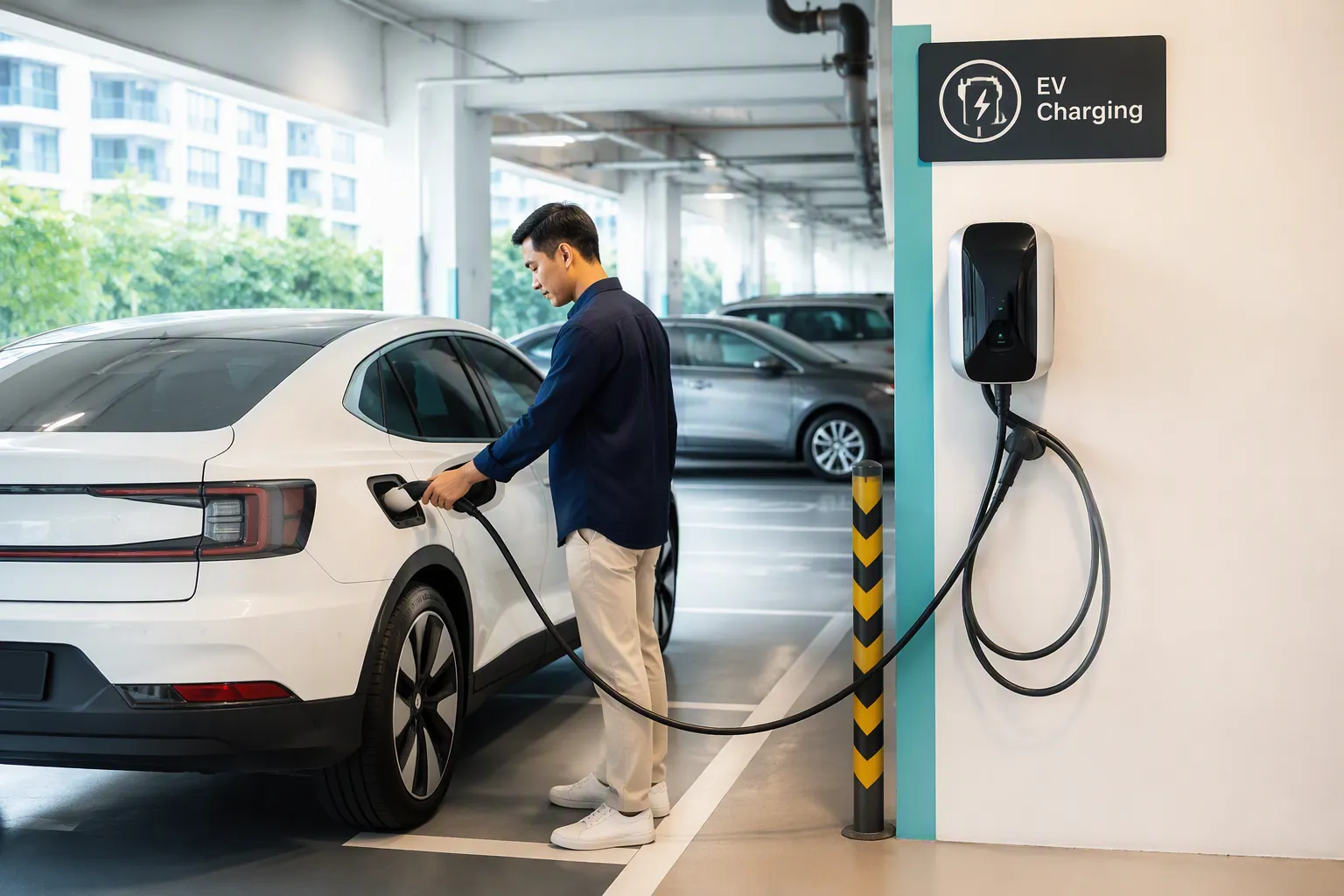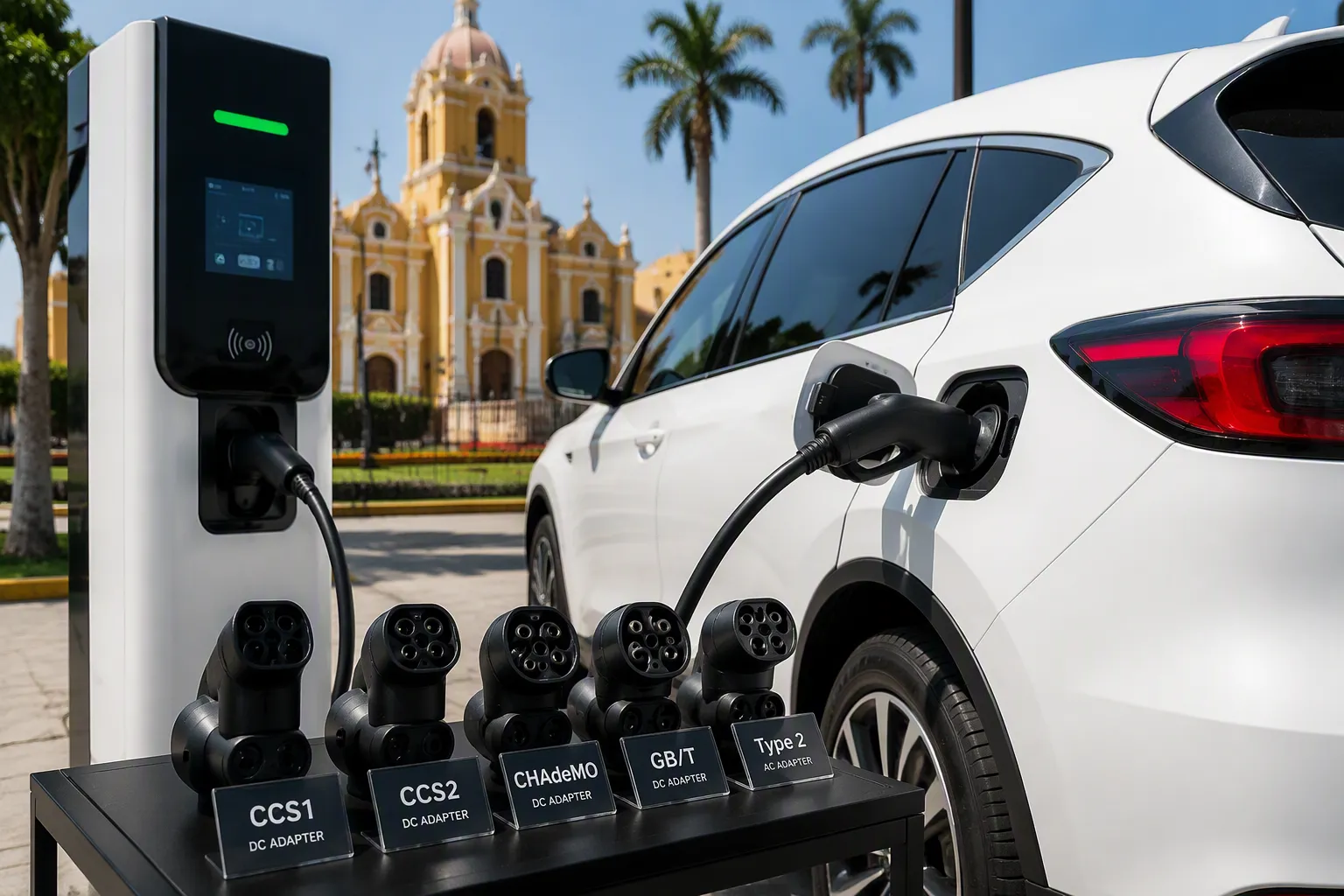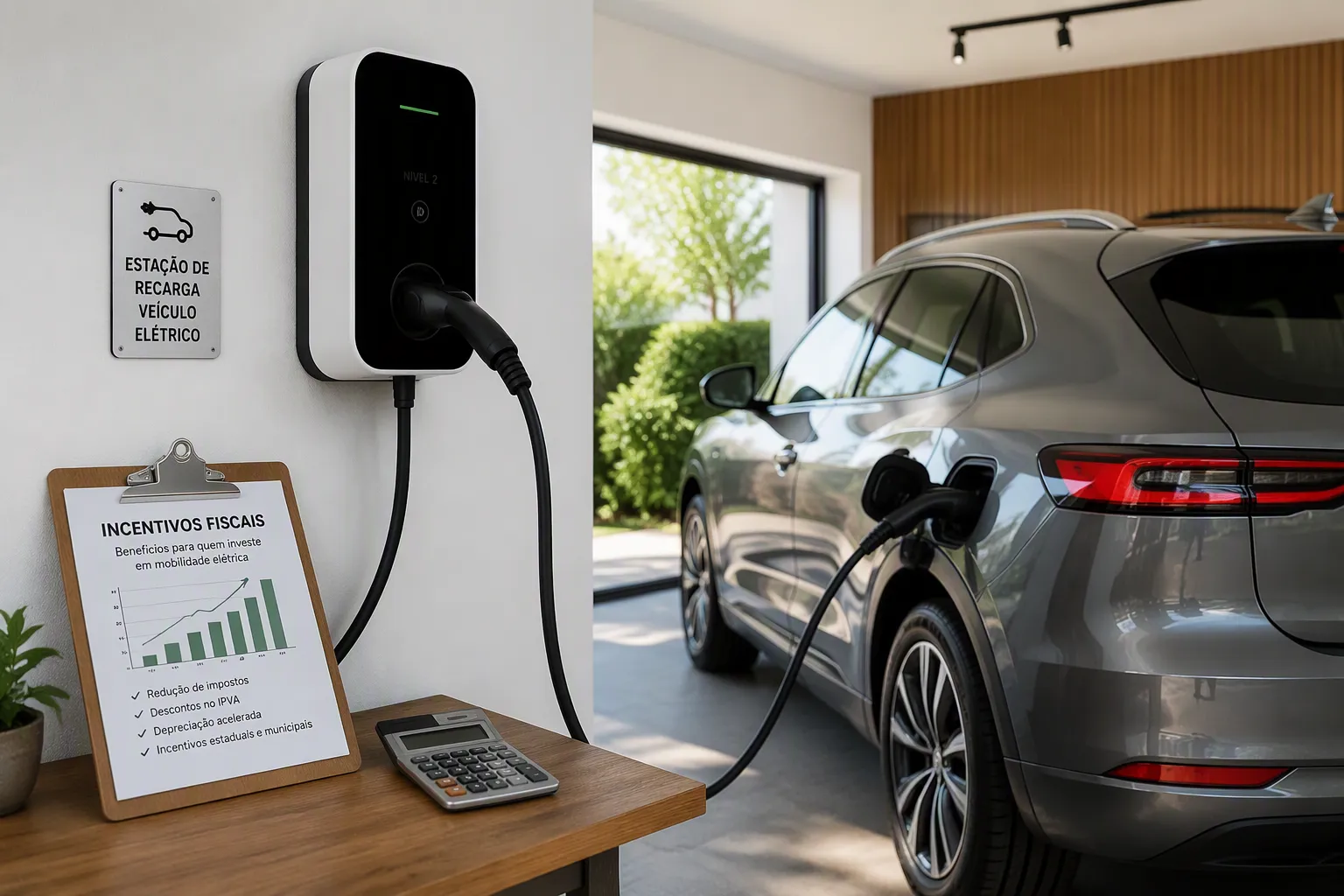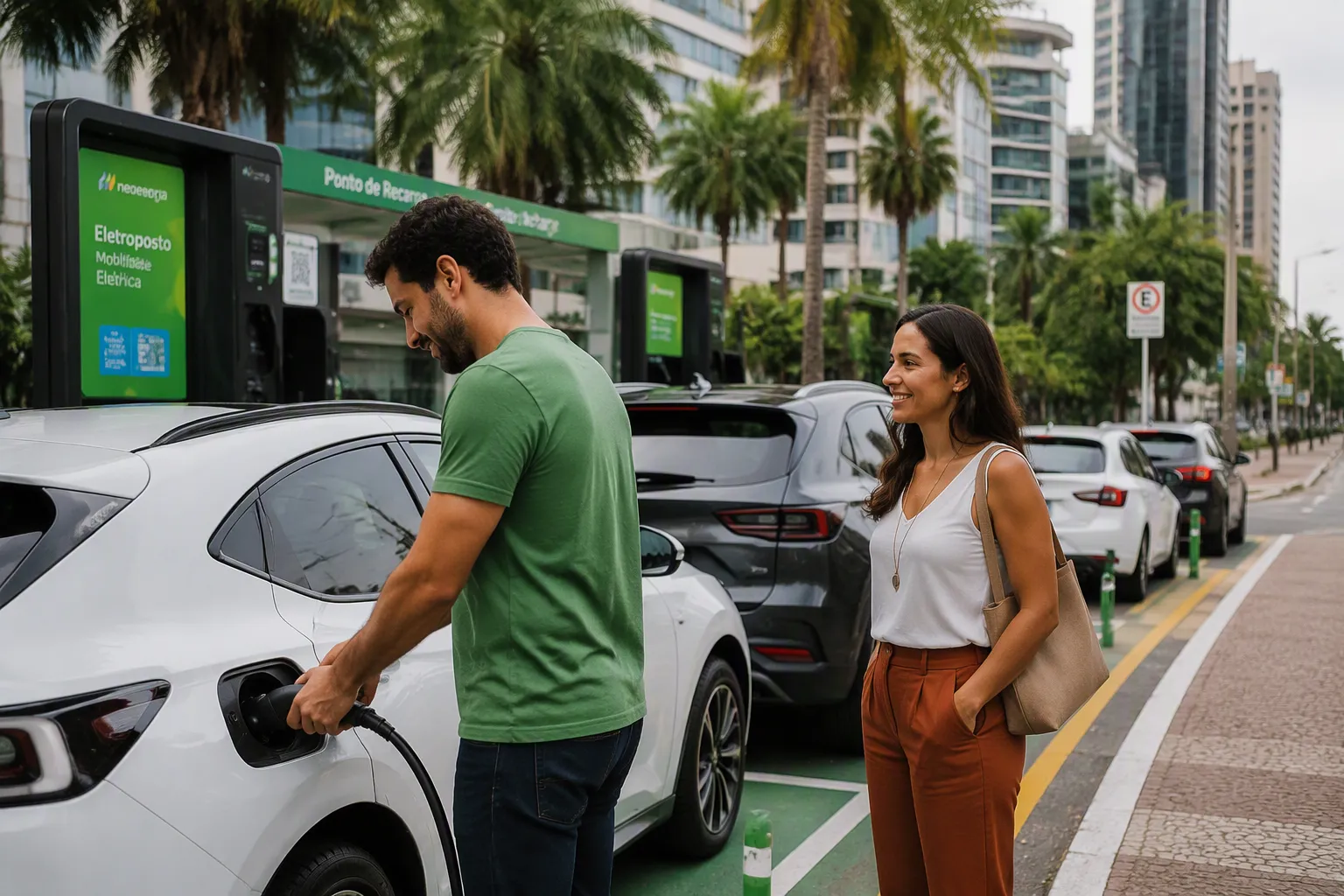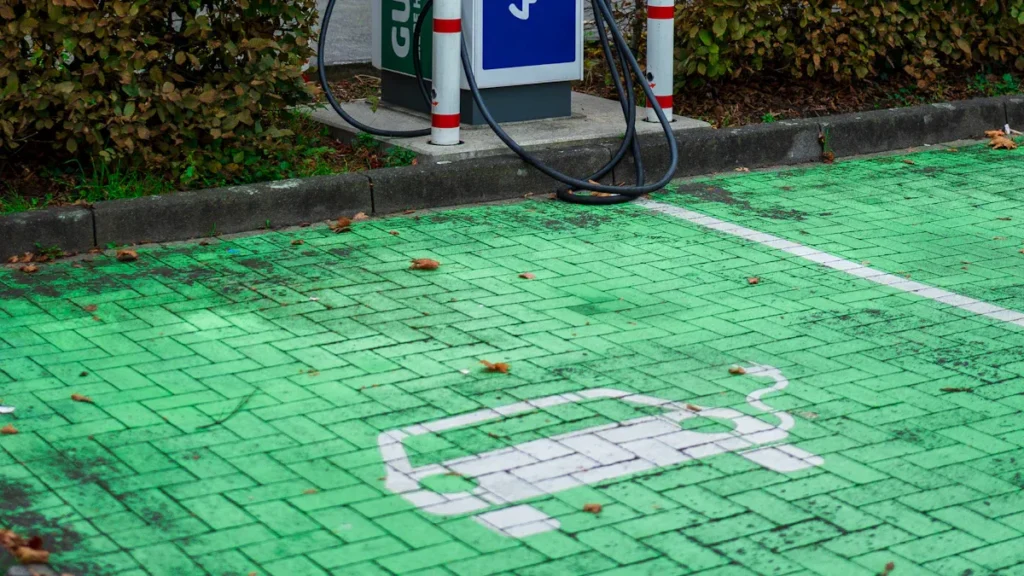

Drivers can find free EV charging stations, but these opportunities are becoming less common and often include specific conditions. The availability of free EV charging has declined significantly; recent data shows that free-to-use points now represent only about 2% of the total Cargador EV network in the UK. Successfully locating a free charge for a vehicle requires knowing where to look and what tools to use.
Nota: Aunque algunos Fabricantes de cargadores para VE focus on public networks, technologically advanced Soluciones de recarga de vehículos eléctricos providers like TPSON also offer personal options, including cargadores portátiles para vehículos eléctricos, for guaranteed access to power.
Where Are Free EV Charging Stations Commonly Found?

Free charging opportunities exist as a strategic incentive offered by businesses and public entities to attract visitors. Drivers can find these chargers in specific types of locations where they are likely to spend time and money. Understanding where to look is the first step in leveraging these cost-saving perks.
Retail and Shopping Centers
Retailers use free EV charging as a powerful tool to increase foot traffic and encourage longer customer visits. A shopper charging their vehicle is more likely to browse longer and make additional purchases.
Supermarkets (e.g., Aldi, Whole Foods)
Many supermarkets provide free EV charging stations as a customer convenience. These units are typically slower, often 7kW or less, designed to provide a small top-up while a customer shops. Drivers should be aware of parking time restrictions, as exceeding them can lead to fines. Consequently, overnight charging at supermarket locations is generally not permitted. While most of these chargers are publicly accessible without a required purchase, some stores may ask for proof of purchase for extended charging sessions.
Malls and Large Retail Plazas
Large shopping centers frequently offer charging to attract EV drivers. Some networks, like JOLT, provide a limited amount of free daily energy (e.g., 7kWh) before standard fees apply for additional power. Accessing these chargers often requires users to have a specific network app or an RFID card, which may require speaking with site staff for activation.
Consejo profesional: Most free charging points are untethered, meaning drivers must bring their own cable. Having a quality personal cable, like those available from advanced Proveedores de soluciones de recarga de VE like TPSON, ensures compatibility and reliability.
Furniture Stores (e.g., IKEA)
Large-format retailers like IKEA were early adopters of customer-focused EV charging. They install chargers to enhance the shopping experience, encouraging customers to spend the time needed to explore large showrooms without worrying about their vehicle’s battery level.
Hostelería y ocio
The hospitality sector leverages free charging to offer a premium amenity that distinguishes them from competitors. This perk caters directly to travelers and local patrons seeking convenience.
Hoteles y complejos turísticos
Many hotels and resorts provide complimentary charging for overnight guests. This amenity is a significant draw for EV-driving tourists, allowing them to recharge their vehicle fully and conveniently before continuing their journey.
Restaurantes y cafés
The food industry is increasingly providing free charging to attract diners. For example, McDonald’s partnered with Pod Point to install chargers at hundreds of its UK restaurants. These 7kW units can add approximately 30 miles of range during a 30-minute meal, making it a convenient option for customers to top up.
Gimnasios y centros de fitness
Leisure facilities, including gyms, are another common location for free charging. Patrons can conveniently charge their vehicles while they work out, integrating vehicle charging seamlessly into their daily routine. This trend is growing as businesses recognize the value it adds for their members.
Public and Municipal Spots
Local governments and public organizations install chargers to promote sustainable transportation, reduce emissions, and support community members who have transitioned to electric vehicles.
Public Parking Garages
City-owned or operated parking garages sometimes feature free charging stalls. However, drivers must remember that while the electricity is free, standard parking fees almost always apply.
City and County Buildings
Municipal locations such as libraries, town halls, and community centers may offer charging as a public service. These spots encourage residents to use public facilities and demonstrate a commitment to green initiatives.
Parques y zonas recreativas
To support tourism and green travel, many parks now offer free electric vehicle chargers. BMW, for instance, partnered with UK National Parks to install 135 new charge points across all 15 parks, improving access for tourists and locals in rural areas. Similarly, the National Trust is working with RAW Charging to install chargers powered by 100% renewable electricity at its sites. On special occasions like World EV Day, free charging has been made available at numerous locations, including:
- National Trust sites
- LEGOLAND Windsor
- Various shopping centres and pubs
Automotive and Business Locations
Automotive businesses provide charging to support their customers and showcase their expertise in electric vehicle technology. These locations offer a practical charging solution for drivers needing service or considering a new vehicle purchase.
Car Dealerships
Many car dealerships provide charging facilities on their premises. However, these are not always open to the general public. Some dealerships offer free charging points, but they often reserve these for existing customers or for drivers who own the specific car brand sold at that location. Dealerships also use these chargers to keep their own fleet of demonstration and service vehicles powered up, which can limit availability for visitors. It is always a good practice for drivers to call ahead to confirm the dealership’s policy and charger availability before visiting. These locations can be a reliable source for brand-specific free electric vehicle chargers if a driver meets the criteria.
Consejo para el conductor: When your EV is at a dealership for service, ask if they can provide a complimentary charge. Most service centers will happily oblige, returning your vehicle with more range than when you dropped it off.
Auto Repair Shops
Independent auto repair shops, particularly those specializing in electric vehicles, are beginning to install chargers for customer use. Offering this amenity builds goodwill and provides added convenience for patrons leaving their cars for maintenance or repairs. These are typically Level 2 chargers, perfect for adding a significant amount of range over a few hours. While not as widespread as other locations, these shops represent a growing source of free EV charging stations. Technologically advanced EV charging solution providers like TPSON are helping more of these businesses adopt charging infrastructure.
How Do You Locate Free EV Charging Near You?
Finding available free charging points near you requires the right digital tools. While technologically advanced EV charging solution providers like TPSON ensure drivers have reliable personal charging options, a combination of dedicated mobile apps and built-in vehicle maps makes locating public no-cost chargers straightforward. These platforms aggregate data from thousands of stations, allowing drivers to filter results and plan their trips efficiently.
Uso de aplicaciones de carga para vehículos eléctricos
Dedicated smartphone applications are the most powerful resource for an EV driver. These apps provide comprehensive, real-time data that goes far beyond a simple location marker on a map. They are essential for anyone serious about leveraging free charging opportunities.
PlugShare
PlugShare operates as a vast, crowd-sourced map of charging stations worldwide. Its primary strength is its international coverage, making it an invaluable tool for EV owners who travel abroad. The platform relies on user check-ins and comments, which provide up-to-the-minute insights on whether a station is operational, occupied, or if its pricing has recently changed. Its robust filtering system is key to isolating free chargers.
ChargePoint
The ChargePoint app is a highly-rated tool for locating charging infrastructure. With a 4.4-star rating on Google Play, users praise its easy setup and real-time updates. While it highlights its own network, the app also includes stations from other major providers.
- Características principales:
- Locates ChargePoint stations and chargers from other networks.
- Displays real-time station availability to prevent wasted trips.
- Includes “driver tips,” offering practical advice from other users about specific locations.
Electrificar América
While primarily a paid DC fast-charging network, the Electrify America app is still a useful tool. The network sometimes runs promotional periods offering complimentary sessions, which are announced and managed through the app. Drivers must use the app to initiate and monitor most charging sessions, making it a necessary download for accessing their extensive network.
EVgo
Similar to Electrify America, EVgo is another major paid charging network. Its app is the primary method for finding stations, checking their status, and starting a charge. Occasionally, partner locations or special events may offer free charging through the EVgo network, which would be visible within the application’s map and pricing details.
Using Websites and Built-in Maps
For quick searches or planning on a larger screen, web-based maps and the navigation systems built into modern cars offer convenient alternatives to dedicated apps.
Google Maps y Apple Maps
Both Google Maps and Apple Maps have integrated robust EV charging features, making them excellent tools for on-the-go searches. Drivers can simply search for “EV charging station” to see nearby options.
- Google Maps Capabilities:
- Filters chargers by plug type (CCS, CHAdeMO, Type 2).
- Provides real-time information on charger speed and port availability.
- Uses AI to summarize user reviews, offering quick insights on location and access.
- Includes a filter on Google Travel to find hotels with on-site charging.
- Apple Maps Capabilities:
- Displays the number of available stalls and accepted payment methods.
- Allows users to build routes that incorporate necessary charging stops.
- Integrates seamlessly with CarPlay for in-vehicle navigation.
Network Websites (e.g., ChargePoint’s Map)
Most major charging networks, including ChargePoint, maintain a live map on their official websites. These web-based tools are particularly useful for route planning on a desktop or laptop. They offer the same filtering capabilities as their mobile app counterparts, allowing users to search for specific locations and check for free stations before they even get in the car.
A Step-by-Step Guide to Filtering for Free Stations
Knowing the tools is only half the battle. The key is using their filter functions effectively to isolate the zero-cost options. This process helps drivers find free electric car chargers without manually checking every location.
Open Your Preferred App or Website
Begin by launching your chosen application, such as PlugShare or ChargePoint, or navigating to a web map like Google Maps.
Find and Access the Filter Menu
Look for a filter icon, often represented by three lines or a funnel symbol. This is typically located near the search bar or in a corner of the map screen. Accessing this menu will open up a range of search parameters.
Select “Free to Use” or Set Cost to “$0”
Within the filter menu, navigate to the pricing or cost section. Here, you will find an option to specify the cost. Select the checkbox for “Free Stations,” “No-Fee,” or a similar label. Some apps may require you to set the maximum price to “$0” to show only the free ev charging stations.
Nota importante: Always apply the filter after setting your desired geographic area. This ensures the app shows you relevant results for your current location or destination.
Always Check Recent User Comments for Status
After filtering, tap on a promising station to view its details. The most critical step is to read recent user comments or check-ins. Previous drivers will often report if a “free” station is actually broken, consistently occupied, or has recently started charging a fee. This final check can save you from a frustrating and unnecessary trip.
What Are the Rules and Limits of Free Electric Car Charging?
The allure of free electric car charging is strong, but drivers must understand that “free” rarely means “without rules.” Property owners and network providers establish specific conditions to manage station use, ensure fair access, and encourage customer patronage. Navigating these limits is key to a successful and truly cost-free charging experience.
Límites de tiempo y tasas por inactividad
Most locations offering free EV charging impose time restrictions to ensure the chargers are available to as many drivers as possible.
Understanding Session Time Limits
Free charging sessions are almost always capped. A location might offer a complimentary charge for a set duration, such as one or two hours. This is typically enough time for a meaningful top-up while the driver shops or dines. Drivers should check for posted signs or information within the aplicación de carga to know the exact time limit for their session.
What Are Idle Fees and How to Avoid Them?
Idle fees are penalties charged when a vehicle remains plugged into a charger after its battery is full. Networks implement these fees to discourage drivers from blocking stations.
- How to Avoid Them:
- Monitor your charging session through the network’s mobile app.
- Set a personal timer on your phone based on the estimated completion time.
- Return to your vehicle promptly once charging is complete and move it.
Customer-Only Access
Businesses provide complimentary charging as a perk for their patrons, not as a public utility. Access is often conditional on being a customer.
Charging for Patrons Only
Many retail stores, hotels, and restaurants restrict their chargers to paying customers. This policy ensures the amenity benefits those who support the business. For example, a hotel will reserve its chargers for registered guests, while a supermarket may intend for them to be used only during a shopping trip.
How to Handle Validation Requirements
Some locations require validation to start a free session. This process confirms that the user is a patron. Common methods include:
- Scanning a QR code provided at checkout.
- Entering a one-time use code from a purchase receipt.
- Asking a staff member to activate the charger with a special RFID card.
Parking Fees
One of the most common misconceptions is that a free charger guarantees a free parking spot. This is often not the case.
Free to Charge, Not Always Free to Park
Drivers frequently encounter chargers in paid parking garages or lots. In these situations, the electricity is complimentary, but standard parking rates still apply. Forgetting this can lead to an unexpectedly expensive “free” charging session.
How to Check for Parking Costs in Advance
Before plugging in, drivers should always verify parking costs. Charging apps like PlugShare are an excellent resource, as users often leave comments about parking fees.
Consejo para el conductor: Always look for on-site signage detailing parking rates and payment requirements before starting a charge. Assume parking is paid unless a sign explicitly states otherwise. This simple check prevents costly surprises.
Required Memberships or Apps
Accessing a complimentary charge often requires more than simply plugging in a cable. Many charging networks mandate the use of a smartphone app or a membership account to initiate a session. This system allows providers to manage their infrastructure, track usage, and prevent unauthorized access, even when the electricity itself is free.
Needing a Network Account (Even for Free Sessions)
Drivers will find that most networked chargers require an account to begin a session. Creating an account is usually free, but it is a necessary step to communicate with the charge point. This requirement helps network operators monitor station health and gather data on charging patterns. For some networks, a paid membership might even be a prerequisite for accessing certain free charging benefits.
The table below illustrates how several major UK-based networks handle access to their chargers, highlighting the common need for an account or app.
| Red | Free Charging Available? | Account/App Required for Free Charging? |
|---|---|---|
| Punto Pod | Yes (around 70% of network) | Yes, requires a free account and smartphone app to control sessions. |
| pulso bp | Yes (at selected units for subscribers) | Yes, requires a subscription (£7.85/month) to access free charging, which implies an account. The app is used to locate and control charge points. |
| ChargePlace Escocia | Yes (most of the network for members) | Yes, requires a membership (£20/year) to access free charging. The smartphone app or an RFID card (for subscribers) is used to control sessions. |
| ecar NI | Sí | Yes, requires an RFID card or the ecar Connect smartphone app. Membership is free. |
How to Activate a Session with an App
Activating a session through a mobile app is a standard procedure for most public chargers. The process is generally straightforward and ensures the session is correctly started and stopped. Technologically advanced EV charging solution providers like TPSON are part of an ecosystem that relies on this seamless digital interaction.
A Driver’s Guide to App Activation 📲
- Download and Register: Before arriving, download the specific network’s app and create an account. This often involves adding a payment method, which may be used for idle fees even if the charging session is free.
- Locate the Charger: Open the app and use its map to confirm the charger’s location and ID number. The ID number is usually printed clearly on the side of the charging unit.
- Initiate the Charge: Select the correct charger ID within the app. Follow the on-screen prompts to start the session. This may involve selecting a specific connector or confirming the start of the charge.
- Plug In Securely: Connect the charging cable to the vehicle. The charger and vehicle will communicate to begin the flow of electricity.
- Monitor and End: Use the app to monitor the charging progress. When finished, end the session through the app before unplugging the cable. This step is crucial for avoiding potential idle fees.
This process makes it possible to manage the entire recarga gratuita de vehículos eléctricos experience directly from a smartphone.
What Types of Chargers Are Usually Free?
Not all chargers are created equal, and the type of charger offered for free significantly impacts its utility. Drivers will find that complimentary charging is almost exclusively limited to slower AC chargers. Understanding the differences helps set realistic expectations for a “free” top-up.
Level 2 Chargers (AC)
The Most Common Free Option
Level 2 chargers are the backbone of the free public charging network. Businesses and municipalities favor them because they offer a good balance between charging speed and installation cost. These are the units drivers will most often find at supermarkets, hotels, and public parking garages.
Velocidades de Carga Típicas y Casos de Uso
Level 2 chargers provide a substantial boost for drivers who are parked for an hour or more. Their power output and charging speed make them ideal for specific situations.
- Potencia de salida: Most public Level 2 units deliver between 7 kW y 22 kW.
- Range Gained: A 7.4 kW charger adds about 25-30 millas of range per hour. A more powerful 22 kW unit can add up to 75-80 miles in the same timeframe.
This speed is perfect for topping off a vehicle’s battery while shopping, dining, or working out. It provides a meaningful amount of range without requiring the long dwell times of slower methods.
Level 1 Chargers (AC)
Slower but Sometimes Available for Free
Level 1 chargers are the slowest option, using a standard wall outlet to deliver power. While uncommon in public settings, they sometimes appear as a low-cost amenity. A Level 1 charger adds only 2-5 millas of range per hour, making it significantly slower than a Level 2 unit.
Charging Time Comparison: A 60kWh battery could take over 20 hours to charge with a Level 1 unit, compared to just 6-10 hours with a typical 7.4kW Level 2 charger.
Where You Might Find Them
These chargers may be found at long-stay locations like airport parking lots or workplaces where cars are parked for a full day. Their slow speed makes them impractical for quick stops but suitable for overnight or all-day charging.
Are DC Fast Chargers Ever Free?
A Rare Perk, Not a Guarantee
Finding free DC fast charging is exceptionally rare. The high cost of electricity and the expensive hardware mean operators almost always charge for these high-speed sessions. Drivers should not expect to find free DC fast chargers as a regular occurrence.
Promotional Offers and Grand Openings
The most likely time to find complimentary DC fast charging is during a special event.
- Grand Openings: To generate buzz, a new charging hub might offer free sessions for a limited time. For example, Telford Centre celebrated its new facility by offering free charging on a bank holiday.
- Special Events: Occasions like World EV Day sometimes prompt networks to offer free charging. Fastned once provided free sessions at its Oxford location to mark the event.
Included Charging Plans with a New EV Purchase
Another way drivers access “free” fast charging is through perks included with a new vehicle purchase. Some automotive brands partner with charging networks to offer a bundle of complimentary charging credits or a set period of free sessions. These free electric vehicle chargers are a powerful sales incentive, though the benefit is tied to the initial purchase and is not available to the general public. This is part of a larger ecosystem where car manufacturers and technologically advanced EV charging solution providers like TPSON work to make the transition to electric driving seamless. These plans make the network of free ev chargers temporarily larger for new owners.
Can You Get Free EV Charging at Work?
An electric vehicle driver’s daily commute often ends at the workplace, making it an ideal location for charging. Many forward-thinking companies now offer this as a valuable employee benefit. This section explores the rise of workplace charging, its benefits for both employees and employers, and how staff can advocate for its implementation.
Workplace Charging as an Employee Perk
Charging at work provides a significant convenience, allowing employees to top up their vehicles during the workday. This perk is becoming a key differentiator for companies competing for skilled professionals.
The Growing Trend of Employer-Provided Charging
Employer-provided charging is rapidly becoming a standard amenity in the modern workplace. Companies recognize that supporting EV adoption among their staff is a tangible way to enhance employee satisfaction. This benefit removes range anxiety for commuters and simplifies their daily logistics. As more employees switch to electric vehicles, the demand for reliable daytime charging solutions continues to grow, prompting more businesses to invest in this infrastructure.
How to Approach Your Employer About It
Employees interested in workplace charging can take a proactive approach to advocate for it. A well-prepared proposal can significantly increase the chances of success.
- Gather Support: First, gauge interest among colleagues to demonstrate collective demand. A survey can show how many employees currently own an EV or are considering one.
- Destacar los Beneficios: Present the advantages for the company. Emphasize how it can attract new talent, improve the company’s green credentials, and help meet sustainability targets.
- Research Financial Incentives: Inform your employer about available government programs. For instance, the Workplace Charging Scheme (WCS) in the UK offers grants that cover up to 75% of installation costs, capped at $440 per socket for up to 40 sockets. This can save a company up to £14,000.
- Suggest a Phased Rollout: Propose starting with a few chargers and expanding as demand increases. This makes the initial investment more manageable.
Benefits for Companies Offering Free Charging
Offering free EV charging provides companies with a strong return on investment through financial incentives, talent acquisition, and enhanced corporate image.
Attracting and Retaining Talent
In a competitive job market, workplace amenities can be a deciding factor for potential hires. Offering charging signals that a company is modern, employee-focused, and environmentally conscious. This perk is particularly attractive to the growing number of professionals who prioritize sustainability, helping businesses attract and retain top talent.
Cumplir los objetivos de sostenibilidad de la empresa
Instalación de certificados is a visible and impactful step toward achieving corporate sustainability goals. It directly contributes to a greener operation and a better public image.
- Reduced Emissions: Workplace charging encourages employees to switch to EVs, which helps shrink the company’s overall carbon footprint, including emissions from commuting.
- Enhanced Brand Image: It demonstrates a serious commitment to environmental responsibility. This strengthens a company’s brand and can build loyalty among eco-conscious customers.
- Achieving Net Zero: Providing charging infrastructure aligns with national targets like the UK’s Net Zero by 2050 goal, positioning the company as a leader in corporate social responsibility.
By offering free EV charging, businesses not only support their employees but also make a strategic investment in their own future. Technologically advanced Proveedores de soluciones de recarga de VE like TPSON are helping companies implement these smart charging systems efficiently.
Is It Possible to Get Free EV Charging at Home?

While the convenience of home charging is unmatched, the idea of truly free ev charging at home is a misconception. Drivers use their home’s electricity supply, which appears on their monthly utility bill. However, several strategies can dramatically reduce these costs, making home charging the most affordable and efficient method available.
The Reality of Your Home Electricity Bill
Why Home Charging Isn’t Truly “Free”
Charging an electric vehicle at home draws a significant amount of power from the residential grid. This consumption is metered and billed by the local utility company just like any other appliance. Therefore, every charging session adds to the household’s overall electricity costs. The convenience is undeniable, but the power is not complimentary.
Calculating Your Cost Per Charge at Home
Drivers can easily estimate their charging expenses. The calculation requires two figures: the size of the vehicle’s battery (in kWh) and the price per kWh from their utility provider. As of 2023-2024, the average residential electricity rate in the U.S. is estimated to be between 15 and 17 cents per kWh.
Ejemplo de cálculo:
To fully charge a 60 kWh battery at a rate of $0.16 per kWh, the cost would be:60 kWh * $0.16/kWh = $9.60
Reducing Costs with Subsidies and Special Rates
While home charging is not free, government incentives and smart utility plans can significantly lower the expense.
Federal Tax Credits and Local Utility Rebates
The U.S. government offers financial incentives to support EV adoption. The Alternative Fuel Vehicle Refueling Property Credit helps offset the cost of installing a home charger.
- Credit Amount: 30% of the cost for equipment and installation.
- Valor máximo: The credit is capped at $1,000.
- Admisibilidad: It is available for homes in eligible low-income or rural census areas.
- Claiming: Drivers must file IRS Form 8911 with their tax return.
This nonrefundable credit directly reduces a homeowner’s tax liability.
Time-of-Use (TOU) Electricity Plans
Many utility companies offer Time-of-Use (TOU) plans with tarifas eléctricas más bajas en las horas valle, typically overnight. EV owners can schedule their charging sessions for these periods to achieve substantial savings. Technologically advanced EV charging solution providers like TPSON offer cargadores inteligentes that can automate this process, ensuring the vehicle only draws power when rates are lowest. Shifting charging to these hours reduces bills and eases strain on the electrical grid.
Integración de paneles solares
For the closest experience to free electric car charging, homeowners can install a solar panel system. Solar panels generate electricity from sunlight, which can be used to power the home and charge an EV. During the day, the solar array can charge the vehicle directly. Any excess energy produced can be stored in a home battery system for overnight charging, effectively offsetting electricity costs from the grid.
The Pros and Cons of Relying on Free Charging
Relying on free charging presents a trade-off between cost savings and convenience. While the financial benefits are appealing, drivers must weigh them against significant drawbacks in reliability and time commitment. A clear understanding of both sides helps EV owners set realistic expectations.
The Obvious Pro: Saving Money
La principal ventaja de utilizar cargadores gratuitos es el ahorro económico directo. Cada kilovatio de energía obtenido sin costo es un kilovatio menos que el propietario debe pagar en casa o en una estación pública de pago..
Calcular el ahorro potencial anual
Los conductores pueden estimar sus ahorros anuales con un cálculo simple. Pueden multiplicar la cantidad de millas que recorren utilizando energía gratuita por la eficiencia de su vehículo (millas por kWh). Esta cifra muestra el total de kWh obtenidos. Multiplicar ese total de kWh por el costo local de la electricidad revela el dinero total ahorrado. A lo largo de un año, estas pequeñas recargas pueden acumularse en una suma considerable.
La Comodidad de “Recargar un Poco” Mientras se Compran
Integrar la carga en las actividades diarias es una gran ventaja. Los conductores pueden añadir 20-30 millas de autonomía mientras hacen la compra o visitan un centro comercial. Esta “recarga parcial” ocurre mientras el conductor ya está ocupado, sin requerir tiempo adicional dedicado exclusivamente a cargar. Es una forma eficiente de mantener los niveles de la batería para los desplazamientos diarios.
Las Desventajas: Inconveniencia y Falta de Fiabilidad
El mayor desafío de la carga gratuita para coches eléctricos es su falta de fiabilidad. Esta falta de fiabilidad puede interrumpir los planes de viaje y causar una gran frustración a los conductores que dependen de ella.
Las Estaciones Pueden Estar Ocupadas o Fuera de Servicio
Un problema común es llegar a un lugar solo para encontrar que el cargador ya está en uso o no funciona. Esto obliga al conductor a esperar o buscar una alternativa.
- Algunos sistemas de navegación y aplicaciones de carga pueden indicar si una estación está ocupada o fuera de servicio.
- Sin embargo, esta capacidad está limitada a ciertos proveedores y cargadores con la tecnología para transmitir datos en tiempo real, lo que la convierte en una herramienta inconsistente.
El Tiempo y la Planificación Adicionales Requeridos
Utilizar con éxito cargadores gratuitos exige una planificación considerable. Los conductores deben investigar ubicaciones, verificar restricciones y, a menudo, desviarse de su ruta prevista. Este esfuerzo adicional contrasta marcadamente con la disponibilidad garantizada de un cargador personal. Proveedores de soluciones de carga para vehículos eléctricos tecnológicamente avanzados como TPSON ofrecen soluciones domésticas que eliminan por completo esta incertidumbre.
Velocidades de Carga Más Lentas en Comparación con los Cargadores Rápidos de CC de Pago
La gran mayoría de las estaciones de carga gratuitas para vehículos eléctricos son unidades de Nivel 2. Aunque son útiles para recargas parciales, son significativamente más lentas que los cargadores rápidos de CC de pago. Un cargador de Nivel 2 podría añadir 25 millas de autonomía en una hora. Un cargador rápido de CC podría añadir más de 100 millas en solo 20 minutos. Esta diferencia de velocidad hace que las estaciones gratuitas sean poco prácticas para conductores en viajes largos o para aquellos que necesitan una carga rápida y sustancial.
La carga gratuita para vehículos eléctricos ofrece una ventaja fantástica para los propietarios. Sin embargo, no es un método de carga principal fiable. El éxito requiere una planificación cuidadosa. Los conductores siempre deben usar aplicaciones para verificar la disponibilidad y las normas de las estaciones de carga gratuitas antes de un viaje.
Conclusión Final 📝
Esté preparado para condiciones como límites de tiempo, acceso solo para clientes y tarifas de estacionamiento. Para obtener energía constante y fiable, invertir en un cargador doméstico sigue siendo la mejor solución para la mayoría de los conductores.
PREGUNTAS FRECUENTES
¿Necesito mi propio cable para los cargadores gratuitos?
Sí, la mayoría de los cargadores públicos gratuitos son “sin cable”, lo que significa que no tienen un cable incorporado. Los conductores deben traer su propio cable de carga para conectar su vehículo a la estación.
Consejo profesional 🔌
Poseer un cable personal de alta calidad garantiza compatibilidad y una conexión fiable cada vez.
¿Qué son las tarifas por tiempo de inactividad?
Las tarifas por tiempo de inactividad son penalizaciones que se cobran cuando un vehículo permanece conectado después de que su batería está llena. Las redes utilizan estas tarifas para disuadir a los conductores de bloquear las estaciones, asegurando un acceso justo para todos.
¿Puedo depender únicamente de la carga gratuita?
Depender exclusivamente de estaciones gratuitas no es práctico. Estos cargadores pueden ser poco fiables, estar ocupados o fuera de servicio. Una cargador doméstico específico solución de un proveedor como TPSON ofrece la solución más fiable.
¿Qué tan rápidos son la mayoría de los cargadores gratuitos?
La mayoría de los cargadores gratuitos son unidades de Nivel 2. Normalmente proporcionan entre 25 y 30 millas de autonomía por hora. Esta velocidad es ideal para añadir una recarga significativa mientras el conductor compra o cena.
¿La carga gratuita para coches eléctricos es siempre completamente gratuita?
No, la electricidad puede ser gratuita, pero pueden aplicarse otros costes. Los conductores a menudo tienen que pagar por el estacionamiento en garajes o lotes donde se encuentran los cargadores gratuitos. Verifique siempre las tarifas de estacionamiento.
¿Por qué necesito una aplicación para una carga gratuita?
Muchas redes requieren una aplicación de smartphone para activar una sesión de carga. Este sistema permite al operador:
- Iniciar y detener la carga de forma remota.
- Supervisar el uso de la estación.
- Aplicar tarifas por tiempo de inactividad si un coche se deja demasiado tiempo.