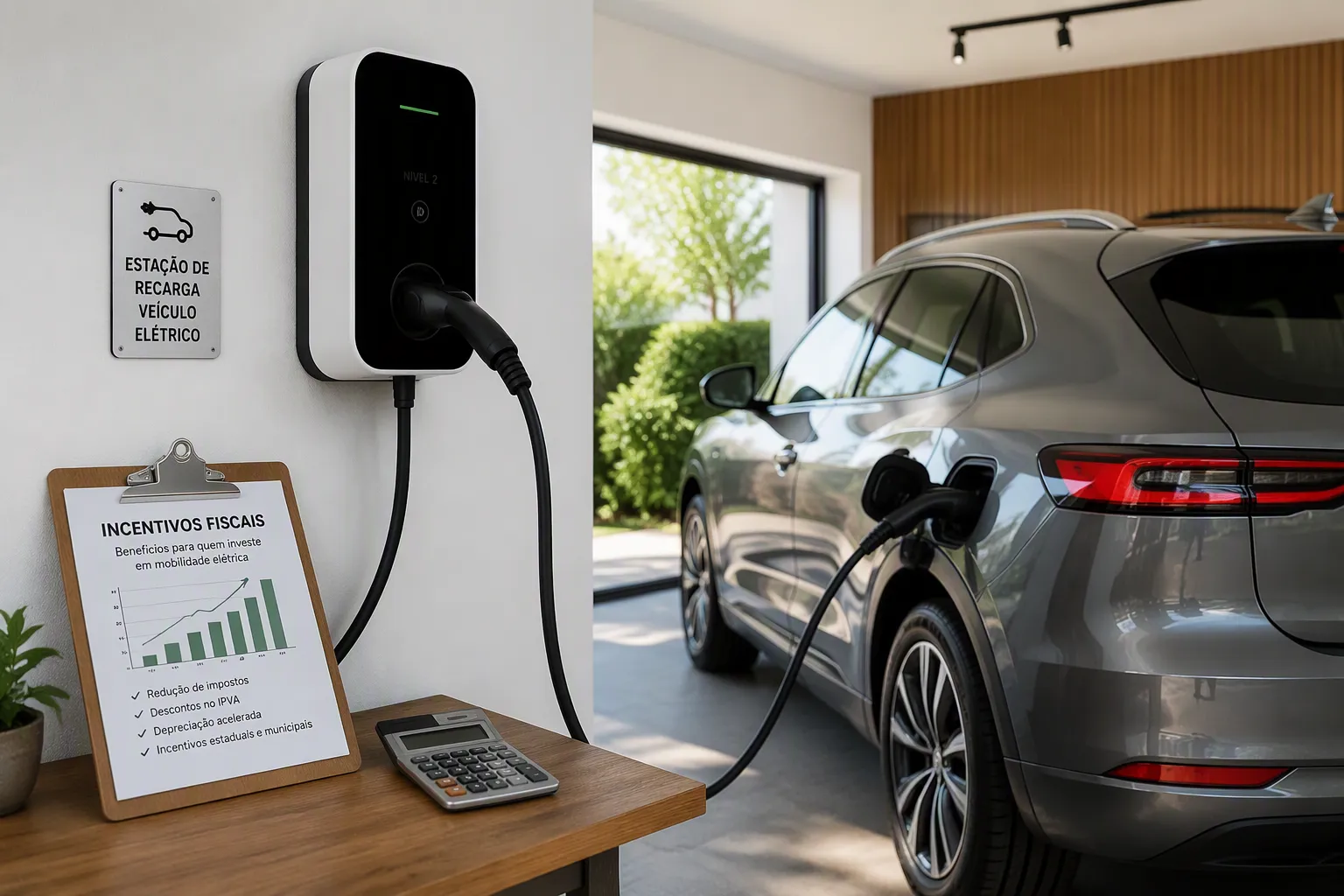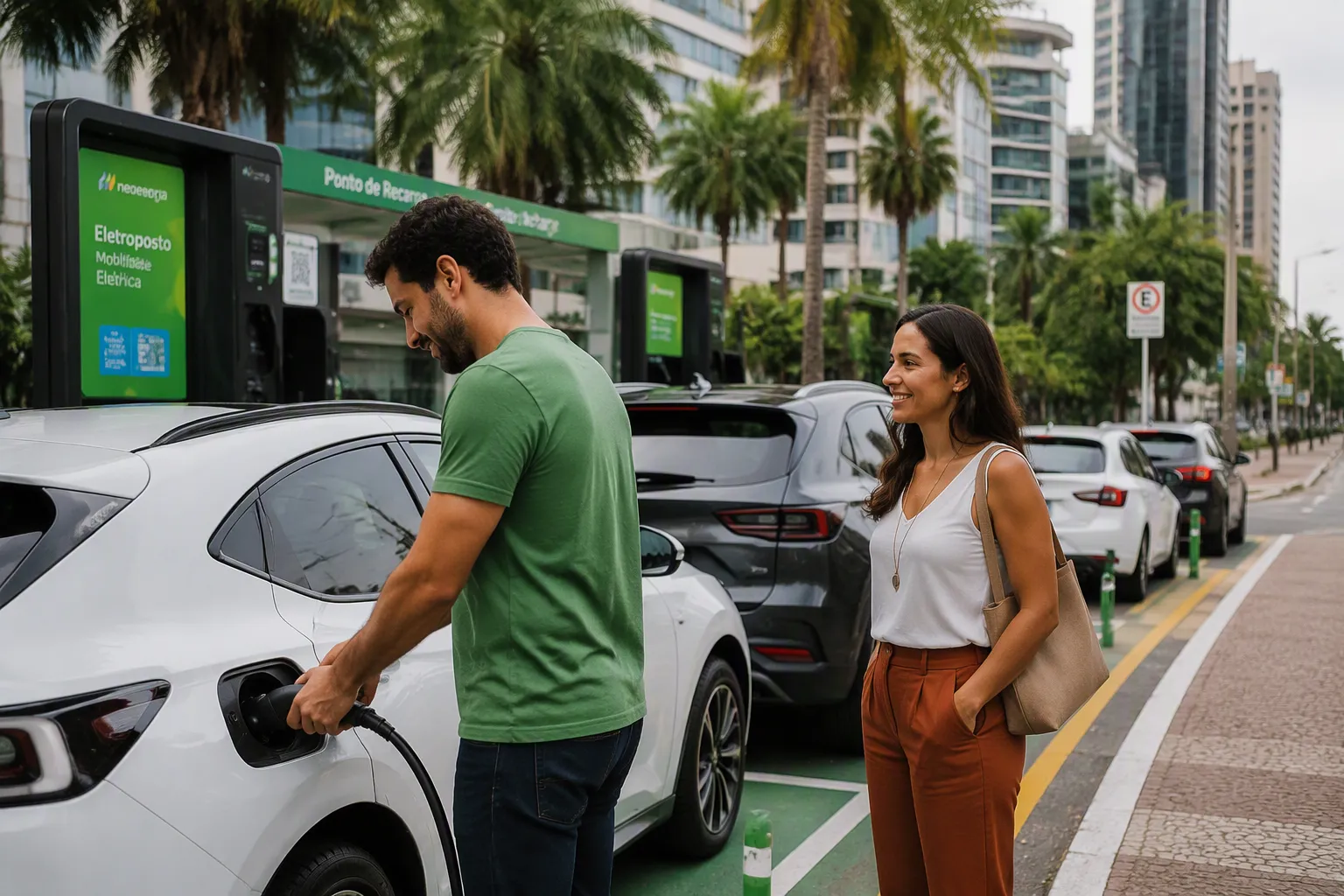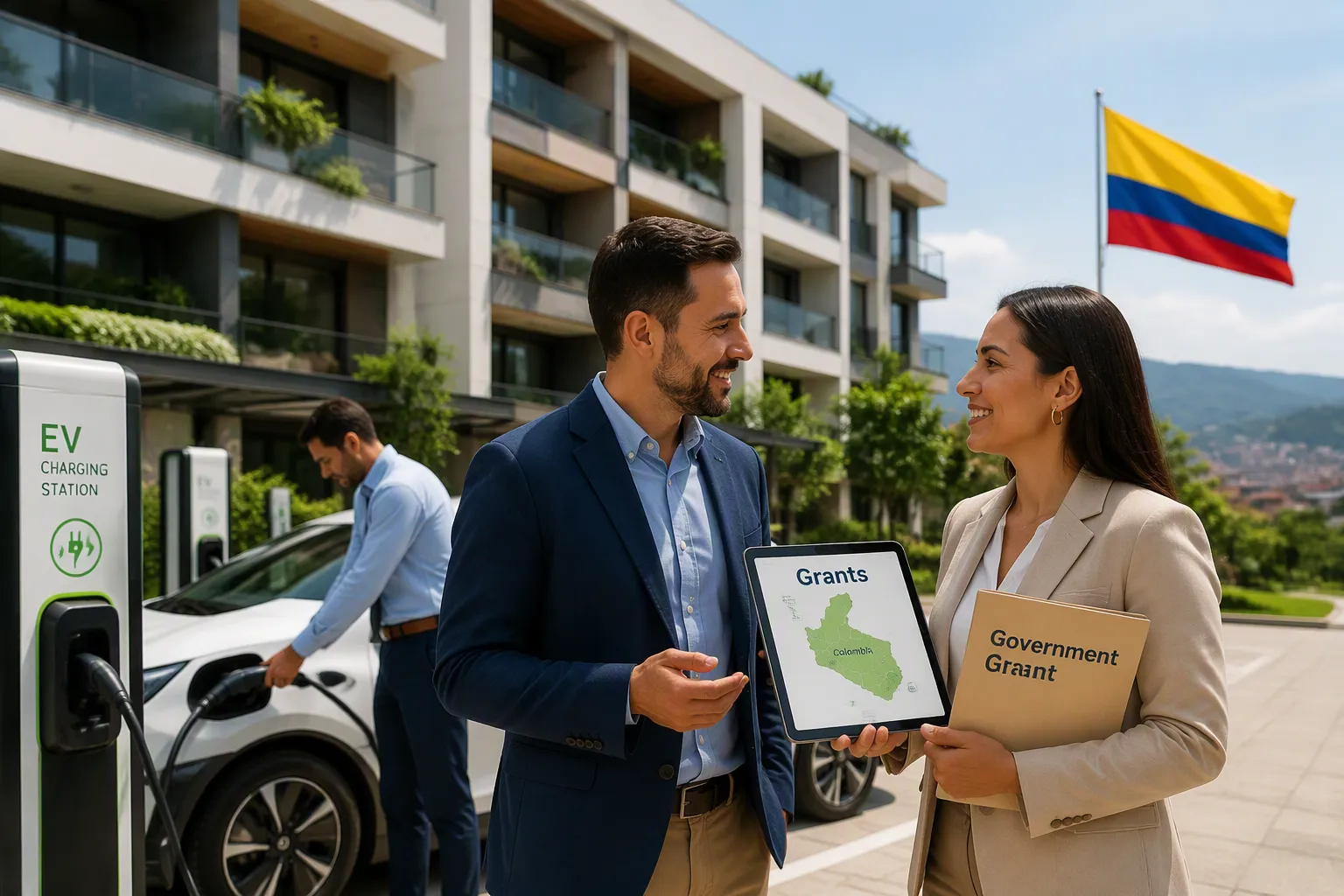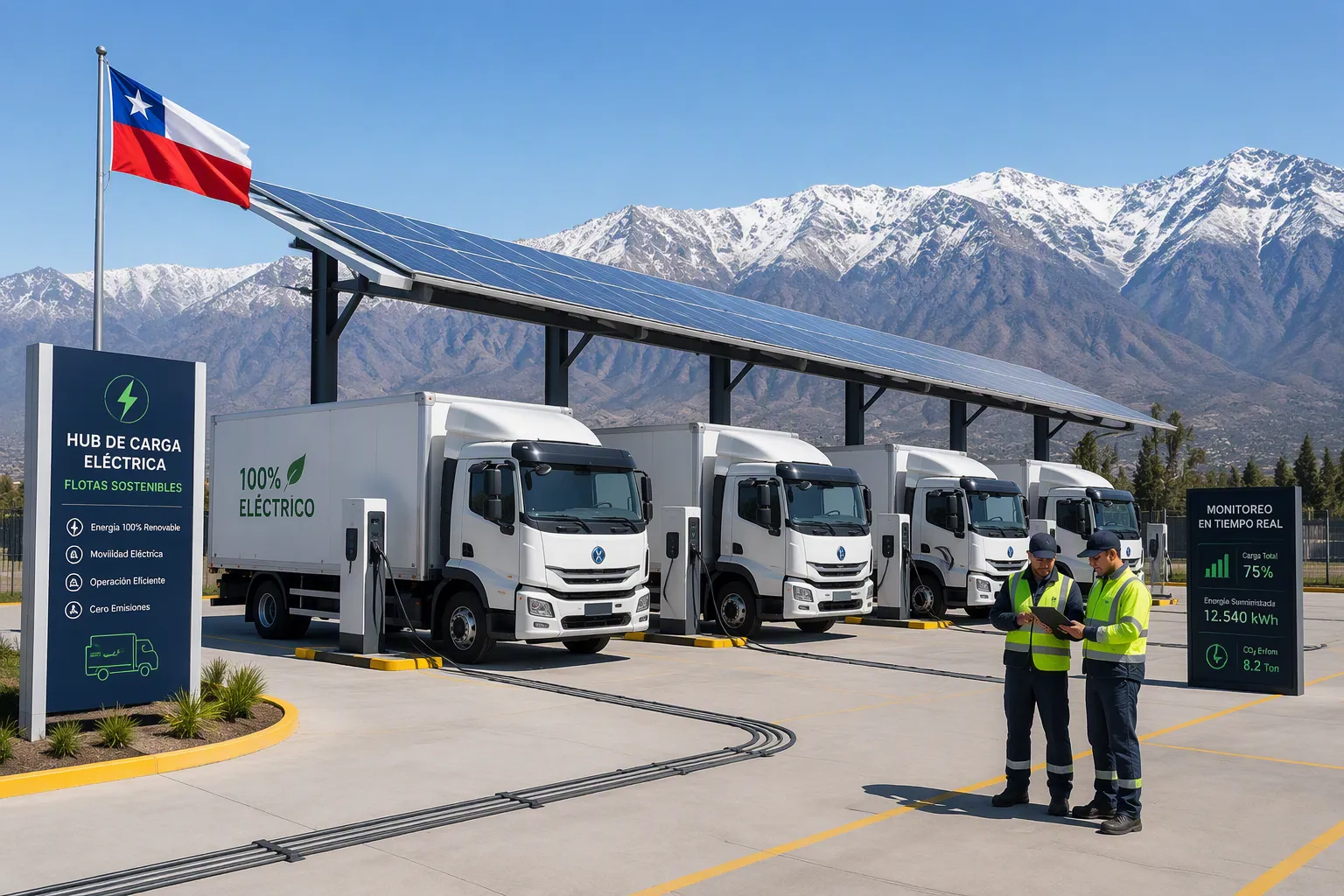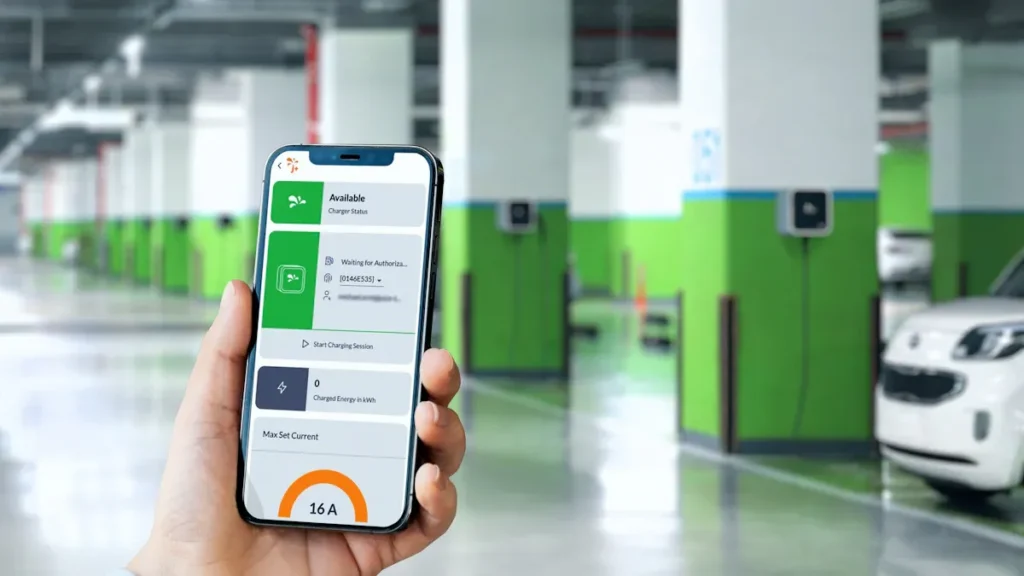
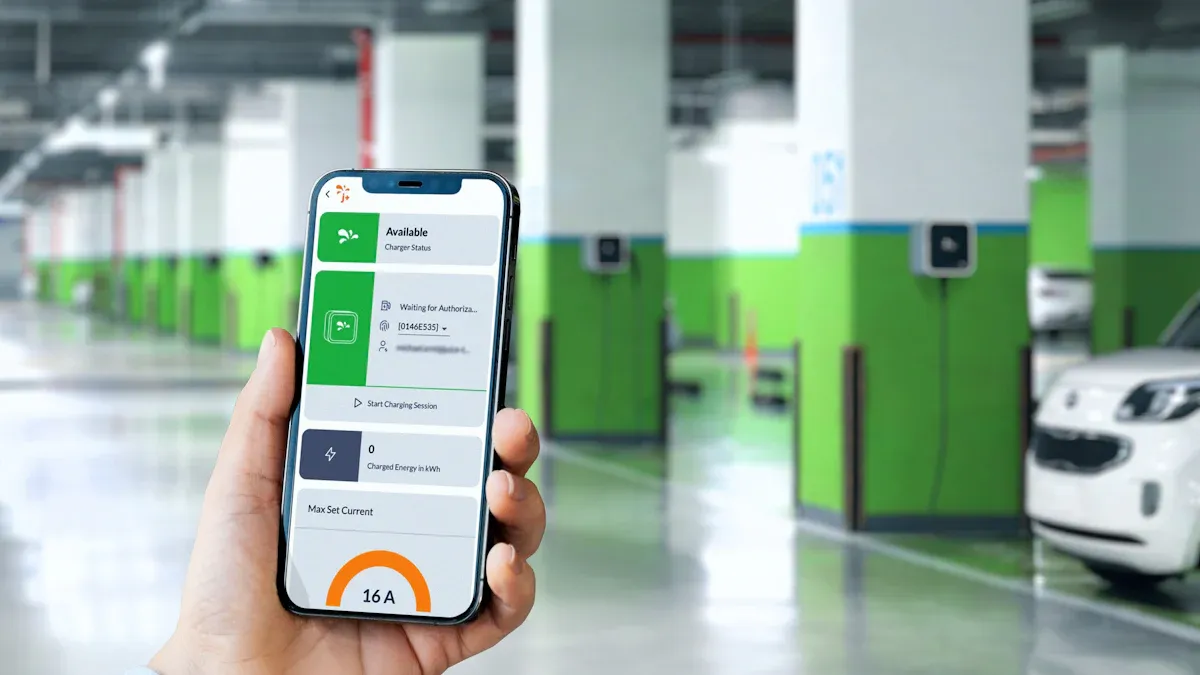
Many Colombian drivers face challenges when they cannot install a home EV-Ladegerät. Tragbare EV-Ladegeräte allow anyone to charge an electric car anywhere with a standard outlet. This charging flexibility makes electric vehicle ownership accessible, even in apartments or shared spaces. As Hersteller von EV-Ladegeräten expand their EV-Ladelösungen, more people can confidently drive an EV without worrying about limited infrastructure.
Portable EV Chargers: The Key to Charging Without a Home Station
How Portable EV Chargers Work for Your Electric Vehicle
Plug-and-Play Charging Made Simple
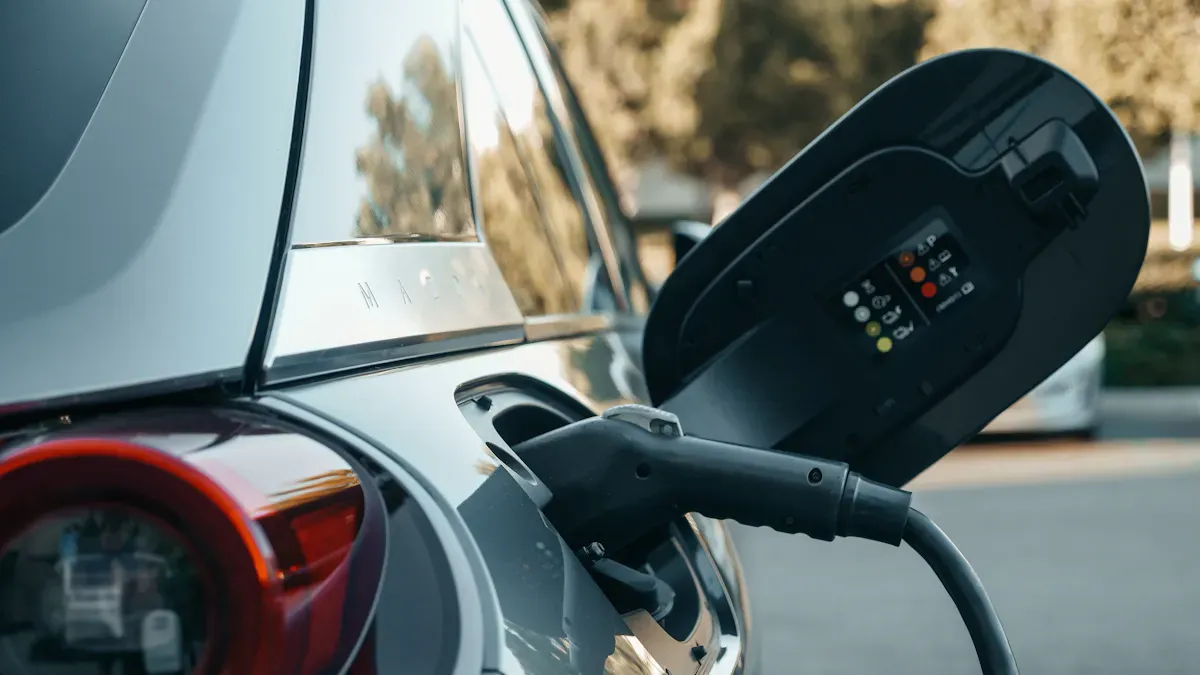
Tragbare EV-Ladegeräte offer a straightforward solution for Colombian drivers who lack access to a dedicated home charging station. These devices connect directly to a standard electrical outlet, allowing users to charge their electric car at home, at work, or even while visiting friends. The plug-and-play design eliminates the need for complex installation. Drivers simply connect the charger to their EV and a compatible power source. This approach makes charging accessible in apartments, shared garages, and other locations where installing a fixed charger may not be possible.
TPSON, a technologically advanced electric vehicle charging solution provider, has developed tragbare EV-Ladegeräte that prioritize user convenience. These chargers feature intuitive controls and clear indicators, so drivers can monitor charging progress with ease. Many models also include safety mechanisms that prevent overcharging and protect both the vehicle and the power supply.
Power Sources and Charging Speeds Explained
Tragbare EV-Ladegeräte draw power from standard outlets, but charging speed depends on the type of outlet and the charger’s capabilities. Most Colombian drivers use Level 1 or Level 2 chargers. Level 1 chargers connect to a regular household outlet and provide a slower charge, while Level 2 chargers require a higher voltage outlet and deliver faster charging times.
- A typical 7.2 kW home charger can recharge many EVs from empty to full in about 8 to 10 hours.
- Level 2 portable chargers significantly reduce charging time compared to Level 1 options.
- Charging at the workplace or public charging points can supplement home charging, offering additional flexibility.
Portable EV chargers support a range of power configurations, including 20kW, 30kW, and 40kW options. These flexible configurations allow drivers to choose a charger that matches their needs and budget. High-efficiency performance ensures faster charging times and compatibility with diverse vehicle types. Reduced operating costs result from low energy consumption during both charging and standby modes.
Types of Portable EV Chargers for Colombian Drivers
Level 1 and Level 2 Options
Colombian EV owners can select from two main types of portable chargers: Level 1 and Level 2. Level 1 chargers use a standard 110V outlet and suit drivers who park their electric car overnight or for extended periods. Level 2 chargers require a 220V outlet and deliver much faster charging, making them ideal for those who need a quicker turnaround or rely on workplace charging.
Level 2 portable EV chargers have become increasingly popular in urban areas. They provide a practical solution for drivers who need to maximize their vehicle’s range in a limited timeframe. Rapid charging is possible with higher-capacity models, which can be especially useful for those who travel frequently or have unpredictable schedules.
Features That Matter Most
When choosing a portable EV-Ladegerät, Colombian drivers should consider several key features. The following table highlights the main technical features found in leading portable chargers, including those from TPSON:
| Merkmal | Beschreibung |
|---|---|
| Flexible Leistungskonfiguration | Options of 20kW, 30kW, or 40kW to suit various needs and budgets. |
| Hocheffiziente Leistung | Faster charging times with a wide voltage range for diverse vehicle types. |
| Reduzierte Betriebskosten | Low energy consumption during charging and standby, reducing long-term expenses. |
| Kompaktes und mobiles Design | Lightweight and portable for emergency or flexible charging across locations. |
| Sicher und zuverlässig | Built with high-quality components, meeting strict safety standards for user safety. |
| Versatile Charging Options | Supports multiple interfaces (Ccs2, Ccs1, CHAdeMo, GBT) for compatibility with various EV models. |
These features ensure that portable EV chargers meet the demands of Colombian drivers. Compact and mobile designs allow for easy transport, making it possible to charge an electric vehicle at home, at work, or on the road. Safety and reliability remain top priorities, with high-quality components and strict standards protecting both users and vehicles. Versatile charging options guarantee compatibility with a wide range of EV models, so drivers can confidently use their charger wherever they find charging points.
Tip: Drivers who frequently use workplace charging or travel between cities should look for chargers with multiple interface support and higher power configurations. This flexibility reduces range anxiety and ensures reliable charging in any situation.
Benefits of Portable EV Chargers for Colombian EV Owners
Convenience for Apartment and Urban Living
Charging Without Private Parking
Many Colombian drivers live in apartments or urban areas where private parking is not available. They often face challenges when trying to charge an electric car at home. Tragbare EV-Ladegeräte solve this problem by allowing users to connect their charger to any accessible outlet. Residents can charge their electric car overnight in shared garages or even in parking lots with standard electrical access. This flexibility removes the need for expensive infrastructure upgrades or negotiations with building management. TPSON offers portable solutions that fit easily in a car trunk, making charging possible wherever a power source exists.
Solutions for Shared and Public Spaces
Urban environments often require creative solutions for charging. Shared parking spaces and public lots rarely have dedicated charging stations. Portable EV chargers enable drivers to take advantage of available outlets in these locations. Many apartment complexes now support residents who use portable chargers by providing access to communal power sources. This approach encourages more people to consider an electric vehicle, knowing they can charge without waiting for a permanent installation. Workplace charging also becomes more accessible, as employees can bring their own charger and use it during office hours.
Note: Always check with property managers or local authorities before using shared outlets for charging to ensure compliance with building policies.
Flexibility for Travel and Emergencies
Charging Your Electric Vehicle on the Go
Traveling across Colombia presents unique challenges for EV owners. Public charging infrastructure continues to expand, but gaps remain in some regions. Portable EV chargers give drivers the confidence to travel longer distances. They can stop at hotels, restaurants, or friends’ homes and use destination charging options. This flexibility ensures that drivers never feel stranded due to a lack of charging stations. TPSON’s portable chargers support multiple interfaces, making them compatible with most electric car models found in Colombia.
Reducing Range Anxiety
Range anxiety remains a common concern for new EV owners. Portable EV chargers help reduce this worry by providing a reliable backup solution. Drivers can carry their charger in the trunk and use it whenever needed, whether during unexpected delays or emergencies. Knowing that a charging option is always available encourages more people to adopt electric vehicles. This peace of mind supports the transition to cleaner transportation and helps drivers make the most of their electric car investment.
- Key benefits of portable EV chargers for Colombian drivers:
- Enable charging in apartments and urban areas without private parking
- Unterstützung charging in shared and public spaces
- Provide flexibility for travel and emergencies
- Reduce range anxiety and increase confidence in electric vehicle ownership
How to Use Portable EV Chargers in Colombia
Step-by-Step Guide to Charging Your EV
Setting Up and Connecting Safely
Colombian drivers can set up portable EV chargers with a few simple steps. First, they should park the electric car close to a reliable power source. They must check that the outlet matches the charger’s voltage requirements. Next, they connect the charger to the outlet and then to the EV’s charging port. Safety checks matter at this stage. Drivers should inspect cables for damage and ensure connections are secure. They should avoid using extension cords, as these can cause overheating or power loss.
Überwachung des Ladevorgangs
Once the charger connects, the charging process begins. Most portable EV chargers feature indicator lights or digital displays. These tools help drivers track charging status and battery levels. Some chargers offer mobile app integration, which allows remote monitoring. Drivers should check the display regularly to confirm that charging continues without interruption. When the EV reaches the desired charge, they should disconnect the charger from the vehicle and then from the outlet. This sequence prevents electrical surges and protects both the charger and the electric vehicle.
Safety Tips and Best Practices for Electric Vehicle Owners
Safe Use in All Weather Conditions
Colombia’s climate varies by region, so drivers must consider weather when charging. Many portable EV chargers come with weather-resistant casings. However, users should avoid charging in heavy rain or standing water. They should always place the charger on a dry, stable surface. If charging outdoors, drivers can use a cover or canopy to shield the charger from moisture.
Avoiding Common Mistakes
Mistakes during charging can lead to safety risks. Drivers should never force connectors into incompatible ports. They must use only manufacturer-approved accessories. Regular inspection of cables and plugs helps prevent accidents. Drivers should unplug the charger after use and store it in a dry location. Following these practices extends the life of the charger and ensures safe operation.
Compatibility and Where to Find Portable EV Chargers
Matching Your EV Model
Not all chargers fit every EV. Colombian drivers should check the connector type and power rating before purchase. Most portable EV chargers support popular standards like CCS2, CCS1, CHAdeMO, and GBT. Drivers should consult their vehicle’s manual or speak with a dealer to confirm compatibility. This step ensures efficient charging at home, at workplace charging locations, or at destination charging points.
Buying or Renting in Colombia
Colombian EV owners can find a range of tragbar EV chargers through trusted suppliers. Options include the Tragbares DC EV-Ladegerät, TW-10 Wallbox EV Charger, TW-20 Wallbox EV Charger, TW-30 Wallbox EV Charger, and TW-40 Dual Gun Wallbox EV Charger. These models offer different power levels and features to suit various needs. Drivers can choose to buy or rent, depending on their usage patterns and budget.
Tip: Renting a charger can help new EV owners test different models before making a long-term investment.
Comparing Portable EV Chargers to Other Charging Options
Öffentliche Ladestationen vs. tragbare E-Auto-Ladegeräte
Accessibility and Convenience in Colombia
Public charging stations have grown in major Colombian cities. These stations offer fast charging for drivers who need to power up quickly. However, many neighborhoods and rural areas still lack enough charging points. Drivers often find that public on-street chargers are not always available when needed. Portable EV chargers give users the ability to charge their vehicles wherever a compatible outlet exists. This flexibility supports those who live in apartments or travel frequently. They do not need to wait for a free spot at a öffentlichen Station. Instead, they can plug in at home, at work, or even at a friend’s house.
Tip: Drivers who rely on portable chargers can avoid long waits and crowded charging locations, especially during peak hours.
Cost and Availability
Public charging stations sometimes require membership or payment per session. Costs can add up for drivers who use these services regularly. Portable EV chargers involve an initial investment, but they reduce ongoing expenses. Owners can use their own electricity supply, which often costs less than public options. Availability also improves with a portable charger. Drivers do not depend on the limited number of public charging points. They gain more control over when and where they charge their electric car.
Home Chargers vs. Portable EV Chargers
Installation, Upfront Costs, and Flexibility
Startseite chargers provide a dedicated solution for EV owners with private parking. Installation requires professional help and can involve significant upfront costs. Not every Colombian driver has the option to install a fixed charger, especially in shared buildings. Portable EV chargers do not need permanent installation. Owners can start charging as soon as they receive the device. This flexibility benefits renters and those who move frequently. They can take the charger with them and use it in different locations.
| Option | Installation Needed | Anschaffungskosten | Flexibilität |
|---|---|---|---|
| Heim-Ladegerät | Ja | Hoch | Niedrig |
| Tragbares Ladegerät | Nein | Mäßig | Hoch |
Mobility and Everyday Use
Portable EV chargers excel in mobility. Owners can carry the device in the trunk and use it wherever they find a suitable outlet. This feature supports daily routines and unexpected situations. Home chargers remain fixed in one place and serve only one location. Portable chargers adapt to changing needs and lifestyles. They help drivers stay prepared for emergencies or travel outside the city. The ability to charge in multiple places increases the appeal of electric vehicles for many Colombians.
Addressing Concerns About Portable EV Chargers
Charging Speed and Range for Your Electric Vehicle
What to Expect for Daily Use
Many Colombian drivers wonder how portable EV chargers perform in everyday scenarios. Most portable chargers deliver reliable charging for daily commutes and errands. Level-1-Ladegeräte provide a steady energy supply overnight, which suits drivers who travel short distances. Level 2 chargers offer faster charging, making them ideal for those with longer routes or unpredictable schedules. Rapid charging remains less common in portable models, but advances in technology continue to improve charging speeds. Drivers can expect their EV to reach a full charge by morning when plugged in at home or work.
Note: Charging times depend on the vehicle’s battery size, the charger’s power output, and the available electrical infrastructure.
Tips to Maximize Efficiency
Drivers can optimize their charging routine by following a few best practices:
- Park close to the power source to minimize cable length and energy loss.
- Charge during off-peak hours to reduce electricity costs and avoid grid congestion.
- Monitor battery levels and unplug once the EV reaches the desired charge.
- Keep the charging port and cables clean to maintain efficient energy transfer.
These habits help drivers get the most out of each charging session and extend the life of their EV’s battery.
Safety and Reliability of Portable EV Chargers
Certified Devices and Trusted Brands
Safety remains a top priority for Colombian EV owners. They should select portable chargers that meet international safety standards and carry certifications from recognized agencies. Trusted brands like TPSON invest in rigorous testing to ensure their products protect both the vehicle and the user. Certified devices often include built-in safeguards such as overcurrent protection, temperature monitoring, and automatic shutoff features.
| Sicherheitsmerkmal | Nutzen Sie |
|---|---|
| Überstromschutz | Verhindert elektrische Überlastung |
| Temperature Control | Reduces risk of overheating |
| Auto Shutoff | Stops charging when complete |
Tip: Always check for certification labels before purchasing a portable charger.
Wartung und Fehlerbehebung
Routine maintenance keeps portable EV chargers operating safely and efficiently. Drivers should inspect cables and connectors for wear or damage before each use. Storing the charger in a dry, secure location prevents moisture and dust buildup. If a problem occurs during charging, users should consult the manufacturer’s manual or contact customer support. Most issues involve simple fixes, such as resetting the device or replacing a worn cable. Reliable customer service ensures that drivers can resolve concerns quickly and return to the road with confidence.
Real Experiences: Colombian EV Owners and Portable Chargers

Stories from Apartment Residents
How Portable EV Chargers Changed Their Routine
Many apartment residents in Colombia have faced obstacles when charging electric vehicles. They often lack access to private parking or dedicated charging stations. Tragbare EV-Ladegeräte have transformed daily routines for these drivers.
One resident in Bogotá shared that he used to worry about finding a public charging station after work. He now carries a portable charger in his trunk. He plugs into a standard outlet in his building’s shared garage. This simple change has saved him time and reduced stress. He no longer waits in line at public stations or negotiates with neighbors for access.
Another resident in Medellín described her experience. She lives in a high-rise with no assigned parking. She uses a portable charger with a long cable. She charges her car overnight in a communal lot. She appreciates the flexibility and independence this solution provides. She can now plan her day without considering charging station availability.
“Portable chargers have made owning an electric vehicle possible for people like me who live in apartments,” one resident explained. “I feel more confident about my daily commute.”
Testimonials from Frequent Travelers
Staying Charged on the Road
Frequent travelers in Colombia have also benefited from portable EV chargers. They often drive between cities for work or family visits. Public charging infrastructure remains limited in some regions. Portable chargers offer a reliable backup.
A business professional from Cali described his routine. He travels weekly to different cities. He brings his portable charger and uses it at hotels or client offices. He values the peace of mind that comes from knowing he can charge anywhere with a compatible outlet.
A family from Bucaramanga shared their story. They enjoy road trips across Colombia. They carry a portable charger for emergencies. They have used it at rural inns and restaurants. This practice has eliminated range anxiety and made travel more enjoyable.
- Key benefits reported by frequent travelers:
- Reliable charging in remote areas
- Flexibility to use any available outlet
- Geringere Abhängigkeit von öffentlicher Infrastruktur
Tip: Travelers recommend checking outlet compatibility before each trip to ensure smooth charging experiences.
The Future of Electric Vehicle Charging in Colombia
Expanding Infrastructure and Support for EV Owners
Colombia stands at a pivotal moment for electric mobility. The country has witnessed a steady increase in electric vehicle adoption, although the pace remains behind regions like North America and Europe. The expansion of charging infrastructure will shape the future of sustainable transportation in Colombia. Government initiatives and incentives will play a decisive role in this transformation.
Government Initiatives and Incentives
The Colombian government has started to implement policies that encourage the growth of electric mobility. These measures include tax benefits for electric vehicle purchases and reduced import duties on charging equipment. Authorities have also announced plans to support the installation of public and private charging stations in major cities.
Note: Government support can help lower the cost of ownership and make electric vehicles more accessible to a wider population.
Despite these efforts, challenges persist. High upfront costs for electric vehicles and limited public awareness about charging options may slow infrastructure growth. The government continues to address these barriers through educational campaigns and partnerships with private companies. Over the next five years, experts expect to see more charging points in urban centers and along major highways. This expansion will provide drivers with greater confidence to choose electric mobility.
- Key factors influencing the future of charging infrastructure in Colombia:
- Increased government investment in public charging stations
- Incentives for residential and workplace charging installations
- Collaboration with private sector partners
- Ongoing education to raise awareness about electric mobility
Innovations in Portable EV Chargers
The evolution of portable charging technology will further empower Colombian drivers. Manufacturers have begun to introduce advanced features that enhance convenience and safety. Smart charging systems now offer app-based controls, real-time monitoring, and automatic power adjustment based on grid demand.
What’s Next for Colombian Drivers
Colombian drivers can expect several innovations in the coming years. Portable chargers will become lighter and more energy-efficient. Some models will support rapid charging, allowing users to replenish their batteries faster during travel or emergencies. Integration with renewable energy sources, such as solar panels, will also become more common. These advancements will help drivers reduce their carbon footprint and lower energy costs.
Tip: Drivers who invest in the latest portable charging solutions will benefit from greater flexibility and peace of mind, especially as the national infrastructure continues to expand.
Manufacturers will continue to prioritize safety, compatibility, and user-friendly design. As technology advances, portable chargers will support a wider range of electric vehicle models. The future of charging in Colombia looks promising, with innovation and government support paving the way for a cleaner, more flexible transportation landscape.
Tragbare EV-Ladegeräte give Colombian drivers the freedom to own and operate an ev without a home charging station. These devices deliver flexibility and convenience for apartment residents, frequent travelers, and anyone facing infrastructure challenges. Drivers gain peace of mind knowing they can charge their vehicle anywhere a standard outlet exists. Consider portable ev chargers as a practical solution for electric vehicle mobility in Colombia.
FAQ
What types of outlets do portable EV chargers use in Colombia?
Most portable EV chargers use standard 110V or 220V outlets. Drivers should check their charger’s voltage requirements before plugging in. Compatibility with local outlets ensures safe and efficient charging.
Are portable EV chargers safe to use in rainy weather?
Manufacturers design many portable EV chargers with weather-resistant casings. Drivers should avoid charging in heavy rain or standing water. Placing the charger on a dry surface increases safety.
Wie lange dauert es, ein Elektrofahrzeug mit einem tragbaren Ladegerät aufzuladen?
Charging time depends on the charger’s power level and the vehicle’s battery size. Level 1 chargers may take 8–12 hours for a full charge. Level 2 chargers can reduce this time to 4–6 hours.
Can drivers use portable EV chargers with any electric vehicle?
Most portable chargers support common connector types like CCS2, CCS1, CHAdeMO, and GBT. Drivers should confirm compatibility with their vehicle model before purchase.
Where can Colombian drivers buy or rent portable EV chargers?
Drivers can find portable EV chargers at authorized dealers, online retailers, and some car dealerships. Renting is also possible through specialized EV service providers.
Do portable EV chargers require special maintenance?
Regular inspection of cables and connectors helps maintain charger performance. Drivers should store chargers in dry locations and follow manufacturer guidelines for cleaning and care.
What should drivers do if a portable charger stops working?
Drivers should consult the user manual for troubleshooting steps. If the issue persists, they should contact the manufacturer’s customer support for assistance or repair options.