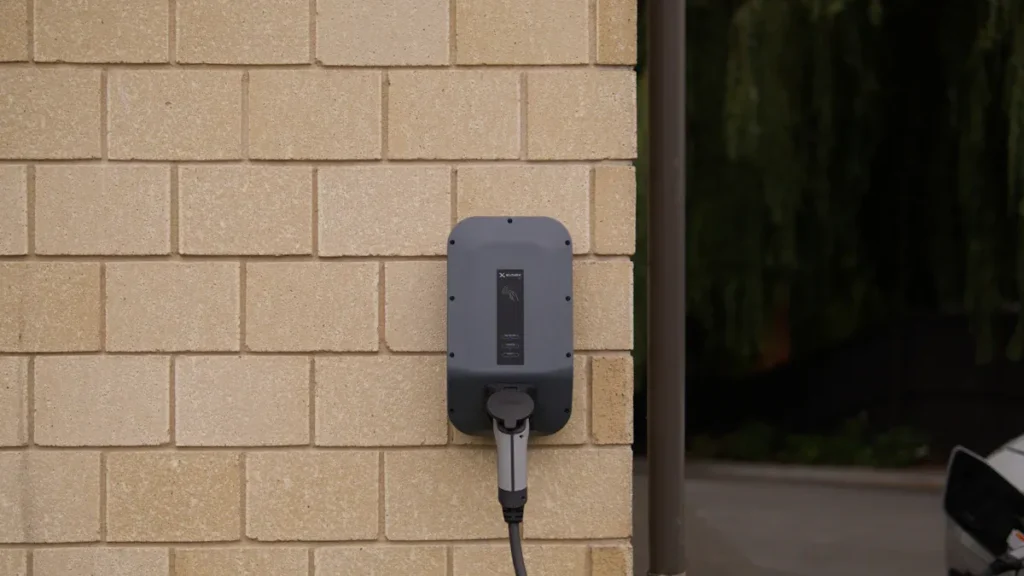
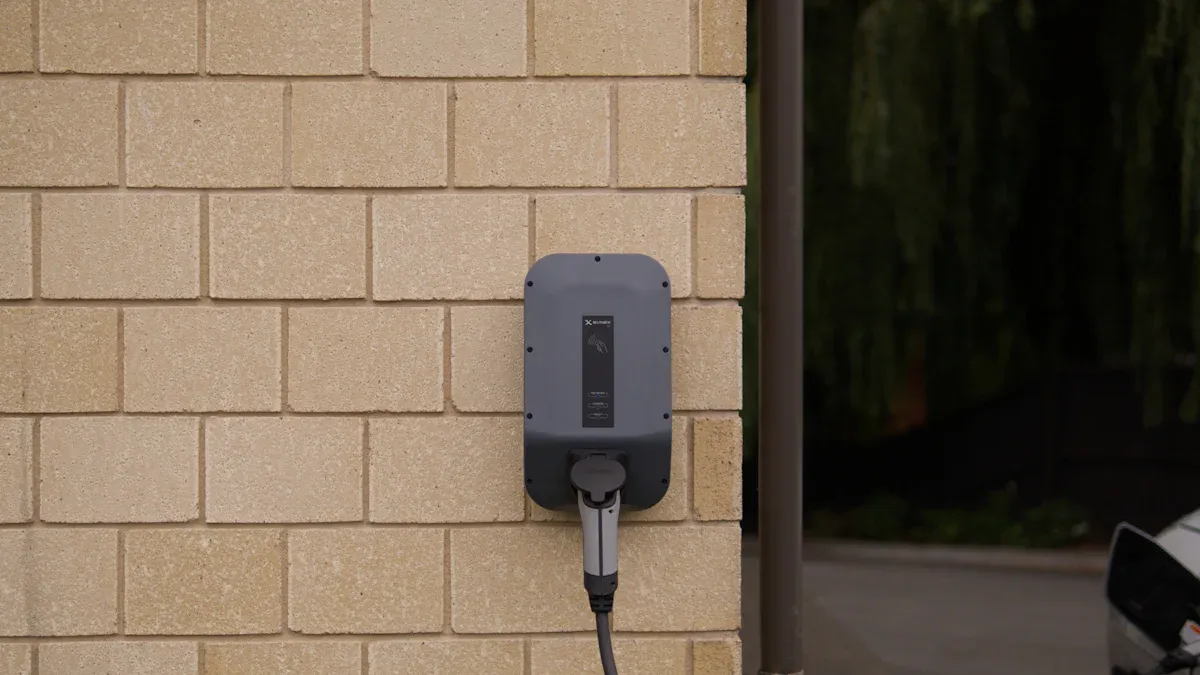
The average home charger installation costs for a Level 2 EV-Ladegerät range from $1,200 to $2,500. This price covers the total ev charger installation cost, including the unit and the professional installation. With the U.S. electric vehicle market expanding by about 10% annually, understanding the final cost is essential for new owners.
The final electrician charge for installing an ev charger depends on your home’s electrical system. The cost for installing an ev charger at home can vary. A licensed electrician assesses these unique costs for your home ev charger installation and the specific installation cost for the ev charger installation at home. Hersteller von EV-Ladegeräten like TPSON provide technologically advanced EV-Ladelösungen, which differ from simpler tragbare ev-ladegeräte.
How Much Does It Cost to Install an EV Charger? The Quick Answer
Homeowners often ask, “how much does it cost to install an ev charger?” A straightforward installation has a clear cost structure. Understanding the components of a standard quote helps set realistic budget expectations for this important home upgrade.
Average Cost for a Standard Installation
The average electric car charger installation cost for a Level 2 system typically falls between $1,200 and $2,500. This range represents a “standard” scenario. A standard installation assumes the home’s electrical panel has sufficient capacity and the charger location is near the panel. The average cost for installing an ev charger can increase if significant electrical work is required. These initial costs are a baseline before accounting for any complexities.
What’s Included in a Standard Quote?
A comprehensive quote from a qualified electrician breaks down the total ev installation charger cost into several key parts. Homeowners should expect to see line items for the charger unit, all labor and materials, and any required administrative fees. This transparency ensures there are no surprises.
The EV Charger Unit (Level 2)
The electric car charger itself is a primary component of the total cost. A standard Level 2 EV charger unit typically costs between $500 and $2,000. The price varies based on brand, amperage, and features. Technologically advanced EV charging solution providers like TPSON offer smart chargers with features like Wi-Fi connectivity and app-based scheduling, which may influence the unit’s price.
Professional Labor and Materials
The electrician’s labor and the necessary materials make up a significant portion of the installation cost. This part of the quote covers the professional’s time and expertise for installing an ev charger safely. A standard labor quote for installing an ev charger at home typically includes:
- Labor for the physical installation
- All necessary wiring and conduit
- A new dedicated 240-volt circuit breaker
- Mounting hardware for the charger
- Surface repairs if routing requires minor openings
Electrical Permitting and Inspection
Properly installing an ev charger at home requires adherence to local building codes for safety. The ev charger installation cost almost always includes fees for pulling an electrical permit. After the installation is complete, a final inspection by a local authority is often necessary to ensure compliance. An electrician bundles this administrative work into the overall project cost, providing homeowners with peace of mind that the installation is safe and legal. This final step is crucial for installing an ev charger at home.
Cost Breakdown: Charger Unit vs. Electrician Charge
Die total ev installation charger cost separates into two primary categories: the price of the charger unit itself and the professional electrician charge for the installation service. Understanding this division helps homeowners budget effectively for installing an ev charger. The hardware cost is relatively fixed, while labor costs can vary based on project complexity.
Part 1: The Cost of the EV Charger Unit
The first major expense is the charging station hardware. The market offers several types of chargers, but only two are relevant for home use. The choice of unit directly impacts the initial cost and charging speed.
Level 1 Chargers: The Budget Option
A Level 1 charger is the most basic option, often supplied with the purchase of an electric vehicle. It plugs into a standard 120-volt wall outlet, requiring no special installation. While the upfront hardware cost is minimal to none, these chargers are very slow. They add only 3-5 miles of range per hour, making them impractical for most daily drivers.
Level 2 Chargers: The Home Standard
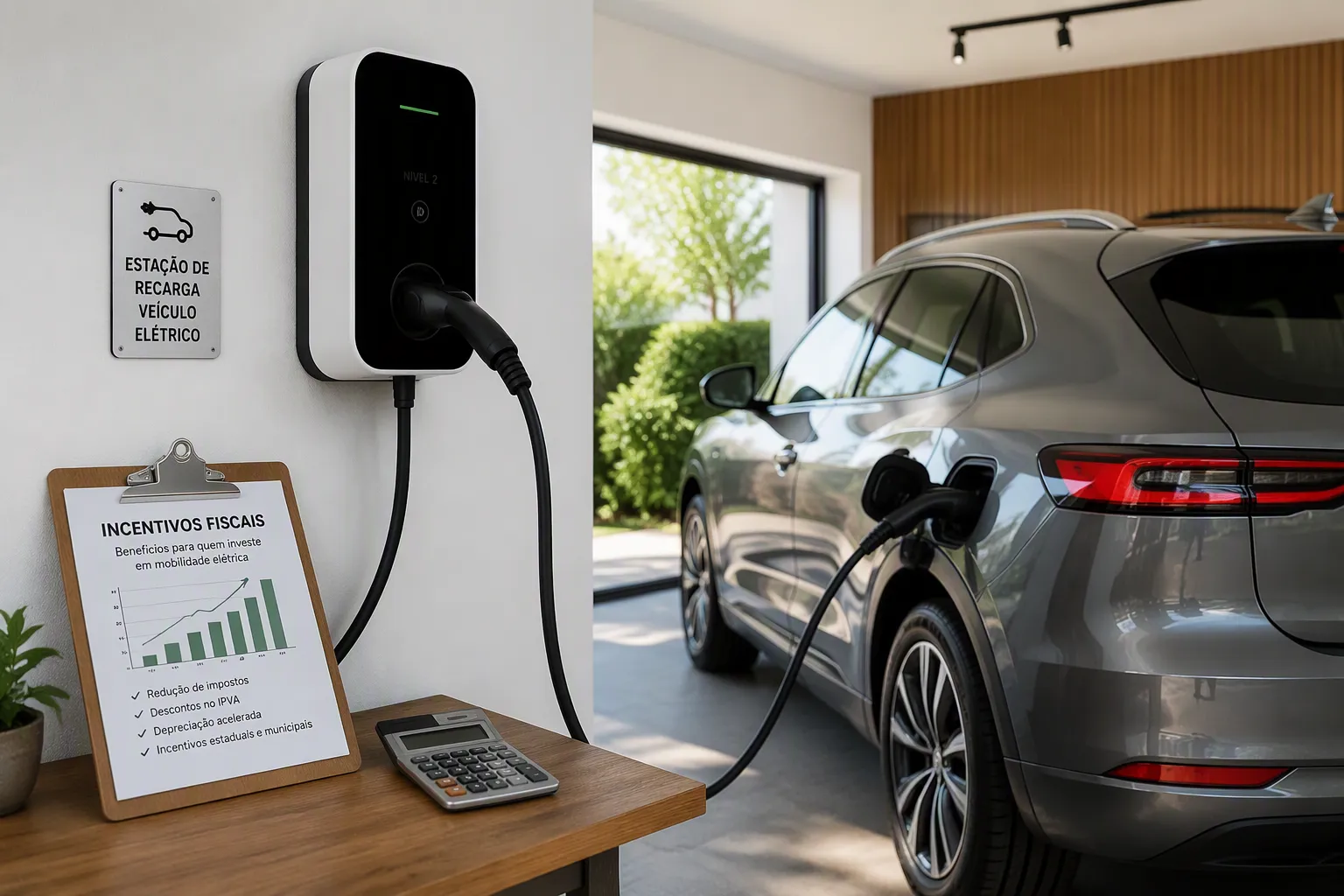
Level 2 chargers are the standard for installing an ev charger at home. They operate on a 240-volt circuit, similar to an electric dryer, and can replenish an EV’s battery overnight. The cost for a quality Level 2 unit ranges from $500 to over $1,000. Prices depend on brand, power output (amperage), and smart features. Technologically advanced EV charging solution providers like TPSON offer units with app connectivity and scheduling.
Popular Level 2 Charger Prices The cost for a Level 2 electric car charger varies. Below are some popular models and their approximate prices to provide a baseline.
Marke Modell Preis ChargePoint Startseite Flex Around $700 JuiceBox 40 Around $600 Tesla Wandverbinder Around $500
DC Fast Chargers: Not for Home Use
DC Fast Chargers provide incredibly rapid charging, often adding hundreds of miles of range in under an hour. However, these units are not designed for residential use. Their immense power requirements and a cost that can exceed $50,000 make them suitable only for public charging networks and commercial locations.
Part 2: The Electrician Charge for Labor
The second part of the total cost of installing an electric car charger is the labor. Hiring a qualified electrician is essential for a safe and code-compliant installation. This electrician charge typically accounts for a significant portion of the final bill.
Standard Labor Rate Estimates
The labor cost for installing an electric car charger generally falls between $600 and $1,500 for a standard project. This fee covers the electrician’s time, expertise, and the physical work of installing an ev charger. The final cost of installing depends heavily on the specifics of the home’s electrical system and the charger’s location.
What a Labor Quote Typically Covers
A professional labor quote for installing an ev charger at home is comprehensive. It ensures all aspects of the job are covered. Homeowners should expect the quote to include:
- Installation of a new 40-amp or 50-amp dedicated 240-volt circuit.
- Running appropriate gauge copper wiring from the panel to the charger location.
- Mounting the electric car charger at home.
- Final testing to ensure the unit functions correctly and safely.
Key Factors That Influence Your Electric Car Charger Installation Costs
While a standard price range provides a helpful baseline, several critical variables can significantly alter the final electric car charger installation costs. An electrician must evaluate these cost factors of installing electric car chargers on a case-by-case basis. The home’s existing infrastructure and the homeowner’s specific requirements are the primary drivers of the total installation cost.
Your Home’s Electrical Panel
The electrical panel, or breaker box, is the heart of a home’s electrical system. Its condition and capacity are the most significant factors determining the complexity and cost of installing an ev charger.
Panel Capacity: Is an Upgrade Needed?
A home’s electrical service is measured in amperes (amps). Many older homes have 100-amp service. A Level 2 charger requires a dedicated 40-amp or 50-amp circuit. This demand, combined with other major appliances like an HVAC system and an electric stove, can easily exceed a 100-amp panel’s safe capacity. An electrician performs a “load calculation” to determine if the existing panel can handle the additional load. If it cannot, an upgrade is necessary for a safe installation.
Cost of a Panel Upgrade
Upgrading an electrical panel is a major project that adds substantially to the overall cost. Moving from a 100-amp to a 200-amp service is a common upgrade for EV owners. This process involves more than just a new box. Upgrading an electrical panel requires heavier cabling and additional protective devices to handle the higher amperage. These materials can add an estimated $150 to $250 to the project, while the more intensive labor may increase the cost by another $100 to $150, pushing the total installation costs higher.
Available Breaker Space
Even if a panel has sufficient amperage, it must have physical space for a new breaker. A 240-volt charger requires a “double-pole” breaker, which takes up two adjacent slots in the panel. If the panel is full, an electrician may be able to consolidate circuits using “tandem” breakers. If not, installing a sub-panel becomes necessary, which adds another layer of labor and material costs to the electric car charger installation.
Charger Location and Wiring Distance
The physical distance between the electrical panel and the desired location for the electric car charging point directly impacts the installation cost. Longer distances require more materials and more labor.
Nähe zur Schalttafel
The ideal scenario for installing an ev charger at home is in a garage with the electrical panel located on an adjacent wall. This minimizes the length of the wire run. The farther the charger is from the panel, the more expensive the installation will be. This is a key detail to consider when planning the installation.
Cost per Foot of Wiring
The cost of installing an electric car charger increases with every foot of wiring. The heavy-gauge copper wire required for a 240-volt circuit is a significant material expense. Furthermore, running this wire through walls, ceilings, or attics is labor-intensive. An electrician will factor both the material cost and the labor time for the entire wire run into the final quote.
Interior vs. Exterior Wall Installation
An interior installation, typically inside a garage, is the most straightforward. The electrician can run wiring along wall surfaces or through wall cavities. An exterior installation is more complex. It requires weatherproof conduit and fittings to protect the wiring from the elements, which increases both material costs and the labor required for the installation.
Type of Installation and Mounting
The choice of charger and how it is mounted also influences the final price. Homeowners have a few options, each with different implications for the cost of installing an electric car charger at home.
Wall-Mounted Charger Installation
A wall-mounted installation is the most common and cost-effective method. The charger unit is secured directly to a wall stud in a garage or on an exterior wall. This is the standard approach for most professional electric car charger installation projects, especially when using advanced units from providers like TPSON.
Pedestal-Mounted Charger Installation
A pedestal mount is necessary when a wall is not available, such as in a carport or a dedicated parking space. This type of installation is significantly more expensive. The pedestal itself is an added hardware cost, and the installation requires trenching to run electrical conduit underground from the house to the pedestal location.
Hardware Cost: Pedestal vs. Wall Mount The charger unit itself has a different price point depending on its design. The following table shows a price comparison for the hardware alone, not including the added labor for a pedestal installation.
Ladegerät Typ MSRP (Manufacturer’s Suggested Retail Price) Floor Standing EV Charger $998 Wall Mounted 7.4kW MaxiCharger $549
Festverdrahtete Installation vs. NEMA-Steckdose
An electrician can connect the charger in one of two ways.
- Fest verdrahtet: The charger is wired directly into the circuit. This permanent connection is often considered safer, is required by some local codes, and is better for outdoor installations.
- NEMA Outlet: The electrician installs a 240-volt outlet (like a NEMA 14-50), and the charger plugs into it. This offers flexibility, as the homeowner can unplug the charger. The choice can slightly alter the labor and material costs for installing an ev charger at home.
Labor and Permitting Requirements
Administrative tasks and regional regulations are crucial cost factors of installing electric car chargers. The final electrician charge reflects not just the physical work but also the professional’s time managing compliance. These requirements ensure every electric car charger installation is safe, legal, and up to code.
Local Electrician Rates
The hourly rate for a qualified electrician varies significantly based on geographic location and experience. An electrician in a dense urban center will likely have a different rate than one in a rural area. This labor cost is a major component of the total installation cost. Homeowners should expect this fee to cover the electrician’s expertise in safely installing an ev charger and navigating local electrical codes.
The Cost of Electrical Permits
Nearly every municipality requires an electrical permit for installing an ev charger at home. This is not an optional step. The permit process ensures that a licensed professional performs the installation and that the work complies with safety standards. The cost of the permit itself is usually a flat administrative fee paid to the local building authority, and it is typically included in the electrician’s overall quote. This cost is a necessary part of a legitimate installation.
The Need for a Final Inspection
After the installation is complete, a municipal inspector must review the work. This final inspection is the last step in closing out the permit. The inspector verifies that the new circuit, wiring, and charger connection meet all safety codes. Passing this inspection provides official approval and peace of mind. It confirms that the installation of the electric car charging point is safe for the home and the vehicle. This step is essential for any project involving installing an ev charger.
Trenching and Groundwork
The installation costs can rise sharply if the project requires significant groundwork. Trenching is necessary when the charger’s location is not attached to the main house, such as in a detached garage or a parking space in a driveway. This process adds considerable labor and complexity to the electric car charger installation.
Installing in a Detached Garage
Installing an ev charger at home becomes more involved with a detached garage. The electrician cannot simply run a wire through an attic or along an interior wall. Instead, they must run a weatherproof electrical conduit underground from the main house’s electrical panel to the garage. This type of installation requires careful planning to avoid other underground utilities. The added labor for digging and routing the conduit increases the overall cost of installing an electric car charger.
Note on Outdoor Installations: Any installation requiring trenching also demands specialized materials. The electrician must use burial-grade conduit and weatherproof fittings to protect the high-voltage wiring from moisture and physical damage, which adds to the material costs.
Cost of Trenching for Conduit
The cost of installing conduit underground is a significant factor. On average, the complete installation of utility conduit, which includes trenching, labor, and materials, is about $8 per foot. Other estimates place the cost of trenching alone between $20 and $50 per meter, with the price increasing if the path contains obstacles like tree roots or concrete. This additional expense is a primary reason why an electric car charger installation involving a detached garage has higher installation costs than a standard attached garage project. The final cost for installing an electric car charger will directly reflect the length and difficulty of this trench.
Understanding Charger Levels and Their Impact on Installation
The type of charger a homeowner selects directly influences both charging speed and the Gesamtinstallationskosten. The industry offers two main residential options: Level 1 and Level 2. Each has distinct requirements and benefits that affect the overall project.
Level 1 Aufladung erklärt
Level 1 charging represents the most basic method for powering an electric vehicle. It is a simple solution with significant limitations.
What It Is and How It Works
A Level 1 charger uses a standard 120-volt household outlet. It requires no professional installation. The owner simply plugs the cord that comes with the vehicle into any available wall socket. However, this convenience comes at the price of speed. The charging rate is extremely slow.
- Most Level 1 chargers add between 2 and 5 miles of range per hour.
- Some estimates place the rate between 3 and 5 miles per hour.
- Under ideal conditions, it might add 8-10 Meilen Reichweite pro Stunde.
Associated Costs (Minimal)
The primary appeal of Level 1 charging is its low cost. The hardware is typically included with the vehicle purchase, so there are no upfront equipment costs. Since it uses a standard outlet, there is no installation cost, making it an accessible but impractical long-term solution for most drivers.
Level 2 Charging Explained
Level-2-Ladung is the recognized standard for residential EV charging. It provides a powerful and efficient solution for daily use.
Why It’s the Home Standard
A Level 2 charger operates on a 240-volt circuit, much like a large appliance. This higher voltage allows it to charge a vehicle significantly faster, often replenishing a full battery overnight. This reliability makes it the preferred choice for any electric car charger at home.
Power Output (Amperage) and Cost
Level 2 chargers come in various power outputs, measured in kilowatts (kW) or amps. A higher output delivers a faster charge but can increase the hardware cost. A common 7kW charger, for example, provides a substantial boost compared to a Level 1 unit.
| Ladegerät Leistung | Miles Added Per Hour (Approx.) |
|---|---|
| 7kW | 25 miles |
This faster charging makes the investment in a Level 2 electric car charging point worthwhile for most EV owners.
Kluge vs. “dumme” Charger
Due to smart charge point regulations effective since June 2022, all new home chargers must include smart functionality. “Dumb” chargers, which simply deliver power, are no longer installed. Smart chargers connect to the internet, offering advanced features.
Smart Charger Benefits 🧠 A smart charger allows homeowners to schedule charging sessions, track energy usage, and take advantage of lower off-peak electricity rates. This intelligent management helps reduce long-term running costs.
Technologically advanced providers like TPSON specialize in these smart solutions. The price for these units varies based on brand and features.
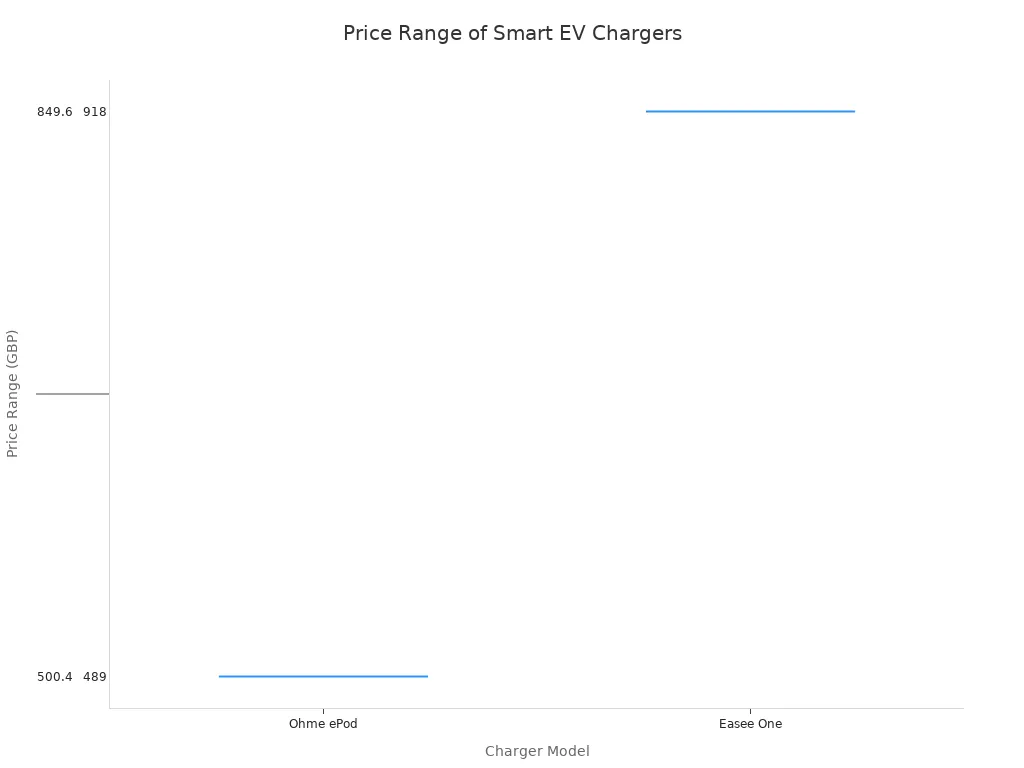
These features add value and justify the initial hardware cost for a modern charging installation.
How to Get an Accurate Quote for Your Electric Car Charger Installation
An electric car charger installation is a significant investment. Securing an accurate quote is the first step toward a smooth and cost-effective process. Homeowners can ensure they receive a fair and comprehensive estimate by finding a qualified professional and providing detailed information about their property.
Suche nach einem qualifizierten Elektriker
The safety and reliability of your electric car charger installation depend entirely on the skill of the professional you hire. Not every electrician has the specific training required for installing an EV charger.
Certifications to Look For
A qualified installer will hold specific credentials that prove their expertise. Homeowners should look for an electrician with a current ECS Gold Card and relevant Level 3 qualifications. Key certifications include:
- Level 3 Award in the Requirements for Electrical Installations BS 7671 (current Edition).
- An NVQ Diploma in Installing Electrotechnical Systems and Equipment.
- Specialized upskilling courses like the C&G 2921-34 EV Charging Course.
- Registration with an approved contractor scheme such as NICEIC or NAPIT.
These qualifications ensure the electrician understands the latest wiring regulations and safety standards for this type of installation.
Where to Find Reputable Installers
Finding a trustworthy installer is crucial. Homeowners can start by asking for recommendations from local EV owner groups or dealerships. Another excellent resource is the manufacturer of the charger. Technologically advanced providers like TPSON often maintain a network of approved installers who are familiar with their products. Prioritizing installers with local experience is also beneficial, as they understand the specific housing stock and potential challenges in the area.
What to Provide for an Accurate Estimate
To get the most accurate quote for installing an electric car charger, homeowners need to provide the electrician with specific details about their home and needs. Many installers now use online site surveys to gather this information efficiently.
Photos of Your Electrical Panel
Clear photos of the electrical panel (fuse board) are essential. The electrician needs to see the panel’s total capacity, the existing breakers, and any available space for the new circuit required for the installation.
Photos of the Proposed Charger Location
Pictures and videos of the proposed charger location and the surrounding area help the installer plan the project. This includes showing the parking space, the wall where the charger will be mounted, and the general path from the panel to the charger. It is also important to check for a stable Wi-Fi or 4G/5G signal at the location, as smart chargers require an internet connection.
Your Vehicle’s Charging Specs
The installer needs to know the make and model of your electric vehicle. This information determines the charger’s required power output and ensures the installation will meet the car’s charging capabilities.
Comparing Multiple Quotes
Obtaining at least three quotes is a standard best practice for any major home project, including an electric car charger installation. This comparison allows homeowners to evaluate price, service, and professionalism.
What to Look for in a Detailed Quote
A professional quote for installing an electric car charger should be a formal, itemized document, not an informal text message. It must clearly detail:
- Die make and model of the proposed electric car charger.
- The total cost, with a clear indication of whether sales tax is included.
- A breakdown of all labor and material costs, including the length and type of cabling.
- Details on any required groundwork or civil works.
- Confirmation of electrical sign-off and comprehensive warranty information for both the charger (ideally 3+ years) and the installation workmanship (12+ months).
Red Flags to Avoid
Warning Signs 🚩 Homeowners should be cautious of installers who exhibit unprofessional behavior. Watch out for vague warranty terms, requests for cash-in-hand payments, or a flat refusal to conduct a pre-install survey. An installer who aggressively pushes a single charger brand or lacks official paperwork may not be trustworthy. A legitimate business will have a formal quote process and be transparent about all aspects of the installation.
Are There Rebates or Tax Credits Available?
Homeowners can significantly reduce the financial impact of an EV-Ladegerät installation by taking advantage of various incentive programs. Government bodies and utility companies offer rebates and credits to lower the initial cost. These programs make adopting electric vehicle technology more affordable for everyone.
Steuergutschriften des Bundes für E-Auto-Ladegeräte
Federal incentives provide a substantial way to offset the charger and installation costs. These programs encourage the adoption of clean energy infrastructure at the residential level.
The Residential Clean Energy Credit (30% up to $1,000)
The primary federal incentive is the Residential Clean Energy Credit. This tax credit covers 30% of the total project cost, up to a maximum of $1,000. It applies to both the charging hardware and the professional labor for the installation. This credit directly reduces a homeowner’s tax liability, making it a powerful tool for managing the overall cost.
How to Claim the Credit on Your Taxes
Claiming the credit is a straightforward process. Homeowners must complete IRS Form 8911, “Alternative Fuel Vehicle Refueling Property Credit,” when they file their annual federal income taxes. It is essential to keep all receipts for the charger purchase and the electrician’s invoice. These documents serve as proof of the eligible expenses.
Rabatte für staatliche und lokale Behörden
Many state and local governments offer their own incentive programs. These rebates can often be combined with federal credits, further reducing out-of-pocket costs.
How to Find Your State’s Programs
Die beste Ressource für die Suche nach lokalen Förderungen ist das Alternative Fuels Data Center (AFDC) des US-Energieministeriums. Hausbesitzer können diese Datenbank nach Bundesstaaten durchsuchen, um eine umfassende Liste verfügbarer Rabatte, Zuschüsse und Steuergutschriften für E-Ladegeräte zu finden.
Förderprogramme der Energieversorger
Lokale Energieversorger sind eine weitere ausgezeichnete Quelle für Einsparungen. Sie bieten oft finanzielle Anreize, um das Laden in Schwachlastzeiten zu fördern, was hilft, die Last des Stromnetzes auszugleichen.
Häufige Arten von Versorger-Rabatten
Energieversorger bieten häufig direkte Rabatte an, die die Anschaffungs- und Installationskosten einer Ladestation senken. Diese Rabatte können verschiedene Formen annehmen:
- Ein einmaliger Barrabatt für die Installation eines qualifizierten Smart Chargers.
- Eine Gutschrift auf das Stromkonto des Kunden.
- Rabatte auf bestimmte Ladegerätemodelle von Herstellern wie TPSON.
Spezielle Zeitnutzungs-Tarife (Time-of-Use, TOU) für EV-Besitzer
Profi-Tipp: Mit TOU-Tarifen sparen 💡.
Diese Tarife belohnen Kunden für das Laden bei niedriger Stromnachfrage. Ein Smart Charger ist unerlässlich, um diese Ersparnisse zu maximieren, da er Ladevorgänge automatisch auf die günstigsten Tarifzeiten legen kann.
DIY vs. Professionelle Installation: Ein Kosten- und Sicherheitsvergleich
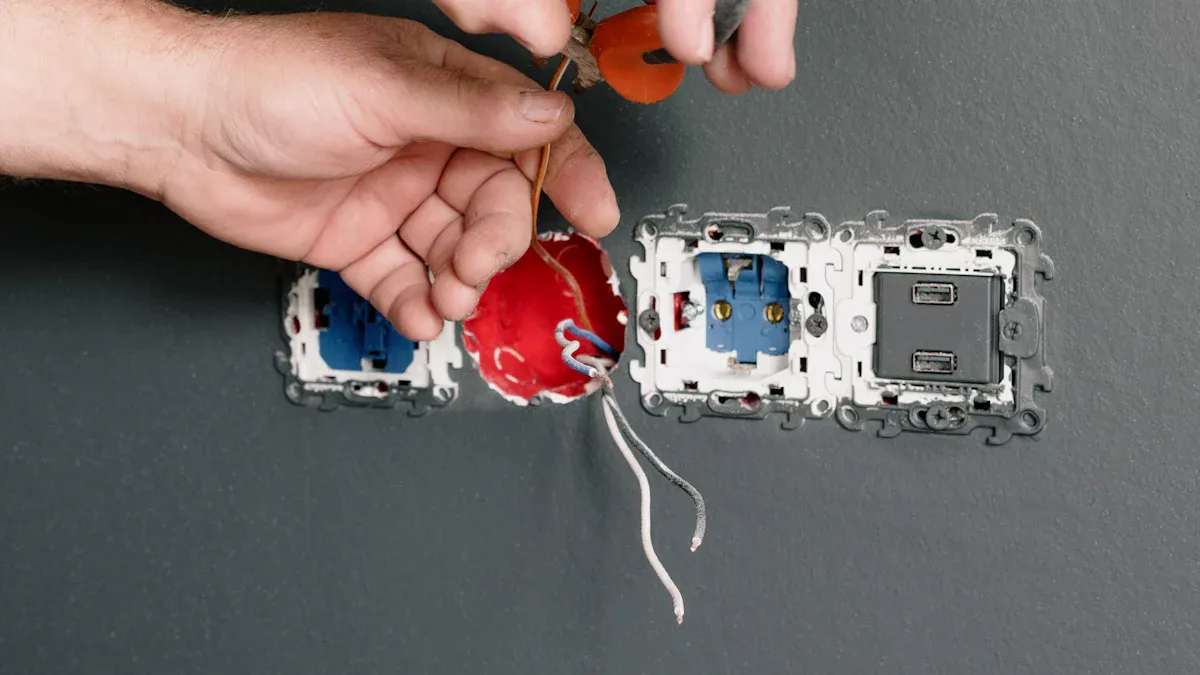
Hausbesitzer ziehen oft einen Do-it-yourself-Ansatz in Betracht, um die anfänglichen Kosten für die Installation einer EV-Ladestation zu Hause zu senken. Die scheinbaren Ersparnisse können jedoch schnell verpuffen, wenn man den erheblichen Risiken gegenübersteht. Eine professionelle Installation eines Elektroauto-Ladegeräts bietet Sicherheit und einen Wert, der die anfänglichen Arbeitskosten bei weitem überwiegt.
Warum eine DIY-Installation nicht empfohlen wird
Der Versuch, eine Elektroauto-Ladestation ohne entsprechende Ausbildung zu installieren, ist ein riskantes Unterfangen. Die Komplexität von Hochspannungsarbeiten erfordert zertifiziertes Fachwissen.
Elektrische Gefahren und Verstöße gegen Vorschriften
Eine DIY-Installation birgt schwerwiegende elektrische Gefahren. Hochspannungsarbeiten sind für Laien gefährlich. Häufige Fehler können zu katastrophalen Ausfällen führen.
- Unsachgemäße Verkabelung oder die Verwendung eines zu klein dimensionierten Leistungsschalters können Überhitzung verursachen und ein Brandrisiko darstellen.
- Das Fehlen eines korrekten FI-Schutzes (Fehlerstrom-Schutzschalter) erhöht die Gefahr eines elektrischen Schlags erheblich.
- Das Fehlen kritischer Sicherheitsmerkmale kann dazu führen, dass die Metallkarosserie des Fahrzeugs unter Spannung steht.
Diese Fehler verstoßen gegen Elektrovorschriften und gefährden Menschen und Eigentum. Die Kosten eines Fehlers sind weitaus höher als die Kosten für einen Fachmann.
Risiko der Beschädigung Ihres EVs oder Ihres Hauses
Eine fehlerhafte Installation kann eine falsche Spannung an Ihr Fahrzeug senden. Dies kann das empfindliche Bordladesystem des Autos zerstören und zu Reparaturkosten in Höhe von Tausenden von Dollar führen. Das Risiko geht über das Fahrzeug hinaus. Ein durch unsachgemäße Installation verursachter Elektrobrand kann verheerende Schäden an einem Haus anrichten, wodurch die anfänglichen Installationskosten trivial erscheinen.
Erlöschen von Garantien und Versicherungsprobleme
Ladegerätehersteller, einschließlich fortschrittlicher Anbieter wie TPSON, verlangen eine professionelle Installation, um ihre Produktgarantien aufrechtzuerhalten. Eine DIY-Arbeit führt zum Erlöschen dieser Garantie. Wenn ein Elektrobrand auftritt, kann eine Versicherungsgesellschaft die Schadenszahlung zudem ablehnen, wenn sie feststellt, dass die Arbeiten nicht von einem lizenzierten Elektriker durchgeführt wurden. Der Hausbesitzer trägt dann die Verantwortung für alle Reparaturkosten.
Der Wert der Beauftragung eines Fachmanns
Die Beauftragung eines qualifizierten Elektrikers für die Installation einer EV-Ladestation zu Hause ist eine Investition in Sicherheit und Zuverlässigkeit. Die Vorteile bieten langfristige Sicherheit.
Gewährleistung von Sicherheit und Konformität
Ein Fachmann stellt sicher, dass die Installation allen Sicherheitsstandards entspricht. Dazu gehört die vollständige Einhaltung des National Electrical Code (NEC) und der lokalen Bauvorschriften. Fachleute beschaffen die notwendigen Genehmigungen für die Installation einer EV-Ladestation und garantieren so, dass die Arbeit legal und sicher ist. Diese Konformität ist ein nicht verhandelbarer Teil einer ordnungsgemäßen Installation.
Zugang zu professionellen Materialien
Elektriker verwenden hochwertige, langlebige Materialien, die für Hochleistungsanwendungen ausgelegt sind. Sie wählen den korrekten Querschnitt der Kupferleitung, wetterfesten Leitungskanal für Außenverlegungen und geeignete Leistungsschalter für den Verteiler. Dies gewährleistet eine robuste Installation, die Jahre halten wird. Die Qualität dieser Materialien trägt zur allgemeinen Sicherheit und Langlebigkeit des Systems bei.
Seelenfrieden und garantierte Arbeit
Professionelle Garantie ✅ Der bedeutendste Vorteil einer professionellen Installation ist der Seelenfrieden. Die Arbeit ist garantiert sicher und korrekt. Seriöse Elektriker gewähren eine Garantie auf ihre Handwerksleistung, die alle Probleme abdeckt, die nach Abschluss der Arbeit auftreten können. Diese Garantie schützt die Investition des Hausbesitzers in die Installation einer EV-Ladestation zu Hause.
Lohnt sich die Installation einer Heim-EV-Ladestation?

Nach der Prüfung der Installationskosten stellen sich Hausbesitzer natürlich die Frage, ob die Investition wirklich lohnenswert ist. Die Antwort beinhaltet eine Analyse der langfristigen Kraftstoffeinsparungen, des Komforts und der Auswirkungen auf den Immobilienwert. Für die meisten Fahrer erweist sich die Installation einer EV-Ladestation als finanziell sinnvolle und praktische Entscheidung.
Kosten für das Laden zu Hause vs. Benzin
Der unmittelbarste Vorteil einer heimischen Elektroauto-Ladestation ist die drastische Reduzierung der “Betankungs”-Kosten im Vergleich zu herkömmlichen Benzinfahrzeugen.
Berechnung Ihrer Stromkosten pro Meile
Hausbesitzer können ihre Ladekosten leicht berechnen. Die Formel lautet: Batteriekapazität des Fahrzeugs (in kWh) multipliziert mit dem lokalen Strompreis (in Dollar pro kWh). Beispiel: Das Laden eines 60-kWh-Akkus bei einem Strompreis von 0,15 $/kWh führt zu vollen Ladekosten von nur 9,00 $. Diese einfache Berechnung zeigt die Erschwinglichkeit des Ladens Ihres Elektroautos zu Hause.
Vergleich mit lokalen Benzinpreisen
Die Kosteneinsparungen werden auf einer pro-Meile-Basis deutlich.
- Heim-EV-Laden: Elektro: Kostet typischerweise zwischen 0,07 $ und 0,09 $ pro Meile.
- Benzin/Diesel: Kostet oft zwischen 0,15 $ und 0,20 $ pro Meile.
Über tausende von Kilometern summieren sich die Einsparungen durch die Nutzung einer Elektroauto-Ladestation zu Hause schnell und gleichen die anfänglichen Installationskosten aus.
Kosten für das Laden zu Hause im Vergleich zum Laden an öffentlichen Stationen
Obwohl öffentliche Ladestationen für lange Fahrten unerlässlich sind, sind sie für den täglichen Ladebedarf keine kosteneffiziente Lösung.
Durchschnittliche Gebühren in öffentlichen Lade-Netzwerken
Öffentliche DC-Schnellladestationen sind deutlich teurer als das Laden zu Hause. Der Preis an diesen Stationen liegt typischerweise zwischen 0,35 und 0,60 Euro pro kWh. Obwohl dies oft immer noch günstiger ist als ein voller Benzintank, macht der höhere Preis die regelmäßige Nutzung für das Laden finanziell unpraktikabel.
Der Faktor Bequemlichkeit
Der ultimative Komfort Komfort.
Auswirkungen auf den Wiederverkaufswert Ihres Hauses
Die Installation einer Heim-Ladestation für Elektroautos bedeutet nicht nur sofortige Einsparungen; es ist auch eine Investition in die Zukunft der Immobilie. Immobilientrends zeigen, dass Häuser mit Ladeinfrastruktur für potenzielle Käufer zunehmend attraktiv sind. Eine Immobilie mit einer vorinstallierten Elektroauto-Ladestation erspart neuen Eigentümern den Aufwand und die Kosten einer eigenen Installation. Mit der zunehmenden Verbreitung von Elektrofahrzeugen wird eine Heimladestation zu einem Standardmerkmal, ähnlich wie eine Klimaanlage. Dies macht die Immobilie wettbewerbsfähiger, ansprechend für moderne Käufer und kann zu einem höheren Wiederverkaufswert, führen, was hilft, die anfänglichen Installationskosten wieder hereinzuholen.
Die durchschnittlichen Installationskosten für eine Elektroauto-Ladestation bieten eine nützliche Richtgröße. Die endgültigen Installationskosten hängen jedoch von wichtigen Variablen ab. Ein Elektriker prüft den Hausanschlusskasten und die Verkabelungsentfernung, was die durchschnittlichen Kosten für die Installation einer EV-Ladestation erheblich beeinflusst. Hausbesitzer sollten mehrere Angebote einholen, um die endgültigen Elektrikerkosten und die Gesamtkosten der Installation zu verstehen. Die durchschnittlichen Kosten für die Installation einer EV-Ladestation sind eine sinnvolle Investition, da langfristige Kraftstoffeinsparungen die anfänglichen Installationskosten und Gesamtkosten oft rechtfertigen.
FAQ
Wie lange dauert die Installation eines Standard-EV-Ladegeräts?
Eine Standardinstallation dauert für einen Elektriker typischerweise zwischen zwei und vier Stunden. Komplexere Arbeiten, die Schaltkasten-Upgrades oder erhebliche Erdarbeiten beinhalten, können diesen Zeitrahmen auf einen ganzen Tag oder länger ausdehnen.
Kann ich jedes Level-2-Ladegerät mit meinem Elektroauto installieren?
Die meisten Level-2-Ladegeräte verwenden Sie einen universellen Anschluss, der mit allen Nicht-Tesla-Elektroautos kompatibel ist. Tesla-Fahrzeuge benötigen einen Adapter. Ein Elektriker stellt sicher, dass die Leistungsabgabe des Ladegeräts mit der Ladekapazität Ihres Fahrzeugs übereinstimmt.
Benötige ich eine Genehmigung für die Installation einer EV-Ladestation?
Ja, die meisten lokalen Behörden erfordern für diese Art von Arbeit eine elektrische Genehmigung. Ein qualifizierter Elektriker verwaltet den Genehmigungsprozess, um sicherzustellen, dass das Projekt alle Sicherheitsvorschriften erfüllt und die Inspektion besteht.
Was ist ein “intelligentes Ladegerät”?
Ein Smart Charger verbindet sich mit dem WLAN Ihres Hauses. Diese Funktion ermöglicht es Ihnen, Ladevorgänge zu planen und den Energieverbrauch über eine App zu überwachen. Technologisch fortschrittliche Anbieter wie TPSON sind auf diese intelligenten Ladelösungen spezialisiert.
Kann ich ein E-Ladegerät selbst installieren?
Ein DIY-Ansatz wird dringend abgeraten. Diese Hochspannungsarbeit birgt ernsthafte Sicherheitsrisiken und kann Produktgarantien erlöschen lassen. Ein Profi gewährleistet einen sicheren, normgerechten und zuverlässigen Aufbau.
Beeinflusst die Amperezahl des Ladegeräts die Installationskosten?
Ja, die Amperezahl kann die Kosten beeinflussen. Ein Ladegerät mit höherer Amperezahl erfordert dickere, teurere Kupferkabel und einen größeren Leistungsschalter. Dies erhöht die Materialkosten für das Projekt.