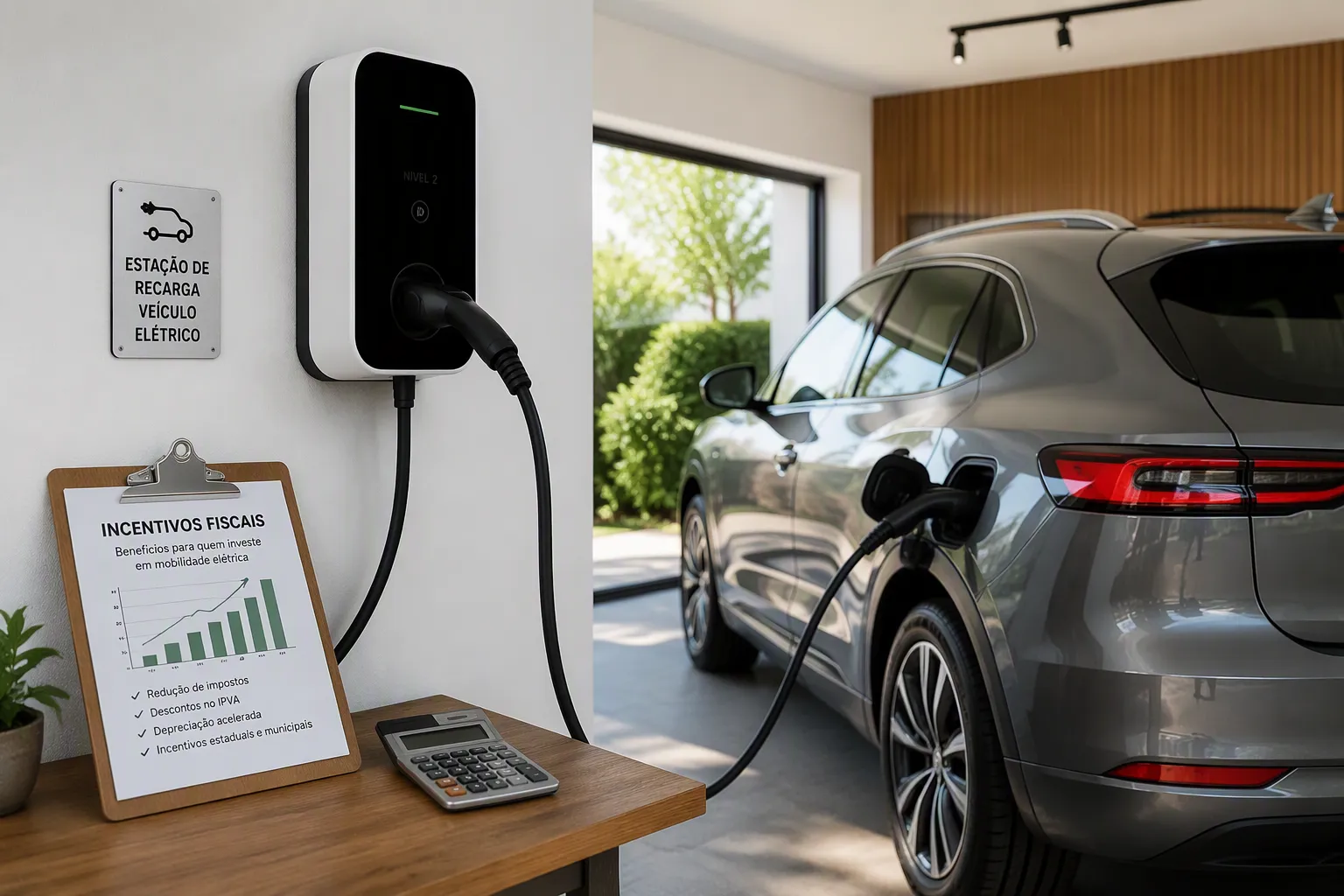
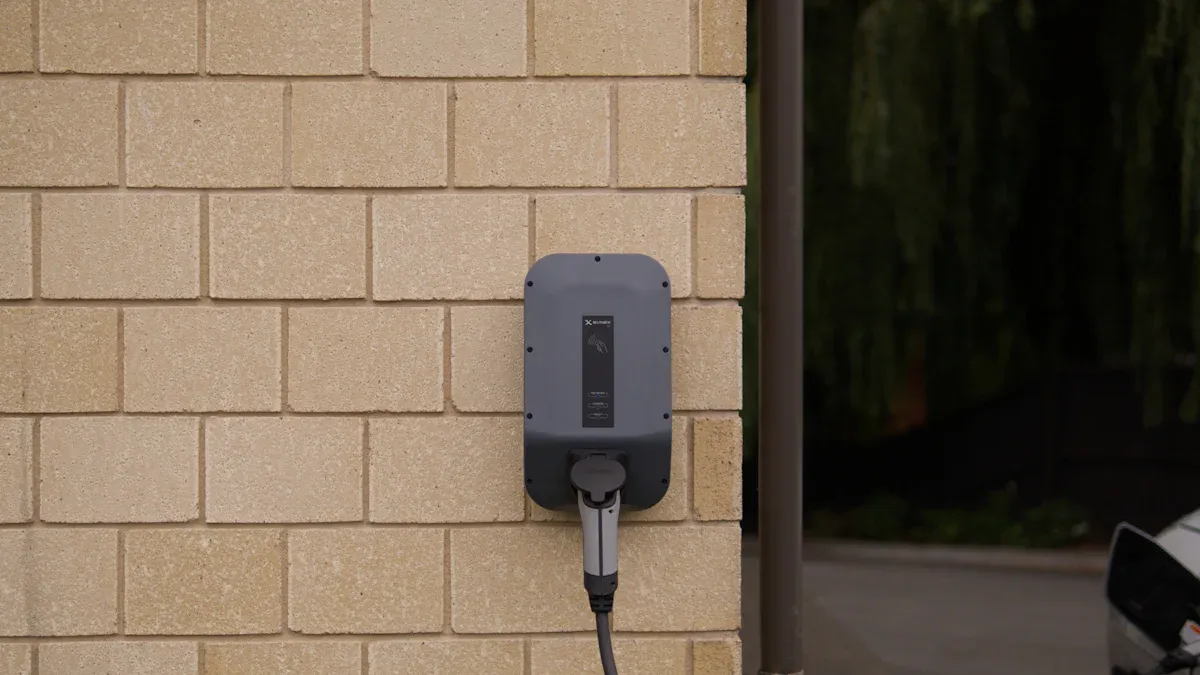
The average home charger installation costs for a Level 2 Chargeur EV range from $1,200 to $2,500. This price covers the total ev charger installation cost, including the unit and the professional installation. With the U.S. electric vehicle market expanding by about 10% annually, understanding the final cost is essential for new owners.
The final electrician charge for installing an ev charger depends on your home’s electrical system. The cost for installing an ev charger at home can vary. A licensed electrician assesses these unique costs for your home ev charger installation and the specific installation cost for the ev charger installation at home. Fabricants de chargeurs de VE comme TPSON proposent des Solutions de recharge pour véhicules électriques, which differ from simpler chargeurs ev portables.
How Much Does It Cost to Install an EV Charger? The Quick Answer
Homeowners often ask, “how much does it cost to install an ev charger?” A straightforward installation has a clear cost structure. Understanding the components of a standard quote helps set realistic budget expectations for this important home upgrade.
Average Cost for a Standard Installation
The average electric car charger installation cost for a Level 2 system typically falls between $1,200 and $2,500. This range represents a “standard” scenario. A standard installation assumes the home’s electrical panel has sufficient capacity and the charger location is near the panel. The average cost for installing an ev charger can increase if significant electrical work is required. These initial costs are a baseline before accounting for any complexities.
What’s Included in a Standard Quote?
A comprehensive quote from a qualified electrician breaks down the total ev installation charger cost into several key parts. Homeowners should expect to see line items for the charger unit, all labor and materials, and any required administrative fees. This transparency ensures there are no surprises.
The EV Charger Unit (Level 2)
The electric car charger itself is a primary component of the total cost. A standard Level 2 EV charger unit typically costs between $500 and $2,000. The price varies based on brand, amperage, and features. Technologically advanced EV charging solution providers like TPSON offer smart chargers with features like Wi-Fi connectivity and app-based scheduling, which may influence the unit’s price.
Professional Labor and Materials
The electrician’s labor and the necessary materials make up a significant portion of the installation cost. This part of the quote covers the professional’s time and expertise for installing an ev charger safely. A standard labor quote for installing an ev charger at home typically includes:
- Labor for the physical installation
- All necessary wiring and conduit
- A new dedicated 240-volt circuit breaker
- Mounting hardware for the charger
- Surface repairs if routing requires minor openings
Electrical Permitting and Inspection
Properly installing an ev charger at home requires adherence to local building codes for safety. The ev charger installation cost almost always includes fees for pulling an electrical permit. After the installation is complete, a final inspection by a local authority is often necessary to ensure compliance. An electrician bundles this administrative work into the overall project cost, providing homeowners with peace of mind that the installation is safe and legal. This final step is crucial for installing an ev charger at home.
Cost Breakdown: Charger Unit vs. Electrician Charge
Le total ev installation charger cost separates into two primary categories: the price of the charger unit itself and the professional electrician charge for the installation service. Understanding this division helps homeowners budget effectively for installing an ev charger. The hardware cost is relatively fixed, while labor costs can vary based on project complexity.
Part 1: The Cost of the EV Charger Unit
The first major expense is the charging station hardware. The market offers several types of chargers, but only two are relevant for home use. The choice of unit directly impacts the initial cost and charging speed.
Level 1 Chargers: The Budget Option
A Level 1 charger is the most basic option, often supplied with the purchase of an electric vehicle. It plugs into a standard 120-volt wall outlet, requiring no special installation. While the upfront hardware cost is minimal to none, these chargers are very slow. They add only 3-5 miles of range per hour, making them impractical for most daily drivers.
Level 2 Chargers: The Home Standard
Level 2 chargers are the standard for installing an ev charger at home. They operate on a 240-volt circuit, similar to an electric dryer, and can replenish an EV’s battery overnight. The cost for a quality Level 2 unit ranges from $500 to over $1,000. Prices depend on brand, power output (amperage), and smart features. Technologically advanced EV charging solution providers like TPSON offer units with app connectivity and scheduling.
Popular Level 2 Charger Prices The cost for a Level 2 electric car charger varies. Below are some popular models and their approximate prices to provide a baseline.
Marque Modèle Prix ChargePoint Home Flex Environ $700 JuiceBox 40 Environ $600 Tesla Wall Connector Environ $500
DC Fast Chargers: Not for Home Use
DC Fast Chargers provide incredibly rapid charging, often adding hundreds of miles of range in under an hour. However, these units are not designed for residential use. Their immense power requirements and a cost that can exceed $50,000 make them suitable only for public charging networks and commercial locations.
Part 2: The Electrician Charge for Labor
The second part of the total cost of installing an electric car charger is the labor. Hiring a qualified electrician is essential for a safe and code-compliant installation. This electrician charge typically accounts for a significant portion of the final bill.
Standard Labor Rate Estimates
The labor cost for installing an electric car charger generally falls between $600 and $1,500 for a standard project. This fee covers the electrician’s time, expertise, and the physical work of installing an ev charger. The final cost of installing depends heavily on the specifics of the home’s electrical system and the charger’s location.
What a Labor Quote Typically Covers
A professional labor quote for installing an ev charger at home is comprehensive. It ensures all aspects of the job are covered. Homeowners should expect the quote to include:
- Installation of a new 40-amp or 50-amp dedicated 240-volt circuit.
- Running appropriate gauge copper wiring from the panel to the charger location.
- Mounting the electric car charger at home.
- Final testing to ensure the unit functions correctly and safely.
Key Factors That Influence Your Electric Car Charger Installation Costs
While a standard price range provides a helpful baseline, several critical variables can significantly alter the final electric car charger installation costs. An electrician must evaluate these cost factors of installing electric car chargers on a case-by-case basis. The home’s existing infrastructure and the homeowner’s specific requirements are the primary drivers of the total installation cost.
Your Home’s Electrical Panel
The electrical panel, or breaker box, is the heart of a home’s electrical system. Its condition and capacity are the most significant factors determining the complexity and cost of installing an ev charger.
Panel Capacity: Is an Upgrade Needed?
A home’s electrical service is measured in amperes (amps). Many older homes have 100-amp service. A Level 2 charger requires a dedicated 40-amp or 50-amp circuit. This demand, combined with other major appliances like an HVAC system and an electric stove, can easily exceed a 100-amp panel’s safe capacity. An electrician performs a “load calculation” to determine if the existing panel can handle the additional load. If it cannot, an upgrade is necessary for a safe installation.
Cost of a Panel Upgrade
Upgrading an electrical panel is a major project that adds substantially to the overall cost. Moving from a 100-amp to a 200-amp service is a common upgrade for EV owners. This process involves more than just a new box. Upgrading an electrical panel requires heavier cabling and additional protective devices to handle the higher amperage. These materials can add an estimated $150 to $250 to the project, while the more intensive labor may increase the cost by another $100 to $150, pushing the total installation costs higher.
Available Breaker Space
Even if a panel has sufficient amperage, it must have physical space for a new breaker. A 240-volt charger requires a “double-pole” breaker, which takes up two adjacent slots in the panel. If the panel is full, an electrician may be able to consolidate circuits using “tandem” breakers. If not, installing a sub-panel becomes necessary, which adds another layer of labor and material costs to the electric car charger installation.
Charger Location and Wiring Distance
The physical distance between the electrical panel and the desired location for the electric car charging point directly impacts the installation cost. Longer distances require more materials and more labor.
Proximité du tableau électrique
The ideal scenario for installing an ev charger at home is in a garage with the electrical panel located on an adjacent wall. This minimizes the length of the wire run. The farther the charger is from the panel, the more expensive the installation will be. This is a key detail to consider when planning the installation.
Cost per Foot of Wiring
The cost of installing an electric car charger increases with every foot of wiring. The heavy-gauge copper wire required for a 240-volt circuit is a significant material expense. Furthermore, running this wire through walls, ceilings, or attics is labor-intensive. An electrician will factor both the material cost and the labor time for the entire wire run into the final quote.
Interior vs. Exterior Wall Installation
An interior installation, typically inside a garage, is the most straightforward. The electrician can run wiring along wall surfaces or through wall cavities. An exterior installation is more complex. It requires weatherproof conduit and fittings to protect the wiring from the elements, which increases both material costs and the labor required for the installation.
Type of Installation and Mounting
The choice of charger and how it is mounted also influences the final price. Homeowners have a few options, each with different implications for the cost of installing an electric car charger at home.
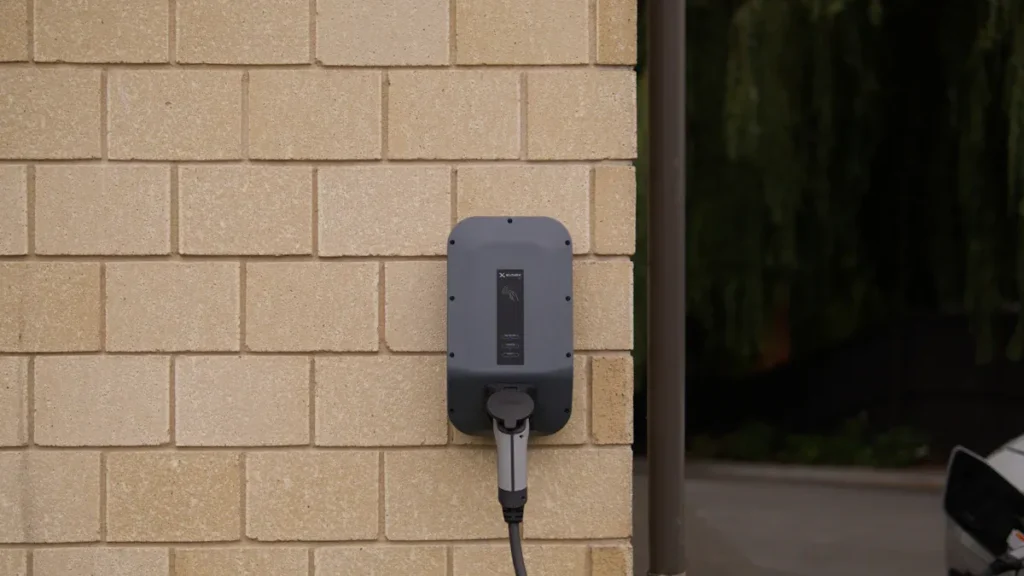
Wall-Mounted Charger Installation
A wall-mounted installation is the most common and cost-effective method. The charger unit is secured directly to a wall stud in a garage or on an exterior wall. This is the standard approach for most professional electric car charger installation projects, especially when using advanced units from providers like TPSON.
Pedestal-Mounted Charger Installation
A pedestal mount is necessary when a wall is not available, such as in a carport or a dedicated parking space. This type of installation is significantly more expensive. The pedestal itself is an added hardware cost, and the installation requires trenching to run electrical conduit underground from the house to the pedestal location.
Hardware Cost: Pedestal vs. Wall Mount The charger unit itself has a different price point depending on its design. The following table shows a price comparison for the hardware alone, not including the added labor for a pedestal installation.
Type de chargeur MSRP (Manufacturer’s Suggested Retail Price) Floor Standing EV Charger $998 Wall Mounted 7.4kW MaxiCharger $549
Installation câblée ou prise NEMA
An electrician can connect the charger in one of two ways.
- Câblée fixe : The charger is wired directly into the circuit. This permanent connection is often considered safer, is required by some local codes, and is better for outdoor installations.
- NEMA Outlet: The electrician installs a 240-volt outlet (like a NEMA 14-50), and the charger plugs into it. This offers flexibility, as the homeowner can unplug the charger. The choice can slightly alter the labor and material costs for installing an ev charger at home.
Labor and Permitting Requirements
Administrative tasks and regional regulations are crucial cost factors of installing electric car chargers. The final electrician charge reflects not just the physical work but also the professional’s time managing compliance. These requirements ensure every electric car charger installation is safe, legal, and up to code.
Local Electrician Rates
The hourly rate for a qualified electrician varies significantly based on geographic location and experience. An electrician in a dense urban center will likely have a different rate than one in a rural area. This labor cost is a major component of the total installation cost. Homeowners should expect this fee to cover the electrician’s expertise in safely installing an ev charger and navigating local electrical codes.
The Cost of Electrical Permits
Nearly every municipality requires an electrical permit for installing an ev charger at home. This is not an optional step. The permit process ensures that a licensed professional performs the installation and that the work complies with safety standards. The cost of the permit itself is usually a flat administrative fee paid to the local building authority, and it is typically included in the electrician’s overall quote. This cost is a necessary part of a legitimate installation.
The Need for a Final Inspection
After the installation is complete, a municipal inspector must review the work. This final inspection is the last step in closing out the permit. The inspector verifies that the new circuit, wiring, and charger connection meet all safety codes. Passing this inspection provides official approval and peace of mind. It confirms that the installation of the electric car charging point is safe for the home and the vehicle. This step is essential for any project involving installing an ev charger.
Trenching and Groundwork
The installation costs can rise sharply if the project requires significant groundwork. Trenching is necessary when the charger’s location is not attached to the main house, such as in a detached garage or a parking space in a driveway. This process adds considerable labor and complexity to the electric car charger installation.
Installing in a Detached Garage
Installing an ev charger at home becomes more involved with a detached garage. The electrician cannot simply run a wire through an attic or along an interior wall. Instead, they must run a weatherproof electrical conduit underground from the main house’s electrical panel to the garage. This type of installation requires careful planning to avoid other underground utilities. The added labor for digging and routing the conduit increases the overall cost of installing an electric car charger.
Note on Outdoor Installations: Any installation requiring trenching also demands specialized materials. The electrician must use burial-grade conduit and weatherproof fittings to protect the high-voltage wiring from moisture and physical damage, which adds to the material costs.
Cost of Trenching for Conduit
The cost of installing conduit underground is a significant factor. On average, the complete installation of utility conduit, which includes trenching, labor, and materials, is about $8 per foot. Other estimates place the cost of trenching alone between $20 and $50 per meter, with the price increasing if the path contains obstacles like tree roots or concrete. This additional expense is a primary reason why an electric car charger installation involving a detached garage has higher installation costs than a standard attached garage project. The final cost for installing an electric car charger will directly reflect the length and difficulty of this trench.
Understanding Charger Levels and Their Impact on Installation
The type of charger a homeowner selects directly influences both charging speed and the coût total de l'installation. The industry offers two main residential options: Level 1 and Level 2. Each has distinct requirements and benefits that affect the overall project.
Explication de la recharge de niveau 1
Level 1 charging represents the most basic method for powering an electric vehicle. It is a simple solution with significant limitations.
What It Is and How It Works
A Level 1 charger uses a standard 120-volt household outlet. It requires no professional installation. The owner simply plugs the cord that comes with the vehicle into any available wall socket. However, this convenience comes at the price of speed. The charging rate is extremely slow.
- Most Level 1 chargers add between 2 and 5 miles of range per hour.
- Some estimates place the rate between 3 and 5 miles per hour.
- Under ideal conditions, it might add 8-10 miles d'autonomie par heure.
Associated Costs (Minimal)
The primary appeal of Level 1 charging is its low cost. The hardware is typically included with the vehicle purchase, so there are no upfront equipment costs. Since it uses a standard outlet, there is no installation cost, making it an accessible but impractical long-term solution for most drivers.
Level 2 Charging Explained
Chargement de niveau 2 is the recognized standard for residential EV charging. It provides a powerful and efficient solution for daily use.
Why It’s the Home Standard
A Level 2 charger operates on a 240-volt circuit, much like a large appliance. This higher voltage allows it to charge a vehicle significantly faster, often replenishing a full battery overnight. This reliability makes it the preferred choice for any electric car charger at home.
Power Output (Amperage) and Cost
Level 2 chargers come in various power outputs, measured in kilowatts (kW) or amps. A higher output delivers a faster charge but can increase the hardware cost. A common 7kW charger, for example, provides a substantial boost compared to a Level 1 unit.
| Puissance du chargeur | Miles Added Per Hour (Approx.) |
|---|---|
| 7kW | 25 miles |
This faster charging makes the investment in a Level 2 electric car charging point worthwhile for most EV owners.
Les Chargers intelligents contre les Chargers “idiots
Due to smart charge point regulations effective since June 2022, all new home chargers must include smart functionality. “Dumb” chargers, which simply deliver power, are no longer installed. Smart chargers connect to the internet, offering advanced features.
Smart Charger Benefits 🧠 A smart charger allows homeowners to schedule charging sessions, track energy usage, and take advantage of lower off-peak electricity rates. This intelligent management helps reduce long-term running costs.
Technologically advanced providers like TPSON specialize in these smart solutions. The price for these units varies based on brand and features.
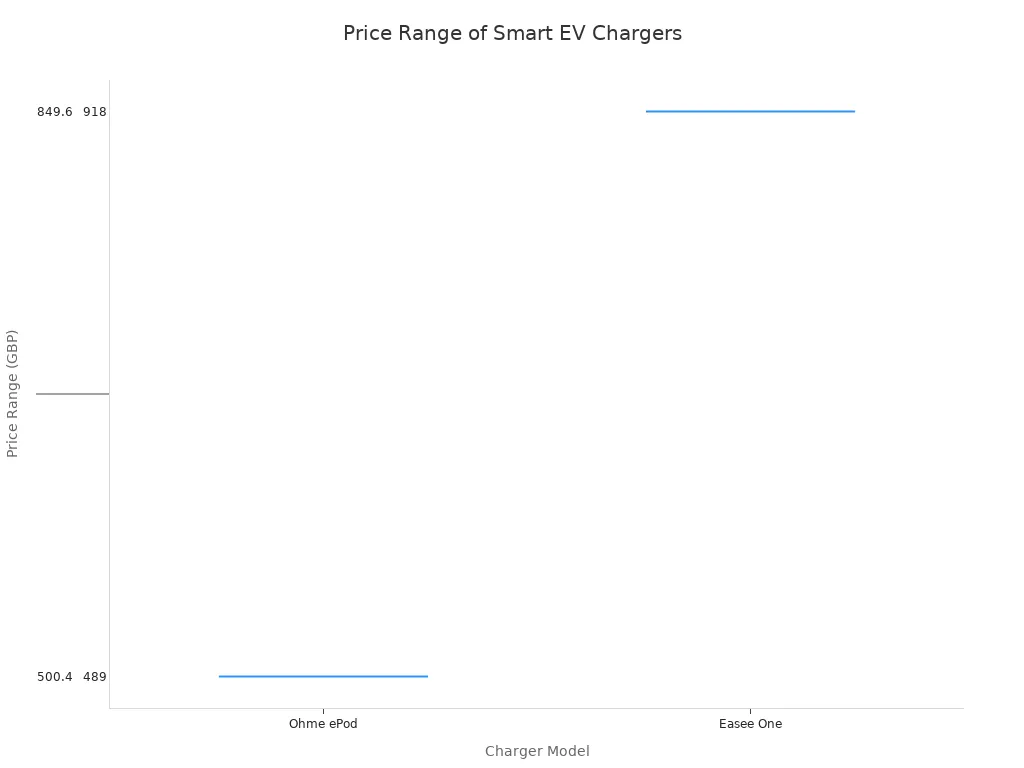
These features add value and justify the initial hardware cost for a modern charging installation.
How to Get an Accurate Quote for Your Electric Car Charger Installation
An electric car charger installation is a significant investment. Securing an accurate quote is the first step toward a smooth and cost-effective process. Homeowners can ensure they receive a fair and comprehensive estimate by finding a qualified professional and providing detailed information about their property.
Trouver un électricien qualifié
The safety and reliability of your electric car charger installation depend entirely on the skill of the professional you hire. Not every electrician has the specific training required for installing an EV charger.
Certifications to Look For
A qualified installer will hold specific credentials that prove their expertise. Homeowners should look for an electrician with a current ECS Gold Card and relevant Level 3 qualifications. Key certifications include:
- Level 3 Award in the Requirements for Electrical Installations BS 7671 (current Edition).
- An NVQ Diploma in Installing Electrotechnical Systems and Equipment.
- Specialized upskilling courses like the C&G 2921-34 EV Charging Course.
- Registration with an approved contractor scheme such as NICEIC or NAPIT.
These qualifications ensure the electrician understands the latest wiring regulations and safety standards for this type of installation.
Où trouver des installateurs réputés
Finding a trustworthy installer is crucial. Homeowners can start by asking for recommendations from local EV owner groups or dealerships. Another excellent resource is the manufacturer of the charger. Technologically advanced providers like TPSON often maintain a network of approved installers who are familiar with their products. Prioritizing installers with local experience is also beneficial, as they understand the specific housing stock and potential challenges in the area.
What to Provide for an Accurate Estimate
To get the most accurate quote for installing an electric car charger, homeowners need to provide the electrician with specific details about their home and needs. Many installers now use online site surveys to gather this information efficiently.
Photos of Your Electrical Panel
Clear photos of the electrical panel (fuse board) are essential. The electrician needs to see the panel’s total capacity, the existing breakers, and any available space for the new circuit required for the installation.
Photos of the Proposed Charger Location
Pictures and videos of the proposed charger location and the surrounding area help the installer plan the project. This includes showing the parking space, the wall where the charger will be mounted, and the general path from the panel to the charger. It is also important to check for a stable Wi-Fi or 4G/5G signal at the location, as smart chargers require an internet connection.
Your Vehicle’s Charging Specs
The installer needs to know the make and model of your electric vehicle. This information determines the charger’s required power output and ensures the installation will meet the car’s charging capabilities.
Comparing Multiple Quotes
Obtaining at least three quotes is a standard best practice for any major home project, including an electric car charger installation. This comparison allows homeowners to evaluate price, service, and professionalism.
What to Look for in a Detailed Quote
A professional quote for installing an electric car charger should be a formal, itemized document, not an informal text message. It must clearly detail:
- Le make and model of the proposed electric car charger.
- The total cost, with a clear indication of whether sales tax is included.
- A breakdown of all labor and material costs, including the length and type of cabling.
- Details on any required groundwork or civil works.
- Confirmation of electrical sign-off and comprehensive warranty information for both the charger (ideally 3+ years) and the installation workmanship (12+ months).
Red Flags to Avoid
Warning Signs 🚩 Homeowners should be cautious of installers who exhibit unprofessional behavior. Watch out for vague warranty terms, requests for cash-in-hand payments, or a flat refusal to conduct a pre-install survey. An installer who aggressively pushes a single charger brand or lacks official paperwork may not be trustworthy. A legitimate business will have a formal quote process and be transparent about all aspects of the installation.
Are There Rebates or Tax Credits Available?
Homeowners can significantly reduce the financial impact of an Chargeur de VE installation by taking advantage of various incentive programs. Government bodies and utility companies offer rebates and credits to lower the initial cost. These programs make adopting electric vehicle technology more affordable for everyone.
Crédits d'impôt fédéraux pour les chargeurs de VE
Federal incentives provide a substantial way to offset the charger and installation costs. These programs encourage the adoption of clean energy infrastructure at the residential level.
The Residential Clean Energy Credit (30% up to $1,000)
The primary federal incentive is the Residential Clean Energy Credit. This tax credit covers 30% of the total project cost, up to a maximum of $1,000. It applies to both the charging hardware and the professional labor for the installation. This credit directly reduces a homeowner’s tax liability, making it a powerful tool for managing the overall cost.
How to Claim the Credit on Your Taxes
Claiming the credit is a straightforward process. Homeowners must complete IRS Form 8911, “Alternative Fuel Vehicle Refueling Property Credit,” when they file their annual federal income taxes. It is essential to keep all receipts for the charger purchase and the electrician’s invoice. These documents serve as proof of the eligible expenses.
Remises accordées par les États et les collectivités locales
Many state and local governments offer their own incentive programs. These rebates can often be combined with federal credits, further reducing out-of-pocket costs.
How to Find Your State’s Programs
The best resource for finding local incentives is the U.S. Department of Energy’s Alternative Fuels Data Center (AFDC). Homeowners can search this database by state to find a comprehensive list of available rebates, grants, and tax credits for EV charging equipment.
Incitations des Compagnies de Services Publics
Les fournisseurs d'énergie locaux sont une autre excellente source d'économies. Ils proposent souvent des incitations financières pour encourager la recharge en heures creuses, ce qui contribue à équilibrer la charge du réseau électrique.
Types courants de remises des services publics
Les compagnies d'électricité offrent fréquemment des remises directes qui réduisent le coût initial d'achat et d'installation d'une borne de recharge. Ces remises peuvent prendre plusieurs formes :
- Une remise en espèces unique pour l'installation d'une borne intelligente éligible.
- Un crédit appliqué sur le compte d'électricité du client.
- Des réductions sur des modèles de bornes spécifiques de fabricants comme TPSON.
Tarifs spéciaux « Heures Pleines/Heures Creuses » (HP/HC) pour les propriétaires de VE
Conseil Pro : Économisez avec les tarifs HP/HC 💡.
Ces tarifs récompensent les clients qui rechargent lorsque la demande d'électricité est faible. Une borne intelligente est essentielle pour maximiser ces économies, car elle peut programmer automatiquement les sessions de recharge pour coïncider avec les tarifs les plus bas.
Installation DIY vs. Professionnelle : Comparaison des Coûts et de la Sécurité
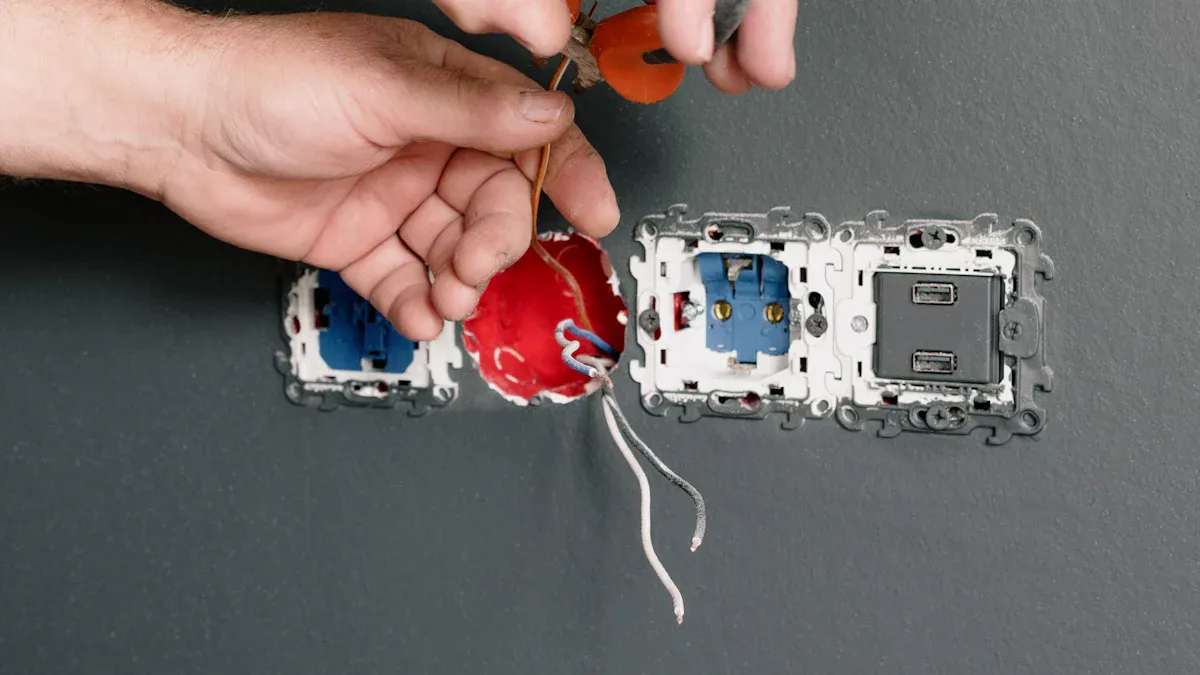
Les propriétaires envisagent souvent une approche de bricolage pour réduire le coût initial d'installation d'une borne de recharge à domicile. Cependant, les économies apparentes peuvent rapidement s'évaporer face aux risques importants encourus. Une installation professionnelle d'une borne de recharge pour voiture électrique offre une sécurité et une valeur qui dépassent de loin le coût initial de la main-d'œuvre.
Pourquoi l'installation DIY n'est pas recommandée
Tenter d'effectuer l'installation d'une borne de recharge pour voiture électrique sans formation appropriée est une entreprise périlleuse. Les complexités des travaux électriques haute tension exigent une expertise certifiée.
Dangers électriques et violations du code
Une installation DIY présente des risques électriques graves. Les travaux haute tension sont dangereux pour les amateurs. Des erreurs courantes peuvent entraîner des défaillances catastrophiques.
- Un câblage incorrect ou l'utilisation d'un disjoncteur sous-dimensionné peut provoquer une surchauffe et créer un risque d'incendie.
- L'absence d'installation d'une protection différentielle (Dispositif à Courant Résiduel) appropriée augmente considérablement le risque d'électrocution.
- L'absence de dispositifs de sécurité critiques peut rendre la carrosserie métallique du véhicule sous tension.
Ces erreurs violent les codes électriques et mettent en danger les personnes et les biens. Le coût d'une erreur est bien plus élevé que celui d'une intervention professionnelle.
Risque d'endommager votre VE ou votre domicile
Une installation défectueuse peut envoyer une tension inappropriée à votre véhicule. Cela peut détruire le système de charge embarqué sensible de la voiture, entraînant des réparations coûtant des milliers de dollars. Le risque s'étend au-delà du véhicule. Un incendie d'origine électrique dû à une installation mal réalisée peut causer des dégâts dévastateurs à une maison, rendant les coûts d'installation initiaux dérisoires.
Annulation des garanties et problèmes d'assurance
Les fabricants de bornes, y compris les fournisseurs avancés comme TPSON, exigent une installation professionnelle pour valider les garanties de leurs produits. Un travail DIY annulera cette couverture. De plus, en cas d'incendie d'origine électrique, une compagnie d'assurance peut refuser la réclamation si elle découvre que les travaux n'ont pas été effectués par un électricien agréé. Cela laisse au propriétaire la responsabilité de tous les coûts de réparation.
La valeur du recours à un professionnel
Engager un électricien qualifié pour installer une borne de recharge VE à domicile est un investissement en sécurité et fiabilité. Les avantages offrent une sécurité à long terme.
Garantir la sécurité et la conformité
Un professionnel garantit que l'installation respecte toutes les normes de sécurité. Cela inclut une pleine conformité au Code National de l'Électricité (NEC) et aux règlements locaux de construction. Les professionnels obtiennent les permis nécessaires pour l'installation d'une borne de recharge VE, garantissant que les travaux sont légaux et sûrs. Cette conformité est une partie non négociable d'une installation correcte.
Accès à des matériaux de qualité professionnelle
Les électriciens utilisent des matériaux de haute qualité et durables conçus pour les applications haute puissance. Ils sélectionnent la section de câble en cuivre appropriée, le conduit étanche pour les installations extérieures et les disjoncteurs adaptés au tableau. Cela garantit une installation robuste qui durera des années. La qualité de ces matériaux contribue à la sécurité globale et à la longévité du système.
Tranquillité d'esprit et travail garanti
Garantie Professionnelle ✅ L'avantage le plus significatif d'une installation professionnelle est la tranquillité d'esprit. Le travail est garanti sûr et correct. Les électriciens réputés offrent une garantie sur leur savoir-faire, couvrant tout problème pouvant survenir après l'achèvement des travaux. Cette garantie protège l'investissement du propriétaire dans l'installation d'une borne de recharge VE à domicile.
Installer une borne de recharge VE à domicile en vaut-il la peine ?

Après avoir examiné les coûts d'installation, les propriétaires se demandent naturellement si l'investissement en vaut vraiment la peine. La réponse implique d'analyser les économies de carburant à long terme, la commodité et l'impact sur la valeur immobilière. Pour la plupart des conducteurs, installer une borne de recharge VE s'avère être une décision financièrement judicieuse et pratique.
Coût de la recharge à domicile vs. essence
L'avantage le plus immédiat d'une borne de recharge domestique est la réduction spectaculaire des dépenses de “ carburant ” par rapport aux véhicules à essence traditionnels.
Calculer votre coût d'électricité par kilomètre
Les propriétaires peuvent facilement calculer leur coût de recharge. La formule est la taille de la batterie du véhicule (en kWh) multipliée par le tarif local de l'électricité (en dollars par kWh). Par exemple, recharger une batterie de 60 kWh avec un tarif électrique de 0,15 $/kWh donne un coût de recharge complet de seulement 9,00 $. Ce calcul simple révèle l'accessibilité financière de recharger sa voiture électrique à domicile.
Comparaison avec les prix locaux de l'essence
Les économies deviennent évidentes lorsqu'on les examine sur une base par kilomètre.
- Recharge VE à domicile : Coûte généralement entre 0,07 $ et 0,09 $ par kilomètre.
- Essence/Diesel : Coûte souvent entre 0,15 $ et 0,20 $ par kilomètre.
Sur des milliers de kilomètres, les économies réalisées grâce à l'utilisation d'une borne de recharge pour voiture électrique à domicile s'accumulent rapidement, compensant ainsi les coûts d'installation initiaux.
Coût de la recharge à domicile vs recharge publique
Bien que les bornes publiques soient essentielles pour les longs trajets, elles ne constituent pas une solution économique pour les besoins de recharge quotidiens.
Frais moyens des réseaux de recharge publique
Les stations de recharge rapide DC publiques sont nettement plus coûteuses que la recharge à domicile. Le prix dans ces stations se situe généralement entre 0,35 € et 0,60 € par kWh. Bien que cela reste souvent moins cher qu'un plein d'essence, le coût plus élevé rend leur utilisation régulière pour la recharge financièrement peu pratique.
Le facteur de commodité
L'ultime commodité commodité.
Impact sur la valeur de revente de votre maison
L'installation d'une borne de recharge pour VE à domicile ne se limite pas aux économies immédiates ; c'est également un investissement dans l'avenir du bien immobilier. Les tendances immobilières montrent que les habitations équipées d'une infrastructure de recharge sont de plus en plus attractives pour les acheteurs potentiels. Un bien avec une borne de recharge pour voiture électrique pré-installée évite aux nouveaux propriétaires les tracas et les coûts d'une installation personnelle. Avec l'adoption croissante des VE, une borne domestique devient une caractéristique standard, à l'instar de la climatisation centrale. Cela rend le bien plus compétitif, attrayant pour les acheteurs modernes, et peut conduire à une valeur de revente plus élevée, aidant ainsi à récupérer le coût d'installation initial.
Le coût moyen d'installation d'une borne de recharge pour voiture électrique fournit une base de référence utile. Cependant, le coût final d'installation dépend de variables clés. Un électricien évalue le tableau électrique de la maison et la distance de câblage, ce qui influence fortement le coût moyen d'installation d'une borne de VE. Les propriétaires devraient obtenir plusieurs devis pour comprendre le tarif final de l'électricien et les coûts globaux de l'installation. Le coût moyen d'installation d'une borne de VE est un investissement judicieux, car les économies à long terme sur le carburant justifient souvent le coût d'installation initial et le coût total.
FAQ
Combien de temps dure l'installation d'un chargeur de VE standard ?
Une installation standard prend généralement à un électricien entre deux et quatre heures. Les travaux plus complexes impliquant une mise à niveau du tableau ou des travaux de génie civil importants peuvent prolonger ce délai à une journée entière ou plus.
Puis-je installer n'importe quelle borne de niveau 2 avec mon VE ?
La plupart des Chargeurs de niveau 2 utilisez un connecteur universel compatible avec tous les VE non-Tesla. Les véhicules Tesla nécessitent un adaptateur. Un électricien s'assure que la puissance de sortie de la borne correspond à la capacité de charge de votre véhicule.
Ai-je besoin d'un permis pour l'installation d'une borne de recharge pour VE ?
Oui, la plupart des autorités locales exigent un permis électrique pour ce type de travaux. Un électricien qualifié gère le processus d'obtention des permis pour garantir que le projet respecte tous les codes de sécurité et passe l'inspection.
Qu'est-ce qu'un “chargeur intelligent” ?
Une borne intelligente se connecte au Wi-Fi de votre domicile. Cette fonctionnalité vous permet de planifier les sessions de recharge et de surveiller la consommation d'énergie via une application. Des fournisseurs technologiquement avancés comme TPSON sont spécialisés dans ces solutions de recharge intelligentes.
Puis-je installer moi-même un chargeur de VE ?
Une approche de bricolage est fortement déconseillée. Ces travaux à haute tension présentent des risques sérieux pour la sécurité et peuvent annuler les garanties du produit. Un professionnel garantit une installation sûre, conforme aux normes et fiable.
L'ampérage de la borne affecte-t-il le coût d'installation ?
Oui, l'ampérage peut influencer le coût. Une borne à ampérage plus élevé nécessite un câblage en cuivre plus épais et plus coûteux, ainsi qu'un disjoncteur plus grand. Cela augmente les coûts des matériaux pour le projet.