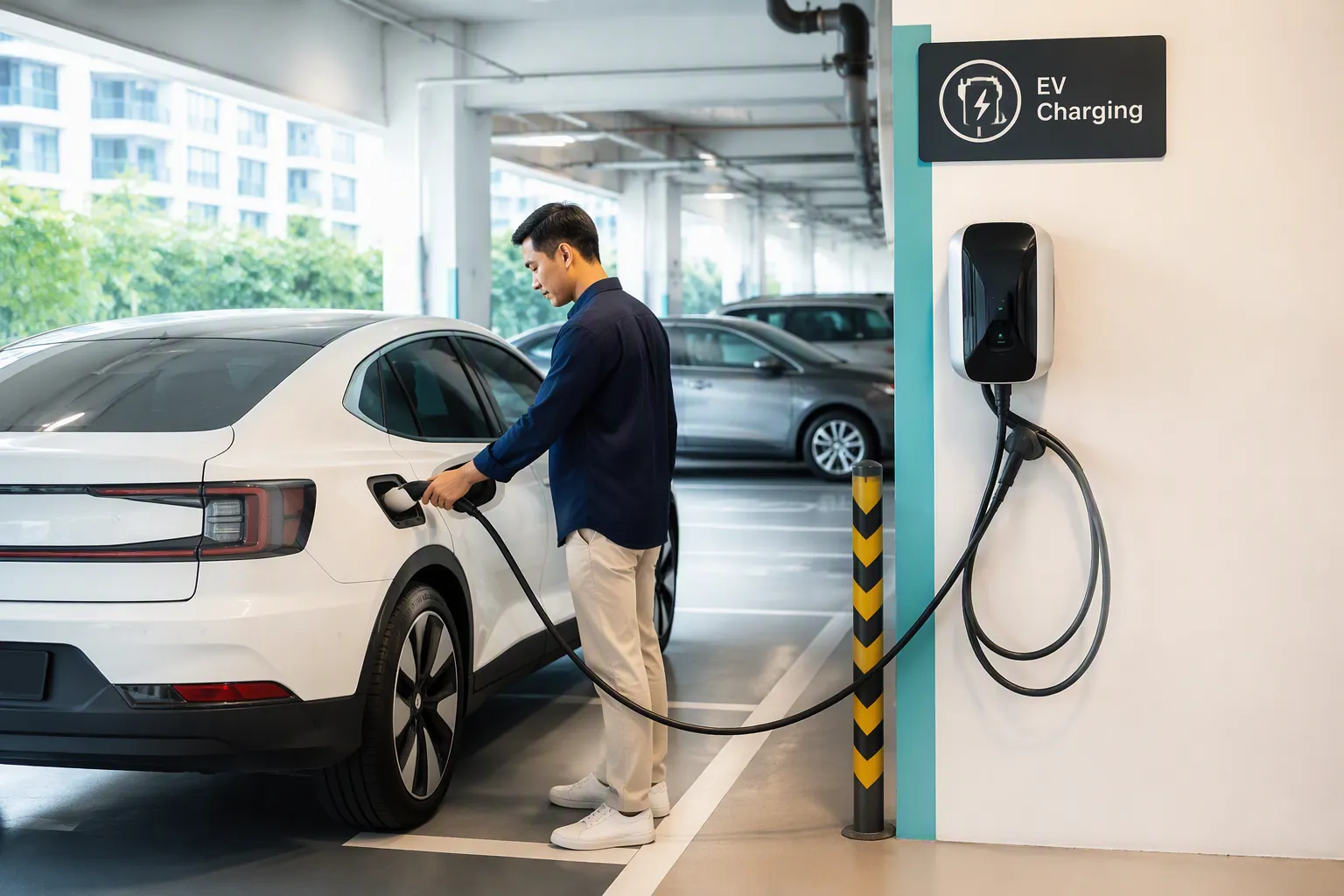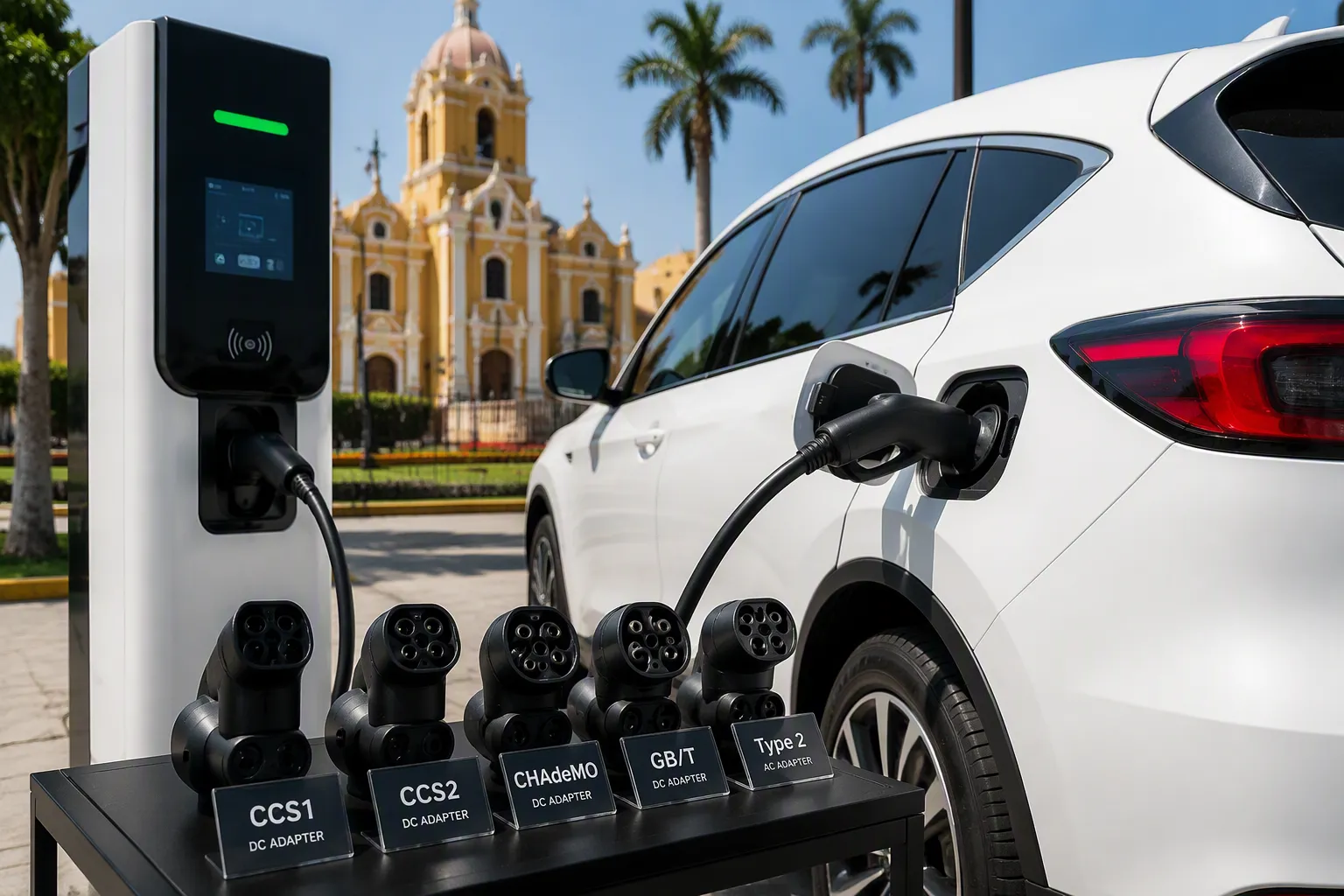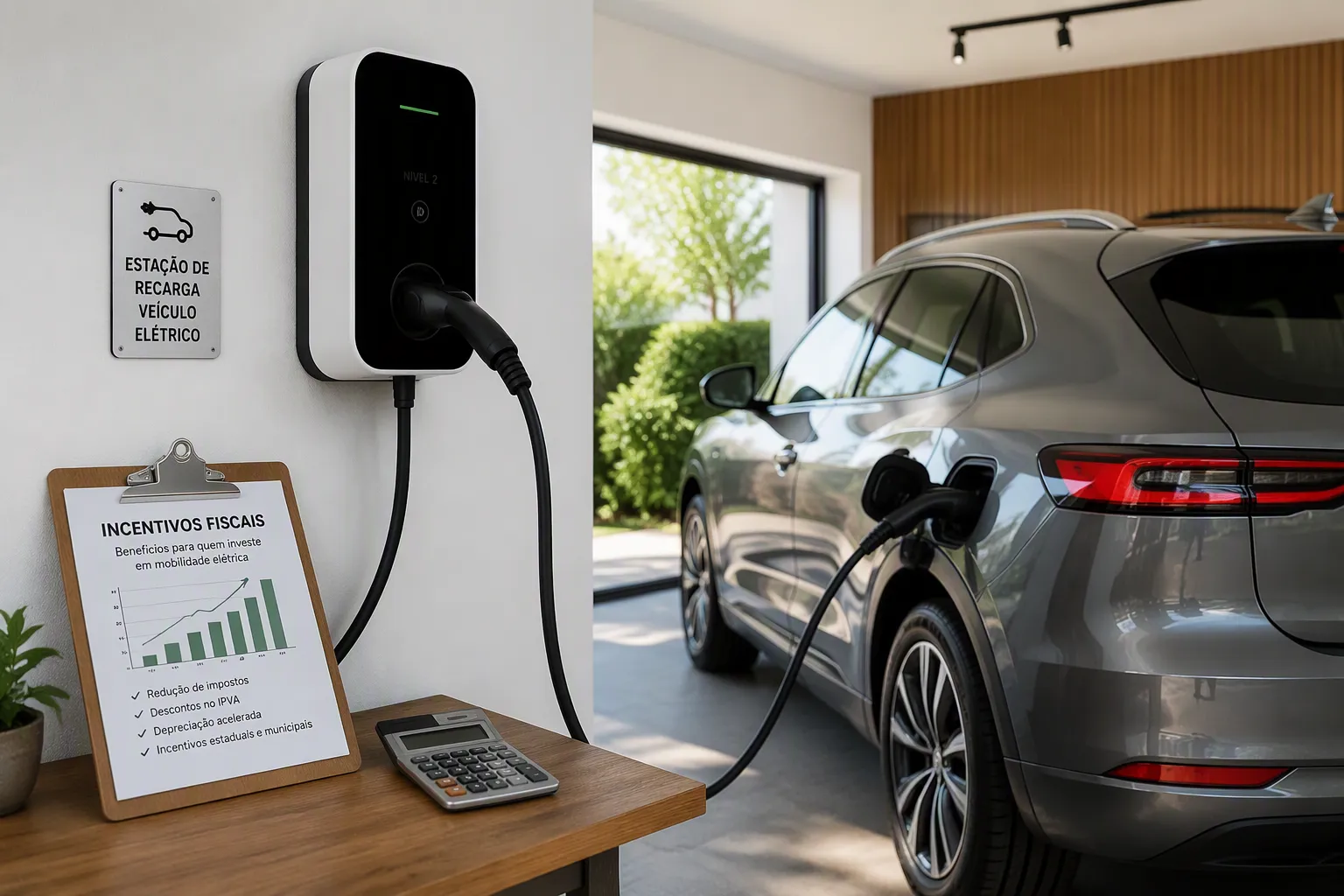
The average home charger installation costs for a Level 2 شاحن السيارة الكهربائية range from $1,200 to $2,500. This price covers the total ev charger installation cost, including the unit and the professional installation. With the U.S. electric vehicle market expanding by about 10% annually, understanding the final cost is essential for new owners.
The final electrician charge for installing an ev charger depends on your home’s electrical system. The cost for installing an ev charger at home can vary. A licensed electrician assesses these unique costs for your home ev charger installation and the specific installation cost for the ev charger installation at home. الشركات المصنعة لشاحن السيارة الكهربائية like TPSON provide technologically advanced حلول شحن السيارات الكهربائية, which differ from simpler شواحن السيارات الكهربائية المحمولة.
How Much Does It Cost to Install an EV Charger? The Quick Answer
Homeowners often ask, “how much does it cost to install an ev charger?” A straightforward installation has a clear cost structure. Understanding the components of a standard quote helps set realistic budget expectations for this important home upgrade.
Average Cost for a Standard Installation
The average electric car charger installation cost for a Level 2 system typically falls between $1,200 and $2,500. This range represents a “standard” scenario. A standard installation assumes the home’s electrical panel has sufficient capacity and the charger location is near the panel. The average cost for installing an ev charger can increase if significant electrical work is required. These initial costs are a baseline before accounting for any complexities.
What’s Included in a Standard Quote?
A comprehensive quote from a qualified electrician breaks down the total ev installation charger cost into several key parts. Homeowners should expect to see line items for the charger unit, all labor and materials, and any required administrative fees. This transparency ensures there are no surprises.
The EV Charger Unit (Level 2)
The electric car charger itself is a primary component of the total cost. A standard Level 2 EV charger unit typically costs between $500 and $2,000. The price varies based on brand, amperage, and features. Technologically advanced EV charging solution providers like TPSON offer smart chargers with features like Wi-Fi connectivity and app-based scheduling, which may influence the unit’s price.
Professional Labor and Materials
The electrician’s labor and the necessary materials make up a significant portion of the installation cost. This part of the quote covers the professional’s time and expertise for installing an ev charger safely. A standard labor quote for installing an ev charger at home typically includes:
- Labor for the physical installation
- All necessary wiring and conduit
- A new dedicated 240-volt circuit breaker
- Mounting hardware for the charger
- Surface repairs if routing requires minor openings
Electrical Permitting and Inspection
Properly installing an ev charger at home requires adherence to local building codes for safety. The ev charger installation cost almost always includes fees for pulling an electrical permit. After the installation is complete, a final inspection by a local authority is often necessary to ensure compliance. An electrician bundles this administrative work into the overall project cost, providing homeowners with peace of mind that the installation is safe and legal. This final step is crucial for installing an ev charger at home.
Cost Breakdown: Charger Unit vs. Electrician Charge
إن total ev installation charger cost separates into two primary categories: the price of the charger unit itself and the professional electrician charge for the installation service. Understanding this division helps homeowners budget effectively for installing an ev charger. The hardware cost is relatively fixed, while labor costs can vary based on project complexity.
Part 1: The Cost of the EV Charger Unit
The first major expense is the charging station hardware. The market offers several types of chargers, but only two are relevant for home use. The choice of unit directly impacts the initial cost and charging speed.
Level 1 Chargers: The Budget Option
A Level 1 charger is the most basic option, often supplied with the purchase of an electric vehicle. It plugs into a standard 120-volt wall outlet, requiring no special installation. While the upfront hardware cost is minimal to none, these chargers are very slow. They add only 3-5 miles of range per hour, making them impractical for most daily drivers.
Level 2 Chargers: The Home Standard
Level 2 chargers are the standard for installing an ev charger at home. They operate on a 240-volt circuit, similar to an electric dryer, and can replenish an EV’s battery overnight. The cost for a quality Level 2 unit ranges from $500 to over $1,000. Prices depend on brand, power output (amperage), and smart features. Technologically advanced EV charging solution providers like TPSON offer units with app connectivity and scheduling.
Popular Level 2 Charger Prices The cost for a Level 2 electric car charger varies. Below are some popular models and their approximate prices to provide a baseline.
العلامة التجارية الطراز السعر تشارج بوينت Home Flex Around $700 JuiceBox 40 Around $600 تيسلا Wall Connector Around $500
DC Fast Chargers: Not for Home Use
DC Fast Chargers provide incredibly rapid charging, often adding hundreds of miles of range in under an hour. However, these units are not designed for residential use. Their immense power requirements and a cost that can exceed $50,000 make them suitable only for public charging networks and commercial locations.
Part 2: The Electrician Charge for Labor
The second part of the total cost of installing an electric car charger is the labor. Hiring a qualified electrician is essential for a safe and code-compliant installation. This electrician charge typically accounts for a significant portion of the final bill.
Standard Labor Rate Estimates
The labor cost for installing an electric car charger generally falls between $600 and $1,500 for a standard project. This fee covers the electrician’s time, expertise, and the physical work of installing an ev charger. The final cost of installing depends heavily on the specifics of the home’s electrical system and the charger’s location.
What a Labor Quote Typically Covers
A professional labor quote for installing an ev charger at home is comprehensive. It ensures all aspects of the job are covered. Homeowners should expect the quote to include:
- Installation of a new 40-amp or 50-amp dedicated 240-volt circuit.
- Running appropriate gauge copper wiring from the panel to the charger location.
- Mounting the electric car charger at home.
- Final testing to ensure the unit functions correctly and safely.
Key Factors That Influence Your Electric Car Charger Installation Costs
While a standard price range provides a helpful baseline, several critical variables can significantly alter the final electric car charger installation costs. An electrician must evaluate these cost factors of installing electric car chargers on a case-by-case basis. The home’s existing infrastructure and the homeowner’s specific requirements are the primary drivers of the total installation cost.
Your Home’s Electrical Panel
The electrical panel, or breaker box, is the heart of a home’s electrical system. Its condition and capacity are the most significant factors determining the complexity and cost of installing an ev charger.
Panel Capacity: Is an Upgrade Needed?
A home’s electrical service is measured in amperes (amps). Many older homes have 100-amp service. A Level 2 charger requires a dedicated 40-amp or 50-amp circuit. This demand, combined with other major appliances like an HVAC system and an electric stove, can easily exceed a 100-amp panel’s safe capacity. An electrician performs a “load calculation” to determine if the existing panel can handle the additional load. If it cannot, an upgrade is necessary for a safe installation.
Cost of a Panel Upgrade
Upgrading an electrical panel is a major project that adds substantially to the overall cost. Moving from a 100-amp to a 200-amp service is a common upgrade for EV owners. This process involves more than just a new box. Upgrading an electrical panel requires heavier cabling and additional protective devices to handle the higher amperage. These materials can add an estimated $150 to $250 to the project, while the more intensive labor may increase the cost by another $100 to $150, pushing the total installation costs higher.
Available Breaker Space
Even if a panel has sufficient amperage, it must have physical space for a new breaker. A 240-volt charger requires a “double-pole” breaker, which takes up two adjacent slots in the panel. If the panel is full, an electrician may be able to consolidate circuits using “tandem” breakers. If not, installing a sub-panel becomes necessary, which adds another layer of labor and material costs to the electric car charger installation.
Charger Location and Wiring Distance
The physical distance between the electrical panel and the desired location for the electric car charging point directly impacts the installation cost. Longer distances require more materials and more labor.
القرب من لوحة التوزيع الكهربائية
The ideal scenario for installing an ev charger at home is in a garage with the electrical panel located on an adjacent wall. This minimizes the length of the wire run. The farther the charger is from the panel, the more expensive the installation will be. This is a key detail to consider when planning the installation.
Cost per Foot of Wiring
The cost of installing an electric car charger increases with every foot of wiring. The heavy-gauge copper wire required for a 240-volt circuit is a significant material expense. Furthermore, running this wire through walls, ceilings, or attics is labor-intensive. An electrician will factor both the material cost and the labor time for the entire wire run into the final quote.
Interior vs. Exterior Wall Installation
An interior installation, typically inside a garage, is the most straightforward. The electrician can run wiring along wall surfaces or through wall cavities. An exterior installation is more complex. It requires weatherproof conduit and fittings to protect the wiring from the elements, which increases both material costs and the labor required for the installation.
Type of Installation and Mounting
The choice of charger and how it is mounted also influences the final price. Homeowners have a few options, each with different implications for the cost of installing an electric car charger at home.
Wall-Mounted Charger Installation
A wall-mounted installation is the most common and cost-effective method. The charger unit is secured directly to a wall stud in a garage or on an exterior wall. This is the standard approach for most professional electric car charger installation projects, especially when using advanced units from providers like TPSON.
Pedestal-Mounted Charger Installation
A pedestal mount is necessary when a wall is not available, such as in a carport or a dedicated parking space. This type of installation is significantly more expensive. The pedestal itself is an added hardware cost, and the installation requires trenching to run electrical conduit underground from the house to the pedestal location.
Hardware Cost: Pedestal vs. Wall Mount The charger unit itself has a different price point depending on its design. The following table shows a price comparison for the hardware alone, not including the added labor for a pedestal installation.
نوع الشاحن MSRP (Manufacturer’s Suggested Retail Price) Floor Standing EV Charger $998 Wall Mounted 7.4kW MaxiCharger $549
التركيب السلكي مقابل تركيب مخرج NEMA
An electrician can connect the charger in one of two ways.
- سلك صلب: The charger is wired directly into the circuit. This permanent connection is often considered safer, is required by some local codes, and is better for outdoor installations.
- NEMA Outlet: The electrician installs a 240-volt outlet (like a NEMA 14-50), and the charger plugs into it. This offers flexibility, as the homeowner can unplug the charger. The choice can slightly alter the labor and material costs for installing an ev charger at home.
Labor and Permitting Requirements
Administrative tasks and regional regulations are crucial cost factors of installing electric car chargers. The final electrician charge reflects not just the physical work but also the professional’s time managing compliance. These requirements ensure every electric car charger installation is safe, legal, and up to code.
Local Electrician Rates
The hourly rate for a qualified electrician varies significantly based on geographic location and experience. An electrician in a dense urban center will likely have a different rate than one in a rural area. This labor cost is a major component of the total installation cost. Homeowners should expect this fee to cover the electrician’s expertise in safely installing an ev charger and navigating local electrical codes.
The Cost of Electrical Permits
Nearly every municipality requires an electrical permit for installing an ev charger at home. This is not an optional step. The permit process ensures that a licensed professional performs the installation and that the work complies with safety standards. The cost of the permit itself is usually a flat administrative fee paid to the local building authority, and it is typically included in the electrician’s overall quote. This cost is a necessary part of a legitimate installation.
The Need for a Final Inspection
After the installation is complete, a municipal inspector must review the work. This final inspection is the last step in closing out the permit. The inspector verifies that the new circuit, wiring, and charger connection meet all safety codes. Passing this inspection provides official approval and peace of mind. It confirms that the installation of the electric car charging point is safe for the home and the vehicle. This step is essential for any project involving installing an ev charger.
Trenching and Groundwork
The installation costs can rise sharply if the project requires significant groundwork. Trenching is necessary when the charger’s location is not attached to the main house, such as in a detached garage or a parking space in a driveway. This process adds considerable labor and complexity to the electric car charger installation.
Installing in a Detached Garage
Installing an ev charger at home becomes more involved with a detached garage. The electrician cannot simply run a wire through an attic or along an interior wall. Instead, they must run a weatherproof electrical conduit underground from the main house’s electrical panel to the garage. This type of installation requires careful planning to avoid other underground utilities. The added labor for digging and routing the conduit increases the overall cost of installing an electric car charger.
Note on Outdoor Installations: Any installation requiring trenching also demands specialized materials. The electrician must use burial-grade conduit and weatherproof fittings to protect the high-voltage wiring from moisture and physical damage, which adds to the material costs.
Cost of Trenching for Conduit
The cost of installing conduit underground is a significant factor. On average, the complete installation of utility conduit, which includes trenching, labor, and materials, is about $8 per foot. Other estimates place the cost of trenching alone between $20 and $50 per meter, with the price increasing if the path contains obstacles like tree roots or concrete. This additional expense is a primary reason why an electric car charger installation involving a detached garage has higher installation costs than a standard attached garage project. The final cost for installing an electric car charger will directly reflect the length and difficulty of this trench.
Understanding Charger Levels and Their Impact on Installation
The type of charger a homeowner selects directly influences both charging speed and the التكلفة الإجمالية للتركيب. The industry offers two main residential options: Level 1 and Level 2. Each has distinct requirements and benefits that affect the overall project.
شرح الشحن من المستوى 1
Level 1 charging represents the most basic method for powering an electric vehicle. It is a simple solution with significant limitations.
What It Is and How It Works
A Level 1 charger uses a standard 120-volt household outlet. It requires no professional installation. The owner simply plugs the cord that comes with the vehicle into any available wall socket. However, this convenience comes at the price of speed. The charging rate is extremely slow.
- Most Level 1 chargers add between 2 and 5 miles of range per hour.
- Some estimates place the rate between 3 and 5 miles per hour.
- Under ideal conditions, it might add 8-10 أميال من المدى في الساعة.
Associated Costs (Minimal)
The primary appeal of Level 1 charging is its low cost. The hardware is typically included with the vehicle purchase, so there are no upfront equipment costs. Since it uses a standard outlet, there is no installation cost, making it an accessible but impractical long-term solution for most drivers.
Level 2 Charging Explained
الشحن من المستوى 2 is the recognized standard for residential EV charging. It provides a powerful and efficient solution for daily use.
Why It’s the Home Standard
A Level 2 charger operates on a 240-volt circuit, much like a large appliance. This higher voltage allows it to charge a vehicle significantly faster, often replenishing a full battery overnight. This reliability makes it the preferred choice for any electric car charger at home.
Power Output (Amperage) and Cost
Level 2 chargers come in various power outputs, measured in kilowatts (kW) or amps. A higher output delivers a faster charge but can increase the hardware cost. A common 7 كيلو واط charger, for example, provides a substantial boost compared to a Level 1 unit.
| طاقة الشاحن | Miles Added Per Hour (Approx.) |
|---|---|
| 7 كيلو واط | 25 miles |
This faster charging makes the investment in a Level 2 electric car charging point worthwhile for most EV owners.
الشواحن الذكية مقابل الشواحن “الغبية”
Due to smart charge point regulations effective since June 2022, all new home chargers must include smart functionality. “Dumb” chargers, which simply deliver power, are no longer installed. Smart chargers connect to the internet, offering advanced features.
Smart Charger Benefits 🧠 A smart charger allows homeowners to schedule charging sessions, track energy usage, and take advantage of lower off-peak electricity rates. This intelligent management helps reduce long-term running costs.
Technologically advanced providers like TPSON specialize in these smart solutions. The price for these units varies based on brand and features.
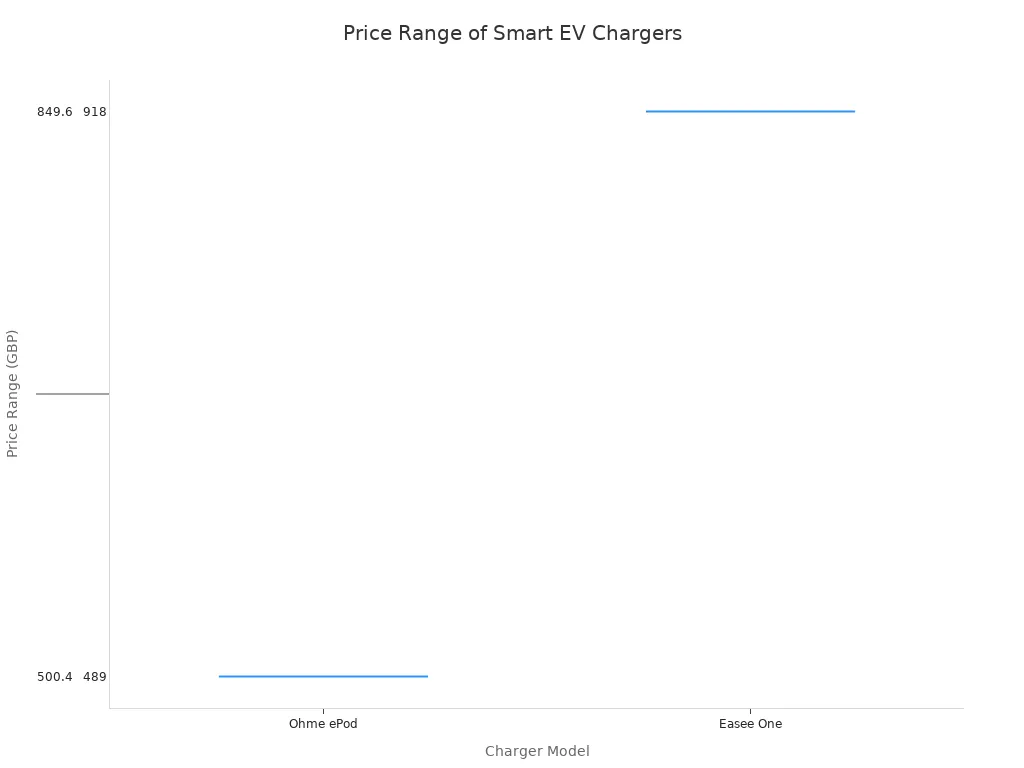
These features add value and justify the initial hardware cost for a modern charging installation.
How to Get an Accurate Quote for Your Electric Car Charger Installation
An electric car charger installation is a significant investment. Securing an accurate quote is the first step toward a smooth and cost-effective process. Homeowners can ensure they receive a fair and comprehensive estimate by finding a qualified professional and providing detailed information about their property.
العثور على كهربائي مؤهل
The safety and reliability of your electric car charger installation depend entirely on the skill of the professional you hire. Not every electrician has the specific training required for installing an EV charger.
Certifications to Look For
A qualified installer will hold specific credentials that prove their expertise. Homeowners should look for an electrician with a current ECS Gold Card and relevant Level 3 qualifications. Key certifications include:
- Level 3 Award in the Requirements for Electrical Installations BS 7671 (current Edition).
- An NVQ Diploma in Installing Electrotechnical Systems and Equipment.
- Specialized upskilling courses like the C&G 2921-34 EV Charging Course.
- Registration with an approved contractor scheme such as NICEIC or NAPIT.
These qualifications ensure the electrician understands the latest wiring regulations and safety standards for this type of installation.
Where to Find Reputable Installers
Finding a trustworthy installer is crucial. Homeowners can start by asking for recommendations from local EV owner groups or dealerships. Another excellent resource is the manufacturer of the charger. Technologically advanced providers like TPSON often maintain a network of approved installers who are familiar with their products. Prioritizing installers with local experience is also beneficial, as they understand the specific housing stock and potential challenges in the area.
What to Provide for an Accurate Estimate
To get the most accurate quote for installing an electric car charger, homeowners need to provide the electrician with specific details about their home and needs. Many installers now use online site surveys to gather this information efficiently.
Photos of Your Electrical Panel
Clear photos of the electrical panel (fuse board) are essential. The electrician needs to see the panel’s total capacity, the existing breakers, and any available space for the new circuit required for the installation.
Photos of the Proposed Charger Location
Pictures and videos of the proposed charger location and the surrounding area help the installer plan the project. This includes showing the parking space, the wall where the charger will be mounted, and the general path from the panel to the charger. It is also important to check for a stable Wi-Fi or 4G/5G signal at the location, as smart chargers require an internet connection.
Your Vehicle’s Charging Specs
The installer needs to know the make and model of your electric vehicle. This information determines the charger’s required power output and ensures the installation will meet the car’s charging capabilities.
Comparing Multiple Quotes
Obtaining at least three quotes is a standard best practice for any major home project, including an electric car charger installation. This comparison allows homeowners to evaluate price, service, and professionalism.
What to Look for in a Detailed Quote
A professional quote for installing an electric car charger should be a formal, itemized document, not an informal text message. It must clearly detail:
- إن make and model of the proposed electric car charger.
- The total cost, with a clear indication of whether sales tax is included.
- A breakdown of all labor and material costs, including the length and type of cabling.
- Details on any required groundwork or civil works.
- Confirmation of electrical sign-off and comprehensive warranty information for both the charger (ideally 3+ years) and the installation workmanship (12+ months).
Red Flags to Avoid
Warning Signs 🚩 Homeowners should be cautious of installers who exhibit unprofessional behavior. Watch out for vague warranty terms, requests for cash-in-hand payments, or a flat refusal to conduct a pre-install survey. An installer who aggressively pushes a single charger brand or lacks official paperwork may not be trustworthy. A legitimate business will have a formal quote process and be transparent about all aspects of the installation.
Are There Rebates or Tax Credits Available?
Homeowners can significantly reduce the financial impact of an شاحن السيارة الكهربائية installation by taking advantage of various incentive programs. Government bodies and utility companies offer rebates and credits to lower the initial cost. These programs make adopting electric vehicle technology more affordable for everyone.
الإعفاءات الضريبية الفيدرالية لشواحن السيارات الكهربائية
Federal incentives provide a substantial way to offset the charger and installation costs. These programs encourage the adoption of clean energy infrastructure at the residential level.
The Residential Clean Energy Credit (30% up to $1,000)
The primary federal incentive is the Residential Clean Energy Credit. This tax credit covers 30% of the total project cost, up to a maximum of $1,000. It applies to both the charging hardware and the professional labor for the installation. This credit directly reduces a homeowner’s tax liability, making it a powerful tool for managing the overall cost.
How to Claim the Credit on Your Taxes
Claiming the credit is a straightforward process. Homeowners must complete IRS Form 8911, “Alternative Fuel Vehicle Refueling Property Credit,” when they file their annual federal income taxes. It is essential to keep all receipts for the charger purchase and the electrician’s invoice. These documents serve as proof of the eligible expenses.
الحسومات الحكومية والحكومات المحلية والولائية
Many state and local governments offer their own incentive programs. These rebates can often be combined with federal credits, further reducing out-of-pocket costs.
How to Find Your State’s Programs
The best resource for finding local incentives is the U.S. Department of Energy’s Alternative Fuels Data Center (AFDC). Homeowners can search this database by state to find a comprehensive list of available rebates, grants, and tax credits for EV charging equipment.
حوافز شركات المرافق
Local utility providers are another excellent source of savings. They often provide financial incentives to encourage off-peak charging, which helps balance the electrical grid’s load.
Common Types of Utility Rebates
Utility companies frequently offer direct rebates that lower the upfront cost of purchasing and installing a charger. These rebates can take several forms:
- A one-time cash rebate for installing a qualified smart charger.
- A bill credit applied to the customer’s electricity account.
- Discounts on specific charger models from manufacturers like TPSON.
Special Time-of-Use (TOU) Rate Plans for EV Owners
Pro Tip: Save with TOU Rates 💡 Many utilities offer special Time-of-Use (TOU) rate plans for EV owners. These plans feature significantly lower electricity prices during off-peak hours, typically overnight. By scheduling charging sessions during these periods, drivers can dramatically reduce their long-term fueling costs.
These plans reward customers for charging when electricity demand is low. A smart charger is essential for maximizing these savings, as it can automatically schedule charging sessions to align with the cheapest rates.
DIY vs. Professional Installation: A Cost and Safety Comparison
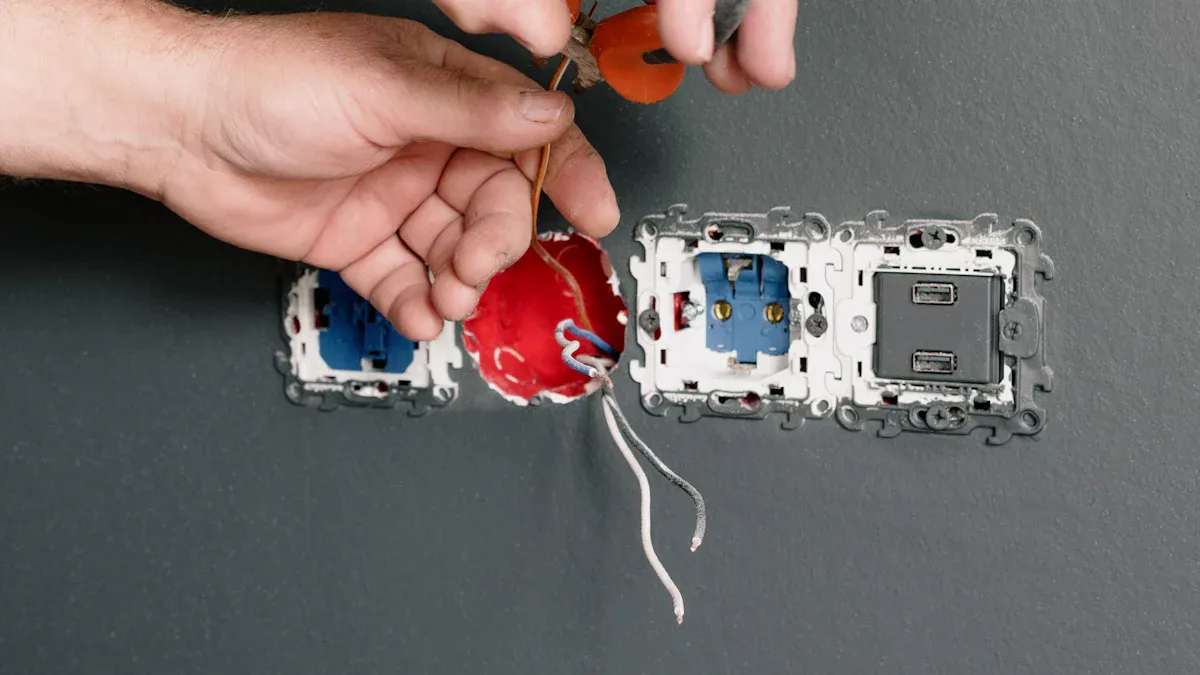
Homeowners often consider a do-it-yourself approach to reduce the initial cost of installing an EV charger at home. However, the apparent savings can quickly disappear when faced with the significant risks involved. A professional electric car charger installation provides safety and value that far outweighs the upfront labor cost.
Why DIY Installation Is Not Recommended
Attempting to perform an electric car charger installation without proper training is a hazardous undertaking. The complexities of high-voltage electrical work require certified expertise.
Electrical Dangers and Code Violations
A DIY installation presents severe electrical hazards. High-voltage work is dangerous for amateurs. Common mistakes can lead to catastrophic failures.
- Improper wiring or using an undersized breaker can cause overheating and create a fire risk.
- Failure to install correct RCD protection (Residual Current Device) dramatically increases the danger of electric shock.
- Missing critical safety features can cause the vehicle’s metal chassis to become live.
These errors violate electrical codes and endanger both people and property. The cost of a mistake is far greater than the cost of a professional.
Risk of Damaging Your EV or Home
A faulty installation can send improper voltage to your vehicle. This can destroy the car’s sensitive onboard charging system, leading to thousands of dollars in repairs. The risk extends beyond the vehicle. An electrical fire from a poorly executed installation can cause devastating damage to a home, making the initial installation costs seem trivial.
Voiding Warranties and Insurance Issues
Charger manufacturers, including advanced providers like TPSON, require professional installation to validate their product warranties. A DIY job will void this coverage. Furthermore, if an electrical fire occurs, an insurance company may deny the claim if it discovers the work was not performed by a licensed electrician. This leaves the homeowner responsible for all repair costs.
The Value of Hiring a Professional
Hiring a qualified electrician for installing an EV charger at home is an investment in safety and reliability. The benefits provide long-term security.
Ensuring Safety and Compliance
A professional ensures the installation adheres to all safety standards. This includes full compliance with the National Electrical Code (NEC) and local building regulations. Professionals obtain the necessary permits for installing an EV charger, guaranteeing the work is legal and safe. This compliance is a non-negotiable part of a proper installation.
Access to Professional-Grade Materials
Electricians use high-quality, durable materials designed for high-power applications. They select the correct gauge of copper wiring, weatherproof conduit for outdoor runs, and appropriate breakers for the panel. This ensures the installation is robust and will last for years. The quality of these materials contributes to the overall safety and longevity of the system.
Peace of Mind and Guaranteed Work
Professional Guarantee ✅ The most significant benefit of a professional installation is peace of mind. The work is guaranteed to be safe and correct. Reputable electricians provide a warranty on their workmanship, covering any issues that may arise after the job is complete. This guarantee protects the homeowner’s investment in installing an EV charger at home.
Is Installing a Home EV Charger Worth It?

After reviewing the installation costs, homeowners naturally question if the investment is truly worthwhile. The answer involves analyzing long-term fuel savings, convenience, and the impact on property value. For most drivers, installing an EV charger proves to be a financially sound and practical decision.
Cost of Home Charging vs. Gas
The most immediate benefit of a home electric car charger is the dramatic reduction in “fueling” expenses compared to traditional gasoline vehicles.
Calculating Your Electricity Cost Per Mile
Homeowners can easily calculate their charging cost. The formula is the vehicle’s battery size (in kWh) multiplied by the local electricity rate (in dollars per kWh). For example, charging a 60 kWh battery with an electricity rate of $0.15/kWh results in a full charge cost of just $9.00. This simple calculation reveals the affordability of charging your electric car at home.
المقارنة مع أسعار الوقود المحلية
تصبح وفورات التكلفة واضحة عند النظر إليها على أساس كل ميل.
- شحن السيارة الكهربائية في المنزل: عادةً ما تتراوح تكلفته بين 0.07 و 0.09 دولار لكل ميل.
- البنزين/الديزل: غالبًا ما تتراوح تكلفته بين 0.15 و 0.20 دولار لكل ميل.
على مدى آلاف الأميال، تتراكم المدخرات الناتجة عن استخدام شاحن سيارة كهربائية في المنزل بسرعة، مما يعوض تكاليف التركيب الأولية.
تكلفة الشحن المنزلي مقابل الشحن العام
بينما تعد شواحن الشحن العامة ضرورية للرحلات الطويلة، إلا أنها ليست حلاً فعالاً من حيث التكلفة لاحتياجات الشحن اليومية.
متوسط رسوم شبكات الشحن العامة
محطات الشحن السريع العام بالتيار المستمر أكثر تكلفة بشكل ملحوظ من الشحن في المنزل. يتراوح السعر في هذه المحطات عادةً من 0.35 إلى 0.60 دولار لكل كيلوواط ساعة. بينما يظل هذا غالبًا أرخص من خزان وقود كامل، فإن التكلفة الأعلى تجعل الاعتماد عليها للشحن المنتظم غير عملي ماليًا.
عامل الملاءمة
الراحة القصوى الراحة.
التأثير على قيمة إعادة بيع منزلك
تركيب شاحن سيارة كهربائية في المنزل لا يتعلق فقط بتوفير فوري؛ بل هو أيضًا استثمار في مستقبل العقار. تظهر اتجاهات العقارات أن المنازل المجهزة ببنية تحتية للشحن تزداد جاذبية للمشترين المحتملين. يوفّر العقار المزود مسبقًا بشاحن سيارة كهربائية على المالكين الجدد عناء وتكلفة التركيب الخاص بهم. مع زيادة اعتماد السيارات الكهربائية، أصبح شاحن المنزل ميزة قياسية، أشبه بمكيف الهواء المركزي. وهذا يجعل العقار أكثر تنافسية، وجاذبية للمشترين المعاصرين، ويمكن أن يؤدي إلى قيمة إعادة بيع أعلى, ، مما يساعد في استرداد تكلفة التركيب الأولية.
يوفر متوسط تكلفة تركيب شاحن سيارة كهربائية خطًا أساسيًا مفيدًا. ومع ذلك، تعتمد تكلفة التركيب النهائية على متغيرات رئيسية. يقوم كهربائي بتقييم لوحة الكهرباء المنزلية ومسافة الأسلاك، مما يؤثر بشكل كبير على متوسط تكلفة تركيب شاحن سيارة كهربائية. يجب على أصحاب المنازل الحصول على عروض أسعار متعددة لفهم رسوم الكهربائي النهائية والتكاليف الإجمالية للتركيب. يعد متوسط تكلفة تركيب شاحن سيارة كهربائية استثمارًا سليمًا، حيث أن توفير الوقود على المدى الطويل غالبًا ما يبرر تكلفة التركيب الأولية والتكلفة الإجمالية.
الأسئلة الشائعة
كم من الوقت يستغرق تركيب شاحن السيارة الكهربائية القياسي؟
يستغرق التركيب القياسي عادةً من الكهربائي ما بين ساعتين وأربع ساعات. يمكن أن تمتد الوظائف الأكثر تعقيدًا التي تتضمن ترقية اللوحة أو أعمال تأسيسية كبيرة هذا الجدول الزمني ليوم كامل أو أكثر.
هل يمكنني تركيب أي شاحن من المستوى 2 مع سيارتي الكهربائية؟
معظم شواحن المستوى 2 استخدم موصلًا عالميًا متوافقًا مع جميع السيارات الكهربائية غير تيسلا. تتطلب مركبات تيسلا محولًا. يتأكد الكهربائي من أن إخراج طاقة الشاحن يتطابق مع قدرة الشحن لمركبتك.
هل أحتاج إلى تصريح لتركيب شاحن سيارة كهربائية؟
نعم، تتطلب معظم السلطات المحلية تصريحًا كهربائيًا لهذا النوع من العمل. يدير كهربائي مؤهل عملية التصريح لضمان أن المشروع يستوفي جميع قواعد السلامة ويمرّ عملية التفتيش.
ما هو “الشاحن الذكي”؟
يتصل الشاحن الذكي بشبكة الواي فاي المنزلية. تتيح لك هذه الميزة جدولة جلسات الشحن ومراقبة استخدام الطاقة عبر تطبيق. تختص مزودون متقدمون تقنيًا مثل TPSON في حلول الشحن الذكية هذه.
هل يمكنني تركيب شاحن كهربائي بنفسي؟
يُنصح بشدة بعدم اتباع نهج "افعلها بنفسك". يشكل هذا العمل ذو الجهد العالي مخاطر سلامة جسيمة ويمكن أن يلغي ضمانات المنتج. يضمن المحترف إعدادًا آمنًا ومتوافقًا مع اللوائح وموثوقًا.
هل تؤثر أمبيرية الشاحن على تكلفة التركيب؟
نعم، يمكن للأمبيرية أن تؤثر على التكلفة. يتطلب الشاحن ذو الأمبيرية الأعلى أسلاك نحاسية أكثر سمكًا وأغلى ثمنًا وقاطع دائرة أكبر. وهذا يزيد من تكاليف المواد للمشروع.