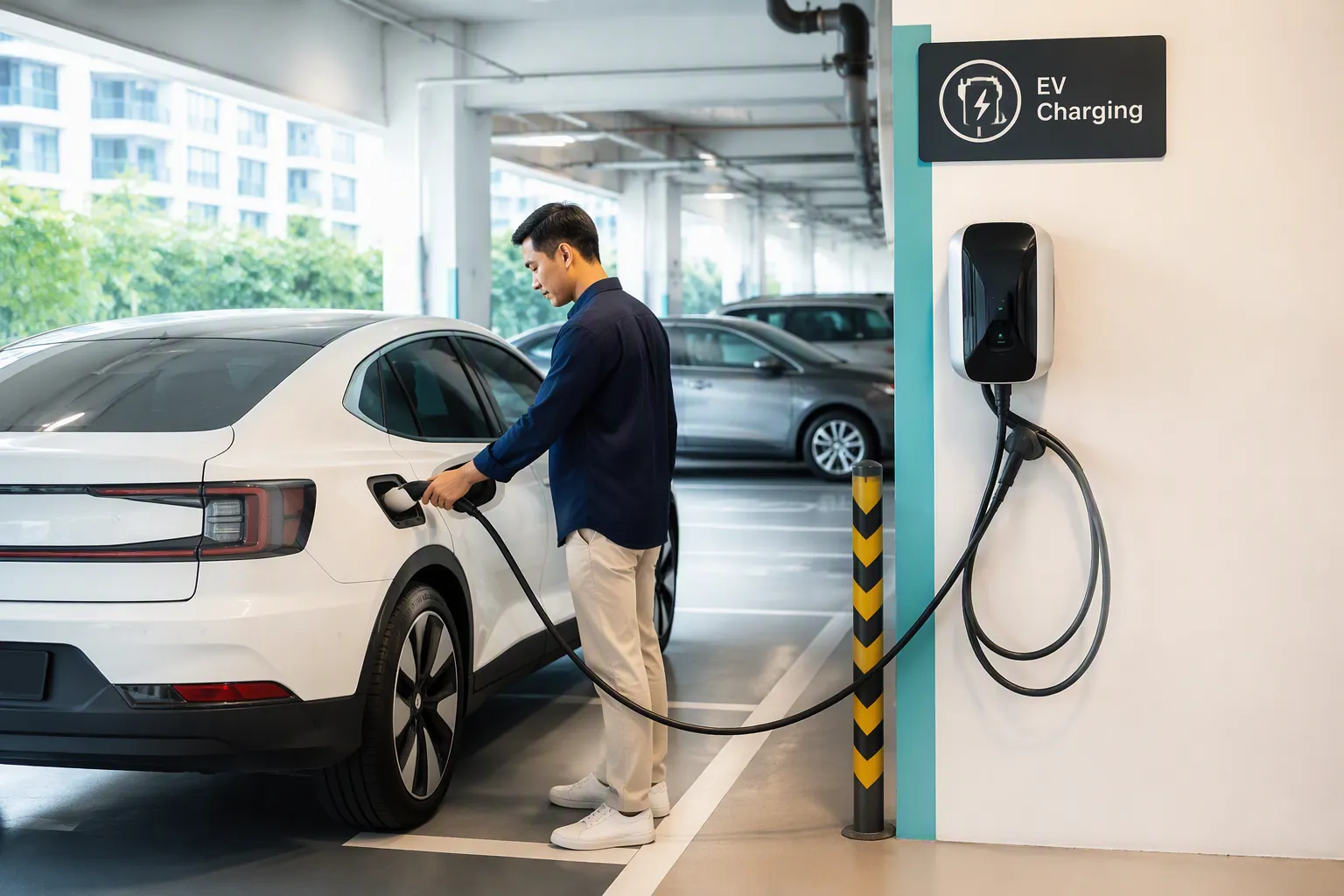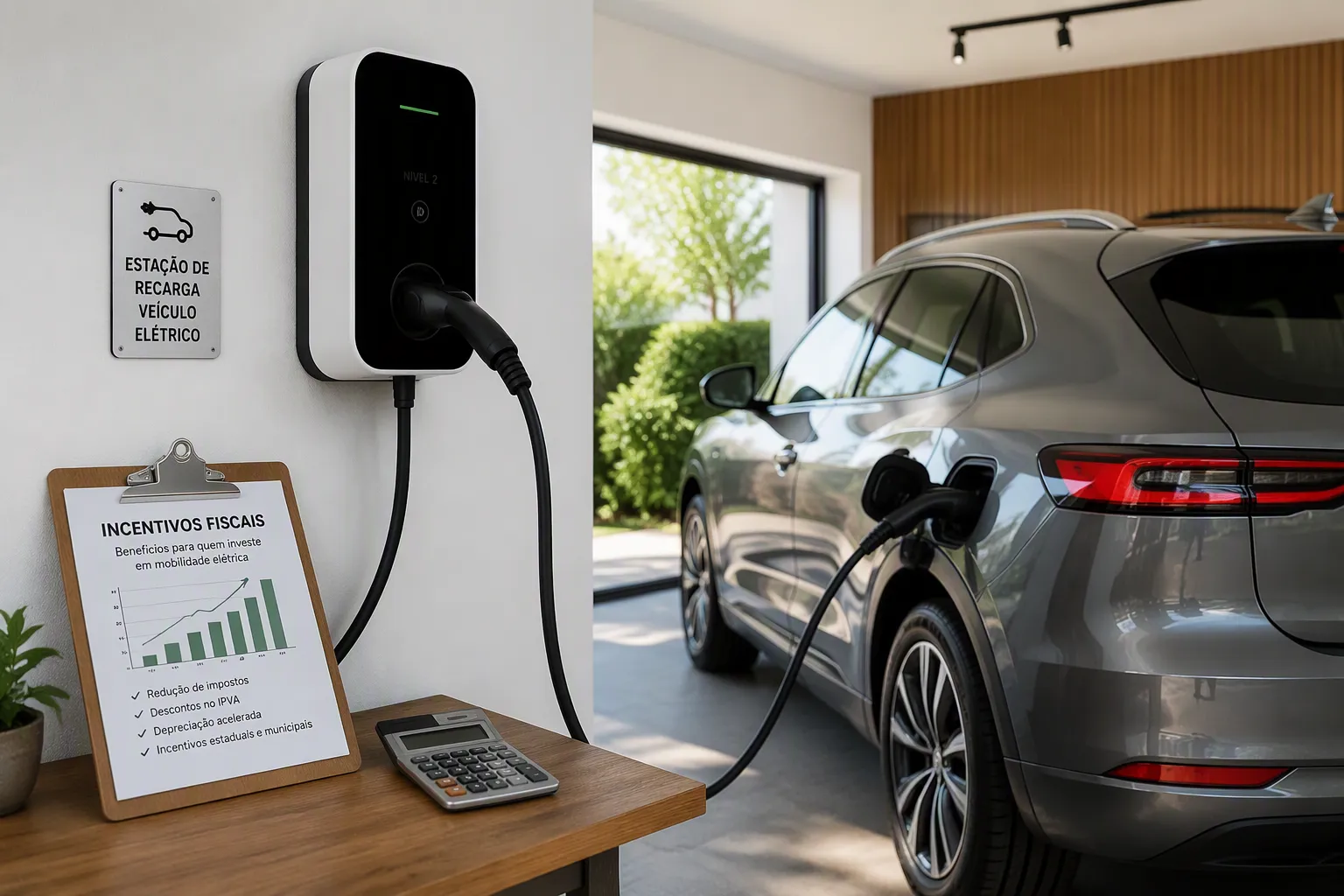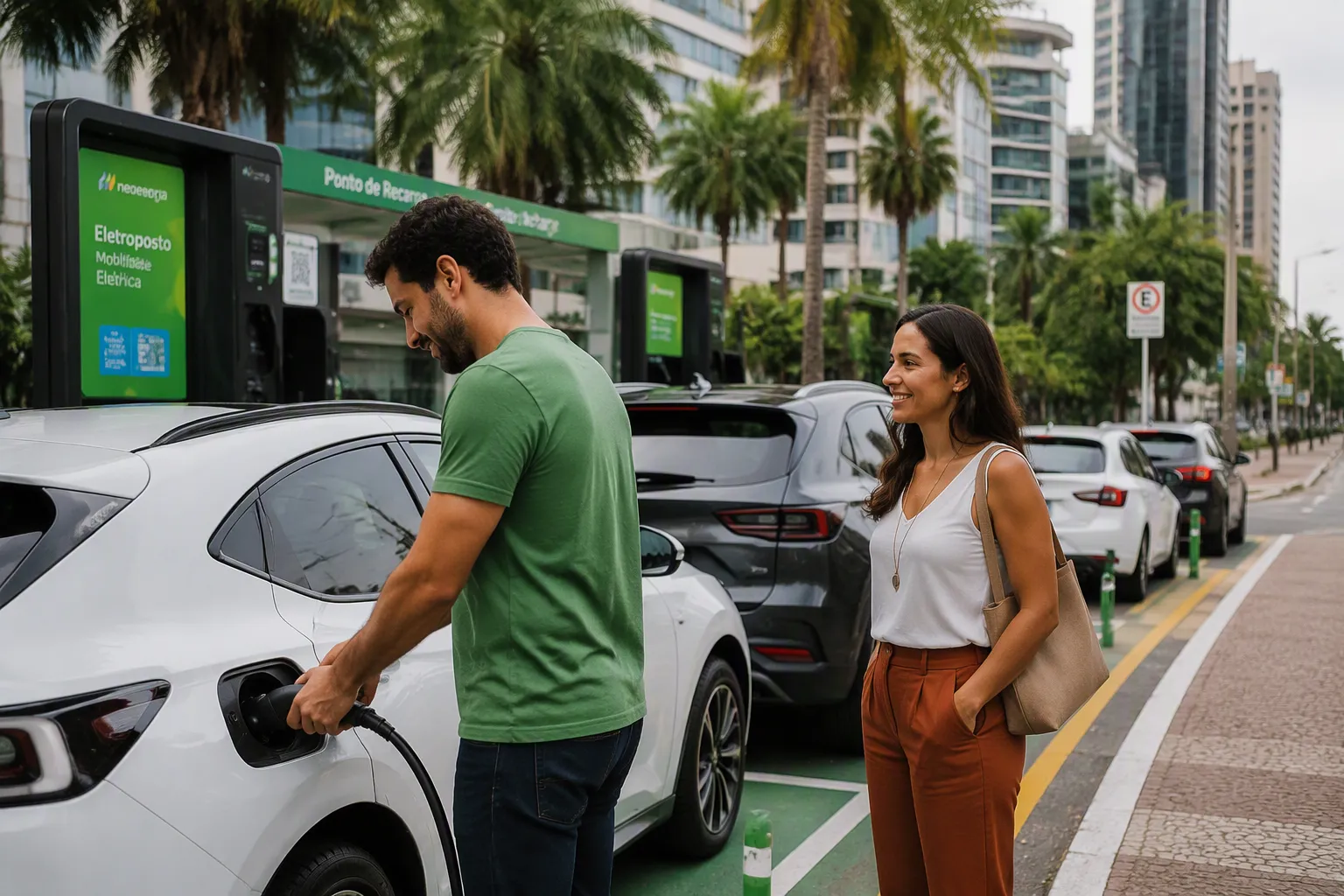

Drivers in Brazil face unique challenges when planning long journeys with electric vehicles. Portable EV chargers bridge the gap where public charging stations remain scarce or unreliable. A portable EV charger offers peace of mind in emergencies, such as unexpected detours or power outages. This type of charger also enhances flexibility for travelers who want to stop at remote locations. EV Charger manufacturers design advanced EV charging solutions to meet these needs and help drivers maintain control over their travel plans.
Understanding Portable EV Chargers: A Guide for Brazil
What Is a Portable EV Charger?
A portable EV charger serves as a compact and mobile device that allows drivers to recharge their electric vehicles without relying on a fixed charging station. This guide explains that these chargers usually come with a cable, a control box, and connectors that fit standard power outlets. Drivers can store the device in the trunk and use it whenever they find access to electricity. In Brazil, portable EV chargers have become essential for those who travel long distances or visit remote areas. The guide highlights that these chargers offer flexibility and independence, making them a valuable tool for any EV owner.
How Portable EV Chargers Work
Portable EV chargers operate by connecting the vehicle to a regular electrical outlet. The charger draws power from the outlet and delivers it safely to the car’s battery. Most models include built-in safety features, such as surge protection and temperature monitoring. The guide notes that users only need to plug one end into the outlet and the other into the vehicle’s charging port. Some chargers support both 110V and 220V outlets, which increases their versatility. The charging process may take several hours, depending on the power rating and the vehicle’s battery size. This guide recommends checking the user manual for specific instructions and safety tips.
Tip: Always inspect the charger and cables for damage before use to prevent accidents.
Key Differences Between Portable and Stationary Chargers
This guide outlines several important differences between portable and stationary chargers. The table below summarizes the main points:
| Feature | Portable EV Charger | Stationary Charger |
|---|---|---|
| Installation | No installation required | Professional installation |
| Mobility | Easy to transport | Fixed in one location |
| Power Output | Lower (typically) | Higher |
| Use Case | Emergencies, travel | Home or business charging |
| Cost | Generally lower | Higher upfront cost |
Portable EV chargers provide convenience for travel and emergencies. Stationary chargers deliver faster charging speeds and suit regular home use. The guide emphasizes that drivers in Brazil should consider their travel habits and charging needs before choosing a charger.
Why Portable EV Chargers Matter for Road Trips in Brazil
Navigating Limited Charging Infrastructure
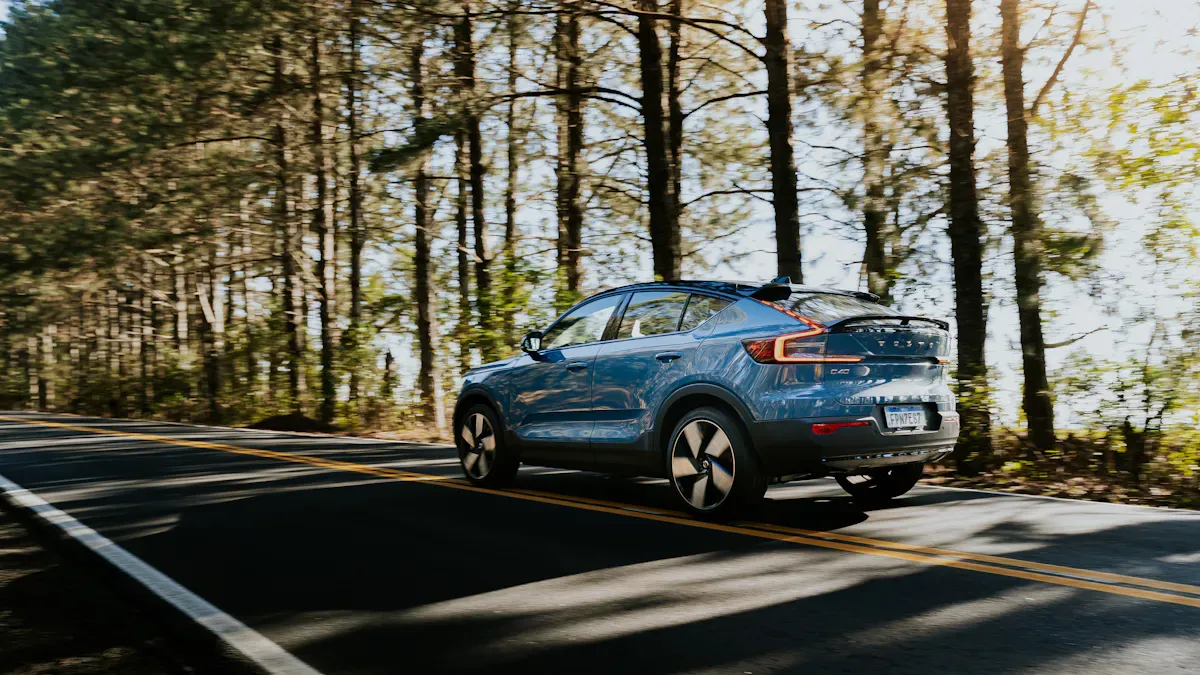
Travelers in Brazil often encounter significant gaps in public charging infrastructure, especially outside major cities. Urban centers like São Paulo and Rio de Janeiro feature a developed network of charging stations. Rural regions, however, lack sufficient coverage. The following table highlights the disparity:
| Area Type | Coverage Description |
|---|---|
| Urban | Developed network of charging stations in major cities like São Paulo and Rio de Janeiro. |
| Rural | Lacks sufficient coverage, necessitating portable EV chargers for convenience and emergency charging. |
Drivers planning a road trip through rural areas cannot rely on finding a public charger when needed. Portable EV chargers provide a practical solution, allowing users to recharge their electric vehicles wherever a compatible outlet exists. This flexibility ensures that long journeys do not stall due to limited infrastructure.
Managing Emergencies and Unexpected Stops
Unexpected events can disrupt even the best-planned journey. Detours, road closures, or delays may force drivers to travel farther than anticipated between charging stations. A portable EV charger acts as a safety net in these situations. When a public charging station is unavailable or out of service, drivers can use their portable charger to access power from standard outlets at hotels, restaurants, or even private residences. This capability reduces the risk of becoming stranded and supports a smoother, less stressful road trip experience.
Tip: Always check the condition of your charger and cables before each journey to ensure reliable operation during emergencies.
Enhancing Convenience and Reducing Range Anxiety
Convenience plays a crucial role in the adoption of electric vehicles for long journeys. Portable EV chargers allow drivers to top up their battery during stops, such as meal breaks or overnight stays. This approach maximizes travel efficiency and minimizes downtime. Many drivers experience range anxiety, the fear of running out of battery before reaching the next charging station. Carrying a portable charger helps alleviate this concern by providing a backup option. With this tool, drivers can confidently explore remote destinations and enjoy the freedom of the open road without constant worry about their vehicle’s range.
Key Factors When Choosing a Portable EV Charger in Brazil
Compatibility with EV Models and Charging Ports
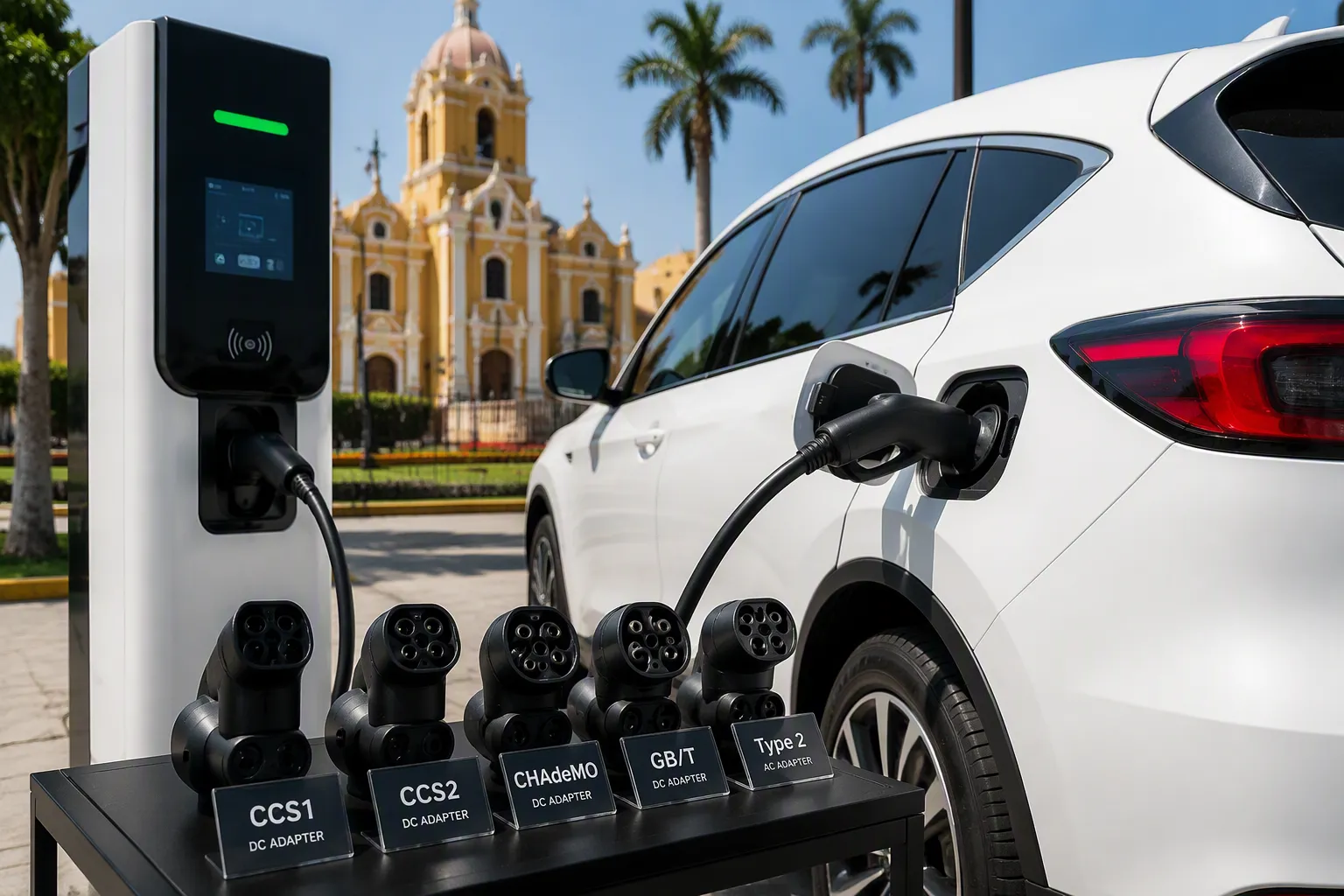
Compatibility stands as a crucial factor when selecting a portable EV charger for long journeys in Brazil. Not every charger fits every electric vehicle. Each EV model may use a different charging port, so drivers must confirm that the charger matches their vehicle’s connector type. Some chargers offer adapters or universal connectors, which can help when traveling across regions with varying infrastructure. Checking the manufacturer’s specifications ensures that the charger will work with the intended EV. This step prevents frustration at a station where the charger cannot connect to the vehicle. Drivers should also consider future vehicle purchases, as a charger with broader compatibility can serve multiple models over time.
Power Ratings, Charging Speed, and Dual-Voltage Support
Power ratings and charging speed directly affect how quickly an EV can recharge during a trip. Portable EV chargers in Brazil typically offer a range of power outputs, which influences the time needed to reach a full battery. The following table highlights popular models and their key features:
| Charger Model | Compatibility | Key Features |
|---|---|---|
| Juice Booster 2 | Type 2, Type 1 | Versatile charger with multiple plug types |
| Tesla Mobile Connector | Tesla vehicles | Adapters for different sockets |
| Taysla/Tayniu Portable Charger | General compatibility | Durable and weather-resistant design |
A higher power rating means faster charging, which becomes essential during long journeys. Many portable chargers support both 110V and 220V outlets, known as dual-voltage support. This feature allows drivers to use the charger at a wider range of locations, from residential homes to commercial properties. Dual-voltage capability increases flexibility and reduces the risk of running out of range before reaching the next charging station. Drivers should always check the maximum charging speed their EV can accept, as using a higher-rated charger does not increase speed if the vehicle limits the input.
Note: Always verify the power supply at your destination to ensure safe and efficient charging.
Connector Types in Brazil: Type 1 and Type 2
Brazil uses two main connector types for electric vehicles: Type 1 and Type 2. Type 1 connectors, also known as SAE J1772, appear more often in older or imported vehicles. Type 2 connectors, or Mennekes, have become the standard for most new EVs sold in Brazil. When choosing a portable EV charger, drivers must confirm that the device supports the connector type used by their vehicle. Some chargers, like the Juice Booster 2, offer compatibility with both connector types, making them suitable for a wider range of vehicles. Understanding connector types helps drivers avoid compatibility issues and ensures seamless charging at any stop along their route.
Tip: Carrying an adapter for the less common connector type can provide extra peace of mind during travel.
INMETRO Certification and Local Standards (NBR 17019, NBR 5410)
INMETRO certification plays a vital role in the selection of portable EV chargers in Brazil. INMETRO, the Brazilian National Institute of Metrology, Quality, and Technology, oversees the certification process for electrical products. Every certified charger must display the INMETRO mark, which signals compliance with national safety and quality standards. This mark assures consumers that the product meets rigorous requirements and has passed official inspection.
Brazilian standards for portable EV chargers align with international IEC standards. Manufacturers who already possess a CB report can often obtain Brazilian certification by addressing national differences, which reduces the need for extensive re-testing. The process ensures that products meet the specific demands of the Brazilian market, including those outlined in NBR 17019 and NBR 5410. These standards cover the installation, operation, and safety of charging equipment.
Key points regarding INMETRO certification and local standards include:
- INMETRO certification is mandatory for all portable EV chargers sold in Brazil.
- Certified products must bear the INMETRO mark, confirming compliance with Brazilian regulations.
- The certification process evaluates safety, quality, and adherence to NBR 17019 and NBR 5410.
- Brazilian standards are based on international IEC guidelines, with adjustments for local conditions.
- Products with a CB report can streamline certification by addressing only national differences.
Consumers should always verify the presence of the INMETRO mark before purchasing a charger. This step ensures that the device meets the highest safety and quality benchmarks for EV charging in Brazil.
Portability, Weight, and Extension Cord Use
Portability remains a defining feature of portable EV chargers. Travelers in Brazil often prioritize lightweight and compact designs, which allow for easy storage in a vehicle’s trunk. A charger that weighs less and occupies minimal space offers greater convenience during long journeys. Some models include carrying cases or handles, further enhancing mobility.
When evaluating options, drivers should consider the total weight and dimensions of the charger. A bulky or heavy device may prove difficult to handle, especially during frequent stops. The best portable EV charger balances robust construction with manageable size.
Extension cord use requires careful attention. Not all extension cords can safely handle the power demands of EV charging. Only heavy-duty, grounded cords rated for the charger’s output should be used. Using an inadequate extension cord can lead to overheating or electrical hazards. Always check the manufacturer’s recommendations regarding extension cord compatibility.
Tip: Choose a charger with a long, durable cable to reduce the need for extension cords and to increase flexibility in various parking situations.
Safety Features and Weather Resistance
Safety features distinguish high-quality portable EV chargers from less reliable options. Essential protections include surge protection, overcurrent protection, and temperature monitoring. These features prevent damage to the vehicle and reduce the risk of electrical accidents. Some chargers also offer automatic shut-off if they detect a fault or unsafe condition.
Weather resistance is another critical consideration for drivers in Brazil. Road trips often involve exposure to rain, dust, and extreme temperatures. A charger with a high ingress protection (IP) rating can withstand harsh environments and continue to operate reliably. Look for models with sealed connectors and reinforced casings to guard against moisture and debris.
The range of safety and weather-resistant features available in modern portable EV chargers ensures that drivers can charge their vehicles confidently in diverse conditions. By selecting a charger with robust protections, travelers minimize risks and maximize the reliability of their charging options.
Price, Warranty, and Value for Money
Consumers in Brazil often compare portable EV chargers based on price, warranty, and overall value. These factors influence the decision to invest in a reliable charging solution for long-distance travel. Buyers should understand how each element impacts the ownership experience.
Price Considerations
The price of a portable EV charger varies widely. Entry-level models start at a lower price point, while advanced chargers with more features cost significantly more. The following table outlines typical price ranges for popular options:
| Charger Type | Price Range (BRL) | Features |
|---|---|---|
| Basic Level 1 Home Charger | 1,200 – 2,000 | Slow charging, standard safety features |
| Level 2 Home Charger | 2,500 – 5,000 | Faster charging, dual-voltage support |
| Premium Portable EV Charger | 5,000 – 8,000 | Weather resistance, advanced protections |
A higher price does not always guarantee better performance. Buyers should evaluate the features that matter most for their travel needs. Some may prioritize portability, while others focus on charging speed or compatibility with multiple vehicles.
Warranty and After-Sales Support
Warranty coverage provides peace of mind for EV owners. Most reputable brands offer a warranty period ranging from one to three years. This coverage protects against manufacturing defects and ensures support if the charger fails during normal use. Buyers should review the warranty terms before making a purchase. Some manufacturers include on-site support or replacement services, which adds value to the investment.
Tip: Always keep the purchase receipt and warranty documents in a safe place at home for future reference.
Assessing Value for Money
Value for money goes beyond the initial purchase price. Buyers should consider the total cost of ownership, including durability, reliability, and the availability of after-sales service. A charger that lasts for several years and works with different EV models offers better value than a cheaper, less durable alternative.
When comparing charging solutions, buyers should ask:
- Does the charger support both home and travel use?
- Is the device compatible with the current and future EV models?
- Does the warranty cover common issues and provide easy access to service centers?
- Are there positive reviews from other users in Brazil?
A home charger that balances price, robust warranty, and reliable performance delivers the best value. Buyers should avoid focusing solely on the lowest price, as this may lead to higher costs in the long run due to repairs or replacements.
Summary Table: Key Factors for Value Assessment
| Factor | Why It Matters |
|---|---|
| Price | Affects upfront investment and affordability |
| Warranty | Ensures protection and support |
| Value for Money | Reflects long-term satisfaction and savings |
Selecting the right portable EV charger requires careful evaluation of these factors. Informed buyers can enjoy worry-free road trips and dependable charging at home or on the road.
Types of Portable EV Chargers Available in Brazil
Level 1 Portable EV Chargers: Standard Outlets
Level 1 portable EV chargers offer a simple solution for drivers who need basic charging capabilities. These chargers connect directly to standard household outlets, which are common throughout Brazil. Most Level 1 chargers provide a power output between 1.4kW and 1.9kW. This output translates to approximately 3 to 5 miles of range per hour of charging. Drivers often choose Level 1 chargers for their ease of use and the fact that they require no special installation.
However, Level 1 chargers may not suit every situation. Charging a full EV battery with this type of charger can take more than 24 hours. This slow speed makes Level 1 chargers impractical for long-distance travel or for drivers who need quick turnarounds. Many drivers keep a Level 1 charger as a backup option for emergencies or overnight stays.
Note: Level 1 chargers work best for plug-in hybrids or as a last-resort solution during unexpected stops.
Level 2 Portable EV Chargers: Faster Charging Options
Level 2 portable EV chargers deliver a significant upgrade in charging speed and efficiency. These chargers typically offer power outputs of 7.4kW for single-phase connections and up to 22kW for three-phase connections. With this increased power, Level 2 chargers can add about 25 miles of range per hour. This speed allows drivers to recharge their vehicles much faster than with Level 1 options.
The following table highlights the main differences between Level 1 and Level 2 chargers:
| Charger Type | Power Output | Charging Speed | Convenience |
|---|---|---|---|
| Level 1 | 1.4kW to 1.9kW | 3 to 5 miles of range per hour | Requires no special installation but impractical for full EVs, taking over 24 hours for a full charge |
| Level 2 | 7.4kW (Single-Phase) / 22kW (Three-Phase) | 25 miles of range per hour | Requires installation of a dedicated charger, significantly reduces charging time |
Level 2 chargers often require access to higher-capacity outlets, which may be available at hotels, commercial properties, or dedicated charging points. Many travelers in Brazil prefer Level 2 chargers for road trips because they reduce downtime and support longer journeys.
Universal vs. Model-Specific Portable EV Chargers
Portable EV chargers in Brazil fall into two main categories: universal and model-specific. Universal chargers work with a wide range of EV models and connector types. These chargers often include multiple adapters, making them suitable for drivers who may switch vehicles or travel with others. Universal chargers provide flexibility and convenience, especially when navigating different charging standards across regions.
Model-specific chargers, on the other hand, are designed for particular vehicle brands or models. These chargers may offer optimized charging speeds or features tailored to a specific EV. While model-specific chargers can deliver seamless integration and reliability, they may limit compatibility if the driver changes vehicles in the future.
Drivers should consider their current and future needs when choosing between universal and model-specific options. A universal charger offers broader compatibility, while a model-specific charger may provide enhanced performance for a single vehicle.
Popular Portable EV Charger Models and Brands in Brazil
Leading Brands and Their Features
Brazil’s market for portable EV chargers features several reputable brands. TPSON stands out as a technologically advanced electric vehicle charging solution provider. The company offers robust products with advanced safety features and weather-resistant designs. Juice Booster 2 has gained popularity for its versatility and compatibility with both Type 1 and Type 2 connectors. Taysla and Tayniu also provide reliable chargers that support dual-voltage operation and offer durable construction. Tesla supplies a model-specific charger for Tesla vehicles, which includes adapters for different socket types. Each brand focuses on safety, ease of use, and adaptability to Brazil’s diverse infrastructure.
Comparing Top Portable EV Charger Models
Drivers in Brazil often compare the best options based on performance, compatibility, and value. The table below summarizes key features of popular portable EV chargers:
| Model | Connector Types | Power Output | Notable Features |
|---|---|---|---|
| TPSON Portable | Type 2 | Up to 22kW | Advanced safety, weatherproof |
| Juice Booster 2 | Type 1, Type 2 | Up to 22kW | Multiple adapters, robust |
| Taysla Portable | Type 2 | Up to 7.4kW | Durable, dual-voltage |
| Tesla Mobile | Tesla only | Up to 11kW | Model-specific, adapters |
Pros and Cons of Each Model
TPSON Portable:
- ✅ Advanced safety features and high power output
- ❌ Higher price compared to basic models
Juice Booster 2:
- ✅ Wide compatibility and rugged design
- ❌ Heavier than some alternatives
Taysla Portable:
- ✅ Affordable and easy to use
- ❌ Lower maximum power output
Tesla Mobile:
- ✅ Seamless integration for Tesla vehicles
- ❌ Limited to Tesla models
Price Range and Value Assessment
Prices for popular portable EV chargers in Brazil vary. Entry-level models start around R$1,200, while advanced chargers like TPSON and Juice Booster 2 can reach R$8,000. Buyers should assess value by considering safety features, compatibility, and warranty. TPSON and Juice Booster 2 offer strong warranties and robust construction, making them the best options for frequent travelers. Taysla provides a budget-friendly alternative for those with basic charging needs.
Note: Always verify the INMETRO certification before purchasing any charger to ensure compliance with Brazilian safety standards.
Where to Buy Portable EV Chargers in Brazil
Consumers can purchase portable EV chargers from authorized dealerships, specialized EV stores, and online marketplaces. Many brands, including TPSON, maintain official websites with product details and support. Local automotive retailers and electronics stores in major cities also stock popular portable EV chargers. Buyers should prioritize authorized sellers to guarantee product authenticity and warranty coverage.
How to Use a Portable EV Charger Safely on the Road
Step-by-Step Charging Instructions
Drivers in Brazil can follow a clear process to use a portable EV charger safely. First, they should park the vehicle on a flat surface and engage the parking brake. Next, they need to inspect the charger and cables for any visible damage. If everything looks secure, they can connect the charger to the vehicle’s charging port. After that, they should plug the charger into a compatible power outlet, making sure the outlet matches the charger’s voltage requirements.
Many chargers feature indicator lights. Drivers should check these lights to confirm that charging has started. During the process, they must avoid touching the charger or cables with wet hands. When charging is complete, they should unplug the charger from the outlet before disconnecting it from the vehicle. Finally, they should store the charger in a dry, safe place.
Tip: Always read the user manual for specific instructions related to the chosen charger model.
Finding Safe and Legal Charging Locations
Selecting a safe and legal location for charging remains essential. Drivers should look for well-lit areas with access to certified electrical outlets. Hotels, restaurants, and authorized public parking lots often provide suitable options. They must avoid using outlets in unsafe or unauthorized places, such as construction sites or private properties without permission.
The table below lists common safe charging locations in Brazil:
| Location Type | Safety Level | Permission Needed |
|---|---|---|
| Hotel Parking | High | Sometimes |
| Restaurant Parking | High | Sometimes |
| Public Parking Lot | High | Rarely |
| Roadside Stops | Medium | Often |
Drivers should always seek permission when using outlets at businesses or private properties. They must also ensure that the outlet can handle the charger’s power requirements to prevent electrical hazards.
Charging Etiquette and Best Practices
Good etiquette helps all EV users enjoy a positive experience. Drivers should never block access to charging points longer than necessary. They should monitor the charging process and move their vehicle once charging finishes. If using a shared outlet, they must ask for permission and thank the property owner.
Best practices include keeping the charging area clean and storing cables neatly after use. Drivers should avoid using extension cords unless the manufacturer approves them. They must report any damaged outlets or equipment to the property owner or manager.
Note: Respect for others and attention to safety build trust and support for the growing EV community in Brazil.
Carrying and Storing Your Portable EV Charger During Travel
Packing Tips for Road Trips in Brazil
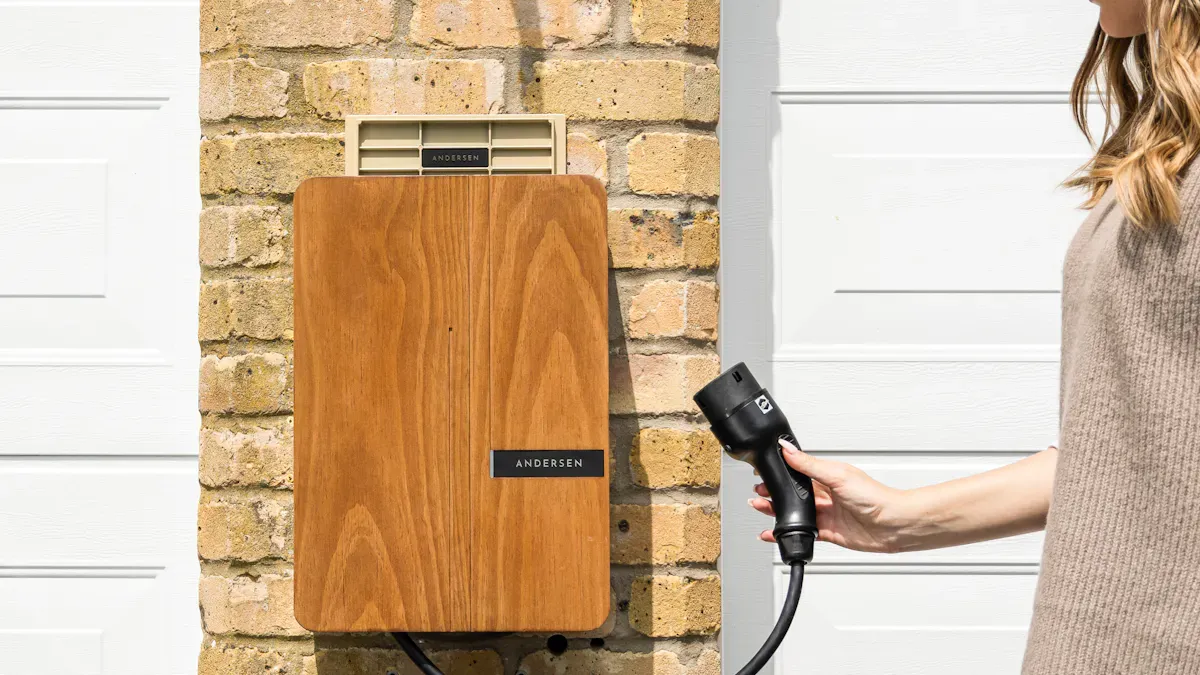
Travelers in Brazil often prepare carefully before setting out on long journeys. They should pack their portable EV charger in a dedicated carrying case. This approach keeps all components organized and prevents tangling of cables. Drivers can use a checklist to ensure they bring every essential item:
- Charger unit
- Power cables and adapters
- User manual
- Cleaning cloth
- INMETRO certification documents
A compact storage bag fits easily in the trunk or under a seat. Drivers should place the charger in an accessible spot, so they can reach it quickly during emergencies. Packing the charger with other EV accessories, such as gloves or a flashlight, increases readiness for unexpected situations.
Tip: Drivers should check the contents of their charging kit before each trip to avoid missing important items.
Protecting Your Charger from Damage
A charger faces many risks during travel. Drivers should avoid placing heavy objects on top of the charger or its cables. They can wrap cables with Velcro straps to prevent knots and reduce wear. Using a padded case adds an extra layer of protection against bumps and drops.
Moisture and dust can harm electrical components. Drivers should store the charger in a dry area of the vehicle. If the charger gets wet, they must dry it completely before use. Regular inspection helps spot signs of damage, such as frayed wires or cracked casings. Early detection allows for timely repairs and safe operation.
| Risk Factor | Prevention Method |
|---|---|
| Physical Impact | Use padded storage case |
| Moisture | Store in dry compartment |
| Cable Damage | Secure with straps |
Handling Different Weather Conditions
Brazil’s climate varies from humid rainforests to dry savannas. Drivers may encounter rain, heat, or dust storms during a road trip. They should choose portable EV chargers with weather-resistant features, such as sealed connectors and high IP ratings. These features protect the charger from water and dust.
When charging outdoors, drivers should avoid placing the charger directly on wet ground. A rubber mat or elevated surface keeps the charger safe from puddles. In hot weather, they should keep the charger out of direct sunlight to prevent overheating. After use in harsh conditions, a quick wipe with a dry cloth removes dirt and moisture.
Note: Drivers who follow these steps extend the lifespan of their charger and ensure reliable charging in any region of Brazil.
Maintenance and Troubleshooting for Portable EV Chargers
Routine Maintenance and Care
Proper maintenance extends the life of portable EV chargers and ensures safe operation during every trip. Drivers in Brazil should follow these essential care routines:
- Inspect the charger and cables before each journey, checking for visible damage or wear, especially at connector points.
- Clean the unit after exposure to dust, rain, or mud, and allow it to dry completely before storing.
- Examine the cable monthly at stress points to detect early signs of internal damage.
- Investigate any tripping of the protection circuit before attempting to reset the device.
- Store the charger in a protective bag to shield it from moisture and accidental impacts.
- Avoid leaving the charger in extreme temperatures, such as direct sunlight or freezing conditions.
Tip: Consistent care prevents unexpected failures and keeps the charger ready for any road trip.
Common Issues and Quick Fixes
Portable EV chargers may encounter technical challenges during use. The table below outlines frequent problems and practical solutions for drivers in Brazil:
| Challenge | Description | Solution |
|---|---|---|
| Poor charging infrastructure | Limited availability of charging stations. | Communicate with stakeholders to improve network reliability. |
| Vehicle-grid interoperability | Lack of communication between grid and charging companies. | Develop protocols for better integration and information sharing. |
| Station performance and downtime | Reliability issues causing range anxiety for EV users. | Perform immediate error checks and seek on-site solutions for malfunctioning chargers. |
| Payment method integration | Complicated payment systems frustrate users. | Use unified apps or systems to simplify payment across charging networks. |
| Power issues while charging | Fluctuations in power supply affect charging efficiency. | Monitor charging performance and ensure a stable power supply to prevent interruptions. |
Note: Quick troubleshooting can resolve many issues without professional help, allowing drivers to continue their journey with minimal delay.
When to Seek Professional Assistance
Some problems require expert intervention. If the charger shows persistent faults, such as repeated tripping of the protection circuit or visible internal damage, drivers should contact a certified technician. Unusual noises, overheating, or error messages that do not clear after a reset also signal the need for professional support. Attempting repairs without proper training can void warranties and create safety risks.
Drivers in Brazil benefit from choosing brands that offer reliable after-sales service and clear warranty terms. Professional assistance ensures that the portable EV charger remains safe, effective, and compliant with local standards.
Callout: Never attempt to open or repair the charger yourself. Always rely on authorized service centers for complex issues.
Practical Guide for Different Road Trip Scenarios in Brazil
Urban vs. Rural Travel Considerations
Urban travel in Brazil offers more convenience for electric vehicle drivers. Cities like São Paulo and Rio de Janeiro provide a higher density of public charging stations. Drivers can locate a charger at shopping centers, parking garages, or office complexes. They often find clear signage and support staff in these locations. Urban environments also offer better lighting and security, which increases safety during charging sessions.
Rural travel presents unique challenges. Charging infrastructure remains limited outside major cities. Drivers must plan routes carefully and identify possible charging points before departure. Portable ev chargers become essential tools for these journeys. They allow drivers to use standard outlets at inns, farms, or roadside businesses. Travelers should always confirm outlet compatibility and seek permission before plugging in. Preparation reduces the risk of running out of power far from help.
Tip: Drivers should download offline maps and keep emergency contacts handy when traveling through remote regions.
Managing Long Stretches Without Charging Stations
Long stretches of highway without charging stations require extra planning. Drivers should calculate the distance between known charging points and monitor their battery level closely. They can use a portable ev charger as a backup solution if they cannot reach the next station. This device enables charging from any compatible outlet, such as those found at gas stations or rural hotels.
A checklist for managing these stretches includes:
- Checking the vehicle’s range before departure
- Identifying all possible charging locations along the route
- Carrying a portable ev charger and necessary adapters
- Monitoring weather conditions that may affect battery performance
Drivers who prepare for these scenarios experience less stress and greater confidence during their journey.
Charging at Hotels, Restaurants, and Public Locations
Hotels and restaurants in Brazil increasingly support electric vehicle travelers. Many establishments now offer dedicated charging spots or allow guests to use standard outlets. Drivers should always ask for permission before connecting their charger. They should also verify the outlet’s voltage and amperage to ensure safe operation.
Public locations, such as shopping malls and municipal parking lots, often provide charging infrastructure. Drivers can consult mobile apps to locate these facilities. They should follow posted rules and avoid occupying charging spots longer than necessary. Respect for property and other users helps build a positive reputation for the EV community.
| Location Type | Availability | Permission Needed | Safety Level |
|---|---|---|---|
| Hotels | Moderate | Yes | High |
| Restaurants | Moderate | Yes | High |
| Public Parking | High | Rarely | High |
Note: Drivers should keep their charger and cables organized to avoid creating hazards in shared spaces.
Travelers in Brazil can drive with confidence by preparing for long journeys with portable ev chargers. Key steps include checking charger compatibility, reviewing safety features, and packing all necessary accessories. They should select certified products and follow best practices for charging on the road. Planning ahead reduces stress and helps every driver enjoy a safe, efficient trip.
Tip: Careful preparation ensures reliable charging and peace of mind during every adventure.
FAQ
What is the main advantage of carrying a portable EV charger in Brazil?
A portable EV charger gives drivers flexibility. They can charge their vehicles anywhere with a compatible outlet. This tool helps them avoid getting stranded in areas with limited charging infrastructure.
Are portable EV chargers safe to use during rain?
Most high-quality portable EV chargers feature weather-resistant designs. Drivers should check the IP rating before use. A charger with a high IP rating can operate safely in wet conditions.
How long does it take to charge an EV with a portable charger?
Charging time depends on the charger’s power output and the vehicle’s battery size. Level 1 chargers may take over 24 hours for a full charge. Level 2 chargers can reduce this time to several hours.
Can drivers use any extension cord with a portable EV charger?
No. Only heavy-duty, grounded extension cords rated for the charger’s output are safe. Using an inadequate cord can cause overheating or electrical hazards.
Do all portable EV chargers work with every electric vehicle?
No. Compatibility depends on the connector type and the vehicle’s charging port. Drivers should confirm that the charger matches their EV model or use an appropriate adapter.
Where can drivers buy certified portable EV chargers in Brazil?
Drivers can purchase certified chargers from authorized dealerships, specialized EV stores, and reputable online marketplaces. They should always check for the INMETRO certification mark.
What should drivers do if the portable charger stops working on the road?
Tip: First, check all connections and indicator lights. If the charger still does not work, consult the user manual. For persistent issues, contact the manufacturer’s support or seek help from an authorized service center.