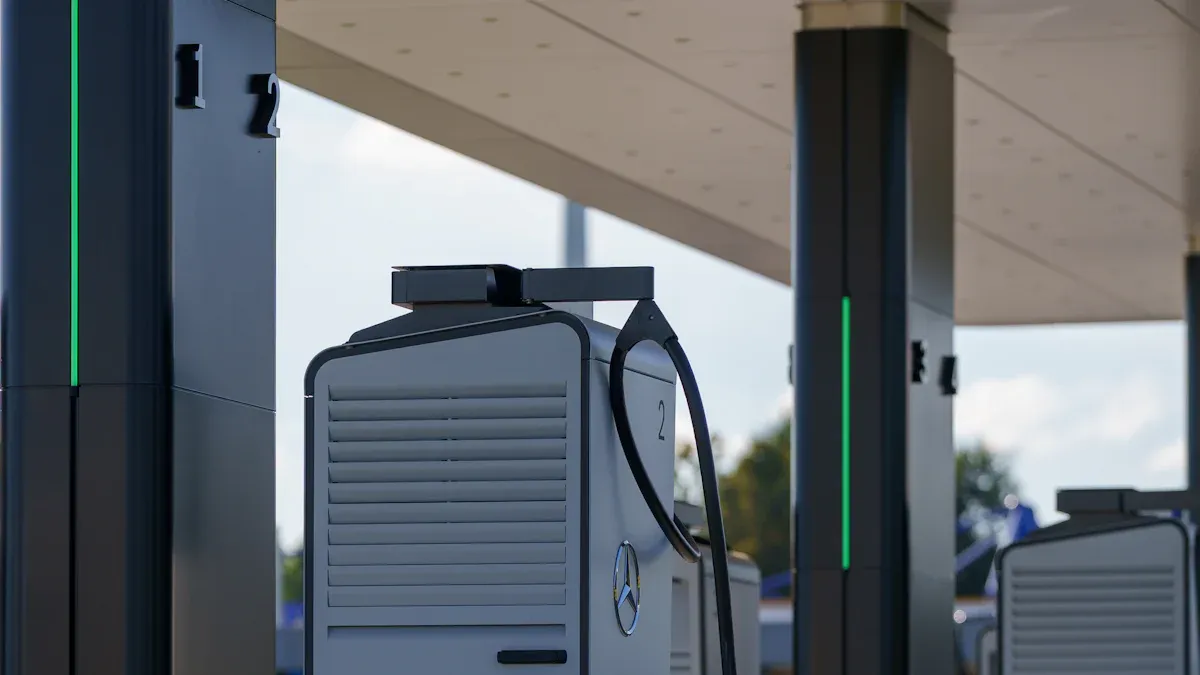
Fleet managers in Spain face a complex process to electrify their vehicles. They must navigate site selection, regulatory compliance, grid upgrades, and technology choices. A permanent EV charging depot demands a different strategy than relying on portable ev chargers. Success requires choosing the right EV charger from many EV charger manufacturers. Technologically advanced EV charging solutions providers like TPSON can help. Mastering this process is the key to unlocking significant financial and environmental benefits for any commercial fleet.
Phase 1: Strategic Planning and Financial Assessment
A successful transition to an electric fleet begins with a robust strategic plan. This foundational phase ensures that every decision, from technology selection to financial investment, aligns with the fleet’s operational realities. Managers must meticulously analyze their needs before any ground is broken.
Defining Your Fleet’s Charging Profile
Understanding exactly how a fleet operates is the first step. This data-driven profile becomes the blueprint for the entire charging infrastructure project.
Analyzing Vehicle Types and Duty Cycles
Fleet managers should begin by cataloging every vehicle. They must analyze daily routes, average distances traveled, and typical dwell times (parking periods). A delivery van returning to the depot overnight has a different charging need than a shuttle bus operating in multiple shifts.
Calculating Daily Energy and Power Needs
Next, managers calculate the total energy required. They multiply the number of vehicles by their average daily distance and energy consumption (kWh/km). This determines the total kWh needed each day. They also calculate the peak power (kW) required if multiple vehicles must charge simultaneously.
Determining Required Charging Speeds (AC vs. DC)
The fleet’s duty cycles dictate the necessary charging technology.
- AC Chargers: Ideal for vehicles with long dwell times, such as overnight parking. They offer a lower-cost solution for replenishing batteries over several hours.
- DC Fast Chargers: Essential for vehicles needing a rapid turnaround. They can charge a vehicle in under an hour, minimizing downtime during operational hours.
Modeling for Seasonal Demand Fluctuations
Spain’s climate impacts battery performance. Managers must model for increased energy consumption during hot summers (due to air conditioning) and cold winters (due to heating). This ensures the EV charging depot can meet demand year-round.
Site Selection and Depot Layout Design
The physical location and layout are critical for efficiency and future growth. A poorly chosen site can create long-term operational bottlenecks.
Key Criteria for Site Evaluation
A suitable site must have adequate space, proper zoning for industrial activity, and easy vehicle access. Most importantly, it needs sufficient grid capacity. An early assessment of the available electrical power can prevent costly surprises later.
Designing for Efficient Traffic Flow and Safety
The depot layout should prioritize safety and efficiency. It needs clear one-way traffic routes, designated charging bays, and safe pedestrian walkways. The design must prevent congestion and allow vehicles to enter, charge, and exit smoothly.
Planning for Future Scalability and Expansion
Fleet electrification often happens in stages. The initial design should incorporate plans for future expansion. This includes allocating space for additional charging stations and planning for future grid power upgrades.
Assessing Site Security Requirements
A depot with valuable assets requires strong security. Managers should assess needs for fencing, lighting, video surveillance (CCTV), and access control systems to protect vehicles and charging equipment.
Initial Cost Analysis and ROI Projection
A detailed financial assessment validates the project’s viability. Technologically advanced EV charging solutions providers like TPSON can offer hardware that optimizes long-term value.
Note: A comprehensive financial plan is essential for securing internal approval and external funding. It transforms the project from an idea into a measurable business case.
Budgeting for Capital Expenditures (CAPEX)
CAPEX includes all upfront costs. This covers the purchase of chargers, installation labor, civil works, grid connection upgrades, and management software.
Estimating Operational Expenditures (OPEX)
OPEX represents the ongoing running costs. Key components are electricity tariffs, preventive maintenance contracts, software subscription fees, and potential repair costs.
Calculating Total Cost of Ownership (TCO)
TCO provides a holistic financial view. It combines CAPEX and projected OPEX over the lifespan of the charging infrastructure. This figure allows for an accurate comparison against the costs of running a traditional fossil fuel fleet.
Projecting Return on Investment (ROI)
ROI measures the project’s profitability. Managers calculate it by comparing the TCO of the electric fleet against the TCO of a diesel equivalent. The savings in fuel and maintenance, offset by the initial investment, determine the payback period and overall financial return.
Phase 2: Navigating Spanish Regulations and Permits
After strategic planning, fleet managers must tackle Spain’s complex regulatory landscape. Compliance is not optional; it is essential for a legal, safe, and insurable charging depot. This phase requires careful attention to national, regional, and local rules.
Understanding the Spanish Regulatory Framework
Spain’s regulations ensure all electrical installations meet high safety standards. A fleet manager must become familiar with several key legal documents to guide the project correctly.
The Role of the Reglamento Electrotécnico para Baja Tensión (REBT)
The REBT is the cornerstone of all low-voltage electrical installations in Spain. It establishes the technical requirements and safety guarantees for any project, including an EV charging depot. Every aspect of the installation, from wiring to protection devices, must adhere to its articles.
A Deep Dive into ITC-BT-52 for Charging Points
Within the REBT, the specific technical instruction for EV charging infrastructure is ITC-BT-52. This chapter details the mandatory requirements for charging point installation schemes, protection measures against electric shock, and specifications for connectors and wiring. It is the primary technical guide for any certified installer.
Differentiating National vs. Autonomous Community Rules
While the REBT and ITC-BT-52 are national laws, Spain’s 17 autonomous communities may have additional regulations. These can affect permitting processes, specific technical requirements, or fire safety codes. Managers must verify local rules in their specific region to avoid compliance issues.
Fire Safety and Civil Works Regulations
Beyond electrical codes, the project must comply with building and fire safety regulations. This includes ensuring adequate ventilation, installing fire suppression systems, and meeting structural requirements for any civil works. These rules protect both the assets and personnel at the depot.
The Permitting Process: A Step-by-Step Guide
Obtaining the correct permits is a critical sequence in the project timeline. Each license serves a distinct purpose and must be secured in the proper order.
Pro Tip: Begin the permitting process as early as possible. Bureaucratic delays are common, and starting early helps keep the project on schedule.
Securing the Building Permit (Licencia de Obras)
If the project involves construction or significant site modifications, a Licencia de Obras (Building Permit) is the first step. The local town hall (Ayuntamiento) issues this permit after reviewing the technical project plans.
Obtaining the Activity License (Licencia de Actividad)
This license authorizes the site to be used for the specific commercial activity of vehicle charging. The Ayuntamiento grants the Licencia de Actividad after confirming the facility meets all safety, environmental, and zoning regulations.
Finalizing the Electrical Installation Certificate (Boletín Eléctrico)
Once the installation is complete, a certified installer issues the Certificado de Instalación Eléctrica (also known as the Boletín Eléctrico). This document certifies that the installation complies with the REBT and ITC-BT-52. It is required to finalize the contract with the electricity provider.
Timeline Expectations for Each Permit
Permitting timelines vary significantly by municipality. A Licencia de Obras can take several months, while the Boletín Eléctrico is issued upon successful inspection. Managers should budget 6 to 12 months for the entire permitting and legalization process.
Engaging a Certified Professional
Navigating Spain’s regulations is not a task for the fleet manager alone. The law requires a certified professional to design, execute, and legalize the project.
The Mandatory Role of the Instalador Autorizado
An Instalador Autorizado en Baja Tensión (Authorized Low-Voltage Installer) is legally required to execute and sign off on the electrical project. This professional ensures the entire installation is compliant and safe, from the grid connection to the final charger.
How to Select the Right Certified Partner
Choosing the right partner is critical for a large-scale project. Fleet managers should evaluate potential installers based on their qualifications and ability to deliver a robust solution. Key criteria include:
- Proven Experience: The partner should have a portfolio of similar commercial EV charging projects.
- Manufacturer Training: Installers with training from technologically advanced providers like TPSON possess deep knowledge of the hardware.
- Official Certifications: They must hold the necessary Spanish credentials as an Instalador Autorizado.
- Scalability and Integration: The partner must demonstrate an ability to design a system that can grow with the fleet and integrate with the power grid.
- Reliability: Their proposed solution must be reliable and capable of handling the fleet’s high-demand charging needs.
The Project Legalization and Final Sign-off Process
The certified partner manages the entire legalization process. This involves submitting the technical project (proyecto técnico) to the regional industrial authority, overseeing inspections, and securing the final registration of the installation.
Defining the Scope of Work in Your Contract
The contract with the installation partner should clearly define all responsibilities. It must detail the scope of work, equipment specifications, project timeline, payment milestones, and warranty terms. A comprehensive contract protects the fleet manager’s investment.
Phase 3: Building Your EV Charging Depot: Hardware and Software

With a solid plan and permits in motion, the focus shifts to the technology that will power the fleet. Selecting the right combination of hardware and software is crucial for creating an efficient, scalable, and cost-effective EV Charging Depot.
Choosing the Right Charging Hardware
The physical chargers are the most visible part of the depot. The choice between AC and DC technology depends entirely on the fleet’s operational needs.
AC (Level 2) Chargers for Overnight Dwell Times
AC chargers are the ideal solution for vehicles that park for extended periods, such as overnight. They provide a steady, lower-power charge that is gentle on vehicle batteries and less demanding on the electrical grid. This makes them a cost-effective choice for depot-based fleets that return to base at the end of the day.
DC Fast Chargers for Rapid Turnaround
For vehicles that require minimal downtime, DC fast chargers are essential. These high-power units can replenish a significant amount of range in under an hour, getting vehicles back on the road quickly. They are critical for fleets operating in multiple shifts or those with unpredictable daily routes.
Matching Charger Power to Vehicle Battery Specs
Fleet managers must select chargers with power outputs (measured in kW) that align with their vehicles’ maximum charging rates. Using a charger that is too powerful for a vehicle offers no benefit, while an underpowered charger will create operational delays.
Evaluating Hardware Durability and Warranty
Commercial charging hardware must withstand constant use and varying weather conditions. Managers should look for chargers with high IP (Ingress Protection) and IK (Impact Protection) ratings. A comprehensive warranty and a strong service agreement from a technologically advanced provider like TPSON ensure long-term reliability and protect the investment.
Evaluating Charging Management Software (CMS)
The CMS is the brain of the charging operation. It provides the intelligence needed to manage energy, control access, and monitor performance.
Core Features: Load Balancing and Remote Monitoring
Load balancing is a critical CMS feature that distributes available power across all active chargers, preventing grid overloads. Remote monitoring allows managers to view charger status, start or stop sessions, and troubleshoot issues from a central dashboard without being on-site.
Access Control, User Authentication, and RFID
A robust CMS enables managers to control who can use the chargers. This is typically managed through RFID cards or mobile apps assigned to authorized drivers, ensuring only fleet vehicles consume energy and providing a clear record of each charging session.
Energy Management and Advanced Reporting Tools
Advanced software provides detailed reports on energy consumption, charging session duration, and associated costs. These analytics help managers track operational expenses and identify opportunities to optimize charging schedules for lower electricity tariffs.
Integrating with Existing Fleet Management Systems
For maximum efficiency, the CMS should integrate with the company’s existing fleet management software. This creates a single, unified platform for managing all vehicle operations, from routing and telematics to energy replenishment.
Future-Proofing Your Technology Stack
Technology evolves quickly. Making smart choices today ensures the depot remains effective and relevant for years to come.
The Importance of Open Charge Point Protocol (OCPP)
Adopting technology based on OCPP is the single best way to avoid vendor lock-in. This open-source communication standard ensures interoperability between hardware and software from different manufacturers.
- It separates the charging station (hardware) from the management system (software).
- Operators gain the freedom to mix and match vendors for both hardware and software.
- It allows businesses to scale their networks by adding equipment from any OCPP-compliant provider.
- This flexibility ensures the depot can always use the best and most cost-effective technology available.
Selecting Modular and Upgradable Hardware
Managers should choose chargers with a modular design. This allows for easier repairs and future power upgrades without replacing the entire unit, reducing long-term capital expenditures.
Preparing for Vehicle-to-Grid (V2G) Technology
V2G technology will allow fleets to send power from vehicle batteries back to the grid, creating new revenue streams. Selecting V2G-ready hardware and software prepares the depot for this future capability.
Ensuring Compatibility with Future EV Models
The EV market is constantly introducing new models with different battery chemistries and charging standards. Choosing chargers that support multiple connector types and receive over-the-air software updates ensures compatibility with the future of the fleet.
Phase 4: Grid Connection and Power Management
A depot’s success hinges on its relationship with the electrical grid. Fleet managers must secure adequate power and manage it intelligently to control costs and ensure operational reliability. This phase covers the critical steps from initial grid connection to advanced energy optimization.
Managing Your Connection to the Electrical Grid
The local grid is the lifeblood of the charging depot. Proactive engagement with the electricity distributor is non-negotiable.
How to Request a Power Assessment from Your Distribuidora
Before any installation, the fleet manager must contact the local electricity distributor (distribuidora). They will request a power availability study for the site. This assessment determines if the existing grid connection can support the depot’s projected electrical load.
The Process for a Grid Upgrade (Aumento de Potencia)
If the assessment reveals insufficient power, the manager must request a grid upgrade, or aumento de potencia. This process involves the distributor installing new transformers or higher-capacity lines. It can be a lengthy and expensive procedure, so initiating it early is vital.
Understanding Spanish Electricity Tariffs and Time-of-Use Rates
Spain uses time-of-use (ToU) tariffs, where electricity prices vary by the time of day and season. For commercial depots, the 6.0TD tariff is common. Managers must understand the different periods (punta, llano, valle) to schedule charging during the cheapest hours, typically overnight.
Negotiating Your Power Supply Contract
With the grid connection secured, managers negotiate a contract with an electricity supplier (comercializadora). It is crucial to compare offers and secure favorable terms, potentially locking in fixed rates or flexible pricing that aligns with the fleet’s charging schedule.
Implementing Smart Charging Strategies
Smart charging turns energy consumption from a fixed cost into a managed variable. It uses software to optimize how and when vehicles draw power.
Pro Tip: Smart charging is the single most effective tool for reducing a depot’s operational electricity costs. Technologically advanced EV charging solutions from providers like TPSON often include robust software to enable these strategies.
Using Load Management to Avoid Grid Overload
Load management software automatically distributes the available power across all charging vehicles. This prevents the depot from exceeding its contracted power limit (potencia contratada), avoiding costly penalties and potential blackouts.
Scheduling Charging to Reduce Peak Demand Charges
Managers can use a Charging Management System (CMS) to schedule most charging sessions during off-peak (valle) hours. This simple strategy dramatically lowers the average cost per kWh.
Dynamic Power Sharing Among Active Chargers
This advanced feature allows a group of chargers to share a power circuit. The system intelligently allocates more power to vehicles with lower states of charge or higher priority, ensuring efficient energy use.
Setting Priority Charging for Critical Vehicles
The CMS can prioritize charging for specific vehicles. A manager can ensure that a critical delivery van is fully charged first, guaranteeing it is ready for its morning route.
Integrating On-Site Energy Solutions
On-site generation adds a layer of cost control and energy resilience. It reduces reliance on the grid and hedges against volatile electricity prices.
The Business Case for Solar PV Integration
Installing solar photovoltaic (PV) panels allows the depot to generate its own clean, low-cost electricity. During sunny days, solar power can directly charge vehicles or offset the facility’s general energy consumption.
Using Battery Energy Storage Systems (BESS) for Peak Shaving
A BESS stores energy when it is cheap (from the grid overnight or from solar during the day). The depot can then discharge this stored energy during expensive peak hours, a practice known as peak shaving.
Combining Renewables for Energy Resilience and Cost Savings
The combination of solar PV and a BESS creates a powerful system. It maximizes self-consumption of renewable energy, provides backup power during grid outages, and significantly lowers long-term energy expenditures.
Navigating Regulations for On-Site Generation
Spain has specific regulations for self-consumption (autoconsumo). Fleet managers must work with their certified installer to ensure the on-site generation system is fully compliant with all legal and technical requirements.
Phase 5: Securing Funding and Incentives in Spain
Building a private charging depot is a significant investment. Fleet managers can substantially reduce this financial burden by leveraging Spain’s robust system of grants and incentives. A strategic approach to funding is as important as the technical plan itself.
Leveraging the MOVES III Program
The Plan MOVES III is the Spanish government’s primary tool for promoting electromobility. It provides direct aid to companies, making the transition to an electric fleet more affordable.
Eligibility Criteria for Fleet Vehicles and Charging Points
MOVES III covers both the acquisition of eligible electric vehicles and the installation of charging infrastructure. To qualify, the charging points must be new and installed by a certified professional. The project must adhere to all technical specifications outlined in the REBT.
Understanding Subsidy Amounts and Coverage Limits
The program offers direct subsidies to lower the initial investment. The amount varies based on the type of installation and company size.
- Companies receive a 30% subsidy for private-use charging points. This increases to 40% in municipalities with fewer than 5,000 inhabitants.
- For publicly accessible chargers over 50 kW, the base subsidy is 35%. Small and medium-sized enterprises (SMEs) can receive additional aid.
- Eligible costs include the charging station, civil works, project management, and legalization.
- The program has a subsidy limit of €800,000 per applicant per call.
Key Program Deadlines and Limitations
MOVES III operates with a fixed budget and a specific application window, which was extended to July 31, 2024. Funds are managed and distributed by each autonomous community. They are often awarded on a first-come, first-served basis until the budget is exhausted.
MOVES III vs. MOVES Singulares for Larger Projects
While MOVES III is ideal for most depot projects, fleet managers planning exceptionally large or innovative installations should investigate the MOVES Singulares program. This separate initiative funds unique, large-scale electromobility projects that go beyond standard deployments.
The MOVES III Application Process
Applying for MOVES III requires careful preparation and attention to detail. Each autonomous community manages its own application portal and process.
Pro Tip: Never purchase equipment or begin installation before receiving official subsidy approval. Most programs disqualify retroactive applications.
Required Documentation for Businesses
Applicants must prepare a comprehensive dossier. This typically includes the company’s tax identification number (NIF), detailed project plans, quotes for hardware and installation, and proof of economic activity. Partnering with a provider like TPSON can help ensure all technical specifications for the hardware are properly documented.
Navigating the Application Portal in Your Autonomous Community
Fleet managers must identify the specific government body and online portal responsible for MOVES III in their region. The requirements and application interface can vary slightly between communities.
Common Pitfalls to Avoid During Application
Simple mistakes can lead to rejection. Common errors include submitting incomplete forms, missing documentation, or miscalculating eligible costs. A thorough review before submission is critical.
Understanding Payment Timelines After Approval
Patience is essential after receiving an approval notice. The actual disbursement of funds can take many months. Companies must have the capital to cover the initial investment while awaiting the subsidy payment.
Exploring Additional Financial Support
Beyond MOVES III, other financial avenues can help fund a charging depot.
Tax Deductions for Green Technology Investments
Companies may be eligible for corporate tax deductions related to investments in sustainable technology and energy efficiency. A financial advisor can provide guidance on how to leverage these benefits in Spain.
Specific Subsidies from Autonomous Communities
Some autonomous communities offer their own regional subsidies for green initiatives. These programs can supplement or exist independently of the national MOVES III plan.
Potential Local and Municipal-Level Grants
Local town halls (Ayuntamientos) sometimes provide small grants to businesses that help meet municipal environmental goals. Managers should check with their local government for available opportunities.
Green Financing Options from Spanish Banks
Many Spanish banks offer “green loans” or sustainable financing products. These often feature preferential interest rates for projects that contribute to environmental sustainability, such as building an EV charging depot.
Phase 6: Operations, Maintenance, and Optimization

With the depot built, the focus shifts to long-term performance. A proactive approach to operations, maintenance, and optimization ensures the EV Charging Depot delivers maximum value and reliability throughout its lifespan.
Establishing Operational Protocols
Clear, repeatable procedures are the foundation of an efficient depot. They minimize errors, ensure safety, and streamline daily activities for all personnel.
Training Drivers on Charging Procedures
Fleet managers must provide all drivers with clear training. This instruction covers how to use the chargers correctly, handle connectors safely, and report any faults, ensuring both driver safety and equipment longevity.
Setting Up User Authentication and Access Rules
Using the Charging Management Software (CMS), managers establish strict access rules. They assign RFID cards or mobile app credentials to authorized drivers, preventing unauthorized use and accurately tracking every charging session.
Creating a Response Plan for Charger Downtime
A clear plan for handling charger malfunctions is essential. This protocol should define who to contact for support, how to redirect vehicles to working chargers, and how to communicate status updates to drivers to minimize operational disruptions.
Daily, Weekly, and Monthly Operational Checklists
Managers should implement simple checklists for routine inspections. These lists guide staff through quick visual checks for damage, cleanliness, and basic functionality, allowing for early detection of potential issues.
Planning for Long-Term Maintenance
Hardware and software require regular attention to perform reliably. A structured maintenance plan protects the initial investment and prevents costly emergency repairs.
Pro Tip: While routine servicing is often recommended every 12-18 months, high-usage depots may require more frequent professional inspections.
Creating a Preventive Maintenance Schedule
A preventive maintenance schedule is non-negotiable. It formalizes proactive care to keep chargers in optimal condition. Key tasks include:
- Visual Inspections: Regularly checking for physical damage to casings, cables, and connectors.
- System Cleaning: Wiping down units and ensuring cooling vents are free of dust and debris.
- Cable and Connector Care: Inspecting cables for wear and ensuring connectors lock securely.
- Software and Firmware Updates: Periodically verifying that all chargers are running the latest software for security and compatibility.
Understanding Service Level Agreements (SLAs) with Vendors
When selecting a hardware provider, managers must scrutinize the Service Level Agreement (SLA). This contract defines the vendor’s commitment to response times for repairs. A strong SLA from a provider like TPSON guarantees swift support when issues arise.
Budgeting for Spare Parts and Repairs
The operational budget must include a contingency fund for maintenance. This covers the cost of common spare parts, such as charging cables or connectors, and labor for any out-of-warranty repairs.
Software Updates and Cybersecurity Management
Maintenance extends beyond physical hardware. Managers must work with their CMS provider to install regular software updates. These updates patch security vulnerabilities, improve performance, and often add new features.
Optimizing Depot Performance
An operational depot generates a wealth of data. Savvy fleet managers use this information to continuously refine operations, reduce costs, and improve efficiency.
Analyzing Charging Data to Refine Schedules
Managers analyze data on session duration and energy consumption. This insight helps them refine charging schedules to better align with vehicle dwell times and driver shifts.
Using CMS Reports to Track Energy Costs and Usage
The CMS provides detailed reports on energy usage per vehicle or per charging session. These reports are crucial for tracking electricity costs against the budget and identifying any abnormal consumption patterns.
Continuously Optimizing Load Balancing Rules
As the fleet’s needs evolve, managers can adjust the load balancing rules in the CMS. They can fine-tune power allocation to prioritize critical vehicles or further minimize peak demand charges.
Evaluating Performance Against Initial ROI Projections
Finally, managers must compare real-world operational data against the financial models created in Phase 1. They track actual energy savings and maintenance costs to evaluate the project’s performance against its projected Return on Investment (ROI).
Establishing a private commercial EV charging depot in Spain is a multi-faceted project. A structured, phase-by-phase approach transforms this challenge into a strategic advantage. By meticulously planning, navigating regulations, and managing power, fleet managers build a resilient infrastructure for a modern fleet. The journey begins now. A detailed fleet analysis and a certified Spanish installer lay the groundwork for a successful and compliant EV Charging Depot.
FAQ
How long does it take to build a charging depot?
The entire process can take from 9 to 18 months. This timeline includes strategic planning, securing permits like the Licencia de Obras, grid connection upgrades, and physical installation. Early planning is crucial to manage these timelines effectively and avoid delays.
What is the most important regulation in Spain?
The Reglamento Electrotécnico para Baja Tensión (REBT) is the foundational law. Specifically, ITC-BT-52 within the REBT details all mandatory technical and safety requirements for EV charging infrastructure. Compliance is non-negotiable for any project.
Can a company install its own chargers?
No, Spanish law requires a certified professional. An Instalador Autorizado en Baja Tensión must design, execute, and legalize the entire electrical installation. This ensures the depot is safe, compliant, and insurable.
What is the difference between AC and DC chargers?
AC chargers are best for overnight charging when vehicles have long dwell times. DC fast chargers deliver high power for rapid turnarounds, minimizing vehicle downtime during operational hours. The fleet’s duty cycle determines the necessary type.
Why is OCPP important for my depot?
The Open Charge Point Protocol (OCPP) prevents vendor lock-in. It allows managers to mix and match hardware and software from different manufacturers. This flexibility ensures the depot can always use the most advanced and cost-effective technology available.
How can I reduce the depot’s electricity costs?
Managers should use a Charging Management System (CMS) to schedule charging during off-peak hours (periodo valle). Smart charging strategies like load balancing also prevent costly peak demand charges, significantly lowering operational expenses.
What should I look for in charging hardware?
Fleet managers should select durable hardware with high IP/IK ratings for weather and impact resistance. Technologically advanced EV charging solution providers like TPSON offer reliable, OCPP-compliant chargers with strong warranties, ensuring long-term operational performance and protecting the investment.