Many drivers in Italy discover unexpected expenses when they install an electric car home charger. Common hidden fees include hardware upgrades, labor for domestic charging, and extra costs from EV charger manufacturers. Some homeowners face additional expenses for charging points in Italy, such as electrical panel work, charging plans, and maintenance. The average reported cost can rise quickly. To avoid surprises, they should compare EV Charger options, review expenses with installers, and check each charging agreement for hidden fees.
Charger Hardware Cost for Home Installation
Price Differences Between Charger Models and Brands
Premium vs. Basic Electric Car Chargers
Buyers in Italy encounter a wide range of prices when selecting hardware for a charging point. The cost depends on the charger’s power output and features. Premium models offer advanced connectivity, faster charging, and smart controls. Basic chargers provide standard charging point functions without extra technology. The following table shows the average price range for popular charger types in Italy:
| Charger Type | Price Range (€) |
|---|---|
| Reinforced Green’Up Socket (3.7 kW) | 500 – 800 |
| Single-Phase Wallbox (7.4 kW) | 1,200 – 1,800 |
| Three-Phase Station (11-22 kW) | 1,500 – 2,500 |
Premium charging point models, such as three-phase stations, cost more due to higher power and smart features. Basic options, like reinforced sockets, suit drivers who need simple charging point solutions for electric cars.
Compatibility with Your Electric Car Model
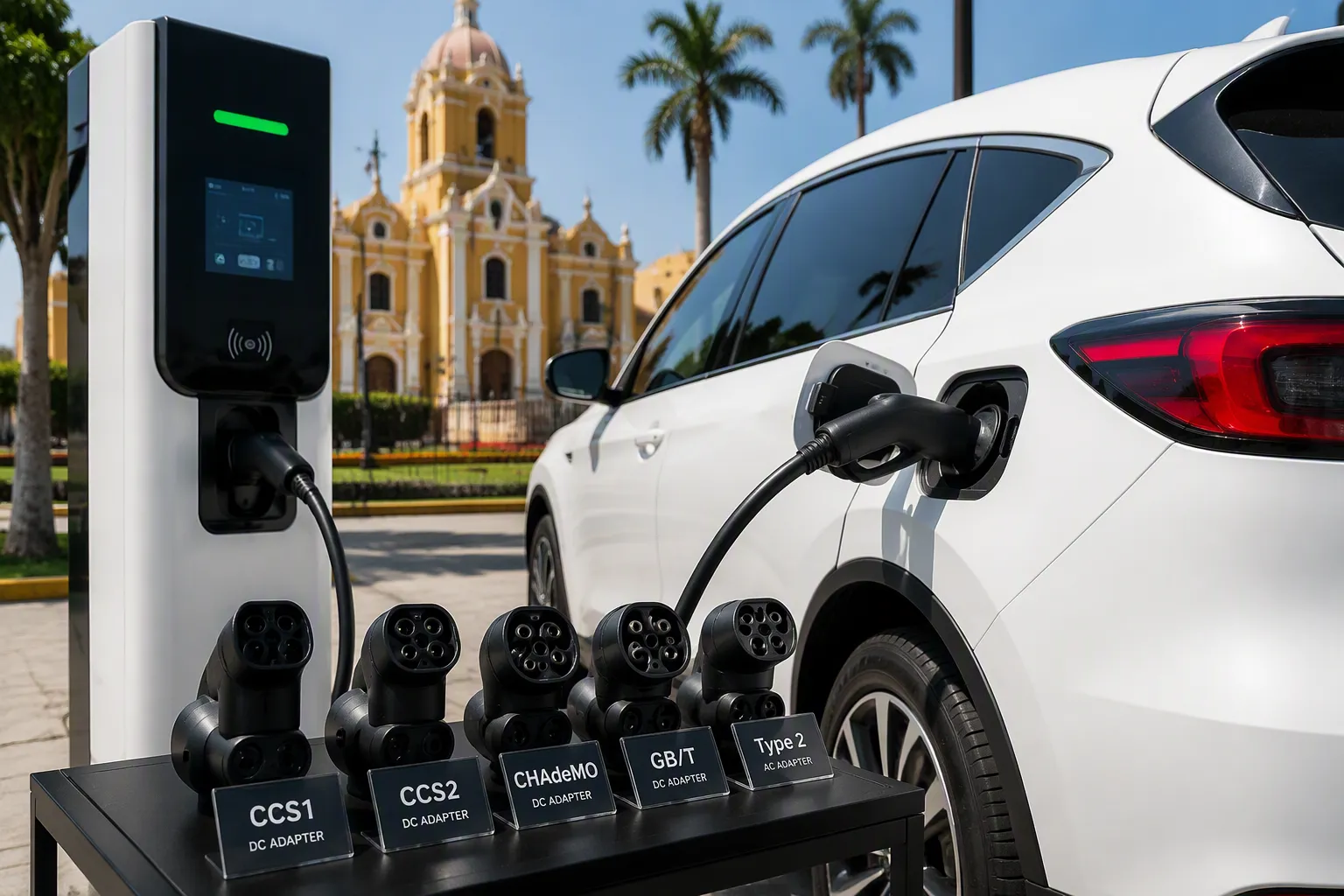
Not every charging point works with every electric car. Owners must check compatibility before purchasing hardware. Some charging point brands design their products for specific electric cars, while others offer universal connectors. Incompatible hardware may require adapters or upgrades, which increase the total cost. Checking the car’s manual and consulting with the installer helps avoid unnecessary expenses at the charging point.
Additional Accessories and Upgrades for Home Chargers
Wall Mounts and Stands Cost
A secure installation of a charging point often requires wall mounts or stands. These accessories keep the charging point stable and accessible. The price for mounts and stands varies by material and design. Basic wall mounts cost less, while adjustable stands for outdoor charging point setups cost more. Installers recommend choosing sturdy options to protect the charging point from damage.
Weatherproofing Kits for Outdoor Home Chargers
Outdoor charging point installations need weatherproofing kits. These kits shield the charging point from rain, dust, and temperature changes. Weatherproofing increases the lifespan of the charging point and reduces maintenance costs. The price of these kits depends on the level of protection and the brand. Homeowners should ask installers if weatherproofing is necessary for their charging point location.
Cable Management Systems for Home Use
Cable management systems keep the charging point area tidy and safe. These systems prevent tripping hazards and protect cables from wear. Some charging point models include basic cable holders, while others require separate purchases. The cost of cable management depends on the length and type of system. Organized cables improve the appearance and safety of the charging point at home.
Tip: Request a detailed quote for all accessories before installing a charging point. This helps avoid surprise costs and ensures every charging point meets safety standards.
The cost of using a charging point at home also depends on the type of charging. Home charging point use averages €0.25 to €0.40 per kWh, which is lower than public charging rates. Choosing the right charging point hardware and accessories helps maximize savings for electric cars.
Installation Cost When You Install an Electric Car Home Charger
Standard vs. Complex Home Installation
The process of installing an electric car charger at home can range from straightforward to highly complex. Standard installations usually involve mounting the charger close to the main electrical panel, with minimal wiring and no major modifications. Complex installations often require additional work, such as running cables over long distances, drilling through walls, or adapting the setup for outdoor use. Each factor can significantly affect installation costs.
Long Cable Runs in Home Installations
Long cable runs increase both material and labor expenses. When the charging point sits far from the main electrical panel, electricians must use more cable and spend extra time routing it through the property. This situation often arises in larger homes or when the garage is detached. Installers may need to lift floorboards or run cables through ceilings, which adds to the overall installation costs.
Wall Drilling and Structural Modifications at Home
Some installations require drilling through thick walls or making structural changes. For example, older buildings in Italy often have stone or reinforced concrete walls. Electricians may need specialized tools and extra time to complete the work. These modifications can raise installation costs, especially if the property has unique architectural features or limited access points.
Outdoor vs. Indoor Home Charger Installation
Installing a charger outdoors introduces additional challenges. Outdoor setups need weatherproof enclosures and may require extra protection against moisture and temperature changes. Electricians must ensure that all components meet safety standards for outdoor use. Indoor installations, by contrast, usually involve fewer complications and lower installation costs. Homeowners should consider the location carefully to avoid unnecessary expenses.
Note: Space and location constraints, such as a lack of a garage or limited wall space, can complicate the installation process and increase costs.
The following table summarizes the most common factors that increase the complexity and cost of installing a home electric car charger in Italy:
| Factor | Description |
|---|---|
| Electrical Capacity | Homes may need electrical upgrades to support the high power demands of EV chargers. |
| Charger Selection | Choosing between Level 1 and Level 2 chargers affects installation complexity and cost. |
| Installation Costs | Costs include equipment, electrical upgrades, and labor, which can vary based on location and complexity. |
| Qualified Installers | Finding licensed electricians with experience in EV charger installation can be challenging. |
| Space and Location Constraints | Limited space or lack of a garage can complicate the installation process. |
| Local Regulations | Compliance with local building permits and electrical codes can add to the complexity and cost. |
Electrician Labor Rates and Overtime Charges for Home Installations
Labor represents a significant portion of the total installation costs. Electricians in Italy set their rates based on region, experience, and the complexity of the job. Homeowners should request detailed quotes to understand how labor charges will affect their final bill.
Hourly Rates by Region in Italy
Electrician hourly rates vary across Italy. In northern regions, such as Lombardy or Veneto, rates tend to be higher due to increased demand and higher living costs. Southern regions often offer lower rates, but availability of qualified installers may be limited. On average, homeowners can expect to pay between €35 and €60 per hour for standard installation work. Complex projects or specialized services may command higher rates.
Weekend or After-Hours Labor Cost
Scheduling installation outside regular business hours can result in overtime charges. Electricians may charge a premium for work performed on weekends, holidays, or evenings. These additional fees can increase the total installation costs by 20% to 50%. Homeowners should plan the installation during standard working hours whenever possible to avoid these extra expenses.
Tip: Always confirm the labor rate and any potential overtime charges before scheduling the installation. Requesting an itemized estimate helps prevent misunderstandings and surprise costs.
Careful planning and clear communication with the installer can help manage installation costs and ensure a smooth process for setting up a home charging solution.
Electrical System Upgrade Cost for Home Charging
Upgrading Home Electrical Panel or Wiring for Charger Installation
Panel Replacement Cost for Home Chargers
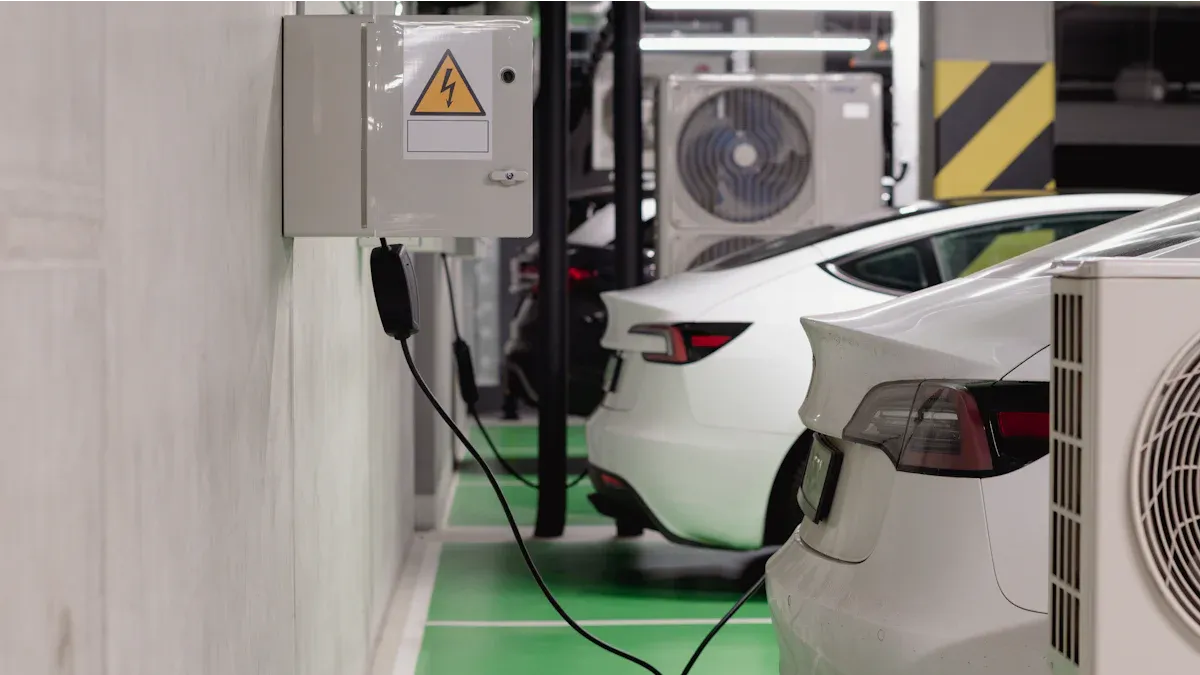
Many homes in Italy require an upgrade to the main electrical panel before installing a modern home charger. Older panels may not support the higher amperage needed for efficient charging. Electricians often recommend replacing outdated panels to ensure safety and compliance with current standards. The cost for a new panel varies based on the size and complexity of the system. Homeowners can expect to pay between €500 and €1,200 for a standard panel replacement. Larger homes or those with unique electrical layouts may see higher costs. Upgrading the panel not only supports the new charger but also improves the overall safety of the home’s electrical system.
Wiring Upgrades for Higher Amperage at Home
Installing a home charger often requires new wiring capable of handling increased power loads. Standard household wiring may not support the demands of fast charging. Electricians assess the distance from the main panel to the charging location and select cables that meet safety codes. Longer cable runs increase both material and labor costs. For example, a cable run of less than 10 meters typically costs between €300 and €500. Distances of 10 to 30 meters may raise the price to €500–€800, while installations beyond 30 meters can reach €1,500. Proper wiring ensures reliable performance and reduces the risk of electrical faults.
Tip: Homeowners should ask for a detailed assessment of their current electrical system before starting any upgrades. This step helps avoid unexpected expenses during the installation process.
Permit and Compliance Costs for Home Charger Installation in Italy
Permit Application Fees for Home Installations
Local regulations in Italy require permits for most home charger installations. The application process involves submitting technical documents and paying administrative fees. These fees vary by municipality and the complexity of the project. For a straightforward installation, permit costs usually range from €100 to €300. More complex projects, such as those involving structural changes or significant electrical upgrades, may incur higher fees. Timely submission of all required documents helps prevent delays and additional charges.
Inspection Charges for Home Electrical Upgrades
After installation, local authorities often require an inspection to verify compliance with safety standards. Inspection fees depend on the scope of the work and the distance of the installation. The following table summarizes typical costs based on the distance from the main panel to the charging point:
| Installation Distance | Cost Range (€) |
|---|---|
| Less than 10m | 300 to 500 |
| 10-30m | 500 to 800 |
| Beyond 30m | 800 to 1,500 |
| Total Average | 1,500 to 2,500 |
These charges cover both the inspection and the administrative process. Homeowners should factor these costs into their overall budget for installing a home charging solution.
Note: Failing to obtain the necessary permits or inspections can result in fines and may void insurance coverage for the property.
Utility Connection and Metering Cost for Home Chargers
Fees for Increasing Power Supply (kW) at Home
Utility Company Charges for Home Upgrades
Homeowners in Italy often discover that their existing power supply cannot support the demands of an electric car charger. Utility companies require an official request to increase the available kilowatt capacity. They charge a one-time fee for this upgrade, which usually ranges from €200 to €500, depending on the region and the amount of additional power needed. The process involves technical verification and administrative approval. Utility providers may also require an inspection to confirm that the home’s electrical system meets safety standards for higher loads.
Tip: Homeowners should contact their utility provider before purchasing a charger. This step helps them understand the exact costs and requirements for increasing power supply.
Monthly Rate Adjustments for Home Power Supply
After upgrading the power supply, the utility company adjusts the monthly electricity rate. The new rate reflects the higher available capacity, even if the homeowner does not use the maximum amount every month. For example, increasing from 3 kW to 6 kW can raise the fixed monthly fee by €10 to €20. These charges appear on the regular electricity bill and continue as long as the higher capacity remains active. Homeowners should review their energy needs and budget for these ongoing costs.
| Power Supply Level | One-Time Upgrade Fee (€) | Monthly Rate Increase (€) |
|---|---|---|
| 3 kW | N/A | N/A |
| 4.5 kW | 200 – 300 | 8 – 12 |
| 6 kW | 300 – 500 | 15 – 20 |
Smart Meter Installation or Modification Cost for Home Charging
New Meter Installation Cost for Home Chargers
Some homes require a new smart meter to support electric car charging. Utility companies install these meters to monitor energy consumption and enable advanced billing options. The installation fee for a new smart meter typically falls between €100 and €250. The cost depends on the complexity of the installation and the type of meter selected. Smart meters help homeowners track charging sessions and optimize energy use.
Meter Reprogramming Fees for Home Use
Existing smart meters may need reprogramming to handle the increased load from charging an electric car. Utility providers charge a service fee for this modification, which usually ranges from €50 to €100. The technician updates the meter’s settings to ensure accurate billing and safe operation. Homeowners should confirm whether their current meter supports electric car charging or if reprogramming is necessary.
Note: Utility companies may bundle meter installation and reprogramming fees with other upgrade costs. Homeowners should request a detailed breakdown to avoid unexpected expenses.
Ongoing and Maintenance Cost for Home Electric Car Chargers
Annual Maintenance or Inspection Fees for Home Chargers
Scheduled Service Visits for Home Charging Stations
Home electric car chargers require periodic maintenance to ensure safe and efficient operation. Most manufacturers recommend an annual service visit. During these visits, a technician inspects the charger, checks for wear, and updates the software if needed. The average cost for a scheduled service visit in Italy ranges from €80 to €150 per year. This fee covers labor and basic diagnostic checks. Regular maintenance helps prevent unexpected breakdowns and extends the lifespan of the equipment.
Safety Checks for Home Electric Car Chargers
Safety remains a top priority for homeowners using electric car chargers. Annual safety checks include testing the electrical connections, verifying the integrity of cables, and ensuring that all safety features function correctly. These checks often occur during the scheduled service visit, but some providers offer them as a separate service. The cost for a standalone safety check typically falls between €50 and €100. Investing in routine inspections reduces the risk of electrical faults and protects both the vehicle and the property.
Tip: Scheduling maintenance during the warranty period can help identify issues early and may prevent costly repairs later.
Warranty Extensions and Service Contracts for Home Chargers
Extended Warranty Pricing for Home Chargers
Manufacturers usually provide a standard warranty of two to three years for home chargers. Homeowners can purchase an extended warranty for additional peace of mind. Extended warranties cover parts and labor for repairs beyond the initial period. The price for an extended warranty varies by brand and coverage length, but most options cost between €100 and €300 for an extra two to three years. Extended coverage ensures that unexpected repair costs do not disrupt the household budget.
Service Plan Options for Home Charging Stations
Some providers offer comprehensive service contracts that bundle maintenance, safety checks, and emergency repairs. These plans simplify budgeting by covering all routine and unexpected service needs for a fixed annual fee. Typical service plans range from €120 to €250 per year, depending on the level of support. Service contracts often include priority response times and discounted rates for replacement parts.
| Service Option | Typical Cost (€) | Coverage Period |
|---|---|---|
| Annual Maintenance | 80 – 150 | 1 year |
| Safety Check | 50 – 100 | 1 year |
| Extended Warranty | 100 – 300 | 2-3 years extension |
| Service Contract | 120 – 250 | 1 year |
Compared to public charging stations, home chargers offer lower ongoing costs. Home charging costs between €0.20 and €0.35 per kWh, resulting in €3 to €6 for every 100 km driven. Public charging, especially at fast or ultra-fast stations, can cost up to €0.90 per kWh. Public stations also require more frequent and expensive maintenance, which increases the overall cost for users.
Note: Choosing a service plan or extended warranty can help homeowners avoid unexpected expenses and maintain reliable charging at home.
Government Incentives and Hidden Conditions for Home Charger Installation
Application Fees or Paperwork Cost for Home Incentives
Processing Fees for Home Charger Subsidies
Italy’s Ministry of Business and Made in Italy offers the ‘Bonus Colonnine’ scheme to support home electric vehicle charger installations. This program provides financial reimbursements for eligible installations completed in 2024. Applicants must submit requests online through the Invitalia portal. The process includes several administrative steps, which often introduce hidden costs.
Applicants encounter processing fees during the subsidy application. These fees cover administrative reviews and digital submission requirements. Most municipalities charge between €30 and €60 for processing each application. Some regions may require additional payments for expedited review or technical validation. These costs add up, especially for condominium groups or multi-unit buildings seeking higher contributions.
Document Preparation Charges for Home Incentive Applications
Preparing documents for incentive applications demands careful attention. Applicants must gather invoices, technical certifications, and proof of installation. Many choose to hire professionals to prepare and verify paperwork, which introduces further expenses. Document preparation services typically cost between €50 and €150, depending on the complexity of the installation and the number of required forms.
Tip: Applicants should review the Invitalia portal guidelines before starting the process. Proper preparation reduces the risk of rejected applications and extra fees.
The following table summarizes key aspects of the ‘Bonus Colonnine’ scheme:
| Aspect | Details |
|---|---|
| Eligibility | Natural persons, legal entities, and municipalities |
| Financial Contributions | Up to 80% of purchase and installation costs |
| Maximum Contribution | €1,500 for standard installations; up to €8,000 for apartment buildings |
| Application Process | Online submission via Invitalia portal |
Restrictions or Exclusions Affecting Home Eligibility
Income or Property Requirements for Homeowners
Government incentives for home charger installations include strict eligibility criteria. The ‘Bonus Colonnine’ scheme targets natural persons, legal entities, and municipalities. Some local programs require proof of property ownership or residency. Applicants must provide documentation that confirms their status as homeowners or authorized representatives of condominium groups. Income thresholds may apply in certain regions, limiting access to subsidies for higher-earning households.
Applicants who do not meet these requirements face exclusion from incentive programs. They must pay the full cost of installation without government support. Reviewing eligibility rules before starting the process helps avoid disappointment and wasted effort.
Regional Limitations for Home Charger Incentives
Regional differences in Italy impact the availability and value of home charger incentives. Some areas, such as Lombardy, offer purchase incentives up to €4,000 per electric car. Other regions, including Trento, Piedmont, and Veneto, provide rebates based on local air-quality funds. Local cities may grant benefits like free parking or ZTL (limited traffic zone) access for battery electric vehicles.
| Region | Incentive Type | Grant Amounts |
|---|---|---|
| Lombardy | Purchase Incentives | Up to €4,000 per electric car |
| Trento | Rebates for EVs | Based on local air-quality funds |
| Piedmont | Rebates for EVs | Based on local air-quality funds |
| Veneto | Rebates for EVs | Based on local air-quality funds |
| Local Cities | Parking and ZTL Benefits | Free parking, ZTL access for BEVs |
Applicants must check regional and municipal guidelines before applying. Incentive programs may change based on local budgets and environmental priorities. Missing regional deadlines or failing to meet local criteria can result in lost opportunities for financial support.
Note: Careful research into both national and regional programs ensures that homeowners maximize available incentives and avoid unexpected exclusions.
Tips to Avoid or Minimize Hidden Fees When You Install an Electric Car Home Charger
How to Get Accurate Cost Quotes for Home Charger Installation
Requesting Itemized Estimates for Home Installations
Homeowners in Italy often face hidden costs when they install an electric car home charger. Requesting an itemized estimate from each installer helps reveal every potential charge. A detailed quote should list hardware, labor, permits, accessories, and any required upgrades. This transparency allows homeowners to compare offers and spot unnecessary extras.
Tip: Always ask for a written breakdown of costs before agreeing to any installation. This step prevents confusion and helps with budgeting.
The Italian market for electric vehicle chargers continues to expand. Many new companies now offer installation services. Homeowners should work only with certified installers to ensure compliance with local regulations and avoid costly mistakes.
Comparing Multiple Home Charger Installers
Comparing several installers gives homeowners a clearer picture of the market. Prices and services can vary widely, even within the same region. The following steps help ensure the most accurate quotes:
- Work with certified installers who follow manufacturer guidelines.
- Confirm eligibility for local incentives and rebates before making a purchase.
- Assess the electrical panel’s capacity to support the charger and future needs.
- Choose hardware that matches daily driving habits and future requirements, such as solar integration.
A careful comparison helps homeowners avoid inflated prices and ensures the right fit for their property.
Questions to Ask Installers and Utility Providers About Home Charger Cost
Clarifying All Potential Extra Charges for Home Installations
Many homeowners overlook extra charges that appear during the process to install an electric car home charger. Asking direct questions helps avoid surprises. Key topics include:
- Fees for long cable runs or structural modifications
- Costs for permits, inspections, and compliance
- Additional charges for after-hours or weekend labor
- Expenses for accessories like weatherproofing or cable management
A table of common mistakes and their implications can help homeowners prepare:
| Mistake | Implication |
|---|---|
| Inadequate site preparation | Higher installation costs and safety issues |
| Failure to upgrade electrical systems | Insufficient power supply, leading to extra upgrade costs |
| Not hiring certified electricians | Safety risks and higher costs due to improper installation |
Note: Correct installation by a professional electrician prevents safety issues and unexpected costs.
Understanding Warranty and Service Terms for Home Chargers
Warranty and service terms can affect long-term costs. Homeowners should ask about:
- Standard and extended warranty coverage
- Service contract options and what they include
- Maintenance schedules and associated fees
Understanding these terms helps avoid future expenses and ensures reliable operation after they install an electric car home charger.
Homeowners who prepare thoroughly and ask the right questions can minimize hidden fees and enjoy a smooth experience when they install an electric car home charger.
Homeowners in Italy face several hidden fees when installing an electric car charger. Costs often arise from hardware, labor, electrical upgrades, utility adjustments, and compliance requirements. Careful planning helps avoid surprises. The following checklist supports informed decisions:
| Consideration Factors | Impact on Feasibility of Installation |
|---|---|
| Electrical Capacity | Necessary to support the EV charger alongside existing loads; upgrades may be costly. |
| Type of EV Charger | Different chargers require varying wiring and circuit needs; some may not be feasible for home use. |
| Local Building Codes and Regulations | Compliance is mandatory and can affect installation feasibility. |
Asking detailed questions and researching every aspect of installation ensures a smooth process and protects household budgets.
FAQ
What is the most common hidden fee when installing a home EV charger in Italy?
Many homeowners encounter unexpected costs for electrical panel upgrades. Older homes often lack the capacity for modern chargers. Electricians may recommend panel replacement, which increases the total project cost.
Do all home charger installations require a permit in Italy?
Most installations need a permit. Local regulations vary by municipality. Homeowners should check with local authorities before starting the project. Failing to obtain permits can result in fines or insurance issues.
How can homeowners avoid surprise labor charges?
Requesting an itemized estimate from the installer helps. Homeowners should ask about overtime rates, weekend work, and extra fees for complex installations. Clear communication prevents unexpected labor costs.
Are government incentives guaranteed for every homeowner?
No, incentives depend on eligibility. Some programs require proof of ownership, residency, or income level. Regional differences also apply. Homeowners should review requirements before applying.
Will increasing the home’s power supply affect monthly bills?
Yes. Utility companies raise the fixed monthly fee after a power upgrade. The increase depends on the new kilowatt level. Homeowners should budget for higher ongoing electricity costs.
What maintenance does a home EV charger require?
Manufacturers recommend annual inspections and safety checks. These visits ensure safe operation and extend charger lifespan. Service contracts can cover routine maintenance and emergency repairs.
Can homeowners install any charger model with any electric car?
No. Compatibility varies by car and charger model. Some chargers require adapters or specific connectors. Checking compatibility before purchase prevents additional expenses.