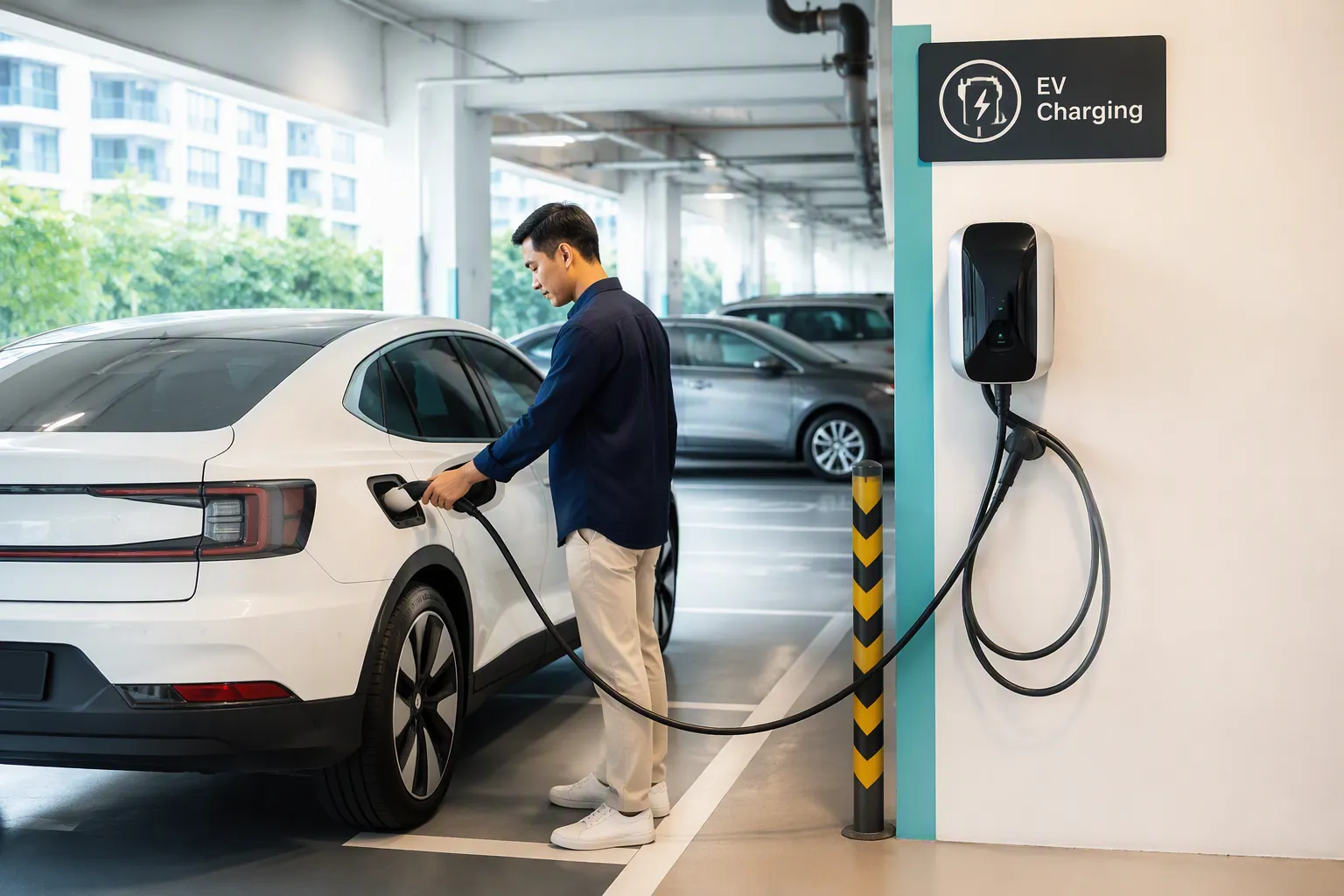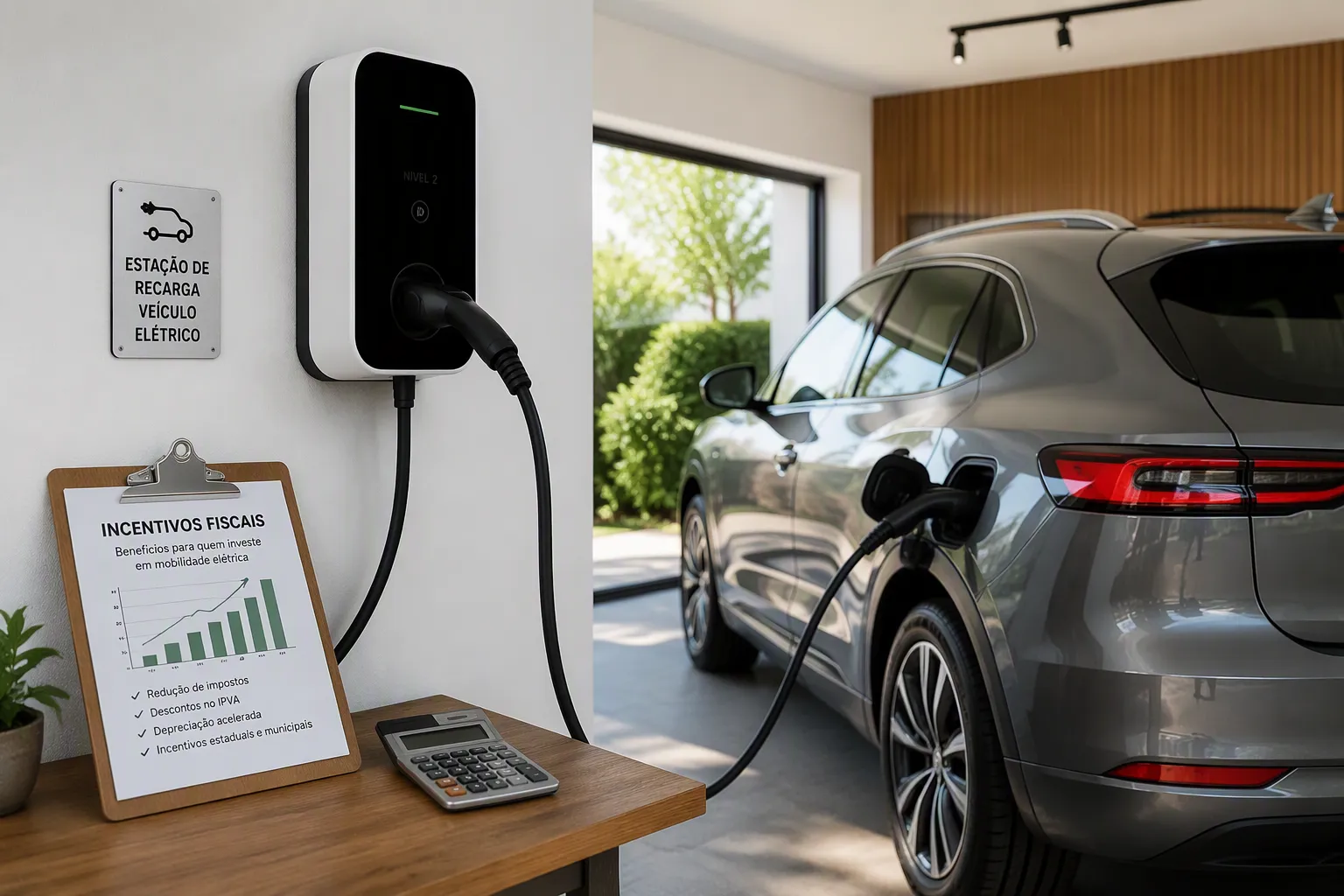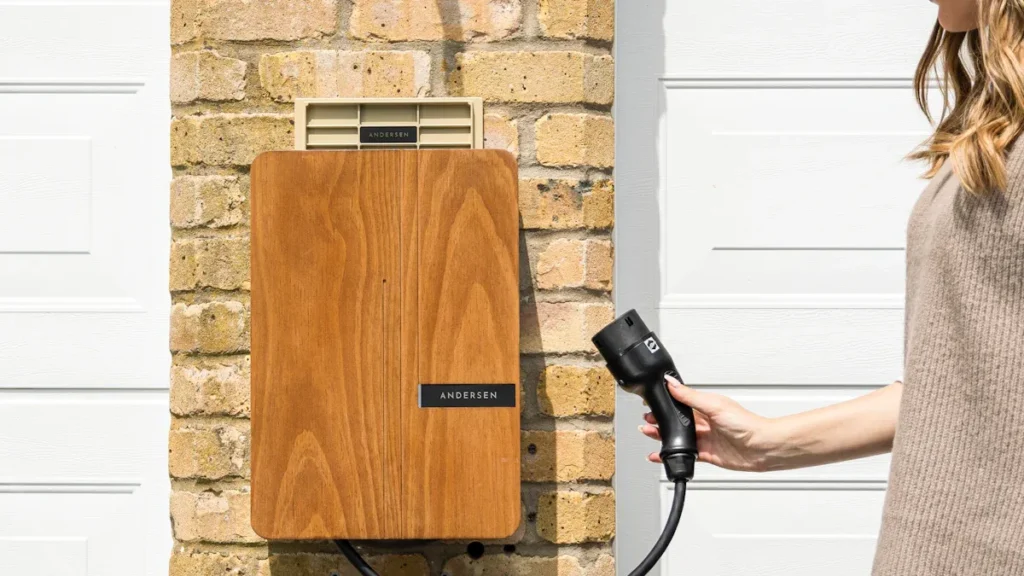
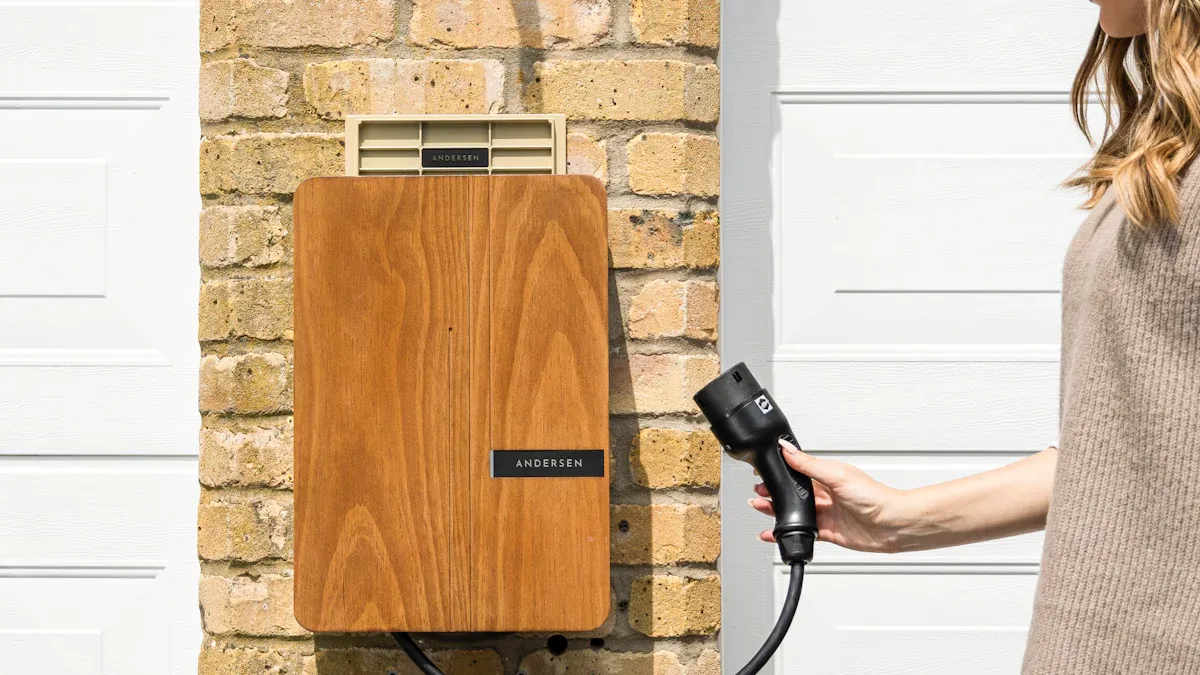
Banyak pengemudi di Italia mendapati adanya pengeluaran tak terduga saat memasang pengisi daya mobil listrik di rumah. Biaya tersembunyi yang umum antara lain pembaruan perangkat keras, biaya tenaga kerja untuk pemasangan pengisi daya di rumah, dan biaya tambahan dari Produsen pengisi daya EV. Beberapa pemilik rumah di Italia harus menanggung biaya tambahan terkait titik pengisian daya, seperti pekerjaan pada panel listrik, paket layanan pengisian daya, dan pemeliharaan. Biaya rata-rata yang dilaporkan bisa melonjak dengan cepat. Untuk menghindari kejutan, mereka sebaiknya membandingkan Pengisi Daya Listrik pilihan, tinjau biaya bersama pihak pemasang, dan periksa setiap perjanjian pengisian daya untuk memastikan tidak ada biaya tersembunyi.
Biaya Perangkat Pengisi Daya untuk Pemasangan di Rumah
Perbedaan Harga Antara Model dan Merek Pengisi Daya
Pengisi Daya Mobil Listrik Premium vs. Dasar
Pembeli di Italia dihadapkan pada rentang harga yang sangat beragam saat memilih perangkat keras untuk titik pengisian daya. Hal ini Biayanya bergantung pada daya keluaran pengisi daya serta fitur-fiturnya. Model premium menawarkan konektivitas canggih, pengisian daya yang lebih cepat, dan kontrol pintar. Pengisi daya dasar menyediakan fungsi titik pengisian standar tanpa teknologi tambahan. Tabel berikut ini menunjukkan kisaran harga rata-rata untuk jenis pengisi daya yang populer di Italia:
| Jenis Pengisi Daya | Kisaran Harga (€) |
|---|---|
| Stopkontak Green’Up yang Diperkuat (3,7 kW) | 500 – 800 |
| Wallbox Satu Fase (7,4 kW) | 1.200 – 1.800 |
| Stasiun Tiga Fase (11–22 kW) | 1.500 – 2.500 |
Model titik pengisian daya kelas premium, seperti stasiun tiga fasa, harganya lebih mahal karena daya yang lebih besar dan fitur-fitur cerdas. Pilihan dasar, seperti soket yang diperkuat, cocok bagi pengemudi yang membutuhkan solusi titik pengisian daya sederhana untuk mobil listrik.
Kompatibilitas dengan Model Mobil Listrik Anda
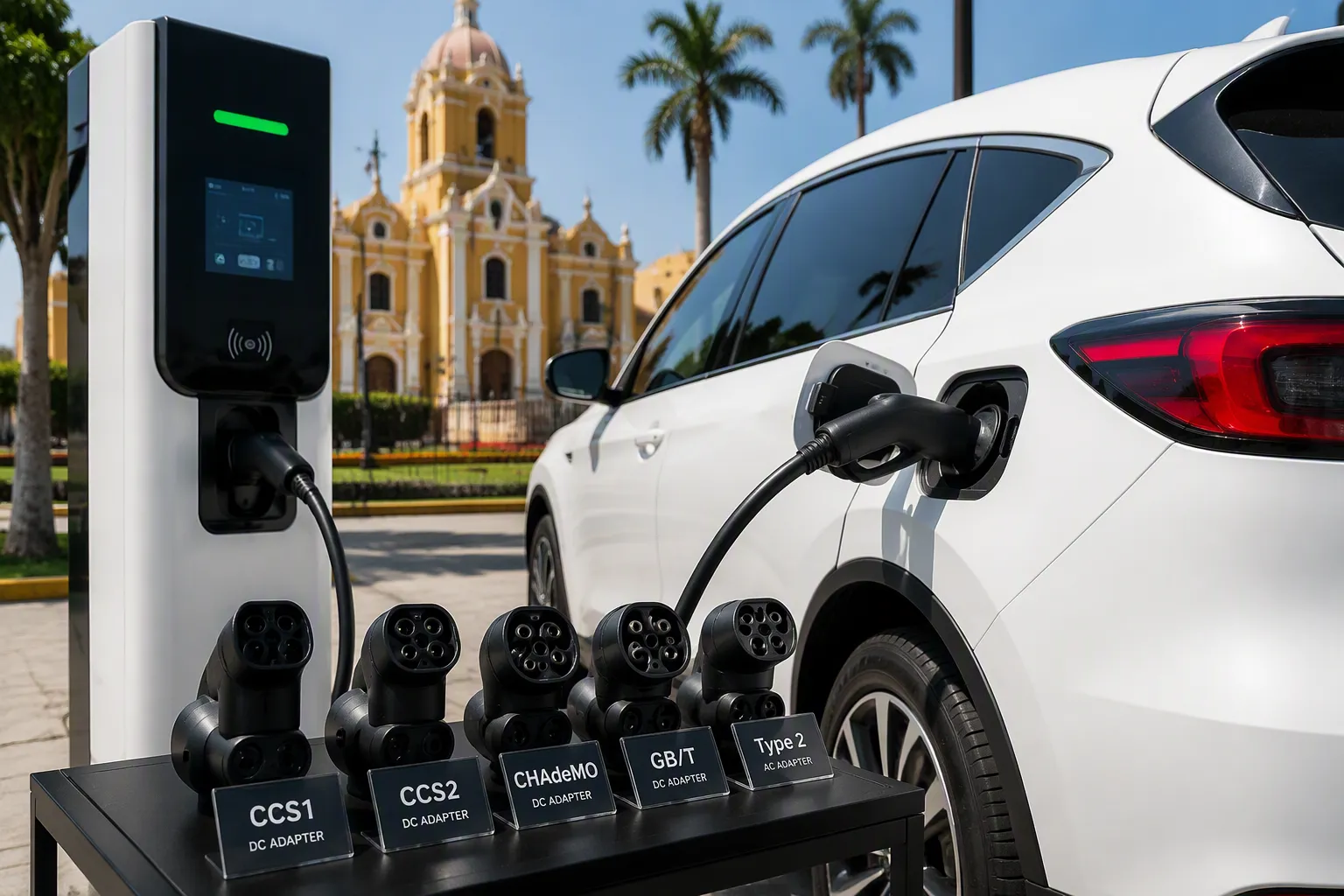
Tidak semua titik pengisian daya kompatibel dengan semua mobil listrik. Pemilik harus Periksa kompatibilitasnya sebelum membeli perangkat keras. Beberapa merek stasiun pengisian merancang produknya khusus untuk mobil listrik tertentu, sementara yang lain menawarkan konektor universal. Perangkat keras yang tidak kompatibel mungkin memerlukan adaptor atau pembaruan, yang dapat meningkatkan biaya total. Memeriksa buku panduan mobil dan berkonsultasi dengan teknisi pemasang dapat membantu menghindari pengeluaran yang tidak perlu di stasiun pengisian.
Aksesori Tambahan dan Peningkatan untuk Pengisi Daya Rumah
Biaya Dudukan Dinding dan Dudukan Lantai
Pemasangan titik pengisian daya yang aman sering kali memerlukan dudukan dinding atau penyangga. Aksesori ini menjaga titik pengisian daya tetap stabil dan mudah dijangkau. Harga dudukan dinding dan penyangga bervariasi tergantung pada bahan dan desainnya. Dudukan dinding dasar harganya lebih murah, sedangkan penyangga yang dapat disesuaikan untuk pemasangan titik pengisian daya di luar ruangan harganya lebih mahal. Para pemasang menyarankan untuk memilih opsi yang kokoh guna melindungi titik pengisian daya dari kerusakan.
Perlengkapan Pelindung Cuaca untuk Pengisi Daya Rumah di Luar Ruangan
Pemasangan titik pengisian daya di luar ruangan memerlukan perlengkapan pelindung cuaca. Perlengkapan ini melindungi titik pengisian daya dari hujan, debu, dan perubahan suhu. Perlindungan terhadap cuaca memperpanjang masa pakai titik pengisian daya dan mengurangi biaya perawatan. Harga perlengkapan ini bergantung pada tingkat perlindungan dan mereknya. Pemilik rumah sebaiknya menanyakan kepada teknisi pemasang apakah perlindungan terhadap cuaca diperlukan untuk lokasi titik pengisian daya mereka.
Sistem Pengaturan Kabel untuk Penggunaan di Rumah
Sistem pengelolaan kabel menjaga area titik pengisian daya tetap rapi dan aman. Sistem ini mencegah risiko tersandung serta melindungi kabel dari keausan. Beberapa model titik pengisian daya sudah dilengkapi dengan penahan kabel dasar, sementara yang lain memerlukan pembelian terpisah. Biaya pengelolaan kabel bergantung pada panjang dan jenis sistemnya. Kabel yang tertata rapi meningkatkan penampilan dan keamanan titik pengisian daya di rumah.
Tips: Mintalah penawaran harga terperinci untuk semua perlengkapan sebelum memasang titik pengisian daya. Hal ini membantu menghindari biaya tak terduga dan memastikan setiap titik pengisian daya memenuhi standar keselamatan.
Biaya penggunaan titik pengisian daya di rumah juga bergantung pada jenis pengisian dayanya. Penggunaan titik pengisian daya di rumah rata-rata €0,25 hingga €0,40 per kWh, yang lebih rendah daripada tarif pengisian daya umum. Memilih perangkat dan aksesori titik pengisian daya yang tepat dapat membantu memaksimalkan penghematan bagi mobil listrik.
Biaya Pemasangan Saat Anda Memasang Pengisi Daya Mobil Listrik di Rumah
Pemasangan Standar vs. Pemasangan Rumahan yang Kompleks
Proses pemasangan pengisi daya mobil listrik di rumah bisa berkisar dari yang sederhana hingga yang sangat rumit. Pemasangan standar biasanya melibatkan pemasangan pengisi daya di dekat panel listrik utama, dengan pemasangan kabel yang minimal dan tanpa modifikasi besar-besaran. Pemasangan yang rumit sering kali memerlukan pekerjaan tambahan, seperti memasang kabel jarak jauh, mengebor dinding, atau menyesuaikan pengaturan untuk penggunaan di luar ruangan. Setiap faktor tersebut dapat memengaruhi biaya pemasangan secara signifikan.
Pemasangan Kabel Panjang pada Instalasi Rumah Tangga
Panjang kabel yang berlebihan meningkatkan biaya bahan dan tenaga kerja. Ketika titik pengisian terletak jauh dari panel listrik utama, teknisi listrik harus menggunakan lebih banyak kabel dan menghabiskan waktu ekstra untuk memasang kabel tersebut di seluruh properti. Situasi ini sering terjadi pada rumah yang lebih besar atau ketika garasi terpisah dari bangunan utama. Pemasang mungkin perlu mengangkat papan lantai atau memasang kabel melalui langit-langit, yang menambah biaya pemasangan secara keseluruhan.
Pengeboran Dinding dan Modifikasi Struktur di Rumah
Beberapa pemasangan memerlukan pengeboran pada dinding tebal atau perubahan struktural. Misalnya, bangunan-bangunan tua di Italia sering kali memiliki dinding batu atau beton bertulang. Teknisi listrik mungkin memerlukan peralatan khusus dan waktu tambahan untuk menyelesaikan pekerjaan tersebut. Modifikasi-modifikasi ini dapat meningkatkan biaya pemasangan, terutama jika properti tersebut memiliki ciri arsitektur yang unik atau titik akses yang terbatas.
Pemasangan Pengisi Daya Rumah di Luar Ruangan vs. di Dalam Ruangan
Memasang pengisi daya di luar ruangan menghadirkan tantangan tambahan. Pemasangan di luar ruangan memerlukan kotak pelindung yang tahan cuaca dan mungkin membutuhkan perlindungan ekstra terhadap kelembapan serta perubahan suhu. Teknisi listrik harus memastikan bahwa semua komponen memenuhi standar keselamatan untuk penggunaan di luar ruangan. Sebaliknya, pemasangan di dalam ruangan biasanya tidak terlalu rumit dan biayanya lebih murah. Pemilik rumah sebaiknya mempertimbangkan lokasinya dengan cermat untuk menghindari pengeluaran yang tidak perlu.
Catatan: Keterbatasan ruang dan lokasi, seperti tidak adanya garasi atau ruang dinding yang terbatas, dapat mempersulit proses pemasangan dan meningkatkan biaya.
Tabel berikut merangkum faktor-faktor paling umum yang meningkatkan kompleksitas dan biaya pemasangan pengisi daya mobil listrik di rumah di Italia:
| Faktor | Deskripsi |
|---|---|
| Kapasitas Listrik | Rumah-rumah mungkin memerlukan peningkatan sistem kelistrikan untuk memenuhi kebutuhan daya yang tinggi dari pengisi daya kendaraan listrik. |
| Pemilihan Pengisi Daya | Memilih antara pengisi daya Level 1 dan Level 2 memengaruhi tingkat kerumitan dan biaya pemasangan. |
| Biaya Instalasi | Biaya tersebut mencakup peralatan, peningkatan sistem kelistrikan, dan biaya tenaga kerja, yang dapat bervariasi tergantung pada lokasi dan tingkat kerumitannya. |
| Teknisi Pemasangan yang Berkualifikasi | Mencari teknisi listrik bersertifikat yang berpengalaman dalam pemasangan pengisi daya kendaraan listrik bisa jadi sulit. |
| Keterbatasan Ruang dan Lokasi | Ruang yang terbatas atau tidak adanya garasi dapat mempersulit proses pemasangan. |
| Peraturan Daerah | Kepatuhan terhadap izin bangunan dan peraturan kelistrikan setempat dapat menambah kerumitan dan biaya. |
Tarif Tenaga Kerja Listrik dan Biaya Lembur untuk Pemasangan di Rumah
Biaya tenaga kerja merupakan bagian yang cukup besar dari total biaya pemasangan. Teknisi listrik di Italia menetapkan tarif mereka berdasarkan wilayah, pengalaman, dan tingkat kerumitan pekerjaan. Pemilik rumah sebaiknya meminta penawaran harga yang terperinci untuk memahami bagaimana biaya tenaga kerja akan memengaruhi tagihan akhir mereka.
Tarif Per Jam Berdasarkan Wilayah di Italia
Tarif per jam tukang listrik bervariasi di seluruh Italia. Di wilayah utara, seperti Lombardia atau Veneto, tarifnya cenderung lebih tinggi karena tingginya permintaan dan biaya hidup yang lebih mahal. Wilayah selatan sering kali menawarkan tarif yang lebih rendah, tetapi ketersediaan teknisi yang berkualifikasi mungkin terbatas. Rata-rata, pemilik rumah dapat mengharapkan biaya antara €35 hingga €60 per jam untuk pekerjaan pemasangan standar. Proyek yang kompleks atau layanan khusus mungkin memerlukan tarif yang lebih tinggi.
Biaya Tenaga Kerja pada Akhir Pekan atau di Luar Jam Kerja
Menjadwalkan pemasangan di luar jam kerja reguler dapat mengakibatkan biaya lembur. Teknisi listrik mungkin mengenakan biaya tambahan untuk pekerjaan yang dilakukan pada akhir pekan, hari libur, atau malam hari. Biaya tambahan ini dapat meningkatkan total biaya pemasangan sebesar 20% hingga 50%. Pemilik rumah disarankan untuk merencanakan pemasangan selama jam kerja reguler jika memungkinkan guna menghindari biaya tambahan tersebut.
Tips: Selalu pastikan tarif tenaga kerja dan biaya lembur yang mungkin timbul sebelum menjadwalkan pemasangan. Meminta rincian perkiraan biaya dapat membantu mencegah kesalahpahaman dan biaya tak terduga.
Perencanaan yang cermat dan komunikasi yang jelas dengan pihak pemasang dapat membantu mengendalikan biaya pemasangan dan memastikan sebuah proses yang lancar untuk menyiapkan sistem pengisian daya di rumah.
Biaya Peningkatan Sistem Listrik untuk Pengisian Daya di Rumah
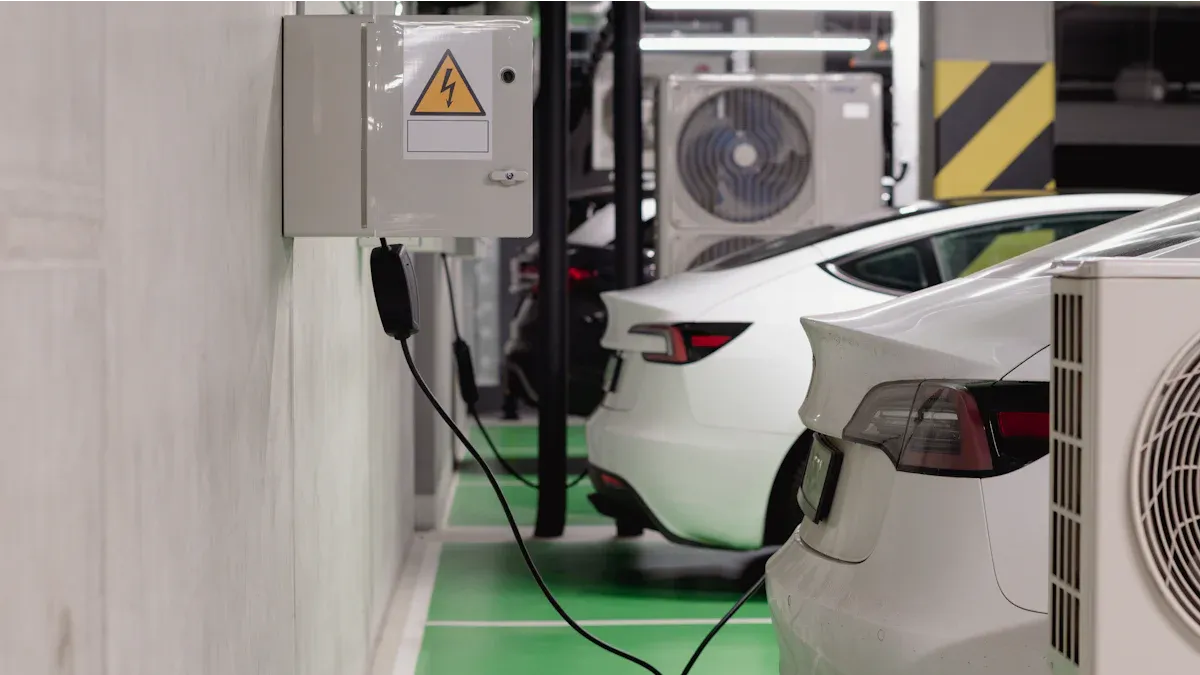
Memperbarui Panel Listrik Rumah atau Kabel Listrik untuk Pemasangan Pengisi Daya
Biaya Penggantian Panel untuk Pengisi Daya Rumah
Banyak rumah di Italia memerlukan pembaruan pada panel listrik utama sebelum memasang pengisi daya rumah modern. Panel yang lebih tua mungkin tidak mendukung arus listrik yang lebih tinggi yang diperlukan untuk pengisian daya yang efisien. Teknisi listrik sering kali merekomendasikan penggantian panel yang sudah usang untuk memastikan keselamatan dan kepatuhan terhadap standar yang berlaku. Hal ini biaya untuk panel baru Biayanya bervariasi tergantung pada ukuran dan kompleksitas sistem. Pemilik rumah dapat memperkirakan biaya antara €500 hingga €1.200 untuk penggantian panel standar. Rumah yang lebih besar atau yang memiliki tata letak kelistrikan unik mungkin akan dikenakan biaya yang lebih tinggi. Memperbarui panel tidak hanya mendukung pengisi daya baru, tetapi juga meningkatkan keselamatan sistem kelistrikan rumah secara keseluruhan.
Peningkatan Instalasi Listrik untuk Arus Listrik yang Lebih Tinggi di Rumah
Pemasangan pengisi daya di rumah sering kali memerlukan instalasi kabel baru yang mampu menangani beban daya yang lebih besar. Instalasi kabel rumah tangga standar mungkin tidak mendukung kebutuhan pengisian daya cepat. Teknisi listrik akan menilai jarak dari panel utama ke lokasi pengisian daya dan memilih kabel yang memenuhi standar keselamatan. Jarak pemasangan kabel yang lebih panjang akan meningkatkan biaya bahan dan tenaga kerja. Misalnya, pemasangan kabel dengan jarak kurang dari 10 meter biasanya berharga antara €300 hingga €500. Jarak 10 hingga 30 meter dapat menaikkan harga menjadi €500–€800, sedangkan pemasangan di atas 30 meter bisa mencapai €1.500. Pemasangan kabel yang tepat memastikan kinerja yang andal dan mengurangi risiko gangguan listrik.
Tips: Pemilik rumah sebaiknya meminta sebuah penilaian terperinci terhadap sistem kelistrikan mereka saat ini Sebelum memulai proses peningkatan apa pun. Langkah ini membantu menghindari biaya tak terduga selama proses pemasangan.
Biaya Izin dan Kepatuhan untuk Pemasangan Pengisi Daya Listrik di Rumah di Italia
Biaya Permohonan Izin untuk Pemasangan di Rumah
Peraturan setempat di Italia mewajibkan adanya izin untuk sebagian besar pemasangan pengisi daya di rumah. Proses pengajuannya meliputi penyerahan dokumen teknis dan pembayaran biaya administrasi. Biaya ini bervariasi tergantung pada pemerintah kota dan tingkat kerumitan proyek. Untuk pemasangan yang sederhana, biaya izin biasanya berkisar antara €100 hingga €300. Proyek yang lebih kompleks, seperti yang melibatkan perubahan struktural atau peningkatan sistem kelistrikan yang signifikan, mungkin akan dikenakan biaya yang lebih tinggi. Penyerahan semua dokumen yang diperlukan tepat waktu akan membantu mencegah penundaan dan biaya tambahan.
Biaya Pemeriksaan untuk Peningkatan Instalasi Listrik di Rumah
Setelah pemasangan, pihak berwenang setempat sering kali mewajibkan dilakukannya inspeksi untuk memastikan kepatuhan terhadap standar keselamatan. Biaya inspeksi bergantung pada cakupan pekerjaan dan jarak pemasangan. Tabel berikut merangkum perkiraan biaya berdasarkan jarak dari panel utama ke titik pengisian daya:
| Jarak Pemasangan | Kisaran Biaya (€) |
|---|---|
| Kurang dari 10 m | 300 hingga 500 |
| 10–30 m | 500 hingga 800 |
| Lebih dari 30 m | 800 hingga 1.500 |
| Total Rata-rata | 1.500 hingga 2.500 |
Biaya-biaya ini mencakup baik proses pemeriksaan maupun proses administrasi. Pemilik rumah sebaiknya memperhitungkan biaya-biaya ini dalam anggaran keseluruhan mereka untuk pemasangan sistem pengisian daya di rumah.
Catatan: Kegagalan dalam memperoleh izin atau pemeriksaan yang diperlukan dapat mengakibatkan denda dan berpotensi membatalkan pertanggungan asuransi atas properti tersebut.
Biaya Pemasangan Jaringan Listrik dan Pemasangan Meteran untuk Pengisi Daya di Rumah
Biaya Peningkatan Daya Listrik (kW) di Rumah
Biaya yang Dikenakan Perusahaan Utilitas untuk Perbaikan Rumah
Pemilik rumah di Italia sering kali menyadari bahwa pasokan listrik yang mereka miliki saat ini tidak cukup untuk memenuhi kebutuhan pengisi daya mobil listrik. Perusahaan listrik mensyaratkan adanya permohonan resmi untuk meningkatkan kapasitas kilowatt yang tersedia. Mereka mengenakan biaya sebesar biaya satu kali untuk peningkatan ini, yang biasanya berkisar antara €200 hingga €500, tergantung pada wilayah dan jumlah daya tambahan yang dibutuhkan. Proses ini mencakup verifikasi teknis dan persetujuan administratif. Penyedia layanan listrik mungkin juga memerlukan pemeriksaan untuk memastikan bahwa sistem kelistrikan rumah tersebut memenuhi standar keselamatan untuk beban yang lebih tinggi.
Saran: Pemilik rumah sebaiknya menghubungi penyedia layanan listrik mereka sebelum membeli pengisi daya. Langkah ini membantu mereka memahami biaya dan persyaratan yang tepat untuk meningkatkan pasokan listrik.
Penyesuaian Tarif Bulanan untuk Pasokan Listrik Rumah Tangga
Setelah melakukan peningkatan pada sumber daya listrik, perusahaan listrik menyesuaikan tarif listrik bulanan. Tarif baru ini mencerminkan kapasitas yang tersedia yang lebih besar, meskipun pemilik rumah tidak menggunakan jumlah maksimum tersebut setiap bulan. Sebagai contoh, peningkatan dari 3 kW menjadi 6 kW dapat menaikkan biaya bulanan tetap sebesar €10 hingga €20. Biaya-biaya ini tercantum dalam tagihan listrik rutin dan akan terus berlaku selama kapasitas yang lebih besar tersebut tetap aktif. Pemilik rumah disarankan untuk mengevaluasi kebutuhan energi mereka dan mengalokasikan anggaran untuk biaya-biaya berkelanjutan ini.
| Tingkat Pasokan Daya | Biaya Peningkatan Sekali Bayar (€) | Kenaikan Tarif Bulanan (€) |
|---|---|---|
| 3 kW | N/A | N/A |
| 4,5 kW | 200 – 300 | 8 – 12 |
| 6 kW | 300 – 500 | 15 – 20 |
Biaya Pemasangan atau Modifikasi Smart Meter untuk Pengisian Daya di Rumah
Biaya Pemasangan Meteran Baru untuk Pengisi Daya di Rumah
Beberapa rumah memerlukan meteran pintar baru untuk mendukung pengisian daya mobil listrik. Perusahaan listrik memasang meteran ini untuk memantau konsumsi energi dan menyediakan opsi penagihan yang lebih canggih. Biaya pemasangan meter pintar baru biasanya berkisar antara €100 hingga €250. Biaya tersebut bergantung pada tingkat kerumitan pemasangan dan jenis meter yang dipilih. Meter pintar membantu pemilik rumah melacak sesi pengisian daya dan mengoptimalkan penggunaan energi.
Biaya Reprogramming Meteran untuk Penggunaan Rumah Tangga
Meteran pintar yang sudah ada mungkin perlu diprogram ulang untuk menangani peningkatan beban akibat pengisian daya mobil listrik. Penyedia layanan listrik mengenakan biaya layanan untuk modifikasi ini, yang biasanya berkisar antara €50 hingga €100. Teknisi akan memperbarui pengaturan meteran untuk memastikan penagihan yang akurat dan pengoperasian yang aman. Pemilik rumah sebaiknya memastikan apakah meteran yang mereka gunakan saat ini mendukung pengisian daya mobil listrik atau apakah perlu dilakukan pemrograman ulang.
Catatan: Perusahaan utilitas mungkin menggabungkan biaya pemasangan dan pengaturan ulang meteran dengan biaya peningkatan layanan lainnya. Pemilik rumah sebaiknya meminta rincian biaya yang terperinci untuk menghindari pengeluaran tak terduga.
Biaya Operasional dan Pemeliharaan Pengisi Daya Mobil Listrik di Rumah
Biaya Pemeliharaan atau Pemeriksaan Tahunan untuk Pengisi Daya Rumah
Kunjungan Servis Terjadwal untuk Stasiun Pengisian Daya di Rumah
Pengisi daya mobil listrik rumahan memerlukan perawatan berkala untuk memastikan pengoperasian yang aman dan efisien. Sebagian besar produsen merekomendasikan kunjungan servis tahunan. Selama kunjungan tersebut, teknisi akan memeriksa pengisi daya, mengidentifikasi tanda-tanda keausan, dan memperbarui perangkat lunak jika diperlukan. Biaya rata-rata untuk kunjungan servis terjadwal di Italia berkisar antara €80 hingga €150 per tahun. Biaya ini mencakup biaya tenaga kerja dan pemeriksaan diagnostik dasar. Perawatan rutin membantu mencegah kerusakan tak terduga dan memperpanjang masa pakai peralatan.
Pemeriksaan Keamanan untuk Pengisi Daya Mobil Listrik di Rumah
Keamanan tetap menjadi prioritas utama bagi pemilik rumah yang menggunakan pengisi daya mobil listrik. Pemeriksaan keamanan tahunan meliputi pengujian sambungan listrik, verifikasi kondisi kabel, dan memastikan bahwa semua fitur keamanan berfungsi dengan benar. Pemeriksaan ini sering dilakukan selama kunjungan servis terjadwal, namun beberapa penyedia layanan menawarkannya sebagai layanan terpisah. Biaya untuk pemeriksaan keselamatan terpisah biasanya berkisar antara €50 hingga €100. Melakukan investasi dalam pemeriksaan rutin dapat mengurangi risiko gangguan listrik serta melindungi kendaraan dan properti.
Kiat: Menjadwalkan perawatan selama masa garansi dapat membantu mendeteksi masalah sejak dini dan mungkin dapat mencegah biaya perbaikan yang mahal di kemudian hari.
Perpanjangan Garansi dan Kontrak Layanan untuk Pengisi Daya Rumah
Harga Perpanjangan Garansi untuk Pengisi Daya Rumah
Produsen biasanya memberikan garansi standar selama dua hingga tiga tahun untuk pengisi daya rumahan. Pemilik rumah dapat membeli garansi tambahan untuk mendapatkan ketenangan pikiran yang lebih besar. Garansi tambahan mencakup biaya suku cadang dan tenaga kerja untuk perbaikan di luar masa garansi awal. Harga garansi tambahan bervariasi tergantung pada merek dan jangka waktu perlindungan, tetapi sebagian besar opsi berharga antara €100 hingga €300 untuk perpanjangan dua hingga tiga tahun. Perlindungan tambahan ini memastikan bahwa biaya perbaikan yang tidak terduga tidak mengganggu anggaran rumah tangga.
Pilihan Paket Layanan untuk Stasiun Pengisian Daya di Rumah
Beberapa penyedia layanan menawarkan kontrak layanan komprehensif yang mencakup pemeliharaan, pemeriksaan keselamatan, dan perbaikan darurat. Paket-paket ini memudahkan perencanaan anggaran karena mencakup semua kebutuhan layanan rutin maupun tak terduga dengan biaya tahunan tetap. Biaya paket layanan umumnya berkisar antara €120 hingga €250 per tahun, tergantung pada tingkat dukungan yang diberikan. Kontrak layanan sering kali mencakup waktu respons prioritas dan potongan harga untuk suku cadang pengganti.
| Pilihan Layanan | Biaya Umum (€) | Masa Pertanggungan |
|---|---|---|
| Pemeliharaan Tahunan | 80 – 150 | 1 tahun |
| Pemeriksaan Keamanan | 50 – 100 | 1 tahun |
| Perpanjangan Garansi | 100 – 300 | Perpanjangan selama 2–3 tahun |
| Kontrak Layanan | 120 – 250 | 1 tahun |
Dibandingkan dengan stasiun pengisian daya umum, pengisi daya rumahan menawarkan tarif yang lebih rendah biaya berkelanjutan. Biaya pengisian daya di rumah berkisar antara €0,20 dan €0,35 per kWh, sehingga biayanya berkisar antara €3 hingga €6 untuk setiap 100 km yang ditempuh. Pengisian daya di stasiun umum, terutama di stasiun pengisian cepat atau ultra-cepat, bisa mencapai €0,90 per kWh. Stasiun umum juga mengharuskan pemeliharaan yang lebih sering dan lebih mahal, yang menyebabkan kenaikan biaya keseluruhan bagi pengguna.
Catatan: Memilih paket layanan atau perpanjangan garansi dapat membantu pemilik rumah menghindari pengeluaran tak terduga dan memastikan pengisian daya di rumah tetap berjalan lancar.
Insentif Pemerintah dan Syarat-syarat Tersembunyi untuk Pemasangan Pengisi Daya Listrik di Rumah
Biaya Pengajuan atau Biaya Administrasi untuk Insentif Perumahan
Biaya Pengurusan Subsidi Pengisi Daya Listrik Rumah
Kementerian Perdagangan dan Made in Italy Italia menawarkan ‘Program ’Bonus Colonnine’ untuk mendukung pemasangan pengisi daya kendaraan listrik di rumah. Program ini memberikan penggantian biaya bagi pemasangan yang memenuhi syarat dan telah diselesaikan pada tahun 2024. Pemohon harus mengajukan permohonan secara daring melalui portal Invitalia. Proses ini mencakup beberapa langkah administratif, yang sering kali menimbulkan biaya tersembunyi.
Para pemohon dikenakan biaya pemrosesan selama proses pengajuan subsidi. Biaya ini mencakup proses peninjauan administratif dan persyaratan pengajuan secara digital. Sebagian besar pemerintah kota mengenakan biaya antara €30 hingga €60 untuk memproses setiap permohonan. Beberapa wilayah mungkin meminta pembayaran tambahan untuk peninjauan cepat atau validasi teknis. Biaya-biaya ini dapat bertambah, terutama bagi kelompok penghuni kondominium atau bangunan multi-unit yang mengajukan permohonan kontribusi dalam jumlah yang lebih besar.
Biaya Penyusunan Dokumen untuk Permohonan Insentif Perumahan
Persiapan dokumen untuk pengajuan insentif memerlukan perhatian yang cermat. Pemohon harus mengumpulkan faktur, sertifikat teknis, dan bukti pemasangan. Banyak yang memilih untuk menyewa jasa profesional guna menyiapkan dan memverifikasi dokumen-dokumen tersebut, yang tentu saja menimbulkan biaya tambahan. Biaya layanan persiapan dokumen biasanya berkisar antara €50 hingga €150, tergantung pada tingkat kerumitan pemasangan dan jumlah formulir yang diperlukan.
Saran: Para pelamar disarankan untuk membaca panduan di portal Invitalia sebelum memulai proses ini. Persiapan yang matang dapat mengurangi risiko penolakan permohonan dan biaya tambahan.
Tabel berikut merangkum aspek-aspek utama dari skema ‘Bonus Colonnine’:
| Aspek | Detail |
|---|---|
| Kelayakan | Orang perseorangan, badan hukum, dan pemerintah kota |
| Sumbangan Keuangan | Biaya pembelian dan pemasangan hingga 80% |
| Kontribusi Maksimum | €1.500 untuk pemasangan standar; hingga €8.000 untuk gedung apartemen |
| Proses Aplikasi | Pengajuan secara daring melalui portal Invitalia |
Pembatasan atau Pengecualian yang Mempengaruhi Kelayakan Rumah
Persyaratan Penghasilan atau Kekayaan bagi Pemilik Rumah
Insentif pemerintah untuk pemasangan pengisi daya di rumah mencakup ketentuan yang ketat kriteria kelayakan. Skema ‘Bonus Colonnine’ ditujukan bagi perorangan, badan hukum, dan pemerintah kota. Beberapa program lokal mensyaratkan bukti kepemilikan properti atau tempat tinggal. Pemohon harus menyerahkan dokumen yang membuktikan status mereka sebagai pemilik rumah atau perwakilan resmi dari kelompok penghuni kondominium. Batas pendapatan mungkin berlaku di wilayah tertentu, sehingga membatasi akses terhadap subsidi bagi rumah tangga dengan pendapatan lebih tinggi.
Pelamar yang tidak memenuhi persyaratan ini berisiko tidak dapat mengikuti program insentif. Mereka harus menanggung seluruh biaya pemasangan tanpa dukungan pemerintah. Memeriksa ketentuan kelayakan sebelum memulai proses ini dapat membantu menghindari kekecewaan dan upaya yang sia-sia.
Batasan Regional untuk Insentif Pengisi Daya Rumah
Perbedaan antardaerah di Italia memengaruhi ketersediaan dan besaran insentif untuk pengisi daya rumah. Beberapa wilayah, seperti Lombardia, menawarkan insentif pembelian hingga €4.000 per mobil listrik. Daerah-daerah lain, termasuk Trento, Piedmont, dan Veneto, memberikan potongan harga yang bersumber dari dana kualitas udara setempat. Pemerintah kota setempat mungkin memberikan fasilitas seperti parkir gratis atau akses ke ZTL (zona lalu lintas terbatas) bagi kendaraan listrik bertenaga baterai.
| Wilayah | Jenis Insentif | Jumlah Bantuan |
|---|---|---|
| Lombardy | Insentif Pembelian | Hingga €4.000 per mobil listrik |
| Trento | Potongan harga untuk kendaraan listrik | Berdasarkan dana kualitas udara setempat |
| Piedmont | Potongan harga untuk kendaraan listrik | Berdasarkan dana kualitas udara setempat |
| Veneto | Potongan harga untuk kendaraan listrik | Berdasarkan dana kualitas udara setempat |
| Kota-kota di Daerah | Manfaat Parkir dan ZTL | Parkir gratis, akses ke Zona Lalu Lintas Terbatas (ZTL) bagi kendaraan listrik baterai (BEV) |
Para pemohon wajib memeriksa pedoman daerah dan kota sebelum mengajukan permohonan. Program insentif dapat berubah tergantung pada anggaran daerah dan prioritas lingkungan. Keterlambatan dalam memenuhi batas waktu daerah atau kegagalan memenuhi kriteria lokal dapat mengakibatkan hilangnya kesempatan untuk mendapatkan dukungan keuangan.
Catatan: Penelitian yang cermat terhadap program-program baik di tingkat nasional maupun regional memastikan bahwa pemilik rumah dapat memanfaatkan insentif yang tersedia secara maksimal dan menghindari pengecualian yang tidak terduga.
Tips untuk Menghindari atau Meminimalkan Biaya Tersembunyi Saat Memasang Pengisi Daya Mobil Listrik di Rumah
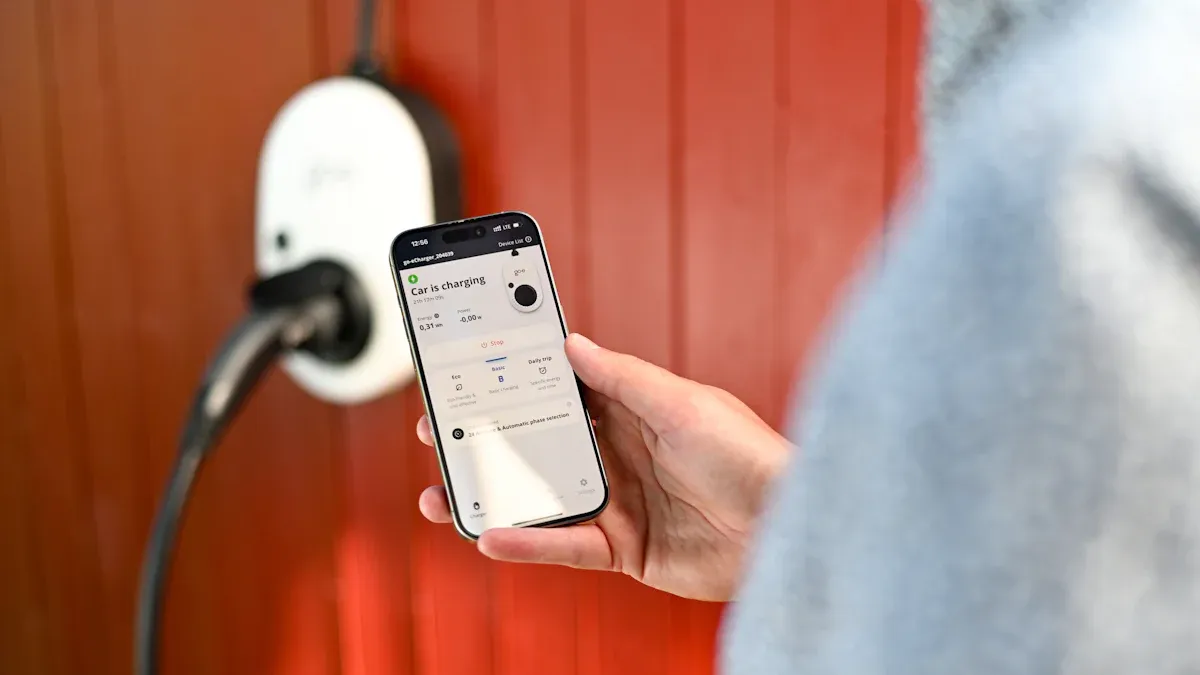
Cara Mendapatkan Perkiraan Biaya yang Akurat untuk Pemasangan Pengisi Daya di Rumah
Permohonan Penawaran Harga Terperinci untuk Pemasangan di Rumah
Pemilik rumah di Italia sering menghadapi biaya tersembunyi saat pemasangan pengisi daya mobil listrik untuk di rumah. Meminta rincian perkiraan biaya dari masing-masing penyedia jasa pemasangan akan membantu mengidentifikasi setiap biaya yang mungkin timbul. Penawaran harga yang terperinci harus mencantumkan perangkat keras, biaya tenaga kerja, izin, aksesori, serta peningkatan sistem apa pun yang diperlukan. Transparansi ini memungkinkan pemilik rumah untuk membandingkan penawaran dan mengidentifikasi biaya tambahan yang tidak perlu.
Tips: Selalu mintalah rincian biaya tertulis sebelum menyetujui pemasangan apa pun. Langkah ini mencegah terjadinya kesalahpahaman dan membantu dalam menyusun anggaran.
Pasar pengisi daya kendaraan listrik di Italia terus berkembang. Saat ini, banyak perusahaan baru yang menawarkan layanan pemasangan. Pemilik rumah sebaiknya hanya bekerja sama dengan teknisi pemasangan bersertifikat untuk memastikan kepatuhan terhadap peraturan setempat dan menghindari kesalahan yang bisa menimbulkan biaya besar.
Membandingkan Beberapa Penyedia Jasa Pemasangan Pengisi Daya Listrik di Rumah
Dengan membandingkan beberapa penyedia jasa pemasangan, pemilik rumah bisa mendapatkan gambaran yang lebih jelas mengenai pasar. Harga dan layanan bisa sangat bervariasi, bahkan di wilayah yang sama. Langkah-langkah berikut ini dapat membantu memastikan penawaran harga yang paling akurat:
- Bekerja sama dengan teknisi pemasang bersertifikat yang mengikuti pedoman dari produsen.
- Pastikan Anda memenuhi syarat untuk mendapatkan insentif dan potongan harga lokal sebelum melakukan pembelian.
- Evaluasi kapasitas panel listrik untuk mendukung pengisi daya dan kebutuhan di masa mendatang.
- Pilih perangkat keras yang sesuai dengan kebiasaan mengemudi sehari-hari dan kebutuhan masa depan, seperti integrasi tenaga surya.
Perbandingan yang cermat membantu pemilik rumah menghindari harga yang terlalu tinggi dan memastikan kesesuaian yang tepat untuk properti mereka.
Pertanyaan yang Harus Diajukan kepada Pemasang dan Penyedia Utilitas tentang Biaya Pengisi Daya Rumah
Klarifikasi Semua Biaya Tambahan Potensial untuk Instalasi Rumah
Banyak pemilik rumah mengabaikan biaya tambahan yang muncul selama proses instalasi pengisi daya mobil listrik rumah. Mengajukan pertanyaan langsung membantu menghindari kejutan. Topik utama meliputi:
- Biaya untuk jalur kabel panjang atau modifikasi struktural
- Biaya untuk izin, inspeksi, dan kepatuhan
- Biaya tambahan untuk tenaga kerja di luar jam kerja atau akhir pekan
- Pengeluaran untuk aksesori seperti perlindungan cuaca atau manajemen kabel
Tabel kesalahan umum dan implikasinya dapat membantu pemilik rumah mempersiapkan:
| Kesalahan | Implikasi |
|---|---|
| Persiapan lokasi yang tidak memadai | Biaya instalasi lebih tinggi dan masalah keamanan |
| Kegagalan untuk meningkatkan sistem kelistrikan | Pasokan daya tidak mencukupi, mengakibatkan biaya peningkatan tambahan |
| Tidak mempekerjakan teknisi listrik bersertifikat | Risiko keamanan dan biaya lebih tinggi akibat instalasi yang tidak tepat |
Catatan: Instalasi yang benar oleh teknisi listrik profesional mencegah masalah keamanan dan biaya tak terduga.
Memahami Ketentuan Garansi dan Layanan untuk Pengisi Daya Rumah
Ketentuan garansi dan layanan dapat memengaruhi biaya jangka panjang. Pemilik rumah harus menanyakan tentang:
- Cakupan garansi standar dan diperpanjang
- Opsi kontrak layanan dan apa yang termasuk di dalamnya
- Jadwal perawatan dan biaya terkait
Memahami ketentuan ini membantu menghindari pengeluaran di masa depan dan memastikan operasi yang andal setelah mereka menginstal pengisi daya mobil listrik rumah.
Pemilik rumah yang mempersiapkan dengan matang dan mengajukan pertanyaan yang tepat dapat meminimalkan biaya tersembunyi dan menikmati pengalaman yang lancar saat menginstal pengisi daya mobil listrik rumah.
Pemilik rumah di Italia menghadapi beberapa biaya tersembunyi saat menginstal pengisi daya mobil listrik. Biaya sering muncul dari perangkat keras, tenaga kerja, peningkatan kelistrikan, penyesuaian utilitas, dan persyaratan kepatuhan. Perencanaan yang cermat membantu menghindari kejutan. Daftar periksa berikut mendukung keputusan yang terinformasi:
| Faktor Pertimbangan | Dampak pada Kelayakan Instalasi |
|---|---|
| Kapasitas Listrik | Diperlukan untuk mendukung pengisi daya EV bersama beban yang ada; peningkatan mungkin mahal. |
| Jenis Pengisi Daya Mobil Listrik | Pengisi daya yang berbeda memerlukan kebutuhan kabel dan sirkuit yang bervariasi; beberapa mungkin tidak layak untuk penggunaan rumah. |
| Kode dan Peraturan Bangunan Lokal | Kepatuhan bersifat wajib dan dapat memengaruhi kelayakan instalasi. |
Mengajukan pertanyaan rinci dan meneliti setiap aspek instalasi memastikan proses yang lancar dan melindungi anggaran rumah tangga.
PERTANYAAN YANG SERING DIAJUKAN
Apa biaya tersembunyi paling umum saat menginstal pengisi daya EV rumah di Italia?
Banyak pemilik rumah mengalami biaya tak terduga untuk peningkatan panel listrik. Rumah tua seringkali tidak memiliki kapasitas untuk pengisi daya modern. Teknisi listrik mungkin merekomendasikan penggantian panel, yang meningkatkan total biaya proyek.
Apakah semua instalasi pengisi daya rumah memerlukan izin di Italia?
Sebagian besar instalasi memerlukan izin. Peraturan lokal bervariasi menurut kotamadya. Pemilik rumah harus memeriksa dengan otoritas lokal sebelum memulai proyek. Kegagalan memperoleh izin dapat mengakibatkan denda atau masalah asuransi.
Bagaimana pemilik rumah dapat menghindari biaya tenaga kerja yang mengejutkan?
Meminta perkiraan terperinci dari pemasang membantu. Pemilik rumah harus menanyakan tentang tarif lembur, pekerjaan akhir pekan, dan biaya tambahan untuk instalasi kompleks. Komunikasi yang jelas mencegah biaya tenaga kerja tak terduga.
Apakah insentif pemerintah dijamin untuk setiap pemilik rumah?
Tidak, insentif tergantung pada kelayakan. Beberapa program memerlukan bukti kepemilikan, tempat tinggal, atau tingkat pendapatan. Perbedaan regional juga berlaku. Pemilik rumah harus meninjau persyaratan sebelum mengajukan.
Apakah meningkatkan pasokan daya rumah akan memengaruhi tagihan bulanan?
Ya. Perusahaan utilitas menaikkan biaya bulanan tetap setelah peningkatan daya. Kenaikannya tergantung pada tingkat kilowatt baru. Pemilik rumah harus menganggarkan biaya listrik berkelanjutan yang lebih tinggi.
Perawatan apa yang diperlukan untuk pengisi daya EV di rumah?
Produsen merekomendasikan inspeksi tahunan dan pemeriksaan keamanan. Kunjungan ini memastikan operasi yang aman dan memperpanjang umur pengisi daya. Kontrak layanan dapat mencakup perawatan rutin dan perbaikan darurat.
Dapatkah pemilik rumah menginstal model pengisi daya apa pun dengan mobil listrik apa pun?
Tidak. Kompatibilitas bervariasi menurut mobil dan model pengisi daya. Beberapa pengisi daya memerlukan adaptor atau konektor spesifik. Memeriksa kompatibilitas sebelum pembelian mencegah pengeluaran tambahan.