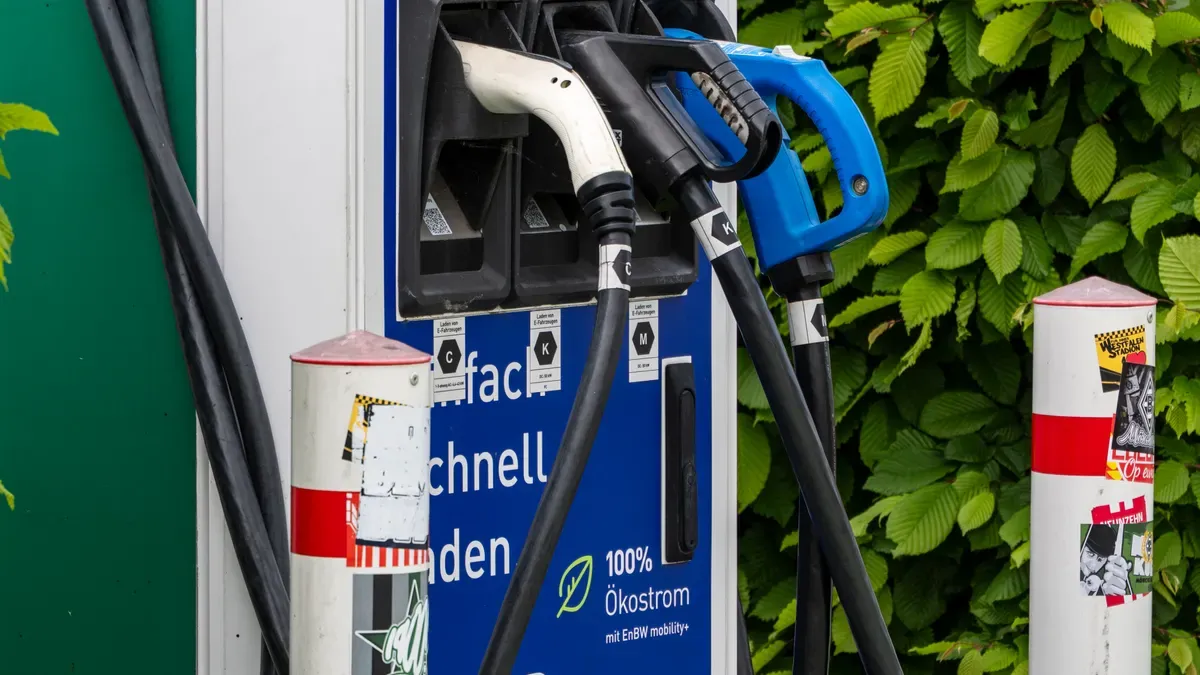
Where is the cheapest place to charge an electric car?
The cheapest place to charge an electric car is at free public charging points or at home with off-peak rates. Find tips to save on EV charging costs.

The cheapest place to charge an electric car is at free public charging points or at home with off-peak rates. Find tips to save on EV charging costs.
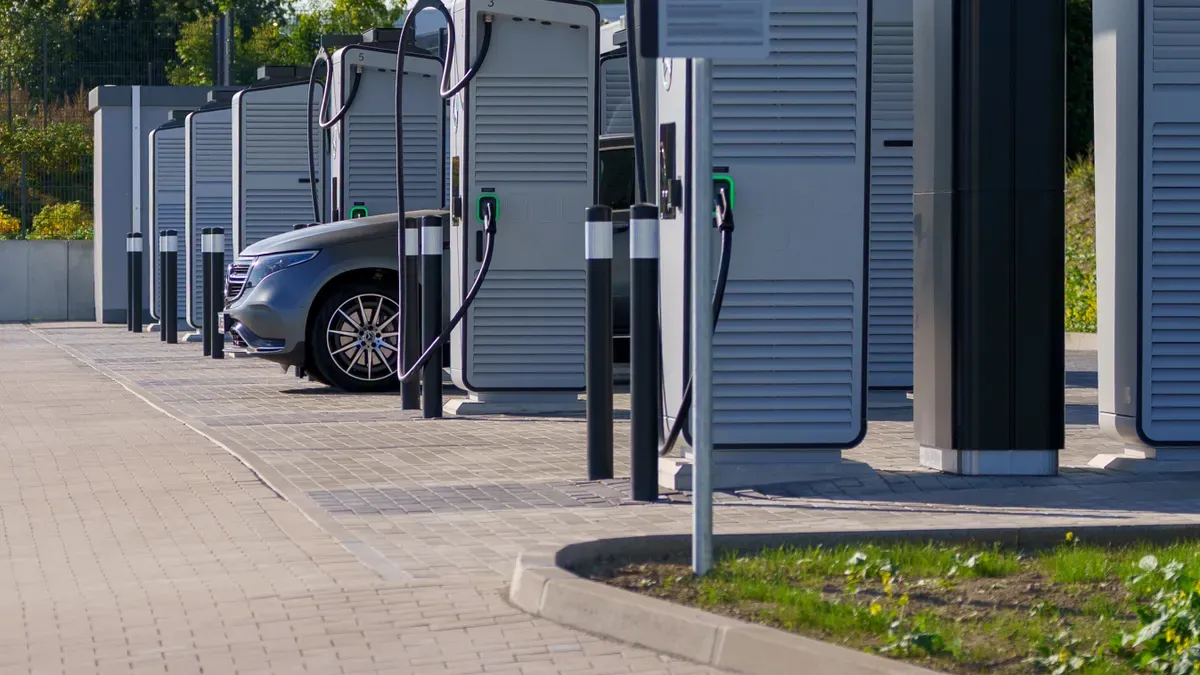
Locate a nearby charging point for electric vehicles using apps, maps, or car navigation. Check real-time status and compatibility for stress-free charging.
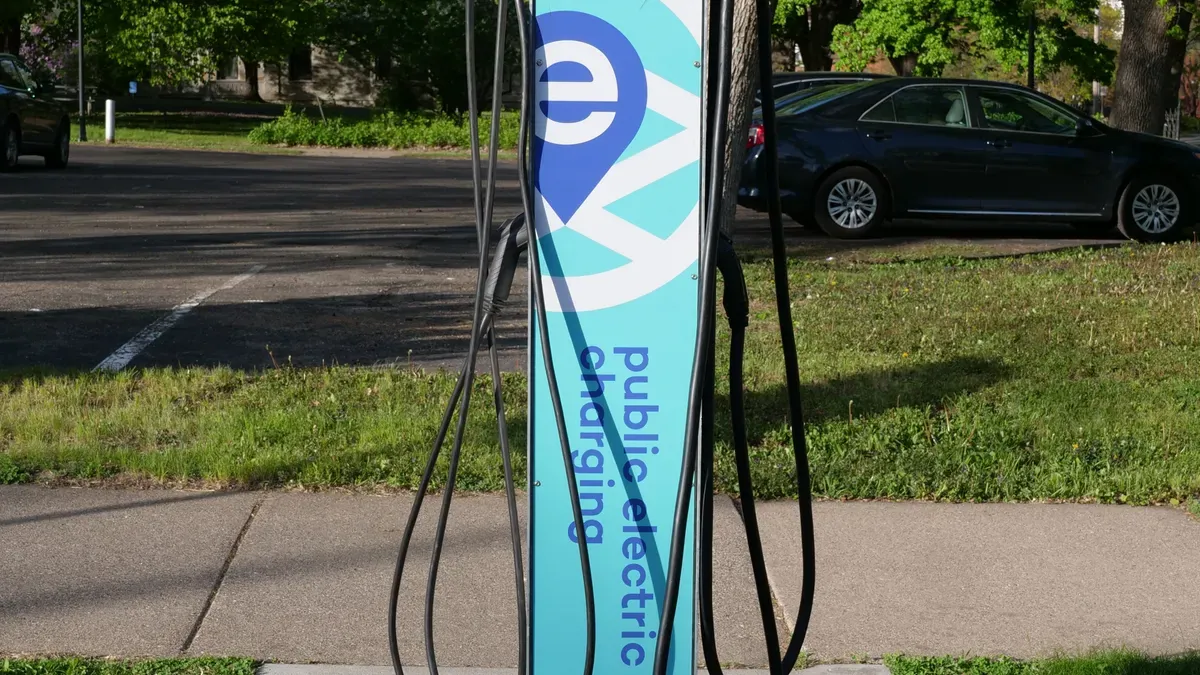
Charge my electric car for free at UK supermarkets, hotels, retail parks, and public car parks. Find locations and tips for free EV charging across the UK.
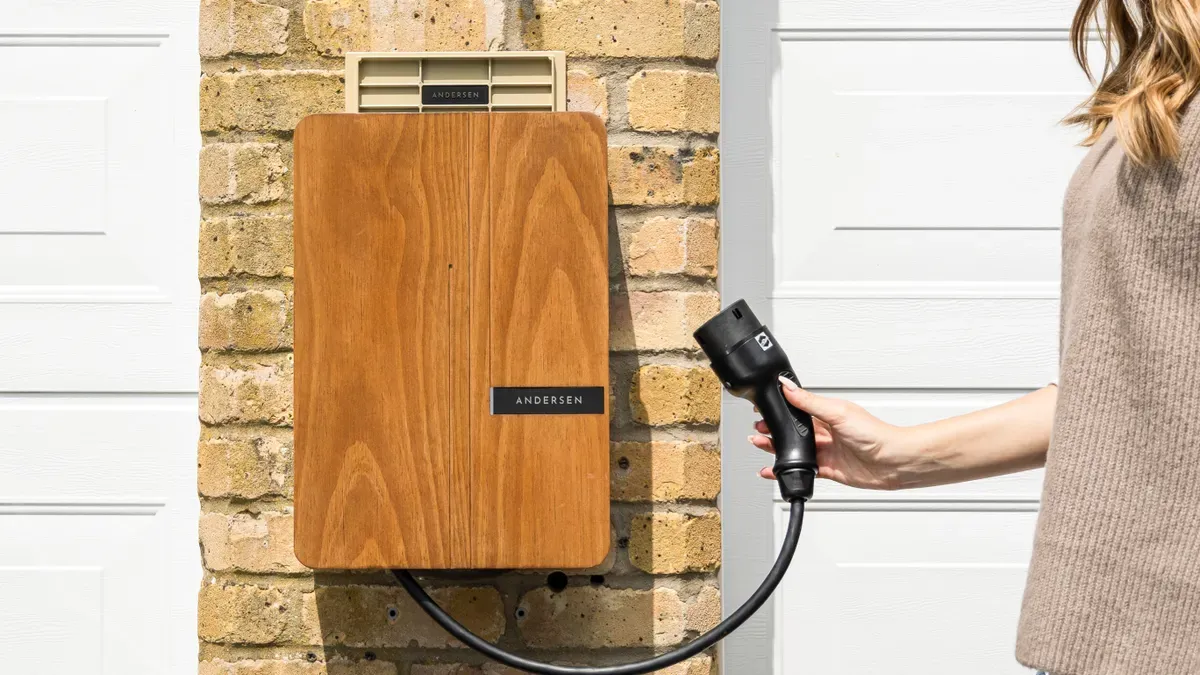
Real cost of a home EV charging box in Thailand (2025): 30,000–80,000 THB, including installation, equipment, and monthly electricity rates.
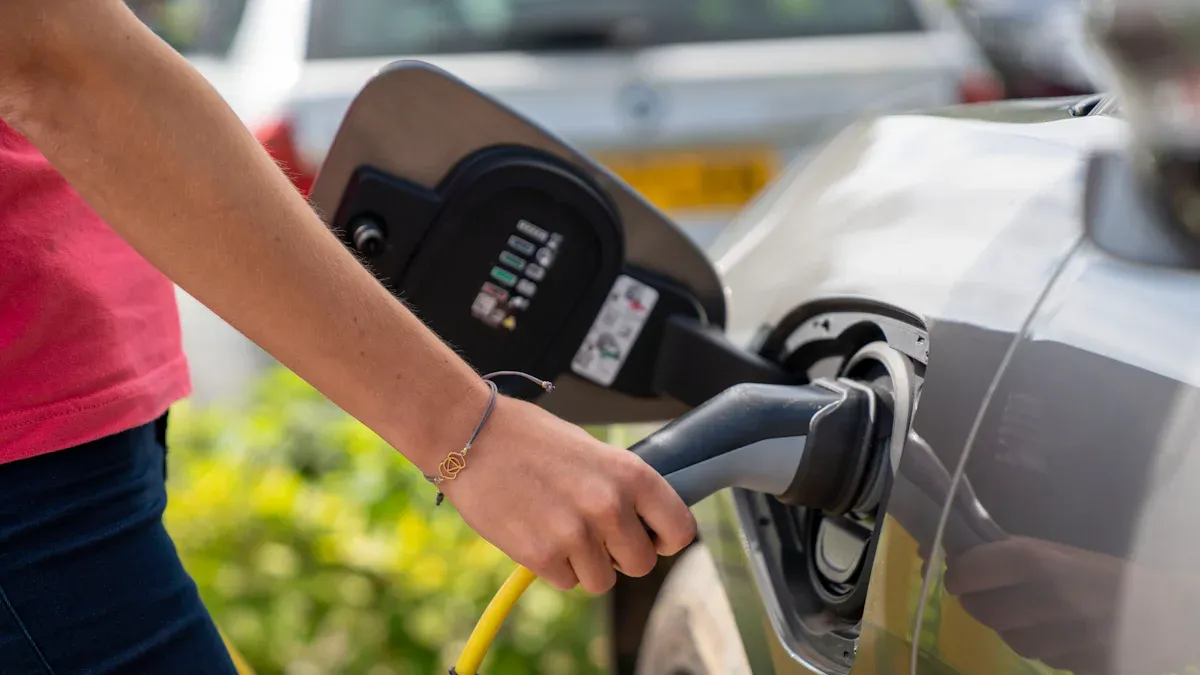
Understand the Difference Between Chargers: 50kW, 150kW, and 350kW. Compare charging speed, EV compatibility, and costs for Chilean drivers.
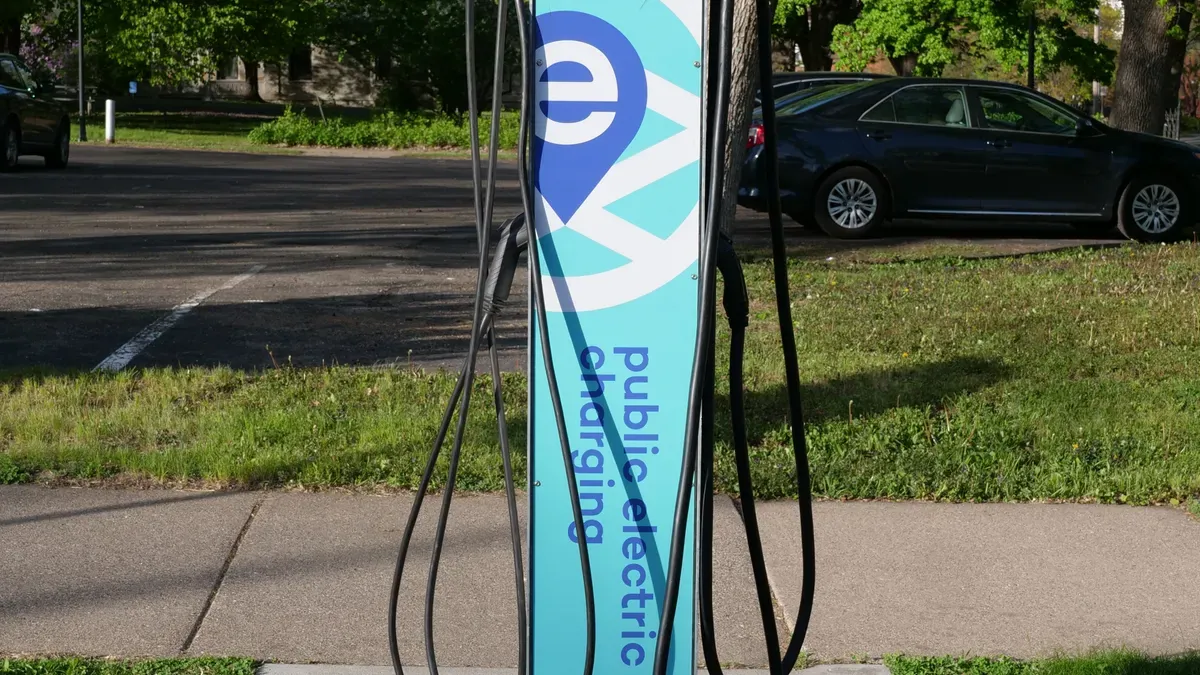
The average cost to charge an EV ranges from $0.03–$0.06 per mile at home, with public charging costing more depending on location and speed.
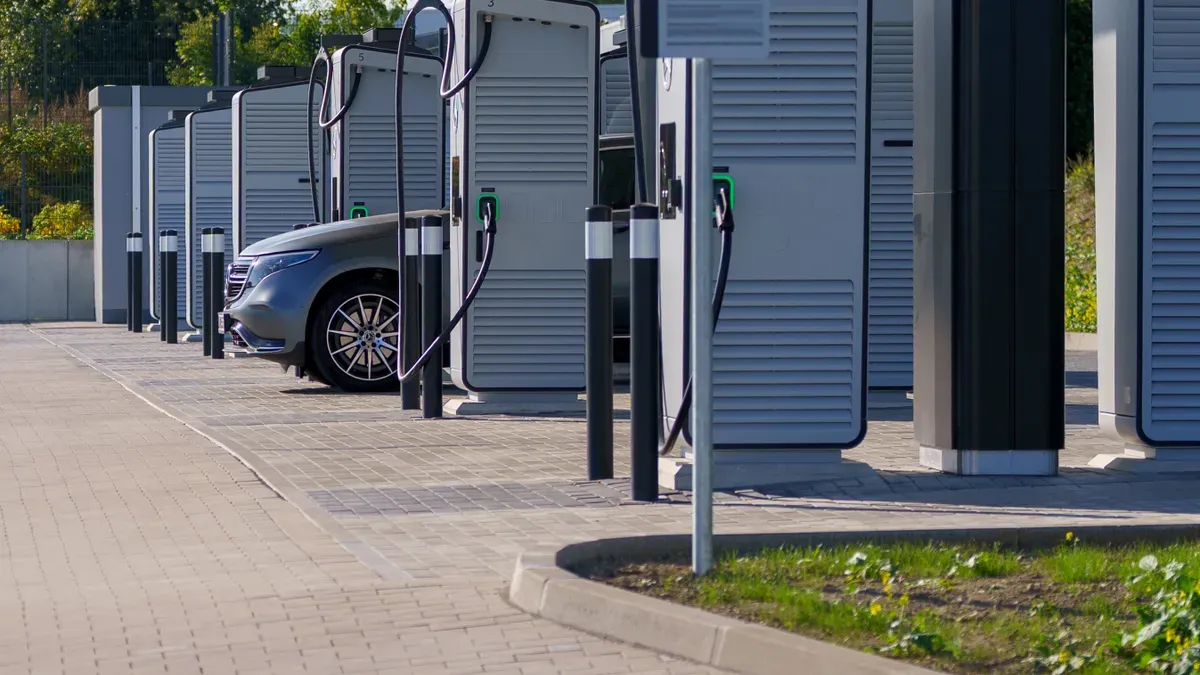
See what’s required for a commercial EV charging station in France, from site assessment and permits to equipment, compliance, and future expansion.
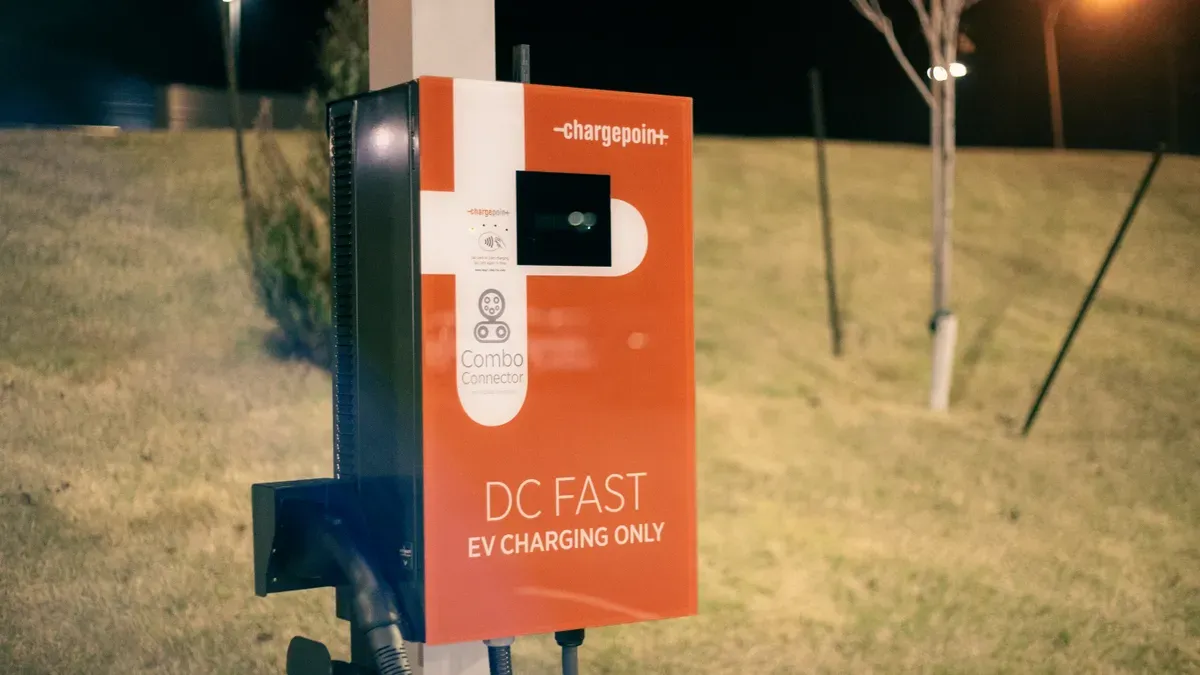
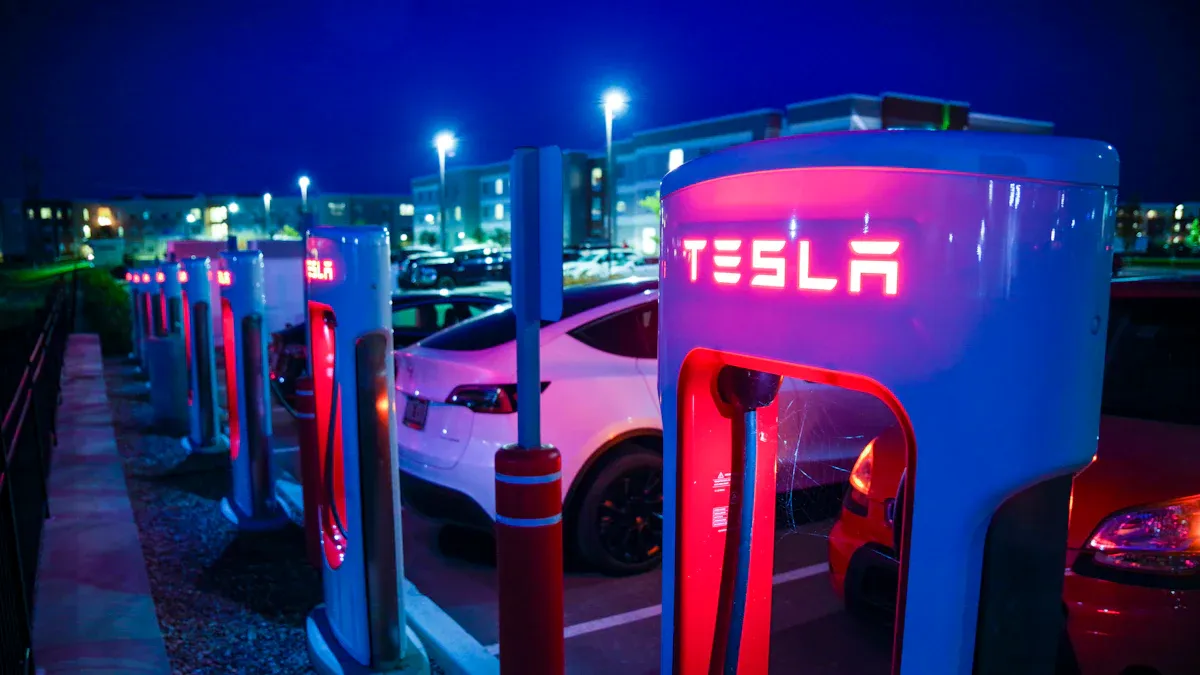
DC fast charging delivers high-voltage direct current to EV batteries, enabling rapid charging—adding up to 200 miles of range in 20-60 minutes.
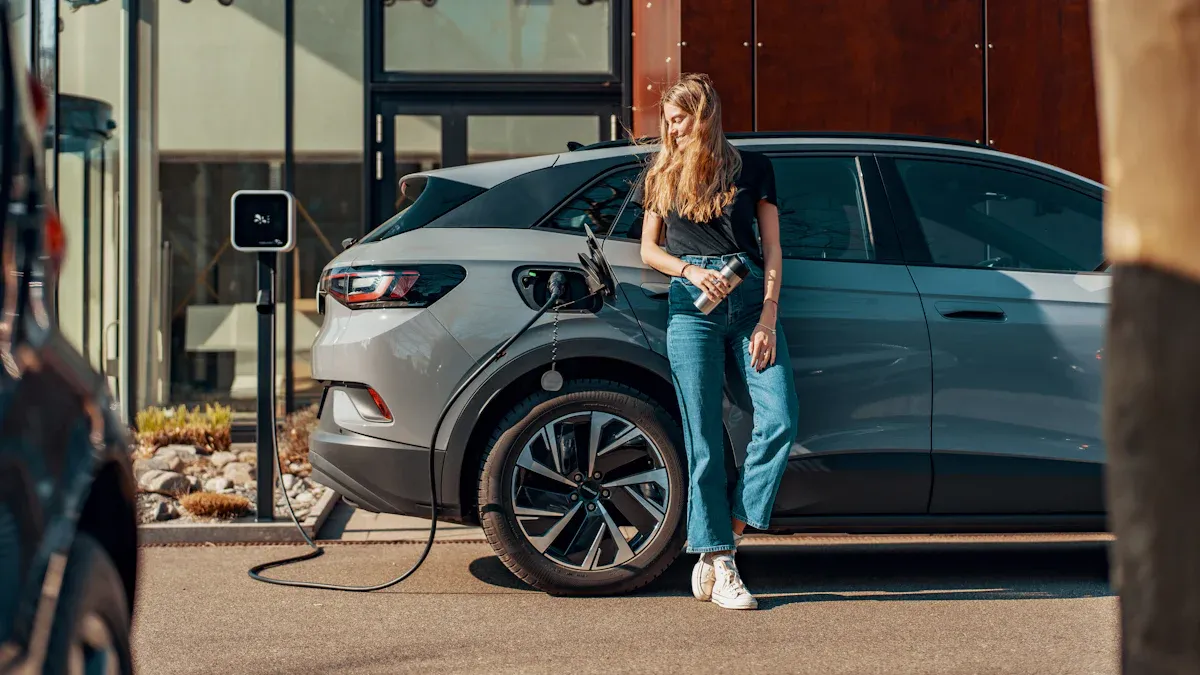
What-are-the-electrical-requirements-for-level-2-and-dc-fast-charging-stations? Find voltage, amperage, panel, and permit needs for safe EV charging.
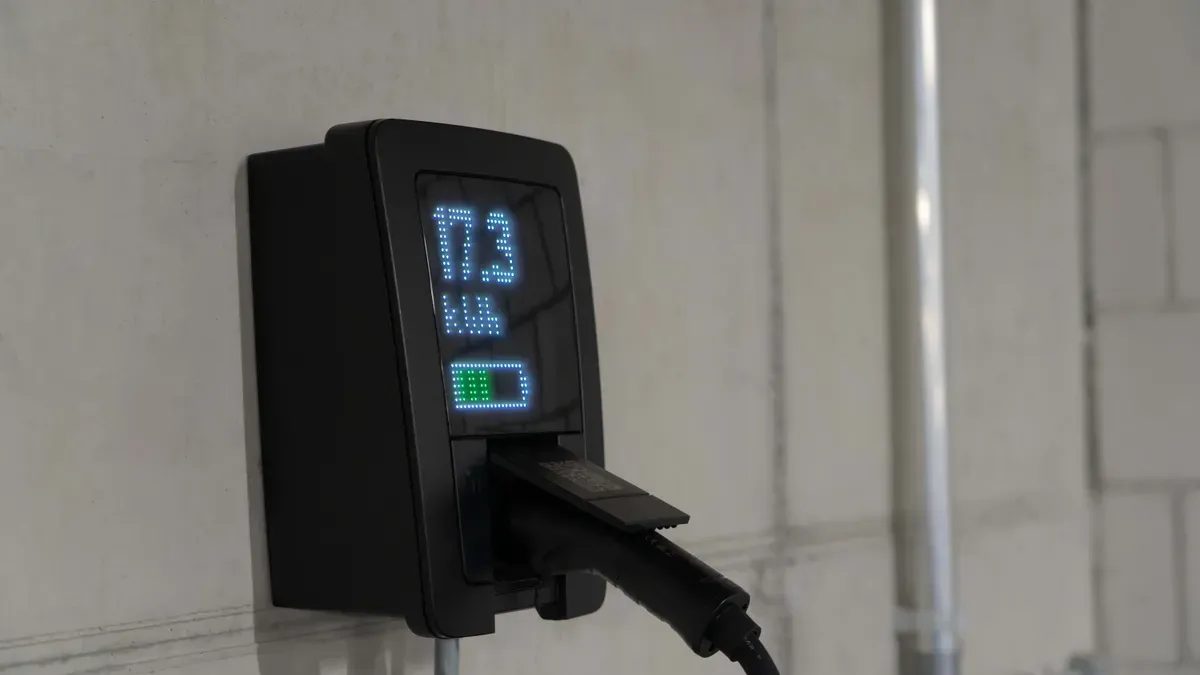
Choose a quality Level 1 EV charger in Malaysia by checking safety certifications, plug compatibility, durability, and smart features for reliable home charging.
Choose a portable EV charger for rural Argentina with local power compatibility, weatherproofing, adjustable rates, and reliable support.
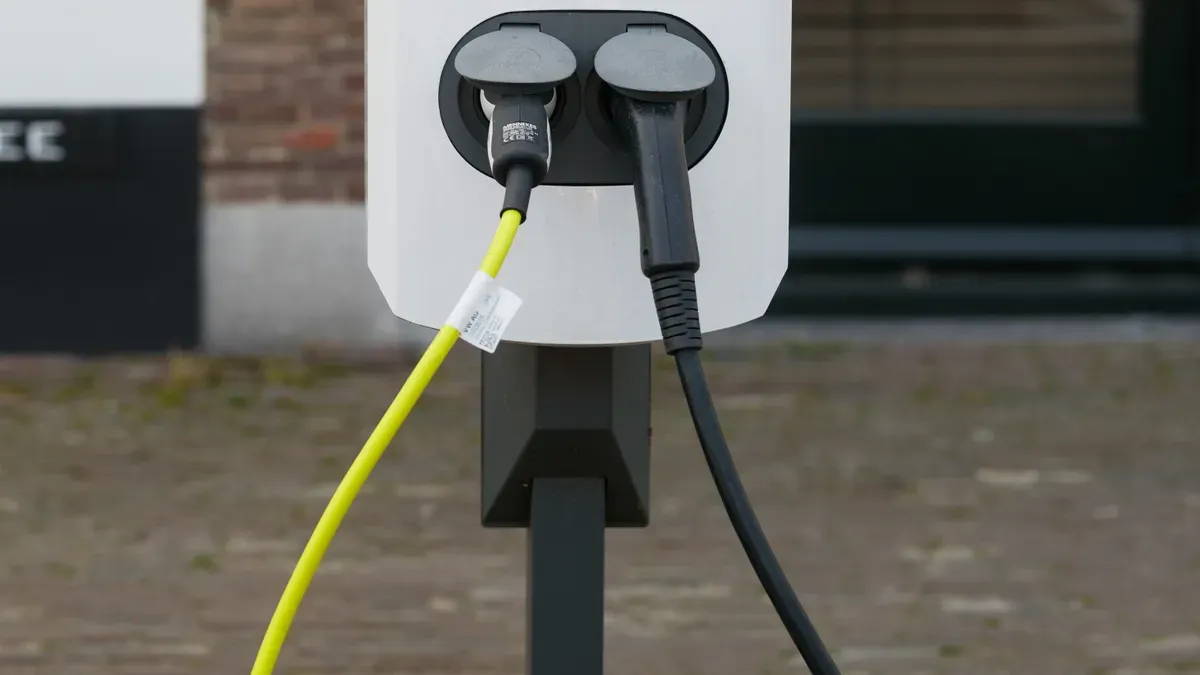
True Cost of a Commercial EV Charging Station in Malaysia: 2025 breakdown of hardware, installation, ongoing expenses, incentives, and ROI factors.
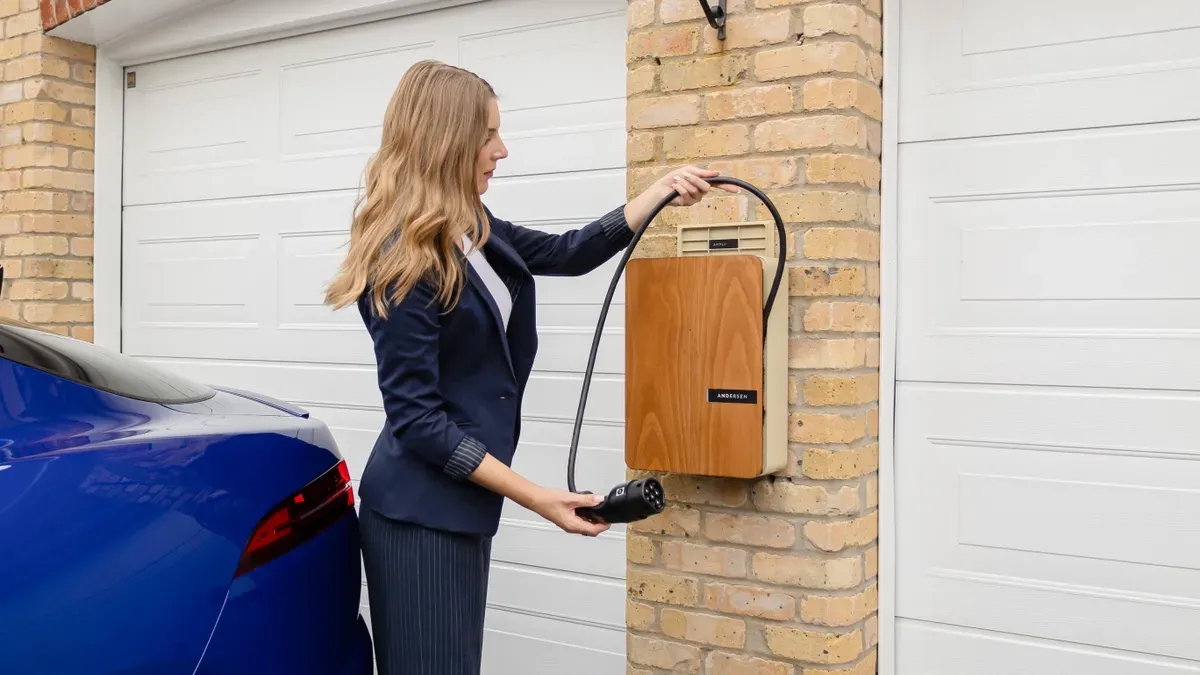
The lifespan of a home EV charger typically ranges from 10 to 15 years, with proper installation and maintenance helping extend its reliable performance.
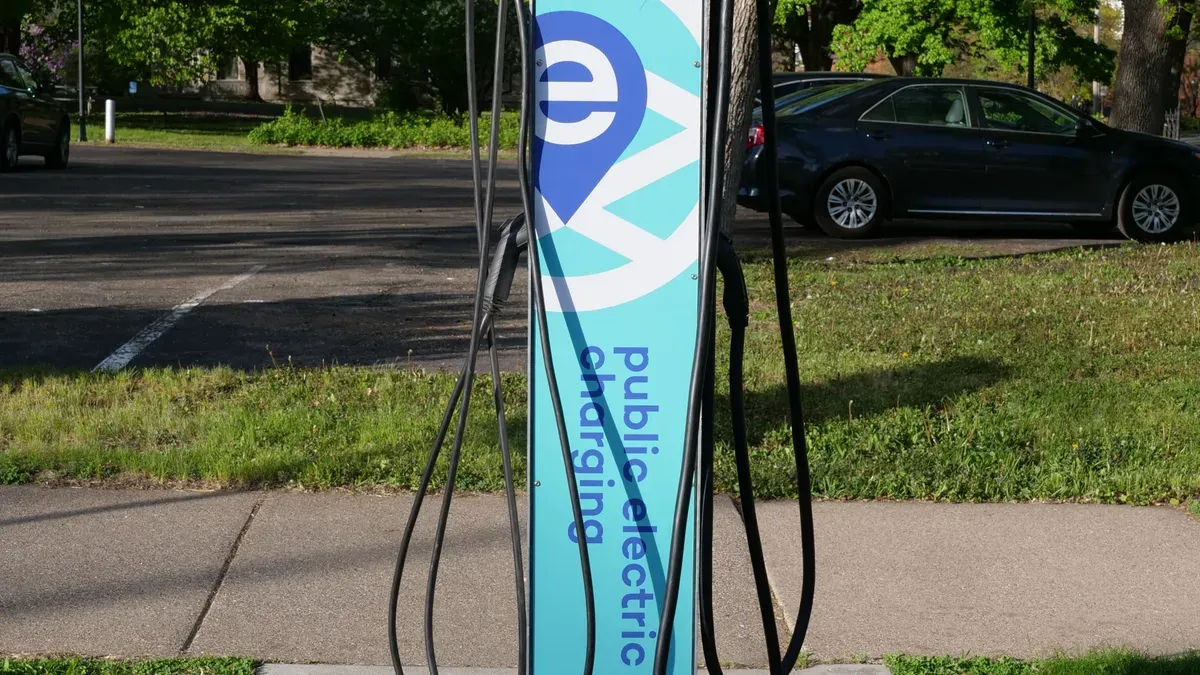
Level 1 charging uses a standard outlet and is slower, while Level 2 charging offers faster speeds with a 240V setup for daily EV needs.
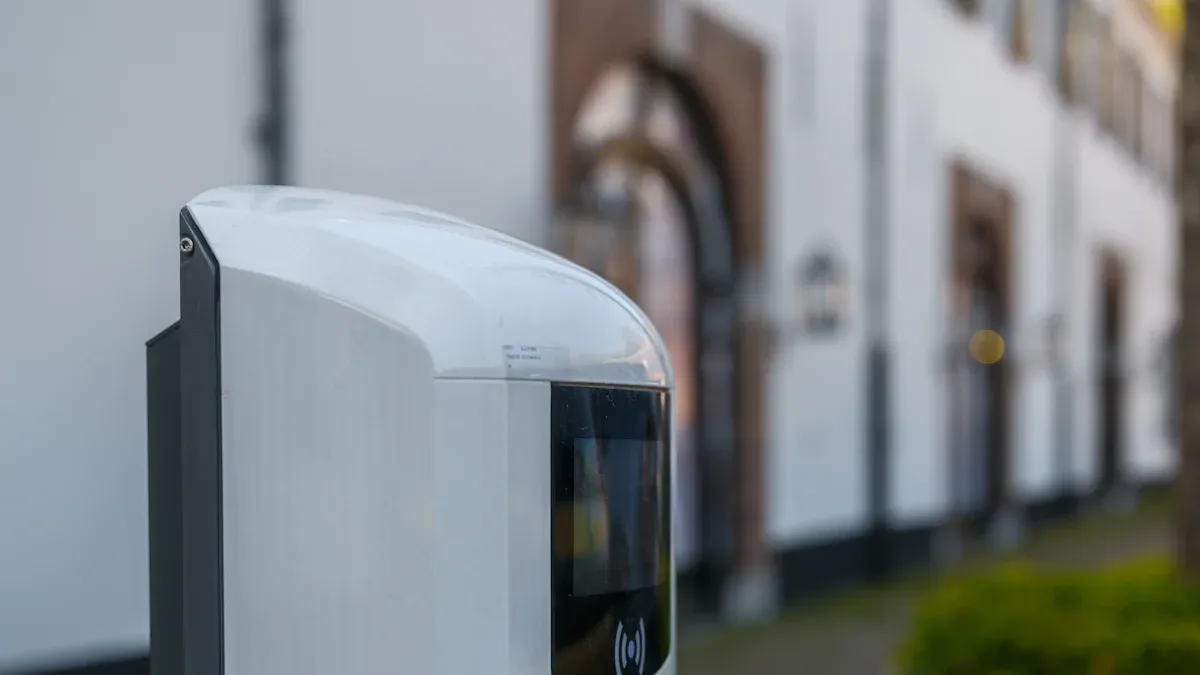
The cost of a Level 2 EV charger in Argentina in 2025 ranges from $1,200 to $2,500 USD, including installation. Key factors impact the final price.
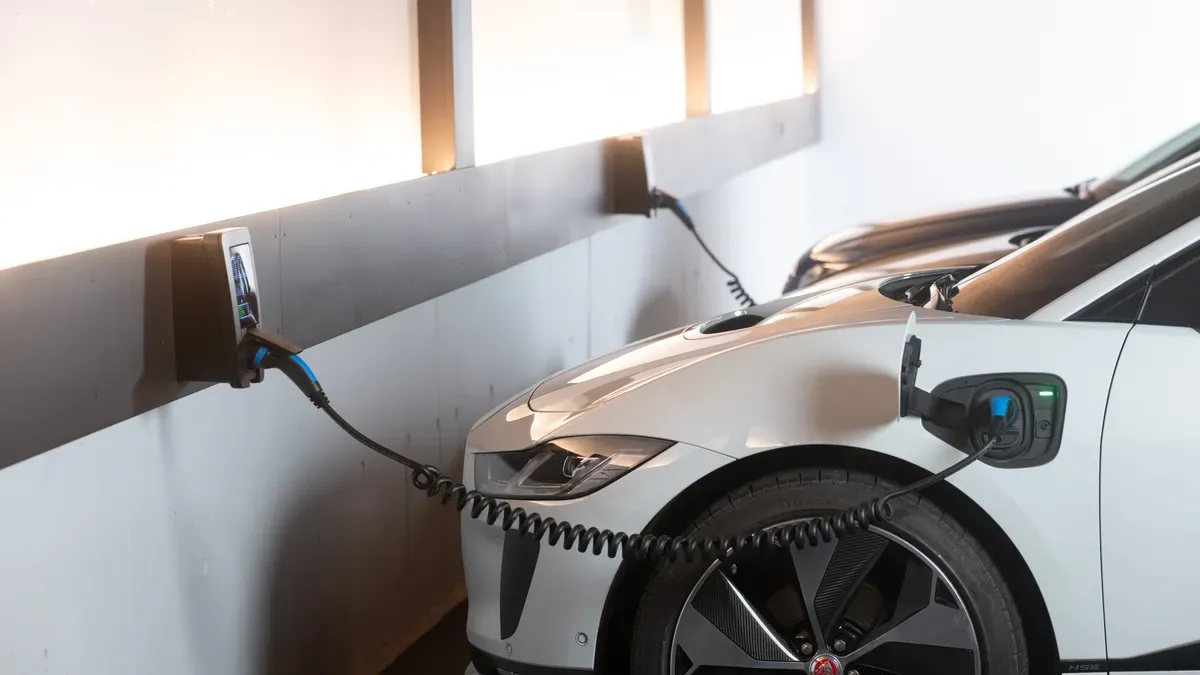
The cheapest way to charge an EV in the UK is home charging with an off-peak tariff, saving hundreds yearly compared to public charging options.

The cheapest way to charge an EV at home is using a Level 1 or 2 charger during off-peak hours and applying smart charging strategies for maximum savings.
The cheapest time to charge an electric car is usually overnight during off-peak hours, when electricity rates are lowest. Check your utility for exact times.