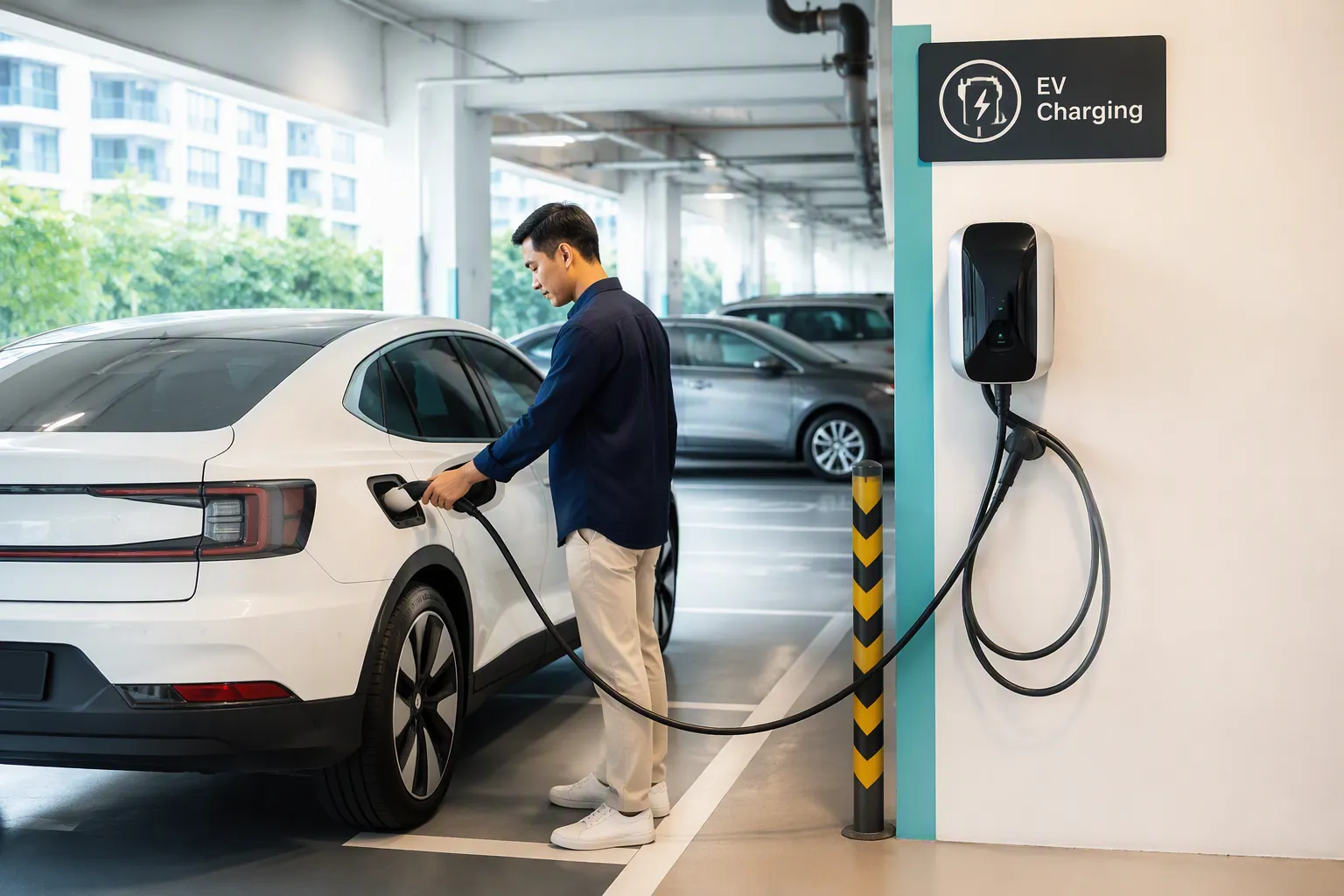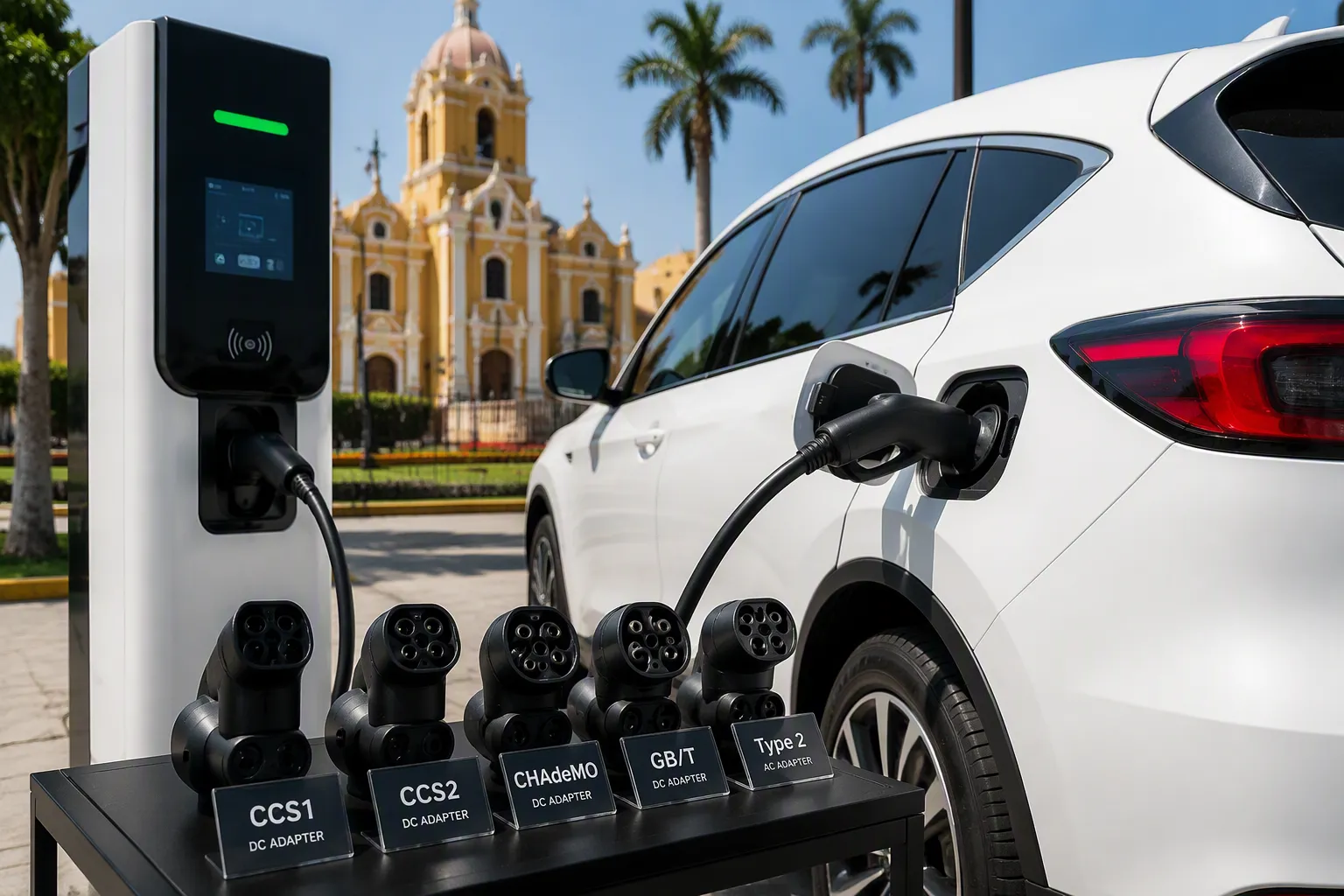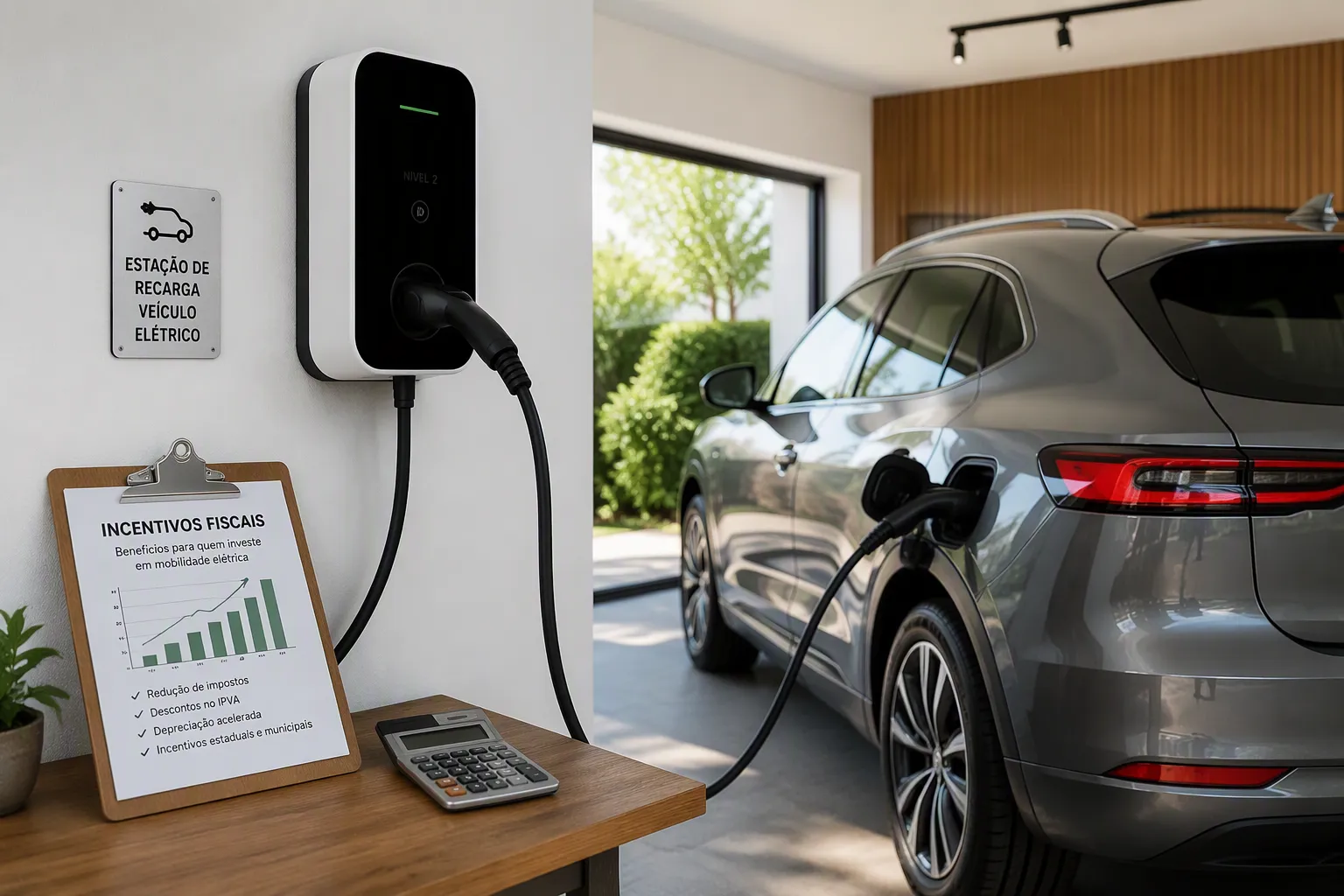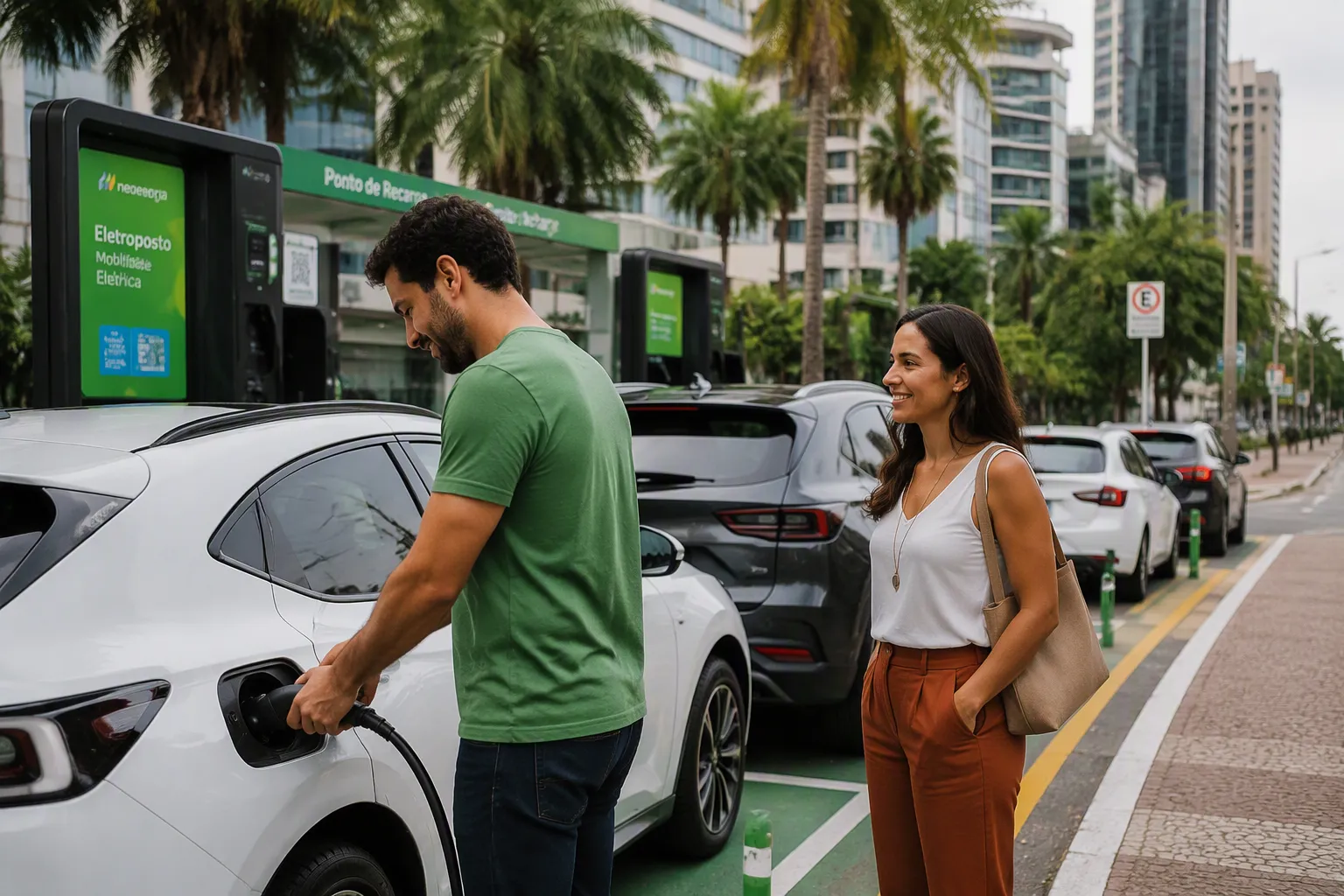
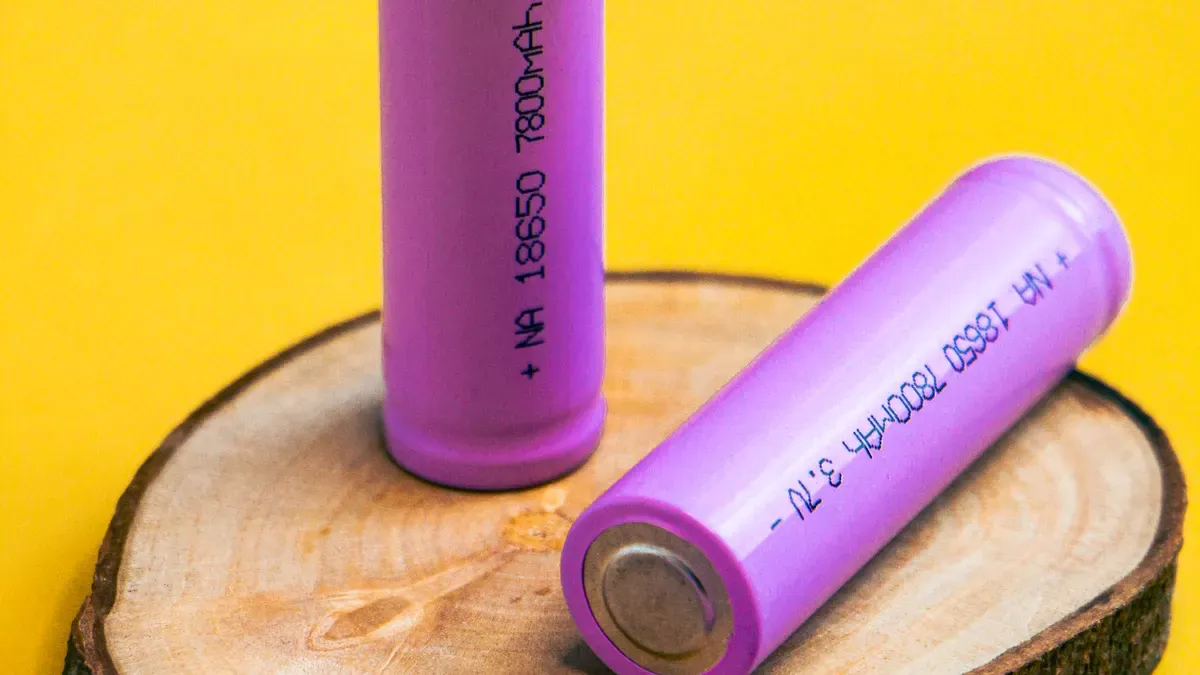
Charging habits play a critical role in electric car performance and longevity. When drivers frequently charge your car to maximum battery charge, they risk reducing battery lifespan. Most Elektrikli araç şarj cihazı üreticileri recommend limiting daily charging. Elektrikli araç şarj çözümleri, such as taşınabilir ev şarj cihazları, help manage charging levels. An electric vehicle owner should use an EV Şarj Cihazı wisely to maintain battery health and efficiency.
How Charging Your Car to Maximum Battery Charge Impacts Battery Health
Battery Chemistry and Stress at 100%
What Happens When You Charge Your Car to 100%
When an EV reaches 100% charge, the battery enters a high-voltage state. The charging process starts with a constant current, but as the battery approaches full capacity, the system switches to a constant voltage mode. This phase ensures that all cells balance, but it also means the battery experiences increased internal voltage. High voltage puts stress on the battery cells, which can lead to unwanted chemical reactions and heat buildup. These conditions do not immediately damage the battery, but repeated exposure accelerates wear.
- Charging electric vehicle batteries to 100% increases internal battery voltage, which stresses the battery cells and shortens lifespan.
- High charge levels (90%-100%) can lead to faster degradation due to heat generation and side reactions in the battery.
- Full charging increases safety risks, such as thermal runaway, due to high internal pressure.
Why Maximum Battery Charge Causes Degradation
Lithium-ion battery chemistry responds poorly to frequent full charges. Charging to maximum capacity strains the electrodes, reducing their ability to store energy over time. The battery becomes less efficient, and its overall performance drops. Maintaining a charge between 20% and 80% helps preserve the integrity of the electrodes and enhances battery performance by avoiding extreme conditions that accelerate wear.
- Charging lithium-ion batteries to their maximum capacity can cause strain on the electrodes, leading to reduced storage capacity over time.
- Maintaining a charge between 20% and 80% helps preserve the integrity of the electrodes and enhances battery performance by avoiding extreme conditions that accelerate wear.
Research shows that batteries are more chemically stable when charged to around 50% compared to being fully charged or deeply discharged. Cycling a battery between 80% and 30% can significantly extend battery life, as opposed to cycling from 100% to 0%. These practices help maintain battery health and reduce the risk of rapid degradation.
Battery Degradation and Longevity
Effects of Regularly Charging to 100%
Frequent charging to 100% puts additional stress on battery cells. Over time, this practice leads to faster battery degradation. The battery loses capacity more quickly, which means the EV will not travel as far on a single charge. Owners may notice a decline in range and performance after many charging cycles at maximum battery charge.
- Charging to 100% can lead to faster battery degradation over time.
- Lithium-ion batteries in electric vehicles generally have a longer lifespan when not frequently charged to their maximum capacity.
- Frequent full charges put additional stress on battery cells, shortening their lifespan.
How to Extend Battery Life with Smart Charging
Smart charging habits can help extend battery life and improve the ownership experience. Setting a charging limit between 70% and 80% for daily use reduces stress on the battery. Avoiding deep discharges and overcharging supports long-term battery health. Owners should plan their charging cycle to keep the battery within the optimal range whenever possible.
Tip: Use built-in EV settings or smart chargers to set charging limits and monitor battery health. These tools make it easier to follow best practices and protect your investment.
Recent advancements in battery technology, such as solid-state batteries, promise higher energy density, enhanced safety, and potentially faster charging. These innovations aim to address some of the challenges associated with charging to 100%. For example:
| Özellik | Detaylar |
|---|---|
| Tip | Solid-state batteries (SSBs) |
| Key Promises | Higher energy density, enhanced safety, potentially faster charging |
| Hızlı Şarj Özelliği | Samsung: 9-minute full charge; Toyota: 10-minute fast charge |
| Menzil | Toyota: 1,200 km (745 miles) range expected |
| Güvenlik | Non-flammable electrolyte, no liquid leakage |
While these technologies continue to develop, following smart charging practices remains the best way to maintain battery health and maximize the lifespan of an electric car.
The 80% Rule for EV Charging Explained
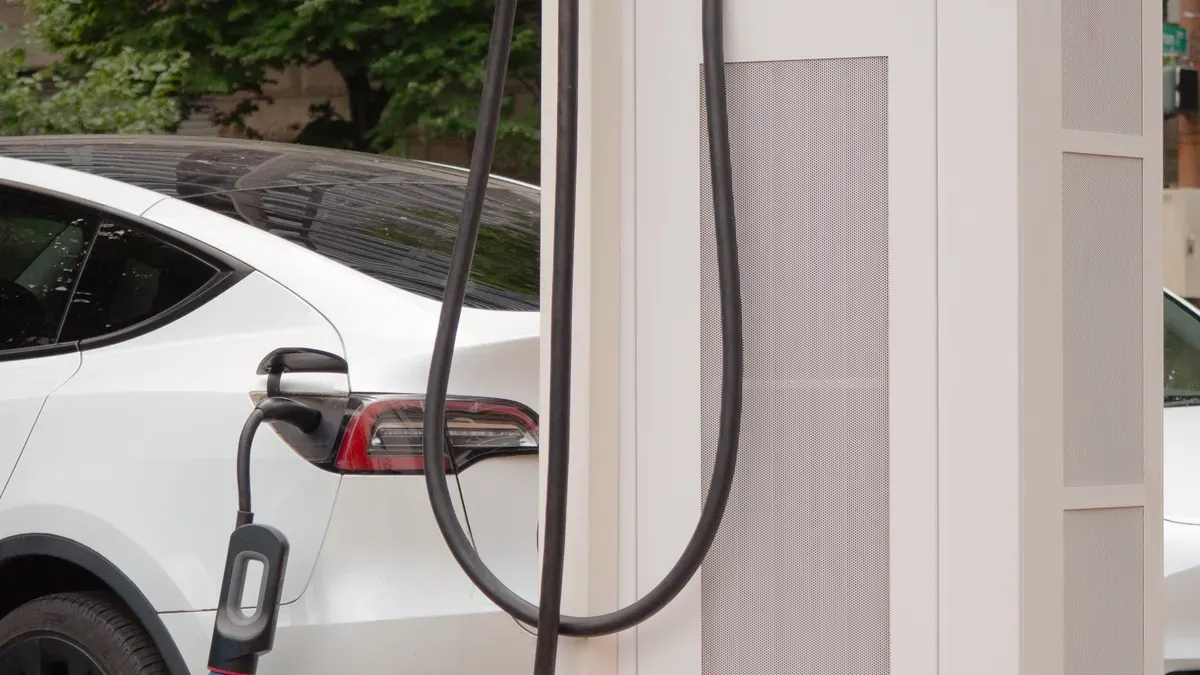
Why Set an 80% Limit on Charging?
Balancing Daily Range and Battery Health
Electric vehicle owners often wonder how much they should charge their cars for daily use. The 80% rule for EV charging offers a practical solution. Charging up to 80% helps maintain battery longevity by keeping it within the optimal range of 20-80%. Lithium-ion batteries operate most efficiently in this range. This approach reduces stress on the battery and slows down the natural aging process.
- Charging to 80% keeps the battery in its healthiest range.
- Lithium-ion batteries perform best between 20% and 80%.
- Charging from 10-80% is usually faster than charging from 80-100%, saving time.
Drivers who follow this rule also help others by promoting considerate use of public charging stations. By charging only as much as needed, they reduce wait times and make charging infrastructure more accessible for everyone.
Manufacturer Recommendations for Charging Limits
Major EV manufacturers provide clear guidance on daily charging practices. They suggest keeping the charge between 20% and 80% for regular use. Full charges to 100% should be reserved for long trips or when the battery needs recalibration. Regularly charging to 100% can stress the battery, while letting it drop too low can also cause wear.
Note: Following manufacturer recommendations helps preserve battery health and ensures the electric car delivers reliable performance over time.
How to Set an 80% Limit on Your EV
Using Built-In Car Settings
Most modern EVs allow drivers to set an 80% charging limit using the vehicle’s built-in controls. Owners can access the charging settings through the car’s touchscreen or companion app. Adjusting the charging limit to 80% ensures the system automatically stops charging at the desired level. Monitoring the charging process helps confirm that the battery does not exceed this limit.
| Adım | Eylem |
|---|---|
| 1 | Open the vehicle’s charging menu on the touchscreen or app |
| 2 | Set the charging limit to 80% |
| 3 | Monitor the charging status to ensure it stops at the set limit |
Some vehicles, such as those supported by TPSON’s advanced charging solutions, offer user-friendly interfaces for setting and monitoring charging limits. These features make it easier for drivers to protect their battery and optimize charging sessions.
Setting Limits with Smart Chargers and Apps
Smart chargers and third-party apps provide additional flexibility for managing charging limits. For example, the Tronity app can notify drivers when the vehicle reaches 80% charge. The MyPeugeot app allows users to check charging status and adjust settings to defer charging until a specific time. Unplugging and replugging the charger can reset the process, ensuring the new settings take effect.
- Use apps like Tronity to receive notifications at 80% charge.
- Check charging status and adjust settings in the MyPeugeot app.
- Defer charging to off-peak hours for cost savings and convenience.
- Reset the charging process if needed by unplugging and reconnecting the charger.
TPSON’s smart charging solutions integrate seamlessly with many EV models, allowing drivers to set an 80% limit and monitor charging remotely. These tools help owners follow best practices and extend battery life.
Tip: Setting an 80% limit not only protects the battery but also saves time and money during daily charging.
What Happens If You Charge Your Car to 100% Regularly?
Short-Term and Long-Term Effects
Immediate Impact on Driving Range
Charging an EV to 100% provides the maximum possible range for a single trip. Drivers may find this useful before a long journey. However, this practice does not always benefit battery life and performance. The battery management system in most electric vehicles works to avoid extreme states of charge, but keeping the battery at 100% for extended periods can still cause stress. Many manufacturers recommend charging to full only when extra range is necessary.
Many EVs let drivers set a daily charge limit around 80%, and recommend only charging to 100% when extra range is needed for a longer trip.
Gradual Loss of Battery Capacity
Regularly charging to 100% can lead to a gradual decline in battery capacity. Over time, the battery loses its ability to store energy efficiently. This means the EV will not travel as far on a single charge as it did when new. The process of battery degradation happens slowly, but it becomes noticeable after many cycles of full charging.
- Charging up to 80% instead of fully charging reduces stress on the battery cells.
- Batteries perform better when not consistently charged to their maximum.
- This approach aligns with most manufacturers’ recommendations for maintaining battery health.
Minimizing the time the battery spends at 100% helps preserve its long-term health. Drivers who follow the 80% rule often see less reduction in range over the years.
Signs Your Battery Health Is Declining
Reduced Range and Performance
A declining battery shows several warning signs. The most obvious is a reduction in range. Drivers may notice that their EV cannot travel as far on a full charge as it once did. This loss of range happens because the battery cannot hold as much energy. Performance may also drop, with the vehicle feeling less responsive during acceleration.
| Signs of Declining Battery Health | Charging Habits to Preserve Battery Health |
|---|---|
| Gradual loss of range | Maintain charge between 20% and 80% |
| Consistent charging times | Avoid frequent fast charging |
| Accurate range predictions | Precondition battery in extreme temperatures |
Healthy battery usage typically results in a loss of no more than 1-2% of range per year. When the loss becomes more significant, it signals that the battery may have experienced excessive stress, possibly from frequent full charges.
Daha Yavaş Şarj Hızları
Another sign of declining battery health is slower charging speeds. As the battery ages, it cannot accept energy as quickly as before. Charging sessions take longer, especially when trying to reach higher states of charge. Drivers may also notice less accurate range predictions from the vehicle’s display.
- Battery degradation leads to a gradual decline in energy storage and power delivery.
- Consistent charging times and accurate range predictions are indicators of good battery health.
Drivers who maintain their battery between 20% and 80% and avoid frequent full charges help ensure their electric car remains reliable and efficient for years.
Safety and Cost Concerns with Maximum Battery Charge
Overcharging Risks and Battery Safety
Heat Buildup and Potential Hazards
Charging an EV to maximum battery charge introduces several safety risks. High-energy lithium-ion batteries can experience electrical, chemical, and thermal hazards when overcharged. Overcharging increases the internal temperature of the battery, which can lead to a dangerous condition known as thermal runaway. In this state, the temperature rises uncontrollably, creating a risk of fire or explosion. Research shows a clear link between a high state of charge and the likelihood of thermal incidents. Overcharging remains a leading cause of thermal runaway, and these events are not rare in the context of improper charging practices.
Charging practices play a significant role in battery safety. Drivers who frequently charge to 100% increase the risk of cell failures and potential hazards.
Tests reveal that battery cells can enter thermal runaway even after charging has stopped, especially if previous overcharging has damaged the cells. This gradual self-heating can reach critical temperatures, highlighting the importance of following recommended charging limits for every electric car.
How Battery Management Systems Help Prevent Issues
Modern EVs use advanced battery management systems (BMS) to address safety risks. These systems provide several layers of protection:
- The BMS continuously monitors the voltage of the battery pack and each cell.
- It controls the supply of current to prevent overcharging.
- The BMS calculates safe current limits for charging and discharging, adjusting them based on temperature.
- It communicates with the vehicle’s charging system to regulate the current entering the battery.
- Overcharge protection features help prevent thermal runaway and potential explosions.
These safety features work together to reduce the risk of battery failure. However, drivers should still follow best practices and avoid unnecessary full charges to maximize safety.
Charging Costs and Efficiency at High Levels
Higher Electricity Bills
Charging an EV to higher levels increases electricity costs. For example, a 7.2 kW charger running for eight hours uses 57.6 kWh. At an average rate of $0.15 per kWh, this results in a cost of about $8.64 for a full charge. Charging to 100% more often means higher power consumption, which directly impacts the electricity bill. Owners who regularly charge to maximum battery charge may see a noticeable increase in monthly expenses.
Diminishing Returns Near Maximum Battery Charge
Charging an EV to 80% instead of 100% offers several advantages. The battery charges more efficiently when it is not near full capacity. As the battery approaches 100%, the charging process slows down, and the energy required to add the last few percent increases. This results in diminishing returns, where the extra cost and time do not provide significant additional range. Charging to 80% reduces stress on the battery, improves efficiency, and extends battery life.
| Şarj Seviyesi | Verimlilik | Maliyet Etkisi | Battery Stress |
|---|---|---|---|
| 0-80% | Yüksek | Daha düşük | Düşük |
| 80-100% | Düşük | Daha yüksek | Yüksek |
Frequent full charges can also lead to premature battery degradation. Replacing an EV battery can cost between £6,000 and over £20,000, which can erase any savings from owning a used electric car. Battery degradation reduces the vehicle’s range and overall value, making smart charging habits essential for both safety and financial reasons.
Charging Speed, Convenience, and the 80% Rule for EV Charging
Why Charging Slows Down Near 100%
Tapering and Time Wasted at Maximum Battery Charge
EV owners often notice that charging speeds drop significantly as the battery approaches full capacity. The charging process starts with a constant current mode, which quickly adds energy to the battery. As the battery nears its upper voltage limit, the system switches to constant voltage mode. In this phase, the charging current steadily decreases. The battery management system then initiates a trickle charge to balance the cells and complete the process. This gradual reduction in current means the last 20% of charging takes much longer than the initial 80%. Drivers who wait for a full charge often spend extra time for minimal range gain. This inefficiency can lead to frustration, especially at public charging stations.
Planning Efficient Charging Sessions
Smart EV owners plan their charging sessions to maximize convenience and efficiency. By targeting an 80% charge, they avoid the slowest part of the charging curve. This approach saves time and reduces congestion at charging stations. Many drivers use built-in timers or mobile apps to schedule charging during off-peak hours. This strategy not only lowers electricity costs but also supports optimal ev charging practices. Efficient planning ensures the battery remains healthy and ready for daily use.
Daily Charging Habits to Extend Battery Life
Charging Overnight and at Home
Charging an electric car overnight at home offers several advantages. Home charging allows owners to control the charging rate and duration. Experts recommend keeping the battery’s state of charge 20% ile 80% arasında for daily use. This habit prevents overcharging and deep discharges, both of which can shorten battery life. Charging during off-peak hours also reduces heat buildup and saves money. Many EV owners set their chargers to stop at 80%, ensuring the battery stays within its healthiest range.
Tip: Charging at home with a slower charger is gentler on the battery and helps maintain long-term performance.
Using Public Chargers Wisely
Public chargers provide flexibility for EV drivers on the go. However, frequent use of rapid chargers can generate excess heat and accelerate battery aging. Experts suggest using fast charging only when necessary. For daily needs, slower charging methods are preferable. Drivers should unplug once the battery reaches 80% to avoid unnecessary stress. Keeping the battery within the recommended range extends its lifespan and preserves the value of the electric vehicle.
| Daily Charging Habit | Fayda |
|---|---|
| Charge between 20% and 80% | Reduces battery stress |
| Use fast charging sparingly | Minimizes heat and aging |
| Charge during off-peak hours | Saves money and reduces heat |
| Avoid deep discharges | Prevents battery cell damage |
Following these habits ensures the battery in every EV remains reliable. Consistent routines help drivers get the most out of their electric car while protecting their investment.
When Should You Charge Your Car to 100%?
Exceptions to the 80% Rule for EV Charging
Preparing for Long Trips
Drivers sometimes need to charge their EV to 100% to achieve maximum range. This situation often arises before a long road trip or when traveling to areas with limited charging infrastructure. By charging to full capacity, drivers ensure that the vehicle can cover the greatest possible distance without needing to stop for a recharge. This strategy helps reduce anxiety about running out of power during extended journeys. However, they should only use this approach when necessary, not as a daily habit.
Limited Charging Access or Cold Weather
Some drivers face limited access to charging stations, especially in rural or remote locations. In these cases, charging the EV to 100% can provide a safety buffer. Cold weather also affects battery performance, reducing available range. Charging to full capacity helps offset this loss and ensures the vehicle remains reliable in harsh conditions. Drivers should remember that these situations are exceptions, not the rule.
Note: Charging to 100% should remain an infrequent practice, reserved for special circumstances such as long trips or extreme weather.
How to Safely Charge to Maximum Battery Charge When Needed
Timing Your Charge Before Departure
To minimize battery stress, drivers should time the charging session so the EV reaches 100% just before departure. This practice reduces the period the battery spends at a high state of charge. Most modern EVs allow users to schedule charging through built-in systems or mobile apps. By starting the charge a few hours before leaving, drivers can maximize range without exposing the battery to unnecessary wear.
Avoiding Prolonged High State of Charge
Prolonged exposure to a high state of charge increases battery degradation. Drivers should unplug the EV soon after it reaches 100%. They should avoid leaving the vehicle plugged in overnight at full charge. Following these steps helps protect battery health, even when a full charge is required.
Safe Charging Checklist for Maximum Range:
- Charge to 100% only when necessary, such as before a long trip.
- Schedule charging to finish close to departure time.
- Unplug the EV promptly after reaching full charge.
- Return to the 80% rule for daily charging.
By following these guidelines, drivers can achieve maximum range when needed while preserving battery life. Smart charging habits ensure the EV remains efficient and reliable for years.
Practical Tips to Extend Battery Life and Set an 80% Limit
Smart Charging Habits for Everyday Use
Avoiding Deep Discharges and Overcharging
Drivers can extend battery life by following the 20-80% kuralı. Keeping the battery charged between 20% and 80% reduces strain on the electrodes and helps maintain optimal performance. Deep discharges and frequent overcharging accelerate battery wear. Charging regularly, rather than waiting for the battery to drop to a very low level, supports long-term health. Using a Level 2 charger provides efficient charging without generating excess heat. Rapid charging should be reserved for emergencies or long trips, as it increases battery stress.
Tip: If parking an EV for a week or more, store it at a 40% to 60% state of charge. This range protects the battery from both deep discharge and overcharging.
Setting a Routine for Charging Your Car
Establishing a consistent charging routine helps drivers avoid unnecessary battery stress. Scheduled charging allows the vehicle to take advantage of lower utility rates and keeps the battery cooler. Many EVs offer built-in timers or mobile apps for this purpose. Monitoring battery health and charging history through the vehicle’s diagnostics ensures that charging habits remain effective. Drivers should unplug the charger once the battery reaches the set limit, usually 80%, to prevent overcharging.
Recommended daily charging routine:
- Plug in the EV at home during off-peak hours.
- Set the charging limit to 80% using the car’s settings or a smart charger.
- Unplug the vehicle once charging completes.
- Check battery health reports regularly.
Seasonal Adjustments for Battery Care
Charging in Hot and Cold Weather
Temperature extremes affect EV battery performance. In cold weather, battery capacity can drop by up to 41%, reducing driving range. On extremely cold days, range loss may reach 50%. Drivers should keep the battery’s state of charge above 20% to optimize performance. Pre-warming the vehicle using the EV app before driving improves efficiency. Using seat and steering wheel warmers instead of cabin heating conserves energy.
Hot weather also impacts battery health. When temperatures exceed 35 degrees Celsius, EV range can decrease by 15%. Charging to 80% in hot conditions helps prevent overheating. Avoiding driving during peak heat hours, such as midday, maximizes range and protects the battery.
Monitoring Battery Health with Built-In Tools
Modern EVs provide several tools for monitoring battery health. On-board reporting systems and mobile apps deliver real-time insights into battery status. These systems track charge levels, energy consumption, and send alerts for low battery or irregular charging patterns. Manufacturer diagnostic software, such as Tesla Toolbox or Nissan Consult, offers detailed diagnostics. Third-party tools like EV-OBD readers provide independent assessments. Specialist dealer equipment can also generate comprehensive battery health reports.
| Tool/Feature | Açıklama |
|---|---|
| On-board Reporting | Real-time battery health and charge data via infotainment or app |
| Manufacturer Diagnostic Software | Detailed diagnostics for in-depth analysis |
| Third-party EV Battery Diagnostics | Independent battery assessments |
| Specialist Dealer/Workshop Equipment | Professional battery health reports |
The battery management system calculates health by measuring key parameters and sharing data for monitoring. Regular checks help drivers adjust charging habits and ensure the battery remains in top condition.
Charging habits have a direct impact on battery health and cost savings for every EV owner. Studies show that when drivers charge your car to 100% often, battery degradation accelerates. Following the 80% rule helps extend battery life and reduces expenses. Drivers who charge your car to 80% for daily use see their EV last longer and perform better. They should only charge your car to maximum battery charge when an EV needs extra range. Smart charging habits protect the electric vehicle investment and keep the EV running smoothly.
SSS
How often should drivers charge their EV to 100%?
Drivers should only charge to 100% when they need maximum range, such as before a long trip. For daily use, keeping the battery between 20% and 80% helps maintain battery health.
Does charging to 100% void the EV warranty?
Most manufacturers do not void the warranty for occasional full charges. However, consistently charging to 100% against manufacturer advice may affect warranty claims related to battery degradation.
Can charging overnight damage the battery?
Charging overnight does not harm the battery if the vehicle or charger limits the charge to 80%. Smart charging features help prevent overcharging and protect battery life.
80%'den sonra şarj neden yavaşlıyor?
Charging slows after 80% because the battery management system reduces current to prevent overheating and cell damage. This process, called tapering, protects the battery from stress.
What is the best way to monitor battery health?
Drivers can use built-in vehicle diagnostics, mobile apps, or dealer services to check battery health. Regular monitoring helps identify issues early and supports good charging habits.
Is it safe to use public fast chargers regularly?
Frequent use of public fast chargers can increase battery wear due to heat. Drivers should use fast charging only when necessary and rely on slower charging for daily needs.
How does temperature affect EV charging?
Extreme temperatures reduce charging efficiency and battery performance. In cold weather, range drops. In hot weather, the battery may overheat. Drivers should park in shaded areas and precondition the electric vehicle when possible.
Tip: Always follow manufacturer guidelines for charging and battery care to maximize EV lifespan.