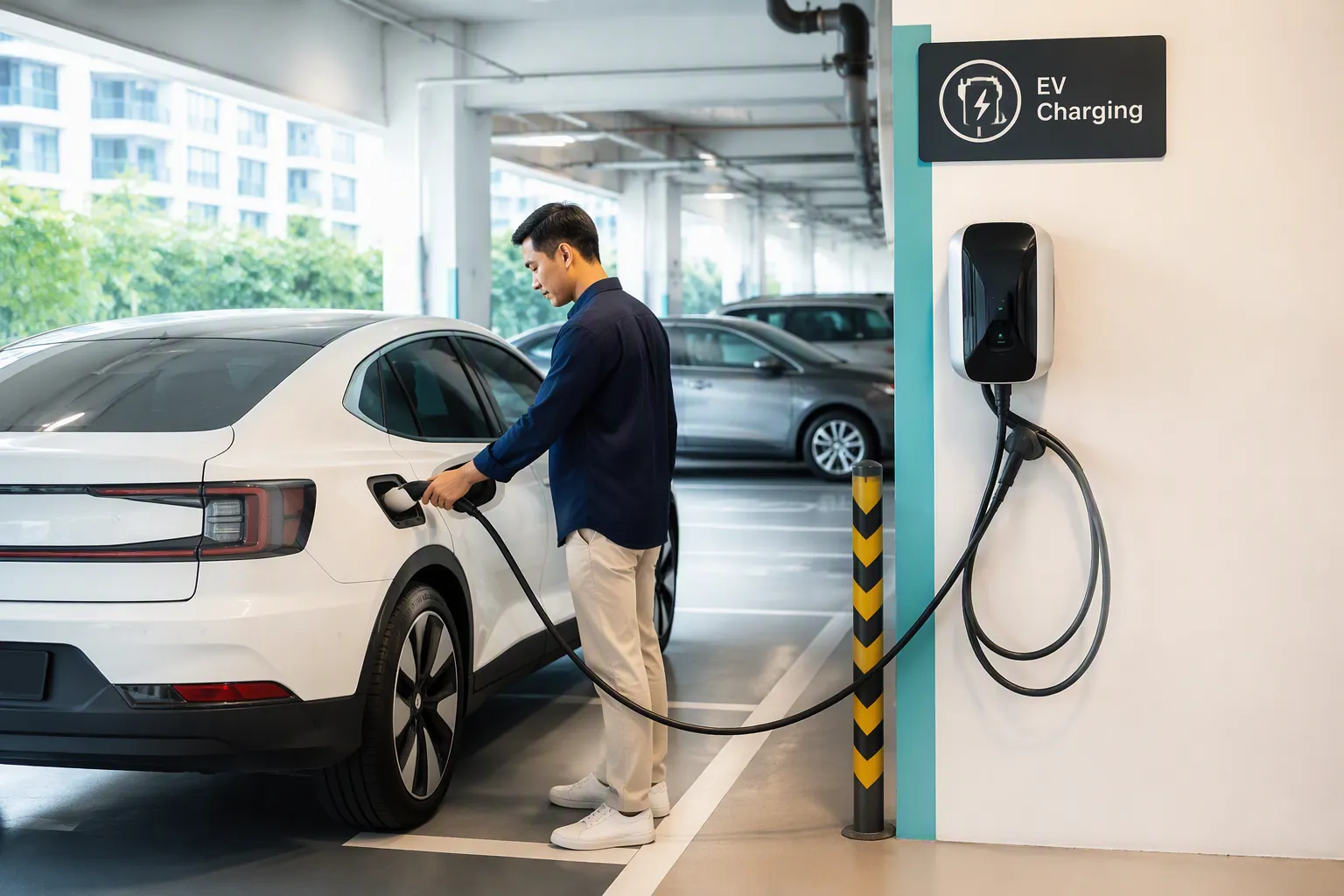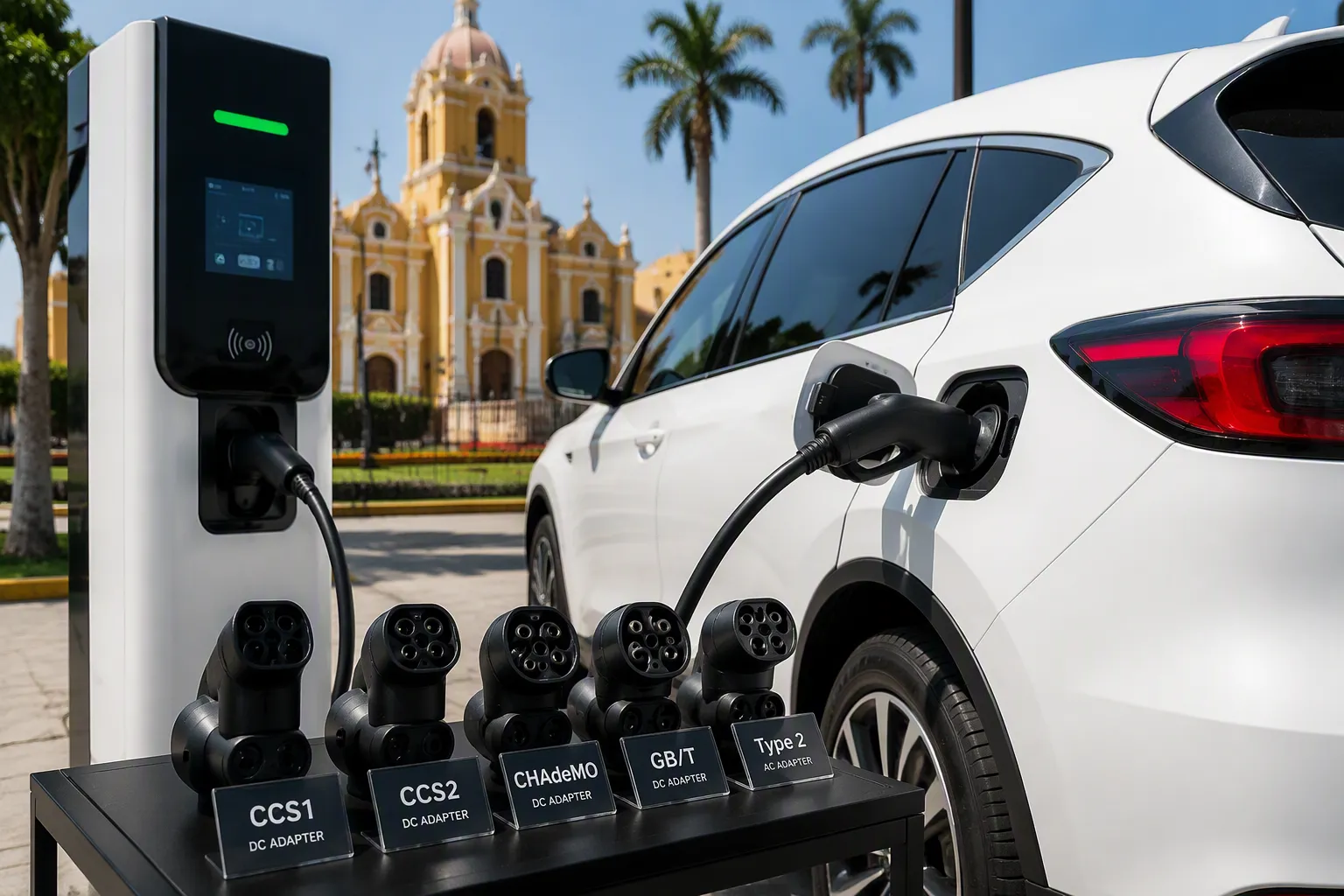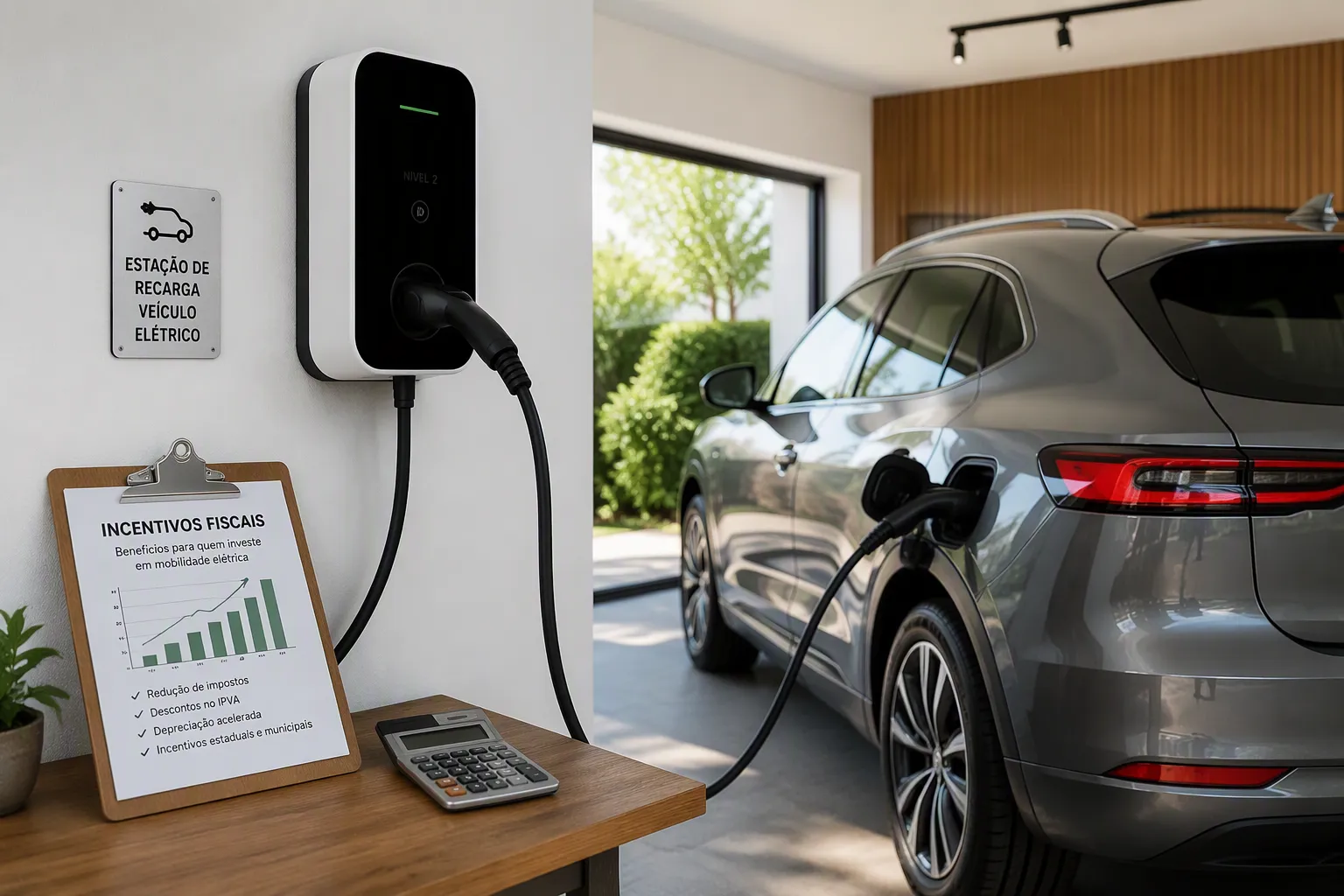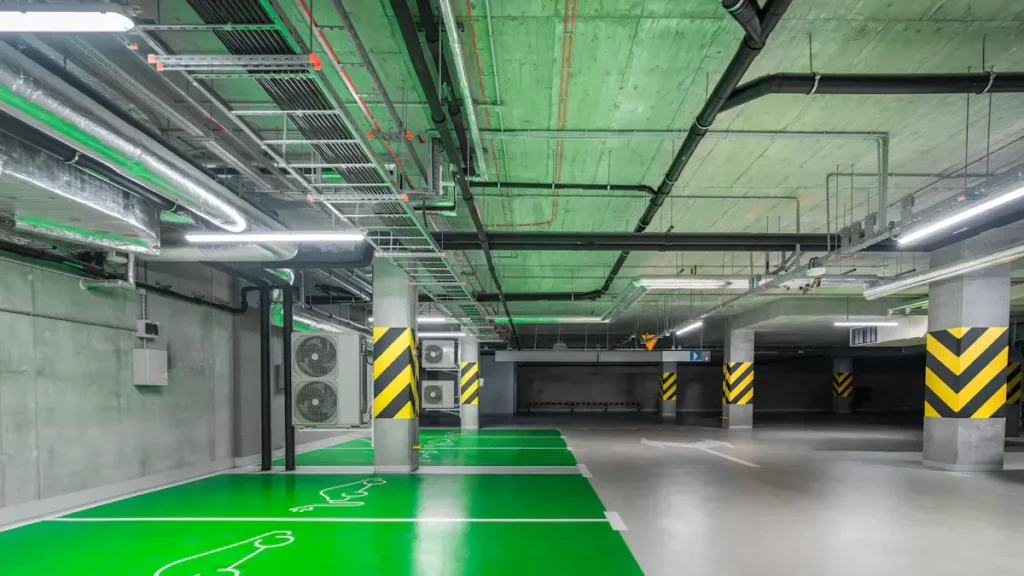
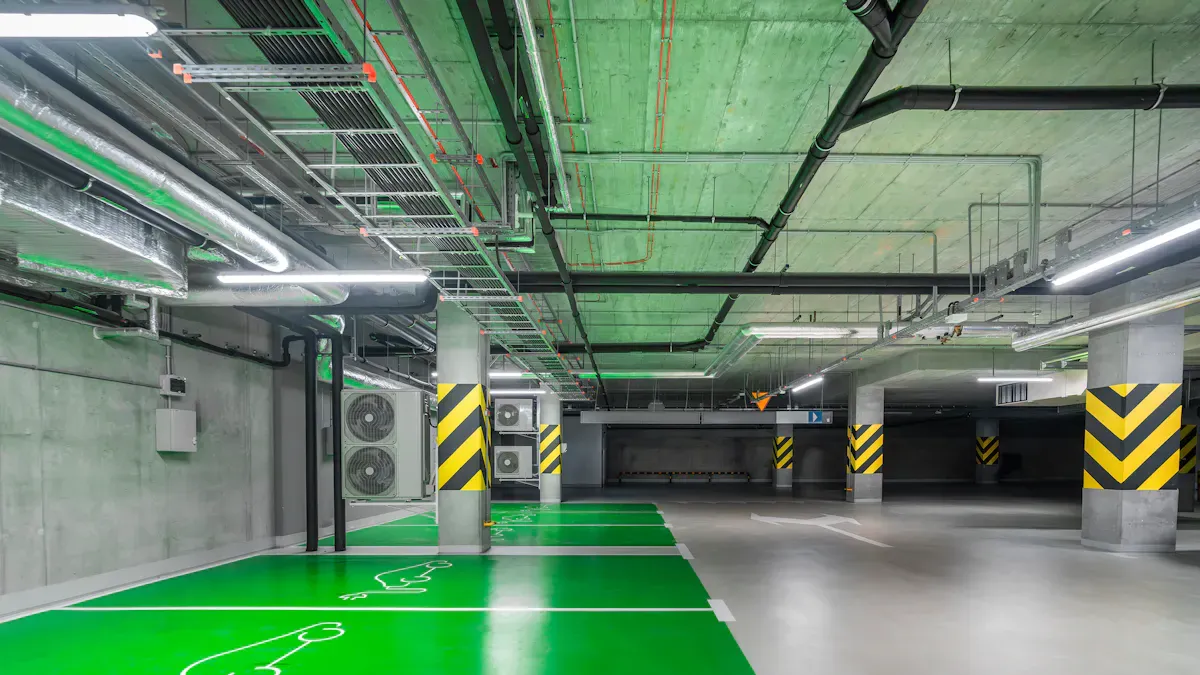
Owners in Spain possess a clear legal right to install an EV Şarj Cihazı in their individual garage spaces. Article 17.5 of the Horizontal Property Law allows them to proceed without a vote from the Homeowners’ Association. They must notify the President of the Community or the Chartered Property Manager in writing. Notification should include the technical scheme and reach the community at least thirty days before installation. The installation must not alter common elements or block other garage spaces. Elektrikli araç şarj çözümleri, taşınabilir ev şarj cihazları, ve Elektrikli araç şarj cihazı üreticileri offer options that comply with these requirements and technical standards. The Legal Guide ensures compliance and safety for every installation.
Legal Guide to EV Charging Points in Shared Garages
The Horizontal Property Law and EV Installation
Key Provisions for Installing EV Charging Points
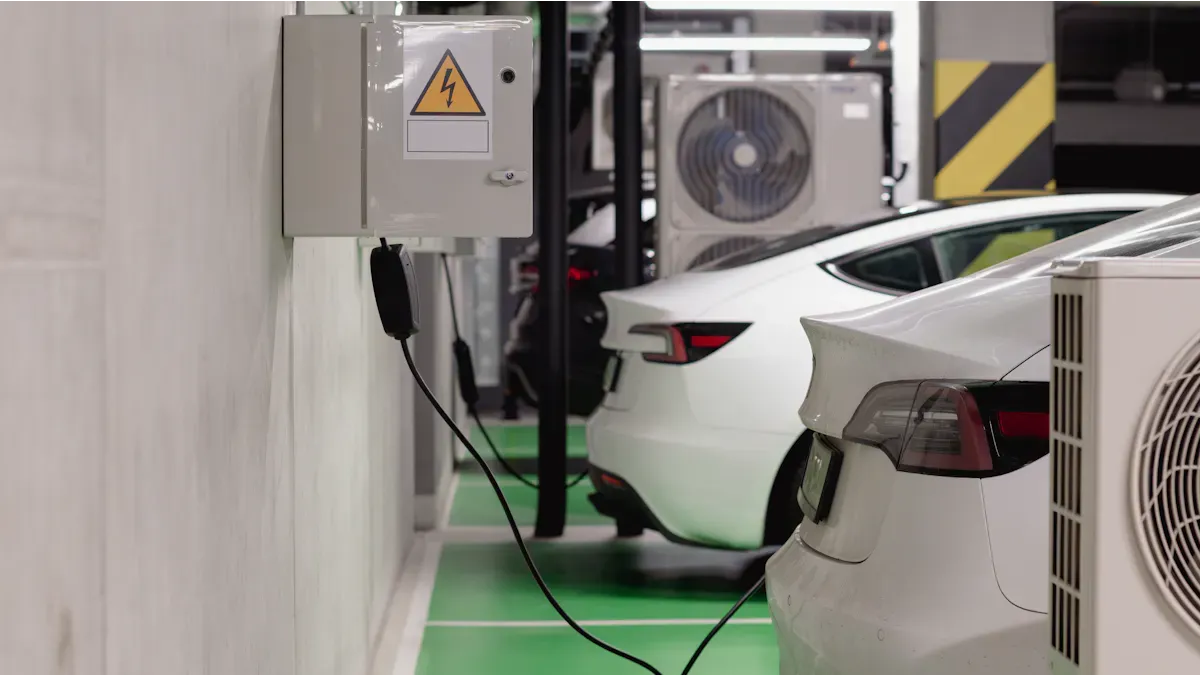
The horizontal property law in Spain establishes the legal framework for installing EV charging stations in shared garages. This regulation grants owners the right to install electric vehicle charging stations in their private parking spaces. The legal guide outlines that owners must notify the community president or property manager in writing before beginning installation. The notification must include a technical scheme and reach the community at least thirty days prior to installation. Owners cannot alter common elements or obstruct other garage spaces. The law ensures that private charging solutions remain accessible while protecting shared interests.
Recent Legal Updates Affecting EV Charging Stations
Recent amendments to the horizontal property law have simplified the process for installing EV charging points. The legal guide now allows owners to proceed without a community vote, provided they follow notification requirements. Spain has introduced new standards for engineering and legalisation, ensuring that electric vehicle charging stations meet safety and technical requirements. These updates encourage the adoption of electric vehicle charging point infrastructure in shared garages and support the transition to sustainable mobility.
Individual Rights and Community Obligations
Owner’s Right to EV Installation
Owners possess clear rights regarding EV charging station installation. The legal guide specifies that owners can install private charging points in their designated spaces. They must comply with technical and safety requirements. Owners must secure written agreements with neighbors for shared installations. Planning permission may be necessary if the installation crosses property boundaries.
| Gereksinim | Açıklama |
|---|---|
| Written Agreements | Necessary with neighbors for shared installations. |
| Planlama İzni | May be required if installation crosses boundaries. |
- Off-street parking must be available, such as a driveway, carport, or garage.
- Legal property ownership or written permission from the owner is required.
- Installation must be completed by a qualified electrician.
- The charger needs to connect to Wi-Fi for smart functionality.
- The charging point must be at least 2 meters from a public road.
- A compliance certificate is required after installation.
- Accessibility to a fuse box is necessary.
- No upstand exceeding 2.3 meters is allowed.
The starting point is the lease. Freeholders, RMCs, and their managing agents need to review the lease to determine ownership of the installation space and whether a Licence to Alter is required.
Community’s Role and Limitations in EV Charging Points
The community of owners holds responsibilities and limitations regarding EV charging stations. The legal guide clarifies that the community cannot prevent owners from installing private charging points if they follow notification and technical requirements. The community must ensure that installations do not affect common elements or block access. The community may establish guidelines for engineering and legalisation to maintain safety and order. The community cannot impose additional restrictions beyond those outlined in the horizontal property law.
Other Legal Requirements for EV Charging Stations
National and Regional Building Codes for EV Installation
Spain enforces national and regional building codes for electric vehicle charging stations. The legal guide requires compliance with these codes during installation. Building codes address electrical capacity, wiring standards, and accessibility. Owners must ensure that their charging points meet all local requirements. Municipalities may require permits for installation, especially for public charging access or shared infrastructure.
Fire and Electrical Safety Standards for EV Charging Points
Fire and electrical safety standards play a critical role in the installation of EV charging stations. The legal guide mandates that all charging points comply with national safety regulations. Installers must use certified equipment and follow approved procedures. Emergency access must remain unobstructed. Ongoing maintenance ensures that electric vehicle charging stations operate safely. Owners must obtain a compliance certificate after installation to confirm adherence to safety standards.
Step-by-Step Process for Installing EV Charging Points
Notifying the Community of Owners
Drafting and Sending Notification for EV Installation
Owners must begin the process by preparing a formal notification for installing EV charging points. The notification should address the president of the community or the property manager. It must include a technical description of the installation, specifying the location, type of charging station, and connection details. Owners should attach diagrams or plans that clarify the scope of the installation. TPSON recommends using a standardized template to ensure clarity and completeness.
Tip: Attach all relevant technical documents and certifications to the notification. This practice helps prevent delays and demonstrates compliance with legal requirements.
Notice Periods and Required Documentation for EV Charging Points
Spanish law requires owners to deliver the notification at least thirty days before starting installation. The community needs this period to review the technical scheme and verify that the installation will not affect common elements or block access. Owners must provide the following documents:
- Technical scheme of the charging station
- Compliance certificate from a qualified installer
- Proof of property ownership or written permission for private spaces
- Municipal permits if the installation involves public infrastructure
| Document | Amaç |
|---|---|
| Technical Scheme | Details the charging point installation |
| Compliance Certificate | Confirms safety and legal standards |
| Ownership Proof | Verifies private space rights |
| Municipal Permits | Required for public infrastructure |
Assessing Technical Feasibility for EV Charging Stations
Electrical Capacity and Supply Requirements for EV Installation
Before installing EV charging points, owners must assess the electrical capacity of the parking garage. The installer evaluates the existing supply to determine if it supports the charging station. TPSON offers advanced solutions that optimize energy distribution and prevent overloads. The assessment includes checking the main fuse box, wiring, and available power. Owners must ensure that the installation meets national and regional standards for electrical safety.
Note: Upgrading the electrical supply may require additional permits and coordination with the community. Owners should consult with TPSON or another qualified provider for expert guidance.
Common vs. Private Parking Spaces for EV Charging Points
The legal process differs for private and public parking spaces. Owners have the right to install charging stations in private spaces, provided they follow notification and technical requirements. For public or shared spaces, the community must approve the installation. Owners may need to negotiate shared use agreements and coordinate with neighbors. TPSON designs charging solutions that adapt to both private and public environments, ensuring compliance and efficient operation.
- Private spaces: Owners control installation and usage.
- Public spaces: Community approval and shared infrastructure required.
Selecting a Qualified Installer for EV Charging Stations
Legal Requirements for EV Installers
Spanish regulations mandate that only certified professionals can perform installation of EV charging points. Installers must hold valid electrical licenses and comply with national safety standards. TPSON employs highly trained technicians who specialize in electric vehicle charging solutions. Owners should verify the credentials of the installer and request proof of certification.
Alert: Unqualified installation may result in legal penalties and safety hazards. Always select a certified provider.
How to Choose a Provider for EV Charging Points
Selecting the right provider ensures a safe and efficient installation. Owners should consider the following criteria:
- Certification and experience in EV charging installations
- Compliance with national and regional standards
- Ability to provide ongoing maintenance and support
- Reputation for reliability and technological innovation
TPSON stands out as a technologically advanced electric vehicle charging solution provider. They offer tailored solutions for both private and public parking garages, ensuring seamless integration and compliance with Spanish law.
| Kriterler | Önem |
|---|---|
| Sertifikasyon | Ensures legal and safe installation |
| Deneyim | Guarantees quality and efficiency |
| Maintenance Support | Provides long-term reliability |
| Technological Innovation | Adapts to evolving charging needs |
Owners who follow these steps streamline the process of installing EV charging points and ensure compliance with all legal and technical requirements.
Permits and Documentation for EV Installation
Municipal Permits and Approvals for EV Charging Stations
Municipal authorities require owners to secure permits before starting any EV charger installation in a shared parking garage. The approval process involves submitting detailed plans and technical documents. City officials review the scope of the project, including the number of chargers and the impact on the shared electrical panel. Homeowners’ associations must provide written consent for projects that affect common areas.
The permit application usually includes a site plan, a one-line electrical diagram, and manufacturer specifications for the charging equipment. Owners must also submit a load calculation that covers all units connected to the shared panel. The city charges a permit fee, which often covers plan review and inspections. For example, a retrofit project involving two Level 2 chargers required a $700 fee, extra plan review, and two inspections. The review process takes about ten business days, including both HOA and city approval. Inspectors focus on the electrical load, conduit runs, and signage for assigned parking spaces. Each charger must have a disconnect switch for safety.
| Gereksinim | Detaylar |
|---|---|
| Kapsam | Retrofit two Level 2 chargers in a condo garage with shared electrical panel; required HOA approval. |
| Documents Submitted | Permit, load calculation (with all units), site plan, one-line diagram, HOA sign-off, manufacturer specs. |
| Permit Fee Paid | $700 (includes extra plan review and two inspections). |
| Review Time | 10 business days (HOA and city review); 3 days for inspection after installation. |
| Inspection Notes | Inspector focused on shared panel load, conduit runs, and signage for assigned parking. Required a disconnect at each charger. |
Tip: Owners should prepare all documents in advance to avoid delays during the permit review process.
Certificates and Compliance Documents for EV Installation
After completing the installation, owners must obtain certificates and compliance documents to confirm that the charging stations meet national and municipal standards. Certified installers issue a compliance certificate, which verifies that the work follows electrical safety regulations. Municipal inspectors conduct a final review and provide an inspection report. This report confirms that the chargers operate safely and do not overload the shared electrical panel.
Owners must keep all certificates and inspection reports for future reference. These documents prove compliance with legal requirements and help resolve any disputes with the homeowners’ association or municipal authorities. The compliance certificate also supports warranty claims and ongoing maintenance. Municipalities may require signage for assigned parking spaces and emergency disconnect switches at each charger.
- Compliance certificate from a qualified installer
- Municipal inspection report
- Manufacturer specifications for the charging station
- HOA sign-off for shared infrastructure
Note: Keeping all documentation organized ensures smooth operation and legal protection for EV charging stations.
Technical and Safety Standards for EV Charging Stations
Electrical Standards for Installing EV Charging Points
Minimum Technical Specifications for EV Installation
Every EV charging station must meet strict technical specifications to ensure safety and performance. Spanish regulations require installers to use certified equipment that supports electric vehicle charging. The minimum requirements include a dedicated circuit, proper grounding, and surge protection. Installers must verify that the electrical supply can handle the load of the charging station. They check the main panel and wiring for compatibility with the charging equipment. The installation must follow national and regional standards for electric systems.
| Şartname | Gereksinim |
|---|---|
| Özel Devre | Required for each charging station |
| Topraklama | Must meet electric safety standards |
| Aşırı Gerilim Koruması | Mandatory for all installations |
| Load Capacity | Must support EV charging demand |
Tip: Installers should always consult the latest technical guidelines before starting any installation. This practice prevents errors and ensures compliance.
Approved Types of EV Charging Stations
Spain recognizes several types of EV charging stations for shared parking garages. Level 1 and Level 2 stations are the most common. Level 1 stations use standard electric outlets and provide slow charging. Level 2 stations require a higher voltage and deliver faster charging. Fast charging stations, also known as DC chargers, are less common in residential settings due to their high power requirements. Each approved station must carry a CE mark and meet European Union safety standards.
- Level 1: Uses standard electric outlets, suitable for overnight charging.
- Level 2: Requires dedicated installation, ideal for daily use.
- DC Fast Charging: High power, mainly for commercial or public stations.
Installers select the station type based on the garage’s electrical capacity and the owner’s needs.
Safety Measures During EV Installation
Fire Prevention and Emergency Access for EV Charging Points
Güvenlik en önemli öncelik olmaya devam ediyor during EV charging station installation. Installers must follow fire prevention protocols and maintain emergency access. They use fire-resistant materials and install smoke detectors near charging points. Emergency exits must remain clear at all times. The charging station should not block pathways or access to fire equipment. Installers place disconnect switches within reach to allow quick shutdown in case of emergency.
Alert: Owners should regularly inspect charging stations for signs of overheating or damage. Early detection prevents accidents.
Ongoing Maintenance Obligations for EV Charging Stations
Maintenance ensures the long-term safety and reliability of EV charging stations. Owners must schedule regular inspections by qualified technicians. Technicians check the electric connections, charging cables, and station hardware for wear or faults. They update software and replace damaged components as needed. Maintenance records help owners track repairs and prove compliance with legal requirements.
- Inspect electric connections every six months.
- Test charging cables for integrity.
- Update station software for security.
- Keep maintenance logs for each installation.
A well-maintained charging station reduces risks and extends the life of the equipment.
Costs and Payment Responsibilities for EV Installation
Who Pays for Installing EV Charging Points?
Owner’s Financial Responsibility for EV Installation
Owners in Spain must cover the direct costs of installing EV charging stations in their private parking spaces. They pay for the equipment, labor, and any upgrades needed for the electrical supply. The law assigns responsibility for private installations to the individual owner. He or she must hire certified installers and purchase approved charging stations. Owners also pay for compliance certificates and municipal permits. These costs vary depending on the complexity of the installation and the type of charging station selected.
Tip: Owners should request detailed quotes from several providers before starting the installation process. Comparing prices helps them find the best value and ensures compliance with technical standards.
Shared Costs for Common Infrastructure in EV Charging Stations
When installations require upgrades to common infrastructure, such as shared electrical panels or wiring, the community of owners may share these costs. The legal framework allows the community to divide expenses for improvements that benefit multiple residents. For example, if several owners install EV charging stations in public spaces, the community may invest in a central electrical upgrade. The cost-sharing arrangement depends on the community’s internal rules and the scope of the project.
| Maliyet Türü | Responsibility |
|---|---|
| Private Installation | Individual Owner |
| Common Infrastructure | Community of Owners |
| Halka Açık Şarj İstasyonları | Community/Operator |
The community must agree on the budget and payment method for shared infrastructure. Transparent communication ensures fair distribution of costs and prevents disputes.
Ongoing Costs and Metering for EV Charging Stations
Electricity Consumption and Billing for EV Charging Points
EV charging stations in shared garages require accurate metering and clear billing procedures. Operators offer several payment methods, including contactless cards, mobile apps, and RFID cards. Compatibility with common networks increases access for residents and visitors. Each charging station displays visible tariffs, both at the point and in associated apps. Dynamic pricing may apply during peak and off-peak hours, but operators must communicate changes to users to avoid confusion.
- Temassız kart ödemeleri
- Mobile app billing
- RFID card access
- Visible pricing at stations
- Dynamic tariffs for peak times
Owners pay for electricity consumed by their private charging stations. In public areas, the community or operator manages billing and distributes costs among users.
Maintenance and Repairs for EV Charging Stations
Maintenance and repair costs depend on the ownership structure. Owners handle maintenance for private charging stations. They schedule inspections, replace worn components, and update software. The community manages maintenance for public charging stations and shared infrastructure. Regular upkeep ensures safety and extends the life of the equipment. Maintenance logs help track repairs and support warranty claims.
Note: Owners and communities should establish clear maintenance schedules and responsibilities. Proper planning prevents unexpected expenses and keeps EV charging stations operating efficiently.
Subsidies and Financial Support for EV Charging Stations
National and Regional Subsidy Programs for EV Installation
Spain offers several financial support programs to encourage the installation of ev charging stations. The government and regional authorities provide grants, tax incentives, and rebates to reduce the cost of installing ev charging stations. These programs aim to accelerate the adoption of ev technology and make stations more accessible in shared parking garages.
| Program Adı | Açıklama | Avantajlar |
|---|---|---|
| Plan MOVES | Spain’s main incentive scheme for EV buyers and charger installation. | Grants covering up to 70% of eligible costs. |
| Vergi Teşvikleri | Reductions on registration and circulation taxes for EVs. | Exemptions or significant reductions in some areas. |
| IVA (VAT) Rebates | Deductions on installation invoices for homeowners and companies. | Financial relief on installation costs. |
| Regional Incentives | Additional support from autonomous regions for charger installation. | Permit fee waivers and preferential parking. |
MOVES III Plan for EV Charging Points
Bu MOVES III Plan stands as Spain’s primary national subsidy for ev charging stations. This program provides grants that cover up to 70% of eligible installation costs. Individuals, homeowner associations, and legal entities qualify for support. The MOVES III Plan focuses on expanding ev infrastructure and reducing financial barriers for owners who want to install stations in shared garages.
Owners should check the current application deadlines and requirements for the MOVES III Plan. The program updates periodically and may offer additional incentives for early applicants.
Other Local Incentives for EV Charging Stations
Regional governments in Spain supplement national programs with their own incentives. These include permit fee waivers, preferential parking, and extra grants for ev charging stations. Some regions offer tax reductions or rebates on installation costs. Local authorities may also provide support for community-wide projects, making stations more affordable for multiple residents.
How to Apply for Subsidies for EV Installation
Eligibility Criteria for EV Charging Points Subsidies
Applicants must meet specific criteria to qualify for subsidies. Individuals, homeowner associations, and legal entities can apply for financial support. The installation must comply with national and regional standards for ev charging stations. Companies must submit applications before installation, while individuals and associations apply after receiving invoices post-April 10. Some regions require the installation company to handle the application process, while others place responsibility on the beneficiary.
Applicants should verify eligibility with both national and regional authorities. Requirements may differ based on location and applicant type.
Application Process and Required Documents for EV Charging Stations
The process for applying for subsidies involves several steps:
- Applicants select a qualified installer for ev charging stations.
- They gather required documents, including technical plans, invoices, and compliance certificates.
- Individuals and associations submit applications after installation is invoiced.
- Companies must apply before installation begins.
- In some regions, the installer submits the application; in others, the owner or association handles it.
Applicants must provide proof of ownership, technical specifications, and municipal permits. Authorities review the application and issue grants or rebates once they confirm compliance.
Timely submission of documents ensures faster approval and access to financial support. Applicants should keep all paperwork organized for future reference.
Practical Checklist for Installing EV Charging Points
Pre-Installation Steps for EV Charging Stations
Owners should begin with a thorough assessment of their parking garage. They need to review the electrical capacity and confirm that the space meets technical requirements for an ev charging station. He or she must gather all necessary documents, including property ownership proof and municipal permits. The owner should notify the community president or property manager in writing, attaching a technical scheme and installation plan. Certified installers must evaluate the site and provide a compliance certificate before any work starts.
Checklist Table: Pre-Installation
| Adım | Eylem Gerekli |
|---|---|
| Electrical Assessment | Evaluate supply and capacity |
| Document Collection | Gather ownership proof, permits |
| Community Notification | Send written notice with technical plan |
| Installer Selection | Choose certified professional |
| Compliance Certificate | Obtain from installer |
Tip: Owners who prepare all documents in advance avoid delays and streamline the ev installation process.
During Installation of EV Charging Points
Certified installers must follow national and regional standards throughout the installation. They use approved equipment and ensure proper grounding and surge protection. The installer checks that the charging station does not block emergency exits or common pathways. Owners should monitor the installation and keep records of all work completed. The installer must place disconnect switches within reach and verify that the ev charging station operates safely.
Installation Steps:
- Install dedicated circuit and grounding.
- Set up surge protection.
- Position charging station for easy access.
- Place disconnect switch for emergencies.
- Test ev charging station for functionality.
Owners should request a progress report from the installer after each major step.
Post-Installation Compliance for EV Charging Stations
After installation, owners must secure all compliance documents. The installer provides a certificate confirming adherence to safety standards. Municipal inspectors review the installation and issue an inspection report. Owners must keep these documents for future reference and warranty claims. Regular maintenance checks ensure the ev charging station remains safe and efficient. The owner should update maintenance logs and schedule inspections every six months.
Post-Installation Checklist:
- Collect compliance certificate from installer.
- Obtain municipal inspection report.
- Update maintenance log.
- Schedule biannual inspections.
- Review warranty and support options.
Note: Organized documentation and routine maintenance protect the investment and ensure long-term reliability.
Spain provides a clear legal path for installing ev charging points in shared parking garages. Owners must follow notification, technical, and safety requirements to ensure compliance.
- Subsidies help reduce costs for ev installation and support the transition to electric vehicle infrastructure.
- Proper guidance makes the process manageable for every owner.
Owners who plan carefully and use available resources can install ev charging stations with confidence.
SSS
What legal steps must an owner follow to install an EV charger in a shared garage?
An owner must notify the community president or property manager in writing. He or she must submit a technical scheme and wait thirty days before installation. The owner must ensure compliance with safety and technical standards.
Does the community of owners have the right to block EV charger installation?
The community cannot block installation if the owner follows notification and technical requirements. The law protects the owner’s right to install a charger in his or her private space.
Who pays for the installation and maintenance of EV charging points?
The owner pays for installation and maintenance in private spaces. The community shares costs for upgrades to common infrastructure. Each party must follow the agreed payment structure.
Are municipal permits required for EV charger installation?
Municipal permits are required for installations affecting common areas or public infrastructure. The owner must submit plans and technical documents to city officials for approval.
What technical standards must EV chargers meet in Spain?
EV chargers must meet national and regional electrical standards. Installers use certified equipment, provide proper grounding, and ensure surge protection. Each charger must carry a CE mark.
Can owners apply for subsidies to reduce installation costs?
Owners can apply for national and regional subsidies, including the MOVES III Plan. He or she must meet eligibility criteria and submit required documents to receive financial support.
How often should EV charging stations undergo maintenance?
Technicians should inspect EV charging stations every six months. Owners must keep maintenance logs and schedule regular checks to ensure safety and reliability.
What happens if the installation affects common elements?
If the installation affects common elements, the owner must obtain community approval. He or she must follow additional legal steps and coordinate with neighbors.