Choosing the right home electric vehicle charger depends on understanding personal habits, vehicle needs, and the home’s electrical capabilities. When users match charger features to their daily routines, they benefit from:
- Adaptive charging plans that customize speeds and times for greater satisfaction.
- Automation features that schedule charging during off-peak hours, offering convenience and savings.
- Integration with smart home systems or renewable energy, which maximizes efficiency.
EV Şarj Cihazı options vary, so careful selection helps avoid unnecessary expenses. Elektrikli araç şarj cihazı üreticileri now offer solutions that fit diverse lifestyles and home setups.
Understanding Your Charging Needs for a Home Electric Vehicle Charger
Günlük Sürüş Alışkanlıklarınızın Değerlendirilmesi
Tipik İşe Gidiş Geliş Mesafesi
Drivers must evaluate their average daily mileage to select the most suitable charging solution. For those who travel short distances, a basic charger often meets their needs. Longer commutes demand faster charging capabilities. The following table outlines recommended charger types based on driving patterns:
| Driving Needs | Önerilen Şarj Cihazı |
|---|---|
| Short trips | 3.6kW charger |
| Longer journeys | 7kW or 22kW charger |
A vehicle that covers 40 miles daily can recharge overnight with a Level 1 charger. A Level 2 charger replenishes the same distance in under two hours.
Understanding your vehicle’s range and daily mileage is critical in selecting the right home charging solution that matches your daily needs.
Smooth driving habits, such as gradual acceleration and consistent speed, help maximize battery efficiency. Drivers who avoid rapid acceleration and harsh braking extend their EV’s range, reducing the frequency and duration of charging sessions.
Frequency of Vehicle Use
Individuals who use their vehicles multiple times per day require a charger that supports frequent top-ups. Those who drive less often may not need rapid charging. Consider the following steps when assessing daily charging needs:
- Assess your daily driving distance.
- Determine the appropriate charging level based on your needs.
- Avoid charging to 100% unless necessary to reduce costs.
- Regularly charging to full capacity is not always necessary.
- Optimizing charging based on daily habits helps lower electricity bills.
Araç Uyumluluğu
Battery Size and Charging Rate
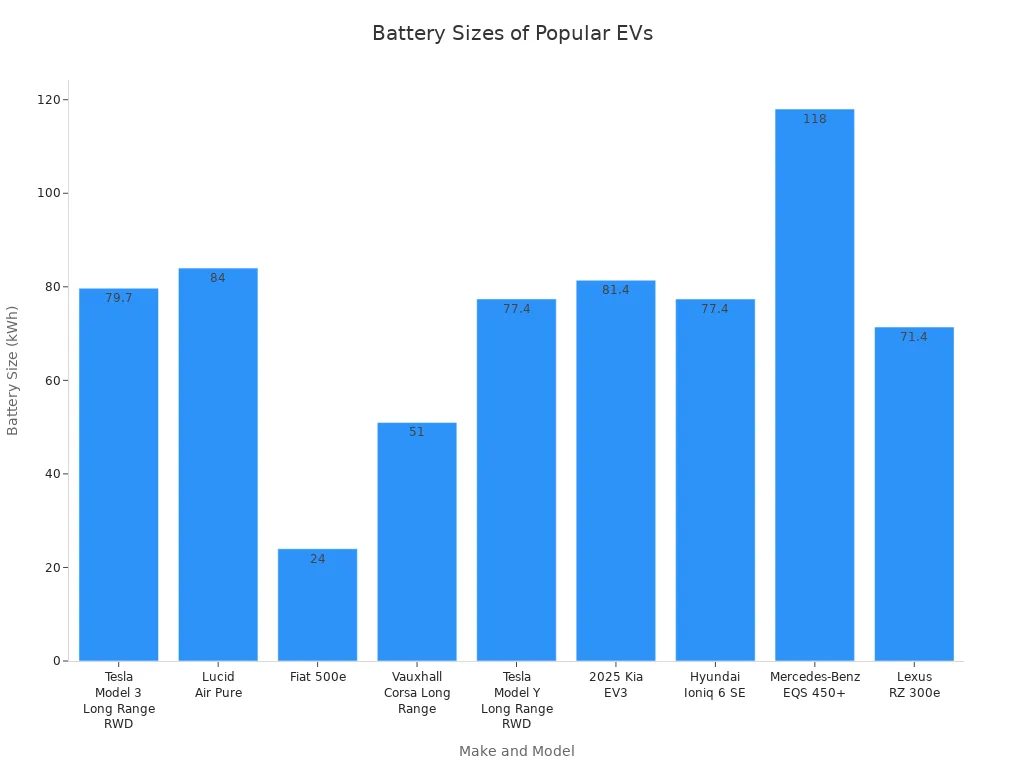
Battery capacity and charging rate vary across electric vehicle models. Larger batteries require more powerful chargers for efficient replenishment. The table below compares popular models:
| Make and Model | Menzil | Pil Boyutu | Verimlilik | Estimated Winter Range |
|---|---|---|---|---|
| Tesla Model 3 Long Range RWD | 436 miles | 79.7kWh | 5.4 miles/kWh | 350 miles |
| Lucid Air Pure | 420 miles | 84kWh | 5.0 miles/kWh | 287-328 miles |
| Fiat 500e | 118 miles | 24kWh | 4.9 miles/kWh | 83-94 miles |
| Vauxhall Corsa Long Range | 245 miles | 51kWh | 4.8 miles/kWh | 172-197 miles |
| Tesla Model Y Long Range RWD | 375 miles | 77.4kWh | 4.41 miles/kWh | 197-226 miles |
| 2025 Kia EV3 | 375 miles | 81.4kWh | 4.6 miles/kWh | 263-300 miles |
| Hyundai Ioniq 6 SE | 342 miles | 77.4kWh | 4.41 miles/kWh | 239-274 miles |
| Mercedes-Benz EQS 450+ | 511 miles | 118kWh | 4.3 miles/kWh | 358-409 miles |
| Lexus RZ 300e | 297 miles | 71.4kWh | N/A | N/A |
Manufacturer Recommendations
Manufacturers often specify compatible chargers for each vehicle model. Some energy providers require specific chargepoints or compatibility lists. The table below summarizes these requirements:
| Energy Provider | Charger Requirement | Araç Uyumluluğu |
|---|---|---|
| OVO | Indra chargepoint | Requires solar panels |
| Ictopus | Compatible car/charger | Specific compatibility needed |
| Octopus Intelligent Go | Compatible chargepoint | Must be on compatibility list |
Selecting a charger that meets manufacturer guidelines ensures optimal performance and safety.
Future-Proofing for New Vehicles
Planning for Upgrades
Homeowners should consider future vehicle purchases when choosing a home ev charger. Upgrading to a Level 2 charger provides faster charging and supports a wider range of models. The following table highlights important considerations:
| Dikkate alma | Açıklama |
|---|---|
| Assessing Electrical Capacity | Evaluate if your home’s electrical system can support a Level 2 charger, which may require upgrades. |
| Planning for the Right Charging Station | Choose a charger that meets current and future needs, such as a Level 2 charger for faster charging. |
| Ensuring Proper Installation | Follow local building codes and hire licensed professionals for safe and compliant installation. |
Çok Araçlı Haneler
Families with multiple electric vehicles face unique challenges. They must manage charger availability, payment options, and session history. The following features support multi-vehicle households:
- Charger availability info to check when chargers are free.
- Payment management for adding or removing payment methods.
- Session initialization to start a charging session.
- Session history for reviewing past charging sessions.
- Support for quick assistance during charging issues.
Parking management solutions, such as reserving shared chargers via apps and implementing idle fees, improve access for all users. Load management across multiple chargers helps avoid costly electrical upgrades and allows access to cheaper electricity rates. User access controls, live status updates, and reporting tools streamline operations in multi-vehicle homes.
Types and Speeds of Home Electric Vehicle Chargers
Choosing the right types of chargers for home use depends on understanding the differences in şarj hızı, installation requirements, and practical limitations. Each type offers unique benefits and suits different lifestyles.
Level 1 Home Electric Vehicle Charger
Artıları ve Eksileri
Level 1 chargers use a standard 120-volt household outlet. This type of charger provides a simple entry point for electric vehicle owners. Many vehicles include a Level 1 charger at purchase.
Artıları:
- No special installation required
- Uses existing outlets
- Low upfront cost
Eksiler:
- Slow charging speed, ideal only for short daily commutes
- Charging time for a full battery can reach up to 40 hours
- Less energy efficient compared to higher-level options
| Özellik | Seviye 1 Şarj Cihazı | Seviye 2 Şarj Cihazı |
|---|---|---|
| Şarj Hızı | Yavaş, gece kullanımı için ideal | Saatte 10-30 mil menzil ekler |
| Şarj Süresi | Tam şarj için 40 saate kadar | Tam şarj için 4-8 saat |
| Enerji Verimliliği | 80% efficiency | 90% efficiency |
Who Should Consider Level 1
Level 1 chargers suit drivers with short daily trips and low mileage. Individuals who park overnight and do not require rapid turnaround benefit most. This option works well for those who want to avoid additional installation costs or live in older homes with limited electrical capacity.
Tip: Level 1 charging fits best for plug-in hybrid vehicles or as a backup solution for full battery electric vehicles.
Level 2 Home Electric Vehicle Charger
Charging Speed Benefits
Level 2 chargers operate on a 240-volt circuit. This type of charger significantly increases charging speed, adding 10 to 30 miles of range per hour. Most electric vehicle owners prefer Level 2 chargers for daily use because they reduce charging time to between 4 and 8 hours for a full battery. Higher energy efficiency, around 90%, means less energy loss during charging.
Kurulum Gereksinimleri
Installing a Level 2 charger requires a dedicated 240-volt outlet. Many homes need a new circuit or even an electrical panel upgrade to support this type of charger. The installation process often involves permits and inspections to ensure safety and code compliance.
| Kategori | Maliyet Aralığı |
|---|---|
| Seviye 2 şarj cihazı fiyatı | $300-$1,200 |
| Yeni devre kurulumu | $200-$800 |
| Elektrik panosunun yükseltilmesi | $500-$2,000 |
| İşçilik maliyetleri | $400-$1,500 |
| Permits & inspections | $50-$500 |
| Basic installation | $500-$1,000 |
| Standard installation | $1,000–$1,500 |
| Complex installation | $1,500–$2,500 |
- Equipment costs depend on charger features and brand.
- Electrical upgrades may include new circuits or panel replacements.
- Labor costs vary with installation complexity.
- Permits and inspections are often mandatory.
Many homeowners qualify for incentives that reduce installation costs. Federal tax credits can cover up to 30% (up to $1,000) of the installation, and state or local rebates may offer an additional $200 to $1,500.
Fast/Rapid Chargers and Home Use
Home Use Limitations
Fast or rapid chargers, also known as DC fast chargers, deliver extremely high charging speed. However, these types of chargers present significant challenges for residential use.
- Home electrical systems cannot support the high power demand of rapid chargers.
- Installing such equipment at home is not practical or cost-effective.
- Frequent use of rapid charging can shorten the lifespan of an EV battery.
When to Consider Public Fast Charging
Public fast charging stations provide quick top-ups for drivers on the go. These stations offer much higher charging speed than home options, making them ideal for long trips or emergencies.
| Özellik | Evde Şarj | Public Fast Charging |
|---|---|---|
| Hız | Generally slower, suitable for overnight charging | Faster, ideal for quick top-ups |
| Kolaylık | Very convenient, can charge overnight | Less convenient, may require finding a station |
| Maliyet | More cost-effective, especially with off-peak rates | Often more expensive per kWh |
| Güvenilirlik | Generally reliable, always available at home | Can be less reliable due to availability issues |
- Home charging remains more affordable, especially with off-peak electricity rates.
- Public charging can cost more and may not always be available.
- Charging at home overnight provides peace of mind and convenience.
Selecting the right home electric vehicle charger involves balancing charging speed, installation needs, and lifestyle. Understanding the types of chargers available ensures the best fit for both current and future needs.
Power Capacity and Home Electrical Setup for Your Charger
Evaluating Your Home’s Electrical Panel
Amperage Requirements
Every home electric vehicle charger draws a specific amount of electrical current. The amperage requirement determines the charging speed and the overall power output. Most home chargers fall within three common amperage levels:
| Amps Needed | Güç Çıkışı | Şarj Hızı |
|---|---|---|
| 30 amper | 7,2 kW | 25-30 miles per hour |
| 40 amper | 9,6 kW | 32-40 miles per hour |
| 50 amper | 12 kW | 45-50 miles per hour |
A higher power output allows faster charging but demands more from your home’s electrical system. Homeowners should match the charger’s amperage to their vehicle’s needs and their home’s capacity.
Upgrading Your Panel
Many homes, especially older ones, may not support the additional load of a modern EV charger. Homeowners should:
- Ensure the electrical panel can handle the extra demand.
- Know that most home EV chargers require a 40-amp circuit.
- Recognize that Level 2 chargers often need 60 amps.
- Understand that homes with 100-amp panels may need an upgrade.
- Assess the evin elektrik kapasitesi kurulumdan önce.
- Consult a licensed electrician to determine if an upgrade is necessary.
- Add a subpanel or upgrade from a 100-amp to a 200-amp service if the panel is full.
A professional assessment helps prevent overloads and ensures safe operation.
Dedicated Circuit Needs
Güvenlikle İlgili Hususlar
A dedicated ev charger should always run on its own circuit. This setup prevents overloads and reduces fire hazards. Key safety measures include:
| Güvenlik Değerlendirmesi | Açıklama |
|---|---|
| Özel Devre | Prevents overload and reduces fire hazards. |
| Profesyonel Kurulum | Ensures a safer setup compared to using a standard outlet. |
| Dedicated Fuse Board | Not required, but can enhance safety by separating the charger from the rest of the system. |
| Aşırı Gerilim Koruması | Shields the charger from power surges and voltage spikes. |
| Regular Equipment Checks | Maintains safety by identifying wear or damage early. |
Tip: Regularly inspect charging equipment for signs of wear or damage to maintain safety.
Profesyonel Kurulum
Lisanslı elektrikçiler bring specialized knowledge and tools to every installation. They follow strict safety protocols and ensure compliance with local codes. Professional installers tailor the setup to each home, optimizing performance and reliability. They also conduct comprehensive assessments to identify potential risks and address them before installation.
Yük Yönetimi
Aşırı Yüklerden Kaçınma
Modern homes often run multiple high-power devices at once. To prevent overloads, homeowners can use several strategies:
- Dinamik Yük Yönetimi (DLM) adjusts power delivery in real time based on current energy consumption.
- Scheduled charging shifts EV charging to off-peak hours, reducing grid stress and lowering costs.
- Energy storage systems help manage power demand spikes.
These methods help balance the power output of all devices and keep the electrical system safe.
Akıllı Yük Dengeleme
Smart load balancing systems use real-time data to distribute power efficiently. They monitor usage and adjust loads to avoid hazards. These systems maximize available power output and improve the efficiency of home charging setups. Smart charging software can balance loads across multiple devices, using strategies like equal sharing or priority charging. This technology supports safe, reliable charging even in homes with several high-power appliances.
Connector Types and Compatibility with Home Electric Vehicle Chargers
Choosing the right connector for a home charge point ensures seamless charging and future compatibility. Understanding the types of connectors available helps electric vehicle owners avoid frustration and maximize efficiency.
Common Connector Standards
Electric vehicles rely on several connector standards for home charging. Each standard offers unique features and regional compatibility.
J1772
Bu J1772 connector serves as the standard for AC charging in North America. Most home charge points in the United States and Canada use this connector. It supports both Level 1 and Level 2 charging, making it versatile for residential use.
| EV Konnektör Tipi | SAE J1772 (Tip 1) |
|---|---|
| Çıkış Akım Tipi | AC (Alternate Current) |
| Supply Input | 120 Volts or 208/240 Volts (Single-phase only) |
| Maximum Output Current | 16 Amps (120 Volts) 80 Amps (208/240 Volts) |
| Maksimum Çıkış Gücü | 1.92 kW (120 Volts) 19.2 kW (208/240 Volts) |
| EV Charging Level(s) | Seviye 1, Seviye 2 |
| Birincil Ülkeler | USA, Canada, Japan |
Most electric vehicles sold in North America feature a J1772 inlet, except for Tesla models.
Tesla Connector
Tesla vehicles use a proprietary connector for home charging. This connector supports both Level 1 and Level 2 charging. Tesla owners often install a dedicated home charge point with the Tesla connector for optimal performance. Adapters allow Tesla vehicles to use J1772 connectors, increasing flexibility.
| Konektör | Uygulama |
|---|---|
| J1772 Connector | The standard for AC charging in North America |
| Type 2 Connector | The standard for AC and DC charging across Europe |
| CCS1 Konektörü | Used for DC fast charging at public stations in North America |
| CCS2 Connector | Used for DC fast charging at public stations in Europe |
Adapters and Multi-Brand Compatibility
Many households own vehicles from different brands. Compatibility between types of connectors becomes essential for convenient charging.
Using Adapters Safely
Adapters bridge the gap between different types of connectors. For example, Tesla provides adapters that allow its vehicles to connect to J1772-equipped home charge points. Users must select certified adapters to ensure safety and maintain charging speed. Improper adapters can cause overheating or damage to the vehicle’s charging system.
Tip: Always check manufacturer guidelines before using an adapter with your home charge point.
Universal Chargers
Universal chargers support multiple types of connectors, making them ideal for multi-brand households. These chargers often include interchangeable cables or built-in adapters. Universal chargers simplify charging for families with different electric vehicle models. They also future-proof the home charge point against new vehicle purchases.
| EV Konnektör Tipi | Mennekes (Type 2) |
|---|---|
| Çıkış Akım Tipi | AC (Alternate Current) |
| Supply input | 230 Volts (Single-Phase) or 400 Volts (three-phase) |
| Maximum Output Current | 32 Amps (230 Volts) 32 Amps (400 Volts) |
| Maksimum Çıkış Gücü | 7.6 kW (230 Volts) 22 kW (400 Volts) |
| EV Charging Level(s) | Seviye 2 |
| Birincil Ülkeler | Europe, United Kingdom, Middle East, Africa, Australia |
Universal chargers help users avoid compatibility issues and support a wide range of types of connectors. When selecting a home charge point, consider the types of connectors used by current and future vehicles.
Not: Multi-brand compatibility ensures that every vehicle in the household can charge efficiently, regardless of the connector standard.
Tethered vs. Untethered Home Electric Vehicle Chargers
Choosing between tethered and untethered home electric vehicle chargers shapes the daily charging experience. Each option offers unique benefits and challenges that align with different user preferences and home setups.
Bağlı Şarj Cihazları
Convenience Factors
Tethered chargers feature a built-in cable and plug, which remain permanently attached to the charging unit. This design delivers a high level of convenience. Users simply park, grab the cable, and plug in their vehicle. The charger always remains ready for immediate use, which saves time and reduces daily hassle. Many homeowners with fixed parking spaces prefer this plug-and-play experience.
- Tethered chargers eliminate the need to search for or carry a separate cable.
- The cable stays organized and accessible, reducing clutter in the garage or driveway.
- The setup supports a streamlined charging routine, especially for those who charge their vehicle every night.
| Özellik | Bağlı Şarj Cihazı | Untethered Charger |
|---|---|---|
| Cable | Fixed, built-in | Separate, user-supplied |
| User Convenience | Always ready | Requires own cable |
| Kurulum | Simple, compact | Needs socket and cable |
| Esneklik | Limited cable options | Flexible cable choice |
| Bakım | Cable tied to charger | Easy cable replacement |
| İdeal Kullanım | Home, fixed parking | Multi-user, public, flexible |
| Compatibility Risks | Standardized connectors | Depends on user cable |
Security and Weather Protection
A tethered charger’s fixed cable often includes robust insulation and weatherproofing. Manufacturers design these units for outdoor use, protecting the cable from rain, snow, and UV exposure. The cable’s permanent attachment also reduces the risk of theft or loss. Security features, such as locking mechanisms, further safeguard the charger and cable when not in use.
Note: Tethered chargers may incur higher maintenance costs if the cable sustains damage, since the cable cannot be replaced separately from the unit.
Bağlantısız Şarj Cihazları
Flexibility and Portability
Untethered chargers, sometimes called socketed chargers, do not include a built-in cable. Instead, users supply their own charging cable, which plugs into both the charger and the vehicle. This approach offers significant flexibility.
- Users can select cables of different lengths or connector types, adapting to various vehicles or parking arrangements.
- Untethered chargers suit multi-vehicle households or users who anticipate changing vehicles in the future.
- If the cable wears out or becomes damaged, users can replace it without changing the entire charger, which lowers long-term maintenance costs.
Untethered chargers also tend to have a lower initial purchase price, since the cable is not included.
Cable Storage Solutions
With untethered chargers, users must manage cable storage themselves. This responsibility can introduce minor inconvenience, as forgetting the cable or leaving it exposed to weather may disrupt charging plans. However, many drivers use wall-mounted hooks, reels, or storage bags to keep cables organized and protected.
- Proper cable storage prevents tripping hazards and extends cable life.
- Organized storage solutions help maintain a tidy charging area, even with the added flexibility of untethered systems.
Tip: Untethered chargers work best for users who value adaptability and do not mind handling their own charging cable each time.
Smart Features and Solar Integration for Home Electric Vehicle Chargers
Wi-Fi and App Connectivity
Uzaktan İzleme
Modern home electric vehicle chargers often include Wi-Fi connectivity and dedicated mobile apps. These features allow users to monitor charging sessions from anywhere. They can check charging status, track energy consumption, and receive alerts if issues arise. Real-time data helps users understand their charging habits and optimize energy use. Many chargers display historical charging data, which supports better decision-making about future charging schedules.
Scheduling and Notifications
App-based control enables users to schedule charging times for their vehicles. They can set charging to begin during off-peak hours, which reduces electricity costs. Notifications alert users when charging starts, finishes, or encounters a problem. This proactive approach ensures that vehicles are always ready for use and helps avoid unnecessary energy expenses.
Tip: Scheduling charging during periods of lower electricity rates can lead to significant savings over time.
| Özellik | Açıklama |
|---|---|
| Kontrol | Manage charging via smartphone or tablet. |
| Güvenlik | Prevent blackouts and protect electrical circuits. |
| Efficient | Optimize charging speeds to avoid excess grid energy draw. |
| Sustainable | Connect to solar systems for renewable energy charging. |
| Reduce costs | Charge when electricity prices are lowest. |
| Bağlanabilirlik | Integrate with home energy management systems. |
Enerji Yönetimi Özellikleri
Dynamic Load Adjustment
Smart chargers use dynamic load adjustment to balance energy use within the home. They monitor total household consumption and adjust charging speed to prevent overloads. This technology protects the electrical system and ensures efficient energy distribution. Users benefit from stable charging performance, even when other appliances operate simultaneously.
- Manage charging schedules remotely.
- Monitor energy use and costs in real time.
- Draw energy from solar panels when available.
- Use bi-directional charging to sell energy back to the grid.
Integration with Smart Home Systems
Integration with smart home systems enhances convenience and efficiency. Chargers can connect to platforms such as Google Home or Amazon Alexa. This connection allows users to control charging with voice commands or automate charging routines based on household energy patterns. Linking the charger to a home energy management system provides a unified view of energy consumption and supports better budgeting.
Solar Charging Options
Güneş Paneli Uyumluluğu
Many home electric vehicle chargers now support direct integration with solar panels. This compatibility allows homeowners to use renewable energy for vehicle charging. Chargers detect when solar power is available and prioritize its use over grid electricity. This setup reduces reliance on traditional energy sources and lowers monthly utility bills.
Maximizing Renewable Energy Use
Charging an electric vehicle with solar power decreases carbon emissions and supports sustainability goals. Homeowners who generate their own electricity can maximize energy savings by charging during peak solar production hours. This approach further reduces the environmental impact of vehicle ownership and increases the value of solar investments.
Note: Integrating solar panels with EV chargers enables homeowners to generate renewable energy for charging, leading to lower bills and a smaller carbon footprint.
Cost, Warranty, and Value of Home Electric Vehicle Chargers
Upfront Costs vs. Long-Term Savings
Comparing Charger Prices
Homeowners face several price considerations when selecting a home electric vehicle charger. The initial cost of installation arasında değişir less than $1,000 to over $3,000. This variation depends on the complexity of installation, the type of charger, and any necessary upgrades to the electrical system. Many buyers focus on the upfront expense, but they should also evaluate the long-term financial impact.
- Charging at home costs significantly less than using public charging stations.
- The average annual savings on fuel for home charging range from $506 to $720, compared to $1,600 to $2,100 for gasoline vehicles.
- The total cost of ownership decreases over time, making home charging a cost-effective solution.
Enerji Verimliliği
Energy efficiency plays a crucial role in maximizing value. Modern chargers deliver higher efficiency, reducing wasted electricity and lowering monthly bills. Efficient charging also shortens charging time, allowing vehicles to reach full capacity faster. Homeowners who invest in energy-efficient chargers benefit from reduced operating costs and improved sustainability.
Garanti ve Destek
Manufacturer Guarantees
Manufacturers offer warranties that protect buyers against defects and malfunctions. Most home electric vehicle chargers include warranties ranging from one to five years. These guarantees cover parts and labor, ensuring reliable performance throughout the warranty period. Buyers should review warranty terms before making a purchase to understand coverage limits and exclusions.
Customer Service Quality
Customer service quality influences the overall ownership experience. Leading manufacturers provide responsive support through phone, email, and online chat. They assist with troubleshooting, installation guidance, and warranty claims. Reliable customer service helps resolve issues quickly, minimizing downtime and inconvenience.
Tip: Buyers should choose brands with strong reputations for warranty coverage and customer support to ensure peace of mind.
İndirimler ve Teşvikler
Federal and State Programs
Government incentives reduce the financial burden of installing home electric vehicle chargers. The following table summarizes available programs:
| Teşvik Türü | Açıklama |
|---|---|
| Federal Clean Vehicle Credit | Up to $7,500 tax credit for new qualified electric vehicles. |
| Home Charging Station Tax Credit | Up to $1,000 for the purchase and installation of home EV charging equipment. |
| Devlet Vergi Kredileri | Additional credits available in some states to enhance federal credits. |
| İndirimler | Direct cash rebates from states for purchasing EVs or installing charging stations. |
| Kamu Hizmeti Teşvikleri | Rebates and reduced rates from utility companies for EV charging during off-peak hours. |
| Alabama Power | Special time-of-use rate for EV owners. |
| Alaska Power and Telephone | $500 rebate for new/used EVs with at least 14-kW battery. |
| Arizona Public Service Company | Up to $25 enrollment credit for Smart Charge Program. |
| Kaliforniya Hava Kaynakları Kurulu | $7,500 for electric vehicles, $2,000 for charging installations. |
| Connecticut CHEAPR Program | Offers point-of-sale rebates for EVs, PHEVs, and FCEVs, plus $500 for installing a Level 2 charger. |
Utility Company Offers
Utility companies provide additional incentives to encourage home charging. These offers include rebates for charger installation and reduced electricity rates during off-peak hours. Some companies enroll customers in smart charging programs, which optimize energy use and further lower costs. Homeowners should contact their local utility provider to learn about available programs and eligibility requirements.
Note: Combining federal, state, and utility incentives can significantly reduce the total cost of installing a home electric vehicle charger.
Installation Location and Practical Tips for Home Electric Vehicle Chargers
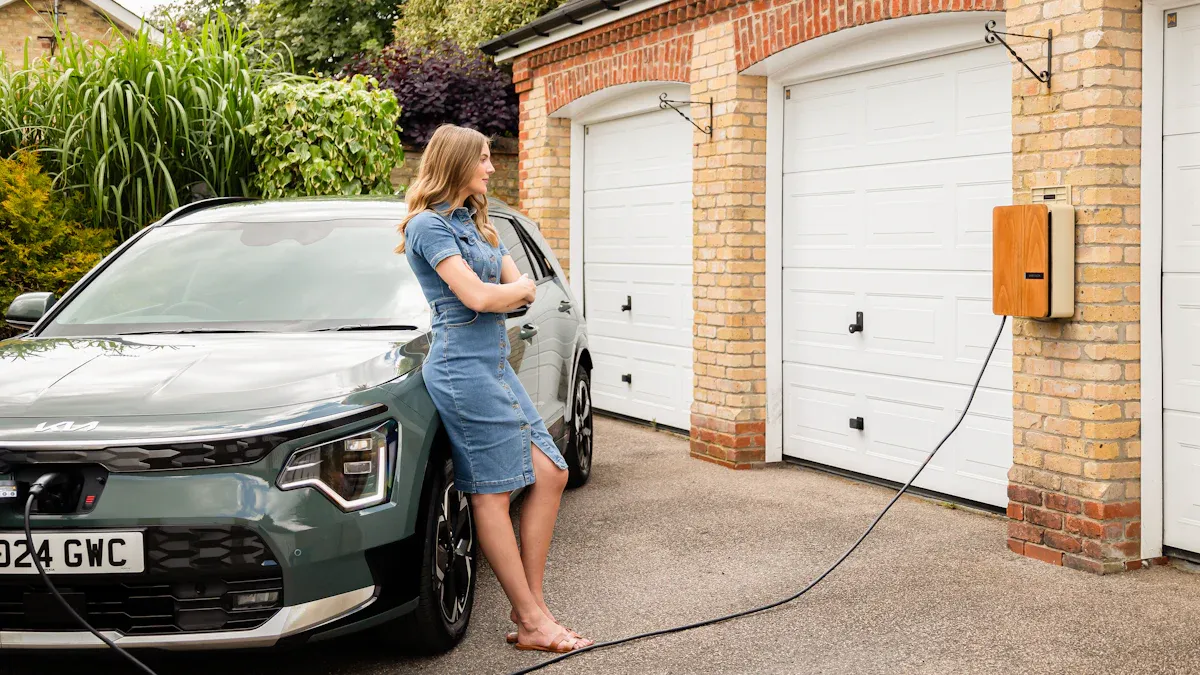
İç ve Dış Mekan Kurulumu
Hava koşullarına dayanıklı
Homeowners often face the decision of installing their electric vehicle charger indoors or outdoors. Outdoor installations require chargers with robust weatherproofing. Manufacturers design these units to withstand rain, snow, and extreme temperatures. A covered area, such as a carport or garage, extends the lifespan of the charger by shielding it from direct exposure. Indoor installations, typically in garages, offer natural protection from the elements. This setup reduces maintenance needs and minimizes the risk of weather-related damage.
Erişilebilirlik
Accessibility plays a crucial role in charger placement. Installers recommend positioning the charger close to where the vehicle parks. This approach shortens the cable run and reduces tripping hazards. Easy access to the electrical panel simplifies installation and lowers costs. Homeowners should avoid placing chargers in high-traffic areas or locations prone to standing water. A discreet spot can also help maintain the home’s curb appeal.
İpucu: Select a location that balances convenience, safety, and aesthetics for the best long-term experience.
Key factors for installation location:
- Proximity to the electric vehicle
- Access to electrical power
- Shelter from the elements
- Safety considerations
- Aesthetics and curb appeal
Kablo Yönetimi
Safety and Organization
Proper cable management ensures a tidy and safe charging area. Wall-mounted hooks, reels, or cable organizers keep the charging cable off the ground. Organized storage prevents the cable from tangling or becoming damaged. A neat setup also improves the appearance of the garage or driveway.
Preventing Tripping Hazards
Loose cables can create tripping hazards, especially in shared spaces. Installers advise securing the cable along walls or using retractable systems. Homeowners should always return the cable to its holder after use. This habit protects both people and equipment.
Not: Good cable management extends the life of the charging cable and keeps the area safe for everyone.
Profesyonel ve Kendin Yap Kurulum
When to Hire an Electrician
Most experts recommend hiring a licensed electrician for charger installation. Electricians assess the home’s electrical capacity, install dedicated circuits, and ensure compliance with safety codes. Professional installation reduces the risk of electrical faults and protects the investment.
İzinler ve Denetimler
Many local authorities require permits for installing home electric vehicle chargers. Inspections verify that the work meets safety standards. Electricians handle the permitting process and schedule inspections as needed. This step ensures the installation remains safe and legal.
Alarm: Skipping permits or inspections can lead to safety hazards and may void the charger’s warranty.
By considering these practical tips, homeowners can create a safe, efficient, and attractive charging setup that fits their lifestyle and property.
Selecting a home electric vehicle charger involves several important steps. Drivers should assess their daily routines, vehicle requirements, and home electrical systems. Matching charger features to these factors ensures reliable performance and long-term value. A home electric vehicle charger that fits the household’s needs supports efficient charging and future upgrades. For optimal results, individuals should consult qualified professionals before installation.
SSS
Seviye 1 ve Seviye 2 ev tipi elektrikli araç şarj cihazları arasındaki fark nedir?
Level 1 chargers use a standard 120-volt outlet and charge slowly. Level 2 chargers require a 240-volt outlet and charge much faster. Most electric vehicle owners prefer Level 2 for daily use due to its efficiency.
Can a homeowner install an EV charger without upgrading the electrical panel?
Some homes support Level 2 chargers without upgrades. Older homes or those with limited capacity may need an electrical panel upgrade. A licensed electrician can assess the existing system and recommend the safest solution.
Are home EV chargers safe to use outdoors?
Manufacturers design many home EV chargers for outdoor use. These units feature weatherproof casings and robust insulation. Always check the charger’s IP rating and follow installation guidelines for outdoor environments.
Elektrikli bir aracı evde şarj etmek ne kadar sürer?
Charging time depends on the charger type and vehicle battery size. Level 1 chargers may take up to 40 hours for a full charge. Level 2 chargers typically complete charging in 4 to 8 hours.
Do all electric vehicles use the same charging connector?
Most electric vehicles in North America use the J1772 connector. Tesla vehicles use a proprietary connector but include adapters for compatibility. Always verify connector type before purchasing a charger.
Bir ev tipi elektrikli araç şarj cihazı güneş panelleriyle çalışabilir mi?
Many modern chargers integrate with solar panel systems. These chargers prioritize solar energy when available, reducing reliance on grid electricity. Homeowners can maximize renewable energy use and lower utility costs.
Is it necessary to get a permit for installing a home EV charger?
Most local authorities require permits for installing Level 2 chargers. Permits ensure compliance with safety codes. Licensed electricians usually handle the permitting process and schedule inspections.
Bir ev tipi elektrikli araç şarj cihazı ne tür bakım gerektirir?
Routine maintenance includes inspecting cables for wear, checking connections, and cleaning the unit. Most chargers require minimal upkeep. Regular checks help ensure safe and reliable operation.