Electric vehicle charging stations differ in cost, convenience, and accessibility. Home EV charging appeals to many drivers, offering the ability to charge overnight and control expenses. Data shows:
- 76% of electric vehicle owners use home charging stations.
- 45% rely on public or commercial stations.
- Annual transportation costs can fluctuate, with public charging sometimes increasing expenses despite advancements by Производители зарядных устройств для электромобилей.
Выбор правильного Зарядное устройство для электромобилей impacts both daily routines and long-term budgets.
Understanding Electric Vehicle Charging Stations
Home EV Charging Explained
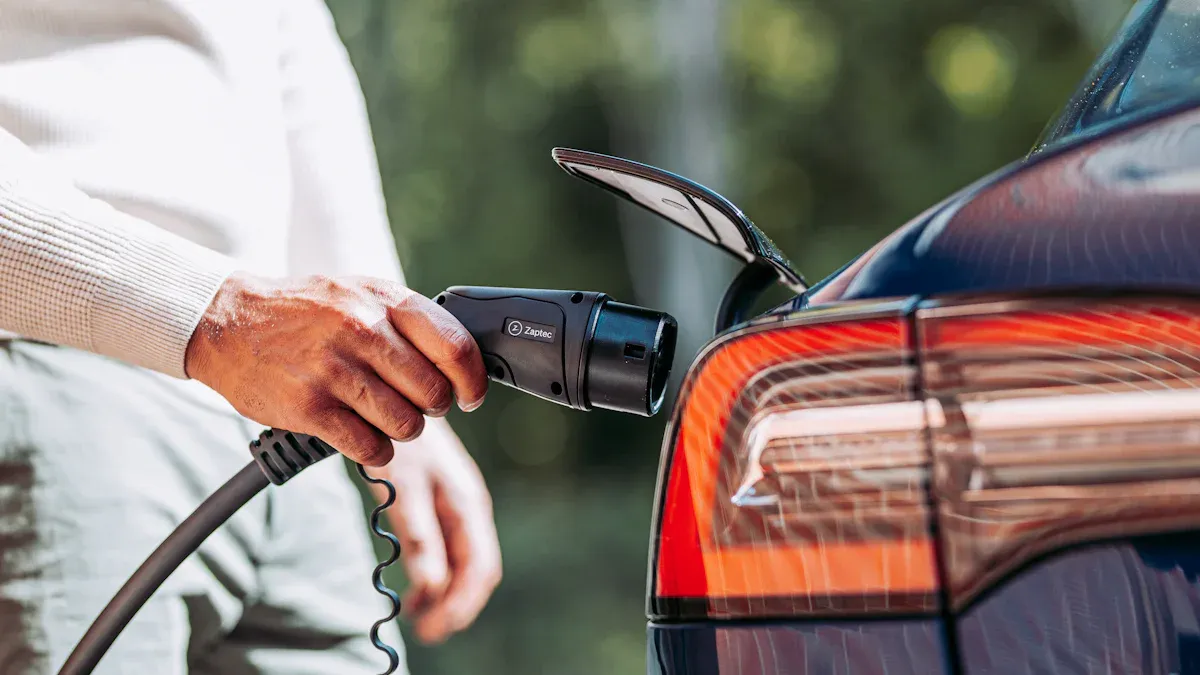
Home EV charging provides electric vehicle owners with a reliable and cost-effective way to power their vehicles. Most homeowners install Level 2 charging stations, which deliver between 3.7 and 22 kW of power. This range allows a full charge for many vehicles, such as a Tesla Model 3, in under four hours. Home charging stations offer several features:
- Smartphone control for starting or stopping charging sessions
- Safety mechanisms to protect the home’s electrical system
- Optimized charging speeds for efficiency
- Integration with renewable energy sources
- Cost savings by charging during off-peak electricity rates
- Connectivity with home energy management systems
Charging at home eliminates the need for detours to public stations and can reduce fuel costs by 60-80% compared to gasoline vehicles. Smart home EV charging stations use wireless connections to communicate with the vehicle and the home’s electrical system, providing real-time insights and greater control over energy use.
Commercial EV Charging Overview
Commercial EV charging stations serve drivers who need to charge away from home, such as at workplaces, shopping centers, or along highways. These stations use advanced technology to deliver higher charging speeds and support more vehicles simultaneously. The following table highlights the main types of electric vehicle charging stations available:
| Тип зарядной станции | Описание |
|---|---|
| Портативное зарядное устройство | Mobile, flexible, but less reliable for daily use |
| Fixed Charger | Permanent, stable installations at homes or public sites |
| Зарядное устройство уровня 1 | Uses standard outlets, slow charging |
| Зарядное устройство уровня 2 | 240V supply, suitable for home and public use, faster charging |
| Level 3 Charger | Fast charging, less common than Level 2 |
| CHAdeMO Connector | DC fast charging, popular in Japan |
| CCS Connector | Fast-charging standard, growing globally |
| Tesla Supercharger | Proprietary, fast charging for Tesla vehicles |
Commercial charging stations typically deliver between 20 and 350 kW, enabling much faster charging than residential options. Many commercial chargers feature software integration, remote management, and user-friendly apps for payment and monitoring. These features help businesses optimize energy use and provide a seamless experience for drivers.
Who Uses Home vs Commercial Charging Stations?
Different groups rely on home and commercial EV charging based on their living situations and access to infrastructure. Higher-income individuals and those living in single-family homes are more likely to use home EV charging stations. In contrast, residents of multi-dwelling units, renters, and lower-income groups often depend on commercial EV charging due to limited access to private parking or electrical upgrades. Urban residents, especially those in apartments, face challenges installing home chargers and rely heavily on public infrastructure. As electric vehicle adoption grows, expanding public charging networks will be essential to ensure equitable access for all demographic groups.
Cost Differences: Home EV Charging vs Commercial Charging Stations
Upfront Costs for Electric Vehicle Charging Stations
Home EV Charging Purchase and Installation
Homeowners who choose home EV charging benefit from lower upfront costs compared to commercial installations. The average price for a Level 2 home charging station варьируется от $500 to $2,200. This price includes the charger itself and basic installation. Factors such as electrical panel upgrades or longer wiring runs can increase the total expense. Many utility companies and government agencies offer incentives and rebates that reduce the initial investment. These programs often cover equipment and installation, making charging at home more accessible for a wider range of drivers.
Совет: Homeowners should check local rebate programs before purchasing a home charging station to maximize savings.
Commercial Charging Stations Purchase and Installation
Commercial EV charging stations require a larger investment. The cost for installing a Level 2 commercial charger typically falls between $3,500 and $15,000 per port. DC fast chargers present an even higher expense, with prices ranging from $18,000 to over $350,000 per port. Installation complexity, site preparation, and distance from power sources all influence the final cost. Businesses can offset some of these expenses through government incentives. For example, rebates from local agencies may cover a significant portion of installation costs, especially for DC fast charging stations.
| Тип зарядной станции | Диапазон средней стоимости |
|---|---|
| Home Level 2 | $500 to $2,200 |
| Коммерческий уровень 2 | $3,500 to $15,000 per port |
| Быстрое зарядное устройство постоянного тока | $18,000 to over $350,000 |
- Government incentives and rebates lower the initial costs for both home and commercial charging stations.
- These programs can cover equipment, installation, and sometimes labor.
- Rebates for commercial installations may reach up to $125,000 per DC fast charging station, depending on location and vehicle type.
Ongoing Costs and Fees
Home Electricity Rates and Savings
Charging at home offers predictable and often lower ongoing costs. Home charging stations use residential electricity rates, which vary by region and utility provider. On average, a full charge at home costs about £13 and provides up to 200 miles of driving range. Many utilities offer time-of-use rates, allowing homeowners to save money by charging during off-peak hours. This approach can significantly reduce the cost of charging over time.
Public EV Charging Stations Pricing
Charging at a public station involves different pricing models. Commercial charging stations may charge users £19 for a 30-minute session, with the range achieved depending on the charger type and vehicle. Public EV charging stations often use pay-per-use pricing, but subscription models are also available. Flat-rate subscriptions provide unlimited charging for a fixed monthly fee, which benefits frequent users by offering predictability and convenience.
| Способ зарядки | Cost per Charge | Range Achieved |
|---|---|---|
| Домашняя зарядка | £13 | 200 miles |
| Commercial Charging | £19 for 30 mins | Варьируется |
- Fixed monthly fee for unlimited or tiered usage.
- Premium plans may offer faster charging, reserved parking, or priority support.
- Пример: $29/month for unlimited Level 2 charging; higher tiers for fast charging access.
| Характеристика | Subscription Model | Pay-Per-Use Pricing |
|---|---|---|
| Доступ | Unlimited or discounted access | Pay for each use |
| Revenue Model | Fixed monthly fee | Variable based on usage |
| Customer Loyalty | Builds user loyalty | Less focus on retention |
| Predictability | Predictable income | Income varies with usage |
| Marketing Needs | Requires marketing for user base growth | Less marketing needed for casual users |
Maintenance and Repair Considerations
Home EV Charging Maintenance
Home charging stations require minimal maintenance. The average annual maintenance cost for a home Level 1 or Level 2 station is about $400. Most manufacturers offer basic warranty and safety agreements, which provide peace of mind for homeowners. Maintenance contracts for home installations tend to be straightforward, covering routine checks and minor repairs.
Commercial Charging Stations Maintenance
Commercial charging stations demand more robust maintenance and repair strategies. The annual maintenance cost for a commercial DC fast charging station is nearly double that of a home station. Businesses often enter into comprehensive service level agreements (SLAs) with providers. These agreements specify performance metrics, such as response times for emergency repairs and maximum allowable downtime. SLAs ensure that public charging stations remain reliable and operational, which is critical for customer satisfaction and business reputation.
| Тип зарядной станции | Average Annual Maintenance Cost |
|---|---|
| Home (Level 1 and Level 2) | $400 на станцию |
| Commercial (Level 3 DC fast) | Nearly double home station cost |
Home EV charging stations typically involve less complex maintenance contracts, while commercial installations require detailed agreements to minimize downtime and ensure efficiency. In commercial settings, SLAs outline the responsibilities of the charge point operator, including regular maintenance and emergency callouts.
Convenience and Accessibility of Electric Vehicle Charging Stations
Home EV Charging Convenience
Overnight Charging at Home
Homeowners experience significant convenience with electric vehicle charging stations installed at their residences. They can charge their vehicles overnight, ensuring the battery reaches full capacity by morning. This routine eliminates the need to visit public charging stations and provides peace of mind for daily commutes. Drivers gain more control over their charging schedules, which supports consistent vehicle readiness.
- Charging overnight at home ensures the vehicle is always prepared for daily use.
- Home charging removes the need for detours to public EV charging stations.
- Users enjoy flexibility in managing their charging times.
Smart Scheduling and Remote Control
Modern home charging stations offer smart scheduling features and remote control capabilities. Owners can set charging sessions to begin during off-peak hours, reducing electricity costs. Smartphone apps allow users to monitor charging progress, adjust settings, and receive notifications. These tools enhance convenience and help optimize energy consumption.
Commercial EV Charging Accessibility
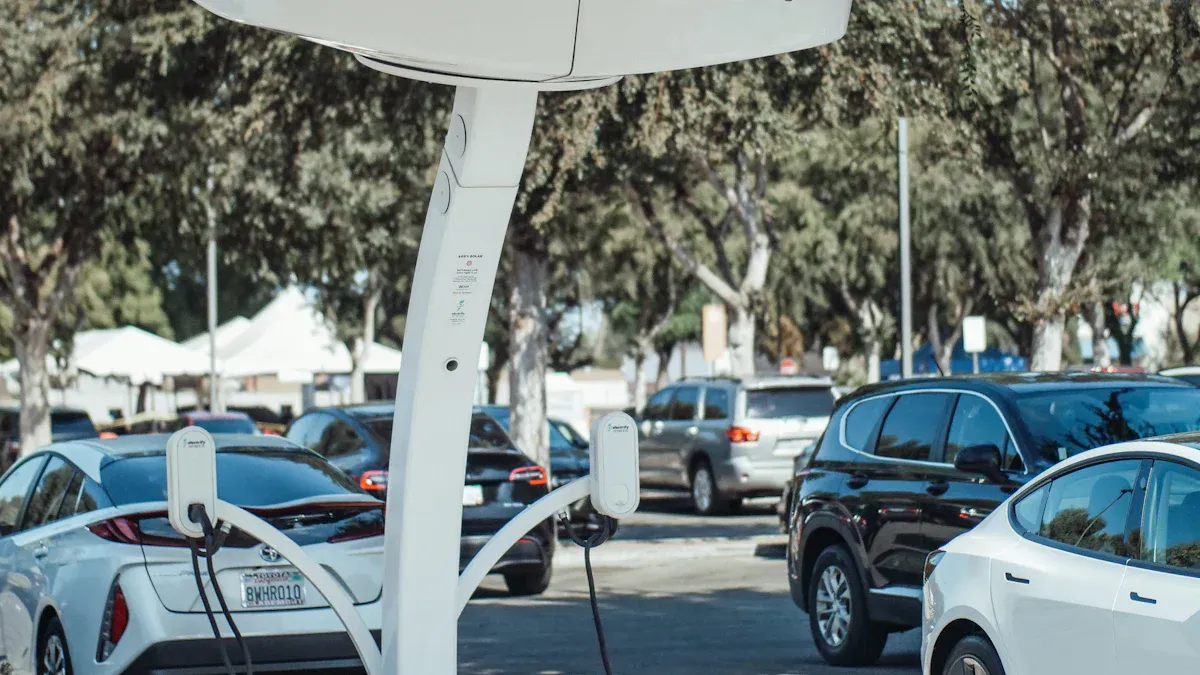
Availability and Wait Times at Public EV Charging Stations
Общественные станции зарядки электромобилей provide essential support for drivers who cannot charge at home. In urban areas and along highways, these stations offer flexibility for long trips or when away from home. However, availability and wait times can vary. High demand during peak hours may lead to longer waits, especially in densely populated regions. Drivers must plan their charging stops to avoid delays.
- Общественные зарядные станции are widely available in cities and travel corridors.
- Wait times can increase during busy periods.
- Charging at a public station offers flexibility for those without home access.
Location Options: Work, Shopping, and Travel
Commercial charging stations appear at workplaces, shopping centers, and travel hubs. These locations allow drivers to charge while running errands or working. Businesses install charging points to attract customers and support employee needs. The strategic placement of commercial chargers increases accessibility and encourages EV adoption.
Accessibility for Different Lifestyles
Homeowners vs Renters and Home EV Charging
Homeowners benefit from private charging options, making home charging straightforward. Renters face barriers due to limited access to dedicated parking and electrical infrastructure. They often rely on public charging stations, which can be less convenient and more expensive. Renters may need to travel farther to find available chargers, impacting their daily routines.
- Renters encounter challenges in accessing private charging.
- Homeowners enjoy the convenience of charging at home.
- Public infrastructure remains vital for renters.
Urban vs Rural Access to Commercial Charging Stations
Geographic distribution affects charging accessibility. Urban regions, such as Greater London, feature a high number of charging points, supporting dense populations. Rural areas have fewer stations, which increases range anxiety and limits travel options. Expanding charging infrastructure in rural locations is essential for equitable access.
| Регион | Количество зарядных станций |
|---|---|
| Greater London | 18,927 |
| South East | 6,661 |
| Scotland | 4,880 |
- Rural drivers face limited access to commercial charging stations.
- A dependable network supports EV adoption in all regions.
- Infrastructure improvements help bridge the urban-rural gap.
Charging Speed and Levels at Home and Commercial Charging Stations
Charging Levels for Electric Vehicle Charging Stations
Electric vehicle charging stations offer different charging levels, each with unique power outputs and compatibility. Drivers encounter three main types: Level 1, Level 2, and DC Fast Charging. The table below summarizes their key differences:
| Уровень зарядки | Выходная мощность (кВт) | Время зарядки | Совместимость |
|---|---|---|---|
| Уровень 1 | 1.4 – 1.9 | 20 – 40 hours | Жилье |
| Уровень 2 | 3.3 – 19.2 | 4 – 8 hours | Home/Public |
| Быстрая зарядка постоянного тока | 50 – 350 | 20 – 40 minutes | Commercial/Public |
Level 1 Home EV Charging
Уровень 1 зарядки uses a standard household outlet. Most drivers find this option slow, as it delivers only 1.4 to 1.9 kW of power. Charging at home with Level 1 can take up to 40 hours for a full battery. This method suits plug-in hybrids or drivers with short daily commutes.
Level 2 Home and Commercial EV Charging
Level 2 charging stations operate at higher voltages and deliver between 3.3 and 19.2 kW. Homeowners often install these units for faster charging. Public EV charging stations also use Level 2 chargers, making them accessible for many vehicles. Charging times drop to 4–8 hours, which fits overnight charging or extended parking at work or shopping centers.
DC Fast Charging at Commercial Charging Stations
DC Fast Charging provides the highest charging speed available. These stations deliver between 50 and 350 kW, reducing charging times to as little as 20 minutes. Public charging stations along highways and in urban areas often feature DC Fast Charging, supporting long-distance travel and quick top-ups.
Typical Charging Times Compared
Charging times vary by station type. The following table compares average times to reach 80% battery capacity:
| Тип зарядной станции | Average Charging Time to 80% |
|---|---|
| Уровень 1 | 40-50+ hours |
| Уровень 2 | 4-10 hours |
| Быстрая зарядка постоянного тока | От 20 минут до 1 часа |
Home EV Charging Speeds
Charging at home with Level 1 or Level 2 stations offers convenience but slower speeds. Level 1 suits overnight charging for small batteries. Level 2 provides a practical solution for daily use, allowing most drivers to start each day with a full charge.
Commercial Charging Stations Speeds
Charging at a public station, especially with DC Fast Charging, dramatically reduces wait times. Many drivers can add hundreds of miles of range in under an hour. This speed supports busy lifestyles and long trips, making public charging stations essential for those without home access.
Impact on Daily Driving and Travel
Charging speed influences daily routines and travel plans. Fast charging at commercial sites enables longer journeys with minimal stops. Home charging supports predictable schedules and lower cost of charging. Drivers who rely on public EV charging stations benefit from rapid charging options, while those with home setups enjoy the flexibility of overnight charging. The right mix of charging options ensures electric vehicle owners can meet their mobility needs, whether commuting, running errands, or traveling cross-country.
Installation Requirements for Home and Commercial EV Charging

Home EV Charging Installation Process
Electrical Panel Upgrades for Home EV Charging
Homeowners often need to assess their electrical systems before installing a charging station. Many Level 2 chargers require dedicated wiring and a higher-capacity circuit breaker. Existing panels may need upgrades to support the increased load. Coordination with the local utility ensures the grid can handle the additional demand. The following table outlines standard installation requirements for home EV charging stations:
| Требование | Подробности |
|---|---|
| Подключение к сети | Coordinate with local utility to ensure grid can handle additional load. |
| Модернизация электрических щитов | Existing panels may need upgrades to support increased load. |
| Cable and Wiring | Use high-quality cables that meet local electrical codes for safety. |
| Соблюдение нормативных требований | Must comply with local, national, and international regulations for safety and interoperability. |
| Разрешение | Obtain necessary permits from local authorities, including electrical and construction permits. |
Permits and Professional Installation
Most cities and states require a permit and inspection for electrical modifications. Homeowners must check with the local building department to ensure safety and compliance. Professional electricians handle installation, ensuring all work meets code requirements. A Level 2 charger installation typically costs between $800 and $2,500, depending on complexity and permit fees. The timeline varies based on the need for panel upgrades and the speed of permit approval.
Совет: Always hire a licensed electrician for EV charger installation to guarantee safety and regulatory compliance.
Commercial Charging Stations Installation Process
Site Assessment and Power Supply Needs
Businesses must conduct a thorough site assessment before installing commercial EV charging stations. Utility upgrades and complex electrical infrastructure work are often necessary. Commercial installations require a calculated load of 7.2 kVA for each charging space, with branch circuits rated at a minimum of 50 amperes. The installation method, complexity, and additional labor such as trenching or drilling influence both cost and timeline. Commercial Level 2 chargers typically cost $6,000 to $15,000 per unit, with installation taking several weeks due to utility upgrades and permitting.
| Type of Installation | Диапазон стоимости | Installation Timeline |
|---|---|---|
| Коммерческая | $6,000 – $15,000 (per Level 2 charger) | A few weeks (may extend due to utility upgrades or permitting) |
| Главная | $800 – $2,500 (for Level 2 charger) | Varies based on complexity and permits required |
Compliance, Regulations, and Payment Integration
Commercial EV charging stations must comply with strict regulatory standards. Businesses need planning permission in many regions and must engage with local councils early. Charging points must be accessible, meeting requirements such as the Equality Act. Safety regulations demand adherence to fire safety and electrical standards. Payment integration systems, including contactless and app-based solutions, enhance user experience and support business operations.
| Regulatory Consideration | Описание |
|---|---|
| Разрешение на проектирование | Necessary in many regions; engage with local councils early. |
| Электрическая мощность | Ensure existing infrastructure can handle additional load; may require upgrades. |
| Доступность | Charging points must be accessible, including compliance with the Equality Act. |
| Safety Regulations | Adhere to fire safety and electrical standards; consult qualified electricians. |
Space and Infrastructure for Electric Vehicle Charging Stations
Space and infrastructure requirements differ between home and commercial installations. Home chargers need a dedicated parking spot and access to the electrical panel. Commercial stations require more extensive infrastructure, including adequate lighting, security, and coordination with utility companies. The following table compares charger types and their typical use:
| Тип зарядного устройства | Типичное использование | Стоимость | Напряжение | Время зарядки |
|---|---|---|---|---|
| Level One | Жилье | $600 | 120V | 24-40 hours |
| Level Two | Коммерческая | $7,200 | 240V | 8-10 hours |
| Level Three | Коммерческая | $50,000 | 480V | ~1 час |
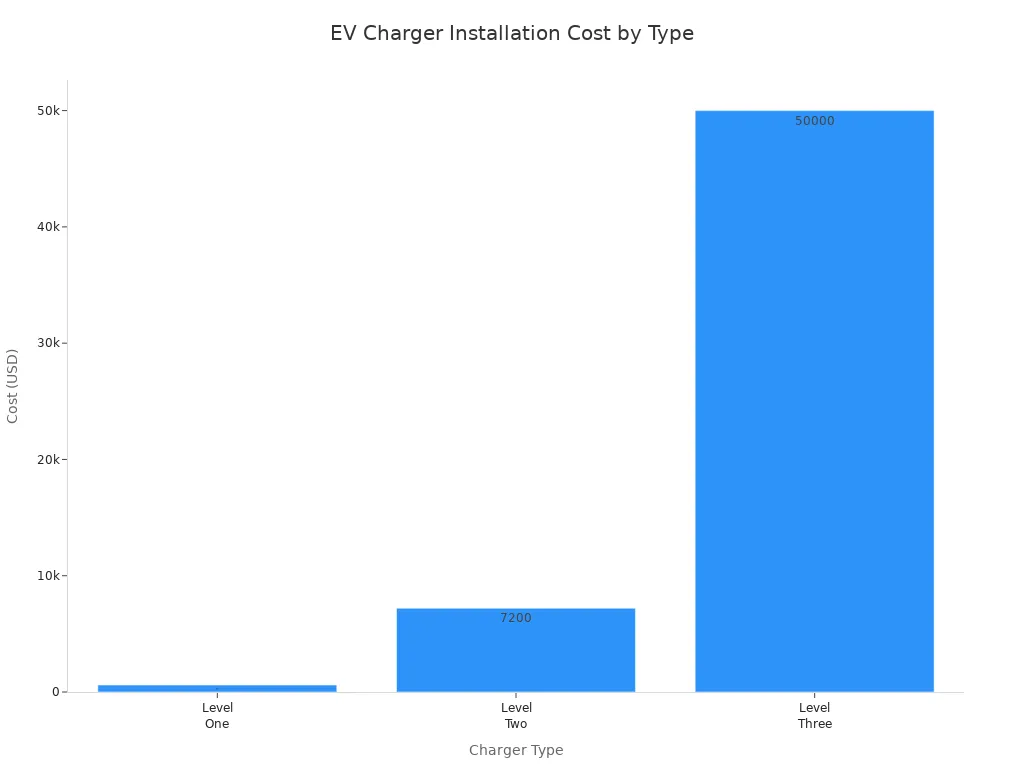
Commercial installations must meet stricter safety and capacity standards to support multiple users. Site location, sufficient electrical infrastructure, and utility coordination play key roles in successful deployment.
Safety and Reliability of Electric Vehicle Charging Stations
Home EV Charging Safety Features
Proper Equipment and Safe Setup
Home EV charging stations require careful selection of equipment and правильная установка to ensure safety. Electricians recommend using certified devices that meet international standards. The following certifications and standards apply to home EV charging stations:
- ISO 6469: Safety requirements for electric vehicles to ensure roadworthiness.
- ISO/IEC27000: Information security standards for connected devices.
- IEC60364-7-722: Low-voltage electrical installations for EVs.
- SAEJ1766: Passenger protection during crashes.
- ISO 17409: Standards for conductive connections.
- IEC61140: Protection against electric shock.
- IEC62040: Standards for uninterruptible power supplies.
- IEC60529: Enclosure protection standards.
Installers must follow local building codes and manufacturer guidelines. Smart ChargePoints Regulations in the UK require all chargers to support smart functionality, such as off-peak charging and remote connectivity. These measures help prevent electrical hazards and ensure reliable operation.
Совет: Homeowners should schedule regular inspections of their charging equipment to identify potential issues early.
Fire and Electrical Safety at Home
Fire and electrical safety remain top priorities for residential charging. Electricians install ground-fault protection to reduce the risk of electrical shock. Proper wiring and circuit breakers help prevent overheating and voltage spikes. Homeowners should keep charging areas clear of flammable materials and ensure adequate ventilation. Routine maintenance checks can detect hardware faults, firmware problems, and poor Wi-Fi connectivity, which sometimes disrupt charging schedules. Addressing these issues promptly maintains a safe environment for both the vehicle and the home.
Commercial Charging Stations Safety Standards
Public Use and Security Considerations
Commercial EV charging stations operate in public spaces, so they must meet rigorous safety standards. High-powered chargers include AC ground-fault protection to safeguard users. Manual emergency shut-off switches allow immediate power cut-off during emergencies. Operators design stations with secure enclosures and clear signage to guide users. The EU’s Alternative Fuels Infrastructure Regulation (AFIR) mandates digital connectivity and smart charging capabilities for new public stations. These requirements improve safety and accessibility for all drivers.
Security extends beyond physical safety. Connectivity in commercial charging stations increases efficiency but introduces cybersecurity risks. Operators implement robust cybersecurity measures to protect against hacking and maintain the integrity of the charging network.
Maintenance and Monitoring for Reliability
Надежность зависит от regular maintenance and active monitoring. Commercial operators use service agreements to ensure prompt repairs and minimize downtime. Common reliability issues include hardware faults, faulty switchgear, firmware problems, and charging schedule conflicts. Voltage spikes and poor connectivity can also affect performance. Operators monitor systems remotely, respond quickly to alerts, and schedule preventive maintenance to keep stations operational.
Regular monitoring and maintenance help commercial charging stations deliver consistent service and protect user safety.
Choosing Between Home EV Charging and Commercial Charging Stations
Key Factors to Consider
Driving Habits and Range Needs
Electric vehicle owners must assess their daily driving patterns before selecting a charging solution. Most Americans drive approximately 39.7 miles per day, with the majority of EVs offering ranges near 300 miles per charge. Drivers who commute short distances or maintain predictable schedules benefit from home charging, which allows them to start each day with a full battery and reduces range anxiety. Home charging also provides a cost advantage, with energy rates averaging 3-5p per mile compared to 15-20p per mile for petrol vehicles. Those who frequently travel long distances or have irregular routines may find commercial charging stations more suitable, as these offer rapid charging and support on-the-go needs.
Home Ownership, Parking, and Accessibility
Property type and parking availability play a significant role in the decision-making process. Homeowners with dedicated parking spaces can install Level 2 chargers, enjoying the convenience of overnight charging. Renters or residents of multi-unit buildings often lack access to private parking or electrical infrastructure, making public charging stations essential. Site assessments help determine the feasibility of installation, considering electrical capacity, available space, and regulatory compliance. Owners should evaluate their property’s unique needs, including tenant demographics and traffic patterns, to optimize charger placement and quantity.
Budget, Lifestyle, and Charging Preferences
Financial considerations influence the choice between home and commercial charging. Home charging requires an upfront investment for equipment and installation, but ongoing costs remain low, especially with off-peak energy rates. Commercial charging stations eliminate installation expenses but may involve higher usage fees and potential wait times. Incentive programs and rebates can offset initial costs for both options. Lifestyle preferences, such as the desire for smart technology integration or flexible payment options, also impact the decision. Owners should prioritize user-friendly features, security measures, and alignment with sustainability goals, such as integrating chargers with renewable energy sources.
Совет: Partnering with reliable vendors and monitoring charger performance ensures long-term satisfaction and supports future expansion as EV adoption increases.
Combining Home and Public EV Charging Stations
Many electric vehicle owners benefit from using both home and public charging stations. This hybrid approach offers flexibility and maximizes convenience. The following table highlights the advantages and drawbacks of each option:
| Аспект | Домашняя зарядка | Общественная зарядка |
|---|---|---|
| Удобство | Charge overnight, ready each morning | Available in urban areas and along highways |
| Экономическая эффективность | Typically cheaper, especially with off-peak rates | Can be more expensive than home charging |
| Гибкость | Limited to home location | Offers options for long trips and on-the-go needs |
| Доступность | Requires a dedicated parking space | Widely available in various locations |
| Initial Costs | Installation costs can be high | No installation costs, but may have usage fees |
| Доступность | Always available if you have a charging station | May face unavailability or delays |
- Benefits of Home Charging: Owners enjoy the convenience of overnight charging and lower energy costs.
- Drawbacks of Home Charging: Installation requires a dedicated parking space and upfront investment.
- Benefits of Public Charging: Drivers gain flexibility for long trips and access to charging in diverse locations.
- Drawbacks of Public Charging: Higher costs and occasional unavailability can pose challenges.
Combining both solutions allows electric vehicle owners to tailor their charging strategy to their lifestyle, driving habits, and property constraints. This approach ensures reliable access to power, supports long-distance travel, and adapts to evolving needs as technology and infrastructure improve.
Electric vehicle owners face distinct choices between home and commercial charging stations. The table below highlights the main differences:
| Характеристика | Домашние зарядные устройства | Commercial EV Chargers |
|---|---|---|
| Тип зарядного устройства | Уровень 1 | Уровень 2 |
| Совместимость | Standard home outlets | Smart-networked units |
| Время зарядки | ~20 hours for full charge | 5-6 hours for full charge |
| Инфраструктурные потребности | Minimal, suitable for single homes | Advanced, suitable for public spaces |
| Стоимость | Generally lower | Typically higher due to advanced tech |
Selecting the right charging solution depends on several factors:
- Type of charger
- Vehicle compatibility
- Costs and available incentives
- Number of charging stations nearby
- Provider reliability
Drivers should evaluate their daily travel patterns, property type, and budget before making a decision. Careful assessment ensures the chosen charging station meets both lifestyle and financial needs.
ЧАСТО ЗАДАВАЕМЫЕ ВОПРОСЫ
What is the main difference between home and commercial EV charging stations?
Home EV charging stations serve private residences and typically offer slower charging speeds. Commercial stations operate in public spaces, provide faster charging options, and support multiple users.
How much does it cost to install a home EV charging station?
Installation costs for a Level 2 home charger range from $800 to $2,500. The price depends on electrical upgrades, permit fees, and charger model.
Can renters use home EV charging stations?
Renters face challenges installing home chargers due to parking restrictions and lack of electrical access. Most rely on общественные зарядные станции for convenience.
Are commercial EV charging stations faster than home chargers?
Commercial stations often use DC fast charging technology. These chargers deliver higher power, reducing charging times to under an hour for most vehicles.
Do home EV charging stations require regular maintenance?
Home charging stations need minimal maintenance. Owners should schedule annual inspections and keep the area clear of hazards for safety.
What payment options exist for public EV charging stations?
Public stations accept contactless payments, mobile apps, and subscription plans. Drivers choose the method that best fits their usage patterns.
Is it safe to charge an electric vehicle at home?
Certified home charging equipment and professional installation ensure safety. Ground-fault protection and regular inspections help prevent electrical hazards.
Can commercial EV charging stations support all electric vehicle models?
Most commercial stations use universal connectors like CCS or CHAdeMO. These standards support a wide range of electric vehicles, including popular brands.