
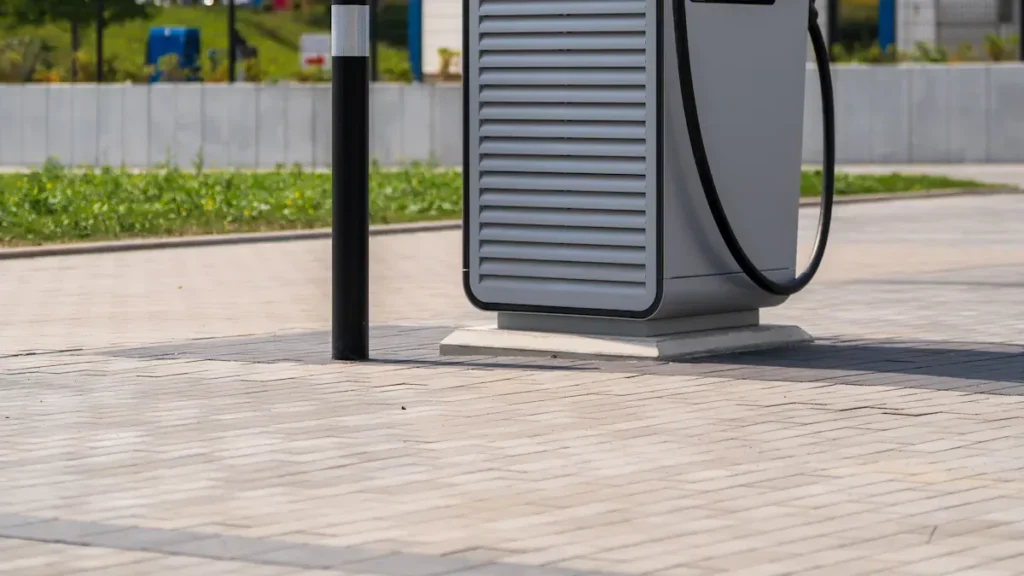
Government incentives play a crucial role in shaping the landscape for electric vehicles in the Philippines. The country has seen remarkable momentum in EV adoption and charging infrastructure, driven by policy support and the growing presence of Производители зарядных устройств для электромобилей. Recent data highlights this surge:
- Over 10,000 newly registered electric vehicles appeared in the first half of last year, already surpassing the previous year’s total.
- The market for electric vehicles in the Philippines is projected to expand from USD 188.6 million in 2025 to over USD 1 billion by 2033, with a compound annual growth rate of 23.9%.
Metro Manila leads in EV penetration, while Mindanao shows the fastest growth. These trends underscore the need for effective incentives, robust Решения для зарядки электромобилей, and a reliable network of портативные зарядные устройства для электромобилей. As more stakeholders invest in charging networks, government support ensures that charging becomes accessible and sustainable for all.
The Current State of Electric Vehicles in the Philippines and Charging Infrastructure
Growth of Electric Vehicles in the Philippines
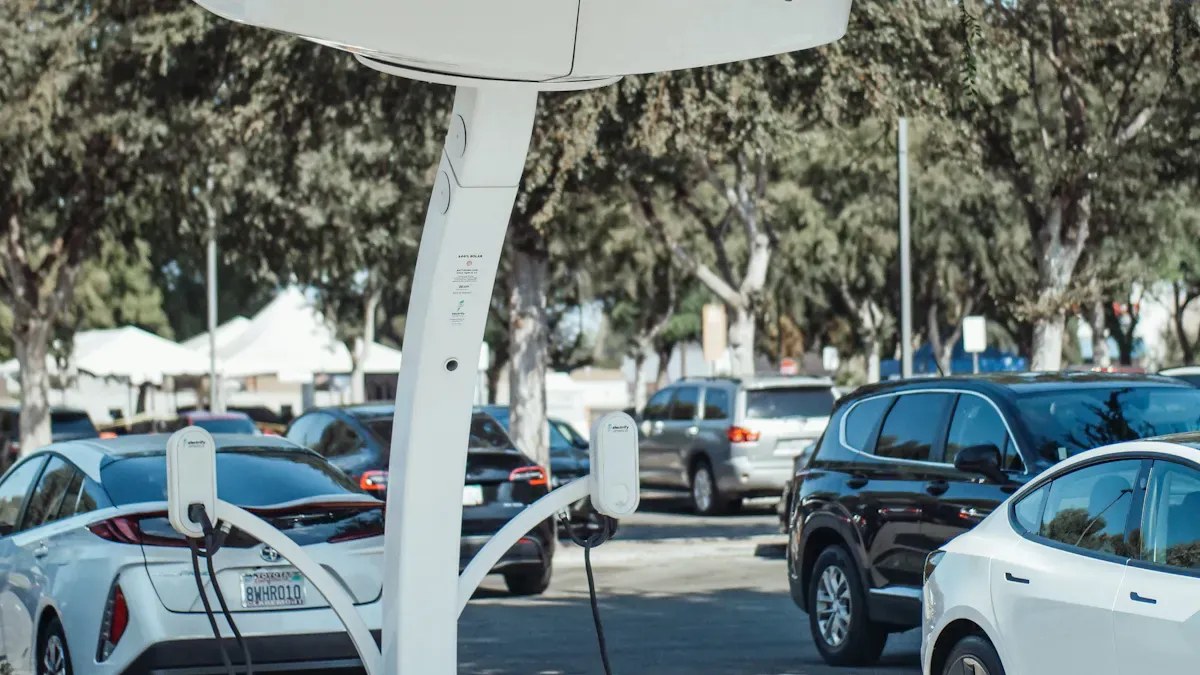
The market for electric vehicles in the Philippines has experienced rapid growth. Consumers and businesses have shown increasing interest in sustainable transportation. The number of registered electric vehicles in the Philippines continues to rise each year. Metro Manila leads in adoption, but other regions such as Mindanao have started to catch up. Many companies now offer a wider range of electric models, including sedans, SUVs, and commercial vehicles. The government has played a role in promoting electric vehicles through incentives and awareness campaigns. This momentum signals a shift toward cleaner mobility options.
Existing Commercial Charging Infrastructure
Commercial charging infrastructure has expanded to support the growing fleet of electric vehicles. Operators have installed stations in shopping malls, office complexes, and public parking areas. The table below shows the distribution of charging stations across major cities:
| Город | Number of Stations | Тип зарядных устройств |
|---|---|---|
| Metro Manila | 45 | Fast, Standard |
| Себу | 18 | Стандарт |
| Davao | 12 | Fast, Standard |
Charging infrastructure provides convenience for EV users and encourages further adoption. Many stations offer both fast and standard charging options. Some operators have begun integrating renewable energy sources into their charging networks. The presence of reliable infrastructure helps build consumer confidence in electric vehicles.
Key Barriers to Charging Network Expansion
Despite progress, several barriers hinder the expansion of charging infrastructure. High upfront costs for equipment and installation remain a challenge. Limited grid capacity in certain areas affects the reliability of stations. Land acquisition and site selection often delay project timelines. Operators face fragmented regulations across regions, which complicates permitting and compliance. Public awareness of charging infrastructure and its benefits remains low outside urban centers.
Note: Addressing these barriers will require coordinated efforts from government, industry, and local stakeholders.
The Philippines must overcome these obstacles to ensure widespread access to electric vehicle charging. Solutions such as streamlined permitting, targeted incentives, and improved grid infrastructure can accelerate network growth. Stakeholders need to collaborate to create a robust and accessible charging ecosystem.
Government Incentives for EV Charging Infrastructure
Tax Breaks and Fiscal Incentives
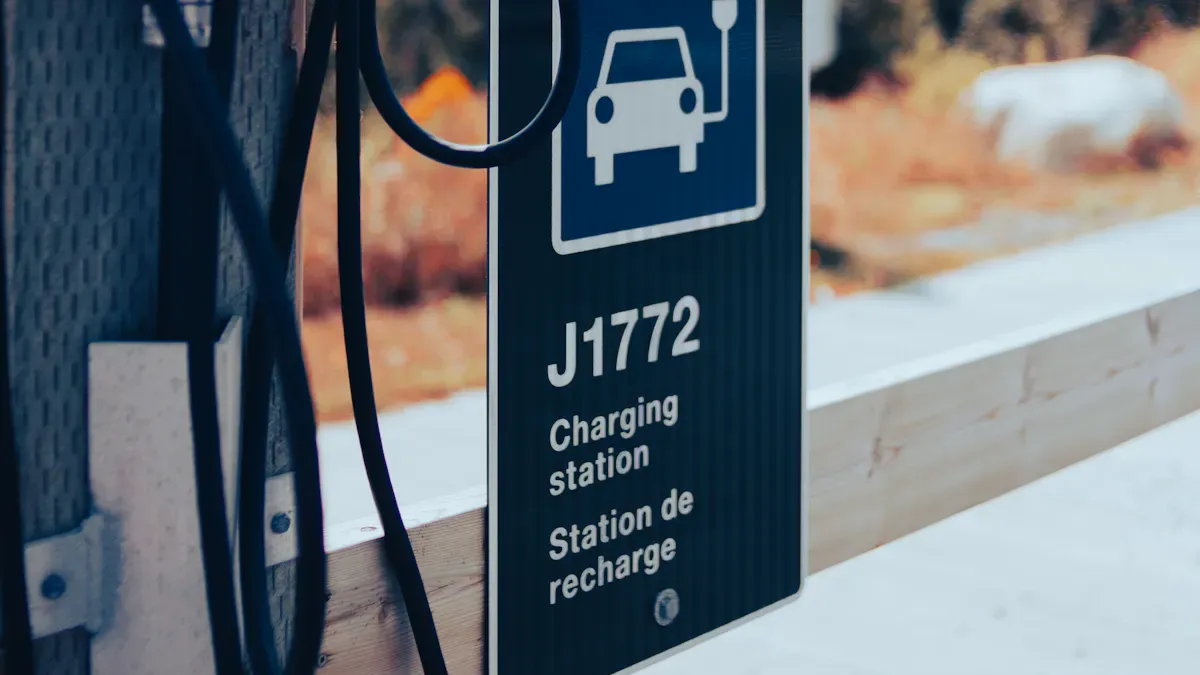
The Philippine government has introduced a range of tax breaks and fiscal incentives to accelerate the development of EV infrastructure. These measures aim to reduce the financial burden on investors and operators, making it easier to establish and expand charging networks. В приведенной ниже таблице указаны the main types of incentives and their eligibility criteria:
| Тип стимула | Описание | Критерии приемлемости |
|---|---|---|
| Exemption from customs duties | Applicable to battery electric vehicles and their components until 2028. | New or imported battery electric vehicles. |
| Tax reductions | Fiscal benefits for EV buyers. | Individual consumers, businesses, or public institutions. |
| Incentives for businesses | Support for local EV manufacturing and charging infrastructure installation. | Compliance with local technical and environmental standards; involvement in EV value chain. |
Exemptions on Import Duties and VAT for Charging Equipment and EVs
Exemptions on import duties and VAT for charging equipment and electric vehicles in the Philippines lower the cost of acquiring advanced technology. These exemptions encourage more companies to invest in the charging station network. Investors can import charging stations and related components without facing high taxes, which helps speed up the deployment of new infrastructure. The Electric Vehicle Industry Development Act provides the legal framework for these tax incentives, supporting the growth of the electric vehicle industry.
Income Tax Holidays for Charging Infrastructure Investors
Income tax holidays offer another layer of financial incentives for investors in charging infrastructure. Companies that build or operate charging stations can benefit from reduced income tax rates for a set period. This policy attracts both local and foreign investors, making the market more competitive. TPSON, as a technologically advanced electric vehicle charging solution provider, benefits from these government incentives, which help them offer reliable and affordable charging solutions.
Direct Subsidies and Grants for Charging Infrastructure
Direct subsidies and grants play a vital role in expanding the charging network across the Philippines. These government initiatives provide funding to cover part of the costs for building and operating charging stations. Subsidy programs target both public and private sector projects, ensuring that infrastructure reaches more communities.
Funding for Charging Station Deployment
Funding for charging station deployment comes from national and local government budgets. These funds support the installation of new stations in strategic locations, such as malls, transport hubs, and business districts. The government prioritizes areas with high demand for electric vehicles in the Philippines, ensuring that infrastructure keeps pace with market growth. This approach helps bridge gaps in the charging network and improves accessibility for EV users.
Support for Local Manufacturing and Assembly of Charging Equipment
Support for local manufacturing and assembly of charging equipment strengthens the domestic supply chain. The government offers financial incentives to companies that produce charging stations and components within the country. These subsidies encourage innovation and create jobs in the electric vehicle sector. Local production also reduces dependence on imports, making the charging infrastructure more resilient to global supply chain disruptions.
Public-Private Partnerships in Charging Infrastructure
Public-private partnerships (PPPs) have become a cornerstone of EV infrastructure development in the Philippines. These collaborations leverage the strengths of both sectors to accelerate the rollout of charging stations and improve service quality.
Joint Ventures with Private Operators for Charging Network Expansion
Joint ventures between the government and private operators drive the expansion of the charging station network. The profit-sharing business model stands out as a successful example. In this model, the government partners with Transport Service Entities (TSEs) to deploy electric Public Utility Vehicles (e-PUVs) and associated charging infrastructure. Key features include expanded financing options, improved investment security, and access to operational data for scaling up projects. The table below summarizes this model:
| Model Name | Описание | Основные характеристики |
|---|---|---|
| Profit-Sharing Business Model | Deployment of electric Public Utility Vehicles (e-PUVs) in partnership with Transport Service Entities (TSEs). | Expands financing models, improves bankability, de-risks investments, provides operational data for scale-up. |
Government-Led Pilot Projects for Charging Stations
Government-led pilot projects test new technologies and business models for charging infrastructure. These initiatives often focus on underserved areas or innovative solutions, such as integrating renewable energy into charging stations. Pilot projects provide valuable data and lessons that inform future policy and investment decisions. They also demonstrate the government’s commitment to building a robust and inclusive EV infrastructure.
Note: Effective государственные стимулы and partnerships ensure that the charging network grows in both scale and quality, supporting the long-term success of electric vehicles in the Philippines.
Regulatory Support and Streamlined Permitting for Charging Infrastructure
Regulatory support forms the backbone of successful EV infrastructure deployment in the Philippines. The government has recognized the importance of clear and efficient permitting processes to accelerate the rollout of charging stations. By simplifying licensing and offering zoning incentives, authorities help reduce delays and encourage more investment in charging infrastructure.
Simplified Licensing Processes for Charging Station Installation
The government has introduced streamlined licensing procedures for installing charging stations. Agencies now provide clear guidelines and faster approval timelines. Investors and operators benefit from reduced paperwork and fewer regulatory hurdles. This approach ensures that new charging infrastructure can be deployed quickly, supporting the growing demand for electric vehicles in the Philippines.
Operators receive assistance from local government units, which coordinate with national agencies to facilitate permits. The simplified process attracts more companies to participate in the charging station network. As a result, the market sees increased competition and innovation in EV infrastructure.
Tip: Investors should consult local authorities early in the project planning phase to ensure compliance with updated licensing requirements.
Zoning and Land Use Incentives for Charging Infrastructure
Zoning and land use incentives play a critical role in expanding charging infrastructure. The government offers preferential zoning for charging stations, allowing operators to access prime locations such as malls, transport hubs, and business districts. These incentives reduce land acquisition challenges and help optimize station placement.
Local governments provide additional support by designating areas for EV infrastructure development. This strategy ensures that charging stations reach underserved regions and contribute to equitable access. The combination of zoning incentives and streamlined permitting creates a favorable environment for infrastructure growth.
| Тип стимула | Выгода | Target Stakeholders |
|---|---|---|
| Preferential Zoning | Access to high-traffic locations | Charging station operators |
| Land Use Flexibility | Reduced restrictions on station placement | Investors, developers |
| Local Government Support | Coordination for site selection | EV infrastructure companies |
Emerging Incentive Mechanisms for Charging Infrastructure
The Philippines continues to innovate with new government initiatives and financial incentives for EV infrastructure. Authorities collaborate with stakeholders to pilot mechanisms that address evolving market needs and promote sustainable charging solutions.
Green Financing Initiatives for Charging Network Development
Green financing initiatives have gained momentum as a tool for expanding the charging station network. The Green Finance Institute partners with the Department of Finance and other entities to design financial products that make electrification bankable. These products align with the Public Transport Modernisation Program and support equitable access to electric vehicles in the Philippines.
Financial incentives include low-interest loans, grants, and subsidy programs for charging infrastructure projects. Investors benefit from improved access to capital, which lowers upfront costs and encourages broader participation in the EV market. The government’s collaboration with financial institutions ensures that green financing initiatives remain responsive to industry needs.
- The Electric Vehicle Industry Development Act provides tax incentives for importing fully built EVs.
- EV owners receive priority registration and discounts on fees, including special license plates.
- The government works with stakeholders to create financial products that support equitable electrification.
Incentives for Renewable Energy Integration in Charging Stations
Incentives for renewable energy integration help make charging infrastructure more sustainable. The government offers subsidies and grants to operators who incorporate solar, wind, or other renewable sources into their stations. These initiatives reduce greenhouse gas emissions and support the country’s climate goals.
Charging stations that use renewable energy receive preferential treatment in permitting and access to government incentives. Operators benefit from lower operating costs and improved reliability. The integration of renewables strengthens the resilience of EV infrastructure and enhances the user experience for electric vehicle owners.
Note: Renewable-powered charging stations contribute to both environmental and economic benefits, supporting job creation and local growth.
The Philippines demonstrates commitment to sustainable mobility by combining regulatory support, financial incentives, and innovative government initiatives. These strategies ensure that зарядная инфраструктура keeps pace with the rapid adoption of electric vehicles and meets the needs of diverse communities.
How Government Incentives Drive Charging Infrastructure Expansion
Lowering Investment Barriers for Charging Infrastructure
Reducing Upfront Costs for Charging Network Developers
Government incentives play a pivotal role in reducing the initial expenses faced by charging network developers. The Philippine government offers subsidies and tax exemptions that lower the cost of importing electric vehicle components and charging equipment. These measures enable developers to allocate resources more efficiently, allowing them to build infrastructure at a faster pace. By minimizing financial risks, government initiatives encourage more companies to enter the market and invest in charging stations. Developers benefit from streamlined permitting processes, which further decrease project costs and accelerate deployment.
Attracting Foreign and Local Investors to Charging Infrastructure
The Philippines has created a favorable environment for both foreign and local investors through targeted incentives. Excise tax exemptions, import tariff reductions, and VAT relief under the Electric Vehicle Industry Development Act stimulate demand for electric vehicles and charging infrastructure. Investors recognize the potential for growth in the sector, especially as government policies support long-term profitability. Public-private partnerships with corporations such as Ayala Corporation and Shell Recharge facilitate the deployment of fast chargers, attracting significant capital from international and domestic sources. The Asian Development Bank’s commitment of up to $100 million demonstrates the confidence that global institutions have in the country’s electric mobility ecosystem.
Encouraging Private Sector Participation in Charging Infrastructure
Motivating Utility Companies and Startups to Build Charging Networks
Government incentives motivate utility companies and startups to develop charging networks. Fiscal benefits and subsidies make it easier for these entities to invest in infrastructure and expand their operations. Utility companies leverage their expertise in energy distribution to install charging stations in strategic locations. Startups introduce innovative solutions, such as AI-powered optimization of charging infrastructure, which improves efficiency and accessibility. The Philippine Electric Vehicle Summit provides a platform for collaboration between government and private sector stakeholders, fostering partnerships that drive EV deployment.
Fostering Competition and Innovation in Charging Infrastructure
A comprehensive incentive framework stimulates competition and innovation in the Philippine EV charging sector. Tariff exemptions for electric vehicles and their components enhance market accessibility, encouraging new entrants. The government’s support for pilot projects outside Metro Manila multiplies opportunities for startups and established companies alike. Partnerships formed at industry events lead to the development of advanced charging technologies and business models. The sector has seen improvements in station efficiency and user experience, as companies compete to offer better services.
- Key drivers of competition and innovation include:
- Tariff exemptions for electric vehicles and components.
- Collaborative platforms like the Philippine Electric Vehicle Summit.
- AI-powered optimization of charging infrastructure.
Accelerating Charging Infrastructure Rollout
Fast-Tracking Project Timelines for Charging Network Expansion
Government incentives accelerate the rollout of charging infrastructure by fast-tracking project timelines. Streamlined licensing and permitting processes reduce administrative delays, allowing developers to install stations quickly. National technical directives for fast chargers ensure that projects meet safety and performance standards. The analysis shows that these incentives, combined with investments from stakeholders, enhance the convenience of EV ownership and address concerns about range anxiety. The development of public charging stations and fast-charging networks supports the growing adoption of electric vehicles.
Note: Efficient project management and regulatory support are essential for meeting expansion targets and maintaining quality standards.
Expanding Charging Infrastructure Coverage Beyond Metro Areas
The Philippines has made significant progress in expanding charging infrastructure coverage beyond Metro Manila. Government initiatives prioritize the installation of charging stations in public and private parking lots across the country. Pilot projects in regions outside Metro Manila demonstrate the effectiveness of incentives in reaching underserved areas. Public-private partnerships and international funding contribute to the multiplication of charging stations nationwide.
- Expansion strategies include:
- Priority installation of charging stations in existing parking lots.
- Launch of national technical directives for fast chargers.
- Multiplication of pilot projects outside Metro Manila.
These efforts ensure that electric vehicle users in rural and remote areas have access to reliable charging options. The government’s commitment to equitable infrastructure development supports broader EV adoption and stimulates demand for sustainable mobility solutions.
Measurable Impacts of Government Incentives on Charging Infrastructure
Increased Investment in Charging Infrastructure
Growth in Number of Commercial Charging Stations
Государственные стимулы have triggered a surge in investment across the Philippines. The Electric Vehicle Industry Development Act introduced fiscal incentives and tax exemptions, which encouraged major companies to expand their charging networks. Meralco, Shell, and Ayala have invested heavily in fast-charging stations. These investments have led to a visible increase in commercial charging stations, especially in urban centers. The government’s support for fleet electrification and network expansion has become a key driver for new infrastructure projects.
Entry of New Market Players in Charging Infrastructure
The impact of green incentives extends beyond established companies. New market players have entered the charging sector, bringing innovative solutions and business models. Startups and local manufacturers now participate in the deployment of charging stations. The competitive environment fosters technological advancement and improves service quality. The Philippines continues to attract both domestic and international investors, strengthening the EV ecosystem.
Improved Accessibility for EV Users through Charging Infrastructure
Expansion of Charging Infrastructure into Underserved Regions
Incentives have enabled the expansion of charging infrastructure into underserved regions. The government prioritizes strategic locations, ensuring that stations reach areas outside Metro Manila. Public-private partnerships and pilot projects support this growth. EV users in rural and remote communities now benefit from increased accessibility. The expansion aligns with the country’s goal to promote electric vehicle adoption nationwide.
Enhanced User Experience and Reliability of Charging Networks
The deployment of new charging stations improves the user experience for EV owners. Operators focus on reliability and convenience, offering fast and standard charging options. The integration of renewable energy sources enhances station performance and supports decarbonization efforts. Improved air quality is expected in congested cities as electric vehicle usage rises. The impact of green incentives is evident in the enhanced reliability and coverage of charging networks.
Note: The expansion of charging infrastructure supports equitable access and encourages broader EV adoption.
Environmental and Economic Benefits of Charging Infrastructure
Reduction in Greenhouse Gas Emissions via Charging Infrastructure
The growth of electric vehicle charging infrastructure contributes to decarbonization. The Philippines follows a broader trend in Asia, where increased EV adoption leads to reduced carbon emissions. Improved air quality is anticipated in urban areas as more drivers switch to electric vehicles. The environmental impact of charging infrastructure supports national climate goals.
Job Creation and Local Economic Growth from Charging Network Expansion
The expected economic impact of charging infrastructure is significant. The establishment of a local industry for charging equipment creates jobs and enhances worker skills. The deployment of fully electric taxis stimulates local economic activity. The charging network expansion supports job creation and drives economic development in communities across the Philippines.
| Зона воздействия | Описание |
|---|---|
| Environmental | Reduction in greenhouse gas emissions, improved air quality |
| Economic | Job creation, local industry growth, increased investment |
Challenges and Limitations in Charging Infrastructure Development
Policy Gaps and Inconsistencies Affecting Charging Infrastructure
Fragmented Implementation Across Regions for Charging Networks
Regional disparities create significant obstacles for the expansion of electric vehicle charging in the Philippines. Local governments often interpret national policies differently. Some regions prioritize electric mobility, while others lag behind. This fragmented approach leads to uneven distribution of charging stations. Operators face confusion when navigating varying regulations and requirements. The lack of standardized procedures slows the deployment of new infrastructure.
Note: Consistent policy enforcement across regions would help streamline the development of charging networks and support broader EV adoption.
Unclear Long-Term Policy Direction for Charging Infrastructure
The absence of a clear, long-term strategy for charging infrastructure presents another challenge. Stakeholders struggle to plan investments when government incentives and regulations change frequently. Investors hesitate to commit resources without assurance of future support. The electric vehicle industry needs stable policies to encourage sustained growth. Uncertainty undermines confidence and limits the effectiveness of current initiatives.
Infrastructure Bottlenecks in Charging Network Expansion
Grid Capacity and Reliability Issues for Charging Infrastructure
The electric grid in the Philippines faces capacity and reliability issues. Many areas lack the power needed to support high-speed EV charging stations. Frequent outages disrupt operations and discourage investment. Upgrading the grid requires significant funding and technical expertise. Utilities must coordinate with charging network developers to ensure reliable service. Without improvements, the expansion of electric vehicle infrastructure remains constrained.
Land Acquisition and Site Selection Challenges for Charging Stations
Finding suitable locations for charging stations poses logistical difficulties. Urban centers have limited available land. High property costs increase project expenses. Developers must negotiate with multiple stakeholders to secure sites. Rural areas present different challenges, such as accessibility and low demand. These factors delay construction and reduce the pace of electric vehicle infrastructure rollout.
| Вызов | Городские районы | Сельские районы |
|---|---|---|
| Land Availability | Ограниченный | More options |
| Property Costs | Высокий | Нижний |
| Доступность | Хорошо | Often limited |
| Demand | Strong | Emerging |
Market and Consumer Barriers to Charging Infrastructure Adoption
Limited Public Awareness and Adoption of Charging Infrastructure
Public awareness of electric vehicle charging remains low outside major cities. Many consumers lack information about the benefits and availability of EV stations. Misconceptions about electric vehicle performance and charging reliability persist. Education campaigns and outreach programs could address these gaps. Increased visibility would encourage more people to consider electric mobility.
High Upfront Costs for Consumers Using Charging Networks
The cost of using charging networks presents a barrier for many consumers. Fees for fast charging can be expensive. Some drivers hesitate to switch to electric vehicles due to concerns about affordability. Incentives help reduce costs, but more targeted support is needed. Lower prices and flexible payment options would make electric vehicle adoption more attractive.
Tip: Stakeholders should collaborate to develop pricing models that balance affordability with sustainability.
Recommendations for Strengthening Charging Infrastructure in the Philippines
Enhancing and Expanding Government Incentive Programs for Charging Infrastructure
Targeted Support for Rural and Remote Areas with Charging Infrastructure
Сайт expansion of charging infrastructure in the Philippines requires targeted support for rural and remote communities. Many regions outside major cities lack access to reliable electric vehicle charging. Government incentives should prioritize these areas by offering direct subsidies and co-investment opportunities. Local governments can collaborate with national agencies to identify strategic sites for new stations. Training programs for local technicians will help maintain equipment and ensure long-term operation. These actions will bridge the gap between urban and rural EV adoption.
Incentives for Renewable-Powered Charging Infrastructure
The integration of renewable energy into charging stations strengthens the sustainability of the network. Incentives for solar or wind-powered charging sites can reduce operational costs and lower emissions. The government can provide grants or tax breaks for operators who use clean energy sources. This approach aligns with the country’s climate goals and supports economic growth in the renewable sector. Operators who invest in green technology will benefit from improved reliability and public trust.
Industry experts recommend accelerating the deployment of charging stations along strategic intercity routes and urban centers. They also suggest direct purchase subsidies for individuals and small businesses, especially for electric motorcycles and tricycles. These measures will boost EV adoption and stimulate local economic activity.
Improving Policy Coordination and Implementation for Charging Infrastructure
National and Local Government Alignment on Charging Infrastructure Policies
A coherent policy framework is essential for effective charging infrastructure development. The Philippines should standardize EV infrastructure policies across all local government units. Alignment between national and local authorities will streamline permitting and reduce confusion for investors. Government co-investment in low-demand areas can broaden access and encourage private sector participation. Public education campaigns will address consumer hesitancy and promote the benefits of electric mobility.
Transparent Monitoring and Evaluation of Charging Network Incentives
Transparent monitoring and evaluation ensure that government incentives deliver measurable results. Authorities should establish clear metrics for tracking the deployment and performance of charging stations. Regular reporting will help identify gaps and inform future policy adjustments. Stakeholders can use this data to improve project planning and maximize the impact of public funds.
Fostering Innovation and Collaboration in Charging Infrastructure
Support for New Business Models in Charging Infrastructure
Innovation drives the growth of the EV charging network. The e-mobility ASAP Project has launched calls for profit-sharing business models to enhance electric public utility vehicle deployment. These initiatives focus on partnerships, training, and flexible financing schemes. Local and international business models can address operational needs and improve the range and efficiency of electric vehicles.
Partnerships with International Organizations for Charging Network Development
International collaboration brings valuable expertise and resources to the Philippines. Partnerships with global organizations support training programs, technology transfer, and investment in charging infrastructure. These alliances help the country adopt best practices and accelerate the transition to electric mobility.
Government incentives drive the rapid expansion of commercial EV charging infrastructure in the Philippines. The country has seen a strong impact on investment, accessibility, and environmental progress. EV adoption continues to rise as electric charging networks grow. Stakeholders recognize the need for ongoing policy support and innovation. The Philippines must address policy gaps and infrastructure challenges to secure long-term electric mobility success. Collaboration will help maximize the positive impact of EV and electric charging solutions.
ЧАСТО ЗАДАВАЕМЫЕ ВОПРОСЫ
What government incentives support EV charging infrastructure in the Philippines?
The government offers tax exemptions, subsidies, grants, and streamlined permitting. These incentives reduce costs for developers and encourage investment in зарядные станции. Authorities also promote renewable energy integration and public-private partnerships.
Who can apply for EV charging infrastructure incentives?
Businesses, local manufacturers, utility companies, and startups qualify for incentives. Eligibility depends on compliance with technical standards and involvement in the EV value chain. Individual investors may access certain fiscal benefits.
How do incentives impact EV charging station deployment?
Incentives lower upfront costs and attract investors. Developers install more stations in urban and rural areas. The charging network expands rapidly, improving accessibility for electric vehicle users.
Are there incentives for renewable-powered charging stations?
Yes. Operators receive grants, tax breaks, and preferential permitting for integrating solar or wind energy. These incentives support sustainability and reduce operating costs.
What challenges limit the effectiveness of government incentives?
Policy gaps, fragmented regional implementation, grid reliability issues, and land acquisition difficulties hinder progress. Public awareness and affordability remain concerns for consumers.
How can stakeholders monitor the success of incentive programs?
Authorities track station deployment, investment levels, and user accessibility. Regular reporting and transparent evaluation help identify gaps and guide policy adjustments.




