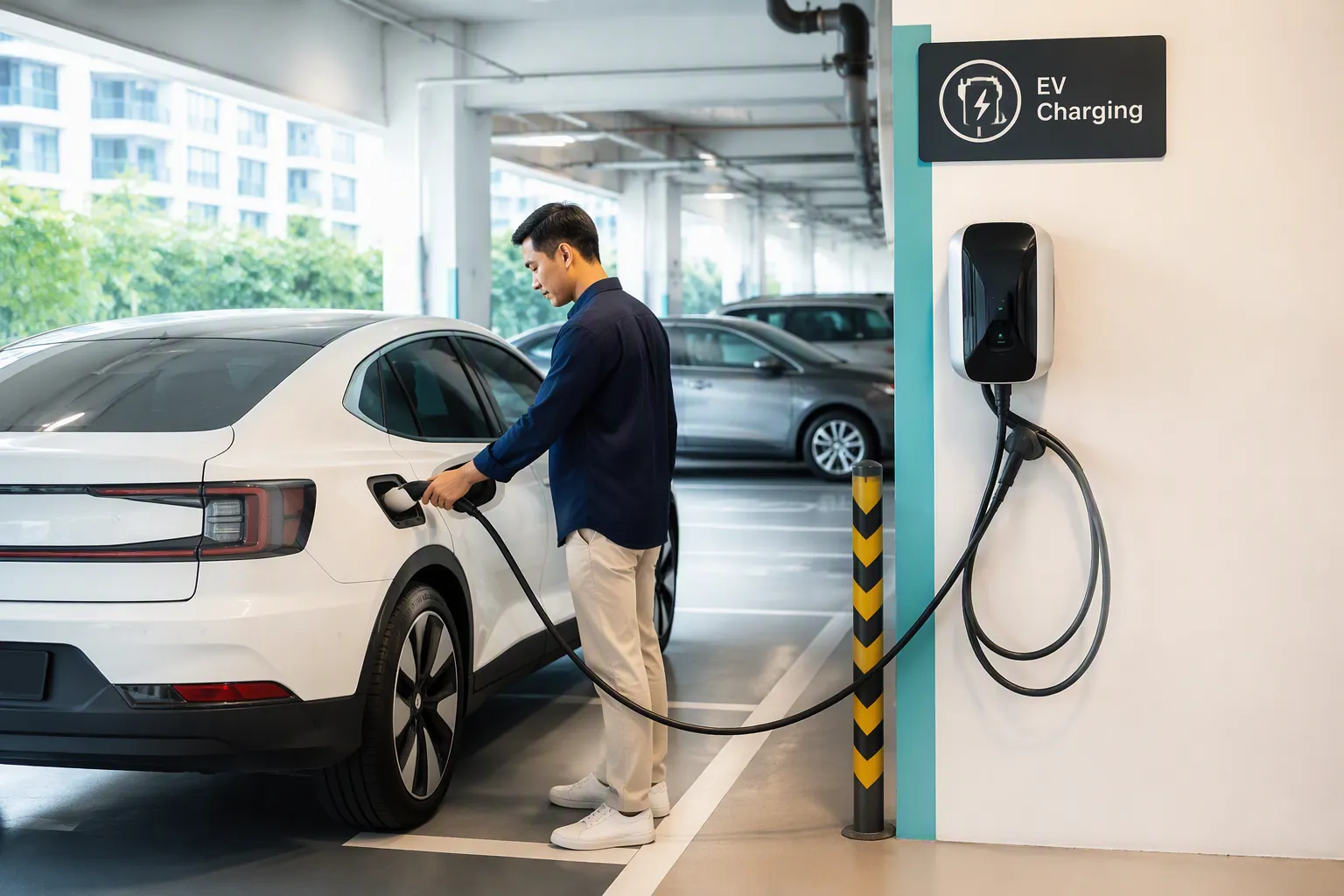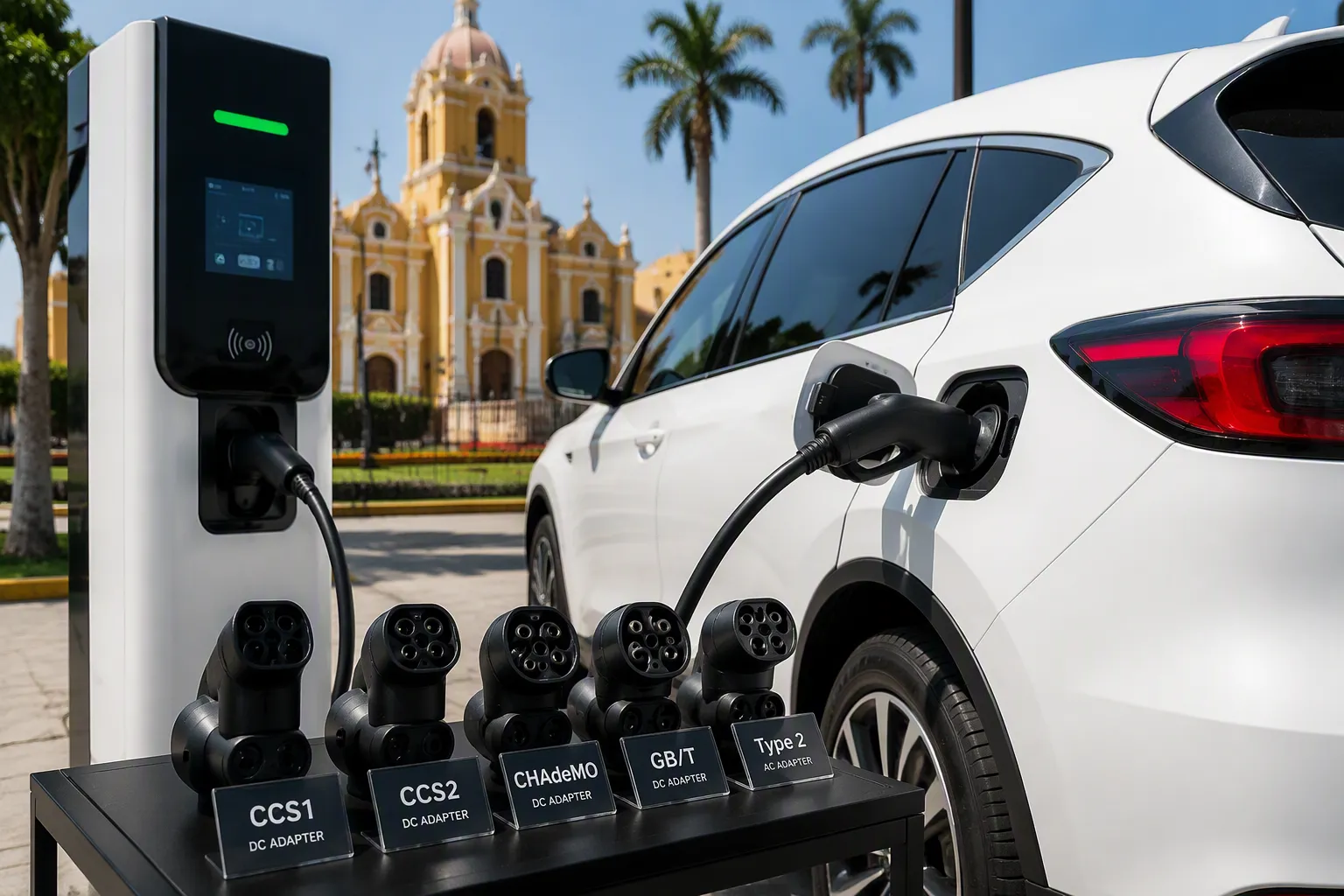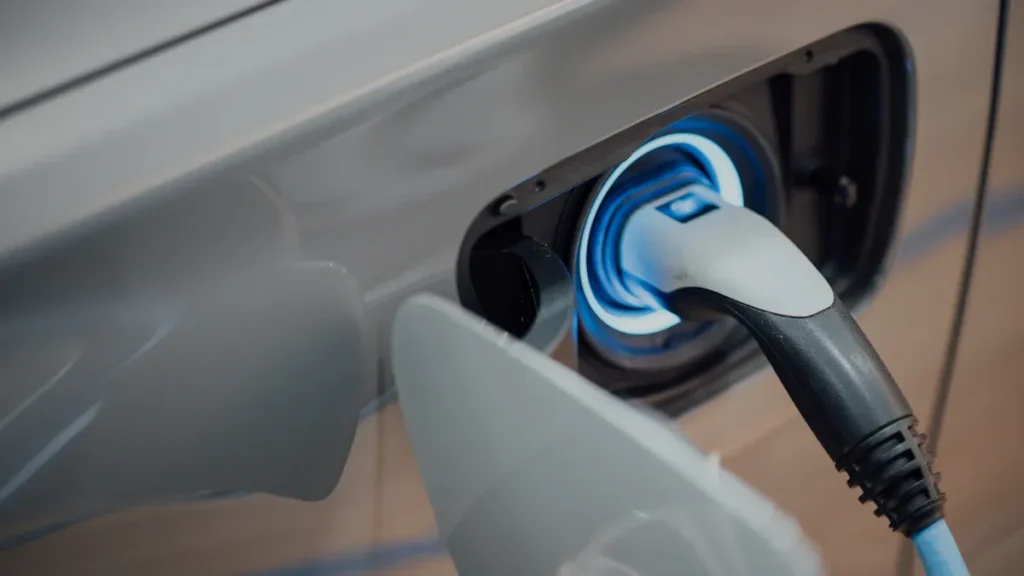

Водители электромобилей часто могут использовать сингапурское Зарядное устройство для электромобилей в Таиланде. Для этого необходимо проверить электрическую совместимость для своих транспортных средств. Основные различия заключаются в форме вилки и небольшом расхождении в напряжении. Эти факторы влияют на процесс зарядки всех электромобилей. Производители зарядных устройств для электромобилей, такие как TPSON, создают передовые Решения для зарядки электромобилей. Их портативные зарядные устройства часто справляются с этими вариациями.
Предупреждение о безопасности: ⚠️ Использование неправильного или некачественного адаптера представляет значительный риск для безопасности. Это может повредить электромобиль, зарядное устройство для электромобиля или даже электромобиль пользователя.
Шаг 1: Решение проблемы физического подключения
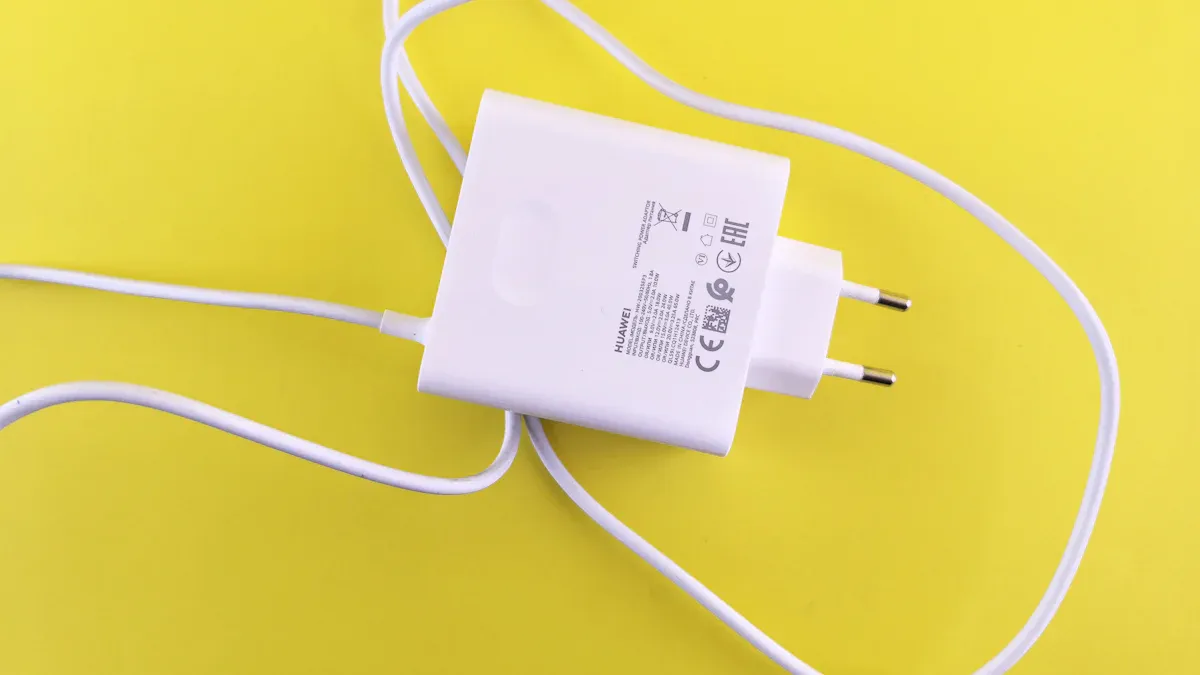
Первое препятствие для любого водителя электромобиля — физическое соединение. В Сингапуре и Таиланде используются разные розетки, что делает прямое подключение невозможным. Понимание этих различий крайне важно для безопасной и эффективной зарядки электромобилей.
Стандарт Сингапура: Вилка типа G
Идентификация 3-контактной вилки типа G
Зарядное устройство для электромобиля из Сингапура оснащено вилкой типа G. Эту вилку легко узнать по трём прямоугольным контактам, расположенным треугольником. Это стандартная вилка, используемая в Сингапуре, Великобритании и некоторых других регионах, известная своей надёжной конструкцией.
Встроенный предохранитель вилки типа G
Ключевая особенность безопасности вилки типа G — встроенный предохранитель. Он защищает устройство и пользователя от скачков напряжения. Вилка соответствует строгому британскому стандарту 1363 (BS 1363), который определяет её электрические характеристики.
- Номинальное напряжение: 230В – 250В переменного тока
- Номинальный ток: До 13А максимум
- Предохранитель: Соответствует BS 1362, с номиналами, такими как 3А, 5А, 10А или 13А
- Заземление: Включает обязательный контакт заземления для безопасности
Розетки Таиланда: Смесь стандартов
Официальная розетка типа O
Официальный стандарт Таиланда, TIS 166-2549, — это розетка типа O. Она имеет три круглых контакта. Эта розетка спроектирована так, чтобы быть безопаснее старых типов, и становится всё более распространённой в новых постройках.
Устаревшие розетки: Тип A и Тип B
Путешественники всё ещё найдут в Таиланде много старых розеток. К ним относятся двухконтактная типа A и трёхконтактная типа B (распространённая в Северной Америке). Такое разнообразие розеток усложняет процесс зарядки для любого электромобиля.
Гибридные розетки, принимающие несколько типов вилок
Во многих современных зданиях Таиланда установлены удобные гибридные розетки. Эта продуманная конструкция может принимать вилки типа A, типа B, а иногда и типа C. Однако она не принимает вилку типа G напрямую, поэтому адаптер всё равно необходим. Эти различные стандарты зарядки электромобилей требуют пристального внимания.
Выбор правильного дорожного адаптера
Выбор правильного адаптера — самый важный шаг для зарядки электромобиля за границей. Этот выбор напрямую влияет на безопасность пользователя, зарядного устройства и автомобиля.
Универсальные адаптеры против специализированных адаптеров
У водителей есть два основных варианта адаптеров. В таблице ниже описаны ключевые различия.
| Характеристика | Универсальный адаптер | Специализированный адаптер |
|---|---|---|
| Универсальность | Высокая (охватывает 150+ стран) | Низкая (один регион) |
| Размер/Вес | Больше и тяжелее | Меньше и легче |
| Удобство | Высокая (одно устройство для всех поездок) | Низкая (требует нескольких устройств) |
| Стоимость | Высокая начальная стоимость | Низкая стоимость за единицу |
Универсальные адаптеры предлагают большую гибкость, но их подвижные части иногда могут приводить к менее надёжному соединению. Специализированный адаптер обеспечивает более стабильную и надёжную посадку.
Обязательно: Адаптер с типа G на тип O/B
Для Таиланда идеальный адаптер преобразует вилку типа G для подключения к розетке типа O или типа B. Это обеспечивает совместимость как с новыми, так и со старыми электрическими розетками, встречающимися по всей стране.
Почему заземление не подлежит обсуждению
Безопасность превыше всего! ⚠️ Контакт заземления — это важнейшая функция безопасности. Он отводит паразитный электрический ток от электромобиля и пользователя в случае неисправности. Всегда выбирайте трёхконтактный адаптер, который сохраняет соединение заземления от зарядного устройства до розетки. Никогда не используйте двухконтактный адаптер для зарядки электромобилей.
Ищите знаки качества и сертификации
Высококачественные адаптеры от известных брендов имеют маркировки сертификации безопасности. Эти знаки указывают на то, что продукт был протестирован на соответствие признанным стандартам безопасности. Ищите такие символы, как:
- UKCA
- CE
- FCC
- ROHS
Эти сертификаты дают уверенность в том, что адаптер рассчитан на электрическую нагрузку, требуемую стандартами зарядки электромобилей, без перегрева или выхода из строя.
Шаг 2: Проверка совместимости вашего сингапурского зарядного устройства для электромобиля
После решения проблемы физического подключения следующий шаг — подтверждение электрической совместимости зарядного устройства. Водитель электромобиля должен убедиться, что зарядное устройство может безопасно работать с электричеством, подаваемым из тайских розеток. Эта проверка предотвращает повреждение зарядного устройства и электромобиля.
Проверка напряжения: Сингапур (230В) против Таиланда (220В)
A small but notable difference exists between the grid voltages of the two countries. Singapore’s grid operates at a nominal 230V, while Thailand’s is 220V.
Is the 10V Difference a Problem?
For most modern electronics, this 10-volt difference is not a problem. Electrical grids always have minor fluctuations. Power supply units in high-quality devices are designed to tolerate these variations. The 4-5% variance between 230V and 220V falls well within the acceptable operating parameters for nearly all modern chargers.
How Modern Chargers Handle Voltage Ranges
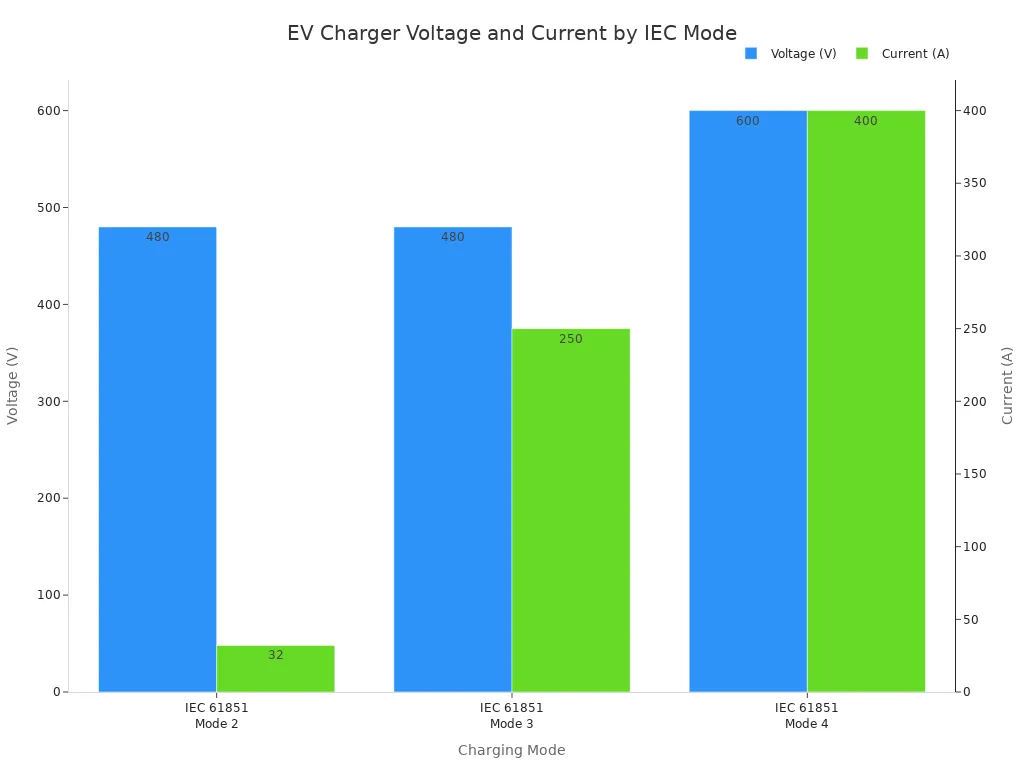
Modern EV chargers, especially portable ones, use sophisticated switch-mode power supplies. These power supplies can automatically adapt to a wide range of input voltages. Technologically advanced providers like TPSON build their chargers to comply with international EV charging standards, ensuring robust performance across different grids. These standards, such as IEC 61851, define the operational parameters for safe and effective charging.
| Standard/Mode | Описание | Напряжение | Текущий |
|---|---|---|---|
| IEC 61851 Mode 2 | Home charging with in-cable control and protection device (IC-CPD) | 250 V single-phase or 480 V three-phase | Up to 32 A |
| IEC 61851 Mode 3 | Utilizes EVSE for communication and parameter negotiation | 250 V single-phase or 480 V three-phase | Up to 250 A |
| IEC 61851 Mode 4 | DC fast charging, bypasses onboard charger | 600 V DC | Up to 400 A |
These EV charging standards ensure that chargers for electric vehicles can handle different power scenarios safely.
Frequency Check: A Perfect 50Hz Match
Grid frequency, measured in Hertz (Hz), refers to the rate at which the alternating current (AC) changes direction. This is another critical factor for electrical compatibility.
Why Matching Frequency is Important
The internal clock and timing circuits of an electronic device depend on a stable grid frequency. A mismatch can cause malfunctions or damage. Chargers are designed to monitor frequency and adjust their power output accordingly to protect the EV.
- If the frequency drops below 49.5Hz, an immediate 100% reduction in charging power is triggered.
- For frequencies between 49.5Hz and 49.8Hz, charging power is reduced by 50%.
- Normal charging operation with monitoring continues when the frequency is between 49.8Hz and 50.2Hz.
- If the frequency rises above 50.4Hz, charging may increase, provided the vehicle can accept it.
The Advantage of Identical Grid Frequencies
Fortunately, both Singapore and Thailand operate their electrical grids at 50Hz. This perfect match eliminates a significant potential point of failure. The identical frequency ensures that the timing-sensitive components within the Singapore EV charger will function correctly in Thailand without any issues.
How to Read Your Charger’s Information Label
The definitive source of information about a charger’s compatibility is its information label. This label is typically a sticker or plate on the charger’s main body or power brick.
Locating the “INPUT” Specification
An EV owner should look for a section on the label marked “INPUT”. This area details the electrical requirements the charger needs from the wall socket. It will list the acceptable voltage and frequency.
Understanding “100-240V, 50/60Hz”
Most chargers for modern electric vehicles are designed for global travel. Their input labels often display a wide operational range.
Совет: Look for “100–240 V, 50/60 Hz” on the label. This means your switching power supply works in most places.
This text confirms the charger is a “universal” device. It can handle voltages from 100V to 240V and frequencies of either 50Hz or 60Hz. A charger with this rating is fully compatible with Thailand’s 220V, 50Hz system.
What to Do if Your Charger is Not Compatible
If the charger’s label specifies “INPUT: 230-240V” only, it is a single-voltage device. It might not function correctly or safely on a 220V system.
Safety Warning: ⚠️ Never attempt to use a charger that is not rated for the local voltage. Doing so risks permanent damage to the charger and the EV.
In this situation, the safest course of action is to avoid using the charger. The driver should rely on local public charging stations or purchase a charger specifically designed for the Thai market.
Step 3: Understanding the Impact on Charging Performance
Once an EV driver confirms physical and electrical compatibility, the next consideration is performance. The slight differences in the electrical grid and local infrastructure can affect charging speed. However, the EV itself plays the most significant role in managing the charging process.
Will My EV Charge Slower in Thailand?
The short answer is yes, but only slightly. The 10-volt difference between Singapore’s 230V and Thailand’s 220V grid results in a minor reduction in power delivery.
How Voltage and Amperage Determine Power
The power delivered to your EV is a product of voltage and amperage. The formula is simple:
Power (Watts) = Voltage (Volts) × Amperage (Amps)
Since your портативное зарядное устройство will draw a fixed maximum amperage (e.g., 10A), a lower voltage means slightly less power.
Calculating the Minor Drop in Charging Speed
An EV owner can calculate the difference. A charger drawing 10A in Singapore receives 2,300W (230V x 10A). In Thailand, the same charger receives 2,200W (220V x 10A).
Calculation Breakdown: This represents a power reduction of 100W, or about 4.3%. This means the total charging time will increase by approximately the same percentage.
Why the Difference is Often Negligible
For overnight charging, a 4.3% increase in time is barely noticeable. For example, a BYD Atto 3 charging on a 7 kW AC home charger takes nearly 10 hours for a full charge. A minor slowdown of 4.3% would add less than 30 minutes to this total duration, which is insignificant for most users. The convenience of home charging far outweighs this small performance dip.
Ограничения бытовых цепей
A more significant factor than voltage is the capacity of the household circuit in Thailand. Pushing a circuit beyond its limit is a serious риск безопасности.
Amperage Limits of Thai Wall Sockets
Thai homes have varying circuit capacities. Modern buildings generally offer higher limits, while older ones may be more restricted. An EV driver must be aware of these local conditions.
| Характеристика | Таиланд |
|---|---|
| Сила тока | Typically 10–16 amps |
Современные заземленные розетки могут поддерживать ток до 16 ампер. Старые незаземленные розетки часто ограничены 10 амперами. Крайне важно соблюдать эти ограничения для обеспечения безопасной зарядки электромобиля.
Риск срабатывания автоматического выключателя
Постоянное потребление высокого тока для зарядки электромобиля, особенно на старой проводке, может привести к перегрузке. Это создает значительную пожарную опасность.
⚠️ Предупреждение о безопасности: Перегруженная цепь может вызвать перегрев проводов, что потенциально приводит к возгоранию. Частое срабатывание автоматического выключателя является явным предупреждающим знаком о превышении допустимой нагрузки цепи.
Другие признаки перегруженной цепи Ключевые факторы, снижающие реальную эффективность,
- Приглушение света при запуске зарядного устройства
- Запах гари от розетки
- Жужжащий звук от розетки или электрощита
Бортовое зарядное устройство (БЗУ) вашего электромобиля
В конечном счете, скорость зарядки контролирует сам автомобиль. Бортовое зарядное устройство (БЗУ) — это мозг процесса зарядки переменным током, обеспечивающий безопасную и эффективную зарядку аккумулятора.
Как ваш автомобиль регулирует скорость зарядки
БЗУ взаимодействует с оборудованием для подачи электроэнергии (EVSE) — в данном случае с портативным зарядным устройством. Технологически продвинутые производители, такие как TPSON, проектируют свои зарядные устройства для выполнения “цифровое рукопожатие” со всеми совместимыми автомобилями. Зарядное устройство использует сигнал, чтобы сообщить электромобилю о максимальном доступном токе. Затем БЗУ электромобиля определяет оптимальную скорость зарядки на основе температуры аккумулятора, текущего уровня заряда и собственной максимальной зарядной мощности.
БЗУ как финальная система контроля
БЗУ — это последний рубеж контроля. Даже если зарядное устройство может предложить 16А, электромобиль может принять только 10А для защиты здоровья аккумулятора. Эта интеллектуальная система гарантирует, что независимо от источника питания процесс зарядки остается в пределах безопасных рабочих параметров аккумулятора автомобиля. Это делает БЗУ наиболее критически важным компонентом для управления скоростью и безопасностью зарядки всех электромобилей.
Шаг 4: Критические риски безопасности и способы их снижения
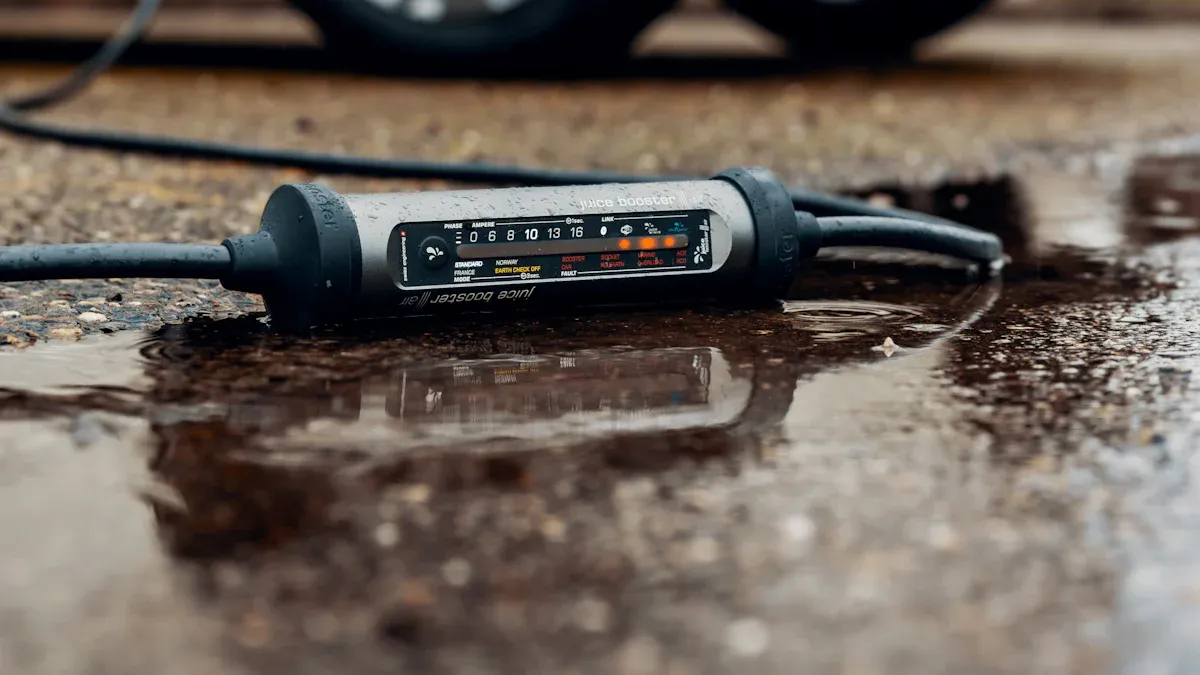
Успешно Подключение зарядного устройства для электромобиля — это только половина дела; обеспечение безопасного сеанса зарядки имеет первостепенное значение. Водитель электромобиля должен понимать значительные риски, связанные с использованием адаптеров для высокомощных устройств, и сознательно принимать меры для их снижения. Наибольшая опасность часто исходит от экономии на средствах безопасности.
Опасность дешевых, несертифицированных адаптеров
Хотя дешевый дорожный адаптер может показаться выгодной покупкой, он является наиболее вероятной точкой отказа при зарядке электромобиля. Эти устройства не рассчитаны на длительное потребление высокого тока, необходимое для зарядки электромобилей.
Перегрев и пожарная опасность
Несертифицированные адаптеры часто используют некачественные материалы, которые не справляются с нагревом. Непрерывный поток электроэнергии для зарядки электромобиля генерирует значительное тепло. В плохо сделанном адаптере это приводит к перегреву, который может расплавить пластиковый корпус и создать серьезную пожарную опасность.
| Характеристика | Высококачественные адаптеры | Контрафактные адаптеры |
|---|---|---|
| Пластиковый корпус | Изготовлен из прочного, огнестойкого пластика. | Изготовлен из хрупкого, неогнестойкого пластика. |
| Штыри вилки | Изготовлены из цельной латуни, надежно закреплены. | Часто полые и изготовлены из некачественного металла. |
| Внутренние компоненты | Качественно пропаяны с надлежащей изоляцией. | Плохо пропаяны и не имеют критически важных защитных элементов. |
| Отвод тепла | Спроектирован для эффективного отвода тепла. | Плохой отвод тепла вызывает быстрый перегрев. |
Плохой контакт и электрическая дуга
У контрафактных адаптеров часто бывают неплотно сидящие штыри. Плохой контакт между вилкой, адаптером и розеткой может вызвать электрическую дугу. Это происходит, когда электричество проскакивает через воздушный зазор, создавая сильный нагрев и искры. Дуга может повредить вилку зарядного устройства, настенную розетку и воспламенить nearby горючие материалы.
Отсутствие защиты от перегрузки по току
Надежные адаптеры и зарядные устройства, такие как у технологически продвинутых поставщиков вроде TPSON, имеют встроенные функции безопасности. Дешевые адаптеры их не имеют. В них отсутствуют предохранители или другие формы защиты от перегрузки по току, что означает, что они не остановят скачок напряжения, который может достичь зарядного устройства и самого автомобиля.
Важность заземленного подключения
Третий штырь на вилке не является опциональным; это критически важный элемент безопасности для любого мощного электроприбора, включая зарядное устройство для электромобиля.
Для чего нужен третий штырь (заземление)
Заземляющий контакт обеспечивает безопасный путь для утечки тока в землю в случае неисправности. Эта система работает совместно с устройствами безопасности, такими как УЗО (Устройство защитного отключения).
УЗО контролирует электрический ток. Если оно обнаруживает дисбаланс — то есть утечку тока из цепи, возможно через человека — оно отключает питание за миллисекунды, чтобы предотвратить сильный удар током.
Почему необходимо избегать 2-контактных адаптеров
Использование 2-контактного адаптера для 3-контактной вилки зарядного устройства электромобиля чрезвычайно опасно. Это полностью устраняет защиту заземления. В случае неисправности металлический кузов автомобиля или само зарядное устройство могут оказаться под напряжением, создавая смертельную опасность поражения током для любого, кто к ним прикоснется. Этот риск делает 2-контактные адаптеры непригодными для зарядки электромобилей.
Обеспечение сохранения заземления в адаптере
Владелец электромобиля должен выбрать трехконтактный дорожный адаптер, который явно сохраняет соединение заземления. Адаптер должен иметь трехконтактное гнездо для вилки типа G и три выходных штыря для тайской розетки. Это гарантирует, что путь безопасности остается целым от стены до электромобиля.
Рекомендации по безопасной зарядке за границей
Следование простому протоколу безопасности может предотвратить большинство несчастных случаев, связанных с зарядкой.
Никогда не используйте поврежденные кабели или адаптеры
Перед каждым использованием водитель электромобиля должен проверять зарядное устройство, кабель и адаптер на наличие признаков износа, таких как потертые провода, треснувший корпус или погнутые штыри. Использование поврежденного оборудования для зарядки сопряжено с высоким риском.
Избегайте “последовательного” соединения адаптеров или удлинителей
Внимание: ⚠️ Никогда не подключайте удлинитель к другому удлинителю и не используйте несколько адаптеров вместе. Эта практика, известная как “последовательное соединение”,” может легко перегрузить цепь. Каждое соединение добавляет сопротивление, генерируя больше тепла и значительно увеличивая риск возникновения пожара.
Monitor the First Charging Session Closely
During the first charging session in a new location, it is wise to stay nearby for the first 30 minutes. The user should periodically check the plug, adapter, and cable to ensure they are not becoming excessively hot. Any buzzing sounds or burning smells are immediate red flags to stop the charging process.
Unplug Equipment During Electrical Storms
Thailand can experience intense thunderstorms. A lightning strike near power lines can cause a massive voltage surge that can destroy electronic devices. It is safest to unplug the EV during a storm to protect both the charger and the vehicle’s sensitive electronics.
Step 5: A Final Checklist for Charging in Thailand
An EV driver can ensure a smooth and safe charging experience in Thailand by following a systematic checklist. This process covers pre-trip preparations, on-site procedures, and basic troubleshooting. Adhering to these steps minimizes risks and ensures the EV is always ready for the road.
Pre-Departure Checklist
Proper preparation before leaving Singapore is the most effective way to prevent charging problems abroad.
Inspect Your Charger and Cable for Damage
Before packing, an EV driver should perform a thorough visual inspection of the Singapore EV charger. This involves checking for any signs of damage or general wear and tear.
- Examine the entire length of the cable, connectors, and insulation.
- Look for physical issues like cuts, frayed wires, cracked casings, or bent pins.
- Ensure no parts are loose, as this could compromise a secure connection during charging. If any defects are found, the user should not use the device and contact customer support immediately.
Confirm Your Charger’s Input Voltage Range
The driver must verify the charger’s compatibility by reading its information label. Look for the “INPUT” specification. A label showing a wide voltage range, such as “100-240V,” confirms the charger will work safely with Thailand’s 220V grid. This check is crucial for protecting the EV.
Purchase a High-Quality, Grounded Adapter
An EV owner must invest in a certified, high-quality travel adapter. It must convert a Type G plug to a Type O or Type B socket while maintaining the ground connection. A reliable adapter is essential for safe charging of all electric vehicles.
On-Site Charging Procedure
Once in Thailand, following a correct connection sequence is vital for safety.
Check the Wall Socket for Defects
Before plugging anything in, the user should inspect the wall socket. Look for cracks, burn marks, or loose fittings. Using a damaged socket for EV charging is a significant hazard.
Connect the Adapter to Your Charger Plug First
The correct connection sequence minimizes electrical risks. Technologically advanced providers like TPSON design their chargers for safe handling, but proper procedure remains important.
- Ensure the EV is parked and turned off.
- Connect the adapter firmly to the charger’s plug.
- Plug the charger assembly into the wall socket.
- Finally, connect the charging cable to the vehicle.
Disconnection Tip: When charging is complete, always disconnect the cable from the car first. Then, unplug the charger from the wall socket.
Plug the Assembly Firmly into the Socket
A loose connection can cause overheating and arcing. The driver should ensure the adapter and plug assembly fits snugly into the wall socket, creating a secure electrical path for charging.
Monitor for Heat or Unusual Noises
During the first 30 minutes of charging, the user should monitor the equipment. Check if the plug or adapter feels unusually warm. Listen for any buzzing sounds. These are warning signs of a potential problem.
Troubleshooting Common Problems
Even with careful preparation, issues can arise. Most portable EV chargers have LED indicators to help diagnose problems.
What to Do if Charging Doesn’t Start
If the EV does not begin charging, the driver should check the charger’s indicator lights. A solid red light often points to a fault. The user should verify all connections are secure and that the wall socket has power.
Addressing Interrupted Charging
Intermittent charging can be caused by a poor connection or a faulty power supply. A flashing red light may signify a ground fault. The driver should try a different wall socket to rule out a wiring issue.
What to Do if the Plug or Adapter Feels Hot
Heat is a normal byproduct of charging, but excessive heat is dangerous.
- An input plug temperature exceeding 65°C is too hot.
- A control box temperature above 77°C is a clear sign of overheating. If the plug or adapter becomes too hot to touch comfortably, the user must stop the charging process immediately. Allow the equipment to cool down before investigating the cause. This protects both the charger and the vehicles.
An EV driver can use a Singapore EV charger in Thailand. This charging is safe with a high-quality, grounded adapter and correct charger compatibility. The electrical systems are very similar. This makes compatibility straightforward for most modern EV chargers, simplifying the charging process for the EV.
The greatest risk to the EV comes from using a cheap, uncertified adapter. This is the most critical point for safe EV charging.
An EV driver must prioritize safety for all charging sessions. They should invest in a proper adapter or use a local public charging station.
ЧАСТО ЗАДАВАЕМЫЕ ВОПРОСЫ
What is the most important feature for an adapter?
An EV driver must choose a three-pin adapter that maintains the ground connection. This feature is non-negotiable. It provides a critical safety path for stray electricity, protecting the user and the vehicle from electric shock. Never use a two-pin adapter for EV charging.
Will my EV really charge slower in Thailand?
Yes, but the difference is minor. The 10V drop from Singapore’s 230V to Thailand’s 220V reduces power by about 4.3%. For an overnight charge, this small increase in charging time is often unnoticeable for most EV drivers.
Can I use a regular extension cord for more reach?
No, an EV owner should never use a standard household extension cord for charging. These cords are not designed for the sustained high-power draw of an EV. Doing so creates a significant overheating and fire risk.
Что делать, если на моем зарядном устройстве на этикетке указано только “230 В”?
Если на этикетке зарядного устройства не указан широкий диапазон напряжений (например, “100–240 В”), оно несовместимо. Водителю не следует пытаться использовать его в Таиланде. Самый безопасный вариант — вместо этого пользоваться местными общественными зарядными станциями.
Как определить, что адаптер высокого качества?
Водителю следует искать на упаковке или корпусе адаптера знаки сертификации безопасности, такие как CE, UKCA или ROHS. Продукция авторитетных брендов, которые часто используются с зарядными устройствами таких поставщиков, как TPSON, всегда имеет эти маркировки, что свидетельствует о проведении надлежащих испытаний на безопасность.
Что делать, если вилка сильно нагревается?
Чрезмерный нагрев является признаком опасности. Пользователь должен немедленно прекратить зарядку, сначала отключив автомобиль, а затем зарядное устройство от розетки. Дайте всем компонентам полностью остыть, прежде чем проверять их на наличие повреждений или плохих контактов.