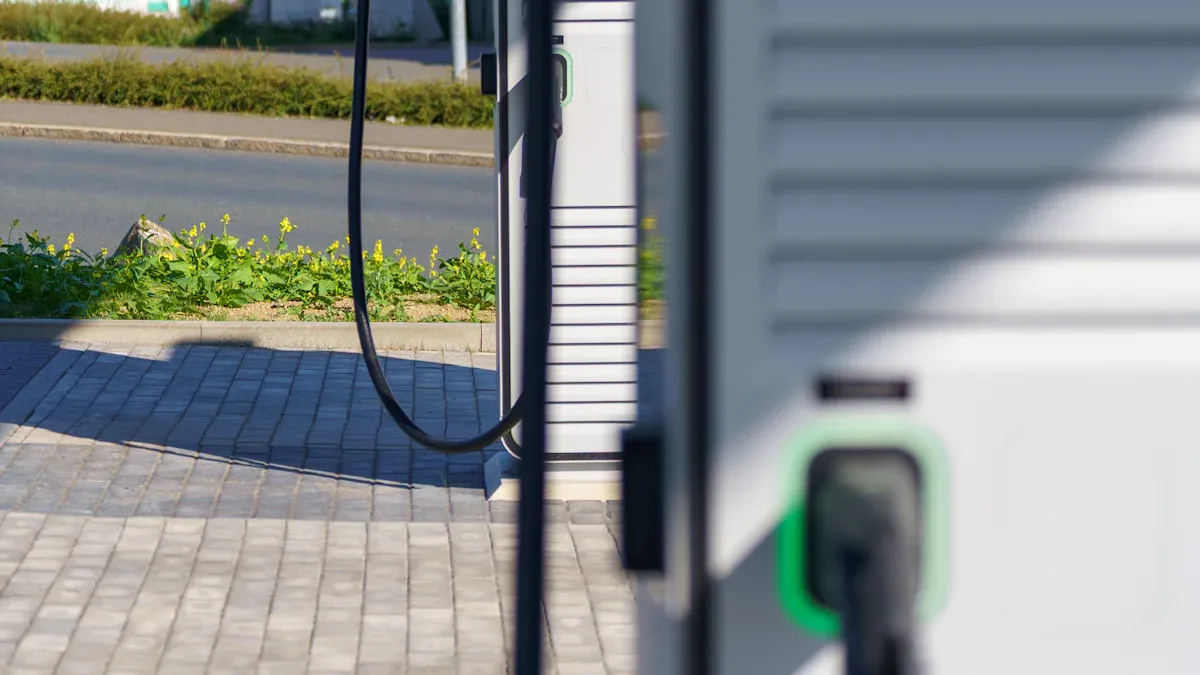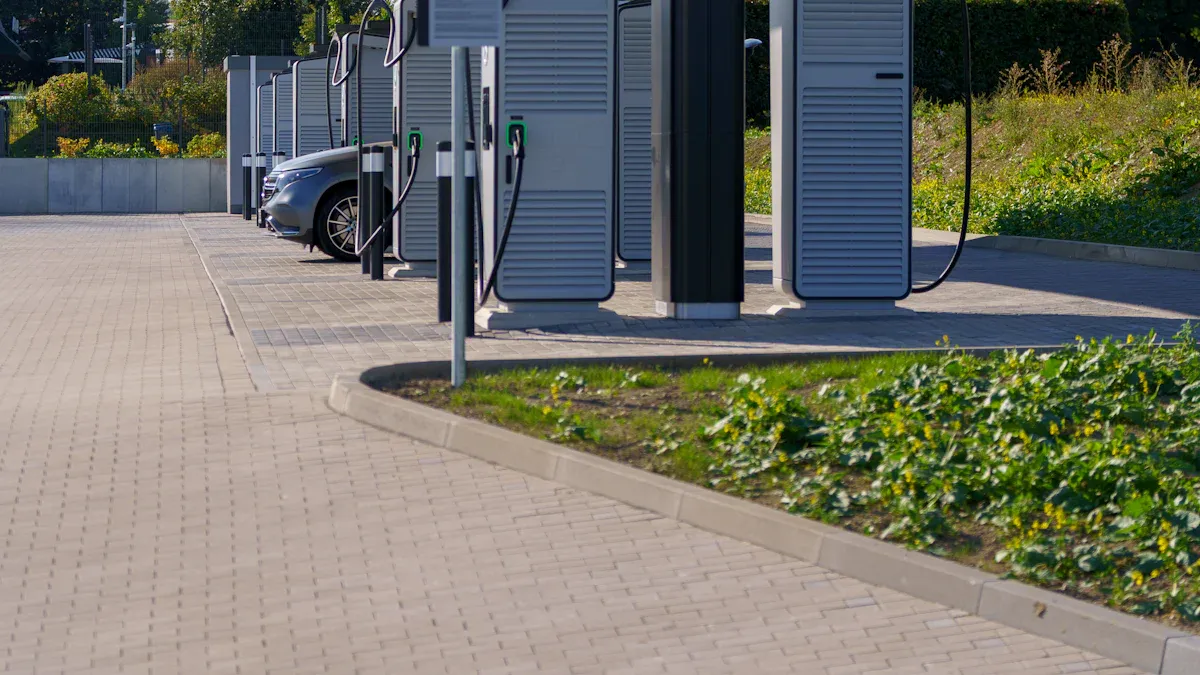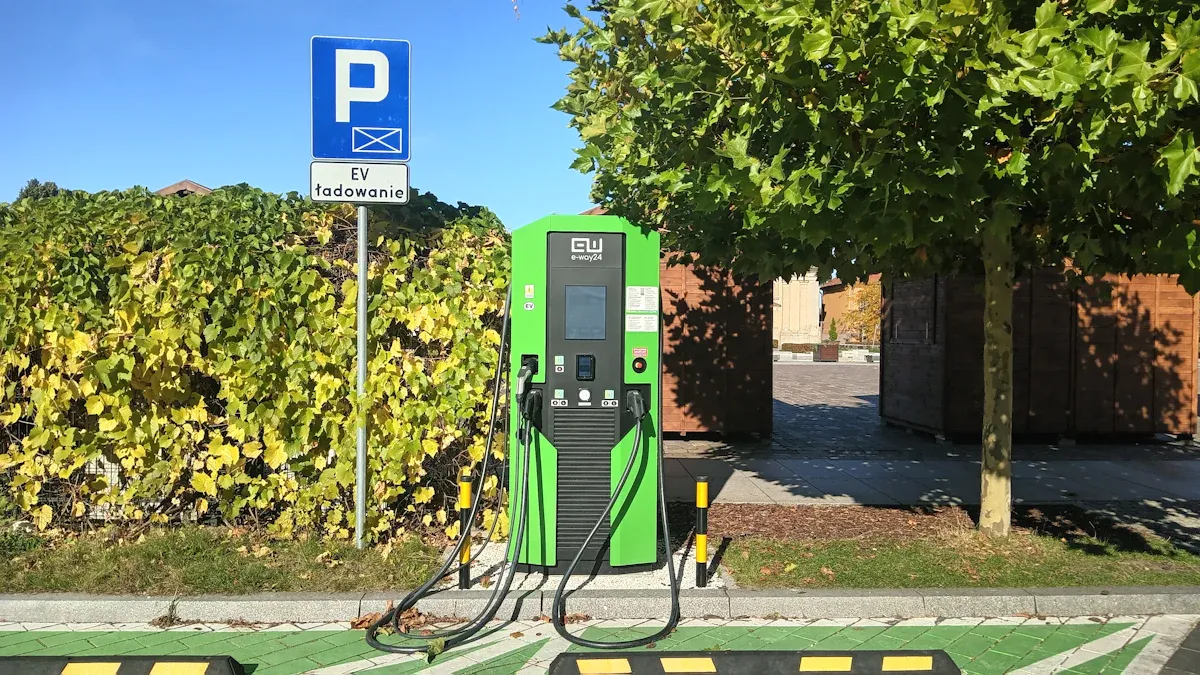
Drivers often search for free or cheap places to recharge and discover many options for cost-free charging. Some public chargers and charging points offer free access, allowing owners to charge an electric car without paying. Free electricity attracts those who want to charge for free at public locations. Many supermarkets, hotels, and leisure centers provide free Soluções de carregamento de veículos eléctricos. Fabricantes de carregadores para veículos eléctricos e carregadores ev portáteis also support free use of the supercharger network where available. Free places to get a charge make electric vehicle ownership more practical. Free use of an Carregador EV can reduce expenses for both new and experienced drivers.
Free charging encourages more people to choose electric vehicles and supports a cleaner environment.
Supermarkets and Retail Stores with Free Electric Car Chargers
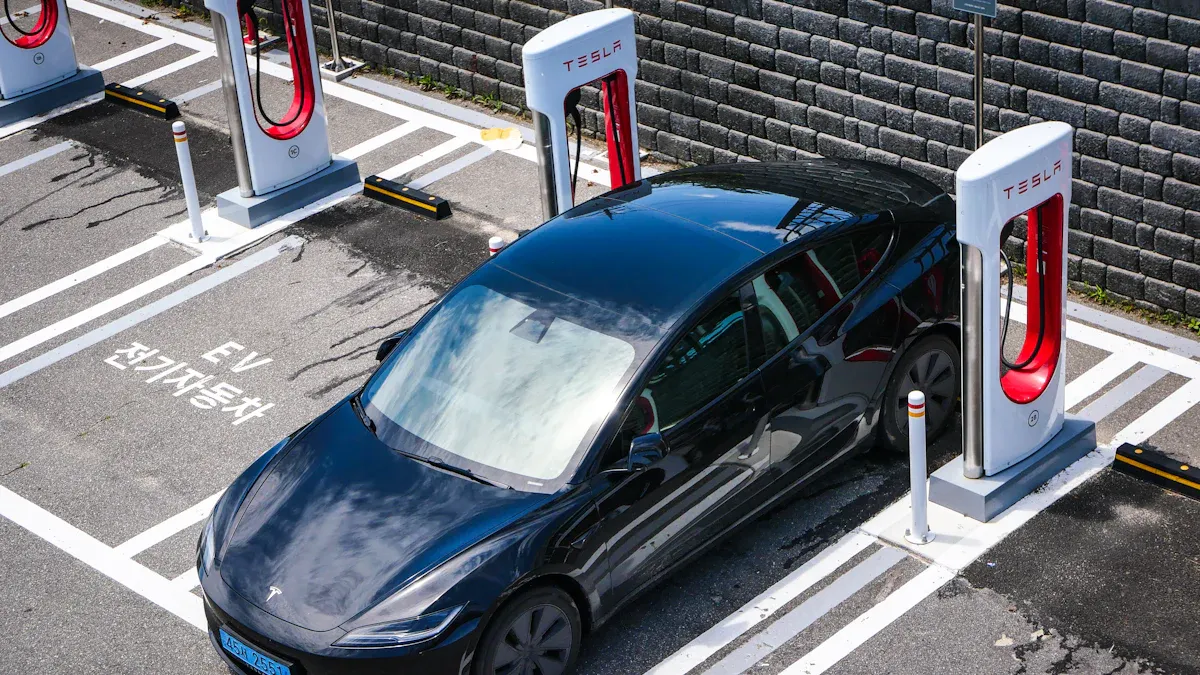
Major Grocery Chains Offering Free Charging
How Free Charging Works at Supermarkets
Supermarkets have become popular destinations for drivers seeking carregamento gratuito. Many grocery chains install charging points in their parking lots, allowing shoppers to recharge their electric vehicles while they shop. Sainsbury’s, Asda, and Aldi provide free chargers at selected locations. These points typically deliver slow charging speeds, around 7kW, which suits longer shopping trips. TPSON, a technologically advanced electric vehicle charging solution provider, supports the deployment of reliable charging infrastructure at retail sites.
Note: Charging points at supermarkets often operate on a first-come, first-served basis. Drivers should check the availability before arrival.
Eligibility and Restrictions for Shoppers
Access to free charging at supermarkets usually comes with conditions. Most stores limit the use of free chargers to customers only. Chargers may be located in private areas reserved for shoppers. Some supermarkets impose parking time limits, which can restrict the duration of charging sessions. If a driver exceeds the allowed parking time, the store may issue fines. Rapid chargers at these locations often require payment, with Sainsbury’s charging 75p per kWh and Asda charging around 65p per kWh for faster options. Aldi offers paid charging starting at 59p per kWh. Free chargers at supermarkets remain most accessible to those who plan to shop during their charging session.
- Free charging is typically available only to customers.
- Parking time limits may apply.
- Rapid charging incurs additional fees.
- Chargers are often located in private areas.
Reliability and Availability of Store Chargers
The reliability of free chargers at supermarkets depends on several factors. Availability can vary by location and time of day. Some charging points experience high demand during peak shopping hours. Maintenance schedules and technical issues may affect charger functionality. Drivers should consult store websites or mobile apps to confirm the status of free charging points before visiting. TPSON’s advanced solutions help improve the reliability of charging infrastructure, ensuring consistent access for electric vehicle owners.
Shopping Malls and Outlets with Free Chargers
Accessing Free Charging at Retail Centers
Shopping malls and outlets also offer free charging for electric vehicles. These public spaces install charging points in their parking facilities, providing convenient access for visitors. Drivers can locate free chargers using mobile apps or signage at the entrance. Some malls require registration at the customer service desk to activate charging.
Tip: Drivers should arrive early to secure a spot at free chargers, especially during weekends and holidays.
Time Limits and Parking Policies
Retail centers often enforce time limits for parking and charging. Most malls allow free charging for a set period, such as two hours, to ensure fair access for all visitors. Overstaying may result in fines or towing. Drivers should monitor their charging session and move their vehicle promptly when finished. Charging points at malls support a variety of electric vehicles, but availability may fluctuate based on demand.
| Retail Center | Free Charging Duration | Parking Policy |
|---|---|---|
| Centro comercial | 2 hours | Fines for overstaying |
| Outlet Center | 1-2 hours | Registration required |
Free charging at supermarkets and retail centers provides a cost-effective solution for electric vehicle owners. Drivers benefit from convenient access to charging points while shopping or visiting public spaces.
Hotels and Accommodations Where You Can Charge My Electric Car for Free
Hotel Chains with Free Electric Car Charging
Guest Access and Booking Requirements
Many major hotel chains now offer free charging as a guest amenity. Travelers often find free chargers in the parking lots of brands like Hilton, Marriott, and Holiday Inn. These hotels usually provide charging points for guests who book a room. Some properties require guests to request access to the chargers during the reservation process. Others allow guests to use the charging stations on a first-come, first-served basis.
Tip: Guests should always confirm charger availability with the hotel before arrival, especially during busy travel seasons.
Hotels may ask for a room key or booking confirmation to activate the charging points. Some locations limit access to overnight guests, while others extend the service to day visitors or event attendees. Policies can vary by property, so travelers should review the hotel’s website or call ahead for details.
Policies for Overnight Charging
Overnight charging remains one of the most convenient options for electric vehicle owners. Many hotels allow guests to leave their vehicles plugged in throughout the night. This practice ensures a full battery by morning. However, some properties set time limits to ensure all guests have a chance to use the chargers. Hotels may post signs near the charging stations with rules about maximum charging duration or require guests to move their vehicles after a set period.
A typical hotel charging policy might look like this:
| Hotel Brand | Overnight Charging Allowed | Limite de tempo | Access Method |
|---|---|---|---|
| Hilton | Sim | 8 hours | Room key required |
| Marriott | Sim | 6 hours | Reservation desk |
| Holiday Inn | Sim | 10 hours | First-come basis |
Travelers should always follow posted guidelines and notify the front desk when they finish charging.
Independent Hotels and B&Bs with Free Chargers
Finding Participating Locations
Independent hotels and bed-and-breakfasts increasingly install free chargers to attract eco-conscious guests. Travelers can find these properties by searching online directories or using mobile apps that list charging points. Many B&Bs highlight their free charging amenities on their websites or booking platforms. Some local tourism boards also maintain lists of accommodations with electric vehicle support.
- Use travel apps to filter for properties with free charging.
- Check hotel websites for details about charging points.
- Contact the property directly to confirm charger availability.
Reservation Tips for Free Charging
Securing a spot at a free charger often requires advance planning. Guests should mention their need to charge an electric car when booking a room. Some properties reserve charging stations for guests who request them in advance. Others operate on a first-come, first-served basis, so early arrival increases the chance of finding an available charger.
Note: Guests should bring their own charging cable, as not all locations provide one.
Travelers should ask about any restrictions, such as time limits or parking fees, even when the charging itself is free. By planning ahead, guests can ensure a smooth experience and take full advantage of the opportunity to charge my electric car for free during their stay.
Leisure Centers and Recreation Spots Offering Free Electric Car Charging
Gyms and Fitness Centers with Free Chargers
Membership and Guest Access
Many gyms and fitness centers now provide free charging for members and guests. These facilities recognize the growing number of electric vehicle owners who visit regularly. Some national gym chains install charging points in their parking lots to attract eco-conscious clients. Members often receive priority access to these chargers. In some cases, guests can also use the charging stations, but staff may require them to register at the front desk.
- Members usually activate charging by scanning their membership card.
- Guests may need to sign in or request a temporary access code.
- Some gyms limit the use of free charging to one session per visit.
Tip: Gym-goers should ask about charger availability when signing up for a membership or booking a guest pass.
Availability During Business Hours
Gyms typically offer free charging only during business hours. Staff monitor the use of charging points to ensure fair access. Most fitness centers post clear signage with rules and time limits. Charging sessions often last for the duration of a workout, usually between one and two hours. High demand may occur during peak times, such as early mornings or evenings.
A sample gym charging policy might look like this:
| Gym Name | Charging Hours | Session Limit | Tipo de acesso |
|---|---|---|---|
| FitNation | 6am – 10pm | 2 hours | Members/Guests |
| PowerHouse Gym | 5am – 11pm | 1.5 hours | Apenas membros |
Drivers should unplug and move their vehicles promptly after charging to allow others to use the points.
Parks and Community Centers with Free Charging
Public Access Rules for Chargers
Parks and community centers increasingly support electric vehicle adoption by installing free charging stations. These locations aim to serve local residents and visitors who spend time at recreational facilities. Public access rules vary by city or county. Some parks allow anyone to use the chargers, while others restrict access to those attending events or using park amenities.
- Users may need to check in at a visitor center or use a mobile app to activate charging.
- Some parks require proof of residency or event registration.
- Charging points are often located near main entrances or parking areas.
Note: Always review posted instructions before plugging in at a public park or community center.
Seasonal and Event-Based Availability
The availability of free charging at parks and community centers can change throughout the year. Many outdoor facilities operate chargers only during peak seasons, such as spring and summer. Special events, like festivals or sports tournaments, may also trigger temporary access to additional charging stations. During these times, staff may set up extra points to accommodate higher visitor numbers.
- Seasonal charging schedules appear on park websites or community bulletin boards.
- Event organizers often announce free charging options in advance.
- Some locations remove or disable chargers during off-peak months.
Visitors should plan ahead and confirm the status of free charging before arriving at parks or community centers. This approach ensures a smooth experience and helps maximize the benefits of electric vehicle ownership.
National Parks and Public Attractions with Free Electric Car Chargers
National Trust Properties and Free Charging
Visitor Access and Parking Fees
National Trust properties have started to support electric vehicle adoption by installing postos de carregamento gratuitos. Visitors often find these chargers in designated parking areas. Access to these points usually requires a valid admission ticket or proof of membership. Parking fees may apply at some locations, but the charging itself remains free for guests. Staff at National Trust sites encourage drivers to check the property’s website for current parking policies and charging station availability.
- Charging stations are located near main entrances.
- Guests must display a parking permit or admission ticket.
- Parking fees may vary by property.
Yosemite National Park stands out as a leader in this area. The park has 13 upgraded charging stations available to the public at no cost. Plans for additional charging stations will expand access for electric vehicle owners. Yosemite’s approach demonstrates a commitment to sustainability and visitor convenience.
Charging Policies for Guests
Charging policies at National Trust properties and national parks aim to ensure fair access for all visitors. Staff monitor usage and post clear guidelines near each station. Most sites limit charging sessions to a set duration, such as two or three hours, to accommodate multiple guests throughout the day. Drivers must move their vehicles promptly after charging to avoid fines or towing.
| Property Name | Duração do carregamento | Access Requirement | Taxa de estacionamento |
|---|---|---|---|
| Yosemite National Park | 2-3 hours | Admission ticket | Varia |
| National Trust Sites | 2 hours | Membership/admission | Varia |
Tip: Drivers should arrive early during peak seasons to secure a spot at a free charging station.
Museums, Zoos, and Attractions with Free Chargers
Free Charging for Ticket Holders
Museums, zoos, and public attractions increasingly offer free charging to attract visitors. Waddesdon Manor in Buckinghamshire provides free EV charging for guests. Edinburgh Zoo also offers complimentary charging to its visitors. Many attractions install charging points in their parking lots and link access to ticket purchases. Staff at these sites encourage guests to use the charging stations while exploring the venue.
- Charging is available only to ticket holders.
- Stations are located in visitor parking areas.
- Complimentary charging supports sustainability goals.
Attractions like Edinburgh Zoo and various National Trust properties continue to expand their charging infrastructure. This trend helps reduce emissions and supports electric vehicle adoption.
Advance Booking and Access
Advance booking often improves access to free charging at museums and zoos. Some venues allow guests to reserve a charging spot when purchasing tickets online. Others operate on a first-come, first-served basis. Staff recommend checking the attraction’s website for reservation policies and station availability. Policies regarding access and usage may differ by location, so drivers should review specific sites before visiting.
- Reserve charging spots online when possible.
- Arrive early to maximize chances of finding an available charger.
- Review posted guidelines for session limits and etiquette.
Note: Many museums and zoos update their charging policies seasonally. Checking for real-time information ensures a smooth visit.
Car Dealerships Where You Can Charge an Electric Car for Free
Brand-Specific Dealerships with Free Chargers
Customer Perks and Test Drive Charging
Many car dealerships now provide carregamento gratuito as a customer perk. They aim to attract electric vehicle buyers and support existing owners. Tesla, Nissan, and Chevrolet dealerships frequently install charging stations at their locations. These brands recognize the importance of offering convenient charging solutions. Customers visiting for a test drive often receive access to a charger. Dealership staff encourage potential buyers to use the charging stations during their visit. This approach allows drivers to experience the benefits of electric vehicles firsthand.
- Tesla dealerships offer charging for customers and test drivers.
- Nissan locations provide charging stations for visitors.
- Chevrolet dealerships support charging during test drives.
Dealerships use free charging to enhance the customer experience. They help drivers understand how charging fits into daily routines. Staff members answer questions about charging speeds and station compatibility. Many dealerships display clear signage to guide visitors to the charging area.
Service Center Charging Policies
Service centers at brand-specific dealerships also support charging for electric vehicles. When owners bring their cars in for maintenance, staff often plug the vehicle into a charger. This practice ensures the battery remains ready for pickup. Some dealerships allow customers to use the charging stations while waiting for service. Policies vary by location, so drivers should ask about charging options when scheduling appointments.
Dealerships may set time limits for charging sessions. Staff monitor usage to ensure fair access for all customers. Service centers prioritize charging for vehicles undergoing repairs or maintenance. Drivers benefit from a fully charged battery after service, making the process more convenient.
Multi-Brand Dealers Offering Free Charging
Public Access and Limitations
Multi-brand dealerships sometimes provide free charging for electric vehicles. These locations sell several brands and install estações de carregamento to serve a wider range of customers. Public access to charging may depend on dealership policies. Some dealers allow anyone to use the chargers, while others restrict access to buyers or service clients.
- Charging stations are available in dealership parking lots.
- Dealers may require registration at the front desk.
- Access can be limited to business hours or specific events.
Dealerships post guidelines near the charging stations. Staff explain any restrictions and help visitors activate the chargers. Drivers should review the dealership’s website or call ahead to confirm access.
Hours and Availability
Dealerships set hours for charging station availability. Most locations offer charging during regular business hours. Staff monitor the stations to prevent misuse and ensure safety. Some dealers extend charging access during special events or sales promotions. Drivers should plan visits during open hours to maximize the chance of finding an available charger.
| Dealership Type | Charging Access | Hours |
|---|---|---|
| Brand-Specific | Customers/Test Drives | Business hours |
| Multi-Brand | Public/Clients | Business hours |
Tip: Drivers should arrive early or contact the dealership to check charging station status.
Dealerships play a key role in supporting electric vehicle adoption. They provide free charging and educate customers about charging technology. Drivers benefit from convenient access and reliable support during their visits.
Workplaces and Offices with Free Electric Car Charging
Employee Charging Programs and Free Chargers
Eligibility for Staff and Registration
Many companies now offer free charging for employees who drive electric vehicles. These programs support sustainability goals and help staff reduce commuting costs. To access workplace charging, employees usually need to register their vehicle with the company. Registration often involves providing vehicle details and agreeing to the company’s charging policy.
Employers in the UK can apply for government grants to help cover custos de instalação. Grants of up to £350 per socket are available for eligible businesses, charities, and public sector organizations. The installation must use an OZEV-approved installer and place chargers in employee parking areas. Companies must also define clear policies for who can use the chargers, how long each session lasts, and the expected etiquette.
| Tipo de requisito | Detalhes |
|---|---|
| Government Grants | Grants up to £350 per socket for eligible businesses, charities, and public sector organizations. |
| Requisitos de instalação | Must use an OZEV-approved installer and charger, installed at employee parking locations. |
| EV Charging Policy | Must define who can use chargers, charging costs, time limits, and etiquette for usage. |
Businesses, charities, and public sector organizations can apply if they own their premises or have landlord permission. Dedicated off-road parking is required for the placement of charge points.
Workplace Charging Etiquette
Proper etiquette ensures that everyone benefits from workplace charging. Employees should only use the chargers when necessary and avoid occupying a spot longer than needed. Most companies set time limits to allow multiple users throughout the day. Staff should unplug and move their vehicles once charging is complete. Clear communication helps prevent misunderstandings and keeps the system running smoothly.
Tip: Employees should report any issues with the charging equipment to facility management as soon as possible.
Visitor Charging Options at Offices
Advance Notice and Time Limits
Some offices extend charging access to visitors, especially clients or business partners. Visitors often need to request access in advance, either through their host or by contacting reception. Offices may require vehicle registration before arrival to ensure a spot is available. Time limits for visitor charging sessions are common, usually matching the length of the meeting or appointment.
| Visitor Type | Advance Notice Required | Limite de tempo típico |
|---|---|---|
| Client | Sim | 1-2 hours |
| Guest | Por vezes | 1 hour |
Access for Clients and Guests
Offices that offer charging for clients and guests usually display clear instructions at the entrance or parking area. Reception staff may provide an access code or activate the charger remotely. Some companies reserve specific charging spots for visitors to ensure availability. Clients and guests should follow posted guidelines and respect time limits to allow others to use the service.
Note: Offices may prioritize charging access for employees during peak hours, so visitors should confirm availability before arrival.
Transport Hubs and Park-and-Ride Lots with Free Chargers
Airports and Train Stations Offering Free Charging
Short-Term vs. Long-Term Parking Chargers
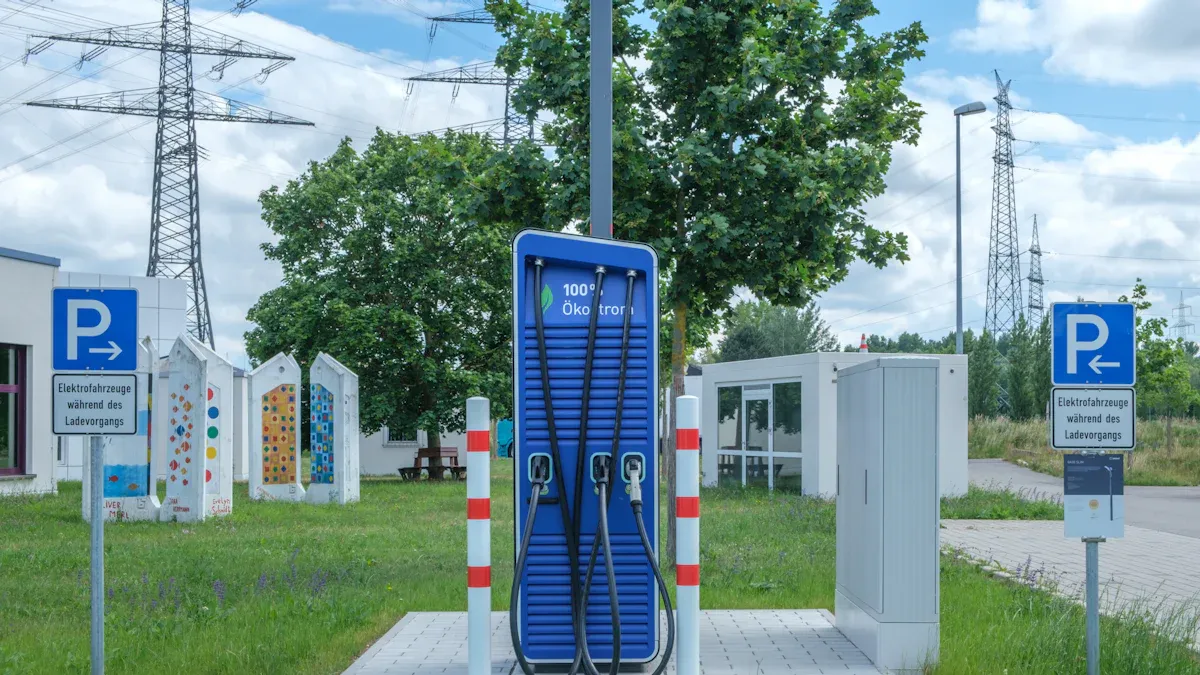
Airports and train stations have started to install charging stations to support electric vehicle drivers. Many major airports provide charging points in both short-term and long-term parking areas. Short-term parking chargers usually sit close to terminal entrances. These stations help travelers who need a quick top-up before a flight or after arrival. Long-term parking chargers serve those who leave their vehicles for several days. These chargers often deliver slower charging speeds but allow for extended sessions.
Travelers should check airport or station websites for maps and details about charger locations. Some airports post clear signs in parking structures to guide drivers. Staff at information desks can also answer questions about charging options.
Traveler Access and Restrictions
Access to charging at airports and train stations often comes with specific rules. Some facilities offer free charging as a way to attract more electric vehicle users. Others require payment or limit access to certain parking zones. Travelers may need to register their vehicle or use a mobile app to activate the charger. Many airports set time limits for charging sessions in short-term lots to ensure fair use. Long-term lots may allow longer sessions but could require advance booking.
Tip: Travelers should always review posted signs and online guidelines before plugging in. This helps avoid fines or towing.
Charging stations at transport hubs can fill up quickly during peak travel periods. Arriving early increases the chance of finding an available spot.
City Park-and-Ride Facilities with Free Electric Car Charging
Local Resident and Commuter Programs
City park-and-ride lots play a key role in supporting electric vehicle adoption. Many cities now include postos de carregamento gratuitos in these facilities. Local governments often design these programs to encourage commuters to switch to electric vehicles. Residents and daily commuters benefit from convenient access to charging while they use public transit.
Some cities require proof of residency or a commuter pass to use the chargers. Others open access to all drivers on a first-come, first-served basis. Staff may monitor usage to ensure fair access for everyone.
Access Policies and Hours
Access policies for park-and-ride charging stations can vary. Most facilities operate chargers during public transit hours, which often run from early morning until late evening. Some locations offer 24-hour access, while others close overnight for security reasons. Drivers should check posted schedules and facility websites for the most accurate information.
| Facility Type | Access Hours | User Requirements |
|---|---|---|
| City Park-and-Ride | 5am – 11pm | Resident/Commuter Pass |
| Suburban Lot | 24 horas | Open to Public |
Note: Park-and-ride lots may limit the number of charging sessions per user each week. This policy helps ensure that more drivers can benefit from the service.
City park-and-ride facilities with free charging make electric vehicle ownership more practical for commuters. These programs support cleaner cities and help reduce transportation costs.
Libraries, Schools, and Universities with Free Electric Car Chargers
Public Libraries Offering Free Charging
Community Access and Reservation Systems
Public libraries increasingly support electric vehicle adoption by installing charging stations in their parking lots. Many libraries partner with local governments to provide these amenities for the community. Residents often find charging stations near the main entrance or in designated parking areas. Libraries typically allow anyone to use the chargers, though some require users to register through an online reservation system. Registration helps manage demand and ensures fair access for all visitors.
A library may use a simple reservation process:
- Visit the library website.
- Select a charging station and time slot.
- Enter vehicle information and contact details.
Tip: Library staff recommend booking a charging session in advance, especially during busy hours.
Libraries aim to make electric vehicle charging accessible to everyone. They encourage residents to use the stations while visiting for books, events, or study sessions.
Library Parking Policies
Parking policies at libraries vary by location. Some libraries offer dedicated spaces for electric vehicles, while others integrate charging stations into general parking areas. Most libraries enforce time limits to prevent long-term parking and maximize charger availability. Staff monitor usage and post clear signage with rules. Overstaying may result in fines or towing.
| Library Name | Charging Time Limit | Reservation Required | Dedicated EV Parking |
|---|---|---|---|
| City Library | 2 hours | Sim | Sim |
| County Library | 1 hour | Não | Não |
Libraries strive to balance convenience with fair access. They update parking policies as demand for charging grows.
College and University Campuses with Free Chargers
Charging for Students and Staff
Colleges and universities play a significant role in promoting sustainable transportation. Many campuses install charging stations for students and staff. These institutions often provide carregamento gratuito as part of their sustainability initiatives. Charging stations appear in student parking lots, faculty areas, and near residence halls. Access usually requires a campus ID or vehicle registration with the university.
Universities encourage students and staff to use charging stations during class hours or work shifts. They post guidelines to ensure everyone follows proper etiquette. Staff maintain the stations and address technical issues promptly.
Note: Charging stations support a range of electric vehicles, including plug-in hybrids and fully electric models.
Visitor Access and Restrictions
Visitor access to campus charging stations depends on university policy. Some institutions allow visitors to use the chargers during campus events or tours. Others restrict access to registered students and staff. Visitors may need to obtain a temporary parking permit or register their vehicle at the campus security office.
| Campus Type | Visitor Charging Access | Autorização necessária | Limite de tempo |
|---|---|---|---|
| Public University | Sim | Sim | 2 hours |
| Private College | Limitada | Sim | 1 hour |
Universities review access policies regularly. They adjust restrictions based on demand and campus security needs. Visitors should check the university website for current information before arrival.
Municipal and Government Buildings with Free Electric Car Charging
City Halls and Civic Centers with Free Chargers
Public Use Policies and Hours
City halls and civic centers have started to install electric car charging stations to support sustainability goals. These locations often provide access to the public during regular business hours. Staff monitor the stations to ensure proper use and prevent misuse. Most city halls allow residents and visitors to use the chargers while attending meetings or accessing municipal services. Policies usually require users to unplug their vehicles once charging is complete. Some cities post clear signage with instructions and session limits.
Tip: Drivers should check the city website for updated information about charger hours and availability.
Many civic centers limit charging sessions to two hours. This policy helps maximize access for all users. Staff recommend arriving early during peak times to secure a spot. Residents benefit from convenient charging while participating in community events or conducting official business.
Parking Validation and Access
Parking validation plays a key role in accessing chargers at municipal buildings. City halls often require visitors to validate parking at the reception desk or through a mobile app. Staff issue parking permits or tokens to activate the charging station. Some locations restrict access to those with proof of residency or appointment confirmation.
A typical access process includes:
- Registering at the front desk
- Receiving a parking permit
- Activating the charger with a code or card
| Tipo de edifício | Parking Validation | Access Method | Session Limit |
|---|---|---|---|
| City Hall | Required | Permit/Card | 2 hours |
| Civic Center | Opcional | App/Desk | 2 hours |
Drivers should follow posted guidelines and respect time limits to ensure fair access for everyone.
Courthouses and Public Offices with Free Charging
Security and Access Rules
Courthouses and public offices maintain strict security protocols for electric car charging stations. Staff monitor the parking areas and require visitors to pass through security checkpoints. Access to chargers often depends on the purpose of the visit. Individuals attending court hearings or conducting official business receive priority. Security personnel may ask for identification and appointment details before granting access.
Note: Security rules help protect both visitors and charging equipment.
Some courthouses limit charging to specific parking zones. Staff post signs with instructions and enforce session limits. Drivers should prepare to show identification and follow all security procedures.
Availability for Visitors
Availability of charging stations at public offices varies by location. Many government buildings offer free charging to visitors during business hours. Staff recommend checking the office website for station maps and access policies. Some offices require advance registration to reserve a charging spot. Others operate on a first-come, first-served basis.
Visitors benefit from convenient charging while attending appointments or accessing public services. Staff encourage drivers to move their vehicles promptly after charging to allow others to use the stations. Clear communication and posted guidelines help maintain smooth operation.
Callout: Government buildings continue to expand charging infrastructure to support electric vehicle adoption and reduce emissions.
Special Events and Temporary Locations with Free Electric Car Chargers
Festivals and Fairs Offering Free Charging
Event-Specific Charging Policies
Organizers of large festivals and fairs often recognize the importance of supporting electric vehicle drivers. Many events now feature dedicated charging stations in their parking areas. These stations help attendees keep their vehicles powered throughout the day. Event staff usually post clear instructions near each charging point. Policies may include session time limits, vehicle eligibility, and designated parking zones for electric cars.
Some festivals partner with local utility companies or charging network providers to set up temporary infrastructure. Staff monitor usage to ensure fair access for all guests. Attendees should review event websites for detailed charging policies before arrival. This preparation helps avoid confusion and ensures a smooth experience.
Tip: Arriving early increases the chance of securing a spot at a charging station during busy events.
Registration or Ticket Requirements
Access to charging at festivals and fairs often requires proof of event registration or a valid ticket. Organizers may issue parking passes that grant entry to charging zones. Some events use digital systems where attendees register their vehicles online before the event. Staff check these registrations at the entrance and direct drivers to available charging points.
A typical process for accessing event charging might include:
- Purchase an event ticket.
- Register the electric vehicle online or at the gate.
- Receive a parking pass for the charging area.
- Follow staff directions to the designated spot.
Attendees should keep their tickets and registration details handy for quick verification.
Pop-Up Charging Stations for Electric Cars
Finding Temporary Free Charging Locations
Pop-up charging stations appear at various locations during special events, roadshows, or community initiatives. These temporary setups provide a valuable service for electric vehicle owners who need a quick charge away from home. Drivers can find information about pop-up locations through event websites, local news, or mobile apps that track charging infrastructure.
Organizers often announce pop-up charging sites in advance. Social media channels and community forums also share updates about new locations. Drivers should check these sources regularly to stay informed about upcoming opportunities.
Duration and Availability
Temporary charging stations usually operate for a limited time. Most pop-up sites remain open only during the event or for a few days afterward. Staff set specific hours of operation and may limit the number of vehicles that can use the service each day. Charging sessions often have strict time limits to maximize access for all attendees.
| Pop-Up Location Type | Typical Duration | Hours of Operation | Access Method |
|---|---|---|---|
| Music Festival | 2-3 days | 10am – 10pm | Event ticket |
| Community Fair | 1 day | 8am – 6pm | Registration desk |
| Roadshow | 1-2 days | 9am – 5pm | Online sign-up |
Note: Drivers should plan ahead and bring their own charging cables, as not all pop-up stations provide equipment.
Temporary charging solutions at special events make electric vehicle ownership more convenient and accessible. These initiatives support sustainability and encourage more drivers to participate in community activities.
How to Find Free Electric Car Charging Stations and Chargers
Mobile Apps and Online Maps for Free Chargers
Recommended Apps for Finding Free Charging
Drivers rely on aplicações móveis and online maps to locate electric car charging stations. These tools help users find the nearest options and check real-time availability. Several apps stand out for their effectiveness in identifying free charging points. The following table compares popular apps and their features:
| Nome da aplicação | Caraterísticas | Opções de carregamento gratuitas |
|---|---|---|
| Fácil de utilizar | Filters for chargers, integrates with Google/Apple Maps, CarPlay/Android Auto | Free with RFID card |
| Mapa de carga | Real-time status updates, user reviews, European-based | Limited free options with RFID card |
| Electroverso do polvo | Over 651,325 chargers, no fees, integrates with CarPlay/Android Auto | Yes, free RFID card available |
| ChargePlace Escócia | Well-developed infrastructure, app required for access | Some chargers are still free |
EV Infinity also provides a user-friendly interface. It quickly locates available chargers, offers directions, and supplies up-to-date information on charging speeds and fees. These apps allow drivers to plan routes efficiently and avoid unnecessary detours.
Using Filters to Locate Free Chargers
Most charging apps include filters that help users narrow down their search. Drivers can select options such as connector type, charging speed, and cost. By choosing the “free” filter, users see only stations that offer carregamento gratuito. This feature saves time and ensures that drivers find the most cost-effective solutions. Many apps also display user ratings and recent activity, which helps drivers assess reliability before arrival.
Tip: Always check the app for real-time status updates to avoid arriving at an occupied or out-of-service charger.
Community Forums and Social Media Tips
User-Shared Locations and Updates
Electric vehicle communities on forums and social media platforms play a vital role in sharing information about charging stations. Users often post about newly discovered locations, changes in access, or updates on charger performance. These shared experiences provide valuable insights for other drivers. Joining EV communities can enhance access to tips on charging stations and vehicle performance.
- Members share photos and directions to hidden or less-known chargers.
- Posts often include details about parking policies and session limits.
Real-Time Information on Free Charging
The reliability of user-shared information may vary, but it often delivers real-time updates that official sources may miss. Drivers benefit from immediate reports about charger status, maintenance issues, or temporary closures. Social media groups and forums allow users to ask questions and receive quick responses from experienced EV owners.
Note: Cross-check information from multiple sources to ensure accuracy before planning a charging stop.
Community-driven platforms and mobile apps together create a comprehensive network for finding free charging solutions. Drivers who use both resources maximize their chances of a smooth and cost-effective charging experience.
Limitations and Considerations When You Charge an Electric Car for Free
Time Limits and Session Caps on Free Chargers
Typical Restrictions and Overstay Fees
Most locations that offer carregamento gratuito set clear restrictions to ensure fair access. Many sites enforce time limits, often ranging from one to three hours per session. These limits help prevent a single vehicle from occupying a charger all day. Overstaying can result in additional fees or fines. Some facilities use automated systems to monitor session length and issue penalties if a driver leaves a vehicle plugged in after the allowed period. Drivers should always check posted signs or app notifications for specific rules at each location.
Managing Charging Sessions
Effective management of charging sessions benefits all users. Drivers should monitor their vehicle’s progress and move it promptly once charging completes. Many charging stations send alerts to a mobile device when a session ends. Setting a timer or using an app reminder helps avoid accidental overstays. Respecting time limits ensures that more people can access the charger throughout the day.
Membership and Registration Requirements for Free Charging
Loyalty Programs and Sign-Up Processes
Access to free charging sometimes requires registration or membership. Requirements vary by provider and location. Some networks ask users to create an account with the charge point operator. Others require a membership card from the relevant network provider. Many public charging points remain open to all drivers without any membership or subscription. However, networks often offer extra benefits and discounts for members.
- Users may need to create an account with a specific charge point operator.
- A membership card from the relevant network provider may be required for certain charging facilities.
- Many public EV chargers are available without any membership or subscription.
- Some networks provide additional benefits and discounts for members.
Drivers should review the requirements before arrival to avoid delays. Signing up in advance can streamline the process and unlock extra features.
Access for Non-Members
Non-members can often use postos de carregamento públicos, but some restrictions may apply. Certain networks limit access to registered users or prioritize members during busy periods. Non-members might not receive notifications or support services. Checking the provider’s website or app helps clarify access policies for each location.
Reliability and Availability of Free Electric Car Chargers
Station Maintenance and Downtime
Reliability remains a key concern for drivers seeking free charging. Charging stations require regular maintenance to function properly. Technical issues or scheduled repairs can lead to temporary downtime. Drivers may arrive to find a charger out of service. Checking real-time status updates through apps or websites helps avoid wasted trips.
Peak Usage Times and Alternatives
High demand during peak hours can reduce charger availability. Supermarkets, malls, and public facilities often see the most traffic on weekends and holidays. Arriving early or planning visits during off-peak times increases the chance of finding an available charger. Drivers should identify backup charging options in case their first choice is occupied or offline.
Tip: Always have a backup plan for charging, especially when relying on free options.
Tips for Using Free Electric Car Charging Stations and Chargers
Planning Ahead for Free Charging
Checking Availability Before You Go
Drivers who plan ahead maximize their chances of finding available charging stations. They often check real-time availability through aplicações móveis or online maps before leaving home. Many apps display current status, user reviews, and even estimated wait times. This information helps drivers avoid unnecessary detours and reduces the risk of arriving at an occupied or out-of-service charger.
Tip: Always refresh the app or website just before departure to get the most accurate information.
Backup Charging Options
Even with careful planning, unexpected situations can arise. Smart drivers always prepare backup charging options. They identify alternative stations along their route and note their locations. This approach prevents delays if the primary station is busy or offline. Route planners and EV-specific apps help drivers map out these alternatives efficiently.
Key strategies for planning ahead include:
- Map out charging stations along the intended route to ensure planned stops.
- Use EV route planners or apps to locate stations, including those with fast charging capabilities.
- Understand the types of chargers and connectors required for the vehicle to minimize downtime.
By following these steps, drivers can make the most of every free charging opportunity.
Charging Etiquette at Free Stations
Partilhar carregadores com outros condutores
Charging etiquette ensures that everyone benefits from limited resources. Drivers should move their vehicles promptly after charging completes. They should avoid occupying a spot longer than necessary, especially during busy periods. If another driver waits, a quick conversation or a friendly gesture can help coordinate sharing the charger.
- Unplug and relocate the vehicle once charging finishes.
- Avoid using charging spots as regular parking spaces.
- Respect posted time limits and station rules.
Notifying Others When Finished
Clear communication helps maintain a positive experience for all users. Some drivers leave a note with their contact information on the dashboard, allowing others to reach them if needed. Many charging apps also offer features to notify the next user when a station becomes available. These small actions foster a cooperative environment and reduce frustration.
Note: Practicing good etiquette at free charging stations encourages others to do the same and supports a growing EV community.
Many locations allow drivers to charge an electric car for free, but each site has unique rules and limitations. They should always verify eligibility, restrictions, and charger status before planning a stop. Mobile apps and online resources help users find reliable options. Free charging reduces costs, but drivers benefit most when they use it as part of a comprehensive charging plan.
FAQ
Where can drivers find free electric car charging stations?
Drivers locate postos de carregamento gratuitos using mobile apps, online maps, and community forums. Many supermarkets, hotels, and public facilities offer free charging. Checking real-time availability helps avoid wasted trips.
Do all electric car chargers at public locations provide free charging?
Not all public chargers offer free charging. Some locations provide complimentary charging for customers or guests. Others require payment or membership. Drivers should verify costs before plugging in.
Are there time limits for using free electric car chargers?
Most free charging stations enforce time limits, usually between one and three hours. Staff monitor usage to ensure fair access. Overstaying may result in fines or towing.
Can visitors use workplace or office charging stations for free?
Some offices allow visitors to use free charging stations. Access often requires advance notice or registration. Policies vary by company, so visitors should confirm availability before arrival.
What equipment do drivers need to use free charging stations?
Drivers typically need a compatible charging cable and, in some cases, a membership card or access code. Most public stations provide standard connectors, but bringing a personal cable ensures compatibility.
How reliable are free electric car charging stations?
Reliability depends on maintenance and demand. Stations may experience downtime or high usage during peak hours. Checking status updates through apps improves the chances of finding a working charger.
Do hotels and accommodations offer free charging for all guests?
Many hotels provide free charging for overnight guests. Some require advance booking or restrict access to certain room types. Guests should contact the property to confirm charger availability and policies.