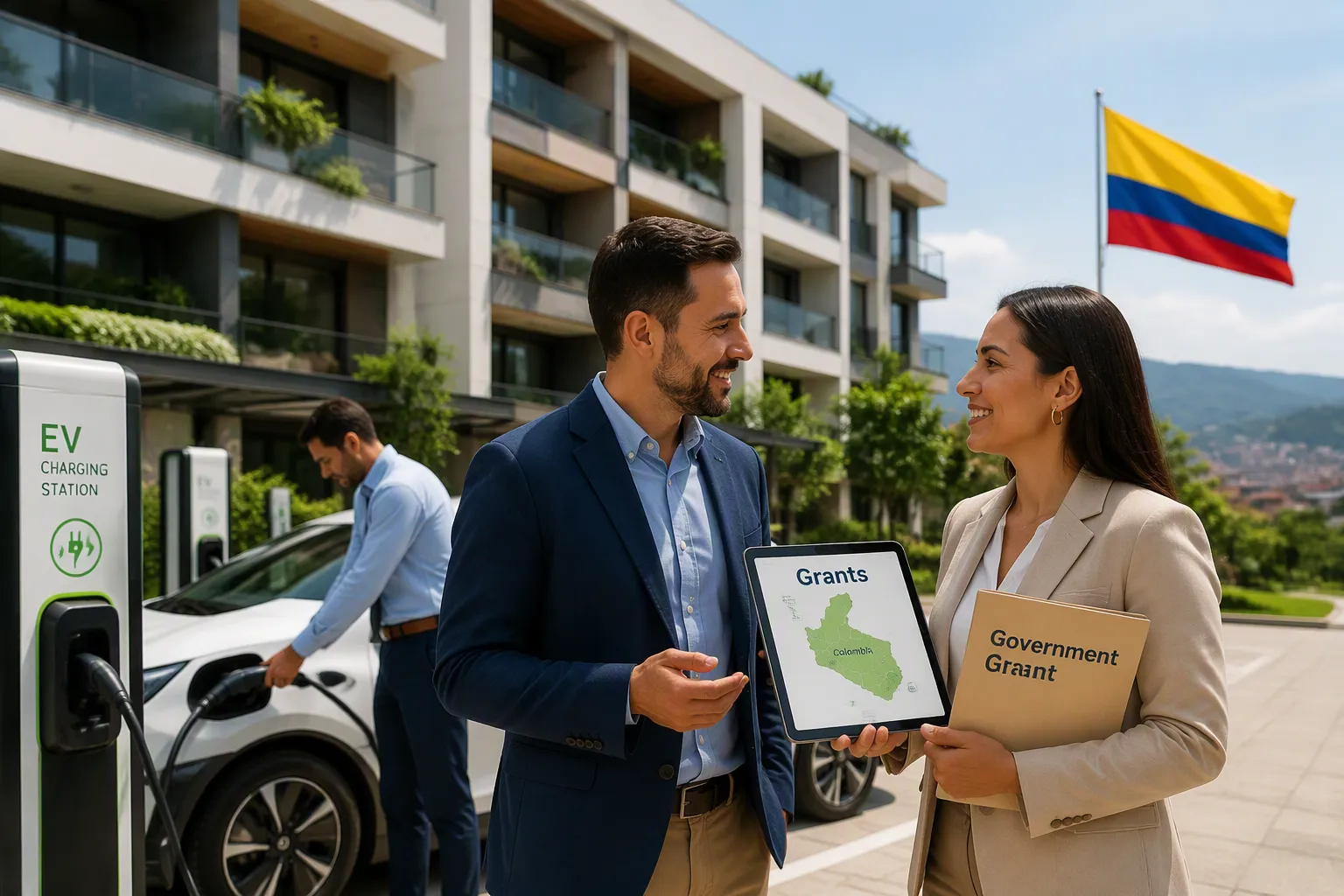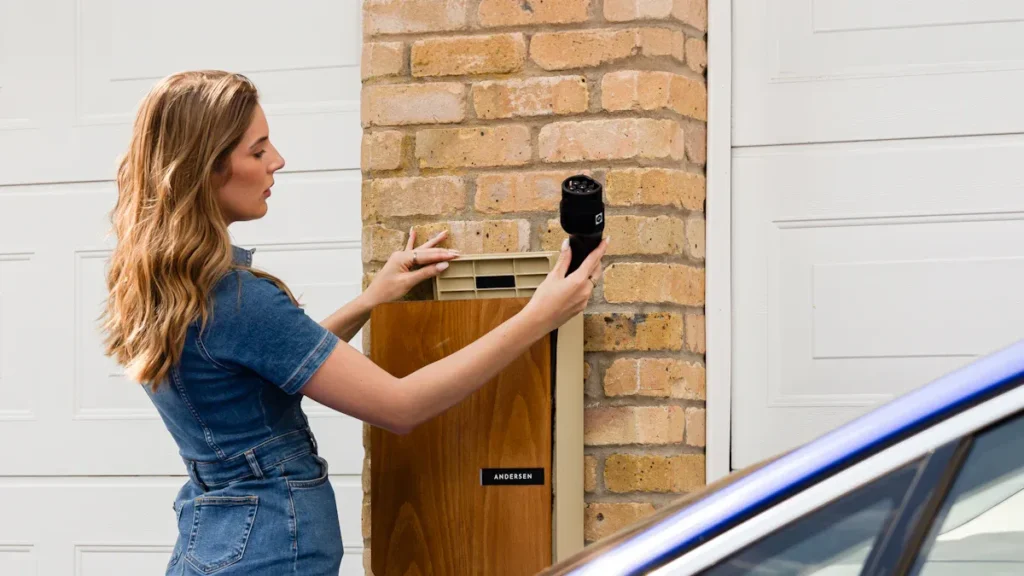

There’s a reason most EV owners- about 80%- prefer charging at home: it’s the ultimate in daily convenience. But a successful installation means avoiding a few common pitfalls that can affect safety and performance.
Experts highlight a few critical missteps to avoid, such as overlooking the home’s electrical capacity, improper grounding, or not adhering to local electrical codes. These issues are easily preventable with proper planning.
Getting these steps right from the start ensures the EV charger will work safely and efficiently for years to come.
A Guide to Home EV Charger Types & Functions

Types of Electric Car Chargers for Home Use
Carregamento Doméstico Nível 1 vs. Nível 2
Choosing the right home charger depends on understanding the different levels and speeds available. The primary choice is between Level 1 and Level 2 charging.
Carregadores de Nível 1 plug into a standard household outlet (120V). This is the slowest option, typically adding only 3-5 miles of range per hour. It’s a practical choice for drivers with short daily commutes who can recharge overnight, or for renters needing a simple, portable solution.
Carregadores de Nível 2 require a 240V circuit and are the standard for daily home charging. They charge significantly faster, with power ratings from 3.6 kW to 22 kW. This is the essential choice for most EV owners, especially those with longer daily drives or who want the convenience of a full charge in a few hours.
For a clear and concise overview, the following table compares the key specifications of each charger type.
Tipo de carregador | Velocidade de carregamento (milhas/hora) | Adequado para |
|---|---|---|
3,6kW | 15 | Occasional drivers |
7kW | 25-30 | Typical home use |
11kW | 35-40 | Homes with three-phase potência |
22kW | 75-80 | Commercial/ rare home use |
What This Means for Your Home
The fastest 11kW and 22kW chargers are still Level 2 but require a three-phase electrical supply, which is uncommon in residential properties and often requires a costly upgrade. For over 99% of homeowners, a 7kW charger on a standard single-phase supply offers the perfect balance of rapid charging and practical installation.
Electric Vehicle Compatibility for Home Charging
Understanding Plug Types and Charging Standards
Selecting the right home charging station starts with ensuring compatibility with your electric vehicle’s connector type. Most EVs use one of two common AC plug standards: Tipo 1 (SAE J1772), common in North America and Asia, or Tipo 2 (Mennekes), the standard across Europe.
Home chargers are available in two main styles:
- Tethered Chargers: Feature a permanently attached cable for everyday convenience.
- Untethered Chargers: Require a separate cable, offering flexibility if you own multiple EVs or plan to upgrade.
Always refer to your vehicle’s manual to confirm which connector type is required before purchasing a home charging station.
Future-Proofing Your Home Charging Setup
A well-planned home charging installation should accommodate not just your current EV, but future needs as well. Consider selecting a charging station with funcionalidades inteligentes e adjustable power settings, which can adapt to different electric vehicles and evolving electrical standards. This forward-thinking approach ensures your investment remains useful whether you upgrade your car, add a second EV, or new technologies emerge.
Smart Features for Modern Home Charging
Intelligent Charging Management
Today’s home EV chargers offer sophisticated smart features that optimize both cost and efficiency. Users can schedule charging during off-peak hours when electricity rates are lowest, and monitor real-time energy consumption through intuitive interfaces. Advanced systems include balanceamento dinâmico de carga, which intelligently distributes available power to prevent circuit overloads, and grid-responsive features that automatically adjust charging intensity during periods of high community electricity demand.
Caraterística | Benefício |
|---|---|
Balanceamento de carga dinâmico | Prevents overloading by managing power usage. |
Estabilidade da rede | Adjusts charging to avoid grid overload. |
Data Collection and Analysis | Provides insights for cost reduction and charging optimization. |
Remote Control and Connectivity
Modern charging stations offer comprehensive app integration, putting full control in the user’s hands. Through dedicated mobile applications, owners can remotely start or stop charging sessions, set customized charging schedules, review historical usage data, and receive status notifications. This connectivity enables homeowners to maximize savings by aligning charging with variable electricity pricing and renewable energy availability.
Sugestão: Select a charger with reliable Wi-Fi connectivity for seamless integration with smart home ecosystems and uninterrupted remote access capabilities.
Choosing The Ideal Location for Your Home Charger
Prioritizing Accessibility and Convenience
Optimal Proximity to Parking and Entry Points
The most effective location for a home charger is directly adjacent to your regular parking space. Installing the unit near the primary parking spot- typically by the garage door or along the driveway—ensures effortless connection each day. Positioning the charger close to the home’s main electrical panel can also minimize installation complexity and reduce potential power loss over long cable runs.
Sugestão: Select a clear, unobstructed area that provides direct access to the vehicle’s charging port without creating trip hazards or blocking pathways.
Cable Management and Reach Considerations
Appropriate cable length is crucial for daily convenience. Most home charging stations include cables ranging from 16 to 25 feet. Before installation, measure the distance from the proposed charger location to the EV’s charging inlet, accounting for various parking positions. Ensure the selected cable can comfortably reach without stretching or creating obstacles.
- Adequate Length: Confirm the cable can accommodate different parking approaches
- Segurança em primeiro lugar: Route cables away from high-traffic areas to prevent tripping hazards
- Weather Protection: Consider covered locations or weatherproof units for outdoor installations
The right location balances easy access with practical installation requirements, creating a seamless charging experience that integrates smoothly with your daily routine.
Safety and Weather Protection for Home Charging
Indoor vs. Outdoor Home Installation
The ideal location for your charging station depends primarily on where you park your vehicle. Indoor installations, typically in a garage, provide excellent protection from weather elements and potential vandalism while maintaining charging efficiency in colder conditions. Outdoor installations offer practical solutions for driveway parking, with placement flexibility near the main electrical panel.
Tipo de instalação | Benefícios | Considerations |
|---|---|---|
Interior | Weather and vandalism protection, efficiency | Limited by garage space |
Ao ar livre | Proximity to driveway, flexible placement | Requires weatherproof equipment |
Weatherproofing Your Home Charging Station
For outdoor installations, proper weatherproofing is essential for durability. Continuous exposure to sunlight can degrade materials over time, potentially causing casing cracks or seal damage. To maximize your charger’s lifespan:
- Position the unit under natural cover like eaves or carports
- Consider north-facing walls or shaded areas to minimize direct sun exposure
- Select chargers with UV-resistant materials and appropriate weatherproof ratings
- Perform regular visual inspections for wear and keep vents clear of debris
Installation Practicalities for Home Chargers
Wall-Mounted vs. Pedestal Home Chargers
Home charging stations typically come in two mounting styles: wall-mounted and pedestal. Wall-mounted units are ideal for garages or buildings with suitable exterior walls, offering space-efficient installation. Pedestal chargers provide flexibility for open parking areas where wall access isn’t available, standing independently in driveways or dedicated parking spots.
Space Planning and Safety Considerations
Thoughtful placement contributes to both safety and ease of use, while ensuring adequate clearance around the charging unit allows for proper ventilation and comfortable access. Many homeowners find it helpful to select locations that avoid obstructing pathways or creating potential obstacles.
Check Your Home’s Electrical System Before Installation

Understanding Electrical Capacity Requirements
Panel Amperage and Home Charging Needs
Before installing a Level 2 EV charger, assessing the home’s main electrical panel capacity is an important first step. Most modern homes feature 100, 150, or 200-amp service panels. While a 200-amp panel typically provides sufficient capacity for EV charging, homes with 150-amp service may require a professional load calculation to ensure safe operation alongside other household appliances.
Licensed electricians can perform detailed assessments that account for major electrical loads such as HVAC systems, water heaters, and kitchen appliances, providing clarity on whether the electrical system can accommodate EV charging requirements.
Circuit Requirements for Safe Charging
Level 2 chargers require a dedicated 240-volt circuit installed specifically for charging purposes. The table below outlines typical breaker sizes needed for different charging capacities:
Amperagem do carregador | Amperagem necessária do disjuntor |
|---|---|
16A | 20A |
24A | 30A |
32A | 40A |
40A | 50A |
48A | 60A |
Electrical codes require that continuous loads like EV charging not exceed 80% of a circuit’s capacity. This safety margin ensures stable operation and prevents potential overheating.
Professional Installation Considerations
Having a qualified electrician install a dedicated circuit specifically for EV charging helps ensure compliance with local electrical codes and safety standards. While some homeowners might consider using existing dryer outlets, dedicated circuits provide the safest and most reliable solution for regular EV charging needs.
Professional installation typically includes appropriate wiring, correct breaker sizing, and proper grounding- all essential components for a safe and efficient home charging setup.
Home Safety Checks for Electric Car Charging
Grounding and Wiring for Home Installation
Proper grounding and wiring are essential for a safe installation. Before you install your charger, confirm that your earthing system meets local regulations. Avoid PME earthing systems unless your electrician adds specific protective measures. After installation, check all wiring connections and grounding to prevent electrical hazards.
Surge Protection for Home Charging
Install surge protection to safeguard your EV charger and other home electronics. Power surges can damage sensitive equipment, especially during storms or grid fluctuations. Surge protectors add an extra layer of safety and help extend the life of your charging equipment.
Tip: Always follow your electrician’s advice and local codes for every step of the installation process. This ensures your EV charging setup remains safe and reliable.
Consider Connectivity for Electric Vehicle Charging at Home
Wi-Fi and Smart Home Charging Benefits
Remote Monitoring of Home Charging
You gain significant advantages when you connect your EV charger to your home Wi-Fi network. Remote monitoring stands out as one of the most valuable features. You can check the status of your charging sessions from anywhere using your smartphone or computer. This capability allows you to start or stop charging, view real-time updates, and receive notifications if any issues arise. You stay informed about your EV’s charging progress, even when you are not at home.
Smart charging technology also enables you to set charging schedules. By programming your charger to operate during off-peak hours, you can reduce electricity costs and help balance the grid. Many smart chargers communicate with other home devices, ensuring your EV charging does not overload your electrical system.
Software Updates for Home Chargers
Keeping your charger’s software up to date ensures optimal performance and security. Wi-Fi connectivity allows your charger to receive automatic software updates. These updates can introduce new features, improve charging efficiency, and address potential security vulnerabilities. You do not need to perform manual updates or worry about outdated firmware.
The table below highlights the main benefits of Wi-Fi and smart home integration for EV charging:
Benefício | Descrição |
|---|---|
Enables you to control charging sessions from anywhere, enhancing convenience. | |
Performance Monitoring | Provides insights into charging performance for better management and optimization. |
Gestão da energia | Integrates with home devices to manage electricity usage and prevent overload. |
Tip: Smart chargers can coordinate with home appliances to avoid simultaneous high power usage. This integration helps maintain your home’s power capacity and efficiency.
Signal Strength and Setup for Home Charging
Router Placement for Home Charging Connectivity
Reliable Wi-Fi signal strength is essential for uninterrupted EV charging communication. Place your router as close as possible to your charging station. Avoid physical barriers such as thick walls or metal objects that can weaken the signal. If your charger is installed in a garage or outside, consider using a Wi-Fi extender to boost coverage.
A strong connection ensures your charger can communicate with servers, process billing accurately, and report data without interruption. You also minimize the risk of failed software updates, which can leave your charger outdated.
Troubleshooting Home Charging Connectivity
Weak Wi-Fi signals can cause several problems:
Billing disruptions may occur if your charger cannot communicate with remote servers.
Data reporting errors can result in gaps in your charging history and inaccurate analytics.
Software updates may fail, preventing your charger from receiving important improvements.
To resolve these issues, check your router’s placement and upgrade your equipment if necessary. You can also use a wired Ethernet connection for maximum reliability. Regularly test your charger’s connectivity to ensure smooth operation.
Note: Consistent connectivity supports all smart features and keeps your EV charging system running efficiently.
Find a Qualified Installer for Home Charging
Choosing a Certified Home Charging Installer
Licensing and Certifications for Home Installation
You should always hire a certified professional when you install an electric car charger at home. Qualified installers hold specific certifications that prove their expertise and compliance with safety standards. The table below outlines the most important qualifications you need to look for:
Qualificação/Certificação | Descrição |
|---|---|
18ª Edição, BS 7671 | Ensures compliance with UK wiring standards. |
Prémio City & Guilds Nível 3 | Covers site assessment and safe commissioning. |
Código de Conduta IET | Provides guidance on charger design, installation, and maintenance. |
Acreditação NICEIC ou NAPIT | Demonstrates professional competence and safety compliance. |
Lista de instaladores aprovados OZEV | Required for government grants and confirms necessary qualifications. |
Manufacturer-Specific Training | Ensures correct installation and troubleshooting for specific chargers. |
You gain peace of mind when you choose an installer with these credentials. Certified professionals follow strict guidelines and help you avoid costly mistakes during installation.
Experience with Electric Vehicle Charging at Home
You should ask about the installer’s experience with electric vehicle charger projects. Installers who specialize in EV charging understand the unique requirements of home installations. They can recommend the best charger for your needs and ensure your system meets all local codes. Experienced professionals also handle unexpected challenges quickly and safely.
Getting Quotes and Comparing Home Charging Installers
Questions to Ask Home Charging Installers
You need to collect at least three written quotes before you install an electric vehicle charger. Compare each quote line-by-line to understand what is included. Ask installers the following questions:
What certifications do you hold for EV charging installation?
Do you have manufacturer-specific training for my chosen charger?
Can you provide proof of liability and workers’ compensation insurance?
How many home EV charger installations have you completed?
What is your process for handling permits and inspections?
Sugestão: Consider bundled installation programs from automaker portals or big-box stores for straightforward projects. Local specialists may offer more flexibility and future-proofing options.
Reading Reviews for Home Charging Installation
You should read reviews from previous customers to gauge the installer’s reliability and professionalism. Look for feedback about punctuality, communication, and quality of work. Reliable installers often have positive reviews and transparent pricing.
Scheduling and Preparing for Home Installation
What to Expect on Home Installation Day
Most home electric vehicle charger installations take between two and four hours. The installer will arrive, review your chosen location, and confirm the electrical panel’s capacity. You can expect the professional to mount the charger, connect wiring, and test the system for safety. Some installations may take longer if upgrades are needed.
Preparing Your Home for Charging Installation
You need to prepare your home before the installer arrives. Follow these steps:
Determine the best location for your charger, considering the distance from the electrical panel.
Assess your home’s electrical capacity to support the charger.
Choose the right equipment and charger type for your charging needs.
Hire a certified electrician to ensure compliance with safety regulations.
Obtain any necessary permits for installation.
Note: Careful preparation helps you avoid delays and ensures a smooth installation process for your EV charging setup.
Understand Costs and Permits for Home Charging Installation
Budgeting for Electric Car Home Charging
Equipment and Installation Costs at Home
You need to plan your budget carefully before starting your EV charging project. The total cost for a typical home installation ranges from $546 to $2,750. On average, you can expect to pay about $959 for the complete process. The main expenses include:
The charger unit and wiring, which usually cost between $300 and $800.
Labor charges for a licensed electrician, which range from $50 to $150 per hour.
You should always request a detailed estimate from your installer. This helps you avoid unexpected expenses and ensures you understand the full scope of your home charging installation.
Labor and Additional Home Expenses
Labor makes up a significant portion of your installation budget. Electricians charge by the hour, and complex jobs may require extra time. Additional costs may arise if your electrical panel needs an upgrade or if you need trenching for outdoor wiring. You should also consider permit fees and inspection charges, which vary by location.
Tip: Ask your installer to break down all costs in advance. This transparency helps you compare quotes and make informed decisions.
Permits and Local Regulations for Home Charging
When Home Charging Permits Are Required
You must comply with local regulations before starting your EV charging installation. Most areas require permits to ensure safety and code compliance. The table below outlines common requirements:
Requisito | Descrição |
|---|---|
Autorização de planeamento | May be needed for certain locations or charger types, especially for public or commercial use. |
Direitos de Desenvolvimento Permitidos | Algumas instalações residenciais se qualificam se cumprirem condições específicas, como restrições de altura. |
Regulamentos de Eletricidade no Trabalho de 1989 | Exige avaliações de risco e segurança contínua para todos os sistemas elétricos. |
Regulamentos de Instalações Elétricas IET (BS 7671) | Estabelece padrões para instalações elétricas seguras, incluindo equipamentos de carregamento para VE. |
Você deve verificar com o departamento de construção local para confirmar quais licenças se aplicam à sua residência.
Como Solicitar Licenças para Carregamento Residencial
Você precisa apresentar documentação precisa e completa ao solicitar licenças. Documentação faltante ou informações incorretas podem atrasar sua instalação. O processo de aprovação pode levar alguns dias ou várias semanas, dependendo da sua localização. Motivos comuns para atrasos incluem:
Aplicativos incompletos ou documentos faltantes.
Não conformidade com códigos locais ou padrões elétricos.
Aprovações adicionais necessárias para propriedades alugadas ou alimentações em loop.
Necessidade de atualização do fusível ou aprovação da concessionária de energia.
Observação: Inicie o processo de licenciamento antecipadamente para evitar atrasos desnecessários na instalação do carregador de VE residencial.
Reembolsos e Incentivos para Instalação de Carregamento Residencial
Programas Federais e Estaduais de Carregamento Residencial
Você pode reduzir seus custos diretos aproveitando reembolsos e incentivos disponíveis. Créditos fiscais federais para compra de veículos elétricos podem chegar a $7,500. Muitos estados oferecem programas adicionais para apoiar instalações de carregamento residencial.
Ofertas de Concessionárias de Energia para Carregamento Residencial
Concessionárias de energia em vários estados fornecem reembolsos para instalação de carregadores Nível 2 em casa. A tabela abaixo destaca algumas ofertas atuais:
Estado | Empresa de serviços públicos | Incentivo Descrição |
|---|---|---|
Arkansas | Southwestern Electric Power Company | Reembolso de US$ 250 para um carregador Nível 2 certificado ENERGY STAR. |
Cooperativa Eléctrica de Carroll | Crédito de US$ 30/mês para carregar VEs, reembolso de US$ 250 para novo carregador Nível 2. | |
Califórnia | Alameda Municipal Power | US$ 500 para carregador Nível 2. |
Pacific Gas and Electric (PG&E) | Reembolso de US$ 500 para carregador Nível 2. | |
Colorado | Energia de Black Hills | Reembolso de US$ 500 para compra e instalação de uma nova estação de carregamento de VE Nível 2. |
Connecticut | Eversource | Reembolso de US$ 500 para compra e instalação de uma estação de carregamento de VE Nível 2 qualificada. |

Você deve contatar sua concessionária de energia e verificar sites estaduais para obter as informações mais recentes sobre reembolsos e incentivos. Esses programas podem reduzir significativamente o custo total da sua instalação de carregamento de VE residencial.
Evitando Armadilhas Comuns na Instalação de Carregamento Residencial
Erros a Evitar ao Instalar um Carregador de Carro Elétrico em Casa
Pular Verificações Elétricas Residenciais
Você nunca deve negligenciar verificações elétricas antes de iniciar sua instalação. Muitos proprietários pulam esta etapa, o que pode levar a problemas graves. Se você não avaliar a carga elétrica da sua casa, corre o risco de sobrecarregar o sistema. Este erro pode causar ineficiências e até perigos. Você deve sempre consultar um eletricista licenciado para avaliar seu quadro e determinar se ele suporta um novo circuito de 240 volts. Siga estas etapas para uma instalação segura:
Determine se seu quadro elétrico pode acomodar um novo circuito de 240 volts.
Consulte um eletricista licenciado para uma avaliação completa e orçamento.
Uma instalação profissional garante segurança e conformidade com os códigos elétricos. Também ajuda a manter as garantias do produto, que instalações DIY podem anular. Carregadores instalados corretamente podem aumentar o valor de revenda da sua propriedade.
Implicações | |
|---|---|
Instalação Incorreta | Pode levar a incêndios elétricos, choques ou curtos-circuitos. |
Negligenciar Licenças Elétricas | Pode resultar em violações legais e negações de sinistros de seguro. |
Não Compreender a Carga Elétrica | Pode levar à sobrecarga do sistema, causando possíveis perigos e ineficiências. |
Escolher o Carregador Residencial Errado
Selecionar o carregador errado para sua casa pode criar frustração diária. Você precisa compatibilizar o carregador com os requisitos do seu VE e a capacidade elétrica da sua casa. Muitos usuários relatam maior satisfação com carregadores Nível 2, que oferecem carregamento mais rápido e melhor conveniência. Na verdade, 84% dos proprietários de VE usam carregadores Nível 2 em casa, e esses carregadores pontuam mais de 150 pontos acima em satisfação em comparação com modelos Nível 1.
“O carregamento residencial é o aspecto mais satisfatório de possuir um VE, por isso todas as partes do ecossistema de VE precisam tomar as medidas necessárias para garantir que o carregamento residencial esteja disponível.”
Dicas para uma Experiência de Carregamento Residencial sem Complicações
Planejando Antecipadamente a Instalação Residencial
Você pode conseguir uma instalação sem complicações planejando com antecedência. Comece instalando um quadro de fusíveis dedicado para manter o ponto de carregamento separado de outros circuitos. Use uma estação de carregamento instalada profissionalmente para carregamento eficiente e seguro. Inspecione regularmente cabos e plugues para prevenir perigos elétricos. Sempre siga as diretrizes do fabricante para o modelo do seu VE. Mantenha uma área limpa ao redor do seu carregador, livre de materiais inflamáveis e desordem. Proteja seu equipamento contra surtos de energia instalando um protetor de surto.
Instale um quadro de fusíveis dedicado para segurança.
Use estações de carregamento profissionais.
Inspecione o equipamento regularmente.
Siga as diretrizes do fabricante.
Mantenha uma área de carregamento limpa.
Evite sobrecarregar seu VE.
Proteja contra surtos de energia.
Mantendo Documentação para Carregamento Residencial
Deve guardar toda a documentação relacionada com a sua instalação. Armazene licenças, garantias e relatórios de inspeção num local seguro. Esta papelada ajuda-o a resolver problemas futuros e apoia reclamações de garantia. Registos organizados também facilitam a atualização da sua configuração de carregamento ou a venda da sua casa.
Pode instalar um carregador para carro elétrico em casa com confiança, seguindo alguns passos-chave:
Reveja os códigos e regulamentos locais antes de começar.
Contacte o seu fornecedor de serviços públicos para obter diretrizes e possíveis incentivos.
Avalie o seu sistema elétrico para garantir que suporta o seu carregador.
Contrate um eletricista certificado para segurança e proteção da garantia.
Escolha um carregador Nível 2 para um carregamento mais rápido e fiável.
Um planeamento adequado impacta a fiabilidade e conveniência a longo prazo:
Explicação | |
|---|---|
Capacidade Elétrica Existente | Avalie o seu sistema para suportar a carga quando instalar um carro elétrico. |
Seleção do carregador | Selecione o carregador correto para evitar complicações futuras. |
Conformidade de Segurança | Cumpra as normas de segurança para evitar sobrecargas e ineficiências. |
Avaliação do Local | Avalie o seu local para a melhor posição do carregador. |
Um pouco de preparação ajuda-o a instalar um carregador para carro elétrico sem problemas e a desfrutar de um carregamento sem stress em casa.
FAQ
Quanto tempo demora a instalação de um carregador doméstico de veículos eléctricos?
Um eletricista qualificado normalmente completa a instalação em duas a quatro horas. O processo pode demorar mais se a sua casa necessitar de atualizações elétricas ou licenças adicionais.
Preciso de uma licença para instalar um carregador de VE em casa?
A maioria das autoridades locais exige uma licença para instalação de carregador de VE doméstico. Deve verificar com o departamento de construção da sua cidade ou concelho antes de iniciar o projeto.
Posso usar o meu quadro elétrico existente para um carregador Nível 2?
Pode usar o seu quadro existente se tiver capacidade suficiente. Um eletricista avaliará o seu quadro e recomendará atualizações, se necessário.
É seguro instalar um carregador de veículos eléctricos no exterior?
Sim, pode instalar um carregador estanque ao ar livre. Escolha uma unidade com uma classificação IP elevada e siga as diretrizes do fabricante para uso exterior.
De que manutenção necessita um carregador doméstico de veículos eléctricos?
Deve inspecionar cabos e conexões regularmente. Mantenha o carregador limpo e livre de detritos. Marque verificações profissionais se detetar algum problema.
A instalação de um carregador doméstico aumentará a minha fatura de eletricidade?
Carregar o seu VE em casa aumentará o seu consumo de eletricidade. Pode reduzir custos carregando durante horas de vazio e monitorizando o seu consumo energético.
Posso instalar um carregador de VE doméstico sozinho?
Não deve tentar uma instalação DIY. Apenas um eletricista licenciado pode garantir uma instalação segura, conforme os códigos, e proteger a sua garantia.