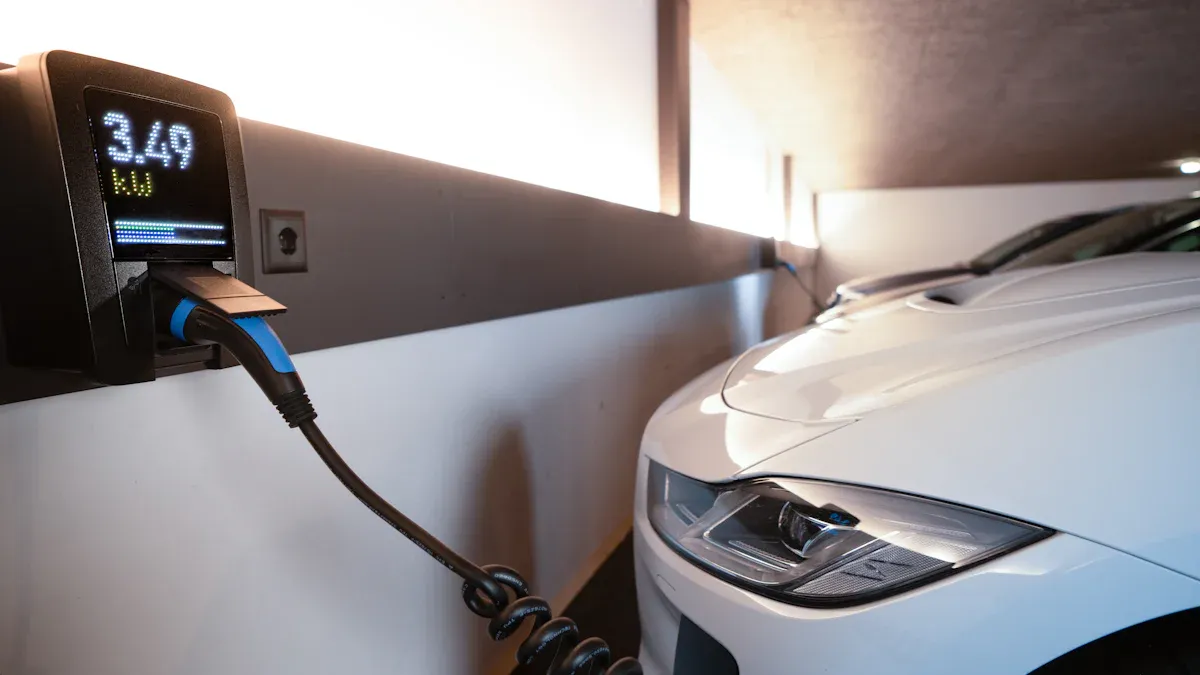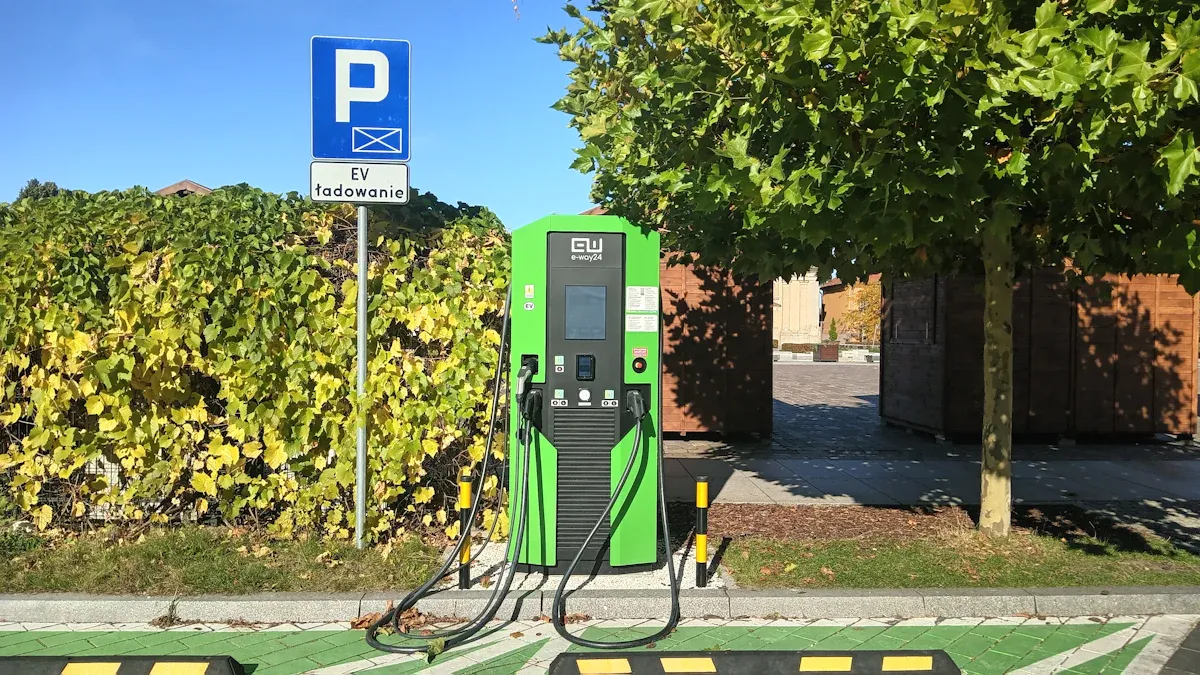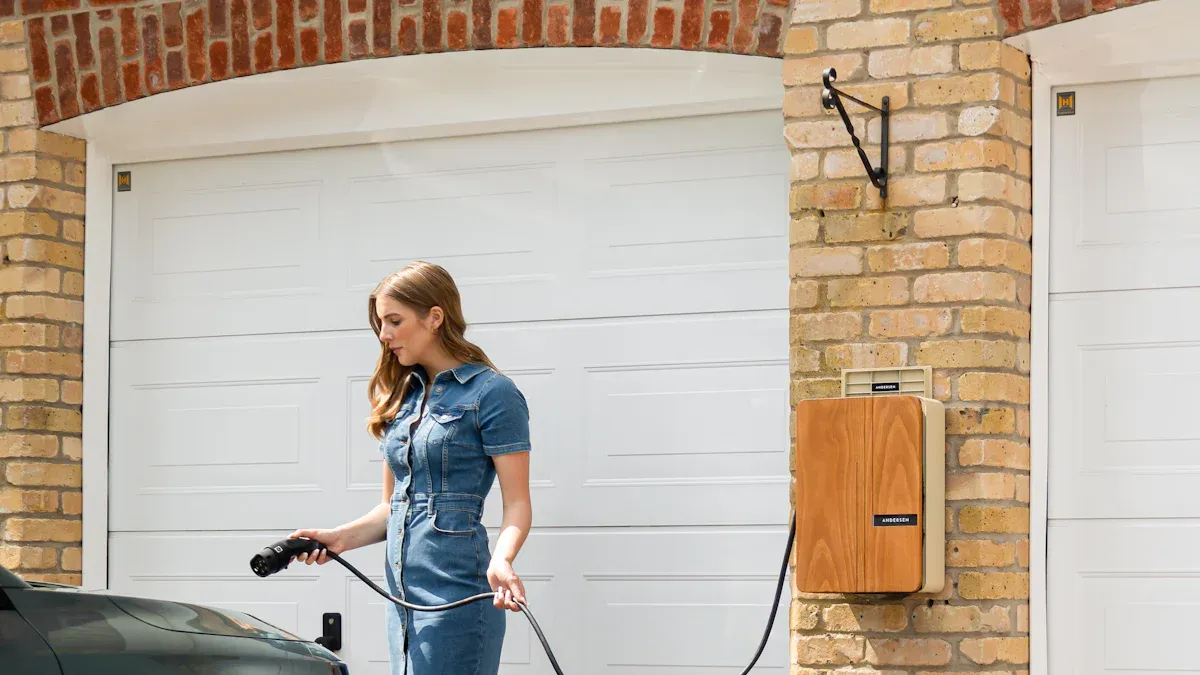
An EV owner in a Vietnamese condo faces unique charging challenges. Portable chargers present the most practical and cost-effective solution. These devices offer the flexibility, affordability, and simplicity required for condo living. Many Produsen pengisi daya EV, like the technologically advanced TPSON, produce superior pengisi daya EV portabel. Ini Solusi pengisian daya kendaraan listrik allow owners to easily power their vehicles. A portable Pengisi daya listrik bypasses the complexities of permanent installations, making electric vehicle ownership more accessible for urban residents.
The Condo Charging Problem in Urban Vietnam

Electric vehicle adoption in Vietnam is growing, but condo residents face significant obstacles when trying to install permanent charging stations. These challenges range from high costs and bureaucratic red tape to fundamental building limitations. Understanding these problems highlights why alternative solutions are necessary for urban EV owners.
The High Cost of Permanent Wallboxes
Many EV owners are surprised to learn that the price of a wallbox charger is only the beginning. The total expense often becomes prohibitively high due to several factors.
Steep Hardware and Installation Fees
A permanent wallbox is a significant investment. Beyond the unit itself, owners must pay for professional installation. This process requires certified electricians to run dedicated wiring from the apartment’s electrical panel to the parking space, a service that carries substantial labor and material costs.
Complex Electrical Upgrade Costs
Older condo buildings in cities like Hanoi and Ho Chi Minh City were not built to support the high electrical demands of EV charging. Installing even one wallbox can require major upgrades to the building’s main electrical system. These upgrades involve complex work and expensive components, with costs often passed on to the EV owner.
Navigating Bureaucratic Hurdles
Financial barriers are just one part of the problem. EV owners must also navigate a maze of regulations and approvals before any work can begin.
Gaining Condo Management Approval
Every installation requires formal approval from the condo’s management board. This process can be slow and uncertain. Management boards often lack clear policies for EV chargers, leading to long delays or outright rejections due to concerns about safety, liability, and electrical capacity.
Catatan: Without a standardized approval process, each EV owner must individually petition their building management, creating an inconsistent and frustrating experience for residents.
Complying with Building and Safety Codes
Installations must adhere to strict national building and fire safety regulations (PCCC). This involves submitting detailed plans and undergoing inspections to ensure the wiring, placement, and equipment meet all legal standards. Failure to comply can result in fines and the forced removal of the charger.
Widespread Infrastructure Limitations
Finally, the physical design of many condos presents practical, and often insurmountable, challenges. Technologically advanced providers like TPSON design charging solutions to overcome some issues, but building infrastructure remains a core problem.
Non-Designated Parking Spaces
Many condos utilize a first-come, first-served parking system or rotate parking spaces annually. In these situations, installing a permanent charger is impossible because the owner does not have an assigned, exclusive spot. A fixed wallbox would be inaccessible most of the time.
Buildings Not Designed for EV Charging
The core issue is that most existing residential towers were constructed long before EVs became common. Their electrical grids were designed for standard household use, not for powering multiple vehicles. The basements lack sufficient power outlets, and the overall infrastructure cannot handle the cumulative load of several EV chargers operating simultaneously.
Why Portable Chargers are the Ideal Solution

Given the significant hurdles of permanent installations, pengisi daya portabel emerge as a practical and intelligent alternative for the modern Vietnamese condo dweller. They directly solve the core problems of cost, bureaucracy, and infrastructure by offering a solution centered on flexibility and simplicity.
Ultimate Flexibility Without Installation
The greatest advantage of a portable charger is its freedom from physical installation. This characteristic fundamentally changes the charging experience for condo residents.
True Plug-and-Play Convenience
Portable chargers deliver immediate, hassle-free operation. Owners can simply take the device from their vehicle, plug it into a standard wall socket, and connect it to their EV. There are no electricians to hire, no walls to drill, and no complex wiring to manage. This “plug-and-play” model transforms EV charging into a process as simple as charging a smartphone.
Use Standard Outlets in Your Basement
Most condo basements lack dedicated high-power circuits but have standard household power outlets (220V) near pillars or walls. Portable chargers are designed to use these existing outlets, instantly turning a regular parking area into a viable charging location.
A portable 2.3kW EV car charger can provide approximately 8 miles (about 13 km) of range per hour of charging. For a typical daily commute in Ho Chi Minh City or Hanoi, an overnight charging session is more than enough to replenish the battery.
While a dedicated wallbox is faster, the convenience of using any available outlet outweighs the need for rapid charging for most daily driving routines. The comparison is clear:
| Jenis Pengisi Daya | Typical Power Rating | Approx. Range per Hour |
|---|---|---|
| Portable (3-pin plug) | 2.3kW | 8 miles (~13 km) |
| Level 2 Wallbox (single-phase) | 7.4kW | 25 miles (~40 km) |
| Level 2 Wallbox (three-phase) | 22kW | 75 miles (~120 km) |

A Smart Financial Choice
Beyond convenience, portable chargers present a significantly more affordable path to home charging. They eliminate the secondary costs that make wallboxes prohibitively expensive for many.
Low One-Time Purchase Cost
The initial financial outlay for a portable charger is a fraction of the cost of a permanent wallbox. EV owners make a single, predictable purchase for the device itself. This straightforward transaction avoids the complicated and often escalating quotes associated with permanent hardware and custom installation work.
No Installation or Permit Expenses
This is where the most substantial savings occur. An EV owner using a portable charger incurs zero costs for:
- Professional electrical installation
- Permit application fees
- Potential building-wide electrical upgrades
- Labor for running conduit and wiring
These avoided expenses can easily save thousands of dollars, making EV ownership more financially accessible.
Bypassing Condo Restrictions
Portable chargers offer a brilliant way to navigate the administrative and regulatory challenges of condo living. They sidestep the rules and concerns that often lead to the rejection of permanent charging solutions.
No Permanent Building Modifications
Since a portable charger does not attach to the building, it requires no permanent modifications. There is no drilling, wiring, or structural alteration, which are the primary concerns for most condo management boards. This lack of modification means there is often no formal approval process to navigate, removing a major source of delay and frustration.
Avoids Safety and Liability Conflicts
Condo management boards are rightly concerned about the safety and liability of high-power electrical installations. Portable chargers are classified as personal electronic devices, not building infrastructure. Technologically advanced providers like TPSON equip their portable chargers with multiple built-in safety features, including over-current, over-voltage, and overheating protection. This self-contained safety design places the responsibility on the device manufacturer and the user, not the building, thereby avoiding complex liability negotiations with the management board.
How to Select the Best Portable EV Charger
Memilih yang tepat pengisi daya portabel involves more than just finding one that fits. An owner must evaluate key technical features and safety credentials to ensure a reliable and secure charging experience. Making an informed decision guarantees both convenience and peace of mind.
Essential Features to Look For
The best portable chargers balance performance with practicality. An EV owner should focus on three critical features that directly impact daily usability in a condo environment.
Vehicle Plug Compatibility (Type 1/Type 2)
The first step is ensuring the charger’s plug matches the vehicle’s charging port. Most modern electric vehicles sold in Vietnam and Asia use the Tipe 2 standard. However, some imported models may use the Tipe 1 plug. Verifying this compatibility is essential before purchase to avoid any connection issues.
Adjustable Amperage for Safety
Adjustable amperage is a crucial safety function, especially in buildings with older electrical wiring. This feature allows the user to manually lower the charging current.
- It prevents overheating of the wall socket, plug, and cable during long, overnight charging sessions.
- Reducing the load to a lower setting, such as 6A, balances range replenishment with electrical safety.
- This protects the building’s infrastructure and the charging equipment from potential damage.
Kiat Pro: Even if a socket is rated for a higher load, setting the charger to a lower amperage for overnight charging is a recommended safety practice in shared residential buildings.
Optimal Cable Length for Garages
Condo parking garages rarely have power outlets located conveniently next to every parking space. A charger with an optimal cable length, typically between 5 and 7 meters, provides the necessary reach. This flexibility ensures the owner can connect their vehicle to a distant wall socket without creating a tripping hazard or putting strain on the cable.
Prioritizing Safety and Durability
A charger is a high-power electrical device, making safety non-negotiable. Reputable brands, including technologically advanced providers like TPSON, prioritize safety through certifications and robust construction.
Key Safety Certifications (CE, TUV)
Certifications indicate that a product has been tested against recognized safety standards. An EV owner should look for these key marks:
| Sertifikasi | Meaning in EV Chargers |
|---|---|
| CE | Indicates the manufacturer declares compliance with EU safety and environmental standards. |
| TUV | Signifies that an independent laboratory has tested and verified the product’s safety. |
While the CE mark shows conformity, a TUV mark provides an extra layer of assurance from a third-party testing body, confirming the product meets rigorous standards like IEC 61851.
Built-in Protection Features
Quality chargers integrate a suite of internal safety mechanisms. These systems continuously monitor the charging process and protect against electrical faults. Essential features include over-voltage, under-voltage, over-current, and over-temperature protection, as well as earth fault detection to prevent electric shock.
Weather-Resistance (IP Rating)
The Ingress Protection (IP) rating measures a device’s resistance to dust and water. The first digit rates dust protection (0-6), and the second rates water protection (0-9). For a condo garage, which can be dusty and damp, a higher IP rating is better.
- IP55: Protected against limited dust and low-pressure water jets.
- IP65: Dust-tight and protected against water jets.
- IP67: Dust-tight and protected against temporary immersion in water.
An IP67-rated charger offers superior durability and protection, ensuring safe operation even in less-than-ideal garage conditions.
A Practical Guide to Using Your Portable Charger
Using portable chargers effectively requires a focus on safety and an understanding of their performance. An owner can ensure a smooth and reliable experience by following practical guidelines for use in a shared condo garage.
Charging Safely in a Condo Garage
Safety is the top priority when using any electrical device. In a shared environment like a condo garage, this responsibility extends to protecting property and neighbors.
Finding and Inspecting Power Outlets
An EV owner should first locate available standard power outlets in the parking area. Before plugging in, they must visually inspect the socket for any signs of damage, such as cracks, burn marks, or loose fittings. A damaged outlet poses a significant fire risk and should never be used.
Best Practices for Cable Management
Proper cable management is essential to prevent accidents in a high-traffic garage. An owner must ensure the charging cable does not create a tripping hazard.
- The cable should not obstruct walkways or access to other vehicles.
- It should lie flat on the ground whenever possible.
- Using a highly visible, non-slip cable protector is the best practice to secure the cord and prevent trips.
Implementing these simple cable management solutions creates an orderly and safe charging setup.
Monitoring Your Charging Session
During the first few uses, an owner should periodically check the charging process. They can monitor the charger’s indicator lights for status updates and check the vehicle’s mobile app to confirm it is receiving power. This initial monitoring helps verify that the outlet and charger are functioning correctly together.
Understanding Charging Performance
An EV owner can better plan their schedule by understanding how their charger performs. Key factors include charging time, power levels, and electricity costs.
How to Calculate Charging Times
An owner can estimate charging time with a simple formula. This calculation helps them know how long it will take to replenish their vehicle’s battery for their daily commute.
Battery Size (kWh) ÷ Charger Power (kW) = Charging Time (hours)For example, adding 20 kWh to a battery with a 2.3 kW charger would take approximately 8.7 hours (20 kWh ÷ 2.3 kW).
The Difference Between Level 1 and Level 2
Charging is categorized into different levels based on power output.
- Pengisian Daya Level 1 uses a standard 220V household outlet, providing around 2-3 kW of power. This is the level provided by pengisi daya portabel and is perfect for overnight charging.
- Pengisian Daya Level 2 requires a professionally installed wallbox and delivers 7-22 kW, offering much faster speeds.
Managing Your Home Electricity Bill
When a garage outlet is connected to an apartment’s meter, the electricity used for charging will appear on the owner’s monthly utility bill. To manage costs, owners can take advantage of off-peak electricity rates, if available, by scheduling their charging sessions for late at night.
Condo Charging Etiquette and Best Practices
Using a pengisi daya portabel in a shared space requires more than just technical knowledge; it demands good etiquette. Responsible charging habits ensure a harmonious living environment for everyone. An EV owner who practices consideration and communicates clearly builds trust with neighbors and building management.
Being a Considerate EV Neighbor
Thoughtful actions prevent minor inconveniences from becoming major disputes. A considerate EV owner respects shared spaces and resources, setting a positive example for the community.
Keeping Pathways and Parking Clear
An owner must always prioritize safety and accessibility. The charging cable should never cross a pedestrian walkway or another vehicle’s parking space without proper protection. Using a highly visible cable cover or routing the cord along walls and pillars prevents it from becoming a tripping hazard. This simple step demonstrates respect for neighbors’ safety and convenience.
Avoiding Monopolizing Shared Outlets
In many condo garages, power outlets are a limited resource. An EV owner should avoid monopolizing a shared socket. Best practices include:
- Charging only when necessary, typically overnight.
- Unplugging the charger once the vehicle has enough range for the next day.
- Coordinating with other EV owners to create a fair usage schedule if multiple residents need access.
This cooperative approach ensures everyone can access the power they need.
Communicating with Management and Neighbors
Proactive communication is the key to preventing misunderstandings. An open and informative approach can address potential concerns before they arise, fostering a positive perception of EV charging within the building.
Informing Your Building Manager
An owner should inform the building manager about their use of a portable charger. This is not about asking for permission but demonstrating transparency.
Kiat Pro: Explain that the device is a personal electronic appliance, not a permanent installation. Mention that chargers from technologically advanced providers like TPSON include certified, self-contained safety features, placing no liability on the building. This information helps management understand the low-risk nature of the activity.
Addressing Neighbor Concerns Politely
Neighbors may have questions about safety or electricity usage. An owner should be prepared to address these concerns calmly and with factual information. When a neighbor asks questions, an owner can politely explain:
- The charger uses a standard outlet and operates within its safe electrical limits.
- The device has built-in protections against overheating and electrical faults.
- The electricity cost is billed directly to the owner’s apartment meter, not the community.
Clear, friendly communication helps demystify the process and reassures neighbors that charging is being done responsibly.
Portable charging stands out as the definitive solution for electric vehicle owners in Vietnamese condos. This method delivers an ideal mix of convenience, affordability, and compliance with building regulations. EV owners bypass complex installations and high costs.
An owner can embrace the simplicity of this approach to unlock the full potential of their electric vehicle today.
PERTANYAAN YANG SERING DIAJUKAN
Is it safe to use a portable charger overnight?
Yes, it is safe. Quality portable chargers include multiple built-in safety features. These systems protect against overheating, over-voltage, and short circuits. Technologically advanced providers like TPSON design their chargers for secure, long-duration use, ensuring peace of mind during overnight charging sessions.
Does an owner need permission from the condo board?
Generally, no. A pengisi daya portabel is a personal electronic device, not a permanent building installation. It requires no drilling or wiring. An owner should inform the management board as a courtesy, but formal approval is typically not necessary for its use.
Who pays for the electricity used for charging? 🔌
The EV owner pays for the electricity. In most condos, basement outlets are connected to an individual apartment’s electrical meter. The cost of charging the vehicle will simply appear on the owner’s monthly utility bill, ensuring fair and direct billing.
Will a portable charger work with any electric vehicle?
Compatibility depends on the plug type. Most EVs in Vietnam use the Type 2 connector. An owner must verify their vehicle’s port and purchase a charger with the matching plug. Many portable chargers are available in both Type 1 and Type 2 versions.
What if the parking garage is damp or dusty?
An owner should choose a charger with a high IP (Ingress Protection) rating.
- Sebuah IP67 rating is ideal.
- It ensures the device is dust-tight and protected from water.
This durability makes it safe for use in typical basement conditions.
How much range does an owner get from one night of charging?
A standard 2.3 kW portable charger adds about 13 km of range per hour. An 8-hour overnight session can replenish over 100 km. This is more than sufficient for the average daily commute in cities like Hanoi or Ho Chi Minh City.
What should an owner do if a neighbor also needs the outlet?
Communication is key. EV owners should coordinate to create a fair usage schedule. An owner can charge their vehicle to a sufficient level for the next day and then unplug it, allowing their neighbor to use the shared outlet.