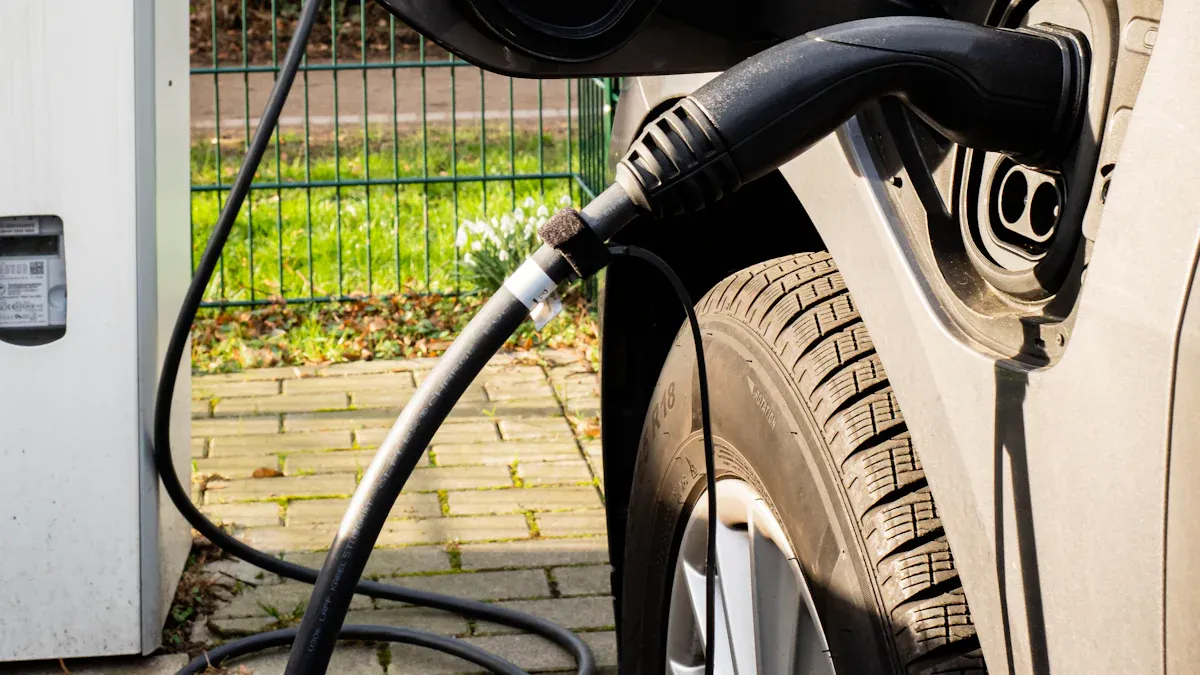
Many drivers in Peru wonder, is a portable Pengisi daya listrik worth it when considering the country’s growing electric vehicle landscape. Produsen pengisi daya EV see increased interest from those seeking reliable Solusi pengisian daya kendaraan listrik for daily commutes and road trips. Pengisi daya listrik portabel often attract renters, frequent travelers, and early adopters who value flexibility. An EV Charger provides peace of mind, especially where public stations remain scarce. These devices help bridge gaps in infrastructure and support Peru’s transition to cleaner transportation.
Tip: Users should research compatibility with local power outlets before purchasing.
What Is a Portable EV Charger?
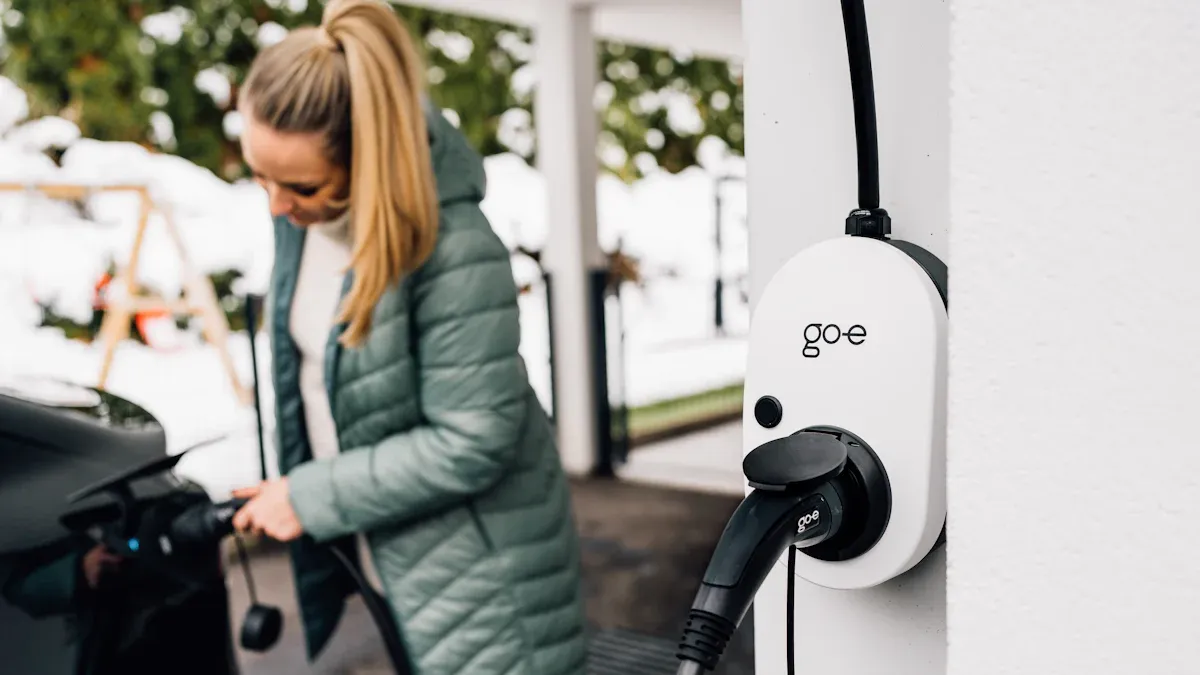
How Portable EV Chargers Work for EV Owners
A pengisi daya ev portabel allows drivers to recharge their electric vehicles without relying on fixed infrastructure. This device connects to a standard electrical outlet and supplies power directly to the vehicle’s battery. Most portable ev chargers include a control box that manages the flow of electricity and ensures safe charging. Drivers can monitor charging status through indicator lights or digital displays. These chargers often come with safety features such as overcurrent protection and temperature monitoring.
Note: Portable ev chargers do not require complex installation. Owners can simply plug the charger into an available outlet and begin charging.
Types of Portable EV Chargers in Peru
The Peruvian market offers several types of portable ev chargers. Each type suits different needs and vehicle models. The most common types include:
Level 1 Portable Chargers
These chargers use a standard 220V household outlet. They provide slow charging, which works well for overnight use or emergency situations.Level 2 Portable Chargers
These chargers require a higher voltage outlet, usually found in commercial or industrial settings. They deliver faster charging speeds and suit drivers who need quicker turnaround times.Multi-Connector Chargers
Some portable ev chargers feature interchangeable connectors. This design supports various EV models and adapts to different plug standards in Peru.
The table below summarizes the main differences:
| Jenis | Sumber Daya | Kecepatan Pengisian Daya | Kasus Penggunaan Umum |
|---|---|---|---|
| Level 1 Portable Charger | 220V Home Outlet | Lambat | Home, Emergencies |
| Level 2 Portable Charger | 380V Industrial | Sedang | Work, Fast Charging |
| Multi-Connector Charger | Bervariasi | Bervariasi | Multiple EV Models |
Typical Users of Portable EV Chargers
Portable ev chargers attract a diverse group of users in Peru’s emerging market. Early EV adopters often choose these chargers for their flexibility. Renters and people living in apartments benefit from the lack of installation requirements. Travelers who drive long distances or visit remote areas rely on portable ev chargers for peace of mind. Fleet operators and businesses also use these chargers to support multiple vehicles without investing in permanent infrastructure.
Tip: Drivers who value mobility and adaptability find portable ev chargers especially useful in regions with limited public charging options.
Pros of Owning a Portable EV Charger in Peru
Flexibility and Mobility for EV Charging
A pengisi daya ev portabel gives drivers the freedom to charge anywhere, which proves essential in Peru’s developing electric vehicle landscape. Many users value the compact and mobile design that allows them to transport the charger easily. This flexibility supports charging efficiency, especially for those who travel between cities or work in multiple locations. The table below highlights features that enhance flexibility and mobility for EV charging in Peru:
| Fitur | Deskripsi |
|---|---|
| Desain yang Ringkas dan Mudah Dipindahkan | Unit yang ringan dan dapat dipindahkan ini menyediakan penggunaan serbaguna untuk pengisian daya darurat atau penggunaan yang fleksibel di berbagai lokasi. |
| Bantuan Darurat di Pinggir Jalan | Provides a rapid jump-start to stranded EVs, enabling a fast charge to get drivers back on the road without the need for a tow truck. |
| Manajemen Armada & Logistik yang Dinamis | Pindahkan pengisi daya ke kendaraan di mana saja di depot atau area parkir, menawarkan pengisian daya yang fleksibel tanpa biaya pemasangan beberapa stasiun tetap. |
Charging Anywhere with Standard Outlets
Drivers in Peru often face limited access to public charging stations. A portable ev charger enables charging at any location with a standard outlet. This feature increases efficiency for daily commutes and long journeys. Many drivers appreciate the convenience of plugging in at home, at work, or even at a friend’s house. The ability to use existing infrastructure reduces the need for specialized installations.
Road Trips and Remote Area Charging in Peru
Travelers who explore remote regions in Peru benefit from portable charging solutions. The charger’s mobility ensures that drivers can maintain battery efficiency even in areas with scarce infrastructure. This advantage supports tourism and business travel, where charging options remain unpredictable. The charger’s efficiency in these scenarios eliminates range anxiety and allows for greater exploration.
Backup Charging Solution for EV Owners
A portable ev charger serves as a reliable backup during unexpected situations. Vehicle-to-Home (V2H) technology enables electric vehicles to supply power to homes, which proves valuable during power outages or emergencies. This backup capability ensures that drivers maintain mobility and household efficiency when the grid fails.
- V2H technology supports home energy needs during blackouts.
- Drivers can rely on their EV as a backup power source.
- The charger’s efficiency in emergencies eliminates range anxiety and supports peace of mind.
Peace of Mind During Power Outages
Power outages remain a concern in some regions of Peru. A portable ev charger provides a backup solution, allowing drivers to keep their vehicles charged and ready. This reliability increases efficiency for families and businesses that depend on electric vehicles for daily transportation.
Reducing Range Anxiety in Peru’s EV Market
Many new EV owners experience anxiety about running out of battery power. A portable ev charger eliminates range anxiety by offering a practical backup. Drivers gain confidence knowing they have a solution for unexpected situations. This assurance encourages more people to adopt electric vehicles and supports Peru’s transition to sustainable mobility.
No Installation Required for Portable EV Chargers
Avoiding Home Modifications
A portable ev charger does not require permanent installation. Homeowners avoid costly modifications and maintain the original structure of their property. This feature increases efficiency for those who prefer simple charging solutions.
Ideal for Renters and Temporary Residences
Renters and individuals living in temporary housing benefit from the charger’s portability. They can use the device without landlord approval or complex installation. This flexibility supports efficiency and convenience for a wide range of users.
TPSON continues to innovate in electric vehicle charging solutions, supporting Peru’s growing EV market with advanced technology and reliable products.
Cost-Effectiveness of Portable EV Chargers
Lower Upfront Costs vs. Wallbox Chargers
Many drivers in Peru consider cost when choosing an EV charging solution. A portable ev charger offers a lower initial cost compared to a dedicated wallbox. Most portable units require only the purchase of the charger itself. In contrast, a dedicated wallbox often involves higher equipment prices and additional expenses for professional installation.
The table below compares typical costs for both options:
| Jenis Pengisi Daya | Average Equipment Cost | Biaya Instalasi | Total Upfront Cost |
|---|---|---|---|
| Pengisi Daya Listrik Portabel | S/ 1,200 – S/ 2,000 | Tidak ada | S/ 1,200 – S/ 2,000 |
| Dedicated Wallbox | S/ 2,500 – S/ 4,000 | S/ 1,000 – S/ 2,000 | S/ 3,500 – S/ 6,000 |
A portable ev charger allows drivers to start charging their EV without a large financial commitment. This cost advantage appeals to new EV owners and those who want to test electric mobility before investing in a dedicated wallbox.
Saving on Installation Fees in Peru
A dedicated wallbox requires professional installation, which adds significant cost. Electricians must assess the home’s wiring, upgrade circuits, and ensure compliance with safety standards. These steps increase the total cost of ownership. In contrast, a portable ev charger eliminates installation fees. Drivers can use the charger immediately after purchase. This feature benefits renters and those who move frequently, as they avoid paying for permanent modifications.
Tip: Drivers should compare the total cost of ownership, not just the equipment price, when choosing between a portable ev charger and a dedicated wallbox.
Adaptability in Peru’s Emerging EV Market
Navigating Limited Public Charging Stations
Peru’s public charging infrastructure remains limited. Many cities and rural areas lack reliable charging points. A portable ev charger gives drivers the flexibility to use any available outlet. This adaptability reduces dependence on public stations and lowers the cost of long-distance travel. Drivers can plan trips with confidence, knowing they have a backup charging solution.
Supporting Early EV Adoption in Peru
Early adopters play a key role in Peru’s transition to electric vehicles. They often face challenges with charging access and cost. A portable ev charger supports these users by offering a practical, affordable alternative to a dedicated wallbox. The charger’s mobility and ease of use encourage more people to try EVs. As more drivers choose electric vehicles, the demand for charging solutions will grow. Portable chargers help bridge the gap until public infrastructure expands.
Note: Adaptable charging solutions like portable chargers support Peru’s goal of increasing EV adoption and reducing transportation emissions.
Cons of Owning a Portable EV Charger in Peru
Slower Charging Speeds for EVs
A portable ev charger often delivers slower charging speeds compared to fixed wallbox chargers or public DC fast charging stations. Many drivers in Peru notice that charging a vehicle with a portable unit can take several hours, especially when using standard household outlets. This slower process can create inconvenience for those who rely on their vehicle for daily transportation.
Tabel di bawah ini menguraikan the main drawbacks related to charging speed:
| Drawback | Deskripsi |
|---|---|
| Slower than dedicated DC fast chargers | Portable chargers do not match the speed of permanent DC fast charging stations. |
| Optimal charging requires 240V outlets | Access to 240V outlets is necessary for faster charging, which are less common than standard outlets. |
Longer Charging Times Compared to Wallbox Chargers
Wallbox chargers typically provide higher power output, which reduces the time needed to recharge an EV. In contrast, a portable charger connected to a standard outlet may require overnight charging to reach a full battery. This limitation can affect users who need quick turnaround times for their vehicle.
Impact on Daily Commuting in Peru
Many commuters in Peru depend on their vehicle for work and family activities. Slow charging can disrupt daily routines, especially if the vehicle needs to be ready each morning. Drivers who travel long distances or face unexpected trips may experience range anxiety if the battery does not recharge quickly enough.
Limited Power Output of Portable EV Chargers
Portable chargers usually offer lower power output than fixed charging solutions. This limitation affects the suitability of the charger for different vehicle models and battery sizes.
Suitability for Different EV Models and Battery Sizes
Some electric vehicles have large battery capacities that require higher power for efficient charging. A portable charger may not provide enough output to meet the needs of these vehicles. Owners of larger EVs may find that charging takes much longer, reducing the practicality of using a portable solution as a primary charger.
Challenges with Older Electrical Infrastructure
Many homes and buildings in Peru have older electrical systems. These systems may not support the higher power demands of modern EV charging. Using a portable charger in such environments can lead to slow charging or even electrical issues. Drivers should assess the condition of their home’s wiring before regular use.
Safety Concerns with Portable EV Chargers
Safety remains a critical consideration when using any charging device. Portable chargers can pose risks if not used correctly.
Risks of Overloading Home Circuits
Plugging a charger into a circuit that already supports other appliances can overload the system. This risk increases in older homes with outdated wiring. Overloading can cause circuit breakers to trip or, in rare cases, lead to electrical fires.
Importance of Proper Usage and Monitoring
Drivers must follow manufacturer guidelines and monitor the charging process. Leaving a charger unattended for long periods increases the risk of overheating or electrical faults. Regular inspection and safe practices help prevent accidents and protect both the vehicle and the home.
Tip: Always check the compatibility of the charger with the home’s electrical system and avoid using extension cords for EV charging.
Practical Limitations of Portable EV Chargers
Portability and Storage Issues
Many drivers appreciate the convenience of a portable ev charger, but they often face challenges with portability and storage. The device can weigh several kilograms and may take up significant space in a vehicle’s trunk. Some models include long cables and bulky adapters, which add to the storage burden. Drivers who travel with family or carry equipment may find it difficult to allocate space for the charger.
Tip: Users should consider the size and weight of the charger before purchasing. Compact models suit smaller vehicles and frequent travelers.
A table below highlights common portability concerns:
| Masalah | Impact on Drivers |
|---|---|
| Berat | Difficult to move for some users |
| Panjang Kabel | Tangles and storage challenges |
| Bulkiness | Reduces available trunk space |
Weather and Environmental Challenges in Peru
Peru’s diverse climate presents unique obstacles for charging. High humidity, heavy rain, and dust can affect the performance of electrical devices. Not all portable chargers offer weatherproof designs. Exposure to water or extreme temperatures may damage the charger or create safety risks. Drivers in coastal or highland regions must pay attention to environmental ratings when selecting a charger.
Note: Always store the charger in a dry, secure location. Avoid charging outdoors during storms or in areas with flooding.
Availability and Support for Portable EV Chargers
Local Product Options and After-Sales Service
The Peruvian market offers limited choices for portable chargers. Many products come from international brands, which can lead to higher prices and longer shipping times. Local retailers may not stock replacement parts or accessories. After-sales service often varies by brand. Some companies provide technical support and warranties, while others offer minimal assistance. Drivers should research available options and choose reputable suppliers.
A checklist for evaluating support:
- Confirm warranty terms and coverage.
- Check for local repair centers.
- Review customer feedback on service quality.
Compatibility with Peruvian Electrical Outlets
Electrical standards in Peru differ from those in other countries. Not all chargers fit local outlets or support the correct voltage. Using an incompatible charger can result in slow charging or device failure. Drivers must verify that the charger matches Peruvian plug types and voltage requirements. Adapters may solve some issues, but they can introduce new risks if not rated for high power.
Alert: Always check the charger’s specifications before use. Incorrect connections can damage both the charger and the ev.
Portable EV Chargers vs. Fixed Wallbox Chargers for EV Owners
Charging Speed Comparison for EVs
Charging speed remains a top concern for electric vehicle owners in Peru. Fixed wallbox chargers typically deliver higher power output, which results in faster charging for most EV models. These chargers often connect directly to a dedicated circuit, allowing them to provide consistent and reliable energy flow. Many drivers notice that a wallbox can fully recharge a battery overnight or even in a few hours, depending on the vehicle’s capacity.
A pengisi daya ev portabel, on the other hand, usually connects to standard household outlets. This setup limits the available power and leads to slower charging times. Drivers who rely on their vehicles for daily commutes may find that portable units require longer periods to reach a full charge. The difference in charging speed becomes more noticeable with larger batteries or when drivers need faster charging for unexpected trips.
Note: Faster charging helps reduce downtime and supports busy lifestyles, especially in urban areas.
Cost and Installation Differences in Peru
Cost plays a significant role in the decision-making process for EV owners. Fixed wallbox chargers often involve higher upfront expenses. These costs include the price of the charger itself and professional installation fees. Electricians must assess the home’s wiring, upgrade circuits if necessary, and ensure compliance with safety standards. In Peru, installation can add substantial costs, especially in older buildings.
Portable chargers offer a more titik masuk yang terjangkau. Owners only need to purchase the device, with no additional installation required. This advantage appeals to renters and those who move frequently. The table below summarizes the main cost and installation differences:
| Fitur | Pengisi Daya Portabel | Pengisi Daya Kotak Dinding |
|---|---|---|
| Biaya Awal | Lebih rendah | Lebih tinggi |
| Diperlukan Instalasi | Tidak. | Ya. |
| Fleksibilitas | Tinggi | Rendah |
| Long-term Investment | Sedang | Tinggi |
Tip: Drivers should evaluate both short-term and long-term costs before making a decision.
Convenience and Everyday Use for EV Owners
Convenience influences how drivers choose their charging solutions. Wallbox chargers provide a seamless experience for those with a fixed parking space and stable residence. Owners can plug in their EV each night and wake up to a fully charged battery. This routine suits families and professionals who value predictability.
Portable chargers excel in flexibility. Owners can use them at different locations, such as home, work, or while visiting friends. This mobility supports those who travel often or lack access to a dedicated parking spot. However, the need to manually set up the charger and monitor charging can add extra steps to the process.
Both options help reduce range anxiety, but each serves different lifestyles. Wallbox chargers suit those seeking convenience and faster charging at home. Portable chargers benefit users who prioritize adaptability and lower upfront costs.
Callout: Drivers should consider their daily routines, travel habits, and living situations when choosing between these two charging solutions.
Suitability for Different Living Situations in Peru
Electric vehicle adoption in Peru continues to grow, but living situations vary widely across the country. The suitability of charging solutions depends on housing type, mobility needs, and access to infrastructure. A portable ev charger offers unique advantages and challenges for different users.
Urban Apartment Dwellers:
Many residents in Lima and other cities live in apartments or condominiums. These buildings often lack dedicated parking spaces with charging stations. Residents may not have permission to install permanent equipment. A portable charger allows them to charge their EV using shared or personal outlets in garages or parking lots. This flexibility supports those who move frequently or rent their homes.
Homeowners with Private Parking:
Individuals who own houses with private garages or driveways have more options. They can install fixed wallbox chargers for faster charging. However, some prefer the convenience of a portable solution, especially if they plan to relocate or want to avoid installation costs. Homeowners in suburban or rural areas may also face unreliable power supply. A portable charger provides backup charging during outages, ensuring their vehicle remains ready for daily use.
Frequent Travelers and Commuters:
Some drivers travel between cities or regions for work. They may not have consistent access to public charging stations. A portable charger enables them to charge at hotels, offices, or even friends’ homes. This adaptability reduces range anxiety and supports long-distance commuting. Drivers can maintain their charging routine regardless of location.
Temporary Residents and Students:
Students and professionals who live in temporary housing benefit from portable charging solutions. They avoid the hassle of negotiating with landlords or investing in permanent infrastructure. The ability to use a charger in different locations makes it easier to maintain an EV lifestyle during short-term stays.
The table below summarizes the suitability of charging options for common living situations in Peru:
| Living Situation | Pengisi Daya Portabel | Pengisi Daya Kotak Dinding | Pengisian Daya Publik |
|---|---|---|---|
| Apartment/Condo | ✅ | ❌ | ⚠️ |
| Private Home | ✅ | ✅ | ✅ |
| Temporary Housing | ✅ | ❌ | ⚠️ |
| Frequent Traveler | ✅ | ❌ | ⚠️ |
Tip: Drivers should evaluate their living situation, mobility needs, and access to power outlets before choosing a charging solution.
A portable charger does not suit every scenario. Those with stable residences and access to reliable power may prefer a fixed wallbox for faster charging. However, for renters, travelers, and those facing infrastructure limitations, a portable solution offers unmatched flexibility and peace of mind. The right choice depends on individual needs, daily routines, and the desire to maximize the use of an EV across Peru’s diverse regions.
Safety and Practical Usage Tips for Portable EV Chargers in Peru
Safe Charging Practices at Home and On the Road
Drivers in Peru must prioritize safety when using a charger for their electric vehicles. They should always inspect the charger and cable for visible damage before each charging session. If they notice any frayed wires or cracks, they must avoid using the device. Users should keep the charger dry and away from water sources. Charging in a well-ventilated area helps prevent overheating. When charging on the road, drivers should select stable, flat surfaces to avoid tripping hazards.
A checklist for safe charging includes:
- Inspect the charger and cable before each use.
- Keep the charger dry and clean.
- Hindari penggunaan kabel ekstensi.
- Place the charger on a stable surface.
- Monitor the charging process.
Tip: Drivers should never leave the charger unattended for long periods, especially outdoors.
Understanding Local Electrical Standards for EV Charging
Peru uses a 220V electrical system in most homes and businesses. Not all chargers from international markets match local plug types or voltage. Before purchasing, drivers should confirm that the charger supports Peruvian outlets and voltage. They should read the manual to understand how to use a portable ev charger safely with local infrastructure. If unsure, consulting a certified electrician ensures proper installation and compatibility.
The table below summarizes key considerations:
| Faktor | Rekomendasi |
|---|---|
| Tegangan | Confirm 220V compatibility |
| Jenis Steker | Match with Peruvian standards |
| Circuit Capacity | Use dedicated circuits if possible |
| Professional Advice | Consult an electrician if needed |
Alert: Using an incompatible charger can damage both the vehicle and the electrical system.
Managing Power Outages and Voltage Fluctuations
Power outages and voltage fluctuations occur in some regions of Peru. These events can interrupt charging and affect charging efficiency. Drivers should use surge protectors to safeguard their charger and vehicle. If a power outage happens during charging, they should disconnect the charger and wait for stable power before resuming. Monitoring voltage levels helps prevent damage to the charger and the EV battery.
A few practical steps include:
- Install a surge protector between the charger and outlet.
- Disconnect the charger during storms or outages.
- Resume charging only when power stabilizes.
- Track voltage with a simple meter if available.
Note: These precautions help maintain battery health and extend the range of the vehicle.
Drivers who follow these guidelines will enjoy safer and more reliable charging experiences across Peru’s diverse environments.
Maintenance and Storage Tips for Portable EV Chargers
Proper maintenance and storage practices extend the lifespan of a charger and ensure safe charging for every EV owner. They also help drivers avoid unexpected failures during travel or daily commutes. The following tips guide users in Peru on how to care for their portable charging equipment.
Routine Maintenance Checklist
Drivers should inspect their charger regularly. They need to check for visible damage, such as cracks or frayed cables. Cleaning the charger with a dry cloth removes dust and debris that can affect performance. Users should avoid harsh chemicals, as these can damage the casing or connectors. If the charger has a display or indicator lights, they must confirm these work correctly before each charging session.
Storage Best Practices
Safe storage protects the charger from environmental hazards. Drivers should store the charger in a cool, dry place away from direct sunlight. High humidity or extreme temperatures can degrade electronic components. A dedicated carrying case prevents physical damage during transport. Users should coil the charging cable loosely to avoid kinks or internal wire breaks.
Tip: Drivers should never leave the charger outdoors overnight, especially during rainy or humid weather. Moisture can cause corrosion and reduce charging efficiency.
Table: Quick Reference for Maintenance and Storage
| Tugas | Frekuensi | Tujuan |
|---|---|---|
| Inspeksi visual | Before each use | Identify damage or wear |
| Clean with dry cloth | Mingguan | Remove dust and debris |
| Check indicator lights | Before charging | Ensure proper operation |
| Store in carrying case | After each use | Prevent physical damage |
| Coil cable loosely | Every time | Maintain cable integrity |
Safe Handling During Charging
Drivers should always place the charger on a stable, flat surface during charging. They must keep the area clear of water and flammable materials. If the charger becomes hot or emits an unusual smell, users should stop charging immediately and contact technical support. These steps protect both the charger and the EV from electrical hazards.
Long-Term Storage Considerations
If drivers do not plan to use the portable ev charger for an extended period, they should disconnect it from all power sources. Storing the charger in its original packaging adds extra protection. Before resuming charging after long-term storage, users should perform a full inspection to confirm the charger remains in good condition.
Note: Regular maintenance and proper storage help drivers maximize the range and reliability of their charging equipment.
Common Scenarios for Using a Portable EV Charger in Peru

Urban vs. Rural EV Charging Needs
Urban and rural areas in Peru present different challenges for electric vehicle owners. In cities like Lima, drivers often face limited access to dedicated charging stations in apartment complexes or public parking lots. Many residents rely on shared spaces, which makes permanent installations difficult. A charger that offers mobility allows city dwellers to charge their vehicles at home, at work, or even in commercial garages. They can adapt to changing schedules and locations without depending on fixed infrastructure.
In rural regions, the situation changes. Public charging points remain scarce, and long distances between towns increase the importance of reliable charging solutions. Drivers in these areas benefit from the ability to use a charger wherever a compatible outlet exists. This flexibility supports agricultural workers, teachers, and healthcare professionals who travel between remote communities. The portable ev charger bridges the gap between urban convenience and rural necessity.
Tip: Drivers in rural Peru should check the condition of local electrical systems before charging to avoid power interruptions.
Traveling Across Regions with Limited Infrastructure
Peru’s diverse geography includes mountains, deserts, and rainforests. Many regions lack a robust network of public charging stations. When drivers plan long trips, they must consider the range of their EV and the availability of power sources along the route. A charger that fits in the trunk becomes essential for cross-country journeys. Travelers can stop at hotels, restaurants, or even roadside businesses to recharge. This approach reduces the risk of running out of power far from help.
A table below highlights common charging locations during regional travel:
| Jenis Lokasi | Peluang Pengisian Daya |
|---|---|
| Hotel | Overnight charging |
| Restoran | Charging during meals |
| Roadside Business | Emergency top-ups |
| Family/Friends | Charging during visits |
Travelers who use a portable solution gain peace of mind. They can explore new destinations without worrying about infrastructure gaps. This freedom encourages tourism and supports the adoption of electric vehicles in less developed areas.
Temporary Housing or Rental Situations for EV Owners
Many people in Peru live in temporary housing or rent apartments. Landlords may not allow permanent modifications, which limits the installation of fixed charging stations. A charger that requires no installation solves this problem. Tenants can charge their vehicles using available outlets and take the device with them when they move. Students, expatriates, and professionals on short-term assignments find this flexibility valuable.
A portable charger also benefits those who share living spaces. Multiple users can share one device, reducing costs and simplifying logistics. This approach supports sustainable transportation for a wider range of people.
Note: Renters should always seek permission before plugging into shared outlets to avoid disputes with neighbors or property managers.
Emergency and Backup Use Cases for Portable EV Chargers
Unexpected situations can disrupt daily routines for electric vehicle owners in Peru. A portable ev charger provides a practical solution during emergencies and backup scenarios. Many drivers rely on this device when traditional charging options become unavailable. Power outages, natural disasters, or infrastructure failures can leave an ev stranded without access to energy. In these moments, a portable charger ensures that mobility remains possible.
Drivers often encounter emergencies on the road. A flat battery in a remote area can create stress and uncertainty. With a portable charger, they can connect to any compatible outlet and restore enough power to reach the nearest service point. This flexibility reduces the risk of being stranded far from help. The charger also supports roadside assistance teams, who can deliver quick charging to vehicles in distress.
Backup charging at home becomes essential during grid failures. Peru experiences occasional blackouts, especially in rural or developing regions. When the main power supply fails, a portable charger can draw energy from alternative sources, such as generators or backup batteries. This approach keeps essential transportation available for families, healthcare workers, or emergency responders.
The table below highlights common emergency and backup scenarios:
| Skenario | How the Charger Helps |
|---|---|
| Power outage at home | Enables charging from generators |
| Stranded on the road | Allows charging from any outlet |
| Natural disaster | Supports evacuation and relief work |
| Infrastructure failure | Maintains vehicle readiness |
Tip: Drivers should keep their portable charger in the vehicle at all times. Regularly checking the device ensures it remains ready for immediate use.
Some users also prepare for emergencies by planning charging stops along their route. They identify locations with accessible outlets, such as hotels or public buildings. This strategy helps maintain range and reduces anxiety during long journeys. The charger’s compact design makes it easy to store in the trunk, so it remains available whenever needed.
Is a Portable EV Charger Worth It for You in Peru?
Ideal User Profiles for Portable EV Chargers
A portable ev charger fits the needs of several user groups in Peru’s evolving electric vehicle landscape. Early adopters of electric vehicles often seek flexibility and independence from fixed infrastructure. They value the ability to charge their vehicles in multiple locations. Renters and individuals living in apartments face restrictions on permanent installations. They benefit from a charger that requires no modifications to their residence. Frequent travelers who drive across regions with limited public charging stations also find this device essential. They can maintain their vehicle’s range during long trips by charging at hotels, friends’ homes, or rural businesses.
Fleet operators and small business owners use portable solutions to support multiple vehicles without investing in several fixed stations. This approach reduces costs and increases operational efficiency. Students and professionals in temporary housing appreciate the convenience of taking their charger wherever they move. These users avoid negotiations with landlords and can adapt to new environments quickly.
Tip: Drivers who value adaptability and mobility should consider a portable solution as a primary or backup charging method.
The table below summarizes ideal user profiles:
| User Profile | Why a Portable Charger Fits |
|---|---|
| Early EV Adopters | Flexibility, infrastructure gaps |
| Renters/Apartment Dwellers | No installation, easy relocation |
| Pelancong Rutin | Charging on the go, reduces anxiety |
| Fleet Operators | Supports multiple vehicles |
| Temporary Residents | Portable, no landlord approval |
When a Wallbox or Public Charger Is a Better Choice
Some drivers in Peru may find that a wallbox or public charger better suits their needs. Homeowners with private garages and stable residences often prefer a wallbox for its faster charging speeds and seamless integration. They can charge their vehicles overnight and start each day with a full battery. Families with multiple electric vehicles benefit from the higher power output and reliability of a fixed solution.
Urban residents who have access to public charging stations may not require a portable device. They can use public infrastructure for daily charging and reserve home charging for emergencies. Owners of electric vehicles with large battery capacities may find portable chargers too slow for regular use. These vehicles require higher power to maintain efficient charging routines.
Note: Drivers should evaluate their daily routines, vehicle type, and access to infrastructure before choosing a charging solution.
A comparison table helps clarify when a wallbox or public charger is preferable:
| Situasi | Best Charging Solution |
|---|---|
| Private garage, stable home | Kotak dinding |
| Multiple EVs in one household | Kotak dinding |
| Access to public charging points | Public charger |
| Large battery EVs | Wallbox or public charger |
| Need for fast, daily charging | Kotak dinding |
Drivers who prioritize speed, convenience, and long-term investment often choose a wallbox or public charger. Those who need flexibility and adaptability lean toward portable solutions. Each option supports different lifestyles and charging habits in Peru’s diverse regions.
A portable ev charger offers flexibility for charging in Peru’s emerging market. Drivers value the ability to use the charger at home, on the road, or during emergencies. The charger supports charging in areas with limited infrastructure and helps reduce range anxiety. Buyers should review charging speed, compatibility, and after-sales support before making a decision. A portable solution fits those who need adaptable charging and want to maximize the use of their ev.
Tip: Evaluate your daily charging habits and storage needs before choosing a charger.
PERTANYAAN YANG SERING DIAJUKAN
What is the main advantage of a portable EV charger in Peru?
A portable EV charger offers flexibility. Drivers can charge their vehicles anywhere with a compatible outlet. This feature supports travel across regions with limited charging infrastructure.
Can a portable EV charger fully charge all electric vehicles?
Most portable chargers can charge any EV. Charging speed and compatibility depend on the charger’s power output and the vehicle’s battery size. Users should check specifications before purchase.
Is it safe to use a portable EV charger during rainy weather?
Manufacturers design many portable chargers with weather-resistant features. However, users should avoid charging outdoors during heavy rain or storms. Water exposure can increase electrical risks.
Berapa lama waktu yang dibutuhkan untuk mengisi daya EV dengan pengisi daya portabel?
Charging time varies by charger type and vehicle battery size. Level 1 chargers may require 8–12 hours for a full charge. Level 2 chargers can reduce this time to 4–6 hours.
Do portable EV chargers work with all Peruvian electrical outlets?
Not all chargers fit every outlet. Peru uses 220V power and specific plug types. Drivers should confirm compatibility before purchase. Adapters may help but must support high power safely.
Perawatan apa yang diperlukan untuk pengisi daya EV portabel?
Users should inspect cables and connectors regularly. Cleaning with a dry cloth prevents dust buildup. Storing the charger in a cool, dry place extends its lifespan.
Who benefits most from owning a portable EV charger?
Renters, frequent travelers, and early EV adopters gain the most value. They need flexible charging solutions and often lack access to fixed charging stations.