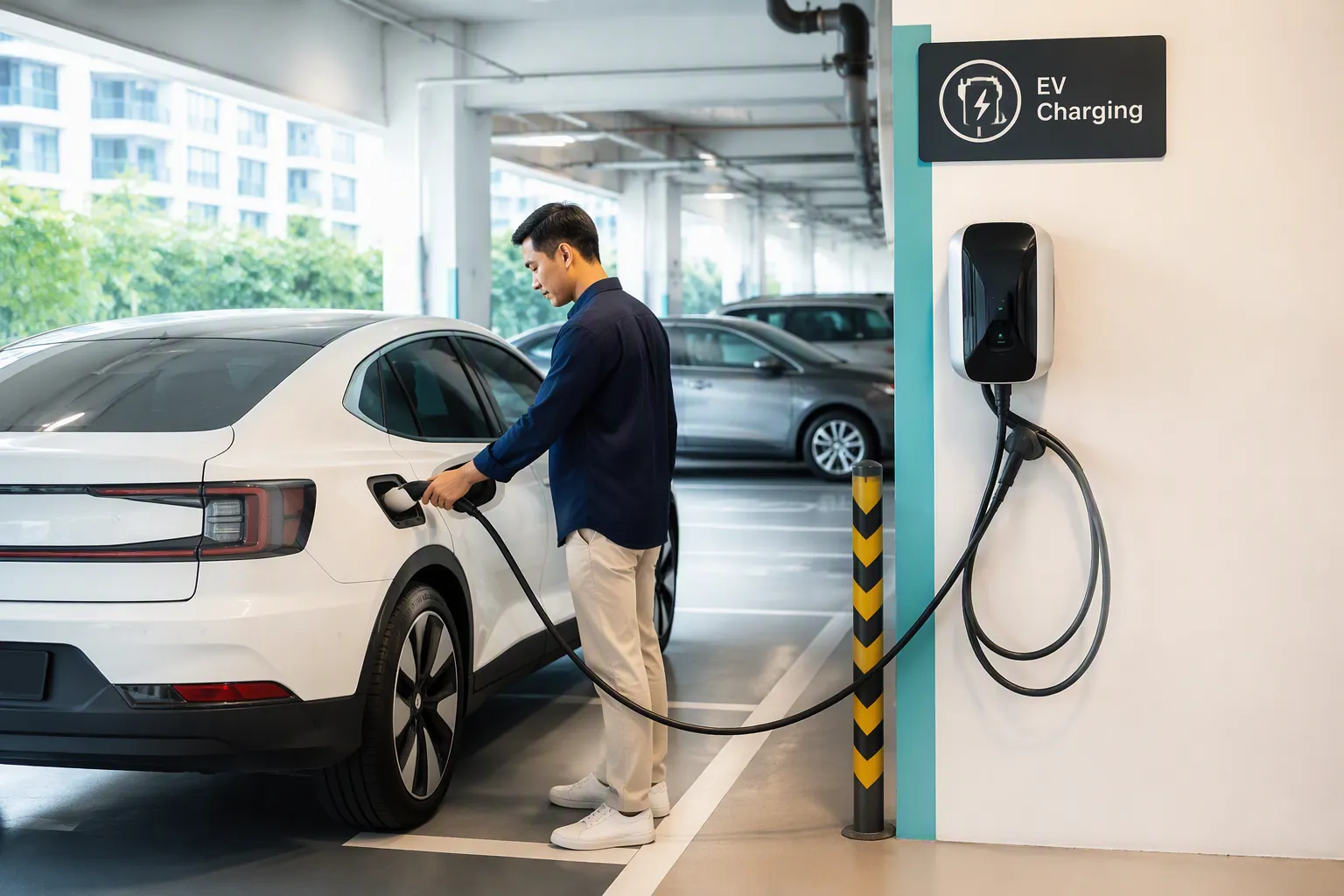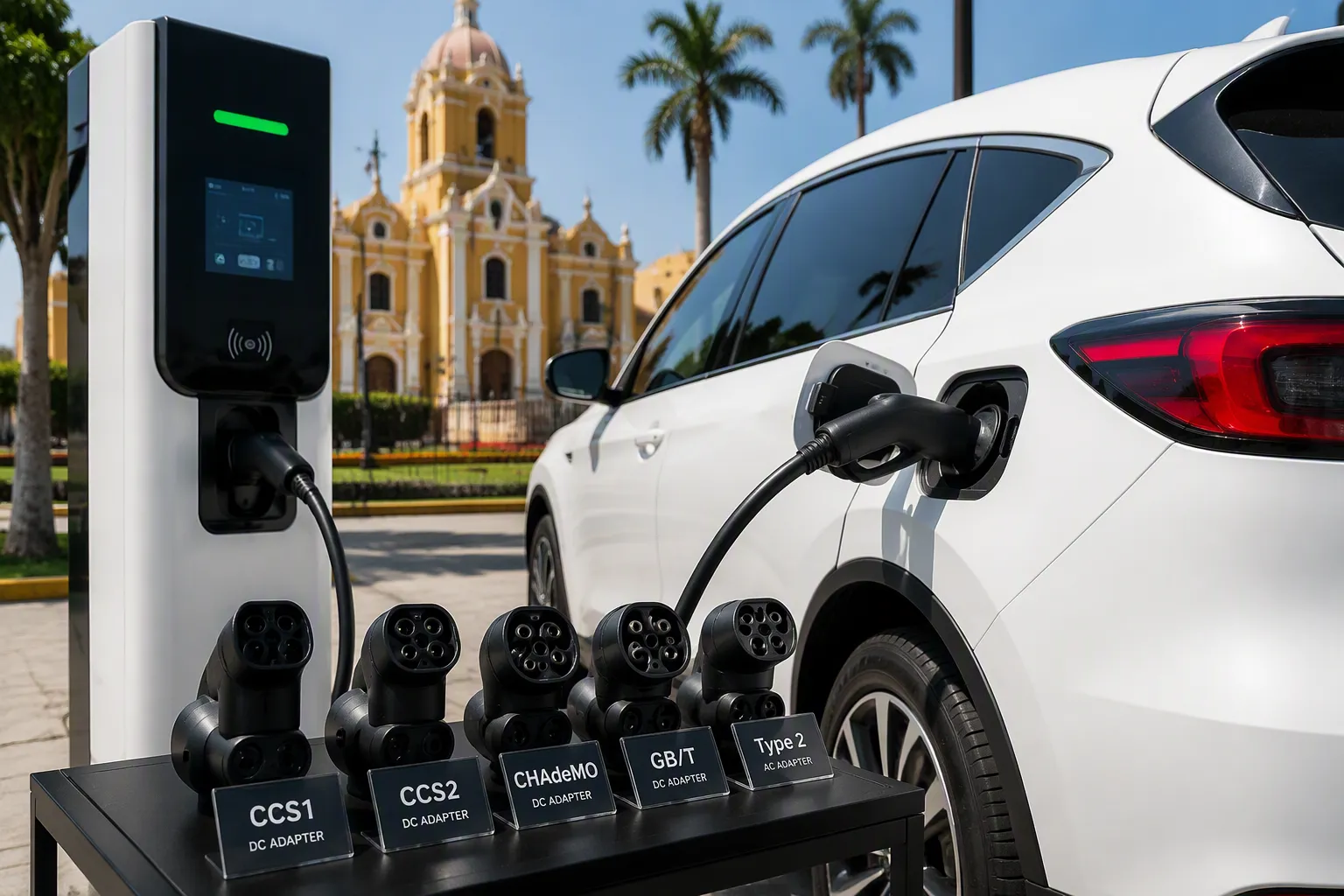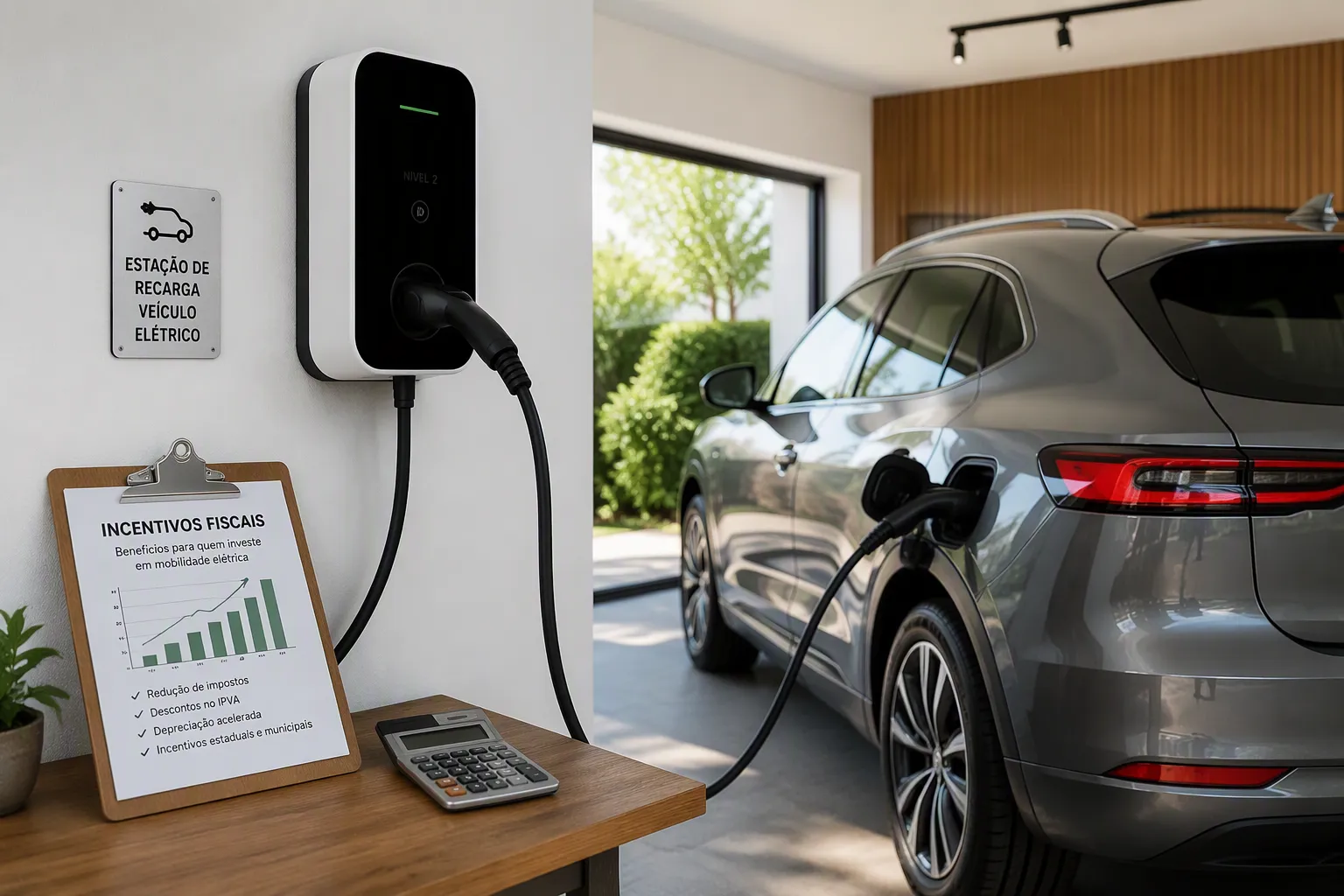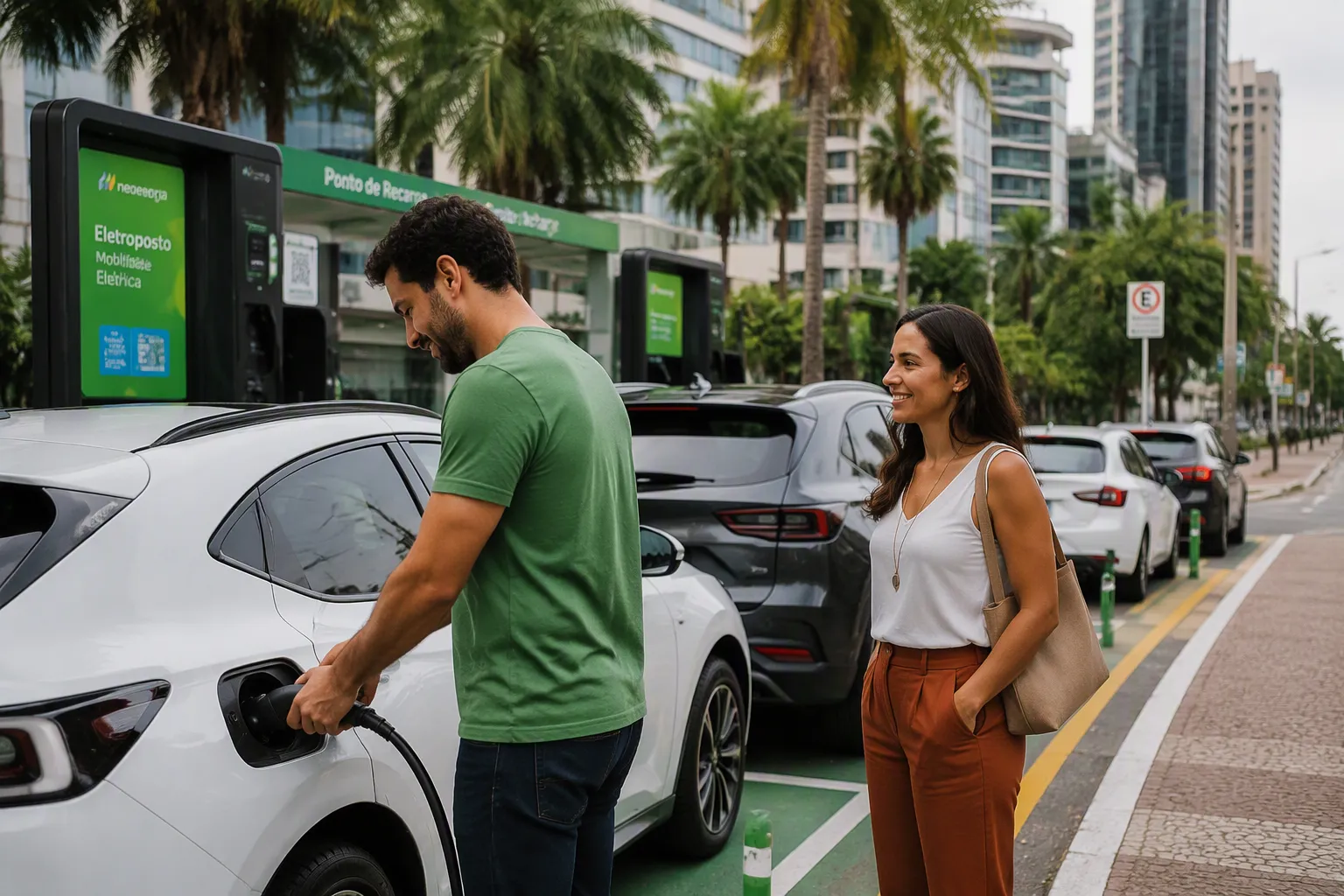

Sebuah Pengisi daya listrik is a crucial accessory for any electric vehicle owner. For most drivers, upgrading to level 2 charging is absolutely worth the investment. This upgrade provides unmatched daily convenience. It also eliminates range anxiety by ensuring the car is fully charged overnight. The final decision, however, depends on personal factors. These include specific daily mileage, battery size, and access to other Solusi pengisian daya kendaraan listrik. Many Produsen pengisi daya EV offer various options, including pengisi daya ev portabel, but a home unit offers the most reliable level 2 charging experience.
The Core Benefits: Why a Level 2 EV Charger is a Game-Changer
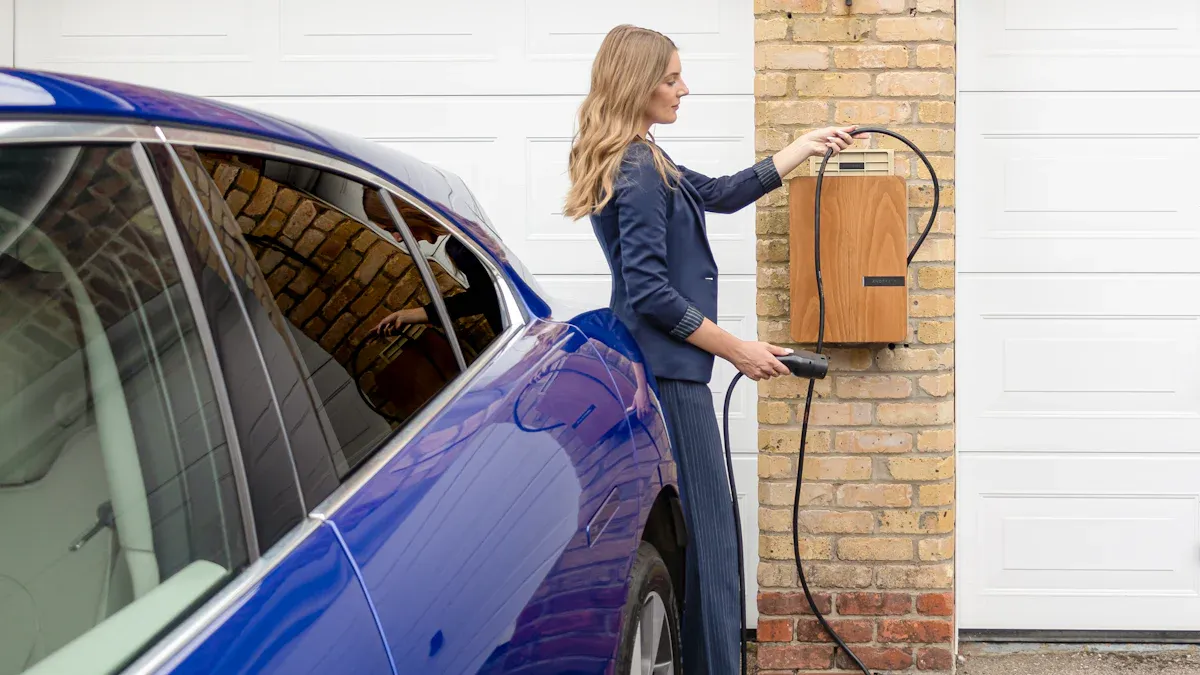
Upgrading to a Level 2 charger transforms the electric vehicle ownership experience. The primary benefits revolve around speed, convenience, and long-term vehicle health. These advantages make the investment a logical step for most daily drivers.
Benefit 1: Drastically Faster Charging Speeds
The most immediate and noticeable improvement is the significant reduction in charging time. This speed provides flexibility and peace of mind.
The Level 1 vs. Level 2 Time Difference
A standard Level 1 charger, which plugs into a typical wall outlet, adds only about Jarak tempuh 2 hingga 5 mil per jam. For an electric vehicle with a 60 kWh battery, a full charge using a Level 1 charger can extend beyond 20 hours. In stark contrast, a Level 2 charger dramatically shortens this wait. Level 2 chargers can deliver approximately 15-25 miles of range per hour. A 60 kWh EV battery, when charged from empty to full with a Level 2 charger, typically takes just under eight hours, fitting perfectly into an overnight schedule.
Eliminating Overnight Charging Anxiety
The slow pace of Level 1 charging can create anxiety. A driver who arrives home with a nearly empty battery may find their car is not fully charged by the next morning. This situation forces them to alter their plans or seek out a public charger. Level 2 charging eliminates this concern entirely. It provides enough power to replenish even a large battery overnight, ensuring the vehicle is ready for the next day’s journey.
Enabling Spontaneous Trips with a Full Battery
A Level 2 charger offers the flexibility for unplanned travel. If an unexpected evening errand arises, a few hours of charging can add significant range. This capability means drivers are not tethered to a strict charging schedule. The ability to quickly top off the battery provides a sense of freedom that Level 1 charging cannot match, making the EV feel as ready and capable as a gasoline-powered car.
Benefit 2: Unmatched Daily Convenience and Reliability
Beyond speed, the daily convenience of a dedicated home charging station is one of the most compelling benefits of a Level 2 setup.
The “Wake Up to a Full Tank” Guarantee
The ultimate convenience for an EV owner is starting each day with a fully charged vehicle. A Level 2 charger makes this a reality. The routine is simple: park, plug in, and wake up to a full battery. This removes the mental task of planning trips around the car’s state of charge. This reliable home charging process is a cornerstone of a positive EV ownership experience.
Avoiding the Hassle of Public Charging Stations
Relying on public electric vehicle charging infrastructure can be a frustrating experience. Drivers often encounter a wide range of issues that lead to wasted time and stress. Common problems reported by EV owners include:
| Kategori Masalah | Percentage of Respondents |
|---|---|
| Charging station occupied by another EV | 26% |
| Charging station out of order | 24% |
| Charging station not functioning properly | 21% |
| Long queue or waiting time for a charger | 19% |
| Parking space occupied by a non-EV | 17% |
| Issue with payment method or system | 14% |
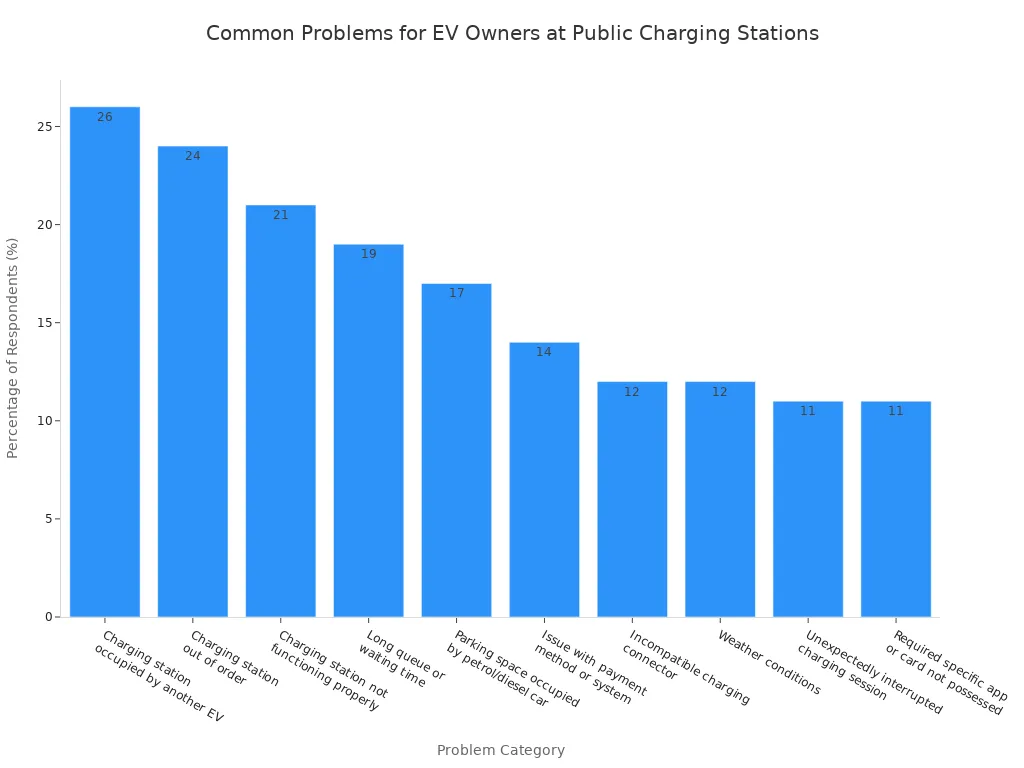
Other issues include needing multiple apps for different networks, unclear instructions, and cables that are too short. A dedicated home unit bypasses all these potential headaches.
A Dedicated Charging Spot, Every Time
A home installation guarantees access to a working, available charger every single day. There is no need to wait in line or worry if a station will be functional upon arrival. This reliability is invaluable, especially for drivers who depend on their vehicle for daily commutes and responsibilities. The peace of mind that comes with a personal, dedicated charging spot cannot be overstated.
Benefit 3: Maximizing Your EV’s Potential and Battery Health
A Level 2 charger not only improves the daily driving experience but also helps maintain the vehicle’s most expensive component: the battery.
Supporting Large-Battery, Long-Range EVs
Modern EVs increasingly feature large batteries that offer extensive range. For these vehicles, a Level 1 charger is often impractical for daily use, as it can take several days to achieve a full charge from empty. Level 2 charging is essential to properly support these long-range models, ensuring their full capacity is accessible on a daily basis. Technologically advanced electric vehicle charging solution providers like TPSON offer units designed to efficiently manage the power needs of these larger batteries.
Promoting Healthier Charging Habits
Proper charging habits are crucial for extending battery lifespan. EV manufacturers generally recommend maintaining a charge between 20% and 80% for daily use.
Kiat Pro: The ’20-80 rule’ helps prolong battery life by reducing the stress caused by frequent full charges or deep discharges.
Level 2 charging is ideal for this practice. It allows for controlled, overnight charging sessions that can be set to stop at 80% or 90%, which is optimal for lithium-ion battery health. While occasional charging to 100% is fine for long trips, limiting the use of high-power DC fast chargers for daily needs and relying on a Level 2 ev charger at home is the recommended strategy for long-term battery preservation.
Preparing for Extreme Weather Conditions
Cold weather can significantly reduce an EV’s range and slow down charging speeds. In frigid temperatures, a Level 1 charger may struggle to add any meaningful range overnight, as some energy is used just to warm the battery. A more powerful Level 2 charger has sufficient output to both condition the battery and charge it effectively, ensuring the vehicle has adequate range even on the coldest winter mornings. This capability provides critical reliability when weather conditions are challenging.
Benefit 4: Significant Long-Term Cost Savings
While a Level 2 charger requires an upfront investment, it unlocks substantial long-term financial benefits. The cost savings accumulate over time, often making the initial expense a wise financial decision for daily drivers. These savings come from leveraging cheaper electricity rates and avoiding the high costs of public charging networks.
Home Electricity vs. Public Charging Rates
The most direct financial advantage comes from the price difference between residential electricity and commercial public charging. Charging an EV at home is consistently cheaper than using a public station. The cost per kilowatt-hour (kWh) at home is often less than half the price of a public DC fast charger.
This price gap creates significant savings. The table below illustrates the typical cost differences drivers can expect.
| Jenis Pengisian Daya | Average Cost per kWh (USD) |
|---|---|
| Home Charging (Residential Rate) | ~$0.15 |
| Pengisian Daya Tingkat 2 Publik | ~$0.20 – $0.35 |
| DC Fast Charging (e.g., Tesla Supercharger) | ~$0.25 – $0.50 |
For an EV owner who drives 1,000 miles per month, the savings from exclusive home charging can easily amount to hundreds of dollars per year compared to relying on public infrastructure.
Capitalizing on Off-Peak Utility Rates
Many utility companies offer special rate plans, such as Time-of-Use (TOU) plans, that provide cheaper electricity during off-peak hours. These hours typically fall late at night when overall demand on the power grid is low. A Level 2 charger is perfectly suited to take advantage of these lower rates.
Smart Savings Tip: 💡 Many modern “smart” chargers can be programmed through an app. Owners can set their charger to begin a session only when off-peak rates are active, ensuring they always get the lowest possible price for their electric vehicle charging without any manual effort.
By scheduling charging sessions overnight, EV owners can reduce their costs even further. This strategy maximizes one of the key financial benefits of owning an EV.
Reducing Reliance on Expensive DC Fast Chargers
DC fast chargers are essential for long-distance road trips, providing hundreds of miles of range in under an hour. However, this speed and convenience come at a premium price. Using them for daily charging needs is the most expensive way to power an EV. A reliable level 2 charging setup at home eliminates the need to use these costly stations for routine driving. Drivers can reserve DC fast chargers for their intended purpose: long journeys. This disciplined approach to charging is a cornerstone of cost-effective EV ownership, and consistent level 2 charging makes it possible.
Understanding the True Cost of Level 2 Charging

While the advantages are clear, a homeowner must understand the total investment required for a Level 2 charger. The true cost is a combination of three main components: the charging unit, professional installation, and any associated permits or fees. Analyzing these elements provides a complete financial picture.
Cost Component 1: The Charger Unit Itself
The first expense is the charging hardware. Prices vary based on features, brand, and power output. Buyers can choose between basic models and more advanced “smart” units.
Entry-Level Chargers: $300 – $500
Basic, non-smart chargers are the most affordable option. These units function as simple power delivery devices. They reliably charge an EV but lack advanced features like connectivity or scheduling. They are a great choice for budget-conscious owners who just need a faster charge without extra functionality.
Smart Chargers with Wi-Fi: $500 – $700+
Smart chargers represent a step up in technology and price. These units connect to a home’s Wi-Fi network, unlocking a host of benefits through a smartphone app. Key features often include:
- Kontrol Jarak Jauh: Users can start or stop a charging session from anywhere using their phone.
- Pengisian Daya Terjadwal: Owners can program the ev charger to operate during off-peak utility hours, significantly lowering electricity costs.
- Pemantauan Energi: Apps allow for detailed tracking of electricity consumption and spending.
- Integrasi Rumah Pintar: Many units, like those from Zaptec, can integrate with home energy systems and receive software updates over Wi-Fi.
Some advanced systems, like the EcoFlow PowerPulse EV Charger, integrate with home battery systems. This allows the charger to automatically use excess solar power or cheap off-peak electricity, potentially saving owners over $1,000 annually.
Portable vs. Hardwired Options
Buyers must also choose between a portable or a hardwired unit.
- Portabel (Plug-in): These chargers plug into a 240-volt outlet (like one for an electric dryer). They offer flexibility, as an owner can take the charger with them if they move.
- Hardwired: An electrician wires these units directly into the home’s electrical system. This permanent installation is often considered more durable and weatherproof.
Cost Component 2: Professional Installation
Installation by a licensed electrician is crucial for safety and is often the most variable part of the total cost. The price can range from a few hundred to several thousand dollars depending on the complexity of the job.
Simple Installation Near a Breaker Panel
A straightforward installation is the most affordable scenario. If the garage or parking spot is located close to the home’s main electrical panel, the job is much simpler.
An installation is considered simple when the electrician only needs to add a new 240-volt circuit and run a short length of wire. In these cases, the total cost for professional installation typically ranges from $500 to $2,000.
Complex Installation with Long Conduit Runs
Costs increase significantly when the charger is installed far from the breaker panel. The ideal locations for installing level 2 chargers are those that minimize the distance wire must travel. A detached garage or an outdoor parking space may require the electrician to run wiring over a long distance. This often involves trenching to bury conduit underground or drilling through multiple walls, which adds considerable labor and material costs.
Potensi Peningkatan Panel Listrik
An older home may require an electrical panel upgrade to support the demands of level 2 charging. This becomes necessary if the existing panel lacks the physical space for a new double-pole breaker or does not have enough capacity to handle the additional electrical load. Panel upgrades are a significant expense but are essential for the safe operation of the system. The following table shows potential added costs.
| Faktor Biaya | Estimated Additional Cost (USD) |
|---|---|
| Peningkatan Panel Listrik | $500 – $2,500+ |
| Trenching (per foot) | $10 – $30 |
Cost Component 3: Permits and Financial Incentives
The final cost component involves administrative tasks and potential savings. Navigating permits and incentives is a key step in managing the overall budget.
Navigating Local Electrical Permit Requirements
Most municipalities require an electrical permit for installing a new 240-volt circuit. The electrician typically handles this process. The permit ensures the work is inspected and complies with local safety codes. The cost is usually minor but is an important part of a legal and safe installation.
Federal Tax Credits for EV Supply Equipment
The U.S. federal government offers a tax credit to help offset the cost of purchasing and installing residential charging equipment.
Homeowners can claim a tax credit for 30% of the total cost, up to a maximum of $1,000. This credit, claimed using IRS Form 8911, is available to residents in eligible low-income or non-urban census tracts.
This federal program provides substantial financial relief for qualifying individuals.
State and Local Utility Rebate Programs
Beyond federal support, many states, cities, and local utility companies offer their own incentives. These programs can include direct rebates on the purchase of a charger, discounts on installation, or special electricity rates for EV owners. These local incentives can be combined with the federal tax credit, further reducing the net cost of upgrading to level 2 charging. Owners should research all available programs in their area to maximize their savings.
When a Level 2 Charger Might NOT Be Worth It
Despite the clear benefits, investing in level 2 charging is not a universal necessity. Certain situations and lifestyles make the high upfront cost difficult to justify. For some drivers, sticking with a basic Level 1 charger or relying on public options is a more practical and financially sound decision.
Scenario 1: You Have a Very Short Daily Commute
The primary advantage of a Level 2 charger is speed. If a driver’s daily mileage is low, that speed becomes a luxury rather than a requirement.
Calculating Your Daily Range Replenishment Needs
A standard Level 1 charger, which uses a 120-volt outlet, can replenish a surprising amount of range overnight. These chargers typically add between 2 to 5 miles of range for every hour they are plugged in. An EV owner can perform a simple calculation:
- Miles per hour of charging: ~3 miles
- Overnight charging window: 8-10 hours
- Total range added overnight: 24-30 miles
When Level 1 Charging is “Good Enough”
For a driver with a daily commute of 20 miles, a Level 1 charger is perfectly adequate. It can easily replace the consumed range during an overnight session. In this scenario, the thousands of dollars saved by forgoing a Level 2 installation can be allocated elsewhere. The standard charger that comes with the vehicle is often “good enough” for these low-mileage needs.
Scenario 2: You Have Reliable and Free Charging Elsewhere
Consistent access to charging away from home can eliminate the need for a dedicated home unit. This is especially true if the external charging is free or very low-cost.
The Perk of Free Workplace Charging
Many companies now offer free EV charging as an employee benefit. This perk is a game-changer. An employee who can charge their vehicle for eight hours while at work may never need to plug in at home. Reliable access to home or workplace chargers is a key factor, and a free workplace option often negates the need for a home upgrade.
Living Near Abundant and Affordable Public Chargers
Some urban residents may find themselves surrounded by public charging infrastructure. Cities like Los Angeles are actively installing hundreds of public Level 2 chargers on streetlights and power poles. However, this option depends heavily on location. While Level 2 chargers outnumber fast chargers, the national ratio is still over 12 EVs for every public port. This can lead to competition and waiting. This scenario is only viable if chargers are consistently available, functional, and affordable.
Scenario 3: You Are a Renter or Live in an Apartment
For non-homeowners, installing an ev charger presents significant logistical and financial hurdles. These challenges are often the biggest barrier to Level 2 adoption.
The Challenge of Getting Landlord Approval
Renters must get permission from their landlord or property manager before any electrical work can be done.
Landlords frequently deny these requests. Their concerns often revolve around installation costs, electrical safety, insurance liability, and potential property damage. Many rejections stem from a simple misunderstanding of the process and available solutions.
Prohibitive Installation Costs in Multi-Unit Dwellings
Even with landlord approval, the cost of installation in an apartment building or condo can be extremely high. Running wiring from a central electrical room to a dedicated parking spot, which may be several floors or a long distance away, requires significant labor and materials. These complex installations can make the project financially unfeasible for a tenant.
Exploring “Right to Charge” Laws in Your State
To address these issues, some states have enacted “Right to Charge” laws. These regulations can prevent landlords and homeowners’ associations from unreasonably restricting the installation of EV chargers. Renters facing opposition should research their state and local laws, as these protections may provide the legal leverage needed to secure approval for an installation.
How to Decide: A Step-by-Step Guide for Your EV Charger Needs
Making an informed decision requires a careful analysis of personal needs and potential costs. This step-by-step guide helps EV owners determine if an upgrade to level 2 charging is the right choice for their specific situation.
Step 1: Analyze Your Driving Habits
The first step is to understand daily energy consumption. This data provides the foundation for all other calculations.
Calculate Your Average Daily Mileage
An owner should track their driving for a typical week or month. They can record the odometer reading each day or use their vehicle’s trip computer. Summing the total miles and dividing by the number of days reveals a reliable average daily mileage.
Determine Your Car’s Efficiency in Miles per kWh
Every electric vehicle has an efficiency rating, similar to a gasoline car’s MPG. This is measured in miles per kilowatt-hour (miles per kWh). Many modern EVs display this figure on the dashboard. A higher number indicates better efficiency. The inverse, kWh per mile, shows how much energy the car uses to travel one mile. For example, an efficiency of 4 miles per kWh is the same as 0.25 kWh per mile.
Identify How Many kWh You Use Daily
With the average mileage and efficiency known, an owner can calculate their daily energy use. The formula is simple:
(Average Daily Mileage) / (Miles per kWh) = Daily kWh ConsumedA person who drives 40 miles a day in a car that gets 4 miles per kWh uses 10 kWh of energy daily.
Step 2: Evaluate Your Overnight Charging Window
Next, an owner must determine if a basic Level 1 charger can meet their daily energy needs within their available time.
How Many Hours is Your Car Parked Overnight?
Most people park their car for 8 to 12 hours overnight. An owner should identify their typical window for electric vehicle charging. This is the total time the car is parked and can be plugged in.
Can a Level 1 Charger Keep Up with Your Needs?
A standard Level 1 charger adds about 1.2 kW of power per hour. In a 10-hour overnight session, it can replenish approximately 12 kWh. If a driver’s daily consumption is 10 kWh, a Level 1 charger is sufficient. If their daily need is 20 kWh, it will fall short, making a Level 2 unit necessary.
Step 3: Research Your Total Potential Cost
The final step involves gathering real-world cost data for the complete installation.
Get Quotes from Licensed Electricians
An owner should contact several licensed electricians for quotes. To get an accurate estimate, they must provide key information:
- The type of ev charger they want (plug-in or hardwired).
- The capacity of their home’s electrical panel (e.g., 40 or 50 amps available).
- Jarak dari panel ke lokasi pengisi daya yang diinginkan.
Teliti Model dan Fitur Pengisi Daya yang Tersedia
Pemilik harus membandingkan berbagai model pengisi daya. Mereka perlu memutuskan apakah fitur pengisi daya pintar, seperti pengisian terjadwal dan pelacakan energi, sepadan dengan biaya tambahan dibandingkan unit dasar.
Selidiki Semua Insentif Lokal, Negara Bagian, dan Federal
Bagian penting dari penganggaran adalah meneliti bantuan keuangan. Pemilik harus mencari semua insentif negara bagian, lokal, dan federal yang tersedia. Program-program ini dapat secara signifikan mengurangi biaya akhir pembelian dan pemasangan peralatan.
Langkah 4: Lakukan Perhitungan Akhir
Keputusan akhir menggabungkan data keuangan objektif dengan nilai-nilai pribadi subjektif. Seorang pemilik harus menimbang investasi awal terhadap manfaat jangka panjang untuk menentukan apakah peningkatan ini benar-benar berharga untuk gaya hidup mereka.
Membandingkan Biaya Awal vs. Penghematan Jangka Panjang
Pemilik dapat menghitung titik impas keuangan yang jelas. Langkah pertama adalah menentukan biaya awal bersih. Ini adalah total harga pengisi daya dan pemasangan dikurangi semua insentif federal, negara bagian, atau lokal. Selanjutnya, pemilik harus memperkirakan penghematan bulanan mereka dengan mengisi daya di rumah daripada menggunakan stasiun umum.
Perhitungan akhirnya sederhana:
(Biaya Awal Bersih) / (Perkiraan Penghematan Bulanan) = Bulan untuk Mencapai Titik Impas
Misalnya, biaya bersih $1.500 dengan penghematan bulanan $50 berarti investasi akan terbayar dalam 30 bulan. Rumus ini memberikan garis waktu yang konkret. Ini membantu pemilik melihat peningkatan bukan sebagai pengeluaran, tetapi sebagai investasi yang menghasilkan keuntungan nyata seiring waktu. Periode impas yang lebih singkat membuat alasan keuangan untuk pengisian daya level 2 jauh lebih kuat.
Menempatkan Nilai Pribadi pada Kenyamanan dan Waktu
Beberapa manfaat terbesar dari pengisi daya rumah tidak mudah diukur dengan uang. Nilai kenyamanan dan waktu adalah bagian penting dan pribadi dari persamaan ini. Seorang pemilik harus mempertimbangkan keunggulan non-keuangan.
- Ketenangan Pikiran: Bangun tidur dengan kendaraan terisi penuh setiap hari menghilangkan kecemasan jarak tempuh dan beban mental untuk merencanakan perhentian pengisian daya.
- Penghematan Waktu: Unit rumah menghilangkan kebutuhan untuk mencari, bepergian ke, dan menunggu di stasiun pengisian daya umum, membebaskan waktu berharga.
- Keandalan: Pengisi daya rumah khusus menjamin sumber daya listrik yang berfungsi dan tersedia, menghindari kefrustrasian umum dari unit umum yang rusak atau ditempati.
- Fleksibilitas: Kemampuan untuk menambah jarak tempuh signifikan dengan cepat memungkinkan perjalanan spontan tanpa khawatir.
Pada akhirnya, seorang pemilik harus bertanya pada diri sendiri berapa nilai peningkatan kualitas hidup ini. Bagi banyak orang, kemudahan dan keandalan harian yang ditawarkan oleh pengisi daya rumah memberikan nilai yang melampaui penghematan keuangan. Penilaian pribadi ini sering menjadi faktor penentu.
Bagi sebagian besar pemilik rumah, pengisi daya Level 2 menawarkan manfaat yang signifikan. Kenyamanan tak tertandingi dari pengisian daya rumah yang andal secara fundamental meningkatkan pengalaman kepemilikan. Namun, biaya tinggi mungkin tidak dapat dibenarkan untuk pengemudi dengan jarak tempuh sangat rendah atau hambatan pemasangan yang signifikan. Pemilik harus menggunakan panduan dalam artikel ini untuk menganalisis kebutuhan pribadi, biaya potensial, dan insentif yang tersedia. Analisis ini akan membantu mereka menemukan solusi yang tepat untuk kenyamanan mereka.
PERTANYAAN YANG SERING DIAJUKAN
Dapatkah pemilik memasang sendiri pengisi daya Level 2?
Tidak. Seorang teknisi listrik berlisensi harus melakukan pemasangan. Pekerjaan ini melibatkan tegangan tinggi dan memerlukan izin. Pemasangan profesional memastikan sistem aman, sesuai dengan kode lokal, dan memenuhi syarat untuk semua potongan harga yang tersedia.
Apakah pengisi daya Level 2 memerlukan steker khusus?
Ya, sebagian besar model plug-in menggunakan colokan 240 volt, seperti yang digunakan untuk kompor listrik atau pengering. Seorang teknisi listrik dapat memasang stopkontak yang benar. Alternatifnya, pengisi daya hardwired terhubung langsung ke panel listrik rumah.
Apakah pengisi daya Level 2 akan meningkatkan tagihan listrik secara signifikan?
Tagihan pemilik akan meningkat, tetapi pengisian daya di rumah tetap lebih murah daripada opsi publik. Pengisi daya pintar membantu mengelola biaya dengan menjadwalkan sesi selama jam off-peak ketika tarif listrik terendah, memaksimalkan penghematan.
Apakah pengisi daya “pintar” sepadan dengan biaya tambahannya?
Bagi banyak pemilik, ya. Pengisi daya pintar menawarkan fitur berharga melalui aplikasi seluler.
- Pengisian terjadwal untuk tarif off-peak
- Pelacakan penggunaan energi
- Fungsi mulai dan berhenti jarak jauh
Fitur-fitur ini memberikan kenyamanan dan dapat mengarah pada penghematan jangka panjang yang signifikan.
Dapatkah pengisian daya Level 2 merusak baterai EV?
Tidak, pengisian daya Level 2 ideal untuk kesehatan baterai jangka panjang. Ini kurang membebani baterai dibandingkan pengisian daya cepat DC berulang. Ini sangat mendukung praktik yang direkomendasikan untuk mengisi daya hingga 80% untuk penggunaan sehari-hari.
Berapa banyak daya yang ditarik oleh pengisi daya Level 2?
Pengisi daya Level 2 biasanya memerlukan sirkuit 240 volt khusus dengan pemutus 40-amp atau 50-amp. Seorang teknisi listrik akan mengonfirmasi apakah panel listrik rumah memiliki kapasitas yang cukup untuk menangani beban tambahan ini dengan aman.
Apa perbedaan antara pengisi daya plug-in dan hardwired?
Pengisi daya plug-in menawarkan fleksibilitas, karena pemilik dapat membawanya jika pindah. Unit hardwired dipasang secara permanen oleh teknisi listrik, memberikan koneksi yang lebih tahan lama dan sering kali tahan cuaca.