The average cost to purchase and install a home Pengisi daya listrik typically ranges from $1,000 to $2,500. This cost usually covers several components and services, such as:
- A 7kW smart charger
- Up to 10 metres of cable run
- Professional installation by qualified electricians
- Safety checks, certification, and app setup
Most homeowners spend about $38 per month, or $459 annually, on charging their EV at home, making Solusi pengisian daya kendaraan listrik more affordable than traditional fuel. Pengisi daya listrik portabel are also available from top Produsen pengisi daya EV.
| Jenis Biaya | Jumlah |
|---|---|
| Monthly EV Cost | $38 |
| Annual EV Cost | $459 |
| Tabungan Tahunan | $1,116 |
| Average Cost for 13,489 miles | $693 |
Average Cost of Charging an EV at Home
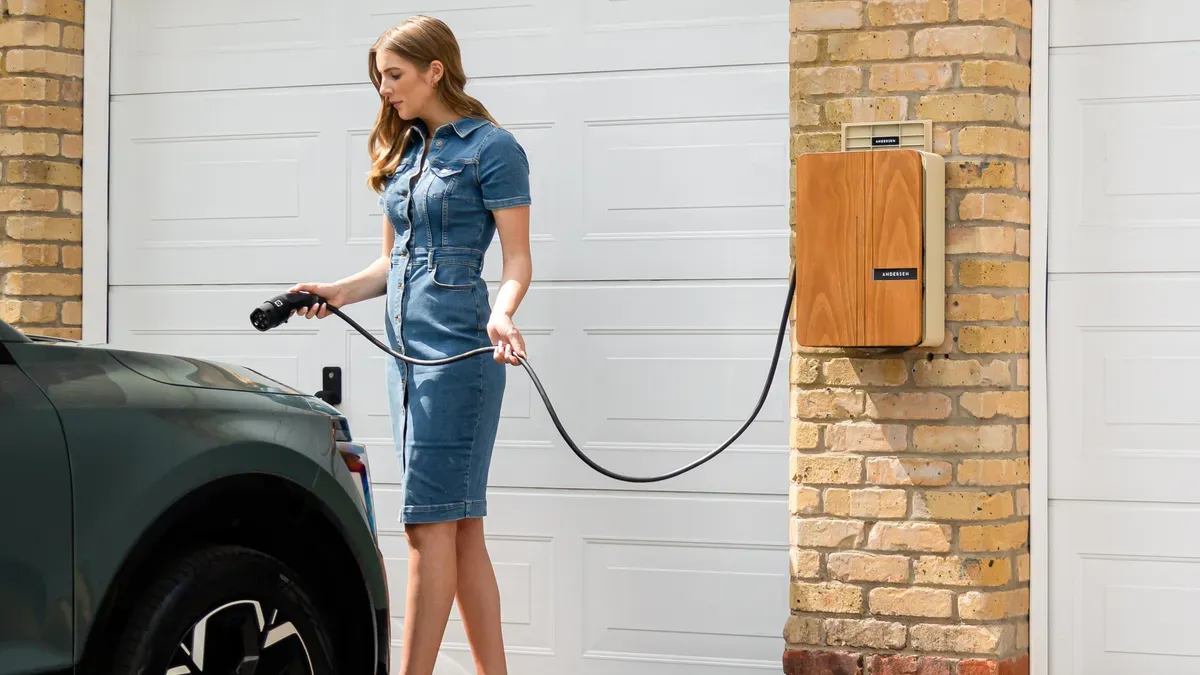
Kisaran Harga Pengisi Daya Listrik Rumah
Level 1 Home EV Charger Cost
Level 1 home EV chargers use a standard 120-volt outlet and usually come included with most electric vehicles. These chargers offer a convenient entry point for charging an EV at home, but they provide slower charging speeds. The cost of a Level 1 charger is minimal, as manufacturers often supply them with the vehicle. Homeowners may only need to purchase a replacement or an additional unit, which typically ranges from $200 to $400. Level 1 charging works best for drivers with short daily commutes or those who can leave their vehicle plugged in overnight.
Level 2 Home EV Charger Cost
Level 2 chargers deliver faster charging by using a 240-volt outlet, similar to those used for large appliances. These chargers represent the most popular choice for home EV charging due to their efficiency and convenience. The price for a Level 2 home EV charger varies based on features, brand, and power output. Most Level 2 chargers cost between $500 and $1,200 for the unit alone. Some premium models with smart charging features or Wi-Fi connectivity may reach up to $1,500. The table below compares the cost of charging an EV at home using Level 2 charging with public charging options:
| Metrik | Level 2 Home Charging | Pengisian Daya Publik Level 2 |
|---|---|---|
| Biaya Rata-rata per kWh | $0.18 | $0.25 |
| Average Cost per Charge (72 kWh) | $12.96 | $18.00 |
| Annual Charging Cost (13,489 miles) | $693.72 | $963.50 |
Level 2 charging at home offers significant savings over public charging stations, making it a cost-effective solution for most EV owners.
Installing a Home EV Charger: Labor and Materials
Basic Installation Costs
The process of installing a home EV charger involves several steps, including mounting the charger, connecting it to the electrical panel, and ensuring compliance with safety standards. For a straightforward installation, electricians typically charge a day rate of about £400, with the job taking between two and four hours. The average installation cost for a home EV charger is approximately £1,000. Homeowners who qualify for government grants may see this cost reduced to around £500.
- Professional installation by qualified electricians is necessary.
- The installation process may require additional materials, such as cabling or trunking, especially for longer cable runs.
- Power supply panel upgrades may be required for older properties.
Complex Installation Costs
Complex installations can increase the overall cost of charging an EV at home. Factors such as distance from the electrical panel, the need for trenching, or upgrades to the home’s electrical system can add to the expense. High-quality home EV charging points start from £1,200, with installation costs ranging from £400 to £600 depending on whether a standard or premium package is selected. The table below outlines typical material and installation costs:
| Item | Biaya (GBP) |
|---|---|
| Pod Point Solo 3S Charger | from £999 |
| Installation (Standard) | £395 + VAT |
| Installation (Premium) | £595 + VAT |
| Additional materials (if needed) | Bervariasi |
Homeowners should consider these potential additional costs when planning for a home charging station.
Typical Total Cost for Homeowners
The typical total cost for purchasing and installing a home EV charger, including all fees, averages around £1,000. This figure covers the charger, standard installation, and basic materials. Eligibility for government grants can reduce the total to approximately £500. However, the final cost may increase if the installation requires electrical upgrades, longer cable runs, or groundworks. Most homeowners find that the average cost of charging an EV at home remains lower than relying on public charging stations, especially when considering the convenience and long-term savings of home charging.
💡 Tip: Homeowners can maximize savings by researching available grants and rebates before starting the EV charging installation process.
Factors Affecting the Average Cost of Home EV Charger Installation
Pertimbangan Sistem Kelistrikan Rumah
Panel Capacity Upgrades
The electrical system in a home plays a crucial role in determining the cost of installing an EV charger. Many properties require upgrades to the power supply to support the demands of modern charging equipment. Electricians often assess the main electrical panel to ensure it can handle the additional load. If the panel lacks capacity, they may recommend an upgrade, which increases the total installation cost. Homes with looped electricity supply sometimes need permission from neighbors because of shared service cables. Compliance with BS 7671 (IET Wiring Regulations) remains mandatory for every installation. Approval from the local Distribution Network Operator may also be necessary if the main fuse requires upgrading.
- Upgrades to the home’s power supply may be necessary to accommodate the EV charger.
- Homes with looped electricity supply may require neighbor permission due to shared cables.
- Compliance with BS 7671 is mandatory for installation.
- Approval from the local Distribution Network Operator may be needed for fuse upgrades.
Wiring and Circuit Modifications
Wiring and circuit modifications often impact the cost of charging an EV at home. Electricians inspect existing wiring to determine if it meets safety standards. They may need to install new circuits or upgrade old wiring to support the charger. These modifications ensure reliable charging and prevent electrical hazards. The complexity of the wiring work depends on the age and layout of the property.
Location and Setup in the Home
Penempatan Pengisi Daya di Dalam Ruangan vs di Luar Ruangan
The placement of the charger within the home affects installation expenses. Indoor installations usually require less weatherproofing and simpler mounting hardware. Outdoor setups demand robust enclosures and additional protection against the elements. The choice between indoor and outdoor placement depends on the homeowner’s parking arrangement and accessibility needs.
Jarak dari Panel Listrik
The distance between the charger and the main electrical panel significantly influences installation costs. Positioning chargers near the main electrical supply and vehicle parking lowers expenses by reducing the need for extensive cabling and additional electrical work. Greater distances require more cabling and labor, which increases overall costs.
- Positioning chargers near the main electrical supply and parking area lowers installation costs.
- Greater distance from the consumer unit increases cabling and labor expenses.
Home EV Charger Features and Brands
Smart Charging Features
Modern EV chargers offer a range of features that affect pricing. AC chargers remain more affordable than DC fast chargers, which provide rapid charging but come with higher price tags. Features like Dynamic Load Balancing improve safety and efficiency, adding to the cost due to advanced technology. Smart energy management systems give homeowners better control over energy usage, which may require a higher initial investment.
Output Daya dan Kompatibilitas
Power output and compatibility also influence the cost of charging at home. Chargers with higher amperage deliver faster charging but often cost more. Compatibility with various EV models ensures flexibility for homeowners who may switch vehicles in the future.
Popular Brands and Price Comparison
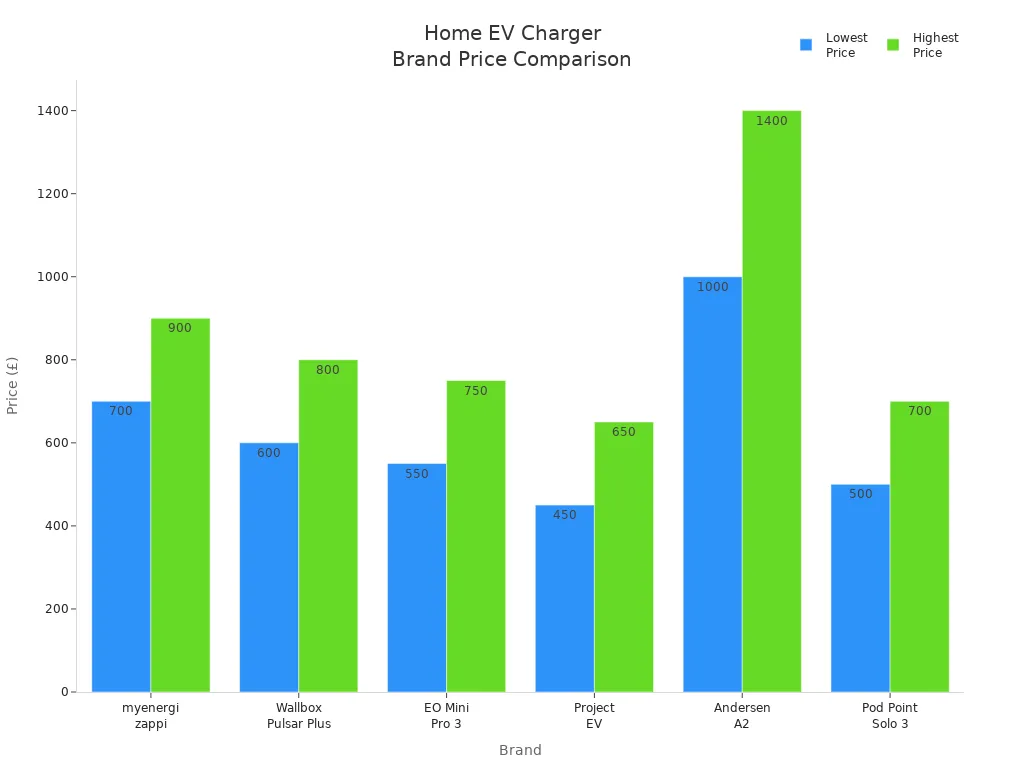
Many brands offer home EV chargers with different features and price points. TPSON stands out as a technologically advanced electric vehicle charging solution provider. The table below compares popular brands and their standout features:
| Merek | Kisaran Harga | Standout Feature | Terbaik untuk |
|---|---|---|---|
| myenergi zappi | £700-£900 | Solar integration capability | Eco-conscious homeowners with solar panels |
| Wallbox Pulsar Plus | £600-£800 | Compact design and power sharing | Urban homes with limited space |
| EO Mini Pro 3 | £550-£750 | Ultra-compact design | Aesthetic-conscious homeowners |
| Project EV | £450-£650 | Excellent value for money | Budget-conscious buyers wanting smart features |
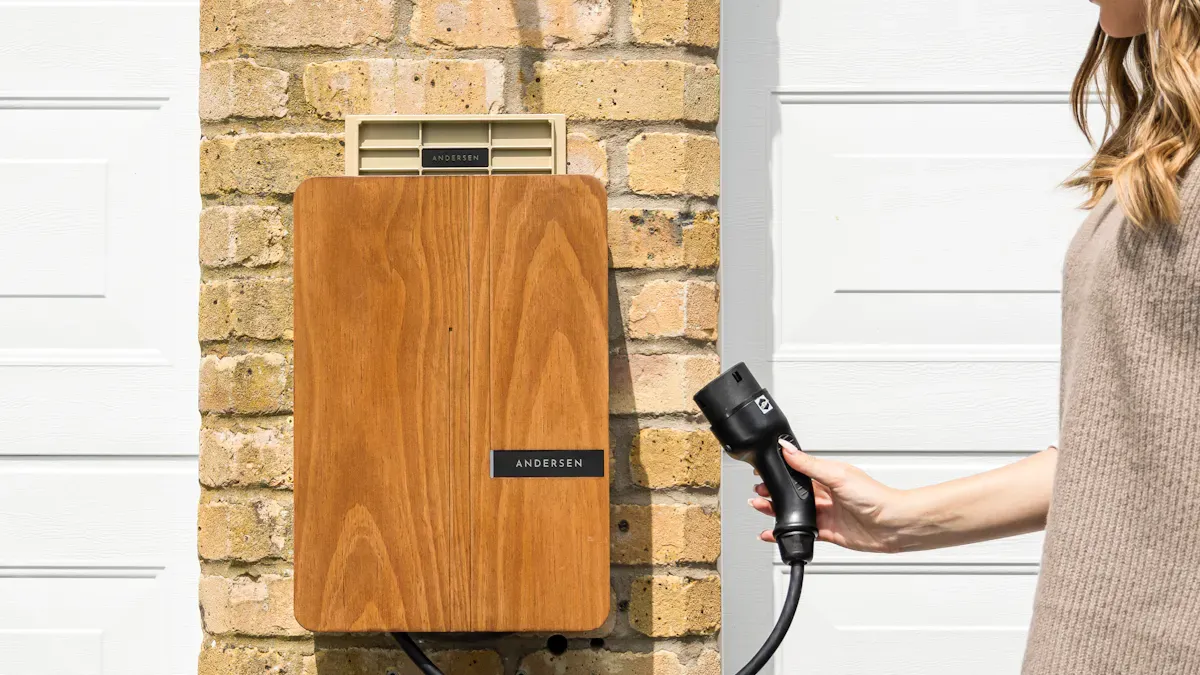
| Andersen A2 | £1,000-£1,400 | Premium aesthetics | Luxury installations where appearance matters |
| Pod Point Solo 3 | £500-£700 | Simple, reliable operation | Users preferring straightforward functionality |
Tesla and ChargePoint chargers appear in nearly half of homes surveyed. ChargePoint Home Flex offers smart connectivity and up to 50 amps at an MSRP of £549. Grizzl-E Classic 40a provides up to 40 amps without smart connectivity at £299.99, while Grizzl-E Classic Connect adds smart features for £349.99.
💡 Tip: Homeowners should evaluate charger features, compatibility, and installation requirements to select the best solution for their property.
Additional Expenses When Charging an EV at Home
Permits and Inspection Fees
Local regulations often require permits and inspections for installing an EV charger. These requirements depend on the complexity of the charging setup. Plug-in Level 1 chargers usually do not need permits or inspections. Plug-in Level 2 chargers may avoid permit fees if homeowners use an existing 240-volt outlet. However, installing a new circuit or hardwiring a Level 2 charger triggers permit and inspection requirements. Fees vary by location and project scope.
| Installation Scenario | Permit Requirement | Typical Permit Fees | Inspection Required |
|---|---|---|---|
| Plug-in Level 1 (120V, no new circuit) | Tidak. | $0 | Tidak. |
| Plug-in Level 2 (existing 240V outlet) | No (if no new wiring) | $0 | Tidak. |
| Installing 240 volt outlet (new circuit) | Ya. | $50-$300 | Ya. |
| Hardwired Level 2 charger | Ya. | $100–$500 | Ya. |
| Panel upgrade for EV charging | Ya. | $100–$400 | Ya. |
Homeowners should check with their local authorities to confirm permit requirements before starting the proses instalasi. These fees ensure that the charging equipment meets safety standards and complies with electrical codes.
Peningkatan Sistem Kelistrikan
Many homes require electrical system upgrades to support the demands of EV charging. Electricians may need to replace the consumer unit, install an isolator switch, or rewire outdated systems. These upgrades add to the initial cost but provide safety and reliability for the charger. Upgrading the electrical system protects the home from overloads and ensures consistent charging performance. Homeowners should factor these expenses into their budget when planning for a new charger.
⚡ Catatan: Electrical upgrades may seem costly, but they help prevent future issues and support long-term charging needs.
Accessories and Mounting Hardware
Charging an EV at home often involves purchasing accessories and mounting hardware. These items include wall brackets, cable organizers, weatherproof enclosures, and connector holsters. Accessories improve convenience and protect the charger from environmental damage. Mounting hardware ensures secure installation and easy access to the charging station. Homeowners may also choose smart accessories, such as Wi-Fi modules or energy monitors, to enhance the charging experience.
- Wall brackets and cable organizers keep charging areas tidy.
- Weatherproof enclosures protect outdoor chargers from rain and dust.
- Connector holsters prevent wear and tear on charging cables.
Selecting the right accessories and hardware helps homeowners maximize the value and functionality of their EV charger.
Maintenance and Ongoing Costs
Routine maintenance for a home EV charger remains minimal compared to other household appliances. Most modern charging equipment features durable construction and weather-resistant materials. Homeowners rarely need to perform complex tasks to keep their charger in optimal condition. However, regular inspection ensures safe and reliable charging for every EV.
A typical maintenance checklist includes:
- Checking the charging cable for visible wear or damage.
- Cleaning the charger’s exterior with a dry cloth to remove dust or debris.
- Inspecting the connector for corrosion or dirt that could affect charging performance.
- Verifying that indicator lights and display screens function correctly.
Manufacturers often recommend a professional inspection of the charging system once a year. Electricians can test the charger’s electrical connections and confirm that safety mechanisms operate as intended. This annual checkup helps prevent unexpected failures and extends the lifespan of the charging station.
Ongoing costs for a home EV charger primarily involve electricity usage. The biaya pengisian daya mobil listrik at home depends on local utility rates and the vehicle’s battery size. Most homeowners pay less per mile for electricity than they would for gasoline. Smart chargers can help users schedule charging during off-peak hours, reducing energy expenses. Some models offer mobile app integration, allowing remote monitoring of charging sessions and energy consumption.
Occasionally, a charger may require repairs or replacement parts. Common issues include worn cables, malfunctioning connectors, or software glitches. Many manufacturers provide warranties that cover defects for three to five years. Homeowners should review warranty terms to understand what repairs or replacements the manufacturer covers. Out-of-warranty repairs may cost between $100 and $300, depending on the issue.
Software updates represent another ongoing consideration. Manufacturers regularly release firmware updates to improve charging efficiency, add new features, or address security vulnerabilities. Most smart chargers can receive updates automatically through a Wi-Fi connection. Owners should ensure their charger remains connected to the internet to benefit from these improvements.
🔧 Tip: Scheduling regular inspections and keeping the charger’s software up to date can prevent costly repairs and maximize charging efficiency.
Incentives and Savings for Installing a Home EV Charger
Federal and State Tax Credits
Federal and state tax credits play a significant role in reducing the cost of installing a home EV charger. The Alternative Fuel Vehicle Refueling Property Credit allows homeowners to claim 30% of eligible expenses, up to $1,000, for the installation of a charger. This incentive applies to both the purchase and installation costs, making charging more affordable for many households.
| Jenis Kredit Pajak | Persentase | Maximum Amount |
|---|---|---|
| Federal 30C Credit | 30% | $1,000 |
Many states also offer additional credits or deductions for installing a home EV charger. These programs often stack with the federal credit, providing even greater savings. Homeowners should consult their state’s energy office or department of transportation for current opportunities.
💡 Tip: Tax credits can significantly lower the upfront cost of charging equipment and installation. Filing for these credits requires proper documentation, so homeowners should keep all receipts and paperwork.
Local Rebates and Utility Programs
Local rebates and utility programs further reduce the financial burden of installing a home EV charger. Many electric utility providers and air districts in California and other states offer rebates for Level 2 charging stations. These programs encourage the adoption of clean transportation by making charging at home more accessible.
| Nama Program | Deskripsi | Jumlah Rabat |
|---|---|---|
| Charge Ready Home Rebate Program | Install a Level 2 EV charger within 120 days of getting your EV | Up to $4,200 |
- Some utility companies provide rebates for the charger itself.
- Others offer incentives for the installation process or for using smart charging features.
- Homeowners may qualify for multiple programs, increasing total savings.
Local programs often have limited funding and specific eligibility requirements. Applying early ensures the best chance of receiving a rebate.
Manufacturer and Installer Discounts
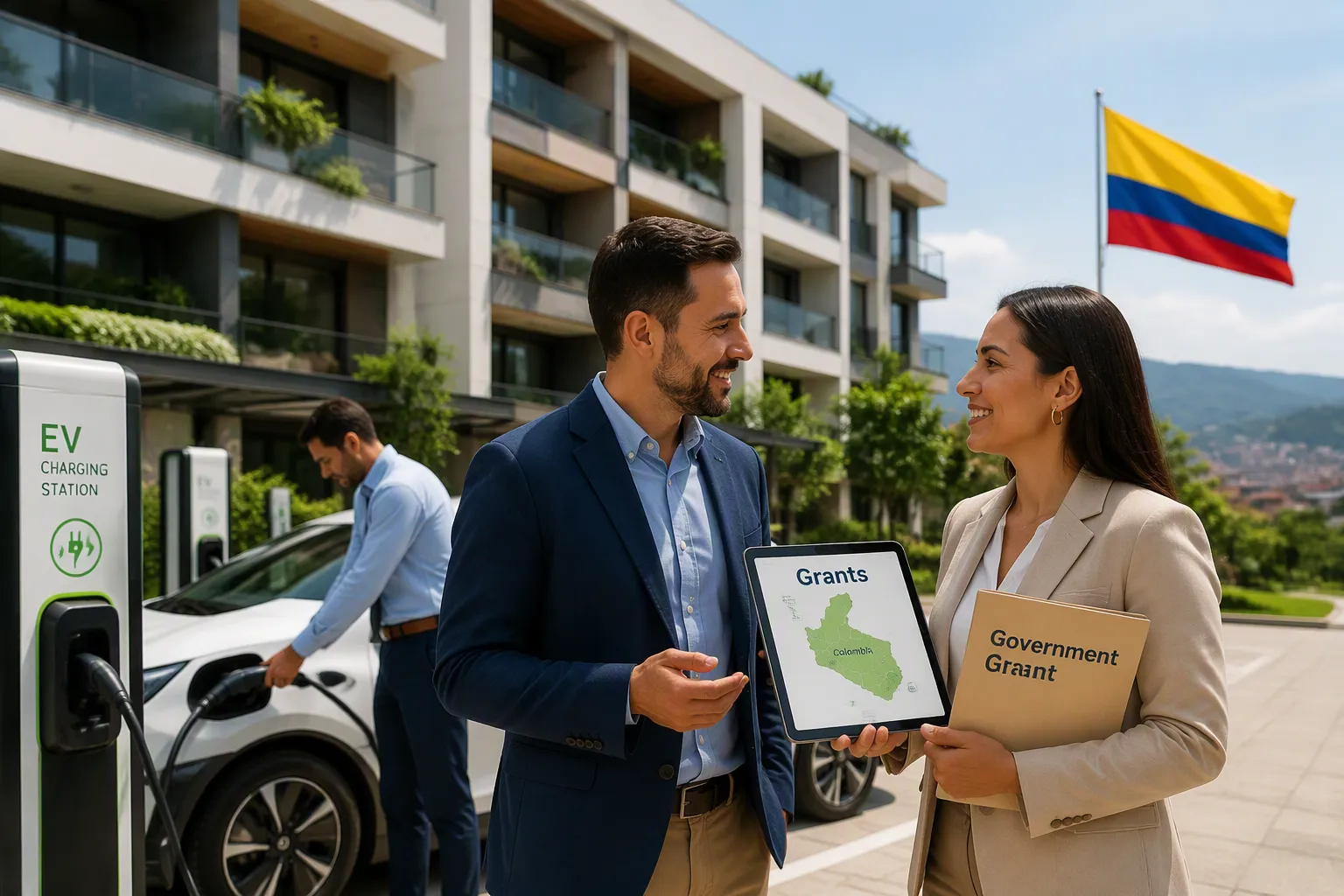
Manufacturers and installers frequently offer discounts to encourage the adoption of home EV charging solutions. These discounts can apply to both the charger and the installation service. For example, government grants such as the OZEV EV Chargepoint grant provide hingga £350 for renters or flat owners with private parking spaces. Other grants may cover similar amounts for eligible installations.
| Discount Type | Jumlah | Kriteria Kelayakan |
|---|---|---|
| OZEV EV Chargepoint grant | Hingga £350 | Renters or flat owners with a private parking space |
| Government grants | Hingga £350 | Various eligibility criteria for EV charger installations |
- Bundling a charger with a new EV purchase often results in additional discounts on both the charger and installation.
- Some installers run seasonal promotions or offer reduced rates for first-time customers.
Homeowners should compare offers from multiple manufacturers and installers to maximize savings when installing a home EV charger.
Installation Process and Timeline for Home EV Chargers
Steps to Installing a Home EV Charger
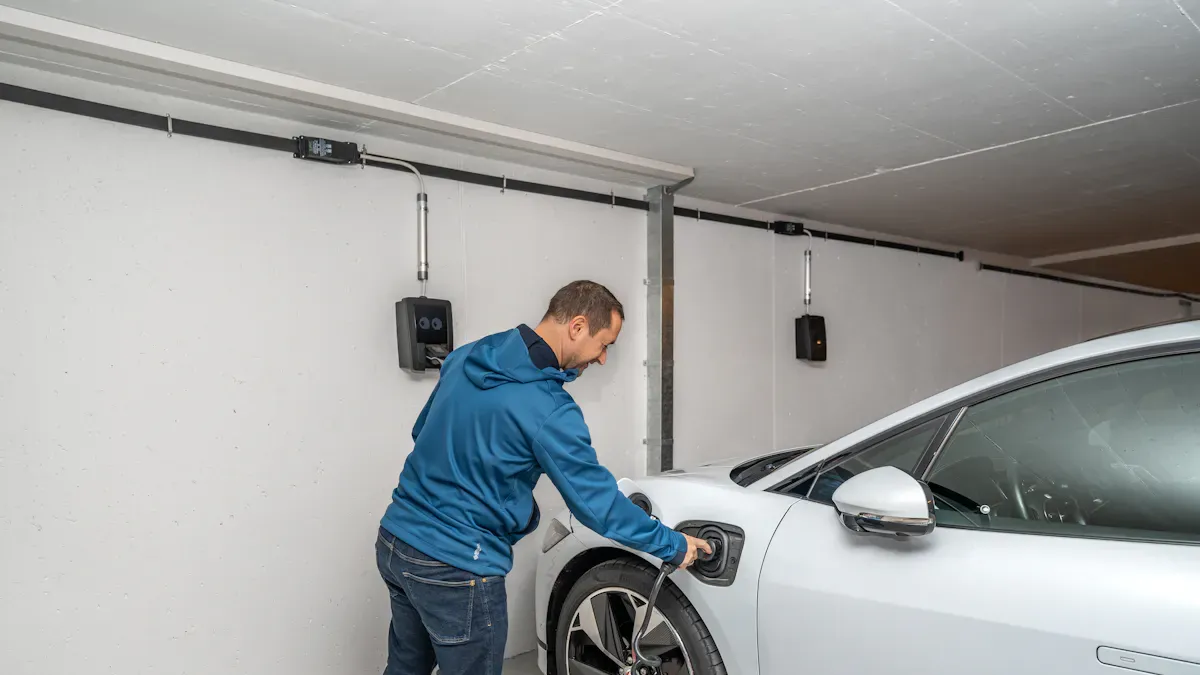
A professional installer follows a clear process when setting up a home EV charger. The steps ensure safety and compliance with regulations. The process begins with a site survey. An electrician assesses the home’s electrical system and identifies the best location for the charging point. They consider the proximity to the parking space and the main power supply. After the survey, the installer proceeds with the installation. The charger is mounted, connected to the electrical system, and tested for safety. The installer performs all necessary checks and provides guidance on using the charger. Homeowners receive a certificate of compliance after the installation. In some cases, permissions are required. Residents in rented properties, flats, or listed buildings may need approval from landlords or local authorities. Insurance providers may also require notification about the new installation.
Typical steps include:
- Conduct a site survey to assess electrical capacity and location.
- Install the charger and connect it to the electrical system.
- Perform safety checks and testing.
- Issue a certificate of compliance and provide usage guidance.
- Secure permissions or approvals if necessary.
⚡ Tip: Homeowners should check with their insurance provider and local authorities before installation.
How Long Installation Takes
The installation timeline depends on the complexity of the project and the brand of charger selected. Most installations take between two and six hours. Straightforward setups require less time, while complex installations may take longer. The table below shows typical installation times from leading brands:
| Sumber | Installation Time |
|---|---|
| Best Chargers | 2–4 hours |
| Andersen EV | 4–6 hours |
Installers complete basic installations quickly. Additional work, such as electrical upgrades or trenching, extends the timeline. Homeowners should plan for possible delays if their property needs extra preparation.
Choosing a Qualified Installer
Memilih penginstal yang memenuhi syarat is essential for safety and compliance. Homeowners should look for professionals with proper insurance, licensing, and training. Installers must be registered electricians and participate in a Competent Person Scheme. They should hold certifications such as the Level 3 Award in the Design and Installation of Electric Vehicle Charging Equipment, Level 3 Award in the Installation and Commissioning of Electric Vehicle Charging Equipment, and the 18th Edition qualification. Compliance with BS 7671 is mandatory.
| Qualification | Deskripsi |
|---|---|
| Asuransi | Covers potential damages during installation. |
| License | Valid license to work in the homeowner’s state. |
| Pelatihan | Specific training for EV charger installations. |
- Qualified installers ensure the charger meets safety standards.
- Registration with a Competent Person Scheme demonstrates compliance.
🛠️ Catatan: Homeowners should request proof of qualifications and insurance before hiring an installer.
Tips for Reducing the Average Cost of Charging an EV at Home
Getting Multiple Quotes for Installation
Homeowners can lower the cost of installing an EV charging station by seeking multiple quotes from certified professionals. Comparing prices from different installers helps them understand the range of available options. This approach allows them to make informed decisions based on both price and service quality. The cheapest quote does not always guarantee the best outcome. Quality of work and installer reputation should play a role in the final choice.
- Comparing quotes reveals differences in pricing and services.
- Homeowners can identify certified installers who offer the best value.
- Exploring available grants alongside quotes can further reduce installation costs.
💡 Requesting several quotes ensures transparency and helps avoid overpaying for installation.
Bundling with Other Home Electrical Work
Bundling the installation of an EV charging station with other electrical projects can lead to cost savings. Electricians often offer reduced rates when completing multiple tasks during a single visit. For example, homeowners who plan to upgrade their electrical panel or add new outlets can combine these jobs with the charger installation. This strategy minimizes labor charges and reduces the disruption caused by multiple service appointments.
- Scheduling electrical upgrades and charger installation together saves time and money.
- Electricians may offer package deals for bundled services.
- Homeowners benefit from a streamlined process and improved home electrical safety.
🛠️ Coordinating projects can maximize efficiency and lower overall expenses.
Instalasi DIY vs Instalasi Profesional
Some homeowners consider installing an EV charging station themselves to save money. However, this approach carries significant risks. The following table compares DIY and professional installation:
| Aspek | Instalasi DIY | Instalasi Profesional |
|---|---|---|
| Compliance with regulations | Not compliant; illegal in the UK | Compliant; must be done by qualified electricians |
| Safety risks | High; potential for electrical hazards | Low; qualified professionals ensure safety |
| Biaya | Lower initial cost, but potential fines | Higher initial cost, but safer and compliant |
| Long-term reliability | Uncertain; may lead to issues | High; ensures proper installation and function |
| Garansi | Often voided if not installed by a pro | Maintained; professional installation often includes warranty |
Instalasi profesional memastikan kepatuhan with safety and regulatory standards. Qualified electricians assess the home’s electrical system and confirm it can support the new charger. Improper installation can result in electrical hazards, increased energy costs, and damage to the wiring. While DIY installation may appear less expensive, it often leads to higher long-term costs due to potential fines, safety issues, and voided warranties.
⚡ Hiring a professional protects both the property and the investment in EV charging technology.
Common Mistakes to Avoid When Installing a Home EV Charger
Underestimating Installation Complexity
Many homeowners underestimate the complexity of installing a home EV charger. They often assume the process involves only mounting the device and connecting it to the power supply. In reality, installation can require significant planning and preparation. Failing to communicate the charger’s intended location to the installer may result in biaya tak terduga. For example, if the charger sits far from the home’s main power supply, the installer might need to add extra trunking or even trenching, which increases labor and material expenses. Some homeowners do not anticipate the need for groundworks or wall drilling, leading to higher costs and project delays.
A qualified electrician with experience in EV charger installations can help avoid these pitfalls. They assess the property, consider the distance from the electrical panel, and provide a transparent quote. Clear communication about installation details, such as cable length and charger placement, helps prevent surprises. Recent data shows that transparent, fixed quotes reduce post-installation disputes by 18%, making the process smoother and more predictable.
Common oversights include:
- Not preparing for groundworks or wall drilling.
- Placing the charger too far from the power supply or Wi-Fi.
- Choosing a charging speed that exceeds the home’s electrical capacity.
- Selecting an unsuitable charger type, such as tethered versus untethered models.
💡 Proper planning and clear communication with a certified installer can help homeowners avoid unnecessary expenses and complications.
Ignoring Permit and Code Requirements
Ignoring permit and code requirements represents a costly mistake during EV charger installation. Many homeowners believe that installing a charger is a simple upgrade and overlook the need for official approvals. However, local regulations often require permits, inspections, and compliance with building codes. Failing to secure the necessary permits can result in fines, forced removal of the charger, or even legal disputes with neighbors.
Recent trends show a 40% increase in party wall notices related to green retrofits, including EV charger installations. This rise suggests that homeowners frequently neglect permit and code requirements, leading to complications and additional costs. Working with a licensed electrician ensures that the installation meets all legal standards and passes inspection.
- Always check local permit requirements before starting the installation.
- Notify neighbors if the installation affects shared walls or property lines.
- Ensure the installer follows all relevant codes and safety standards.
Missing Out on Incentives and Savings
Many homeowners miss valuable incentives and savings when installing a home EV charger. They may not research available tax credits, rebates, or manufacturer discounts. As a result, they pay more than necessary for both the charger and installation. Some programs offer significant financial support, such as federal tax credits or local utility rebates, but require proper documentation and timely application.
Homeowners should explore all available incentives before purchasing a charger. They should keep receipts and consult with their installer about eligibility for grants or discounts. Taking advantage of these programs can reduce the overall cost and make home charging more affordable.
🚗 Staying informed about incentives and working with knowledgeable installers helps homeowners maximize savings and avoid unnecessary expenses.
The average cost for a home EV charger and installation often falls between $1,000 and $2,500. Homeowners should review every cost, including installation, permits, and upgrades, to avoid surprises. They can reduce the average cost by researching incentives and comparing quotes. Understanding each cost helps them make informed decisions. A clear plan ensures the total cost stays manageable. Careful preparation leads to a smooth installation and long-term savings.
PERTANYAAN YANG SERING DIAJUKAN
Apa perbedaan antara pengisi daya EV rumahan Level 1 dan Level 2?
Level 1 chargers use a standard 120-volt outlet and charge slowly. Level 2 chargers use a 240-volt outlet and charge much faster. Most homeowners prefer Level 2 for daily use.
Berapa lama waktu yang dibutuhkan untuk mengisi daya mobil listrik di rumah?
Charging time depends on the charger type and vehicle battery size. Level 1 chargers may take over 24 hours for a full charge. Level 2 chargers usually take 4 to 8 hours.
Do all electric vehicles use the same home charger?
Most EVs use a standard connector, but some models require adapters. Always check the vehicle’s compatibility with the charger before purchase.
Dapatkah pemilik rumah memasang pengisi daya EV tanpa meningkatkan panel listrik?
Some homes have enough capacity for a new charger. Older homes or those with limited panel space may need an upgrade. An electrician can assess the system and recommend solutions.
Are there ongoing costs after installing a home EV charger?
Ongoing costs include electricity usage and occasional maintenance. Most modern chargers require little upkeep. Smart chargers may need software updates, which manufacturers often provide for free.
Is it safe to install a home EV charger outdoors?
Yes, many chargers are weatherproof and designed for outdoor use. Proper installation and weatherproof enclosures protect the equipment from rain, dust, and temperature changes.
Apa yang harus dilakukan pemilik rumah jika charger berhenti bekerja?
First, check the power supply and reset the charger. If problems persist, contact the installer or manufacturer. Many chargers include warranties that cover repairs or replacements.