The type 2 connector stands as the standard interface for EV charging across Europe. This connector enables reliable power delivery from any Pengisi Daya Listrik, supporting both public and pengisi daya ev portabel. Terkemuka Produsen pengisi daya EV design their products to meet these requirements, ensuring compatibility and safety. Drivers rely on type 2 for seamless Solusi pengisian daya kendaraan listrik at home and on the road. Understanding this connector helps every new owner maximize their vehicle’s efficiency and convenience.
- New owners gain confidence when selecting compatible charging stations.
Type 2 Connector: The European EV Charging Standard
What Is a Type 2 Connector?
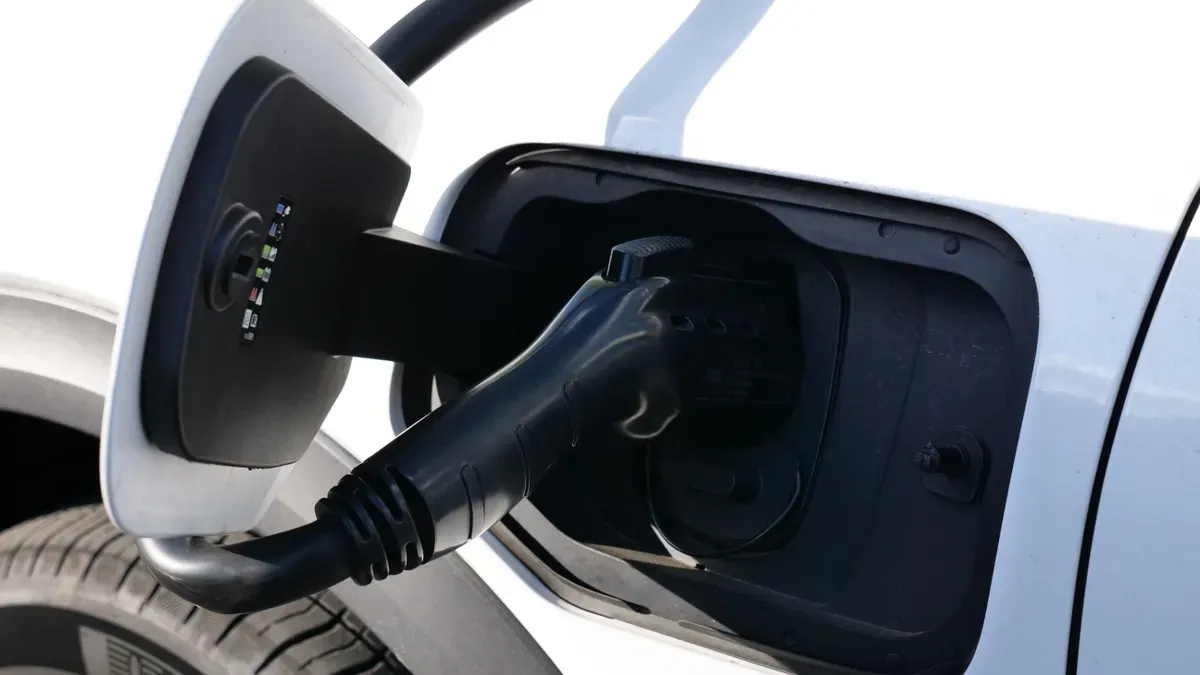
The type 2 connector serves as the official charging standard for electric vehicles throughout Europe. Manufacturers refer to it as the Mennekes connector, named after the company that developed its design. This connector features a seven-pin layout, supporting both AC and DC charging. The type 2 ev charger delivers power efficiently, accommodating a wide range of charging speeds and vehicle requirements. Its versatility allows drivers to use it at home, at public stations, and with portable chargers. The connector operates at voltage levels from 230V for single-phase to 400V for three-phase systems. Current values typically range from 16A to 32A for AC charging, while DC fast charging solutions can deliver up to 350 kW. The type 2 connector stands out as the most adaptable ev charging connector in the region.
The seven-pin design and automatic locking mechanism enhance safety and reliability during charging sessions.
- Seven-pin design
- Supports AC and DC charging
- AC power levels: 3.7 kW to 22 kW
- Voltage: 230V (single-phase), 400V (three-phase)
- Current: 16A to 32A (AC)
- DC fast charging: up to 350 kW
Why Type 2 Became the Standard for EVs in Europe
The European Union established the type 2 connector as the required standard for public charging stations in 2014. This decision unified the charging infrastructure, making it easier for drivers to access compatible chargers across the continent. The connector accommodates both single-phase and three-phase systems, aligning with the region’s electrical grid. Its automatic locking mechanism provides enhanced safety compared to older connectors, such as Type 1, which relied on manual clips. The type 2 ev charger supports faster charging speeds, meeting the needs of modern electric vehicles.
| Tahun | Deskripsi Pencapaian |
|---|---|
| 2014 | European Union mandates Type 2 connectors for public AC charging stations under EU regulations 2014/94/EU. |
| 2014 | Type 2 becomes the required standard for all public charging stations through the Alternative Fuels Infrastructure Directive. |
| 2014 | The European Commission states that the adoption of Type 2 created a unified charging system across Europe. |
The type 2 connector replaced Type 1, which only supported single-phase charging and had a maximum capacity of 7.4 kW. Type 2 accommodates both single- and three-phase systems, handling up to 22 kW for AC charging. CCS, the dominant rapid charging standard in Europe, uses the type 2 connector as its base, further increasing compatibility. CHAdeMO, another rapid charging format, is being phased out in favor of CCS and type 2.
Main Uses for Vehicles and Charging Stations
The type 2 ev charger appears in a wide range of electric vehicles and charging stations. Leading automakers, such as Tesla, BMW, Volkswagen, Nissan, Renault, Jaguar, and Hyundai, equip their vehicles with the type 2 connector. Public AC charging stations across the EU rely on this standard, ensuring that drivers can charge their vehicles conveniently.
Tesla
BMW
Volkswagen
Nissan
Renault
Jaguar
Hyundai
Public AC charging stations across the EU
The type 2 connector supports home charging, workplace charging, and public charging infrastructure. Drivers benefit from its compatibility, safety features, and fast charging capabilities. The standard allows seamless integration between vehicles and chargers, making it the foundation of Europe’s charging network.
Key Features of the Type 2 EV Charger
Physical Design and Seven-Pin Layout
The pengisi daya tipe 2 ev stands out due to its modern physical design. Engineers shaped the connector with a circular body and a flattened edge, making it easy to align and insert. The seven-pin layout supports both ac and dc charging, which increases flexibility for drivers. This design allows the connector to handle single-phase and three-phase ac charging, as well as dc fast charging. The table below summarizes the main physical features:
| Fitur | Deskripsi |
|---|---|
| Shape | Circular with a flattened edge and seven pins. |
| Kompatibilitas | Supports both single-phase and three-phase AC charging. |
| Jenis Pengisian Daya | Enables both alternating current (AC) and direct current (DC) charging. |
The plug fits securely into the charging port, reducing the risk of accidental disconnection. This robust design ensures reliable charging sessions for all users.
Charging Speeds and Power Levels for EVs
The type 2 ev charger delivers a wide range of charging speeds. It supports both slow and fast ac charging, as well as dc fast charging for compatible vehicles. This versatility makes the connector suitable for home, workplace, and public charging stations.
AC Charging with Type 2 Connectors
Most European electric vehicles use ac charging for daily needs. The type 2 ev charger can deliver up to 22kW on ac power at home or in public locations. Some advanced charging stations can provide up to 43kW ac charging for specific vehicles. The table below shows typical power levels:
| Charging Capability | Tingkat Daya |
|---|---|
| Pengisian Daya AC | Up to 43kW |
| Pengisian Daya AC | Hingga 22kW |
Drivers benefit from faster charging times when using three-phase ac connections. This feature helps reduce waiting times and increases convenience.
Fast Charging Capabilities
The connector also supports dc fast charging, which is essential for long-distance travel. Dc fast charging can deliver high power levels, allowing vehicles to recharge quickly at compatible stations. The type 2 ev charger forms the basis for the Combined Charging System (CCS), which adds two extra pins for dc fast charging. This system enables charging speeds up to 350kW, making it possible to add significant range in a short period. Dc fast charging stations appear at many public locations, supporting drivers who need rapid charging during trips.
Tip: TPSON provides technologically advanced charging solutions that support both ac and dc fast charging, ensuring compatibility with the latest electric vehicles.
Safety Features of the Type 2 EV Charging Connector
Safety remains a top priority for the type 2 ev charger. The connector includes an automatic locking mechanism on the vehicle side. This feature prevents the cable from being removed until the vehicle unlocks it, which protects against accidental disconnection and theft. The charging plug locks automatically during charging, ensuring a secure connection at all times.
- Automatic locking mechanism on the vehicle side
- Cable cannot be removed until the vehicle unlocks it
- Prevents accidental removal or theft
These safety features give drivers peace of mind during every charging session. The connector’s design meets strict European standards, making it a reliable choice for all electric vehicle owners.
Compatibility: Which Vehicles and Chargers Use Type 2?
Vehicles Compatible with Type 2 Connectors
Most modern electric vehicles in Europe use the type 2 connector as their primary charging standard. Automakers have adopted this connector to ensure seamless access to the continent’s charging infrastructure. Drivers will find that leading brands such as Tesla, BMW, Volkswagen, Audi, Mercedes-Benz, Renault, Hyundai, Kia, Jaguar, and Nissan equip their vehicles with type 2 charging ports. This widespread adoption means that nearly every new electric vehicle sold in Europe supports the type 2 ev charging connector.
The following table highlights popular vehicle models that use the type 2 connector:
| Merek | Contoh Model |
|---|---|
| Tesla | Model 3, Model S, Model X, Model Y |
| BMW | i3, i4, iX, X5 xDrive45e |
| Volkswagen | ID.3, ID.4, e-Golf |
| Audi | e-tron, Q4 e-tron |
| Mercedes-Benz | EQC, EQS, EQA, EQB |
| Renault | Zoe, Megane E-Tech |
| Hyundai | Kona Electric, IONIQ 5 |
| Kia. | e-Niro, EV6 |
| Jaguar | I-PACE |
| Nissan | Leaf (European models) |
Manufacturers continue to expand their electric vehicle lineups, and the type 2 connector remains the default charging standard for new models. This approach guarantees that drivers can use the same charging stations across different brands and models.
Type 2 EV Charger Compatibility at Public and Home Stations
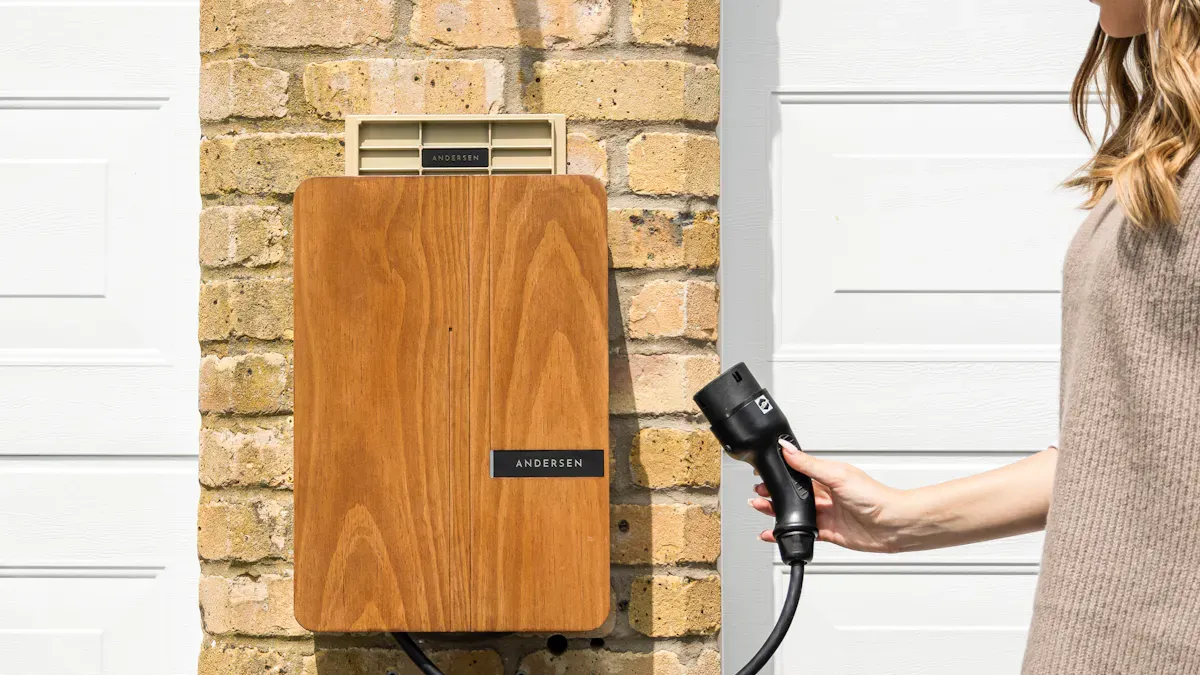
Type 2 chargers appear at both public and home charging stations throughout Europe. Public charging stations almost always feature type 2 sockets, making it easy for drivers to recharge their vehicles during daily commutes or long journeys. Home charging solutions also rely on the type 2 standard, allowing owners to install wall-mounted chargers or use portable units for overnight charging.
Public charging stations often provide either a tethered cable with a type 2 plug or a socket where drivers can connect their own cable. This flexibility ensures compatibility with a wide range of vehicles. At home, owners can install a dedicated wallbox charger that uses the type 2 connector, which delivers faster and safer charging compared to a standard household outlet.
Note: The type 2 charging standard supports both single-phase and three-phase power, enabling faster charging speeds at compatible locations.
Charging infrastructure across Europe prioritizes the type 2 connector to maximize interoperability. This approach simplifies the charging experience for all drivers, regardless of the vehicle brand.
How to Check Your EV Charging Connector Type
Before purchasing a charger or using a public charging station, drivers should confirm their vehicle’s connector compatibility. The following steps help ensure the correct match:
- Confirm the technical standard for which the vehicle was built.
- Check that the charging cable matches the vehicle’s charging standard.
- Review official documentation, such as the user manual or manufacturer specifications, to verify the connector type.
Drivers can also inspect the charging port on their vehicle. The type 2 connector features a distinctive circular shape with a flattened edge and seven pins. Many automakers display the connector type in the vehicle’s charging menu or on the charging port cover.
Connector compatibility plays a crucial role in the charging process. Selecting the right charger and cable ensures safe and efficient charging sessions at home and at public charging stations.
Adapters and Special Cases
Not every electric vehicle in Europe uses a Type 2 connector. Some older or imported models feature a Type 1 charging port, which creates challenges when drivers need to use the widespread Type 2 charging infrastructure. Adapters bridge this gap, allowing these vehicles to access public and home charging stations equipped with Type 2 sockets.
One of the most common solutions is the Type 2 to Type 1 adapter. This device enables a Type 1 electric vehicle to connect to a Type 2 charging station. The adapter handles single-phase AC charging and typically delivers up to 7.4 kW, which matches the maximum capacity of most Type 1 vehicles. Manufacturers design these adapters with safety in mind, often securing CE and TÜV certifications. Many models also offer water and dust resistance, making them suitable for outdoor use.
| Fitur | Detail |
|---|---|
| Jenis Adaptor | Voldt Type 2 to Type 1 adapter |
| Kompatibilitas | Designed for Type 1 electric vehicles to charge at Type 2 charging stations |
| Kapasitas Pengisian Daya | Supports single-phase charging, typically delivers up to 7.4 kW (32A at 230V) |
| Sertifikasi | CE and TÜV certified, water- and dust-resistant (IP54 when connected) |
| Limitations | Not compatible with DC fast chargers (like CCS or CHAdeMO); ensure vehicle’s onboard charger supports the same capacity as the adapter. |
| Kasus Penggunaan Umum | Suitable for everyday AC charging across Europe, especially for Type 1 EVs in Type 2 infrastructure. |
Catatan: Adapters like the Voldt Type 2 to Type 1 model only support AC charging. They do not work with DC fast charging stations such as CCS or CHAdeMO. Drivers should always check that their vehicle’s onboard charger matches the adapter’s capacity to avoid charging issues.
Special cases also arise with imported vehicles from regions outside Europe. These cars may require unique adapters or even professional modifications to ensure safe and reliable charging. Some plug-in hybrid vehicles use different charging standards, so owners should verify compatibility before purchasing an adapter.
When selecting an adapter, drivers should consider the following:
- Confirm the adapter’s certification and safety ratings.
- Check the maximum supported charging speed.
- Ensure the adapter matches the vehicle’s charging port and onboard charger specifications.
- Avoid using adapters with DC fast charging stations, as this can cause damage or safety hazards.
Adapters provide a practical solution for non-Type 2 vehicles in Europe. They help drivers access the continent’s extensive charging network, but users must remain aware of their limitations and always prioritize safety.
How to Use a Type 2 Connector for EV Charging
Charging Your EV at Home with a Type 2 EV Charger
Setting Up Home Charging
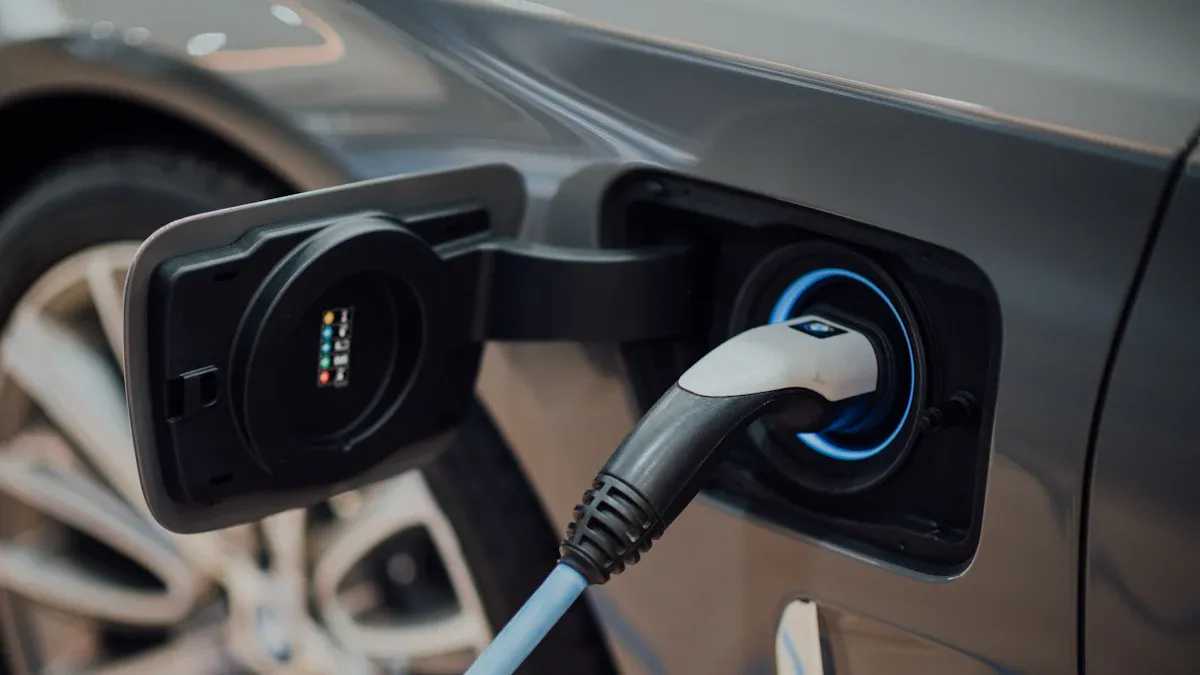
Home charging with a type 2 ev charger offers convenience and efficiency for daily use. Owners should begin by assessing their electrical system. A qualified electrician can evaluate the existing setup to ensure it supports the demands of ac and dc charging. Selecting the right charger comes next. Many drivers choose a wall-mounted unit that matches their vehicle’s requirements. Local regulations may require permits before installation. A licensed electrician should handle the installation process to guarantee safety and compliance. After installation, testing the charger with the ev ensures proper operation. Owners may discuss future upgrades with their electrician to accommodate new charging technologies. Regular inspection and maintenance of the charging area help maintain safety and performance.
Safety Tips for Home EV Charging
Safety remains essential during home charging. Owners should keep the area around the charger clean and dry. Regularly inspecting the type 2 ev charger for wear or damage prevents potential hazards. Only use manufacturer-approved cables and accessories. Children and pets should stay away from the charging station during operation. If any issues arise, consult a professional before resuming use.
Using a Type 2 Connector at Public Charging Stations
Step-by-Step Public Charging Guide
Public charging stations provide access to ac and dc charging for a wide range of vehicles. Drivers should follow these steps for a smooth experience:
- Park the ev close to the charger.
- Check the charging port for debris before connecting.
- Insert the plug fully into the vehicle to engage the locking mechanism.
- Start the charging session using the station’s interface or a mobile app.
- Monitor the charging progress on the vehicle display or app.
- End the session before unplugging.
Tip: Always ensure the plug is secure before starting the session to avoid interruptions.
What to Bring for Public EV Charging
Drivers should prepare for public charging by bringing the following items:
- Charging cable compatible with the type 2 connector (if the station does not provide one)
- Access card or app for payment and authentication
- Emergency contact information for charger support
- Cleaning cloth to wipe the plug or port if needed
Plugging In and Unplugging Your EV Safely
Proper technique ensures safe use of the type 2 connector. Before plugging in, check the vehicle’s charging port for any debris. Insert the plug fully to activate the locking mechanism. If the connector does not latch, try a different plug or consult the vehicle’s manual. To unplug, always end the charging session using the vehicle’s controls. If the connector remains locked, refer to the user guide for emergency release instructions. These steps help prevent damage to the charger and vehicle while supporting reliable ac and dc charging at home and in public.
Finding Type 2 EV Charging Stations for Your Vehicle
Using Apps and Maps to Locate Type 2 Chargers
Drivers often rely on digital tools to locate Type 2 charging station options across Europe. Mobile apps such as PlugShare, ChargePoint, and Zap-Map provide real-time information about station availability, user reviews, and compatibility. Many EV manufacturers offer their own resources, including websites and apps, that help owners find compatible charging station locations. Regional providers sometimes list stations not found on global platforms, so researching local networks can expand charging options. Modern electric vehicles feature built-in navigation systems that display nearby Type 2 charging stations, streamlining the search process. Owners also benefit from joining local EV groups, where members share tips and recommendations for reliable charging station locations.
- PlugShare, ChargePoint, Zap-Map: Real-time station data and user feedback
- Manufacturer apps: Direct access to compatible stations
- Local networks: Expanded coverage in specific regions
- Built-in navigation: Integrated station search in the vehicle
- EV owner groups: Community-driven advice
Third-party apps like Google Maps and websites such as Chargemap, Open Charge Map, Plugshare, and Plugsurfing offer comprehensive listings of EV chargers. Route planners like A Better Routeplanner (ABRP) assist drivers in mapping journeys with charging stops, ensuring access to Type 2 chargers along the way.
Understanding Charging Station Labels and Signage
Clear signage and accurate labels help drivers identify the correct charging station for their vehicle. Charging stations display information about connector types, power levels, and usage instructions. Owners should look for the Type 2 symbol or the Mennekes logo, which indicates compatibility. Many stations use color-coded signs to differentiate between AC and DC charging options. Labels often include details about maximum power output and whether the station offers single-phase or three-phase charging. Drivers must check for station-specific instructions, such as payment methods or access requirements.
| Label Element | Deskripsi |
|---|---|
| Type 2 Symbol | Indicates compatibility with Type 2 connector |
| Keluaran Daya | Shows maximum kW available |
| Charging Instructions | Provides steps for use and payment |
| Color Coding | Differentiates AC and DC charging |
Tip: Always verify the connector type and power rating before starting a charging session to avoid compatibility issues.
Planning Charging Stops for Your EV
Effective planning ensures uninterrupted travel for EV owners. Drivers should assess their vehicle’s range and confirm compatibility with Type 2 charging stations. Mapping the journey to include en route charging station stops reduces the risk of running low on battery. Built-in route planners in electric vehicles help locate stations along the route. Third-party mapping solutions, such as Pod Point App and ZapMap, provide additional support for finding charging station locations. Owners should consider that some stations may not be immediately available, so factoring in extra time for charging is essential. Choosing accommodations with charging facilities allows overnight charging, maximizing convenience.
- Check vehicle range and connector compatibility.
- Map out charging station stops along the route.
- Use built-in or third-party route planners for station locations.
- Allow extra time for charging, especially during peak hours.
- Select hotels or lodgings with charging facilities for overnight stays.
Regular breaks align well with charging stops, and longer stops at charging stations accommodate the time required for EV charging compared to traditional refueling.
Why the Type 2 Connector Matters for EV Owners
Convenience and Availability Across Europe
The type 2 connector brings unmatched convenience to EV owners throughout Europe. Drivers can find this standard at nearly every public and private charging location. The widespread adoption of the type 2 connector means that owners of electric vehicles rarely worry about compatibility when searching for a charger. Charging stations in cities, along highways, and at workplaces almost always support this standard, making travel and daily use straightforward.
The following table highlights the features that enhance convenience for EV owners:
| Fitur | Deskripsi |
|---|---|
| Standardisasi | Type 2 is the prevailing standard in Europe for AC charging. |
| Kapasitas Pengisian Daya | Supports charging capacities from 3.7 kW to 22 kW, enhancing speed. |
| Kompatibilitas | Works with both single-phase and three-phase power for efficient charging. |
Drivers benefit from the ability to use the same plug for both home and public charging. The standard design of the connector ensures that vehicles from different brands can access the same infrastructure. This level of convenience supports the growth of electric vehicles across the continent.
Future-Proofing Your EV Charging Experience
The type 2 connector stands as a future-proof solution for electric vehicles. As technology advances, this standard continues to support new charging methods and higher power levels. The connector handles both AC and DC charging, allowing owners to take advantage of rapid charging as networks expand. Many new charging stations offer both types of power, so drivers can choose the best option for their needs.
Manufacturers design vehicles and chargers to remain compatible with the type 2 connector for years to come. This approach protects owners from needing frequent upgrades or adapters. The standard’s flexibility ensures that as charging speeds increase, the same plug and connector will continue to serve new and existing vehicles. Owners can trust that their investment in an EV and its charging equipment will remain relevant as the market evolves.
Note: Choosing a vehicle with a type 2 connector helps drivers avoid compatibility issues as charging networks grow and improve.
Interoperability for Different Vehicles and Networks
Interoperability stands as a key advantage of the type 2 connector. Owners of electric vehicles from various brands can use the same charging stations without special adapters or memberships. The standard supports both AC and DC charging, making it easy to find a compatible charger for any journey.
- CCS charging allows compatibility with over 95% of public rapid charging stations in the UK, ensuring EV owners can find charging points easily.
- Major automotive brands like BMW, Audi, and Ford use CCS2 as their standard, promoting a unified charging experience across different vehicle brands.
- Charging network operators such as Ionity and Gridserve primarily deploy CCS-compatible stations, allowing seamless charging without the need for multiple adapters or memberships.
This high level of interoperability means that drivers can travel across Europe with confidence. The standard plug design and connector type allow vehicles to connect to a wide range of networks. Owners enjoy a seamless experience, whether charging at home, at work, or on the road.
Troubleshooting Type 2 EV Charging Connector Issues
What to Do If Charging Doesn’t Start
When an EV fails to begin charging at a charging station, several common issues may be responsible. Drivers often encounter problems such as incomplete connector engagement, software errors, or network faults. The following table outlines typical issues, symptoms, and recommended actions:
| Jenis Masalah | Gejala | Tindakan yang Diperlukan |
|---|---|---|
| Communication timeout | “Jabat tangan gagal” | Wait 2-5 minutes |
| Firmware mismatch | “Protocol error” | Software update required |
| Network failure | “Status ”Offline” | Wait or try another station |
| Authentication fault | “Pembayaran ditolak” | Immediate retry |
A half-engaged connector can prevent the vehicle from charging. Drivers should always ensure the plug is fully inserted into the port. Sometimes, forgetting to set or adjust the charge timer on the vehicle can delay charging. App-related issues, such as lag in remote start commands, may also cause failures. If the charging session does not begin, checking the vehicle’s display for error messages can help identify the cause. Restarting the charging process or moving to another charging station may resolve the issue.
Tip: Always verify that the charging cable is undamaged and the charging station is operational before attempting to charge the vehicle again.
Handling Faulty Type 2 Connectors
Faulty connectors can disrupt charging for EV owners. Regular inspection and maintenance help prevent many issues. The following steps provide a structured approach to troubleshooting a faulty connector:
- Inspect the charging port for dust, moisture, or debris. Clean the area with a soft cloth while the vehicle is off.
- If physical damage is visible, disconnect power and carefully replace damaged components.
- Examine wiring for loose or damaged sections. Rewire by stripping damaged areas and securely connecting new wire ends.
Drivers should never attempt repairs beyond their expertise. If the connector remains faulty after these steps, professional assistance is necessary. Proper care and timely maintenance ensure reliable charging for all vehicles.
Who to Contact for EV Charging Help
When troubleshooting does not resolve the issue, contacting a professional service provider becomes essential. Several organizations offer support for EV charging problems. The table below lists reputable providers and their services:
| Organization | Services Offered | Contact Link |
|---|---|---|
| EO Charging | 24/7/365 support, technical operations, on-site maintenance, proactive monitoring | EO Charging Support |
| The Pilot Group | Turn-key solutions for EV charging, installation, maintenance, and customer service | The Pilot Group Services |
These organizations assist with technical issues, maintenance, and emergency support. Drivers can also reach out to the manufacturer of their vehicle or the operator of the charging station for additional help. Prompt communication with experts ensures minimal downtime and safe operation of charging stations for all vehicles.
The Type 2 connector stands as the foundation of European EV charging. Drivers experience reliable charging, fast speeds, and broad compatibility. The following table highlights why new owners trust this standard:
| Fitur | Deskripsi |
|---|---|
| Standar | Type 2 fits most modern EVs in Europe. |
| Kecepatan Pengisian Daya | Enables up to 22 kW at home and 43 kW at public stations. |
| Kompatibilitas Kendaraan | Most new European models include Type 2 connectors. |
| Adoption | Widespread use enhances the charging experience for all owners. |
New EV owners can charge with confidence, knowing their vehicles connect easily across Europe.
PERTANYAAN YANG SERING DIAJUKAN
What is the difference between Type 2 and Type 1 connectors?
Type 2 connectors support both single-phase and three-phase charging. Type 1 connectors only support single-phase charging. European vehicles use Type 2 as the standard, while Type 1 appears mostly in older or imported models.
Can a Type 2 connector charge any electric vehicle in Europe?
Most new electric vehicles in Europe use Type 2 connectors. Some older or imported models may require an adapter. Owners should check their vehicle’s charging port for compatibility before using a Type 2 charger.
How fast can a Type 2 connector charge an EV?
Charging speed depends on the station and vehicle. Type 2 connectors deliver up to 22 kW for AC charging at home or public stations. Some rapid stations offer up to 43 kW AC. DC fast charging uses CCS, which builds on Type 2.
Is it safe to leave my EV charging overnight with a Type 2 charger?
Manufacturers design Type 2 chargers with safety features like automatic locking and temperature monitoring. Owners can safely charge overnight. Regular inspection of cables and ports ensures continued safety.
Do I need a special cable for public charging stations?
Some public stations provide tethered cables. Others require owners to bring their own Type 2 cable. Drivers should check station details in advance and carry a compatible cable for flexibility.
What should I do if the Type 2 connector gets stuck?
The vehicle locks the connector during charging. Owners must end the charging session using the vehicle’s controls. If the connector remains stuck, consult the vehicle manual or contact support for assistance.
Are adapters for Type 2 connectors safe to use?
Certified adapters, such as CE or TÜV approved models, provide safe charging for compatible vehicles. Owners should avoid using adapters with DC fast charging stations. Always verify the adapter’s specifications before use.