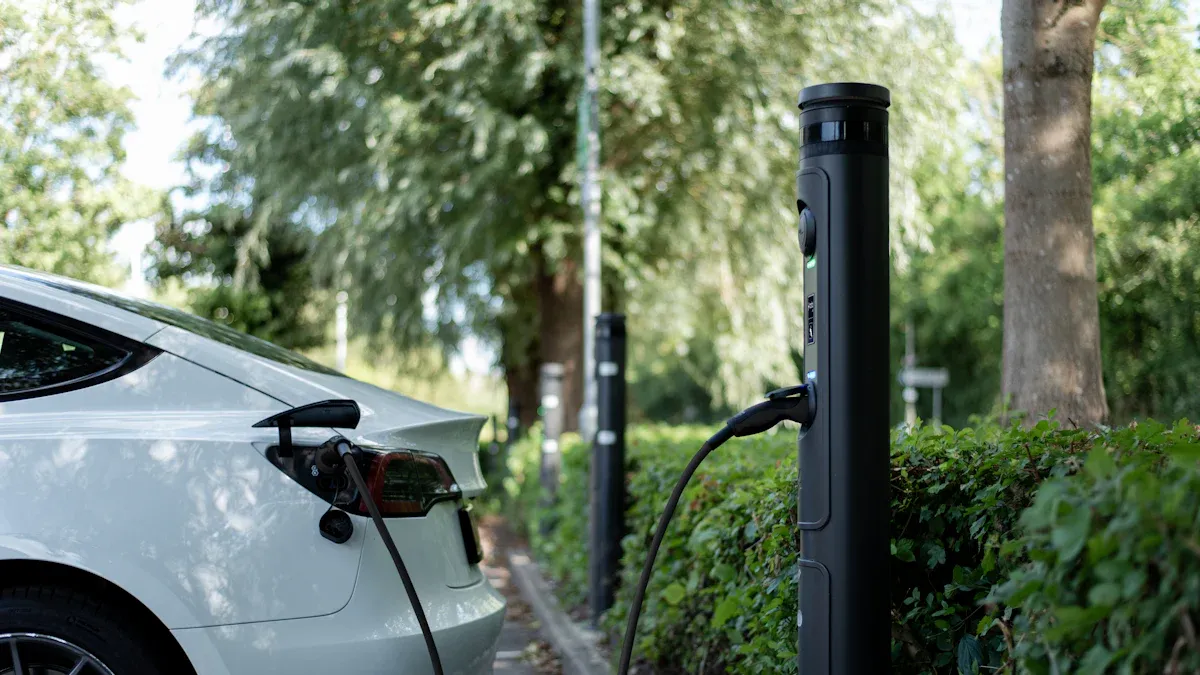
A level 2 pengisi daya ev delivers faster charging by operating at 240 volt, making it a preferred choice for electric vehicle owners. This charger provides a significant upgrade over standard options by offering 15-30 miles of range per hour. The table below highlights technical differences between charging levels:
| Fitur | Pengisi Daya Level 2 | Pengisi Daya Level 1 |
|---|---|---|
| Tegangan | 240 volt | 120 volt |
| Kecepatan Pengisian Daya | 15-30 miles/hr | 4-5 miles/hr |
| Instalasi | Dedicated outlet | Household outlet |
Drivers select level 2 charging for reliable overnight charging and compatibility with most Solusi pengisian daya kendaraan listrik. They often consult Produsen pengisi daya EV for installation and consider pengisi daya ev portabel for flexibility.
Level 2 EV Charger Basics
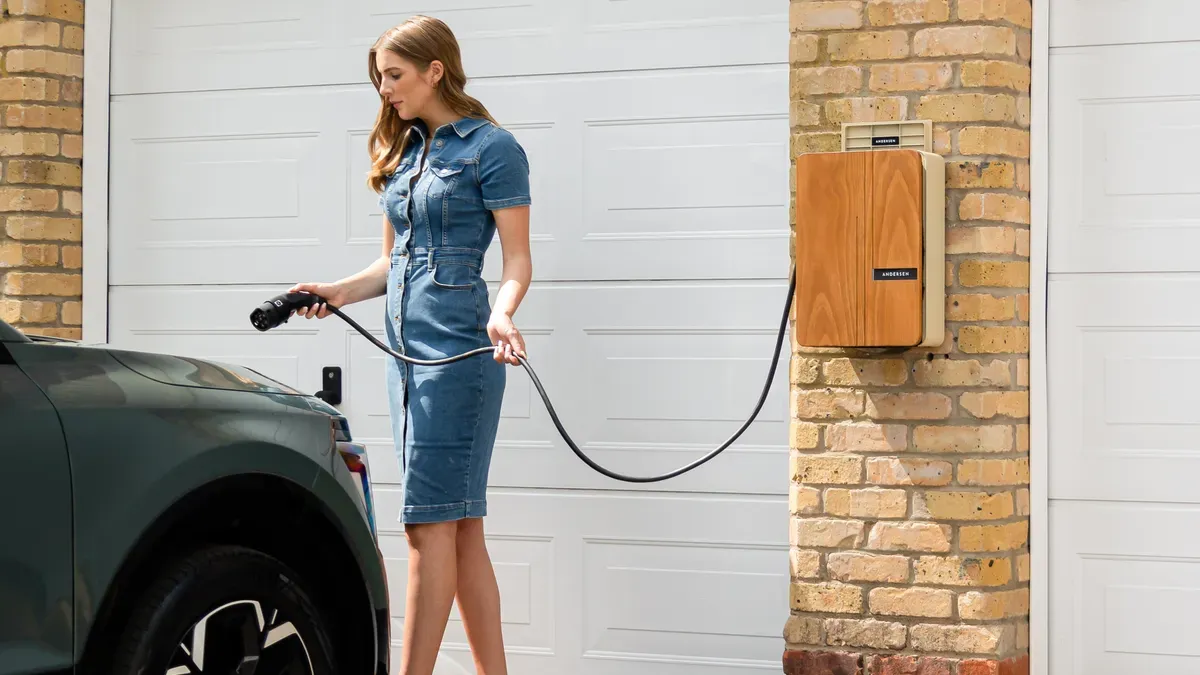
How Level 2 Charging Works
Power Supply and Voltage
Pengisian daya level 2 operates through a dedicated electric vehicle charging station that connects to a 240-volt power supply. This setup distinguishes it from Level 1 charging, which uses a standard household outlet at 120 volts. The higher voltage enables the system to deliver more power efficiently. Most level 2 charging relies on alternating current (AC), which the vehicle’s onboard charger converts into direct current (DC) for battery storage. This process ensures that the battery receives the correct type of electricity for optimal performance.
A level 2 ev charger typically provides power outputs ranging from 3.3 to 19.2 kilowatts. Home units often deliver around 7.2 kW, while public electric vehicle charging stations can reach up to 22 kW or even 43 kW in some locations. This range allows flexibility for different charging needs and vehicle types.
Charging Speed and Output
Level 2 charging offers a significant improvement in speed compared to Level 1. A standard home charger at 7.2 kW can recharge many electric vehicles from empty to full in about 8 to 10 hours. Public stations, which operate at higher power outputs, can reduce this time further. The increased charging speed means drivers can rely on overnight charging to start each day with a full battery.
Key advantages of level 2 charging include:
- Faster charging times, reducing wait periods.
- Consistent performance at home and public locations.
- Compatibility with a wide range of electric vehicles.
Level 2 charging supports daily routines by providing enough energy for most commutes and errands within a short period. This efficiency makes it a practical choice for both residential and commercial users.
Standard Connectors and Compatibility
J1772 Plug Overview
The J1772 plug serves as the standard connector for level 2 charging in North America. This design allows most electric vehicles to connect seamlessly to both Level 1 and Level 2 charging stations. The J1772 plug supports access to standard electrical outlets for slower charging and dedicated stations for faster charging.
Tip: The J1772 plug ensures that drivers can use almost any public or home electric vehicle charging station without needing special adapters.
The following table summarizes compatibility:
| Tingkat Pengisian Daya | Kompatibilitas dengan kendaraan listrik |
|---|---|
| Level 1 | Most EV brands |
| Level 2 | Most EV brands |
| Level 3 | CCS plug (not J1772) |
Supported Electric Vehicles
Level 2 charging works with the majority of passenger electric vehicles on the market. Most models feature a built-in SAE J1772 charge port, ensuring broad compatibility. In North America, nearly all new electric vehicles support this standard, making it easy for drivers to find suitable charging options at home or at any electric vehicle charging station.
In Europe and the UK, Konektor tipe 2 serve as the standard for modern electric vehicles. These connectors work with AC chargers rated at 7 kW, 11 kW, and 22 kW. Older or imported models may use Type 1 connectors, but most new vehicles align with the latest standards for level 2 charging.
Level 2 charging provides a reliable and efficient solution for daily use, supporting a wide range of vehicles and charging environments.
Level 2 Charging vs Level 1 and Level 3
Level 1 Charging Overview
Kecepatan Pengisian Daya dan Kasus Penggunaan
Level 1 charging uses a standard 120-volt household outlet. This method delivers a power output between 1.4 and 1.9 kilowatts. Drivers can expect to add 2 to 5 miles of range per hour. Level 1 charging suits overnight charging at home and low-mileage daily commutes. Many electric vehicle owners rely on this option when they first purchase their vehicles. It requires no special installation, making it accessible for most households.
Note: Level 1 charging works best for drivers with short daily routes or those who do not need rapid battery replenishment.
Tabel di bawah ini merangkum the main differences in charging speed and use cases:
| Tingkat Pengisi Daya | Tegangan | Output Daya (kW) | Kisaran yang Ditambahkan per Jam | Use Cases |
|---|---|---|---|---|
| Level 1 | 120V | 1.4 – 1.9 | 2 - 5 mil | Overnight charging at home, low-mileage daily commutes |
| Level 2 | 240V | 3.3 – 19.2 | 10 – 60 miles | Home charging, workplace charging, public charging stations |
| Level 3 | 50-350kW | 50 – 350 | 60 – 200 miles | Long-distance travel, highway rest stops, high-traffic urban areas |
Level 2 Charging Advantages
Perbandingan Kecepatan
Pengisian daya level 2 operates at 240 volts and delivers between 3.3 and 19.2 kilowatts. This system adds Jarak tempuh 10 hingga 60 mil per jam. Most drivers find that Level 2 charging provides enough power for daily use, making it ideal for home charging, workplace charging, and public charging stations. The installation cost remains moderate, ranging from $300 to $1,000. Level 2 charging offers a balance between speed and practicality.
Practical Differences
Level 2 charging stands out for its efficiency and convenience. It allows drivers to fully charge their vehicles in 4 to 8 hours, supporting overnight charging routines. The system fits residential and commercial environments, providing flexibility for different lifestyles. Level 2 charging also supports a wide range of electric vehicles, making it a practical solution for most owners.
- Cost-effective installation compared to Level 3 chargers.
- Provides sufficient range for daily use, ideal for overnight charging.
- Operates at 240 volts, allowing for a full charge in 4 to 8 hours.
: Jalan masuk pribadi atau garasi diperlukan untuk memastikan kabel dapat mencapai kendaraan dengan aman.
Charging Speed and Locations
Pengisian daya level 3, also known as DC fast charging, uses power outputs from 50 to 350 kilowatts. This method adds 60 to 200 miles of range per hour. Drivers often find Level 3 charging at highway rest stops, high-traffic urban areas, and public charging stations. The installation cost for Level 3 charging remains high, making it less common for residential use. Level 3 charging suits long-distance travel and quick battery replenishment.
Tip: Level 3 charging provides rapid energy boosts for drivers on the go, but it is not typically available for home installation.
Comparison Table: Level 1, Level 2, Level 3
Electric vehicle owners often compare charging options to determine the best fit for their needs. Level 1, Level 2, and Level 3 chargers each offer distinct advantages and limitations. Understanding these differences helps drivers make informed decisions about home installation, daily charging routines, and long-distance travel.
Level 1 chargers use a standard 120-volt AC outlet. This option provides the slowest charging speed, requiring 40 to 50 hours for a full charge. Level 1 suits drivers with low daily mileage or those who park their vehicles overnight for extended periods. The installation process remains simple, as most homes already feature compatible outlets.
Level 2 chargers operate at 240 volts. They deliver a significant improvement in charging speed, reducing the time to full charge to between 5 and 8 hours. Level 2 chargers support daily routines, allowing drivers to recharge their vehicles overnight and start each day with a full battery. Most electric vehicles on the market accept Level 2 charging, making this option popular for residential and workplace installations.
Level 3 chargers, also known as DC fast chargers, provide the fastest charging speeds. These stations use direct current and can charge a battery from 10% to 80% in 15 to 45 minutes. Level 3 chargers typically appear at highway rest stops and urban charging hubs. They suit drivers who need rapid energy replenishment during long trips or high-traffic commutes. Home installation remains rare due to high costs and technical requirements.
The following table summarizes key differences:
| Jenis Pengisi Daya | Deskripsi | Tegangan | Charging Speed (Time to Full Charge) | Waktu Pengisian Daya ke 80% |
|---|---|---|---|---|
| Level 1 | Standard 120V AC outlet | 120V | 40-50 hours | 40-50+ jam |
| Level 2 | 240V AC outlet | 240V | 5-8 hours | 4-10 jam |
| Level 3 | Pengisian Cepat DC | DC | 15-45 minutes (10% to 80% charge) | 20 menit hingga 1 jam |
Tip: Level 2 charging strikes a balance between speed and practicality. Most homeowners choose Level 2 for overnight charging, while Level 3 remains ideal for quick stops during long journeys.
Drivers should evaluate their daily mileage, access to charging infrastructure, and budget before selecting a charger type. Level 1 offers simplicity, Level 2 provides efficiency, and Level 3 delivers speed. Each option serves a unique purpose in the electric vehicle ecosystem.
Level 2 chargers continue to gain popularity due to their compatibility with most electric vehicles and their ability to support flexible charging schedules. Level 3 chargers, although powerful, remain limited to commercial locations. Level 1 chargers, while accessible, often fail to meet the demands of modern electric vehicle owners who require faster charging times.
Choosing the right charger ensures that drivers maximize convenience, minimize downtime, and maintain optimal battery health. The comparison table above provides a clear overview of the technical and practical differences among the three charging levels. 🚗🔌
Installation Requirements for Level 2 EV Charger
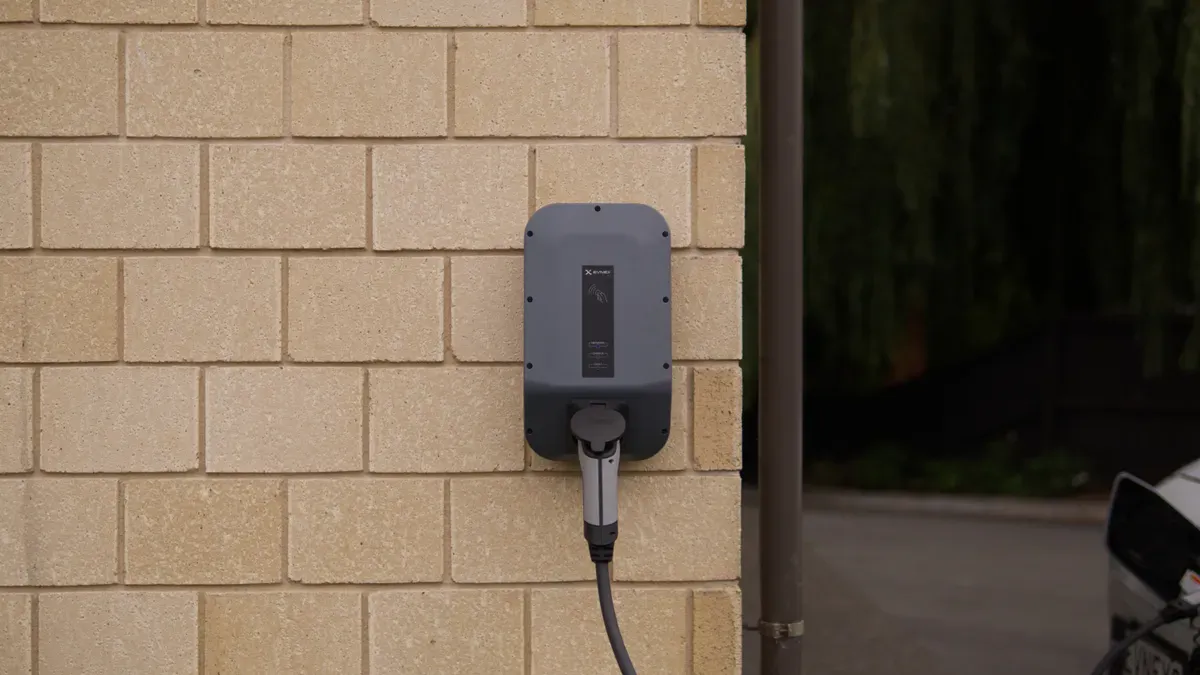
Home Electrical Needs
240-Volt Outlet Compatibility
A Level 2 EV charger requires a dedicated 240-volt power source. Most homes in North America use 120-volt outlets for standard appliances, but Level 2 charging stations need the higher voltage to deliver faster charging speeds. Homeowners must confirm that their electrical system supports a 240-volt outlet in the desired installation location. A licensed electrician can assess the existing wiring and determine if upgrades are necessary.
⚡ Not checking if the electrical system can handle the load of a Level 2 charger can lead to blown fuses or even fire hazards. Always consult a professional before installation.
Dedicated Circuit Requirements
A dedicated circuit ensures that the charger operates safely without overloading the home’s electrical panel. The electrician will install a separate 240-volt circuit, either hardwired directly to the charger or connected through a heavy-duty receptacle. This setup prevents interference with other household appliances and maintains consistent charging performance.
The following table summarizes key requirements:
| Persyaratan | Detail |
|---|---|
| Penilaian Panel Listrik | Panel must have enough capacity (100-amp or 200-amp recommended). |
| Circuit and Wiring | Dedicated 240V circuit; cost varies by distance from the panel. |
| Perizinan dan Pemeriksaan | Most municipalities require permits and inspections for safety. |
| Unit Pengisi Daya | Adjustable amperage units like ChargePoint Home Flex offer flexibility. |
Professional Installation Process
Permits and Safety Considerations
Most municipalities require a permit for installing a Level 2 EV charger. This process ensures compliance with local building codes and safety regulations. Skipping the permit can void home insurance and complicate future home sales. After installation, an inspection verifies that the work meets all safety standards.
🛡️ Ignoring the need for a permit can create legal and financial risks for homeowners.
Choosing a Qualified Installer
A certified electrician should handle the installation of home ev chargers. The process includes:
- Assessing the home’s charging needs and electrical capacity.
- Selecting a charger compatible with the vehicle and home setup.
- Inspecting the electrical panel and upgrading if necessary.
- Installing the charger and performing safety checks.
- Providing documentation and usage tips for ongoing maintenance.
Biaya Instalasi
Equipment and Labor Expenses
The total cost to install a Level 2 EV charger at home ranges from $800 to $3,000. This price includes both the charging equipment and professional labor. Most homeowners pay around $1,700 for a standard installation, but costs can increase if the electrical panel requires upgrades or if the installation site is far from the main panel. Investing in a quality installation ensures safe and reliable charging for years to come.
Using Level 2 Charging at Home
Daily Charging Routine
Manfaat Pengisian Daya Semalaman
Many electric vehicle owners prefer to plug in their cars each evening and let them charge overnight. This routine fits easily into daily life and ensures the vehicle is ready for use every morning. Level 2 charging provides 25 hingga 30 mil jarak tempuh per jam, which means most drivers can fully recharge their battery during the night. Charging at home allows drivers to avoid public stations and reduces the need for frequent stops.
Charging overnight with a Level 2 charger helps maintain a charge level between 20% and 80%. This practice supports battery longevity and reduces the risk of unexpected range loss.
Ready-to-Drive Convenience
A consistent home charging routine eliminates range anxiety. Drivers wake up each day with a full battery, ready for commutes, errands, or longer trips. This convenience means they do not need to plan their day around finding a charging station. For those with shorter commutes, daily top-up charging is safe and efficient. By avoiding frequent 100% charges and using off-peak electricity rates, drivers can maximize both battery health and cost savings.
- Home charging offers:
- Peace of mind with a fully charged vehicle each morning.
- Reduced stress about running out of power during the day.
- Flexibility to handle unexpected trips without worry.
Smart Features and Apps
Penjadwalan dan Pemantauan
Modern Level 2 chargers often include smart features that enhance the home charging experience. Mobile and web apps allow users to schedule charging sessions, monitor energy usage, and receive notifications. These tools help drivers take advantage of lower electricity rates during off-peak hours and track their charging history for better energy management.
The following table highlights common smart features:
| Fitur | Deskripsi |
|---|---|
| Admin Panel | Simplifies management of multiple charging points, allowing for remote operations and efficiency. |
| Automatic Payments and Billing | Offers convenient payment options and ensures accurate transactions through automation. |
| Mobile and Web Apps | Enables users to locate, reserve charging points, and monitor real-time data for a better experience. |
| Manajemen Beban Dinamis (DLM) | Distributes power intelligently among EVs, protecting the grid and avoiding costly upgrades. |
| Fitur Manajemen Energi | Supports V2G technology, integrating renewable energy and balancing production and demand. |
Manajemen Energi
Smart home charging stations support advanced energy management. Features like dynamic load management distribute power efficiently, preventing overloads and reducing the need for expensive electrical upgrades. Some chargers integrate with renewable energy sources, such as solar panels, to further lower costs and environmental impact. Vehicle-to-grid (V2G) technology allows electric vehicles to supply energy back to the grid during peak demand, creating new opportunities for savings and sustainability.
Smart energy management tools help drivers optimize their charging schedule, reduce electricity costs, and support a more reliable power grid.
Benefits of Level 2 EV Charger
Faster Charging Times
Time Savings Over Level 1
A level 2 ev charger delivers a substantial improvement in charging speed compared to basic options. Drivers who use Level 1 charging often wait several hours to add only a few miles of range. Level 2 charging transforms this experience by providing much faster results. Most electric vehicles gain between 10 and 75 miles of range per hour with Level 2 charging, while Level 1 charging adds only about 4 miles per hour. This difference allows drivers to fully recharge their vehicles overnight, supporting daily routines and reducing downtime.
| Tingkat Pengisian Daya | Kisaran yang Ditambahkan per Jam |
|---|---|
| Level 1 | ~ 4 mil |
| Level 2 | 10–75 mil |
Level 2 charging enables drivers to start each day with a full battery, eliminating the need to wait for hours or plan around slow charging sessions.
Efisiensi Biaya
Home Electricity vs Public Charging
Charging at home with Level 2 equipment offers significant cost advantages. Homeowners pay an average of $0.17 per kilowatt-hour for electricity, while public charging stations charge about $0.37 per kilowatt-hour. DC fast charging at public stations costs even more, averaging $0.53 per kilowatt-hour. Charging at home remains the most economical option for most drivers.
| Metode Pengisian Daya | Biaya Rata-rata per kWh |
|---|---|
| Home Charging (Level 2) | $0.17 |
| Public Charging (Level 2) | $0.37 |
| Pengisian Cepat DC | $0.53 |
- Charging at home is cheaper than public stations.
- Residential electricity rates are lower than public charging fees.
Tabungan Jangka Panjang
Drivers who rely on home charging save money over time. The cost per mile for home charging averages 6 cents, while public charging costs 13 cents per mile. Over a year, a typical driver who travels 12,200 miles spends about $732 on home charging. Using public stations for the same distance costs approximately $1,600. These savings add up, making home charging a smart financial decision.
| Metode Pengisian Daya | Biaya per Mil | Annual Cost (12,200 miles) |
|---|---|---|
| Pengisian Daya Rumah | 6 cents | $732 |
| Pengisian Daya Publik | 13 cents | $1,600 |
Convenience for Homeowners
Flexible Charging Schedules
Level 2 charging provides unmatched convenience for homeowners. Drivers can plug in their vehicles when they return home, allowing the charger to replenish the battery overnight. Most electric vehicles reach a full charge by morning, ensuring readiness for daily commutes or unexpected trips. Home charging integrates seamlessly into daily routines, eliminating the need to visit public stations or wait in line.
- Home charging is generally cheaper, especially with off-peak electricity rates.
- Level 2 chargers offer faster charging, supporting overnight charging and full batteries each day.
- Homeowners enjoy flexibility, plugging in their vehicles at any time and avoiding public charging hassles.
Level 2 charging supports flexible schedules and reliable performance, making it the preferred choice for most electric vehicle owners.
Considerations and Drawbacks of Level 2 Charging
Biaya di Muka
Equipment and Installation Investment
Level 2 charging offers faster performance, but the investasi awal can present a challenge for many homeowners. Buyers must consider both the price of the charger and the expenses related to installation. Electricians charge hourly rates, and additional costs may arise from wiring upgrades or panel modifications. Permits and trenching for exterior installations also contribute to the total expense.
Tabel berikut menguraikan typical cost components:
| Komponen Biaya | Perkiraan Kisaran Biaya |
|---|---|
| EV Charger Price | £300 to £1,000 |
| Installation Labour Charges | £50 to £80 per hour |
| Wiring and Cabling Upgrades | Varies (additional) |
| Circuit Breaker/Panel Upgrade | £100 to £500 |
| Trenching for Exterior Installations | £300 to £500 |
| Izin | £50 to £200 |
Homeowners must budget for these expenses before installing a Level 2 charging station. The total cost depends on the complexity of the installation and the condition of the existing electrical system.
Peningkatan Sistem Kelistrikan
Panel Capacity and Modifications
Many homes require electrical upgrades to support Level 2 charging. A sirkuit 240 volt khusus is essential for safe and efficient operation. Some properties may need panel upgrades if the current system cannot handle the extra load. Electricians often run new electrical lines to connect the charger to the panel, ensuring reliable charging performance.
Common requirements include:
- A 240-volt outlet for Level 2 charging.
- Electrical panel upgrades to accommodate increased demand.
- Evaluation of panel capacity to prevent overload.
The table below summarizes typical upgrade steps:
| Persyaratan | Deskripsi |
|---|---|
| Dedicated 240-volt circuit | Essential for the operation of Level 2 chargers. |
| Upgrading the electrical panel | Necessary if the current panel cannot handle the additional load. |
| Running new electrical lines | Required to connect the charger to the electrical panel. |
| Installing a suitable Level 2 charging station | Final step to ensure the charger is operational. |
Professional assessment helps homeowners determine the scope of upgrades needed for safe charging.
Limitations Compared to Level 3
Perbedaan Kecepatan Pengisian Daya
Level 2 charging delivers 10 to 60 miles of range per hour. This speed suits daily routines but falls short for long-distance travel. Level 3 DC fast charging stations provide 100 to 200 miles in 20-30 minutes, making them ideal for road trips and quick stops.
| Jenis Pengisi Daya | Kecepatan Pengisian Daya | Suitability for Long-Distance Travel |
|---|---|---|
| Level 2 | 10 to 60 miles per hour | Less suitable for long trips |
| Level 3 | 100 to 200 miles in 20-30 min | Ideal for long-distance travel |
Drivers who frequently travel long distances may find Level 2 charging less convenient. They often rely on Level 3 stations for rapid battery replenishment.
Portability Factors
Level 2 charging stations typically require permanent installation. This setup limits portability compared to Level 1 chargers, which plug into standard outlets and can move easily between locations. Homeowners who relocate or need flexible charging options may prefer portable solutions. Level 2 chargers offer superior speed but lack the convenience of simple plug-and-play mobility.
Note: Permanent installation of Level 2 charging stations increases property value but reduces flexibility for renters or frequent movers.
Choosing the Right Level 2 EV Charger
Menilai Kebiasaan Mengemudi Anda
Daily Mileage and Charging Needs
Selecting the ideal level 2 EV charger begins with a careful evaluation of daily driving routines. Drivers should consider how far they travel each day, the battery capacity of their electric vehicle, and the available charging infrastructure in their area. This assessment helps determine the charging speed and power requirements that best match their needs.
- Level 1 chargers offer the slowest charging, suitable for overnight use and low daily mileage.
- Level 2 chargers use a 240-volt circuit, providing faster charging for most daily requirements. Professional installation is necessary.
- Level 3 chargers deliver rapid charging, ideal for frequent long-distance travel and quick top-ups at public stations.
Drivers who commute moderate distances or use their vehicle for errands benefit most from level 2 charging. Those with high daily mileage or frequent road trips may require access to level 3 charging stations for faster replenishment.
Evaluating Your Home Setup
Electrical System Readiness
A comprehensive assessment of the home’s electrical system is essential before installing a level 2 charger. Experienced technicians evaluate the capacity of the electrical panel and the overall load the system can handle. This process identifies any upgrades needed to support efficient charging.
- A dedicated 240-volt circuit in the electrical panel.
- Upgrading the panel if it lacks sufficient capacity.
- Running a new electrical line from the panel to the charging location.
- Assess the home’s electrical capacity:
- Check the main panel’s capacity.
- Review average household electricity consumption.
- Consult a licensed electrician to determine if upgrades are necessary.
- Upgrade as needed:
- Install a larger panel if required.
- Ensure the charger has its own dedicated circuit.
Consulting a licensed electrician is highly recommended to determine if upgrades are necessary.
Space and Location Options
Drivers must select an appropriate location for the charging station. The space should allow easy access to the vehicle and provide protection from weather conditions. Garages, carports, or driveways often serve as suitable installation sites. The charger should be positioned close to the electrical panel to minimize installation costs and maximize efficiency.
Comparing Costs and Features
Long-Term Value and Incentives
When comparing level 2 chargers, drivers should evaluate both upfront costs and long-term benefits. Advanced solutions from providers like TPSON offer reliable performance and smart features that enhance the charging experience. Many regions provide incentives to reduce installation expenses.
| Type of Incentive | Deskripsi |
|---|---|
| Rebates for Residential Level 2 Chargers | Electric utility providers and air districts offer rebates to make home level 2 charging more affordable. |
| Rebates for Commercial Charging Stations | Property owners who install public commercial charging stations may qualify for rebates, attracting more traffic and generating revenue. |
Smart chargers with scheduling, monitoring, and energy management features deliver greater value over time. Drivers should consider the potential for government or utility rebates, which can offset installation costs and improve the return on investment. Choosing a technologically advanced solution like TPSON ensures efficient charging and future-ready capabilities.
A level 2 ev charger stands out as a practical investment for electric vehicle owners. This charging solution delivers 20–90 miles of range per hour, supporting daily routines and reducing wait times. Homeowners benefit from faster charging, cost savings, and increased property value. The following table highlights key advantages:
| Manfaat | Deskripsi |
|---|---|
| Kenyamanan | Quick overnight charging and predictable mornings |
| Penghematan Biaya | Lower charging costs, especially with off-peak rates |
| Increased Home Value | Enhanced appeal for buyers seeking EV-ready properties |
Level 2 charging enables safe, efficient, and reliable energy management. Most drivers find that home charging eliminates the need for public stations and supports long-term battery health. For those seeking convenience and efficiency, upgrading to a level 2 charger remains a smart choice.
PERTANYAAN YANG SERING DIAJUKAN
What is the main difference between Level 1 and Level 2 EV chargers?
Level 2 chargers use a 240-volt outlet and deliver much faster charging speeds than Level 1 chargers, which use a standard 120-volt outlet. Most drivers choose Level 2 for daily convenience and efficiency.
Can every electric vehicle use a Level 2 charger?
Most electric vehicles in North America support Level 2 charging through the J1772 connector. Some models, like Tesla, require an adapter. Always check the vehicle’s charging port compatibility before installation.
Apakah pemasangan profesional diperlukan untuk pengisi daya Level 2?
A licensed electrician should install a Level 2 charger. This ensures safety, code compliance, and optimal performance. DIY installation can lead to electrical hazards and may void warranties or insurance.
How long does it take to fully charge an EV with a Level 2 charger?
Charging time depends on the vehicle’s battery size and the charger’s power output. Most EVs reach a full charge in 4 to 8 hours with a typical home Level 2 charger.
Are there incentives or rebates for installing a Level 2 charger?
Many utility companies and local governments offer rebates or tax credits for Level 2 charger installation. These incentives can reduce upfront costs. Check with local authorities or energy providers for current programs.
Can a Level 2 charger be installed outdoors?
Yes, many Level 2 chargers have weatherproof designs for outdoor installation. Installers recommend placing the unit in a sheltered area for added protection and longevity.
Does using a Level 2 charger affect battery life?
Level 2 charging is safe for daily use and does not harm battery life. Manufacturers design EV batteries to handle regular Level 2 charging. Following recommended charging practices helps maintain battery health.
What smart features do Level 2 chargers offer?
Many Level 2 chargers include Wi-Fi connectivity, mobile apps, and scheduling features. These tools allow users to monitor charging, set timers, and optimize energy use for cost savings.