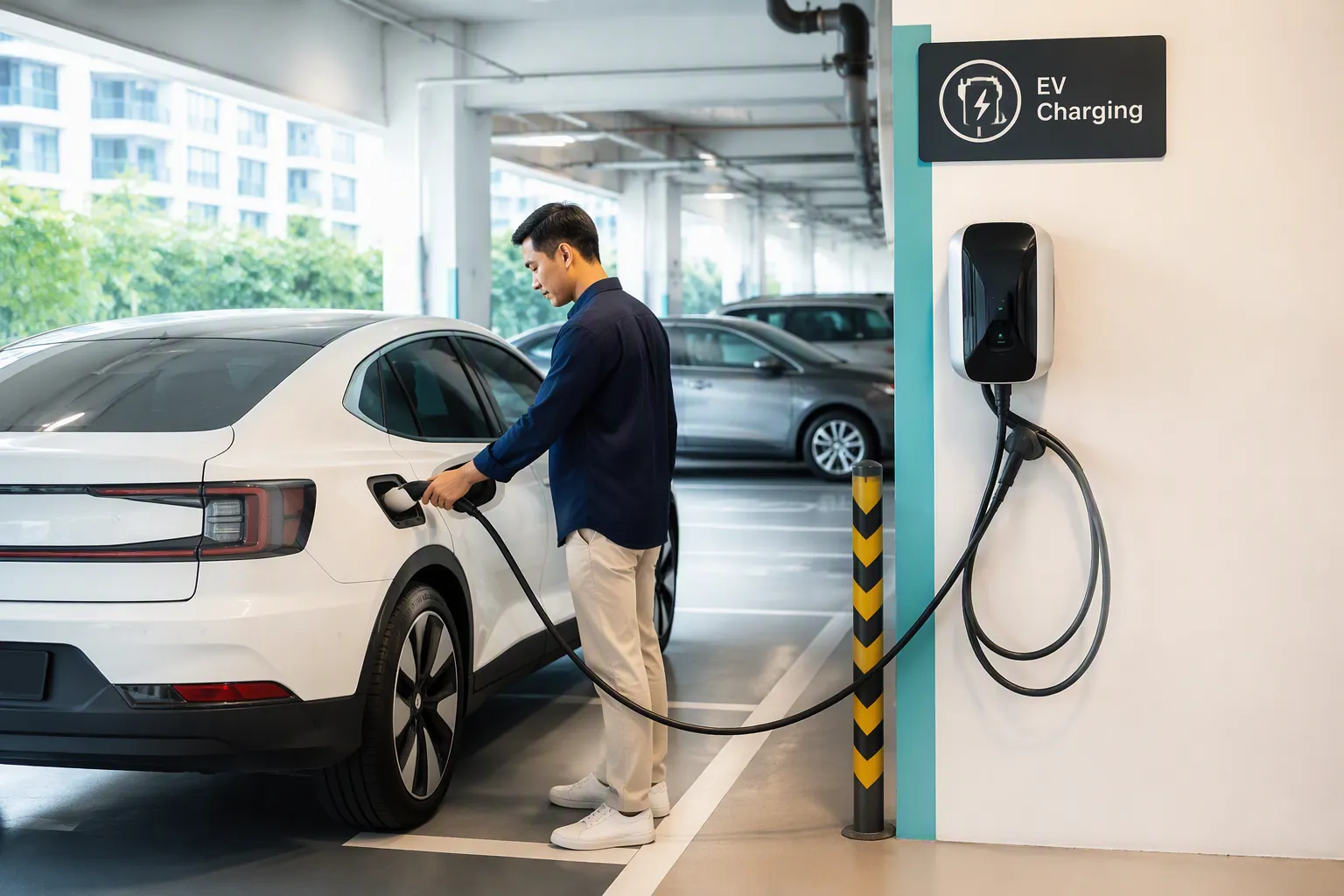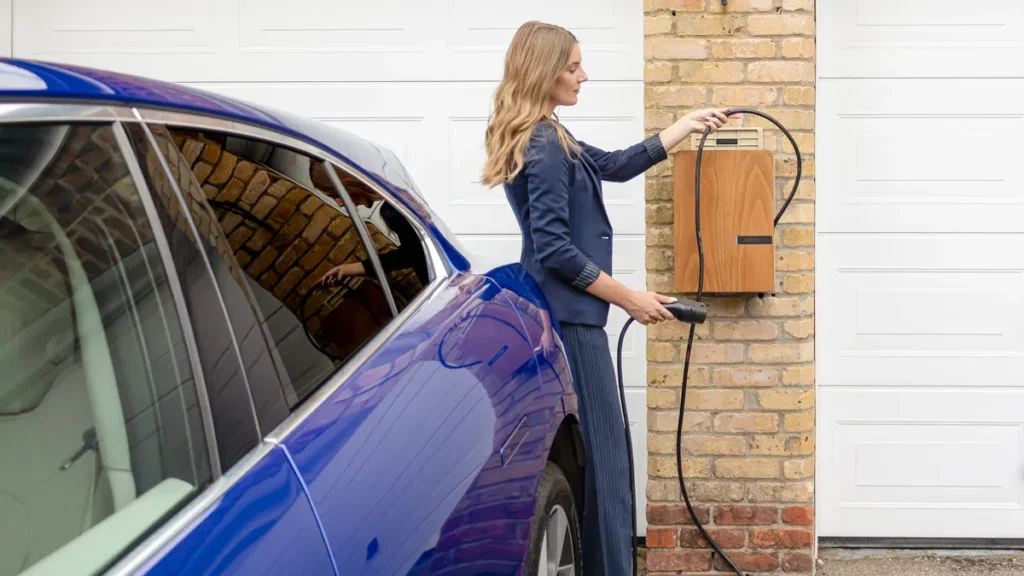
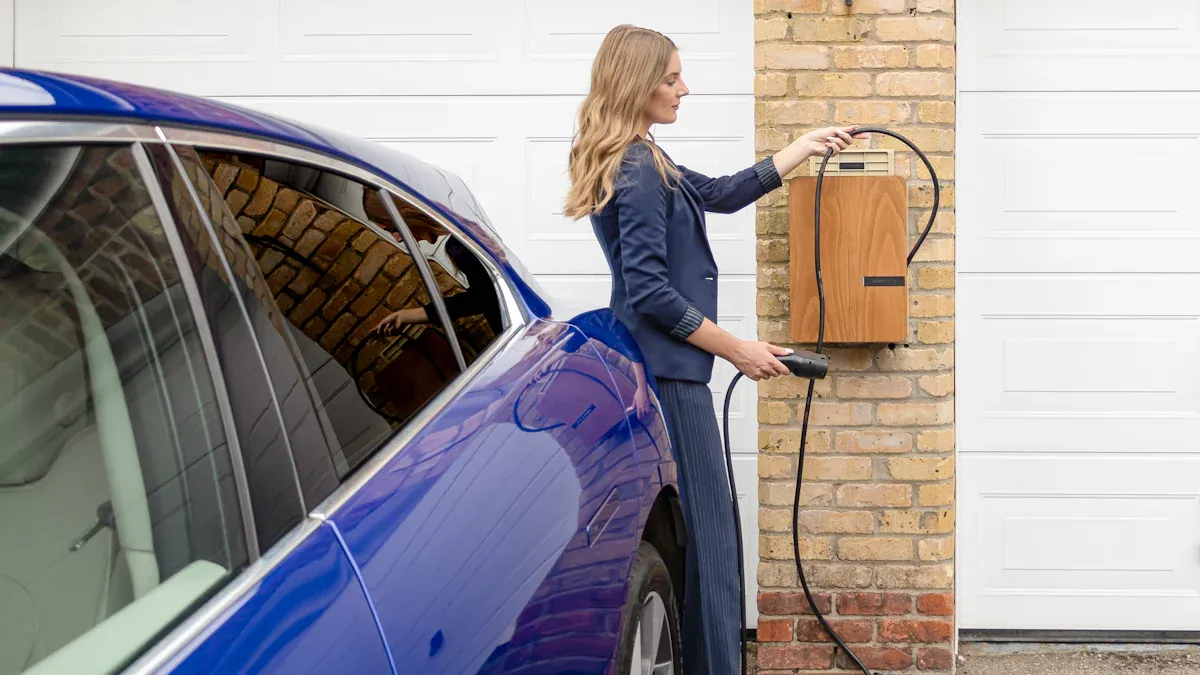
Banyak pengemudi mempertimbangkan untuk membeli pengisi daya EV rumah Pengisi daya listrik untuk kenyamanan yang lebih besar dan kendali atas kebutuhan pengisian daya mereka. Produsen pengisi daya EV terus memperluas pilihan, menawarkan solusi canggih Solusi pengisian daya kendaraan listrik untuk penggunaan individu maupun keluarga. Dengan 81% pemilik EV yang telah memasang titik pengisian daya di rumah, sebagian besar merasa investasi tersebut bernilai. Namun, mereka yang mengandalkan pengisi daya ev portabel pengisian daya di tempat kerja atau memiliki akses publik yang andal mungkin tidak mendapat manfaat sebanyak itu dari pemasangan di rumah.
Membeli Pengisi Daya EV Rumah: Analisis Biaya
Biaya Awal Membeli Pengisi Daya EV Rumah
Harga Pengisi Daya
Biaya awal untuk membeli pengisi daya EV rumah bergantung pada model dan fitur yang dipilih. TPSON, penyedia solusi pengisian daya kendaraan listrik yang canggih secara teknologi, menawarkan berbagai pengisi daya dengan kemampuan yang bervariasi. Sebagian besar unit pengisi daya standar berharga antara £650 dan £1.200. Model canggih dengan fitur pintar atau keluaran daya yang lebih tinggi mungkin memiliki harga yang lebih tinggi.
Biaya Instalasi
Biaya instalasi dapat bervariasi berdasarkan kompleksitas pemasangan dan jenis properti. Instalasi profesional memastikan keamanan dan kepatuhan terhadap peraturan setempat. Rata-rata biaya tenaga kerja untuk memasang pengisi daya EV rumah berkisar antara £200 hingga £500. Beberapa properti mungkin memerlukan pekerjaan tambahan, yang dapat meningkatkan total biaya tenaga kerja.
Izin dan Peningkatan Kelistrikan
Izin dan peningkatan kelistrikan mewakili biaya awal tambahan. Otoritas setempat seringkali memerlukan izin untuk instalasi pengisi daya, yang biasanya berbiaya antara £50 hingga £150. Peningkatan kelistrikan, seperti peningkatan panel atau perbaikan kabel, dapat menambah £150 hingga £500 pada total pengeluaran.
Tip: Pemilik rumah harus meminta penawaran rinci sebelum membeli pengisi daya EV rumah untuk menghindari biaya tak terduga.
Rincian biaya instalasi tipikal muncul di bawah ini:
| Komponen | Rentang Biaya (£) |
|---|---|
| Unit Pengisi Daya | 650 – 1,200 |
| Peningkatan Kelistrikan | 150 – 500 |
| Tenaga Kerja | 200 – 500 |
| Izin | 50 – 150 |
| Total Instalasi | 300 – 1,000 |
| Rata-rata Biaya Tenaga Kerja | 500 – 1,500 |
Biaya dan Penghematan Berkelanjutan
Tarif Listrik vs. Biaya Pengisian Daya Publik
Mengisi daya kendaraan listrik di rumah menawarkan penghematan signifikan dibandingkan dengan stasiun pengisian daya publik. Pengisian daya di rumah biasanya berbiaya antara 3,2p hingga 9p per mil. Tarif pengisian daya publik berkisar dari 15p hingga 23p per mil. Sepanjang tahun, pengisian daya di rumah dapat menghemat pemilik EV antara £500 dan £1.000 dibandingkan dengan bensin, dan sekitar £467 dibandingkan dengan pengisian daya publik.
- Pengisian daya rumah: 3,2p–9p per mil
- Pengisian daya publik: 15p–23p per mil
- Penghematan tahunan: £500–£1.000 vs. bensin; £467 vs. pengisian daya publik
Pemeliharaan dan Perbaikan
Pengisi daya EV rumah memerlukan perawatan minimal. Sebagian besar unit hanya perlu inspeksi dan pembersihan sesekali. Perbaikan jarang terjadi, terutama untuk pengisi daya dari penyedia terkemuka seperti TPSON. Cakupan garansi sering kali mencakup suku cadang dan tenaga kerja selama beberapa tahun, mengurangi risiko pengeluaran tak terduga.
Kredit Pajak dan Insentif
Banyak wilayah menawarkan insentif untuk membeli pengisi daya EV rumah. Ini dapat mencakup hibah, pengembalian dana, atau pengurangan biaya izin. Insentif dapat menurunkan biaya keseluruhan dan mendorong lebih banyak pemilik rumah untuk memasang stasiun pengisian daya. Pembeli harus memeriksa program lokal sebelum melakukan pembelian.
Nilai Jangka Panjang Membeli Pengisi Daya EV Rumah
Dampak pada Nilai Rumah
Memasang pengisi daya EV di rumah dapat meningkatkan nilai properti. Rumah dengan pengisi daya kendaraan listrik sering kali terjual seharga 13% lebih tinggi dari rata-rata lokal. Di beberapa area, peningkatan ini diterjemahkan menjadi kenaikan rata-rata sebesar £25.220. Sekitar 76% properti menunjukkan korelasi positif antara pemasangan pengisi daya dan peningkatan nilai. Pembeli yang sadar lingkungan dan mereka yang memiliki kendaraan listrik lebih menyukai rumah dengan kemampuan pengisian daya bawaan.
- Rumah dengan pengisi daya EV terjual hingga 13% lebih tinggi
- Rata-rata peningkatan nilai: £25.220 di area tertentu
- 76% properti menunjukkan peningkatan nilai
Pertimbangan Penjualan Kembali
Seiring dengan semakin populernya kendaraan listrik, permintaan akan rumah dengan fasilitas pengisian daya terus tumbuh. Pengisi daya EV meningkatkan daya tarik modern suatu properti dan menarik pembeli yang mencari kenyamanan dan keberlanjutan. Memasang stasiun pengisian daya rumah kemungkinan akan meningkatkan nilai rumah dan membuatnya lebih menarik bagi calon pembeli di masa depan.
Catatan: Mempersiapkan properti untuk masa depan dengan membeli pengisi daya EV rumah dapat memberikan manfaat finansial jangka panjang dan menarik bagi lebih banyak calon pembeli.
Membeli Pengisi Daya EV Rumah untuk Kenyamanan
Mengisi Daya Sesuai Jadwal Anda Sendiri
Manfaat Pengisian Daya Semalaman
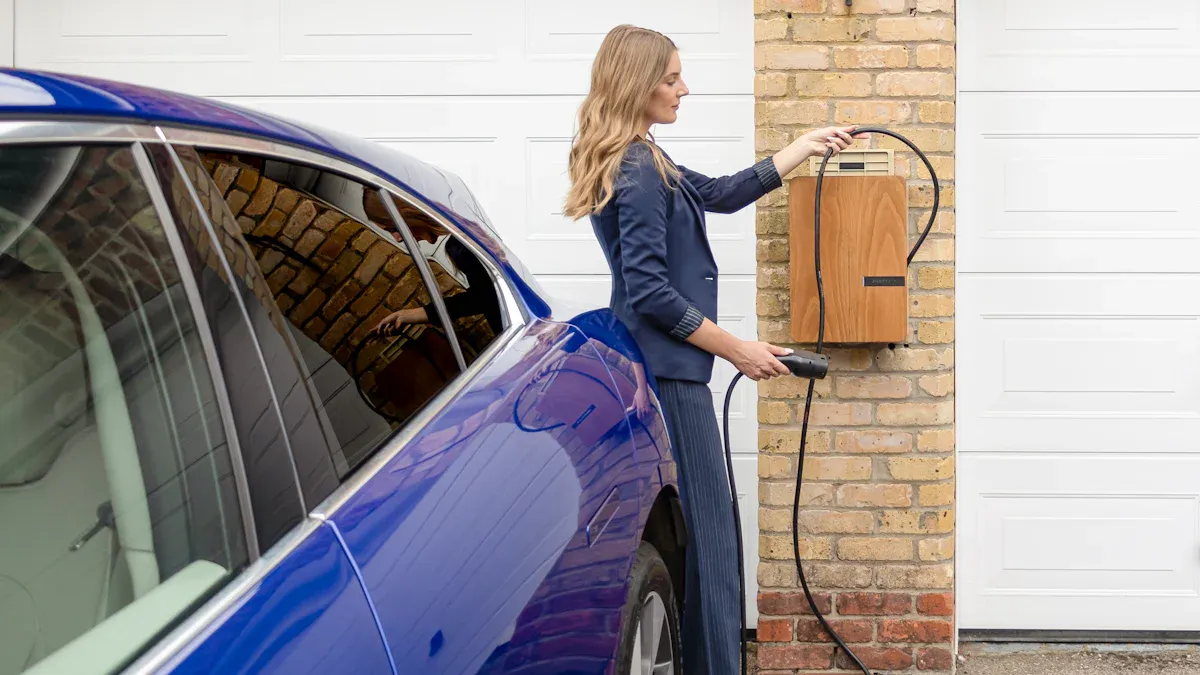
Pemilik rumah yang memasang pengisi daya EV mendapatkan kemampuan untuk mengisi daya kendaraan mereka semalaman. Pendekatan ini memanfaatkan tarif listrik di luar jam sibuk, yang seringkali lebih murah daripada tarif siang hari. Pengisian daya semalaman memastikan kendaraan siap digunakan setiap pagi, menghilangkan kecemasan akan jangkauan. Keluarga dengan beberapa kendaraan listrik mendapat manfaat dari pengaturan ini, karena setiap mobil dapat menerima pengisian daya penuh tanpa bersaing untuk tempat pengisian daya publik.
- Pengisian daya rumah menyediakan titik pribadi, yang selalu tersedia dan terintegrasi mulus ke dalam rutinitas sehari-hari.
- Pengisian daya semalaman memastikan kendaraan listrik terisi penuh dengan memanfaatkan listrik di luar jam sibuk yang murah.
Tidak Perlu Mengantri
Mengisi daya di rumah menghilangkan kebutuhan untuk menunggu stasiun pengisian daya publik yang tersedia. Pemilik EV di Inggris menghabiskan rata-rata 2-3 jam per bulan di stasiun pengisian daya publik. Dengan mengisi daya di rumah, mereka menghemat sekitar 30-40 jam per tahun. Waktu ini dapat dialihkan untuk pekerjaan, keluarga, atau kegiatan rekreasi.
- Pengisian daya rumah menghilangkan antrian di stasiun publik.
- Pemilik mendapatkan kembali waktu berharga setiap bulan.
Menghindari Kesulitan Pengisian Daya Publik
Ketersediaan dan Keandalan
Stasiun pengisian daya publik menghadirkan beberapa tantangan. Ketersediaannya berfluktuasi, terutama pada jam sibuk. Sekitar 10 persen dari jaringan pengisian daya publik tidak tersedia pada waktu tertentu karena perawatan atau kerusakan. Keandalan bervariasi antar jaringan, dan waktu pengisian yang lebih lama pada pengisi daya publik yang lambat membuat banyak pengguna frustrasi.
| Kendala Umum Pengisian Daya Publik | Deskripsi |
|---|---|
| Ketersediaan selama jam sibuk | Titik pengisian daya mungkin terisi atau offline |
| Kompatibilitas dan keandalan | Jaringan berbeda dalam jenis konektor dan waktu aktif |
| Waktu pengisian daya lebih lama | Pengisi daya lambat memperpanjang waktu tunggu |
| Jaringan mati | 10% stasiun tidak tersedia karena kerusakan |
Pengisian daya di rumah menawarkan keandalan lebih besar. Pemilik mengontrol proses pengisian daya dan jarang mengalami kerusakan atau waktu henti.
| Jenis Pengisian Daya | Deskripsi Keandalan |
|---|---|
| Pengisian Daya Rumah | Sebagian besar andal, di bawah kendali pemilik |
| Pengisian Daya Publik | Keandalan bervariasi, dipengaruhi kerusakan & waktu sibuk |
Lokasi dan Waktu Perjalanan
Stasiun pengisian daya umum mungkin tidak terletak di lokasi yang nyaman. Pengemudi sering kali harus menempuh perjalanan yang tidak sesuai rute untuk menemukan pengisi daya yang tersedia. Pengisian daya di rumah menghilangkan ketidaknyamanan ini, memungkinkan pemilik untuk mencolokkan kendaraan mereka di tempat tinggal mereka.
Tip: Pengisian daya di rumah memberikan penghematan biaya yang signifikan dengan memanfaatkan listrik residensial yang lebih murah.
Mengelola Beberapa EV di Rumah
Keluarga dan Rumah Tangga Multi-Mobil
Keluarga dengan lebih dari satu kendaraan listrik merasakan manfaat signifikan dari pemasangan pengisi daya EV rumah. Titik pengisian daya pribadi memastikan setiap kendaraan menerima daya yang memadai tanpa konflik penjadwalan. Pengisi daya pintar meningkatkan kenyamanan dengan menawarkan kendali jarak jauh, penjadwalan, dan pemantauan real-time melalui aplikasi smartphone.
- Pengisian daya di rumah menghilangkan kecemasan jarak tempuh dan antrean pengisi daya publik dengan menawarkan akses eksklusif sesuai permintaan.
- Biaya awal pemasangan pengisi daya EV rumah dibenarkan oleh penghematan jangka panjang pada tagihan listrik dan pengurangan biaya pengisian daya publik.
Membeli pengisi daya EV rumah menyederhanakan rutinitas harian untuk rumah tangga multi-mobil dan mendukung gaya hidup modern yang berkelanjutan.
Kecepatan Pengisian Daya dan Kompatibilitas Saat Membeli Pengisi Daya EV Rumah
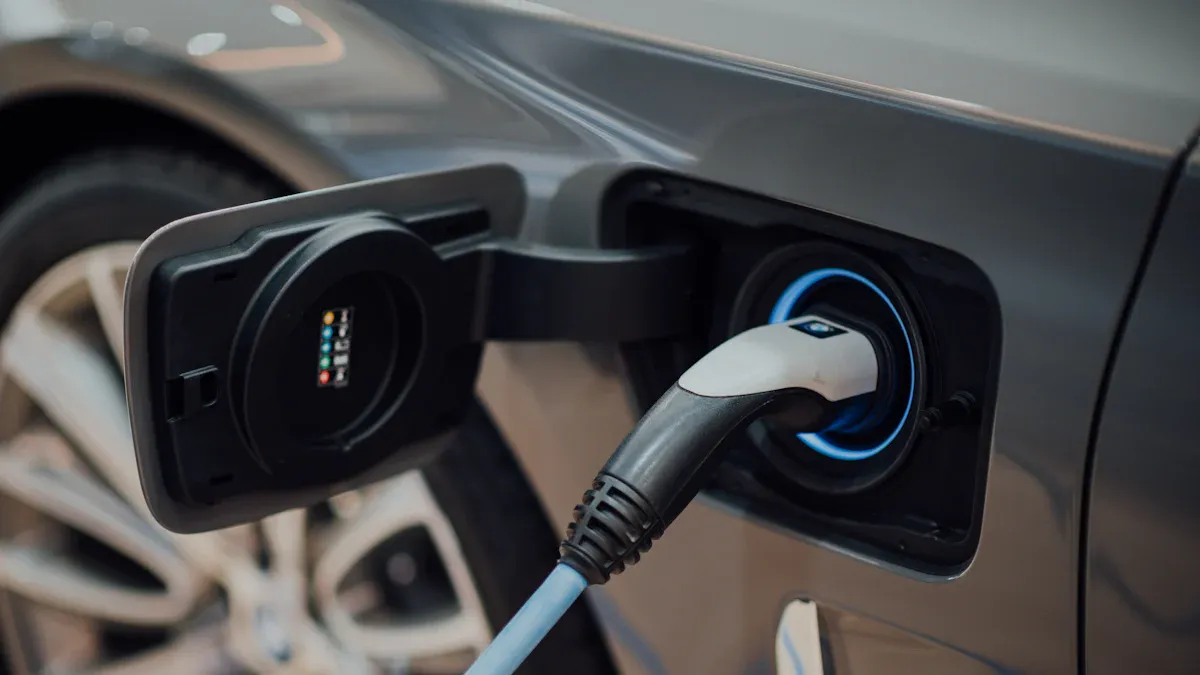
Jenis Pengisi Daya EV Rumah
Pengisi Daya Level 1 vs Level 2
Pemilik kendaraan listrik sering memilih antara Level 1 dan Pengisi daya level 2 untuk penggunaan rumah. Pengisi daya Level 1 menggunakan soket standar 120V dan memberikan kecepatan pengisian lambat, biasanya menambah jarak 2 hingga 5 mil per jam. Pengisi daya Level 2 membutuhkan koneksi 240V dan memberikan pengalaman pengisian daya yang jauh lebih cepat, menambah 10 hingga 60 mil per jam. Sebagian besar pemilik rumah lebih memilih pengisi daya Level 2 untuk penggunaan sehari-hari karena mengurangi waktu pengisian dan menawarkan kenyamanan lebih besar.
| Jenis Pengisi Daya | Tegangan | Kecepatan Pengisian Daya (mil per jam) |
|---|---|---|
| Level 1 | 120V | 2-5 |
| Level 2 | 240V | 10-60 |
Pengisian Daya Cepat di Rumah: Apakah Mungkin?
Pengisi daya cepat publik menggunakan arus searah (DC) dan memberikan kecepatan pengisian daya yang cepat, tetapi sebagian besar rumah tidak dapat mendukung teknologi ini karena keterbatasan kelistrikan. Pengisi daya Level 2 tetap menjadi opsi praktis tercepat untuk lingkungan residensial. Tabel di bawah ini membandingkan kecepatan pengisian daya:
| Metode Pengisian Daya | Kecepatan Pengisian Daya | Waktu Pengisian Daya |
|---|---|---|
| Pengisi Daya Rumah Level 2 | Hingga 7,2 kW | 8 hingga 10 jam untuk pengisian penuh |
| Pengisi Daya Cepat Publik (DC) | 50 kW hingga 350 kW | 80% pengisian dalam waktu di bawah 30 menit |
Menyesuaikan EV Anda dengan Pengisi Daya Rumah yang Tepat
Kompatibilitas Kendaraan
Memilih pengisi daya yang tepat melibatkan lebih dari sekadar kecepatan. Pemilik harus mempertimbangkan beberapa faktor untuk memastikan kompatibilitas:
- Identifikasi kebutuhan daya rumah Anda dan kebutuhan EV Anda.
- Pahami kemampuan pengisian daya EV Anda, termasuk tingkat pengisian daya maksimum.
- Pastikan instalasi profesional pengisi daya rumah untuk mematuhi peraturan keselamatan.
Pengisi daya yang sesuai dengan spesifikasi kendaraan akan memaksimalkan efisiensi dan keselamatan.
Persiapan untuk Model Baru di Masa Depan
Model kendaraan listrik masa depan akan memerlukan pengisi daya rumah yang kompatibel dengan teknologi canggih seperti sistem vehicle-to-grid (V2G) dan vehicle-to-home (V2H). Inovasi ini memungkinkan EV berfungsi sebagai unit penyimpanan energi untuk rumah. Pengisi daya pintar akan menjadi penting untuk mengelola aliran energi dan mengoptimalkan penggunaan. Seiring dengan pertumbuhan adopsi EV, pemilik rumah harus mempertimbangkan pengisi daya dengan kapasitas lebih tinggi dan fitur pintar untuk tetap siap menghadapi model baru.
Seberapa Cepat Mobil Anda Terisi di Rumah?
Waktu Pengisian Daya Khas
Sebagian besar model EV populer terisi penuh dalam 8 hingga 10 jam menggunakan pengisi daya rumah Level 2. Pengisi daya 7,2 kW dapat mengisi ulang baterai kosong semalaman, memastikan kendaraan siap untuk penggunaan sehari-hari.
- Waktu pengisian daya rata-rata untuk model EV populer menggunakan pengisi daya rumah Level 2 umumnya antara 8 hingga 10 jam.
- Pengisi daya rumah 7,2 kW yang umum dapat mengisi ulang banyak EV dari kosong hingga penuh dalam sekitar 8 hingga 10 jam.
Faktor yang Mempengaruhi Kecepatan
Beberapa elemen mempengaruhi kecepatan pengisian daya di rumah. Jenis pengisi daya, tegangan, dan spesifikasi kendaraan semuanya berperan.
| Jenis Pengisi Daya | Tegangan | Kecepatan Pengisian Daya (mil per jam) |
|---|---|---|
| Level 1 | 120V | 2-5 |
| Level 2 | 240V | 10-60 |
Pertimbangan lainnya meliputi:
- Pengisian daya di rumah umumnya lebih murah (5–8p per mil) dibandingkan dengan pengisian daya publik (12–25p per mil).
- Pengisian daya semalaman memastikan baterai penuh setiap hari.
- Pengisi daya pintar memungkinkan penjadwalan, memberikan pemilik kendali atas waktu pengisian daya.
Saat membeli pengisi daya EV rumah, pemahaman atas faktor-faktor ini membantu pemilik memilih solusi terbaik untuk kebutuhan mereka.
Apakah Membeli Pengisi Daya EV Rumah Sesuai dengan Gaya Hidup Anda?
Kebiasaan Mengemudi Harian
Perjalanan Singkat vs. Perjalanan Jauh Berkendara
Pola berkendara memainkan peran penting dalam menentukan nilai membeli pengisi daya EV rumah. Individu dengan perjalanan harian singkat mungkin tidak perlu mengisi daya kendaraan mereka setiap malam. Pemilik kendaraan listrik dengan baterai lebih besar dan jangkauan lebih jauh dapat menggunakannya beberapa hari tanpa pengisian daya. Namun, pengemudi jarak jauh yang sering berkendara mendapat manfaat dari kenyamanan pengisian daya di rumah, karena memastikan kendaraan mereka tetap siap digunakan.
- Jarak harian pendek mengurangi kebutuhan pengisian daya setiap malam.
- Baterai lebih besar dengan jangkauan lebih jauh memerlukan pengisian daya yang lebih jarang.
- Pengisian daya di rumah mendorong kebiasaan pengisian yang lebih konsisten.
Penggunaan Sesekali vs. Penggunaan Sering
Orang yang menggunakan kendaraan listriknya sesekali mungkin merasa stasiun pengisian daya umum sudah cukup. Pengemudi yang sering, terutama dengan jadwal tidak terduga, mendapatkan fleksibilitas dan ketenangan pikiran dari memiliki pengisi daya khusus di rumah. Periode impas untuk berinvestasi dalam pengisi daya EV rumah biasanya berkisar satu hingga dua tahun, tergantung pada rata-rata jarak tempuh harian dan biaya pengisian daya.
Kepemilikan Rumah dan Situasi Tempat Tinggal
Penyewa vs. Pemilik Rumah
Pemilik rumah memiliki kendali lebih besar atas modifikasi properti, sehingga pemasangan menjadi mudah. Penyewa menghadapi beberapa tantangan saat mempertimbangkan pengisi daya EV rumah. Tabel di bawah ini menguraikan hambatan umum:
| Tantangan | Deskripsi |
|---|---|
| Kendala Manajemen Properti | Perusahaan manajemen sering memberlakukan biaya tinggi dan dapat menolak permintaan tanpa alasan yang tepat. |
| Jarak dari Sumber Listrik | Penyewa mungkin menemukan tempat parkir mereka jauh dari sumber listrik, sehingga pemasangan tidak praktis. |
| Izin Pemilik Rumah | Penyewa perlu mendapatkan izin dari pemilik rumah, yang bisa menjadi hambatan meskipun ada bantuan dana tersedia. |
Tantangan Apartemen dan Kondominium
Penghuni apartemen dan kondominium menghadapi hambatan tambahan. Area parkir bersama dan akses terbatas ke infrastruktur listrik mempersulit pemasangan. Banyak manajer properti ragu-ragu menyetujui modifikasi, bahkan ketika ada bantuan pemerintah untuk menutup biaya. Faktor-faktor ini sering membuat pengisian daya umum menjadi satu-satunya pilihan yang layak bagi penghuni bangunan multi-unit.
Tip: Penyewa dan penghuni apartemen harus berkonsultasi dengan manajemen properti dan otoritas lokal sebelum melanjutkan pemasangan.
Akses ke Pengisian Daya Umum
Area Perkotaan vs. Pinggiran Kota vs. Pedesaan
Akses ke infrastruktur pengisian daya umum sangat bervariasi berdasarkan lokasi. Tabel berikut menyoroti fitur utama di area berbeda:
| Jenis Area | Fitur Utama Infrastruktur Pengisian |
|---|---|
| Perkotaan | Konversi pengisian daya tiang lampu untuk 2,5 juta rumah tangga tanpa jalan masuk. Solusi pengisian daya bawah tanah di area padat. Pusat pengisian daya komunitas dengan berbagai kecepatan dan layanan pengisian. |
| Pinggiran Kota | Pusat pengisian daya komunitas menggantikan pompa bensin dengan pusat layanan EV komprehensif. Integrasi tempat pengisian daya dengan fasilitas seperti kedai kopi. |
| Pedesaan | Pendanaan £200 juta untuk infrastruktur pengisian daya pedesaan. Unit pengisian daya bergerak untuk solusi sementara. Koridor pengisian cepat setiap 15 mil menghubungkan area pedesaan ke rute transportasi. |
Opsi Pengisian Daya di Tempat Kerja
Banyak pemberi kerja kini menawarkan stasiun pengisian daya di tempat kerja. Karyawan yang bepergian ke kantor dengan fasilitas pengisian daya mungkin merasa kurang perlu memasang di rumah. Namun, mereka yang tidak memiliki akses andal di tempat kerja atau yang bekerja jarak jauh lebih diuntungkan dengan membeli pengisi daya EV rumah.
Catatan: Mengevaluasi rutinitas harian dan infrastruktur pengisian lokal membantu individu memutuskan apakah pengisian daya di rumah sesuai dengan gaya hidup mereka.
Potensi Kekurangan Membeli Pengisi Daya EV Rumah
Kekhawatiran Investasi Awal
Kendala Anggaran
Banyak pemilik EV ragu-ragu membeli pengisi daya rumah karena investasi awal. Biaya pengisi daya, pemasangan, dan peningkatan yang diperlukan dapat melebihi £1.000, terutama di rumah dengan sistem listrik lama. Beberapa pemilik rumah juga harus membayar izin atau kabel tambahan, yang meningkatkan total pengeluaran. Untuk pembeli dengan anggaran terbatas, biaya ini mungkin melebihi manfaat pengisian daya di rumah.
Ketidakpastian Durasi Kepemilikan EV
Individu yang tidak yakin berapa lama mereka akan memiliki kendaraan listrik mungkin merasa sulit membenarkan pengeluaran awal. Jika seseorang berencana pindah segera atau kembali ke kendaraan bensin, investasi dalam pengisi daya rumah mungkin tidak terbayarkan. Periode impas untuk pengisi daya rumah sering kali berkisar satu hingga dua tahun, sehingga pemilik EV jangka pendek mungkin tidak melihat penghematan signifikan.
Tantangan Pemasangan
Keterbatasan Sistem Listrik
Sebelum memasang pengisi daya EV rumah, seorang teknisi listrik bersertifikat harus menilai sistem listrik properti. Evaluasi ini menentukan apakah rumah dapat mendukung pengisi daya Level 2 atau jika peningkatan diperlukan. Rumah lama sering memerlukan peningkatan panel atau kabel baru, yang dapat menambah biaya signifikan. Kompleksitas pemasangan juga memengaruhi harga akhir, karena lebih banyak tenaga kerja dan material meningkatkan biaya.
| Faktor | Deskripsi |
|---|---|
| Jenis Pengisi Daya | Pilihan antara pengisi daya Level 1 dan Level 2 memengaruhi biaya pemasangan. |
| Kompleksitas Pemasangan | Pemasangan yang lebih kompleks memerlukan biaya lebih tinggi karena tenaga kerja dan material. |
| Peningkatan Kelistrikan | Meningkatkan sistem listrik rumah dapat menambah biaya signifikan pada pemasangan. |
| Tarif Pemasang | Tarif pemasang profesional bervariasi dan memengaruhi biaya pemasangan keseluruhan. |
Pemasangan yang tepat oleh teknisi listrik bersertifikat memastikan keselamatan dan kepatuhan terhadap peraturan lokal. Pemilik rumah harus selalu meminta penilaian rinci sebelum melanjutkan.
HOA dan Peraturan Lokal
Asosiasi pemilik rumah (HOA) dan otoritas lokal dapat memberlakukan pembatasan pada pemasangan pengisi daya. Beberapa lingkungan memerlukan izin, yang menambah biaya dan waktu. Yang lain mungkin membatasi modifikasi eksterior atau memerlukan metode pemasangan tertentu. Aturan ini dapat menunda atau bahkan mencegah pemasangan pengisi daya EV rumah.
Kapan Membeli Pengisi Daya EV Rumah Mungkin Tidak Menguntungkan
Pengemudi dengan Jarak Tempuh Rendah
Pengemudi yang menempuh jarak pendek setiap minggu mungkin tidak memerlukan kenyamanan pengisi daya rumah. Pengguna EV sesekali sering dapat mengandalkan stasiun pengisian daya umum tanpa masalah. Biaya memasang pengisi daya rumah mungkin tidak sebanding dengan penggunaan terbatas, terutama jika kendaraan jarang memerlukan pengisian penuh.
Akses Andal ke Pengisian Daya Umum
Beberapa pemilik EV tinggal atau bekerja di dekat stasiun pengisian daya umum yang andal. Dalam kasus ini, kebutuhan akan pengisi daya rumah berkurang. Banyak tempat kerja kini menawarkan fasilitas pengisian daya, memungkinkan karyawan mengisi daya di siang hari. Penduduk perkotaan juga dapat memanfaatkan pusat pengisian daya komunitas atau pengisi daya tiang lampu. Bagi pengemudi ini, infrastruktur umum memberikan alternatif yang praktis dan hemat biaya.
Tip: Evaluasi kebiasaan berkendara harian dan opsi pengisian daya lokal sebelum berinvestasi dalam pengisi daya EV rumah. Tidak setiap pemilik EV akan mendapat manfaat yang sama dari pemasangan di rumah.
Membeli pengisi daya EV rumah menawarkan kenyamanan signifikan, penghematan biaya, dan peningkatan nilai properti. Pemilik yang sering berkendara atau memiliki akses terbatas ke pengisian daya umum mendapat manfaat paling besar. Mereka dengan perjalanan singkat atau pengisian daya di tempat kerja yang andal mungkin tidak memerlukan unit rumah.
Tip: Evaluasi kebiasaan mengemudi dan infrastruktur lokal sebelum berinvestasi.
Pengisi daya EV rumah cocok untuk pemilik rumah dengan penggunaan EV rutin, sementara pengguna sesekali atau penyewa mungkin lebih memilih opsi publik.
PERTANYAAN YANG SERING DIAJUKAN
Berapa umur tipikal pengisi daya EV rumah?
Sebagian besar pengisi daya EV rumah bertahan antara 8 hingga 10 tahun. Produsen seperti TPSON menawarkan garansi yang mencakup suku cadang dan tenaga kerja selama beberapa tahun. Inspeksi dan pembersihan rutin membantu memperpanjang masa pakai.
Dapatkah pengisi daya EV rumah bekerja dengan semua kendaraan listrik?
Sebagian besar pengisi daya mendukung konektor standar seperti Type 2 atau CCS. Pemilik harus memeriksa kompatibilitas dengan kendaraan mereka sebelum membeli. Beberapa model menawarkan adaptor untuk jenis colokan yang berbeda.
Apakah aman memasang pengisi daya EV rumah tanpa bantuan profesional?
Teknisi listrik bersertifikat harus memasang pengisi daya EV rumah. Pemasangan profesional memastikan keamanan dan kepatuhan terhadap peraturan lokal. Pemasangan DIY dapat menyebabkan bahaya listrik dan membatalkan garansi.
Berapa biaya mengisi EV di rumah?
Pengisian daya di rumah biasanya berbiaya antara 3,2p hingga 9p per mil. Biaya pastinya tergantung pada tarif listrik lokal dan ukuran baterai kendaraan. Pengisian daya di rumah tetap lebih murah daripada pengisian daya publik.
Apakah pengisi daya EV rumah memerlukan perawatan rutin?
Pengisi daya EV rumah membutuhkan perawatan minimal. Pemilik harus memeriksa kabel dan konektor untuk keausan. Membersihkan unit dan memeriksa pembaruan perangkat lunak membantu menjaga kinerja.
Dapatkah pemasangan pengisi daya EV rumah meningkatkan nilai properti?
Properti dengan pengisi daya EV rumah sering dijual hingga 13% lebih tinggi daripada rumah sejenis. Pembeli menghargai fitur kenyamanan dan keberlanjutan. Agen properti merekomendasikan untuk menyorot pemasangan pengisi daya dalam daftar properti.
Apakah ada insentif pemerintah untuk memasang pengisi daya EV rumah?
Banyak wilayah menawarkan hibah, pengembalian dana, atau kredit pajak untuk pemasangan pengisi daya EV rumah. Insentif dapat mengurangi biaya awal. Pemilik harus meneliti program lokal sebelum membeli pengisi daya.