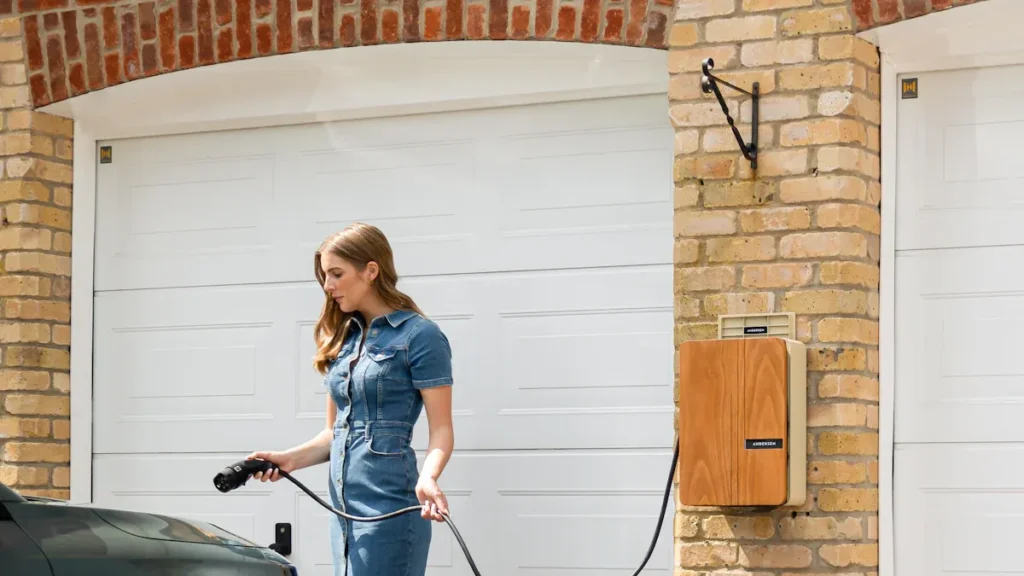
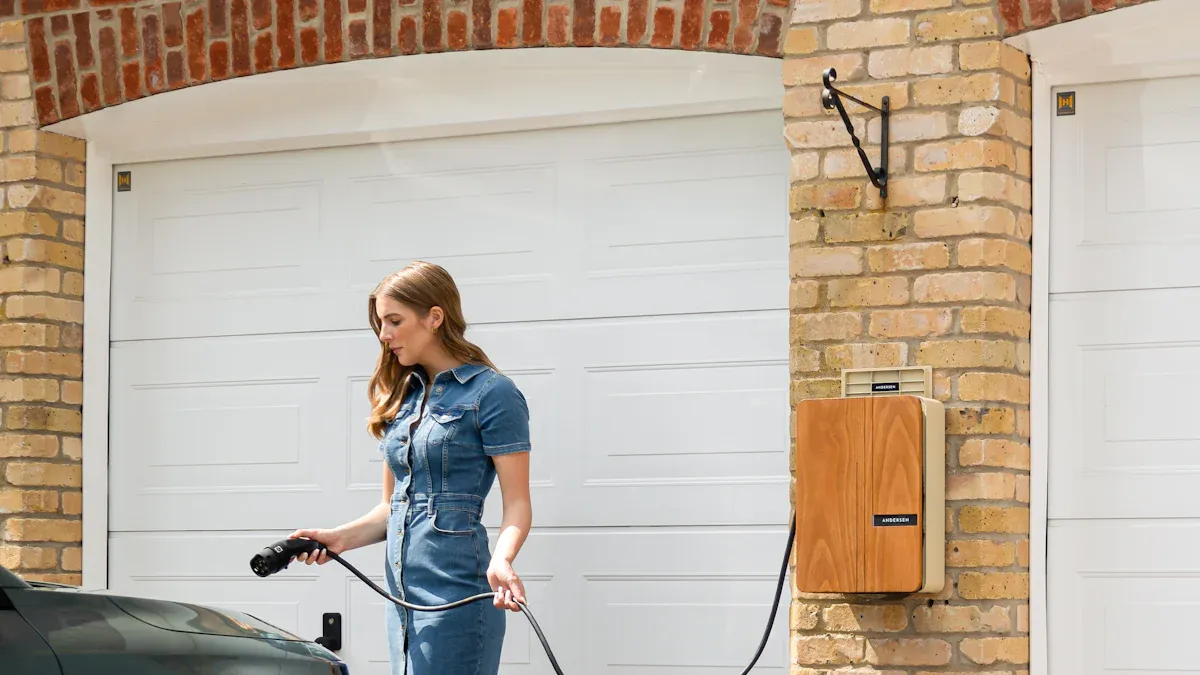
Using an extension cord with a Level 1 Pengisi Daya Listrik in Spain raises significant safety concerns. Produsen pengisi daya EV and local regulations warn against this practice because extension cord use often leads to overheating, fire hazards, and compromised safety features. Homeowners must recognize that improper extension cord selection puts both the electric car and home at risk. Common problems include:
- Overheating from sustained current flow through the extension cord
- Increased risk of electrical fires when the extension cord is not rated for EV charging
- Compromised safety mechanisms in pengisi daya ev portabel dan Solusi pengisian daya kendaraan listrik
Prioritizing extension cord safety and following expert recommendations ensures reliable charging and protects Spanish homes.
Extension Cord Safety and Level 1 Electric Car Charging
What Is a Level 1 EV Charger?
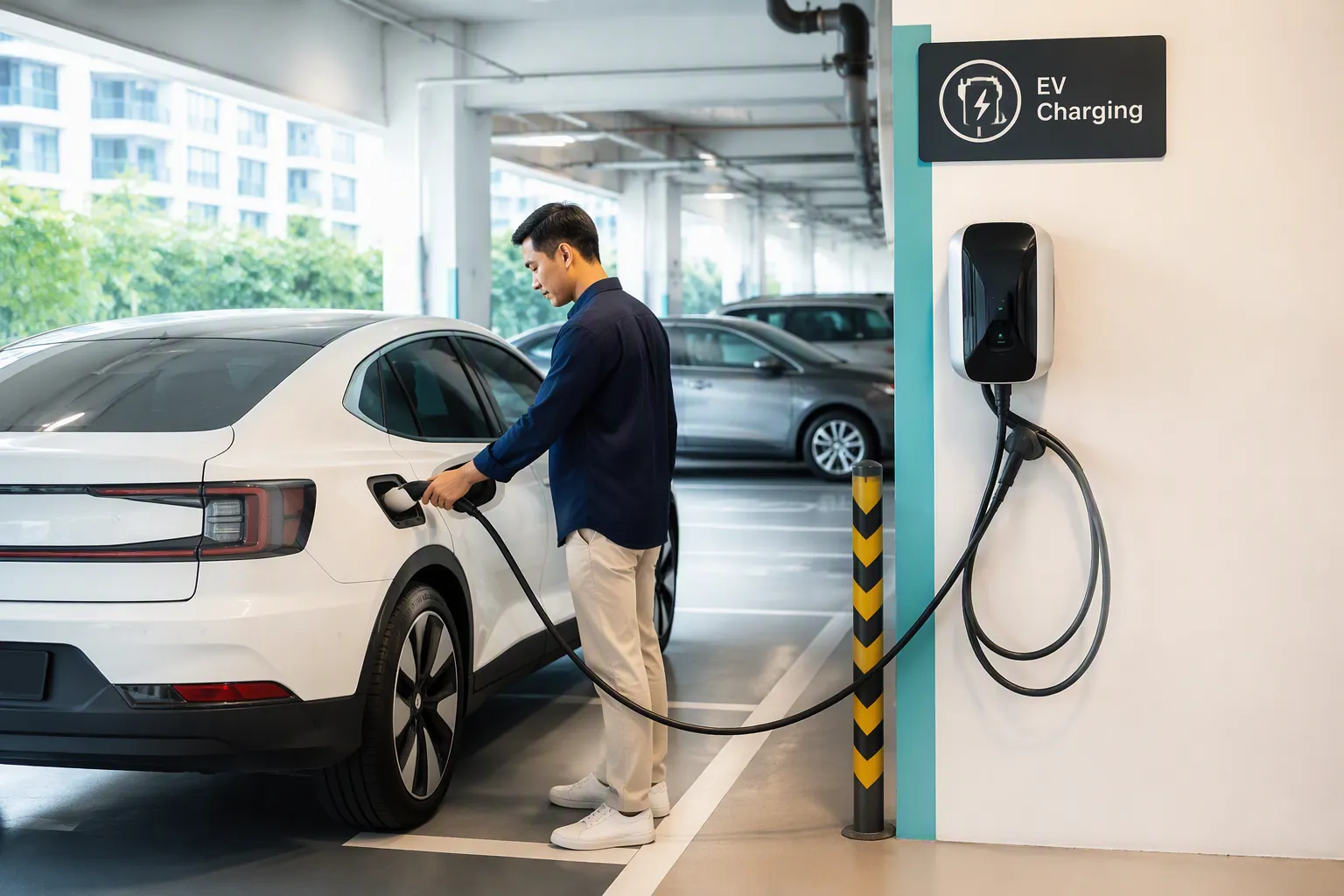
A Level 1 ev charger represents the most basic charging station for electric vehicles. This charger connects directly to a standard household outlet. Many Spanish homeowners receive a Level 1 ev charger with their new ev. The charger operates at 230 volts, which matches the typical voltage in Spanish homes. The ev charger provides a slow but steady charging process. Most drivers use this charger overnight or during long periods when the ev remains parked. The charger offers convenience, but it also comes with limitations. The ev charger does not require complex installation, so many users set up the charging station in their garage or driveway.
The kabel ekstensi often enters the conversation when the charging station sits far from the outlet. Homeowners may consider using an extension cord to bridge the gap. However, the ev charger manufacturer rarely recommends this practice. The extension cord can introduce risks that affect the charger, the ev, and the charging station.
How Level 1 Charging Works in Spanish Homes
Spanish homes typically feature a 230-volt electrical system. The Level 1 ev charger plugs into a standard socket. The charger draws a moderate current, usually between 8 and 10 amps. The charging station delivers power to the ev battery at a slow rate. Most ev owners expect a full charge after 8 to 12 hours. The charger works best when the charging station sits close to the main electrical panel. The extension cord may seem like a simple solution for distant charging stations, but it can create problems. The charger relies on stable voltage and current. The extension cord can cause voltage drops, which reduce charging efficiency. The ev charger may not function properly if the extension cord cannot handle the required load.
Tip: Always check the compatibility of your extension cord with the ev charger before use. Incompatible cords can lead to overheating and safety hazards.
Typical Power Requirements and Limitations
The Level 1 ev charger requires a steady supply of electricity. The charger draws continuous power for several hours. The charging station must support this demand without interruption. The extension cord must match the power rating of the charger and the ev. If the extension cord falls short, it can overheat or fail. The charger may stop working, or the ev may not receive a full charge. Compatibility between the extension cord, the charger, and the charging station remains critical. Spanish homes often have older wiring, which can limit the safe use of an extension cord. The charger and the ev both depend on reliable connections. The charging station should never rely on a damaged or low-quality extension cord.
The table below summarizes the key requirements for safe Level 1 ev charger use in Spanish homes:
| Persyaratan | Safe Practice | Risk with Extension Cord |
|---|---|---|
| Tegangan | 230V | Possible voltage drop |
| Saat ini | 8-10A | Overheating if cord is underrated |
| Kompatibilitas | Manufacturer-approved charger only | Masalah kompatibilitas |
| Charging Station Location | Near outlet | Extension cord may be needed |
The charger, the ev, and the charging station all benefit from direct connections. The extension cord should only serve as a last resort, and only if it meets strict compatibility standards.
Extension Cord Safety: Can You Use One for Electric Car Charging?
Manufacturer Recommendations on Extension Cord Use
Major ev charger manufacturers in Europe, including those supplying the Spanish market, maintain strict positions on extension cord use. They design each ev charger to operate safely when plugged directly into a compatible outlet. Most manufacturers discourage the use of a household extension cord for charging an ev. The main reasons include the risk of overheating, fire hazards, and the potential for voiding warranties on both the charger and the electric car.
- Manufacturers advise against using conventional, domestic-grade extension cords for ev charging.
- They recommend using only extension cords specifically designed for ev charging, and only when absolutely necessary.
- The preferred solution remains the installation of a dedicated charging station.
- Charging an ev with a household extension cord is highly discouraged due to safety risks.
- Using a household extension cord may affect the warranty of the ev charger or the vehicle.
These recommendations reflect the importance of following the manufacturer’s guidelines. TPSON, a technologically advanced electric vehicle charging solution provider, also emphasizes the need for proper installation and direct connections. They highlight that extension cord safety cannot be guaranteed with standard cords, especially when charging an ev for extended periods.
Spanish Electrical Codes and Extension Cord Safety
Spanish electrical codes set clear standards for home wiring and appliance connections. These codes require that high-power devices, such as an ev charger, connect directly to a fixed outlet. The regulations aim to protect homeowners from electrical faults, overheating, and fire. Extension cord safety becomes a concern when users attempt to bypass these requirements.
The Spanish code does not explicitly ban extension cord use for ev charging, but it does mandate that all connections must support the continuous current drawn by the charger. Most extension cords available in hardware stores do not meet these standards. The code also requires that any extension cord used for high-power applications must have the correct wire gauge, insulation, and certification. Failure to comply with these rules can result in insurance issues or legal liability if an incident occurs.
Note: Homeowners should always consult a licensed electrician before using an extension cord with an ev charger. This step ensures compliance with local codes and reduces the risk of electrical hazards.
Real-World Scenarios in Spanish Homes
Many Spanish homes feature garages or parking spaces located far from the main electrical panel. In these cases, homeowners often consider using an extension cord to connect the ev charger to the nearest outlet. This approach may seem convenient, but it introduces several risks.
For example, a homeowner might use a long extension cord to reach the charger in an outdoor parking area. If the extension cord lacks the proper rating, it can overheat during charging. Overheating can damage the charger, the ev, or even start a fire. In older homes, the wiring may not support the continuous load required by the charger, increasing the risk of electrical faults.
Some homeowners attempt to use multiple extension cords joined together. This practice increases resistance and the chance of voltage drops, which can cause the charger to operate inefficiently. The ev may not receive a full charge, or the charger may shut down unexpectedly.
TPSON recommends that Spanish homeowners avoid these scenarios by installing a dedicated outlet or a professionally installed charging station. These solutions provide the safest and most reliable way to charge an ev at home. Following extension cord safety guidelines and the manufacturer’s guidelines protects both the charger and the electric car.
Risks of Using an Extension Cord for Electric Car Charging
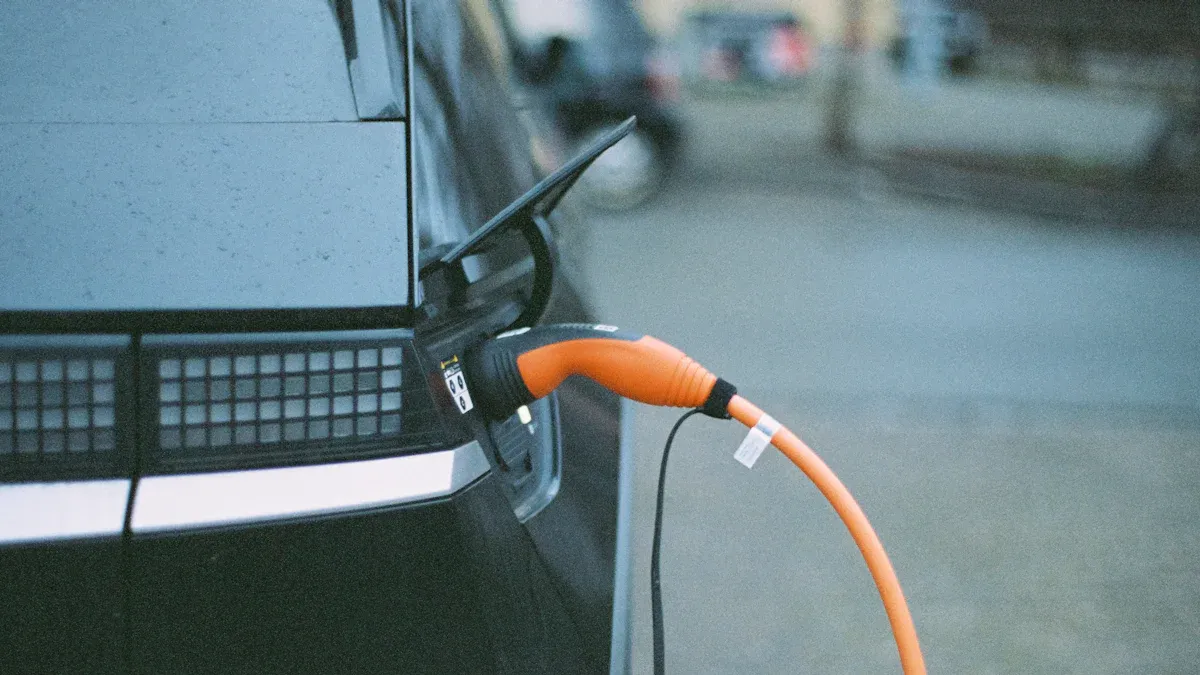
Using an extension cord with a Level 1 ev charger introduces several hazards that can compromise the safety of Spanish homes. These risks affect the charger, the ev, and the entire charging process. Homeowners must understand the dangers before deciding to use an extension cord for their ev charger.
Fire Hazards and Overheating
Overheating and Melting Risks
An extension cord not designed for high loads can overheat quickly during ev charging. The ev charger draws a steady current for many hours. If the extension cord cannot handle this demand, the wiring inside the cord may degrade. Over time, this degradation increases the risk of short circuits and electrical fires. The charger and the ev both rely on stable connections, but a poor-quality extension cord can melt or burn, creating a dangerous situation.
| Penyebab | Penjelasan |
|---|---|
| Wiring degradation | Prolonged use of unsuitable extension leads can degrade wiring, leading to short circuits and fires. |
| Charger malfunctions | Standard domestic chargers not designed for EV loads can overheat, causing thermal runaway and damage. |
The table above shows how wiring degradation and charger malfunctions can lead to overheating and melting. These hazards threaten both the charger and the ev.
Electrical Short Circuits
Short circuits often result from damaged or overloaded extension cords. When the ev charger operates for long periods, the extension cord may not dissipate heat efficiently. This situation can cause insulation to break down, exposing wires and increasing the risk of electrical short circuits. Electrical fires can start quickly if the extension cord fails during charging. Homeowners must recognize that even a small fault in the extension cord can escalate into a major hazard.
Energy Loss and Charging Inefficiency
Voltage Drop Issues
Long extension cords create resistance, which leads to voltage drops during ev charging. The charger may not receive the correct voltage, causing it to work harder and less efficiently. The ev may not charge fully, or the charger may shut down unexpectedly. The table below illustrates how cable length affects power loss during charging:
| Panjang Kabel | Power Loss (watts) |
|---|---|
| 10 meter | 50-60 |
| 15 meter | 85-90 |
| 20 meter | >100 |
As the table shows, longer extension cords cause significant power loss. The charger and the ev both suffer from reduced efficiency, and the charging process becomes unreliable.
Slower Charging Times
Energy loss during charging can reach 5–15% when using an extension cord. This loss means the charger must run longer to deliver the same amount of energy to the ev. The ev may require extra hours to reach a full charge, which increases wear on the charger and the extension cord. Homeowners may notice that their electric car does not charge as quickly as expected, leading to inconvenience and frustration.
- Energy losses of 5–15% can occur during AC or DC charging due to heat and conversion losses.
Damage to Your Electric Car or Home Electrical System
Long-Term Wear and Tear
Improper use of an extension cord with an ev charger can cause long-term damage to both the charger and the home’s electrical system. Overloading outlets and extension cords leads to overheating, which increases the risk of electrical fires. The charger and the ev may experience repeated interruptions, which can shorten their lifespan. Scorched plug pins and damaged sockets often indicate that the extension cord cannot handle the load required for ev charging.
- Overloading outlets and extension cords can lead to overheating and increase the risk of electrical fires.
- Using granny chargers can place a high and sustained load on home electrical systems, leading to overheating, scorched plug pins, and potential electrical fires.
- Sirkuit yang kelebihan beban by plugging too many devices into one outlet can cause overheating and electrical fires.
Voiding Warranties
Many ev charger manufacturers warn that using an extension cord may void the warranty on both the charger and the electric car. If a fire or malfunction occurs, the manufacturer may refuse to cover repairs or replacements. Homeowners must follow the guidelines provided with their ev charger to maintain warranty protection. Ignoring these instructions can result in costly repairs and loss of coverage.
Tip: Always check the warranty terms for your ev charger and electric car before using an extension cord. Following manufacturer recommendations helps avoid unnecessary expenses and safety risks.
Safety Guidelines for Extension Cord Use with Level 1 EV Chargers
Choosing the Right Extension Cord for Charging
Cord Rating and Amperage Requirements
Selecting the right type of extension cable for a Level 1 ev charger remains essential for extension cord safety. Level 1 chargers typically operate at 120V and draw between 12 and 16 amps. Homeowners should use a dedicated extension cord rated for at least 16 amps. The charging cable must match the charger’s requirements to prevent overheating. Many manufacturers recommend a wire gauge of 14–12 AWG or 2.5 mm² for safe charging. Using an extension cable with a lower rating can lead to fire hazards and damage to the ev charger.
Wire Gauge, Length, and Extension Cord Safety
The length and wire gauge of the extension cable directly affect charging efficiency and extension cord safety. Longer extension cables increase resistance, causing voltage drops and overheating. The table below highlights key risks associated with extension cable length:
| Jenis Bukti | Deskripsi |
|---|---|
| Risiko Panas Berlebih | Using standard extension cords can lead to overheating due to high current loads required for EV charging. |
| Voltage Drops | Longer extension cords can cause significant voltage drops, affecting charging efficiency. |
| Bahaya Kebakaran | The use of non-standard extension cables poses potential fire hazards, especially in high-load scenarios. |
| Regulatory Prohibition | European safety regulations prohibit the use of non-standard extension cables to ensure safety for vehicles and homes. |
Homeowners should always choose a dedicated extension cord with the shortest possible length and the correct wire gauge for their ev charger.
Weather Resistance and Outdoor Use
Charging an ev outdoors requires a charging cable and extension cable with weather-resistant insulation. Many domestic extension cords lack protection against moisture and UV exposure. Using a dedicated extension cord rated for outdoor use helps prevent shock and corrosion risks. Extension cord safety tips include checking for IP ratings and ensuring all connections remain dry during charging.
Proper Setup and Safe Charging Practices
Avoiding Coiling and Overheating
Coiling an extension cable during charging increases the risk of overheating. The charger and charging cable should remain fully uncoiled to allow heat to dissipate. Extension cord safety tips recommend monitoring the temperature of the charger, extension cord, and wall outlet. If any component feels hot, stop charging immediately.
Inspecting for Damage Before Charging
Before each charging session, inspect the extension cable, charging cable, and charger for signs of wear or damage. Damaged extension cords introduce weak points in the circuit and increase the risk of overheating. Safety tips include checking plug fuse clips every six months and ensuring the charger and socket remain in good condition.
Keeping Connections Dry and Secure
Outdoor charging exposes the extension cable and charging cable to moisture. Secure all connections and keep them dry to prevent electrical shorts. Extension cord safety tips advise using weatherproof covers and avoiding charging during heavy rain.
Warning Signs of Unsafe Extension Cord Use
Hot Plugs or Cords During Charging
Hot plugs or extension cables during charging signal unsafe conditions. EVs draw high currents for extended periods, which most household extension cords cannot handle. Stop charging if the charger, extension cable, or charging cable feels excessively warm.
Flickering Lights or Tripped Breakers
Flickering lights or tripped breakers during charging indicate voltage drops or overloaded circuits. Longer extension cables increase resistance, leading to heat generation and reduced charging efficiency. These warning signs require immediate attention to maintain extension cord safety.
Tip: Never daisy chain extension cables. Always use a dedicated extension cord designed for ev charger use to protect your electric car and home.
Alternatives to Extension Cord Charging for Electric Cars
Installing a Dedicated EV Charging Outlet
Pemilik rumah di Spanyol sering mencari opsi yang lebih aman dan efisien daripada kabel ekstensi untuk pengisi daya kendaraan listrik mereka. Memasang colokan pengisi daya rumah khusus menyediakan koneksi langsung antara pengisi daya kendaraan listrik dan sistem kelistrikan. Pengaturan ini menghilangkan risiko yang terkait dengan kabel ekstensi dan memastikan pengisi daya beroperasi pada kinerja optimal. Tukang listrik merancang colokan ini untuk menangani beban berkelanjutan yang diperlukan oleh pengisi daya kendaraan listrik. Mereka mencakup fitur keamanan canggih seperti perangkat arus sisa (RCD) dan sensor termal.
Colokan pengisi daya rumah khusus menawarkan beberapa keunggulan dibandingkan kabel ekstensi. Tabel di bawah ini menyoroti perbedaan utama:
| Manfaat | Colokan Pengisian Kendaraan Listrik Khusus | Kabel Ekstensi |
|---|---|---|
| Kecepatan Pengisian Daya | Hingga 7kW (25 mil/jam) | 2.3kW (8 mil/jam) |
| Waktu Pengisian Daya | ~9 jam untuk pengisian penuh | >24 jam untuk pengisian penuh |
| Penghematan Biaya | Tarif lebih rendah selama jam luar puncak | Biaya pengisian umum lebih tinggi |
| Fitur Keamanan | RCD bawaan, sensor termal | Keamanan soket dinding standar |
| Kenyamanan | Pengisian di rumah kapan saja | Perlu mencari pengisi daya umum |
Pemilik rumah yang memasang pengisi daya rumah khusus mengalami pengisian lebih cepat dan kenyamanan lebih besar. Mereka juga mengurangi risiko kebakaran dan kesalahan kelistrikan. Solusi ini mengubah garasi atau jalan masuk menjadi stasiun pengisian rumah yang andal untuk kendaraan listrik.
Menggunakan Pengisi Daya Level 2 yang Dipasang Secara Profesional
Pengisi daya kendaraan listrik Level 2 yang dipasang secara profesional merupakan peningkatan signifikan dari pengisian Level 1 dengan kabel ekstensi. Tukang listrik menghubungkan pengisi daya Level 2 langsung ke panel listrik, memastikan kepatuhan terhadap standar keamanan Spanyol. Pengisi daya ini memberikan daya lebih tinggi, yang mengurangi waktu pengisian dan meningkatkan efisiensi. Proses instalasi mencakup pemeriksaan keamanan dan pentanahan yang tepat, yang melindungi baik pengisi daya maupun kendaraan listrik.
Tabel di bawah ini membandingkan pengisi daya Level 1 dengan kabel ekstensi dan pengisi daya Level 2:
| Fitur | Pengisi Daya Level 1 dengan Kabel Ekstensi | Pengisi Daya Level 2 |
|---|---|---|
| Kecepatan Pengisian Daya | Lambat dan tidak efisien | Cepat dan efisien |
| Kepatuhan terhadap Keselamatan | Sering tidak mematuhi standar | Dipasang secara profesional, sesuai dengan standar keamanan |
| Risiko Bahaya | Tinggi karena kabel ekstensi tidak memadai | Rendah karena instalasi yang tepat |
Pengisi daya Level 2 memungkinkan kendaraan listrik terisi dalam sebagian kecil waktu yang diperlukan oleh pengisi daya Level 1. Pemilik rumah mendapat manfaat dari stasiun pengisian rumah yang lebih aman dan andal. Mereka juga menghindari risiko yang datang dengan menggunakan kabel ekstensi untuk solusi pengisian daya tinggi.
Memindahkan Mobil Listrik Anda untuk Pengisian Langsung
Beberapa rumah di Spanyol memiliki akses terbatas ke colokan listrik di dekat area parkir. Dalam kasus ini, memindahkan kendaraan listrik lebih dekat ke colokan yang sesuai dapat menghilangkan kebutuhan akan kabel ekstensi. Pemilik rumah dapat memindahkan kendaraan listrik ke garasi atau soket jalan masuk yang dirancang untuk pengisi daya. Pendekatan ini memastikan bahwa pengisi daya kendaraan listrik terhubung langsung ke colokan, mengurangi penurunan tegangan dan risiko panas berlebih.
Memindahkan kendaraan listrik untuk pengisian langsung mungkin memerlukan beberapa penyesuaian pada rutinitas parkir. Namun, metode ini melindungi pengisi daya, kendaraan listrik, dan sistem kelistrikan rumah. Ini juga memperpanjang umur pengisi daya dan mempertahankan cakupan garansi. Pemilik rumah yang mengutamakan keselamatan sering memilih solusi praktis ini daripada mengandalkan kabel ekstensi.
Tip: Selalu konsultasikan dengan tukang listrik berlisensi sebelum melakukan perubahan pada pengaturan stasiun pengisian rumah Anda. Nasihat profesional memastikan bahwa pengisi daya kendaraan listrik beroperasi dengan aman dan efisien.
Solusi Pengisian Portabel untuk Rumah di Spanyol
Solusi pengisian portabel menawarkan fleksibilitas dan kenyamanan bagi pemilik rumah di Spanyol saat mengisi kendaraan listrik. Perangkat ini, sering disebut pengisi daya kendaraan listrik portabel atau unit pengisian bergerak, memungkinkan pengemudi mengisi mobil mereka dari berbagai lokasi tanpa instalasi permanen. Banyak pemilik kendaraan listrik Spanyol memilih pengisi daya portabel sebagai alternatif praktis untuk kabel ekstensi, terutama ketika stasiun pengisian khusus tidak tersedia.
Fitur Utama Pengisi Daya Kendaraan Listrik Portabel:
- Desain Plug-and-Play: Sebagian besar pengisi daya portabel terhubung langsung ke colokan rumah tangga standar. Pengguna dapat dengan mudah memindahkan unit ini di antara lokasi yang berbeda.
- Pengaturan Daya yang Dapat Disesuaikan: Beberapa model memungkinkan pengguna memilih arus pengisian, yang membantu menyesuaikan pengisi daya dengan pasokan listrik yang tersedia.
- Mekanisme Keamanan Terintegrasi: Pengisi daya portabel berkualitas mencakup fitur seperti perlindungan arus berlebih, pemantauan suhu, dan deteksi kesalahan pentanahan.
Tip: Selalu pilih pengisi daya portabel yang disertifikasi untuk digunakan di Spanyol dan sesuai dengan standar keamanan Eropa (seperti tanda CE).
Keunggulan bagi Pemilik Rumah di Spanyol
Solusi pengisian portabel memberikan beberapa manfaat:
- Mobilitas: Pengemudi dapat membawa pengisi daya dalam perjalanan atau menggunakannya di beberapa properti.
- Tidak Diperlukan Instalasi Permanen: Penyewa atau mereka yang memiliki akses terbatas untuk peningkatan kelistrikan merasa pengisi daya portabel sangat berguna.
- Cadangan Darurat: Jika terjadi masalah dengan stasiun pengisian utama, pengisi daya portabel memastikan akses pengisian yang berkelanjutan.
Tabel di bawah ini membandingkan pengisi daya portabel dengan pengaturan kabel ekstensi tradisional:
| Fitur | Pengisi Daya Portabel | Pengaturan Kabel Ekstensi |
|---|---|---|
| Keamanan | Perlindungan bawaan | Seringkali kurang perlindungan |
| Kepatuhan | Opsi bersertifikat CE | Dapat melanggar peraturan |
| Kenyamanan | Tinggi | Rendah |
| Risiko Panas Berlebih | Rendah (jika digunakan dengan benar) | Tinggi |
Pertimbangan Keamanan
Pemilik rumah di Spanyol harus mengutamakan keselamatan saat menggunakan pengisi daya portabel. Mereka harus selalu:
- Periksa pengisi daya dan kabel apakah ada kerusakan sebelum setiap penggunaan.
- Hindari menggunakan adaptor atau beberapa kabel ekstensi dengan pengisi daya portabel.
- Pastikan colokan mendukung persyaratan daya pengisi daya.
- Jaga semua koneksi tetap kering, terutama selama pengisian di luar ruangan.
Catatan: Pengisi daya portabel bekerja paling baik saat dicolokkan langsung ke colokan khusus. Hindari mencolokkannya ke sirkuit yang kelebihan beban atau menggunakannya dengan kabel ekstensi berkualitas rendah.
Kapan Memilih Solusi Portabel
Pengisi daya portabel cocok untuk pemilik rumah yang membutuhkan fleksibilitas atau tidak dapat memasang stasiun pengisian permanen. Mereka juga berfungsi sebagai cadangan yang andal untuk situasi tak terduga. Namun, pengguna harus selalu mengikuti instruksi pabrik dan berkonsultasi dengan tukang listrik berlisensi jika tidak yakin tentang kompatibilitas dengan sistem kelistrikan rumah mereka.
Spanish homeowners who invest in a quality portable charging solution gain peace of mind and maintain safe, efficient charging for their electric vehicles.
Best Practices for Safe Electric Car Charging at Home
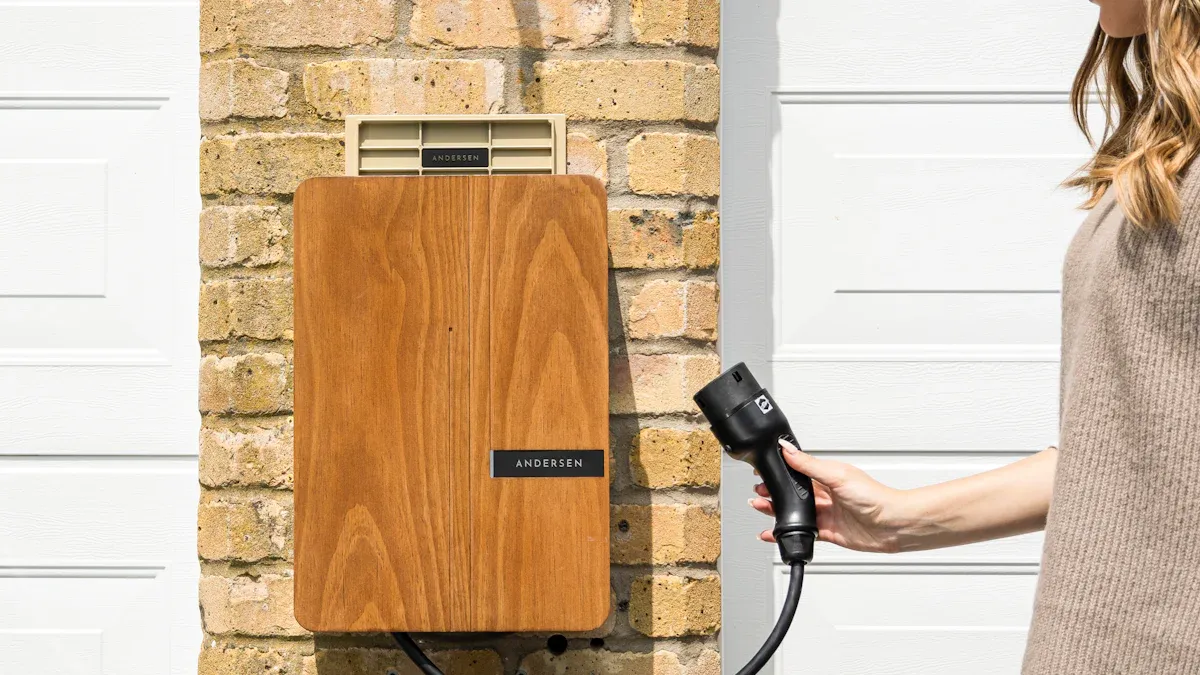
Regular Electrical Inspections for Safety
Spanish homeowners who use electric vehicle charging equipment should schedule regular electrical inspections. These inspections help identify potential hazards before they become serious problems. A licensed electrician can check the wiring, outlets, and circuit breakers for signs of wear or overload. Regular inspections also ensure that the home’s electrical system meets current safety standards.
The recommended intervals for electrical inspections in Spanish homes with EV charging setups are as follows:
| Jenis Properti | Recommended Interval |
|---|---|
| Domestic Property | 10 years |
| Rented Houses | 5 years |
| Other Property Types | Please enquire |
Homeowners should keep records of all inspections. These records provide proof of compliance with local regulations and can help with insurance claims if an incident occurs. Early detection of electrical faults reduces the risk of fire and protects both property and occupants.
Following Manufacturer Instructions for Charging
Manufacturers provide specific instructions to ensure safe use of Level 1 EV chargers. Homeowners should always read and follow these guidelines. Proper use of the charger extends its lifespan and maintains warranty coverage. The following best practices come directly from manufacturer recommendations:
- Thoroughly test the electric vehicle charger before actual use through a trial charge.
- Use Level 1 chargers only in emergencies, as they can risk overheating and potentially cause electrical fires.
- Ensure that EV charging stations are NRTL certified as per the National Electric Code (NEC) for safety compliance.
Manufacturers design these instructions to prevent accidents and protect users. Ignoring these guidelines can result in equipment failure or voided warranties. Homeowners who follow the instructions reduce the risk of overheating and electrical faults during charging.
Consulting a Licensed Electrician for Extension Cord Safety
A licensed electrician plays a critical role in maintaining extension cord safety for electric vehicle charging. Electricians have the expertise to assess the home’s wiring and recommend suitable solutions. They can determine if the existing outlets and circuits can handle the load required by the charger. If necessary, they can install dedicated outlets or upgrade the electrical panel.
Homeowners should consult an electrician before using an extension cord with a Level 1 charger. This step ensures that all connections meet safety standards and comply with Spanish regulations. Electricians can also advise on the best placement for the charging station to minimize risks. Professional guidance helps prevent common mistakes that lead to overheating, voltage drops, or fire hazards.
Tip: Always choose a certified electrician with experience in EV charging installations. Their expertise ensures a safe and reliable setup for every electric car owner.
Upgrading Home Electrical Systems for EV Charging
Spanish homeowners who plan to install electric vehicle charging stations must evaluate their home electrical systems. Many older homes lack the necessary infrastructure to support continuous, high-power charging. Upgrading the electrical system ensures safe operation and protects both the vehicle and the property.
A licensed electrician begins with a comprehensive assessment of the existing electrical panel and wiring. This evaluation identifies whether the system can handle the additional load from a charging station. For Level 1 chargers, the installation of a dedicated 120-volt outlet in the garage or driveway is recommended. The outlet should connect to adequate wiring that supports continuous use. Electricians often install a dedicated circuit breaker to prevent overloading and reduce fire risks.
Level 2 chargers require more substantial upgrades. These chargers operate on a 240-volt circuit and draw higher currents. Homeowners may need to upgrade the electrical panel if it lacks sufficient capacity. Running a new electrical line from the panel to the charging location is essential. Electricians install a suitable Level 2 charging station that complies with safety standards and local regulations.
The table below summarizes the requirements for each charger type:
| Jenis Pengisi Daya | Persyaratan |
|---|---|
| Level 1 | – A dedicated 120-volt outlet in the garage or driveway |
– Adequate wiring for continuous use
– Dedicated circuit breaker to avoid overloading |
| Level 2 | – Dedicated 240-volt circuit in the electrical panel
– Electrical panel upgrade if needed
– New electrical line to the charging location
– Installation of a Level 2 charging station |
Upgrading the electrical panel is crucial for Level 2 chargers. These upgrades prevent circuit overloads and ensure reliable performance. Electricians also verify that all installations meet Spanish safety codes and regulations.
⚡ Tip: Homeowners should always request a full electrical assessment before installing any charging equipment. This step helps identify potential hazards and ensures the system can support the new load.
Key steps in the upgrade process include:
- Evaluating the current electrical capacity.
- Installing dedicated outlets and circuits for charging stations.
- Upgrading the electrical panel if necessary.
- Ensuring compliance with local safety standards.
These upgrades provide peace of mind and protect against electrical faults. Homeowners who invest in proper infrastructure enjoy efficient charging and reduce the risk of fire or equipment damage.
Special Considerations for Spanish Homeowners and Extension Cord Safety
Common Electrical Setups in Spain
Spanish homes display a range of electrical configurations that impact the use of an extension cord with an ev charger. Many properties feature older wiring, while newer constructions often include dedicated circuits for high-power appliances. The most common setups for ev charging involve either wall-mounted chargers or reinforced sockets. Each setup requires specific circuit breakers and residual current devices to ensure safety during charging. The table below outlines the typical configurations found in Spanish residences:
| Setup Type | Pemutus Sirkuit | Jenis RCD | Peringkat Daya |
|---|---|---|---|
| Wall Charging (Mode 3) | 40 A | Type B RCD or Type A RCD (30 mA) | Hingga 7,4 kW |
| Reinforced Socket (Mode 2) | 20 A | Type A RCD (30 mA) | Hingga 3,7 kW |
Homeowners must understand that using an extension cord with an ev charger in these setups can introduce risks. The extension cord may not match the power rating required by the charger or the ev. Inadequate extension cords can lead to overheating, especially when the charger operates for long periods. The ev charger and the ev both depend on stable electrical connections, which extension cords may not provide in older Spanish homes.
Local Regulations and Permits for Charging
Spain enforces strict regulations for installing and operating an ev charger. Local codes require that any permanent charger installation, whether for a wall charger or a reinforced socket, must comply with national electrical standards. Homeowners must secure permits before installing a new charger or modifying existing circuits. These rules aim to protect both the ev and the home from electrical faults. The use of an extension cord with an ev charger often falls outside the scope of approved practices. Insurance companies may refuse coverage if a fire or electrical incident involves an extension cord not rated for the charger or the ev.
Licensed electricians play a key role in ensuring compliance. They assess the suitability of the home’s wiring for an ev charger and recommend upgrades if necessary. Homeowners who bypass these steps by using an extension cord risk violating local codes and voiding warranties on both the charger and the ev. Following the proper permitting process ensures that the charger, the ev, and the extension cord all meet safety requirements.
⚠️ Tip: Always consult local authorities and a licensed electrician before making changes to your ev charger setup. Proper documentation and compliance reduce legal and insurance risks.
Climate and Outdoor Charging Safety Challenges
Iklim Spanyol yang beragam menimbulkan tantangan unik untuk pengisian daya di luar ruangan dengan kabel ekstensi. Banyak wilayah mengalami suhu tinggi di musim panas dan curah hujan lebat di musim dingin. Kondisi ini dapat memengaruhi kinerja kabel ekstensi, pengisi daya EV, dan kendaraan listrik. Kelembapan meningkatkan risiko korsleting listrik, terutama jika kabel ekstensi atau pengisi daya tidak memiliki ketahanan cuaca. Suhu tinggi dapat menyebabkan kabel ekstensi kepanasan, yang berpotensi merusak pengisi daya atau kendaraan listrik.
Pemilik rumah yang mengisi daya mobil listrik di luar ruangan harus memilih kabel ekstensi dan pengisi daya yang memiliki rating untuk penggunaan eksterior. Semua sambungan harus tetap ditinggikan dan terlindung dari air. Pemeriksaan rutin terhadap kabel ekstensi, pengisi daya, dan kendaraan listrik memastikan tidak ada kerusakan atau keausan yang membahayakan keselamatan. Pemilik rumah di Spanyol akan mendapat manfaat dengan menggunakan pengisi daya dan kabel ekstensi berating luar ruangan khusus untuk meminimalkan risiko.
🌦️ Catatan: Pengisian daya di luar ruangan memerlukan kewaspadaan ekstra. Selalu periksa kabel ekstensi, pengisi daya, dan kendaraan listrik untuk tanda-tanda keausan atau kepanasan, terutama setelah cuaca ekstrem.
Penggunaan kabel ekstensi dengan pengisi daya EV Level 1 menimbulkan risiko keselamatan serius bagi pemilik rumah di Spanyol. Alternatif yang lebih aman, seperti soket pengisian daya khusus atau stasiun yang dipasang secara profesional, melindungi properti dan kendaraan. Para ahli merekomendasikan untuk menghindari kabel ekstensi sebisa mungkin. Pemilik rumah di Spanyol harus selalu berkonsultasi dengan teknisi listrik berlisensi sebelum melakukan perubahan pada pengaturan pengisian daya mereka. Memprioritaskan keselamatan menjamin pengisian daya yang andal dan ketenangan pikiran.
⚡ Selalu pilih solusi bersertifikasi dan panduan profesional untuk pengisian daya mobil listrik di rumah.
PERTANYAAN YANG SERING DIAJUKAN
Bisakah kabel ekstensi rumah tangga standar menangani pengisian daya EV Level 1?
Sebagian besar kabel ekstensi rumah tangga standar tidak dapat menangani beban terus-menerus dari pengisi daya EV Level 1. Kabel tersebut sering kali kepanasan dan menimbulkan bahaya kebakaran. Hanya kabel berkapasitas tinggi dengan rating yang tepat yang boleh dipertimbangkan, dan itupun hanya sebagai opsi terakhir.
Apakah menggunakan kabel ekstensi membatalkan garansi EV atau pengisi daya saya?
Pabrikan biasanya menyatakan bahwa penggunaan kabel ekstensi dapat membatalkan garansi baik pada EV maupun pengisi daya. Selalu periksa ketentuan garansi sebelum menghubungkan pengisi daya Anda dengan kabel ekstensi.
Ukuran kawat (wire gauge) apa yang aman untuk kabel ekstensi pengisian daya EV?
Ukuran kawat minimal 2,5 mm² (atau 12 AWG) direkomendasikan untuk pengisian daya EV Level 1. Kawat yang lebih tebal mengurangi risiko kepanasan dan penurunan tegangan. Jangan pernah menggunakan kabel ekstensi yang tipis atau tidak berlabel.
Apakah pengisian daya di luar ruangan dengan kabel ekstensi aman di Spanyol?
Pengisian daya di luar ruangan dengan kabel ekstensi membuat sambungan terpapar kelembapan dan suhu ekstrem. Hanya kabel tahan cuaca berrating luar ruangan yang boleh digunakan. Semua sambungan harus tetap kering dan aman untuk mencegah bahaya listrik.
Bagaimana pemilik rumah dapat mengenali penggunaan kabel ekstensi yang tidak aman?
Tandanya termasuk steker panas, kabel hangat, lampu berkedip, atau pemutus arus yang trip selama pengisian. Gejala ini menunjukkan kelebihan beban atau sambungan yang buruk. Pemilik rumah harus segera menghentikan pengisian daya dan berkonsultasi dengan teknisi listrik berlisensi.
Apakah ada alternatif yang lebih aman daripada menggunakan kabel ekstensi untuk pengisian daya EV?
Ya. Memasang soket pengisian daya EV khusus atau pengisi daya Level 2 yang dipasang secara profesional memberikan pengisian daya yang lebih aman dan andal. Pengisi daya portabel dengan fitur keselamatan bawaan juga menawarkan solusi yang lebih baik daripada kabel ekstensi.