Selecting the right place to buy electric car chargers requires careful attention to product compatibility and installation support. Buyers should verify that the EV Charger matches both their vehicle and home electrical system. Reputable EV charger manufacturers often provide clear installation options and reliable customer service. Shoppers can maximize value by seeking cost-saving opportunities and available incentives.
- Reliable installation support ensures safe and efficient charging.
- Strong after-sales service helps resolve potential issues quickly.
Identifying the Right Electric Car Charger for Your Needs
Types of Electric Car Chargers
Level 1 vs. Level 2 Chargers
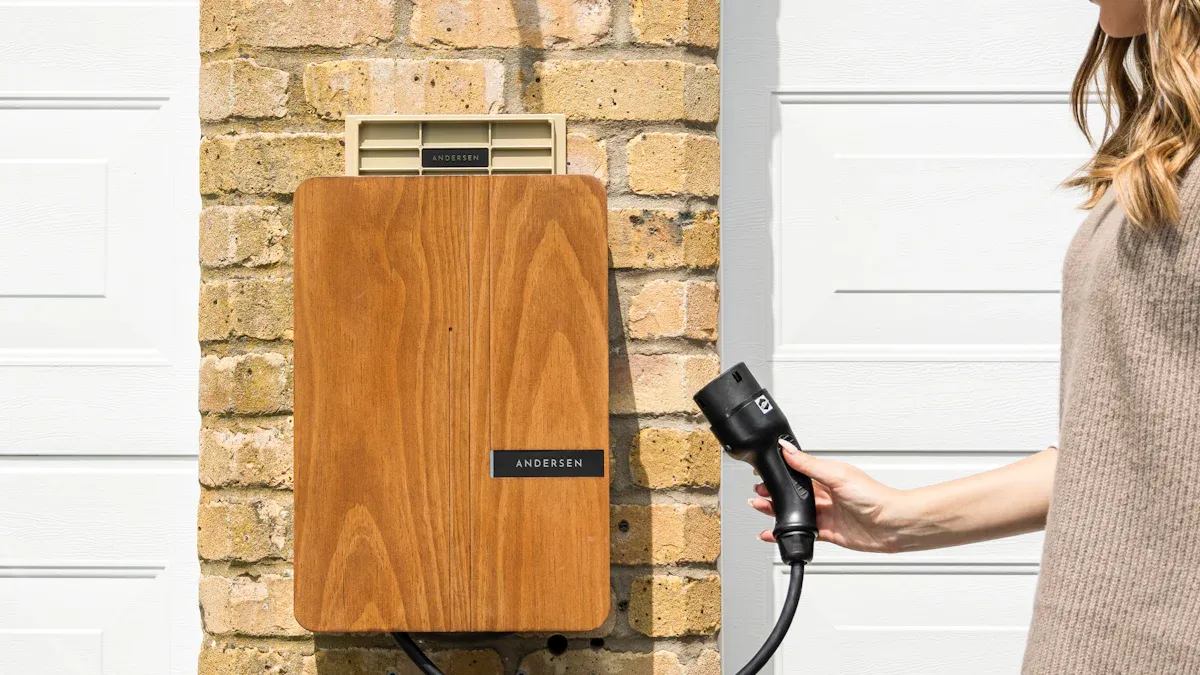
Electric car chargers come in several types, each designed for different charging needs. Level 1 chargers use a standard household outlet and typically require 15-20 hours to fully charge an electric vehicle. Level 2 chargers, the most common choice for home use, operate at 7.4kW AC and can charge an EV from empty in about 6-8 hours. These chargers offer a balance between speed and convenience for daily use.
Tip: Level 1 chargers suit occasional drivers or backup charging, while Level 2 chargers fit daily commuters and multi-EV households.
Charging Speed and Power Output
Charging speed depends on the power output and the type of charger. Home chargers usually provide AC power, ranging from 3.3 kW to 22 kW. Public fast chargers use DC power for rapid charging. Tethered chargers have a fixed cable for quick connections, while untethered models require a separate cable, offering a cleaner look and increased durability.
- AC chargers: 3.3 kW to 22 kW (home use)
- DC fast chargers: Higher output for quicker charging (public stations)
- Tethered vs. untethered: Convenience vs. neatness
Key Features to Consider
Smart Features and Connectivity
Modern electric car chargers often include smart features that enhance user experience and control. Buyers should look for Wi-Fi connectivity, scheduling options, and energy tracking. These features allow users to monitor charging sessions, optimize energy use, and manage costs.
| Feature | Description |
|---|---|
| Charging Speed | Faster chargers benefit long commutes and multiple vehicles. |
| Amperage Compatibility | Match charger amperage to vehicle and home capacity. |
| Charging Location | Consider cable length and weatherproofing for outdoor installation. |
| Wall-mounted vs Portable | Wall-mounted chargers offer permanence; portable chargers provide flexibility. |
| Advanced Features | Wi-Fi, scheduling, and energy tracking improve control and efficiency. |
| Related Costs | Evaluate upfront costs, electricity rates, and incentives. |
Safety and Certification Standards
Safety remains a top priority when selecting a charger. ETL certification ensures compliance with North American safety regulations, minimizing risks of electrical malfunctions and fire hazards. ETL-certified chargers undergo rigorous testing and regular inspections, fostering consumer trust and simplifying installation.
- ETL certification guarantees safety and reliability.
- Certified chargers meet strict standards and support easier installation.
Ensuring Vehicle Compatibility
Plug Types and Charging Standards
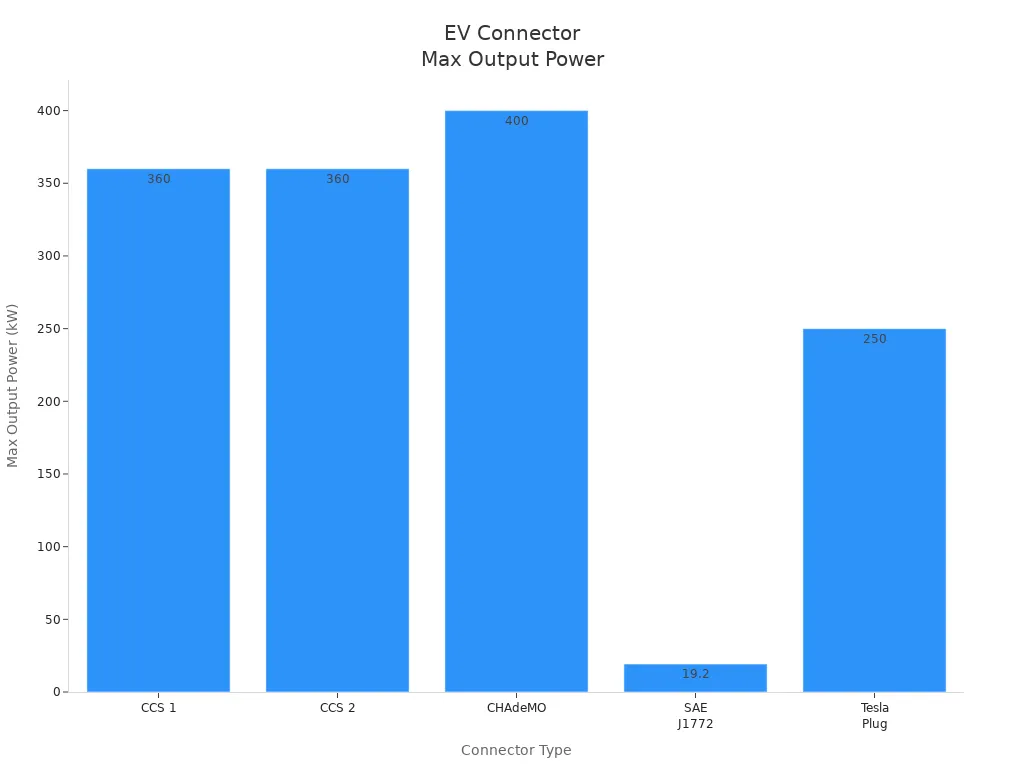
Electric vehicles use different connector types and charging standards. Buyers must check their EV’s connector type, such as J1772, CCS1, CHAdeMO, or NACS, to ensure compatibility with the charger. The charging speed should also align with the vehicle’s specifications.
| EV Connector Type | Output Current Type | Maximum Output Power | Primary Countries |
|---|---|---|---|
| CCS 1 | DC | 360 kW | USA, Canada, South Korea |
| CCS 2 | DC | 360 kW | Europe, UK, Middle East, Africa, Australia |
| CHAdeMO | DC | 400 kW | Japan (older model EVs in use globally) |
| SAE J1772 | AC | 19.2 kW | North America, Japan |
| Tesla Plug | DC | 250 kW | North America (proprietary) |
Checking Manufacturer Recommendations
Manufacturers provide guidelines for charger compatibility. Buyers should verify that the selected charger supports all vehicles in their fleet, as different models may require specific connectors or adapters. Checking manufacturer recommendations helps avoid installation issues and ensures optimal charging performance.
Note: Always confirm compatibility before you buy electric car chargers to prevent costly mistakes and ensure efficient charging.
Where to Buy Electric Car Chargers: Comparing Your Options
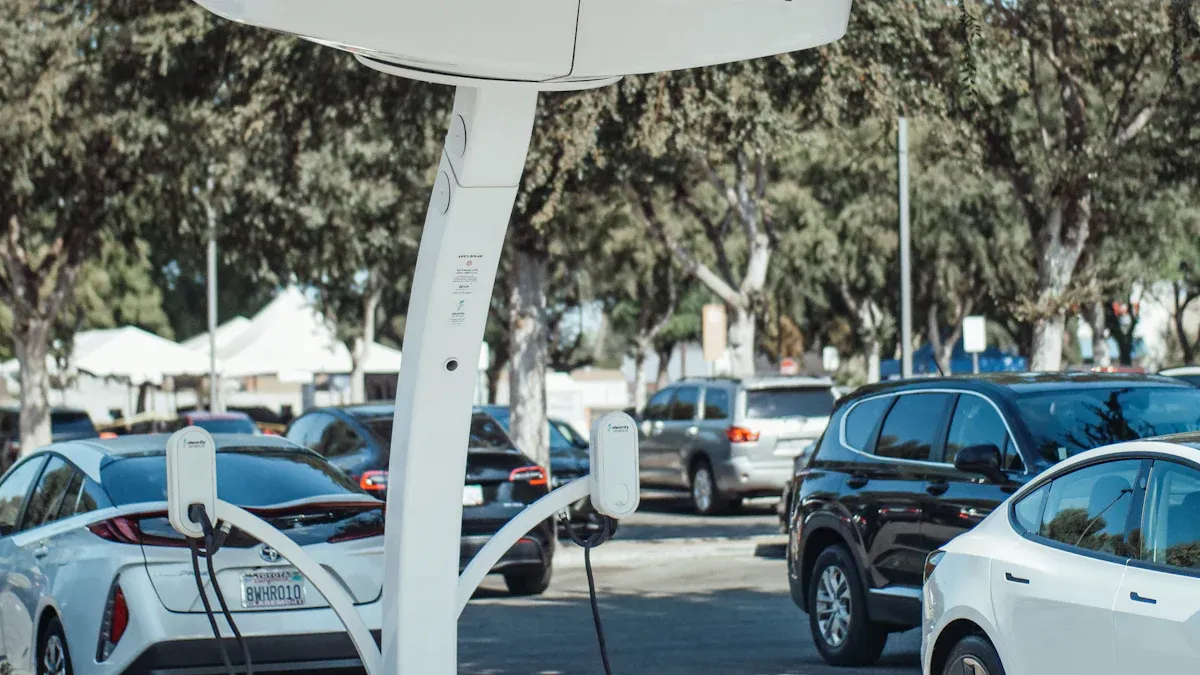
Choosing where to buy electric car chargers involves evaluating several types of sellers. Each option offers unique advantages in terms of product selection, installation support, and after-sales service.
Authorized Dealerships and Service Centers
OEM Chargers and Certified Products
Authorized dealerships and service centers provide original equipment manufacturer (OEM) chargers. These products meet strict compatibility and safety standards. Buyers often find certified chargers for specific vehicle brands, which ensures seamless integration with onboard charging systems. Dealerships stock reputable models such as ChargePoint, Emporia, Wallbox, and Tesla. These brands typically offer robust warranties, which protect buyers from unexpected repair costs.
- Dealerships guarantee certified products.
- OEM chargers match vehicle specifications.
- Strong warranties support long-term reliability.
Installation Packages and Support
Dealerships frequently offer installation packages. These packages include professional setup and guidance on charger placement. However, buyers should review installation costs carefully. Dealerships sometimes impose markups on hardware and installation services, which can increase the total price. Consumers may find better value by purchasing charger hardware at retail prices and arranging independent installation.
Tip: Compare dealership installation packages with independent electricians to avoid unnecessary expenses.
Online Retailers and Marketplaces
Major E-commerce Platforms
Online retailers such as Amazon, Walmart, and Best Buy provide a wide selection of electric car chargers. Shoppers can browse multiple brands, read customer reviews, and compare prices. E-commerce platforms often feature seasonal promotions and bundle deals, which help buyers save money. Delivery times vary, but most platforms offer fast shipping options.
- Wide product selection
- Competitive pricing
- Access to customer feedback
Specialty EV Stores and Dedicated Suppliers
Specialty EV stores focus exclusively on electric vehicle charging solutions. These suppliers offer expert advice and curated product lines. Buyers can find advanced chargers with smart features, energy monitoring, and compatibility with various plug types. Dedicated suppliers also provide technical support and warranty services, which enhance the buying experience.
Note: Specialty EV stores often carry the latest models and provide detailed product information.
Local Electrical Supply Stores
In-Person Assistance and Immediate Availability
Local electrical supply stores allow buyers to view products before purchase. Staff members offer in-person assistance and answer technical questions. Immediate product availability benefits those who need a charger quickly. Buyers can inspect build quality and confirm compatibility with their home electrical system.
- Face-to-face support
- Quick access to products
Product Demonstrations and Expert Advice
Many supply stores host product demonstrations. These events showcase charger features and installation methods. Experts provide guidance on selecting the right charger for specific vehicles and home setups. Buyers gain confidence by seeing chargers in action and receiving personalized recommendations.
Callout: Visiting a local store helps buyers make informed decisions and ensures they select the best charger for their needs.
When buyers compare options to buy electric car chargers, they should consider product authenticity, warranty coverage, installation support, and overall value. Dealerships offer certified products and strong warranties but may charge higher prices. Online retailers and specialty stores provide variety and convenience. Local supply stores deliver hands-on assistance and immediate access.
Direct from Manufacturers
Purchasing electric car chargers directly from manufacturers provides several unique advantages. Many buyers prefer this route for its transparency, direct communication, and access to the latest technology. Manufacturers often maintain strict quality control and offer tailored solutions that fit specific charging needs.
Brand-Specific Offers and Promotions
Manufacturers frequently introduce exclusive offers that appeal to both new and experienced electric vehicle owners. These promotions may include discounts on new product launches, trade-in programs for older chargers, or bundled packages with installation services. Some brands also provide value-added features, such as solar integration at no extra cost. For example, certain chargers allow users to harness surplus solar energy for vehicle charging, which supports sustainability goals and reduces long-term energy costs.
The table below highlights key advantages of purchasing directly from manufacturers:
| Advantage | Description |
|---|---|
| Compliance with Local Regulations | Ensures chargers meet safety and accessibility standards, facilitating smoother approval processes. |
| Lower Carbon Footprint | Reduces transport-related emissions by sourcing locally, supporting sustainability goals. |
| Faster Lead Times and Logistics | Shorter supply chains lead to quicker delivery and response times, crucial for time-sensitive projects. |
| Supporting the British Economy | Investing in local manufacturing supports jobs and skills within the UK. |
| Tailored Support and Maintenance | Access to local expertise for installation and ongoing support enhances service quality. |
Tip: Buyers who value sustainability and fast delivery often choose to buy electric car chargers directly from manufacturers to benefit from these advantages.
Exclusive Warranties and Support
Direct purchases from manufacturers often come with extended warranties and enhanced support services. Some brands, such as Andersen, offer a 7-year warranty—much longer than the industry standard of three years. This extended coverage provides peace of mind and reduces the risk of unexpected repair costs. Manufacturers may also include advanced features, like solar integration, as standard rather than optional add-ons. This approach ensures that buyers receive the most up-to-date technology without hidden fees.
Buyers can expect the following exclusive benefits when purchasing directly from manufacturers:
- 7-year warranty, which exceeds typical industry coverage.
- Solar integration included as a standard feature, not as an extra purchase.
Manufacturers also provide direct access to technical support teams. These experts assist with installation, troubleshooting, and ongoing maintenance. As a result, buyers experience fewer delays and receive more personalized service compared to third-party sellers.
Evaluating Sellers When You Buy Electric Car Chargers
Reputation and Reliability
Company History and Customer Base
A seller’s reputation often reflects years of experience and a strong customer base. Established companies usually have a proven track record in the electric vehicle charging industry. Buyers should look for suppliers with positive client testimonials and a history of reliable service. Companies that have served a wide range of customers tend to offer better support and more consistent product quality.
| Criteria | Description |
|---|---|
| Supplier Credentials | Evaluate certifications, industry experience, and client testimonials to ensure a reputable supplier. |
| Costs and Contracts | Understand pricing models, contract terms, and hidden fees for a transparent relationship. |
| Product Quality and Support | Examine product specifications, warranty coverage, and technical support for reliability. |
Tip: A seller with a large, satisfied customer base and transparent business practices often delivers a better buying experience.
Industry Certifications and Awards
Industry certifications and awards signal a seller’s commitment to quality and trustworthiness. Certifications such as NTEP and CTEP ensure accuracy in metering and transparency in charging transactions. These credentials build consumer confidence and enhance the seller’s integrity. For example, Qwello UK’s multiple ISO certifications demonstrate dedication to quality, security, and environmental sustainability. Suppliers with industry certifications are generally more reputable, and awards indicate a focus on innovation and customer satisfaction.
| Certification Program | Purpose | Impact on Trustworthiness |
|---|---|---|
| NTEP | Ensures accuracy in metering | Builds consumer confidence in product reliability |
| CTEP | Ensures transparency in transactions | Enhances seller’s integrity and trustworthiness |
Product Selection and Availability
Range of Brands and Models
A wide selection of brands and models allows buyers to find the best fit for their needs. Leading sellers like ChargePoint, EVgo, Tesla, and Electrify America offer various charging speeds and pricing options. Local utilities may provide economical choices, especially during off-peak hours. Buyers should compare features, compatibility, and costs before making a decision.
| Company | Charging Points | Pricing (Level 2) | Pricing (DC Fast) | Charging Speed |
|---|---|---|---|---|
| ChargePoint | 200,000 | $0.15 – $0.25/kWh | $0.31 – $0.45/kWh | Reliable, 98% uptime |
| EVgo | N/A | $0.27 – $0.35/kWh | $0.35 – $0.55/kWh | Strategic placement |
| Tesla | N/A | $0.14 – $0.24/kWh | N/A | Fastest charging speed |
| Electrify America | N/A | N/A | N/A | 350 kW, industry-leading |
| Local Utilities | N/A | As low as $0.09/kWh | N/A | Economical, off-peak |
Stock Levels and Delivery Times
Reliable sellers maintain strong stock levels and offer prompt delivery. Immediate availability reduces downtime and ensures buyers can install chargers quickly. Delays in shipping or low inventory may signal operational issues. Buyers should confirm estimated delivery times before placing an order.
Note: Fast delivery and consistent stock levels help buyers avoid project delays.
Installation Services Offered
Professional Installation Options
Many sellers provide professional installation services. These options include comprehensive packages for businesses and standard installations for homes. Professional installers handle cable routing, electrical connections, and safety testing. This approach ensures compliance with local codes and often includes warranties and ongoing support.
| Installation Service Type | Description |
|---|---|
| Comprehensive Installation | End-to-end EV charger installations for leisure and retail businesses. |
| Standard Installation | Fitting of a single phase charge point, cable routing, and testing included. |
DIY Support and Resources
Some buyers prefer to install chargers themselves. Sellers may offer DIY kits, guides, and technical support. While DIY installation can save on labor costs, mistakes may lead to extra expenses or safety risks. Professional installation generally results in higher customer satisfaction due to expertise and reliability.
| Aspect | Professional Installation | DIY Installation |
|---|---|---|
| Cost | Higher upfront costs | Potential savings, but risk of extra costs |
| Customer Satisfaction | Generally higher | May decrease with mistakes |
| Compliance and Safety | Ensures compliance and safety | Risk of non-compliance and safety issues |
| Warranties and Support | Often included | Typically not included |
Callout: Buyers should weigh the benefits of professional installation against the potential risks of DIY approaches when they buy electric car chargers.
The Process to Buy Electric Car Chargers and Arrange Installation
Step-by-Step Buying Guide
Research and Shortlist Options
A successful purchase begins with thorough research. Buyers should compare charger models, read expert reviews, and consult trusted sources. They often create a shortlist based on compatibility, features, and price. Popular choices like the Zappi charger stand out for their reliability and user satisfaction.
- Review available charger models and brands.
- Evaluate compatibility with the vehicle and home setup.
- Consider smart features, warranty, and support.
- Shortlist options that meet specific requirements.
Confirm Compatibility and Features
Compatibility remains a critical factor. Buyers must check the charger’s plug type, amperage, and power output against their vehicle’s specifications. They should also verify that the charger supports their home’s electrical system. Many users experience frustration when chargers do not match their EV model or charging needs.
| Issue | Description | Impact on Users |
|---|---|---|
| Incompatibility | Charger does not fit EV model or home setup | Wasted time and effort |
| Charging Speed | Slow charging due to mismatched power output | Longer wait times |
| User Education | Lack of knowledge about charger features | Inefficient use of charging station |
Place Your Order Securely
After confirming compatibility, buyers proceed to purchase. Secure payment methods and reputable sellers protect against fraud. Many buyers choose to buy electric car chargers from authorized dealers or specialty EV stores to ensure product authenticity and warranty coverage.
Tip: Always retain proof of purchase and warranty documents for future reference.
Preparing for Installation
Site Assessment and Electrical Requirements
Before installation, a qualified electrician should assess the site. The charger requires a dedicated circuit and fuse. If the fuse board lacks a spare slot or uses outdated components, replacement may be necessary. Most chargers need a 240-volt circuit rated for 40 to 50 amps. The electrician checks the panel’s capacity and selects a location near the vehicle’s regular parking spot, considering cable length and accessibility.
Permits and Local Regulations
Local regulations often require permits for new EV charging circuits. Buyers must submit a permit application to the building department. If modifications to the garage or parking area are planned, a building permit may be needed. Licensed electricians assist with applications and ensure compliance with safety codes. After approval, an inspection confirms that the installation meets all requirements.
- Electrical permit required for new circuits.
- Building permit needed for structural changes.
- Inspection scheduled after installation.
Note: Regulations vary by city, so contacting the local building department is essential.
Installation and Setup
Scheduling Professional Installation
Buyers schedule installation with a certified electrician. Professionals handle wiring, mounting, and safety checks. They provide a completion certificate, which may be necessary for grant applications or insurance purposes.
Final Testing and User Training
After installation, the electrician tests the charger for proper operation. They train the user on safe charging practices, scheduling features, and troubleshooting. This step ensures efficient and safe use of the new charger.
Callout: Proper training reduces user errors and maximizes the benefits of smart charging features.
Support, Warranty, and After-Sales Service When You Buy Electric Car Chargers
Understanding Warranty Coverage
Length of Coverage and What’s Included
Warranty coverage varies among leading sellers. Buyers should review the warranty period and what it covers before making a decision. Most warranties include protection against manufacturing defects and hardware failures. The table below compares warranty periods from two popular brands:
| Seller | Warranty Period |
|---|---|
| Enel X | 3 years |
| Lectron | 1 year |
A longer warranty period provides greater peace of mind. Enel X offers three years of coverage, which exceeds the industry minimum. Lectron provides one year, suitable for buyers seeking basic protection.
Exclusions and Limitations
Warranty agreements often contain exclusions. Damage from improper installation, misuse, or unauthorized repairs may not qualify for coverage. Buyers should read the warranty terms carefully to understand what is not included. Some sellers exclude coverage for wear-and-tear or environmental damage. Reviewing these details helps buyers avoid unexpected expenses.
Tip: Always confirm the warranty details before you buy electric car chargers to ensure full protection.
Customer Support Channels
Phone, Email, and Live Chat Assistance
Effective customer support enhances the ownership experience. Leading sellers provide multiple channels for assistance:
- Phone support for urgent issues.
- Email for detailed inquiries.
- Live chat for quick questions.
Companies like Convin use advanced technology to improve efficiency. Real-time agent assistance reduces wait times and ensures prompt responses. Access to experts with technical knowledge helps resolve complex problems.
Troubleshooting and Technical Resources
Buyers benefit from comprehensive troubleshooting guides and technical resources. Many organizations offer training modules that improve communication and empathy in customer interactions. Continuous improvement ensures support teams stay updated with industry trends. These resources help users address minor issues without professional intervention.
Callout: Reliable support channels minimize downtime and keep chargers running smoothly.
Maintenance and Service Options
Regular Checkups and Updates
Proactive maintenance extends the lifespan of electric car chargers. Regular inspections identify faults early and reduce unexpected downtime. Seasonal maintenance keeps the charger in optimal condition. Safety checks ensure compliance with regulations and minimize risks.
| Maintenance Aspect | Description |
|---|---|
| Regular Inspections | Helps identify issues early, reducing unexpected downtime and extending charger lifespan. |
| Safety Checks | Ensures compliance with safety standards, minimizing risks associated with electrical faults. |
| Performance Optimization | Maintains optimal performance and energy management, reducing costs and improving efficiency. |
| Regulatory Compliance | Adhering to regulations prevents legal penalties and ensures safe operation for users. |
Replacement Parts and Repairs
Timely replacement of worn components prevents costly repairs. Sellers often provide genuine parts and repair services. Performance optimization maintains energy efficiency and reduces operating costs. Adhering to regulatory compliance avoids penalties and ensures safe operation.
- Prolongs the lifespan of EV chargers.
- Reduces wear and tear, enhancing efficiency.
- Minimizes costly replacements and downtime.
Note: Regular maintenance and access to replacement parts keep chargers reliable for years.
Cost-Saving Opportunities and Incentives When You Buy Electric Car Chargers
Exploring cost-saving opportunities can make a significant difference for those planning to buy electric car chargers. Many buyers reduce upfront and ongoing costs by leveraging rebates, utility programs, and strategic shopping.
Federal, State, and Local Rebates
Government agencies at the federal, state, and local levels offer rebates to encourage EV adoption. These incentives help offset the purchase and installation costs of electric car chargers.
How to Apply for Incentives
Applicants typically start by visiting the official website of the relevant program. They complete an online application, submit proof of purchase, and provide installation documentation. Some programs require applicants to use certified installers or ENERGY STAR-certified products.
Eligibility and Documentation
Eligibility varies by location and program. Most rebates target homeowners, landlords, or businesses with off-street parking. Required documentation often includes a purchase receipt, installation photos, and proof of residence or business ownership.
| State | Program/Provider | Rebate Amount |
|---|---|---|
| Arkansas | Southwestern Electric Power Company | $250 for ENERGY STAR-certified Level 2 charger |
| Carroll Electric Cooperative | $30/month credit, $250 for new Level 2 charger | |
| California | Clean Vehicle Rebate Project (CVRP) | Up to $7,500 (currently closed) |
| California Air Resources Board | $7,500 for EVs, $2,000 for charging installations | |
| Alameda Municipal Power | $500 for Level 2 charger | |
| Colorado | Black Hills Energy | $500 rebate for Level 2 EV charger |
| Connecticut | CHEAPR Program | Up to $3,000 for used EVs |
| Eversource | $500 for Level 2 EV charger |
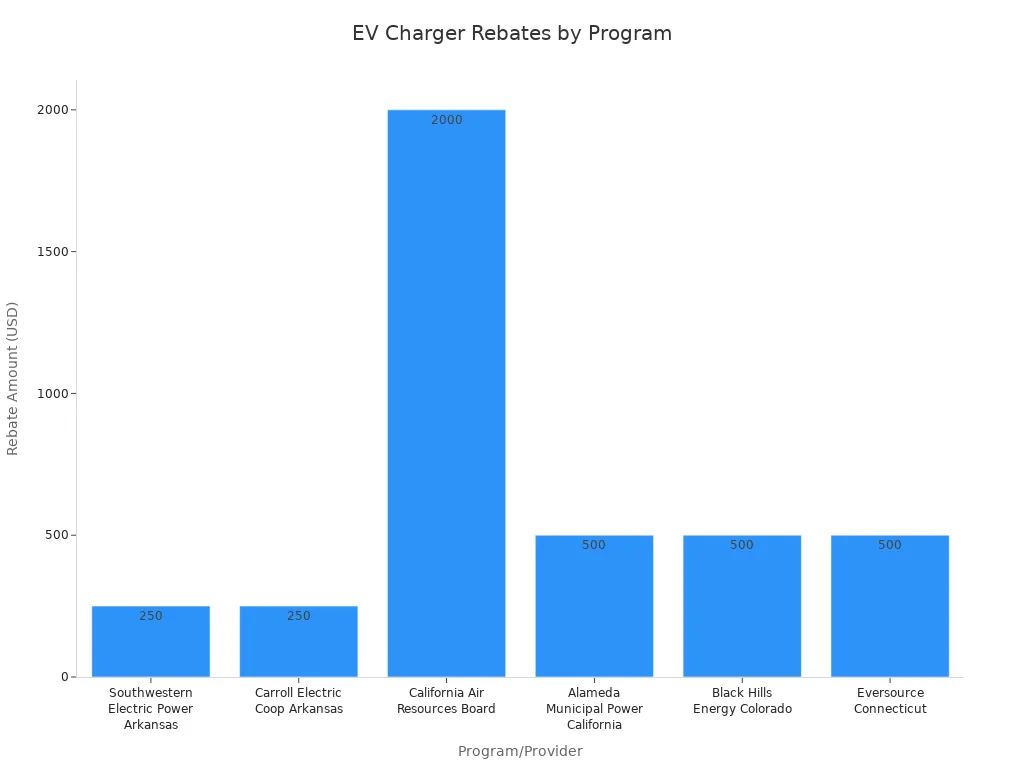
Note: Rebate amounts and program availability change frequently. Applicants should verify current details before making a purchase.
Utility Company Programs and Discounts
Utility companies play a key role in reducing the total cost of EV charger ownership. They offer grants, special rates, and installation support.
Special Rates and Time-of-Use Plans
Many utilities provide time-of-use plans that lower electricity rates during off-peak hours. EV owners can schedule charging sessions at night to maximize savings. Some companies also offer discounted rates specifically for EV charging.
Installation Assistance and Rebates
Utilities often provide grants that cover up to 75% of installation costs, with a maximum grant of £350 per charger. These programs support both residential and commercial installations, making EV charging more accessible.
| Program Type | Coverage | Maximum Grant | Eligibility |
|---|---|---|---|
| Home Charging Grant | Up to 75% | £350 | Homeowners with off-street parking, landlords, property managers |
| WCS for Businesses | Up to 75% | £350/socket | Businesses (up to 40 sockets) |
- Grants can cover a significant portion of installation expenses.
- Both homeowners and businesses benefit from these incentives.
Comparing Prices, Promotions, and Bundles
Smart shopping strategies help buyers stretch their budgets even further.
Seasonal Sales and Limited-Time Offers
Retailers and manufacturers frequently run seasonal promotions, such as Black Friday or Earth Day sales. Limited-time offers may include discounts, free shipping, or bonus accessories.
Bundle Deals with Installation
Some sellers package chargers with professional installation at a reduced rate. These bundles simplify the process and often provide better value than purchasing each service separately.
Tip: Buyers who compare prices and take advantage of promotions can maximize savings when they buy electric car chargers.
Checking Customer Reviews and Feedback Before You Buy Electric Car Chargers
Online Ratings and Testimonials
What to Look for in Reviews
Buyers often rely on online ratings and testimonials to assess electric car chargers. They should focus on reviews that discuss product reliability, ease of installation, and customer support. Detailed feedback provides insight into real-world performance. Reviews that mention specific charger models and installation experiences help buyers make informed decisions.
Key aspects to consider in reviews:
- Product reliability: Does the charger perform consistently over time?
- Installation process: Was the setup straightforward or did it require professional help?
- Customer service: Did the seller respond quickly to questions or issues?
- Feature functionality: Are smart features, such as scheduling and energy tracking, working as advertised?
Tip: Buyers should prioritize reviews that include photos or videos. Visual evidence supports claims about product quality and installation.
Warning Signs and Red Flags
Negative feedback can reveal potential problems. Buyers should watch for recurring complaints about product failures, poor customer service, or delayed shipping. Reviews that mention safety issues, such as overheating or electrical faults, deserve special attention.
| Red Flag | Description |
|---|---|
| Frequent malfunctions | Multiple users report charger breakdowns |
| Poor support | Customers struggle to reach technical help |
| Warranty issues | Claims denied or coverage unclear |
| Safety concerns | Reports of overheating or electrical hazards |
Alert: Consistent negative feedback about a seller or product signals a higher risk. Buyers should consider alternative options if they notice these patterns.
Community Forums and Social Media Groups
Real-World Experiences and Peer Advice
Community forums and social media groups offer valuable peer advice. Electric vehicle owners share their experiences with different charger brands and installation methods. These platforms allow buyers to ask questions and receive honest feedback from people who have faced similar challenges.
- Forums: Users discuss troubleshooting tips and share installation photos.
- Social media groups: Members post updates about charger performance and maintenance.
Note: Peer advice often highlights practical solutions that official product guides may not cover.
Recommendations from EV Owners
Buyers should prioritize compatibility, installation support, pricing, and after-sales service when they buy electric car chargers. They compare sellers, review incentives, and read customer feedback to make informed choices. Research helps individuals select the best option for their needs. Professional consultation ensures safe installation and optimal product selection.
Tip: Careful planning leads to a reliable charging experience and long-term satisfaction.
FAQ
What is the difference between Level 1 and Level 2 electric car chargers?
Level 1 chargers use a standard 120V outlet and charge slowly. Level 2 chargers require a 240V outlet and deliver faster charging speeds. Most homeowners prefer Level 2 chargers for daily use due to their efficiency.
Can any electrician install an electric car charger at home?
Only licensed electricians with experience in EV charger installation should handle the process. They ensure compliance with local codes and safety standards. Professional installation reduces risks and supports warranty coverage.
How do buyers know if a charger is compatible with their vehicle?
Buyers should check the vehicle’s connector type and charging standard. They can review the owner’s manual or consult the manufacturer’s website. Compatibility ensures safe and efficient charging.
Are there ongoing maintenance requirements for home EV chargers?
Routine inspections and occasional cleaning help maintain charger performance. Some manufacturers recommend annual professional checkups. Regular maintenance extends the charger’s lifespan and ensures safety.
Do electric car chargers work during power outages?
Most home EV chargers do not operate during power outages. Some advanced models with backup power or solar integration may provide limited charging. Users should check product specifications for emergency features.
What incentives are available for purchasing electric car chargers?
Federal, state, and local programs offer rebates or tax credits. Utility companies may provide grants or special rates. Eligibility and amounts vary by location. Buyers should research current incentives before making a purchase.