
The demand for electric vehicles in France is surging. Recent data highlights this growth for EV owners:
- Battery electric car sales rose by 138%.
- Plug-in hybrid sales increased by an impressive 486%.
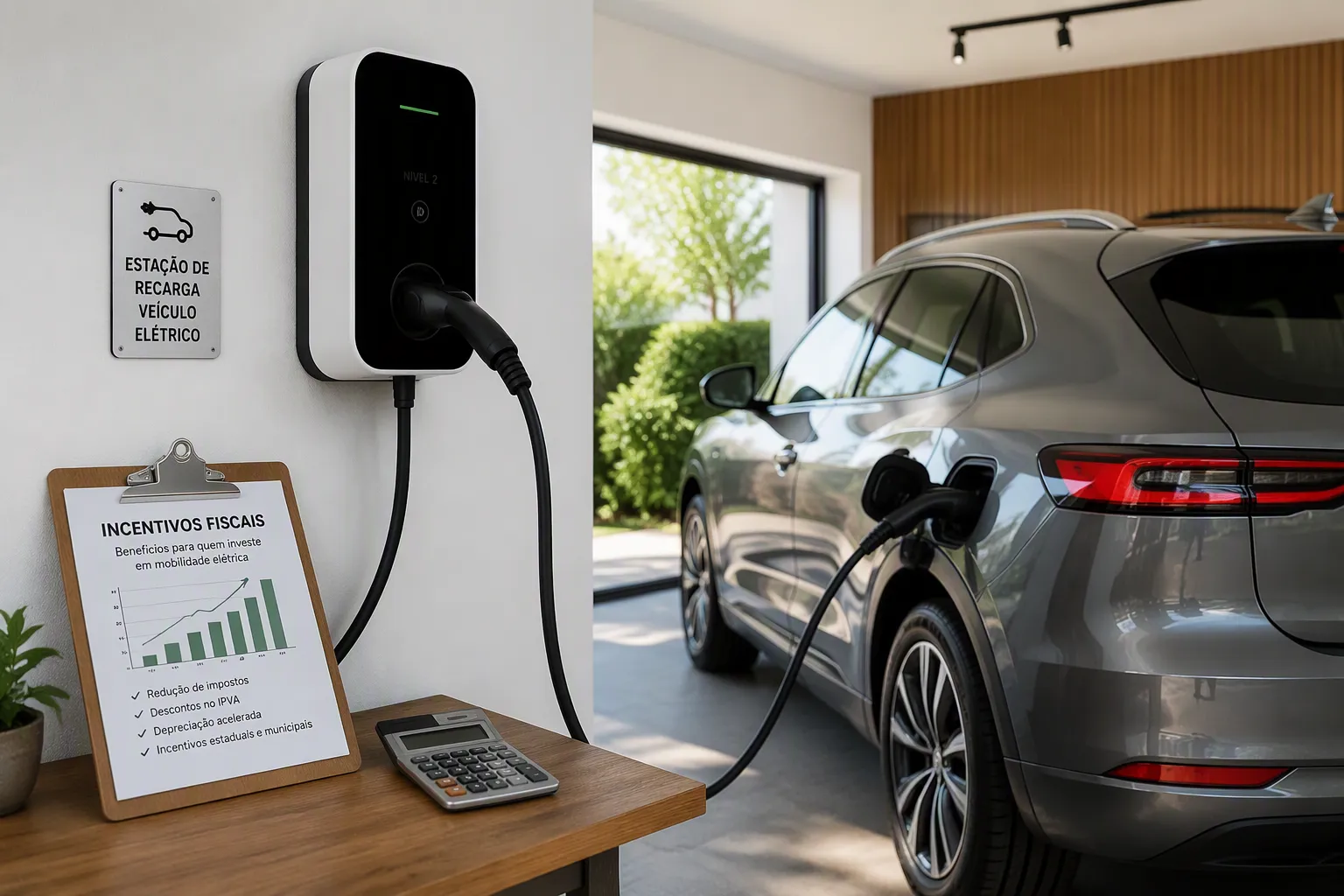
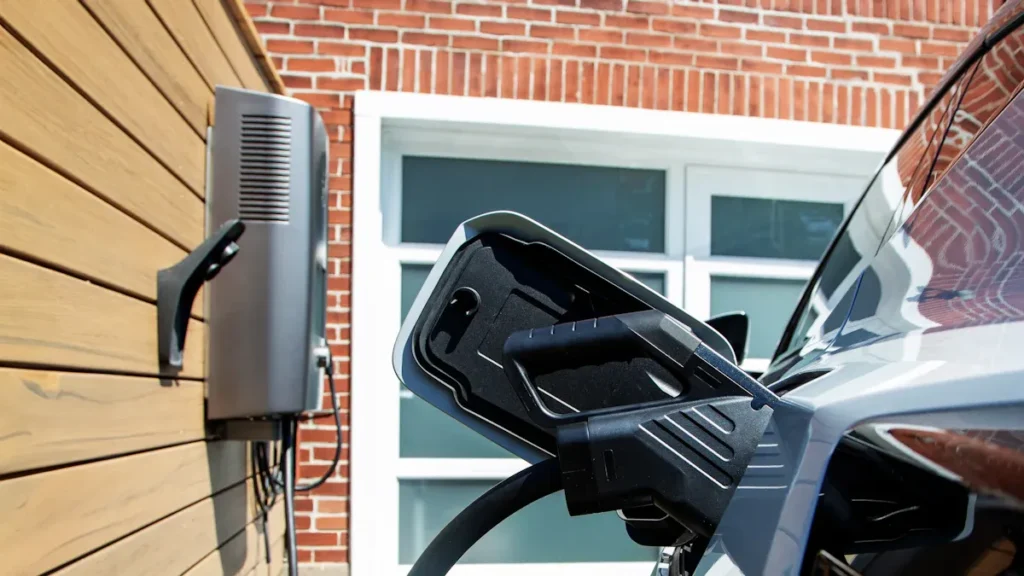
For residents, this shift makes home charging essential. The ‘droit à la prise’ is a legal right enabling the installation of a personal charging station. It is a key tool in the effort to Convince Landlord or an HOA. Residents can move beyond chargeurs ev portables to permanent Solutions de recharge pour véhicules électriques. Fabricants de chargeurs de VE like TPSON, a technologically advanced electric vehicle charging solution provider, simplify the installation of an Chargeur EV.
Your Legal Right: The ‘Droit à la Prise’ Explained
The ‘droit à la prise’, or ‘right to a plug’, is a powerful legal provision for French residents. It empowers individuals to request the installation of a recharge pour VE for their electric vehicle in a shared parking facility. This right is not a negotiation; it is a legal entitlement. Understanding its principles is the first step toward securing a personal charging solution.
What is the ‘Droit à la Prise’?
The ‘droit à la prise’ provides a clear pathway for obtaining a home charging station. It defines the responsibilities and rights of all parties involved.
A Legally Protected Right
This right is enshrined in French law. It gives a tenant or co-owner the authority to carry out the necessary work for their charging needs. A landlord or homeowners’ association (HOA) cannot refuse a request without legitimate, legally defined reasons.
Installation at Your Expense
The person making the request bears the full cost of the project. This includes the purchase of the charging equipment and the complete installation. Technologically advanced providers like TPSON offer various solutions to fit different budgets and technical requirements.
For Personal Use Only
The installed charging station is for the exclusive use of the individual who requested it. The equipment connects to their personal electricity meter or a dedicated sub-meter, ensuring they are billed directly for their consumption.
Who Qualifies for This Right?
The law specifies which residents can exercise this right. Eligibility extends to most people living in buildings with shared parking.
Tenants in Multi-Unit Buildings
A tenant with a designated parking space can invoke their ‘droit à la prise’. They must notify their landlord, who then forwards the request to the building’s HOA or ‘homeowners’ association management body’.
Co-owners in Condominiums
A co-owner in a condominium can directly notify their HOA of their intent to install a charging station. The process for co-owners is more direct than for tenants. This right applies to both indoor and outdoor parking spaces within the condominium.
Key Exclusions and Limitations
Remarque importante : The right may not apply if the condominium building has already voted to install a collective charging solution or if a pre-existing system is already in place. Technical impossibility, though rare, is another potential ground for refusal.
The Legal Framework
Two key pieces of legislation form the foundation of the ‘droit à la prise’. They provide the legal weight behind every request.
Law of July 10, 1965
This law governs condominiums in France. It establishes the basic rules for managing common areas. Amendments to this law have progressively integrated the right to individual charging solutions.
Decree of December 25, 2020
This decree significantly strengthened and clarified the ‘droit à la prise’. It streamlined the notification procedure and reduced the timeframe for an HOA to object. The decree makes the installation process faster and more certain for electric vehicle owners.
How to Convince Landlord: A Tenant’s Step-by-Step Guide

A tenant’s path to securing a personal EV charger involves a formal, legally defined procedure. The goal is not to convince landlord through persuasion but to correctly execute a legal right. This guide outlines the precise steps a tenant must follow. Success depends on meticulous preparation and adherence to the legal process.
Step 1: Prepare Your Formal Notification
A strong start is essential. A tenant must gather all necessary information and documents before contacting their landlord. This preparation demonstrates seriousness and ensures the request is legally compliant from day one.
The Registered Letter Requirement
The entire process begins with a formal written notice. French law requires this notification to be sent via a registered letter with acknowledgment of receipt. This method provides indisputable proof of the date the landlord received the request, which starts a legal timeline.
What to Include in Your Letter
The letter must contain a comprehensive description of the planned work. A tenant should clearly state their intention to exercise their ‘droit à la prise’. Key details to include are:
- A detailed description of the proposed installation work.
- The make and model of the chosen charging station.
- The name of the certified installer who will perform the work.
- A technical plan or diagram of the installation.
Trouver un installateur qualifié
A tenant must hire an installer with an “Infrastructure for Recharging Electric Vehicles” (IRVE) certification. This qualification is mandatory for such work. It ensures the installation meets all safety standards and is a prerequisite for receiving financial aid. Technologically advanced providers like TPSON can often recommend certified professionals for their charging equipment.
Creating an Installation Diagram
A clear diagram is a critical component of the notification. This technical plan, prepared by the IRVE installer, shows the proposed location of the charging station. It also maps the path of the electrical cabling from the common electrical panel to the tenant’s parking space. This visual aid helps the landlord and HOA understand the project’s scope.
Step 2: Notifying Your Landlord
With the complete file prepared, the next step is to formally inform the property owner. This action officially starts the legal process to convince landlord and the HOA to approve the project.
Sending the ‘Lettre Recommandée’
The tenant sends the full notification package to their landlord via registered letter with acknowledgment of receipt. This package must include the descriptive letter, the installer’s quote, and the installation diagram. Sending the letter initiates the landlord’s legal obligations.
The Importance of Acknowledgment
The acknowledgment of receipt (acknowledgment of receipt) is the tenant’s proof. It confirms the exact date the landlord received the request. This date is the starting point for the one-month deadline the landlord has to act. A tenant should keep this receipt in a safe place.
Step 3: The Landlord’s Legal Duty
Upon receiving the notification, the landlord has specific, time-sensitive responsibilities. The landlord acts as an intermediary between the tenant and the building’s homeowners’ association (HOA), or ‘syndic’.
The One-Month Forwarding Deadline
The law gives the landlord one month from the date of receipt to forward the tenant’s complete request to the HOA. The landlord must send the file to the syndic using the same method: a registered letter with acknowledgment of receipt. This step is a legal duty, not an option.
What if the Landlord Fails to Act?
If the landlord does not forward the request within the one-month period, the tenant gains the right to act directly. The tenant can then send the notification directly to the HOA. They should include a copy of the original registered letter and the receipt proving the landlord missed the deadline. This ensures a non-responsive landlord cannot block the charging station request.
Étape 4 : Le rôle du syndicat des copropriétaires (Syndic)
Le syndicat des copropriétaires, géré par le syndic, joue un rôle central après que le propriétaire a transmis la demande. Le syndic n'a pas le pouvoir d'approuver ou de refuser le projet. Sa fonction est purement administrative. Le syndic veille au respect des délais légaux et informe toutes les parties concernées. Les démarches du locataire pour convaincre le propriétaire deviennent désormais une affaire formelle à traiter par le syndicat.
Réception de la demande
Le syndic reçoit officiellement le dossier du projet du locataire de la part du propriétaire. Ce dossier comprend la description détaillée des travaux, le devis de l'installateur et le schéma technique. La réception de cette lettre recommandée par le syndic marque une nouvelle date critique. Cette date déclenche le délai de trois mois imparti au syndicat pour répondre. Le syndic doit inscrire la notification du locataire à l'ordre du jour de la prochaine assemblée générale à titre informatif.
Le délai de réponse de trois mois
La loi prévoit un délai strict de trois mois pour la réponse du syndicat. Durant cette période, le syndic ne peut s'opposer à l'installation que pour des motifs très spécifiques et légitimes. Une opposition est une démarche juridique sérieuse. Elle oblige le syndicat à saisir formellement le tribunal judiciaire (tribunal judiciaire).
Point juridique important : Le syndicat ne peut pas simplement voter “ non ” ou envoyer une lettre de refus. Une contestation juridique formelle est la seule forme valable d'opposition. Si le syndicat laisse passer ce délai de trois mois, le locataire acquiert automatiquement le droit de procéder à l'installation.
Le syndic doit gérer ce calendrier avec soin. Le propriétaire et le locataire dépendent de la diligence du syndic.
Informer les autres copropriétaires
Une mission clé du syndic est d'informer tous les autres copropriétaires de l'installation de recharge proposée. Le syndic le fait généralement en inscrivant le sujet à l'ordre du jour de la prochaine assemblée générale (assemblée générale).
- Objectif : L'ordre du jour est à titre “ d'information ”, et non de “ vote ”.”
- Action : Les copropriétaires examinent les détails du projet. Ils ne peuvent pas voter pour bloquer le droit individuel.
- Résultat : Cette étape assure la transparence au sein de la copropriété. Elle permet également au syndic de présenter d'éventuelles solutions de recharge collective qui pourraient primer sur la demande individuelle.
Cette communication est une partie cruciale du processus. Elle tient la communauté informée tout en respectant le droit légal du locataire à sa borne de recharge personnelle.
Guide du copropriétaire pour l'installation de bornes de recharge
Pour les copropriétaires en France, la procédure pour exercer le ‘ droit à la prise ’ est plus directe que pour les locataires. Un copropriétaire communique directement avec le syndicat des copropriétaires, ou syndic, éliminant ainsi le propriétaire comme intermédiaire. Cette voie simplifiée nécessite une préparation minutieuse pour garantir une installation fluide et réussie des points de recharge.
Étape 1 : Préparer les détails de votre projet
Un copropriétaire doit constituer un dossier de projet complet et professionnel avant de notifier le syndic. Cette préparation est le fondement d'un résultat réussi. Elle démontre une intention sérieuse et bien étudiée de procéder.
Choisir sa borne de recharge
La première décision concerne le choix du bon équipement. Un copropriétaire doit tenir compte de la capacité de charge de son véhicule, de ses habitudes de conduite quotidiennes et de son budget. Des fournisseurs technologiquement avancés comme TPSON proposent une grande variété de modèles. Les Le prix d'achat d'une borne de recharge pour voitures électriques varie selon la puissance.
| Type de station de recharge | Fourchette de prix d'achat (EUR) |
|---|---|
| 7 kW | €400 – €1,200 |
| 22 kW | €700 – €1,500 |
Ce tableau fournit une estimation générale du coût de l'unité elle-même, hors installation.
Obtenir un devis et un plan technique
Un copropriétaire doit faire appel à un installateur certifié “ Infrastructure de Recharge pour Véhicules Électriques ” (IRVE). Ce professionnel évaluera le site et fournira deux documents essentiels :
- Un devis détaillant le coût total de l'installation.
- Un plan ou schéma technique indiquant l'emplacement du chargeur et le tracé du câblage électrique.
Ces documents constituent le cœur de la notification formelle.
Comprendre les options de raccordement électrique
L'installateur IRVE déterminera également la meilleure façon de raccorder le chargeur à l'alimentation électrique de l'immeuble. Un électricien qualifié doit d'abord évaluer l'infrastructure électrique de la copropriété. Cette vérification confirme si le système existant peut supporter la nouvelle charge. Plusieurs méthodes de raccordement existent pour l'installation d'un point de recharge électrique.
- Comptage individuel : La solution la plus courante consiste à raccorder le chargeur au compteur électrique personnel du copropriétaire. Si ce n'est pas possible, un sous-compteur dédié est installé. Cela garantit que le copropriétaire ne paie que sa propre consommation électrique.
- Type de prise : L'installation d'un point de recharge peut utiliser une prise standard de Type 2, qui est la solution universelle pour la plupart des véhicules électriques. Dans certains cas, une simple prise renforcée sur la place de parking privative peut suffire pour des besoins de recharge de faible puissance.
Étape 2 : Notifier directement le syndicat (Syndic)
Avec un dossier de projet complet, le copropriétaire peut officiellement engager la procédure légale. Cette étape implique une communication directe et formelle avec la gestion de la copropriété.
Rédaction de la lettre recommandée
Le copropriétaire doit rédiger une lettre formelle au syndic. Cette lettre est une notification d'intention, et non une demande d'autorisation. Elle doit clairement indiquer le projet du copropriétaire d'exercer son ‘ droit à la prise ’. La lettre doit être envoyée par lettre recommandée avec accusé de réception (lettre recommandée avec accusé de réception) pour créer une preuve légale de la date de notification.
Documents essentiels à joindre
La lettre recommandée est incomplète sans les pièces justificatives. Le copropriétaire doit inclure l'intégralité du dossier de projet pour fournir au syndic toutes les informations nécessaires.
Liste des pièces jointes :
- Une description détaillée des travaux prévus.
- Le plan et schéma technique de l'installateur IRVE.
- Le devis formel pour l'ensemble du projet.
Ce dossier complet garantit la conformité juridique de la notification.
Étape 3 : La réponse du syndicat et le calendrier
Once the syndic receives the notification, a strict legal timeline begins. The syndic’s role is primarily administrative. It must process the notification according to the law governing condominiums.
The Three-Month Objection Period
The law gives the HOA a three-month period to object to the installation of charging stations. An objection cannot be a simple refusal. The HOA must have a legitimate, legally defined reason, such as a pre-existing plan for a collective charging solution. To formalize the objection, the syndic must file a case with the judicial tribunal within this three-month window. If the deadline passes without a formal legal challenge, the co-owner automatically wins the right to proceed with the work.
Adding to the General Meeting Agenda
The syndic has a duty to inform all other co-owners of the project. The syndic accomplishes this by adding the notification to the agenda of the next general meeting (assemblée générale). This step ensures transparency within the community.
‘Information’ vs. ‘Vote’
It is critical to understand the nature of this agenda item. The topic is added for information only, not for a vote. The other co-owners can review the project details, but they cannot vote to approve or deny it. The ‘droit à la prise’ is an individual right. A vote by the general assembly cannot override it. This procedure respects the co-owner’s legal right while keeping the rest of the condominium informed about the upcoming charging installation.
Can Your EV Charger Request Be Refused?
While the ‘droit à la prise’ is a strong legal right, it is not absolute. A homeowners’ association (HOA) can object to a request, but only under very specific and limited circumstances defined by law. Understanding these grounds is crucial for any resident planning an Installation de chargeurs de VE.
Legitimate Grounds for Refusal
An HOA can only block a request for three legally recognized reasons. The burden of proof lies entirely with the HOA.
Pre-existing Collective Solution
The HOA can refuse the request if the building already has a collective charging infrastructure. If a shared system is already in place and operational for residents to use, the individual’s right to a personal installation may not apply.
Planned Future Collective Installation
An HOA can also object if it has formally decided to implement a building-wide collective installation.
Important Condition: The HOA must have officially voted on this collective project avant the resident submitted their individual request. The work for this collective solution must also be scheduled to begin within a reasonable timeframe.
Proven Technical Impossibility
This is the rarest reason for refusal. The HOA must provide a detailed technical report from a qualified expert. The report must prove that the building’s electrical system or structure cannot support any new charging connection, even after potential upgrades.
Illegitimate Reasons for Refusal
Many common objections from an HOA are not legally valid. A resident should not accept a refusal based on these illegitimate claims.
Cost Concerns for the HOA
The individual requesting the charger bears all costs. Therefore, the HOA cannot use financial impact on the condominium as a reason for refusal. The project has no direct cost to the other co-owners.
Aesthetic Objections
Concerns about the appearance of the charging station or its wiring are not a valid legal basis for an objection. The ‘droit à la prise’ prioritizes the need for EV charging over aesthetic preferences.
Lack of General Interest
The right to a plug is an individual right. An HOA cannot deny a request simply because other residents do not need or want a personal charging station. A lack of majority interest is irrelevant.
The Formal Objection Process
An HOA cannot simply say “no.” It must follow a strict legal procedure to voice its objection.
The HOA’s Three-Month Deadline
From the moment the syndic receives the complete request, the HOA has three months to act. This period is for the HOA to either accept the project or formally challenge it in court.
Requirement to File in Court
A simple letter of refusal is not a valid objection. To formally object, the syndic, acting on behalf of the HOA, must file a case with the judicial tribunal (tribunal judiciaire). This is the only legitimate way to challenge the request.
Consequences of a Missed Deadline
If the HOA fails to file a case in court within the three-month window, the resident automatically wins the right to proceed. The silence of the HOA is legally considered an approval. The resident can then begin the work as described in their notification.
How to Contest an Unjust Refusal
A resident who receives an unjust refusal from their homeowners’ association (HOA) has a clear legal path forward. The ‘droit à la prise’ protects the resident, and an illegitimate objection does not end the process. The resident can challenge the HOA’s decision in court. This action ensures that the law, not unfounded concerns, determines the outcome.
Consulting a Legal Expert
Facing a formal objection from an HOA requires a strategic response. A resident should immediately seek advice from a legal expert, such as an lawyer specializing in real estate or condominium law. This professional provides essential guidance and support.
A legal expert performs several key functions:
- Reviews the Objection: The expert analyzes the HOA’s refusal to determine if it has any legal merit.
- Verifies Compliance: They check if the HOA followed the correct legal procedure, including filing the objection with the court within the three-month deadline.
- Prepares the Case: The expert helps the resident gather all necessary documentation, including the original notification, the project details for their chosen TPSON charger, and correspondence with the syndic.
- Represents the Resident: The lawyer will represent the resident’s interests in all legal proceedings.
Conseil Professionnel : Engaging a legal expert early demonstrates a resident’s commitment to enforcing their rights. It often signals to the HOA that the resident will not back down from an unlawful refusal.
The Role of the Judicial Tribunal
The judicial tribunal (tribunal judiciaire) is the legal authority that resolves disputes between a resident and their HOA. When an HOA files a formal objection, this court becomes the decision-maker. The tribunal does not conduct a vote or survey opinions; it applies the law to the facts of the case.
The tribunal’s role is to examine the evidence presented by both sides. It will specifically assess whether the HOA’s objection is based on one of the few legitimate grounds for refusal. The judge will review the technical plans, the building’s status, and any plans for collective solutions. If the court finds the HOA’s objection to be unfounded, it will rule in favor of the resident. The tribunal’s decision is legally binding. A favorable ruling effectively dismisses the HOA’s objection, granting the resident the definitive right to proceed with the installation of their charging station.
Individual vs. Collective Charging Points in Condominiums

Residents in French condominiums face a choice between two paths for electric vehicle charging: an individual approach or a collective one. Each method has distinct advantages, processes, and financial implications. Understanding this choice is key to developing the right strategy for a condominium building.
The Individual Approach: Your ‘Droit à la Prise’
The ‘droit à la prise’ empowers a single resident. It is a direct and legally protected route to securing a personal charging station. This approach focuses on individual needs over community consensus.
Pros: Speed and Control
The primary benefit is speed. A resident does not need to wait for a general meeting vote. They control the entire process, from selecting a technologically advanced TPSON charger to scheduling the installation. This individual right to install ensures a quick resolution for their charging needs.
Cons: Full Financial Responsibility
The main drawback is cost. The resident who makes the request is responsible for 100% of the expenses. This includes the equipment, the work of the certified installer, and any necessary metering hardware.
The Collective Approach: A Building-Wide Solution
A collective solution aims to equip the entire building’s parking area. This forward-thinking approach treats EV charging as a building utility, similar to lighting or internet access. It is a comprehensive strategy for condominiums.
Pros: Shared Costs and Future-Proofing
A collective project spreads the cost across the condominium or among participating residents. This often makes it more affordable per person than installing individual charging points. A collective installation also future-proofs the building, preparing the electrical infrastructure for growing demand.
Cons: Requires a Majority Vote
The main obstacle is the requirement for a vote. A collective project must be approved by a majority of co-owners at a general meeting. This process can be slow and is subject to delays and debate.
Proposing a Collective Solution
Any co-owner or the syndic can propose a collective charging project. The proposal must be added to the agenda of a general meeting. A successful proposal requires convincing a majority of the benefits of a shared, collective system.
When a Collective Solution Overrides Your Right
An individual’s ‘droit à la prise’ is powerful but not absolute. A decision by the condominium to pursue a collective solution can take precedence.
Impact of a Voted Collective Project
If the condominium has already voted to implement a collective charging system, the syndic can legitimately object to an individual request. The existence of a formal collective plan supersedes the individual’s right. This prevents redundant or conflicting work within the building.
Timelines for Collective Implementation
An HOA cannot use a vague future plan to block a request. For a collective project to be a valid reason for refusal, the work must be planned to start within a reasonable timeframe after the vote. This ensures the collective solution is a genuine project, not just a tactic to delay individual requests.
Financing the Installation for Your Electric Cars
Financial aid programs significantly reduce the cost of installing a home charger for electric cars. Residents can access several national subsidies to make charging their car more affordable. These programs support both individual and collective projects for cars.
The Advenir Program: Your Primary Subsidy
The Advenir program is a key financial incentive for EV charging infrastructure. It provides direct subsidies for the purchase and installation of charging points for cars.
Subsidy for Individual Installations
A resident exercising their ‘droit à la prise’ can receive a subsidy covering 50% of the cost. The aid is capped at €960 per charging point for a single car. This makes the project much more accessible for the owner of the car.
Subsidy for Collective Projects
The Advenir program offers even more attractive aid for collective solutions in a condominium. A collective project can receive a subsidy covering 50% of the cost, with a cap of up to €1,660 per charging point. This encourages a condominium to invest in shared infrastructure for multiple cars.
Admissibilité et procédure de demande
Remarque : The certified IRVE installer manages the Advenir application on behalf of the car owner. The subsidy is deducted directly from the final invoice, simplifying the process for the owner of the car.
The Tax Credit (Crédit d’Impôt)
A tax credit for acquiring a charging system provides another layer of financial support. This credit applies to a primary or secondary residence for the owner of the car.
Percentage of Costs Covered
The tax credit covers 75% of the Le coût total. This includes the price of the equipment and the installation labor for the car owner. Technologically advanced providers like TPSON offer solutions that qualify for this credit.
Financial Cap per Person
The credit is capped at €300 per charging system. This limit applies per person, so a couple can claim up to €600 for two separate charging points for their cars. This is a significant benefit for households with multiple cars.
How to Claim on Your Tax Return
A resident claims the credit when filing their annual income tax return. They must declare the expense and keep the invoice from the installer as proof for their car.
Reduced VAT Rate
A reduced Value-Added Tax (VAT) rate lowers the overall project cost for many cars. This tax benefit applies to specific types of properties and work.
Understanding the 5.5% VAT
The standard VAT rate of 20% is reduced to 5.5% for the supply and installation of EV charging equipment. This applies to work done in residential buildings, including condominiums, that are more than two years old.
Which Work Qualifies?
The reduced rate applies to the entire project. This includes the charging station itself and all labor costs for the installation. This benefit makes charging solutions more affordable for owners of cars in older condominiums. The collective benefit for cars is substantial.
Local and Regional Aid
National programs provide a strong financial foundation for EV charger installations. Many cities and regions in France offer additional local aid. These programs often complement national subsidies, further reducing costs for residents. They can make a significant difference, especially for larger collective projects.
Examples: Paris and Normandy Region
Different regions have unique approaches to promoting electric mobility. Paris and the Normandy region offer excellent examples of local support.
The city of Paris provides specific subsidies for condominiums. It supports the pre-cabling of parking areas for future charging needs. This aid targets collective infrastructure, covering a percentage of the work. The goal is to prepare buildings for a future where every parking space may need a charger. This type of collective investment is highly encouraged.
The Normandy region also has a robust program. It offers grants to individuals, businesses, and local authorities. The aid often focuses on encouraging collective installations. This regional support makes a collective project a more financially viable option for many co-owners.
How to Find Local Subsidies
Finding local aid requires some proactive research. The availability and terms of these programs change. Residents should check for the most current information. A technologically advanced provider like TPSON can sometimes offer guidance on local incentives for their charging solutions. Here are key resources for finding subsidies:
- Official City Websites (
town hall): A resident’s local town hall website is the best starting point. Search for terms like “charging station subsidy” or “electric vehicle aid”. - Regional Council Websites (
Conseil Régional): The regional government site details broader programs. These often support large-scale collective projects. - Local Energy Agencies: Des organismes comme les ALEC (Agences Locales de l’Énergie et du Climat) fournissent des conseils spécialisés. Elles recensent toutes les aides disponibles pour les projets énergétiques, y compris la recharge pour véhicule électrique.
- Installateur IRVE : Un installateur certifié connaît souvent les dispositifs locaux. Il peut informer un propriétaire de véhicule des aides applicables à son projet spécifique, qu'il soit individuel ou collectif.
Ces programmes locaux privilégient souvent les solutions collectives. Ils visent à équiper des bâtiments entiers pour faire face à l'augmentation du nombre de véhicules électriques.
Le ‘ droit à la prise ’ est un droit légal, et non une négociation avec un propriétaire. Le succès dépend du respect de la procédure de notification formelle avec tous les détails requis. Un propriétaire et un syndicat de copropriété ont des motifs de refus très spécifiques et limités. Des aides financières substantielles rendent la recharge pour véhicule électrique plus abordable que jamais pour les résidents.
Conseil pratique : Il est conseillé de commencer dès aujourd'hui en rédigeant sa lettre recommandée et en rassemblant les détails du projet pour faire valoir son droit à une solution de recharge personnelle.
FAQ
Qu'est-ce que le ‘ droit à la prise ’ ?
Le ‘ droit à la prise ’ est un droit légal français. Il permet à un locataire ou un copropriétaire d'installer une borne de recharge personnelle pour véhicule électrique dans un parking collectif. La personne prend à sa charge tous les coûts associés à l'installation.
Un propriétaire peut-il refuser la demande d'un locataire ?
Un propriétaire ne peut pas refuser personnellement la demande. Il a l'obligation légale de transmettre la notification complète du locataire au syndicat de copropriété dans un délai d'un mois. Le propriétaire n'agit que comme un intermédiaire dans cette procédure.
Qui paie pour l'installation de la borne de recharge ?
Le résident qui exerce son ‘ droit à la prise ’ paie l'intégralité du projet. Cela inclut l'équipement de recharge et tous les travaux d'installation réalisés par un professionnel certifié. Les programmes d'aides financières peuvent permettre de réduire significativement cette dépense personnelle.
Qu'est-ce qu'un installateur IRVE ?
Un installateur IRVE est un professionnel certifié pour l'installation d'infrastructures de recharge pour véhicules électriques en France. Faire appel à un installateur certifié IRVE est une obligation légale. Cela garantit également l'éligibilité du projet aux subventions nationales comme le programme Advenir.
Quel délai a le syndicat de copropriété pour s'opposer ?
Le syndicat de copropriété dispose d'un délai strict de trois mois pour s'opposer après réception de la notification formelle. Une opposition n'est valable que si le syndicat saisit le tribunal judiciaire (tribunal judiciaire) pour des motifs légitimes et définis par la loi.
Que se passe-t-il si le syndicat manque le délai ?
Si le syndicat ne dépose pas d'opposition formelle devant le tribunal dans le délai de trois mois, le résident acquiert automatiquement le droit de procéder. Il peut alors commencer les travaux d'installation tels que décrits dans sa notification initiale.
Un résident peut-il choisir n'importe quelle borne de recharge ?
Oui, un résident peut choisir la borne de recharge de son choix. Des fournisseurs de solutions de recharge technologiquement avancées comme TPSON proposent divers modèles conformes aux normes techniques et éligibles aux aides financières, offrant ainsi flexibilité et choix pour leur projet.