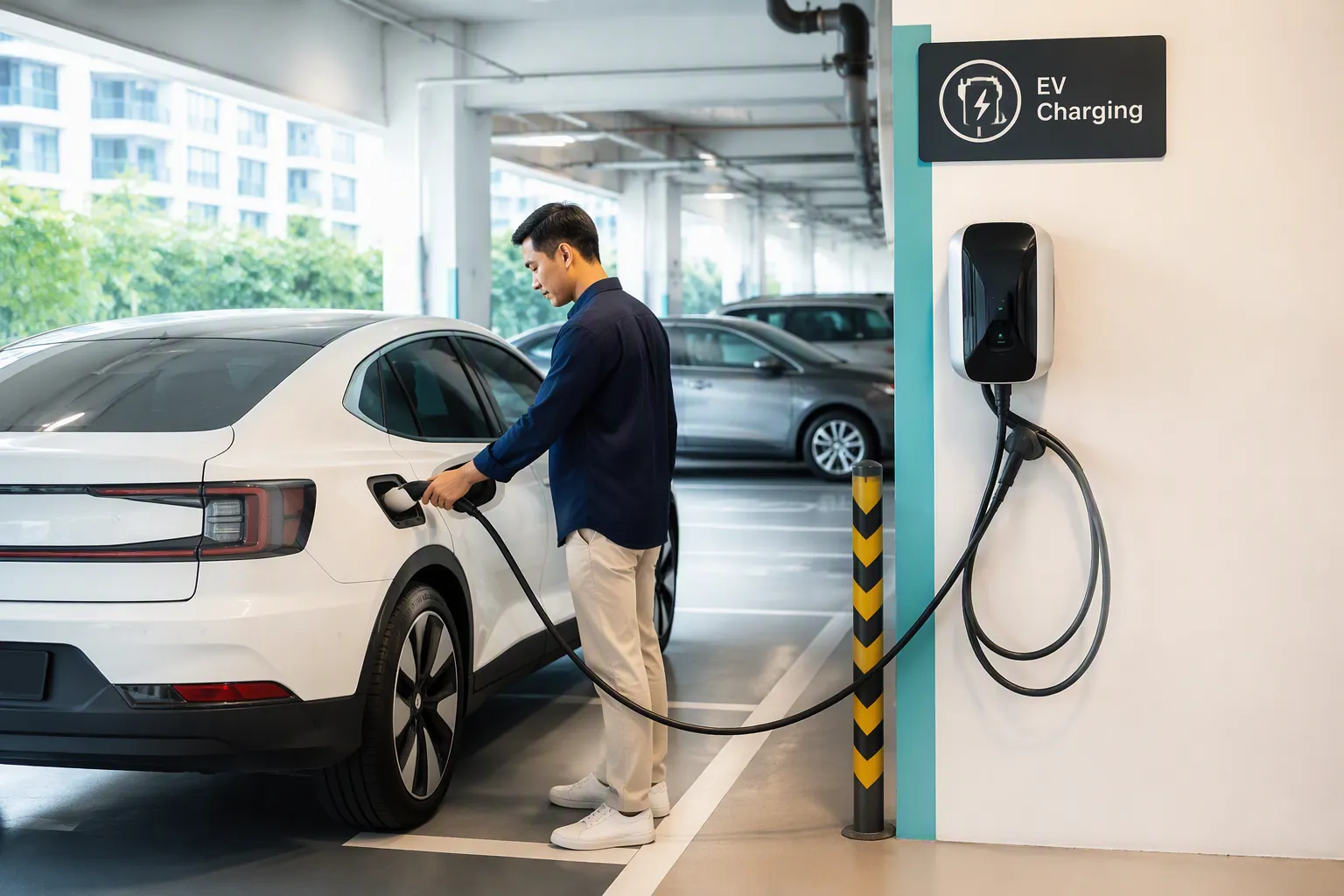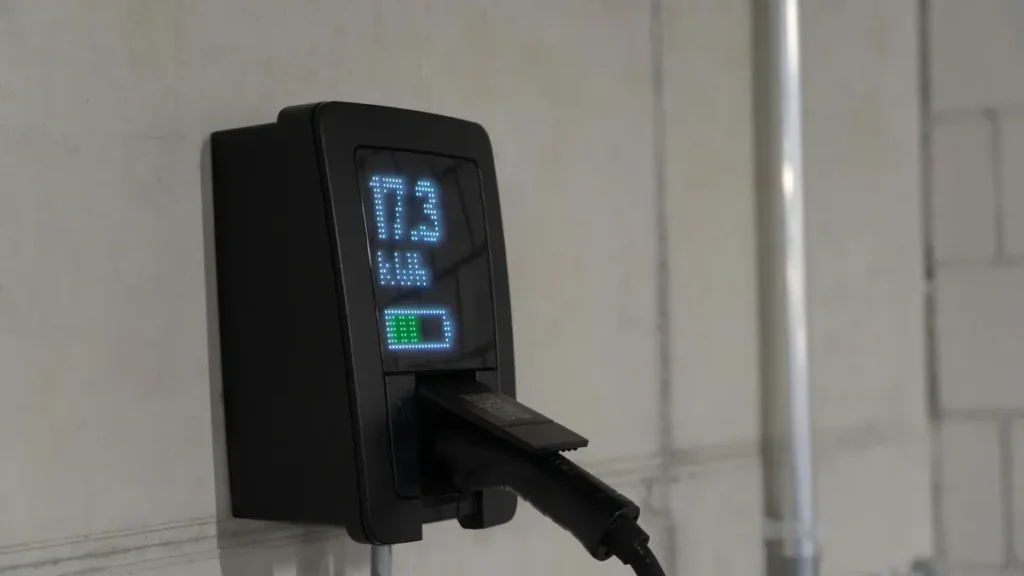
A quality level 1 Chargeur de VE in Malaysia provides reliable performance for daily home charging. Many Fabricants de chargeurs de VE proposent désormais Solutions de recharge pour véhicules électriques that fit local needs. Users who drive less each day benefit from chargeurs portables pour VE, as these chargers plug into standard outlets and deliver steady charging. Although charging speeds add only 5 to 8 kilometers per hour, this method suits occasional use. Proper charger selection supports battery health and delivers lasting value.
Understanding Quality Level 1 EV Charger Basics
What Is a Level 1 EV Charger?
Basic Function and Charging Process
A level 1 charger provides a simple solution for electric car owners. This charger connects directly to a standard household socket. The charging process uses alternating current (AC) from the grid to recharge the vehicle’s battery. Most users find the setup straightforward. They only need to plug the charger into the wall and then connect it to the car. The charger manages the flow of electricity to ensure safe and steady charging.
Typical Charging Speed and Power Output
Charging speed remains a key factor for any EV owner. A level 1 charger typically delivers 2 to 3 kW of power. This output translates to about 5 to 8 kilometers of driving range per hour of charging. The slow charging speed suits overnight charging or situations where the car remains parked for long periods. Users should note that charging speed depends on the vehicle’s battery size and the charger’s efficiency.
EV Compatibility in Malaysia
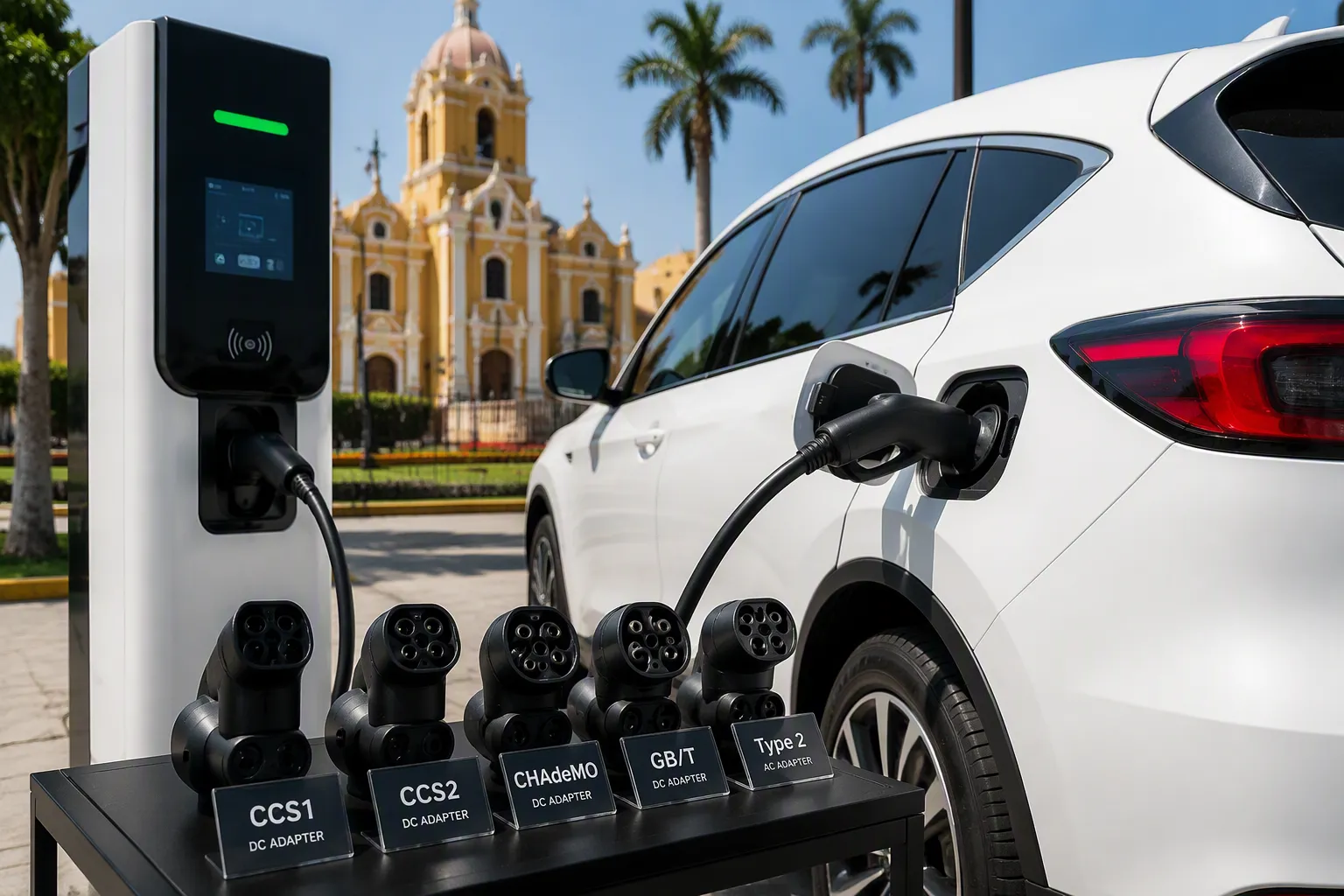
Supported Vehicle Types and Connector Standards
EV compatibility plays a crucial role when selecting an ev charger in malaysia. Most electric car models support level 1 charging. The majority of vehicles use the Type 2 connector, which has become the standard in Malaysia. Some imported models may use different connectors, so buyers should check their vehicle’s requirements before purchasing a charger.
Plug and Socket Compatibility
Malaysia uses the Type G plug for household sockets. A quality level 1 charger should come with a compatible plug to ensure safe operation. Users should verify that the charger matches local electrical standards. This step helps prevent issues during installation and daily use.
When to Choose a Level 1 EV Charger
Home Charging Scenarios
Many homeowners prefer level 1 chargers for their convenience. These chargers work well for users who have access to a dedicated parking spot with a nearby socket. The setup does not require special wiring or professional installation. Homeowners can start charging their EV as soon as they arrive.
Occasional vs. Daily EV Charging Needs
A level 1 charger fits best for drivers with low daily mileage. Occasional users or those who do not rely on their electric car for long commutes benefit most. For frequent long-distance drivers, ev charging stations in malaysia or higher-level chargers may offer better solutions. Users should assess their driving habits before deciding on the right charger.
Tip: Always check your vehicle’s manual for recommended charging speed and connector type before purchasing a charger.
Key Features of a Quality Level 1 EV Charger
A quality level 1 EV charger must deliver more than just basic charging. It should combine robust safety, reliable construction, and user-friendly design. These features ensure that Malaysian EV owners enjoy dependable performance and peace of mind.
Certifications et normes de sécurité
International Safety Marks and Approvals
Safety remains the top priority for any EV charger. International safety standards, such as ETL and CE marks, indicate that the charger has passed rigorous testing. These marks confirm that the charger meets global safety requirements for electrical devices. A charger with these approvals protects users from electrical hazards and ensures consistent charging performance.
Malaysian Regulatory Compliance
In Malaysia, regulatory compliance is essential. A quality level 1 EV charger must meet local safety standards and obtain certifications from recognized authorities. SIRIM certification demonstrates that the charger complies with Malaysian regulations. This approval ensures that the charger operates safely within the country’s electrical infrastructure. Buyers should always check for these marks before making a purchase.
Note: Chargers that meet both international and Malaysian safety standards offer the highest level of protection for users and their vehicles.
Build Quality and Durability
Materials, Construction, and Longevity
The construction of a charger affects its lifespan and reliability. High-quality materials, such as non-combustible aluminum enclosures, resist rust, corrosion, and fire. These materials extend the life of the charger and maintain its appearance over time. TPSON, a technologically advanced electric vehicle charging solution provider, uses durable components to ensure long-term value.
Résistance aux intempéries et indices de protection (IP)
Malaysia’s climate presents unique challenges for EV charging. Outdoor installations require chargers that can withstand heat, humidity, and rain. IP ratings indicate the level of protection against dust and water. For example, a charger with an IP65 rating offers excellent weatherproofing. The WMIP range features a non-combustible aluminum enclosure, IP65 weatherproof rating, and a lockable design for added security. These features make it ideal for outdoor use in Malaysian homes.
- Key weather resistance features:
- Non-combustible aluminum enclosure resists rust, corrosion, and fire.
- IP65 rating ensures protection from dust and water.
- Lockable design enhances security for outdoor installations.
Portability and Design
Cord Length and Flexibility
Portability and design play a significant role in daily convenience. A quality level 1 EV charger should include a long, flexible cable to accommodate different parking scenarios. A 28-foot charging cable allows users to reach their vehicle easily, even when the socket is far from the car. This flexibility supports various home layouts and charging locations.
Weight and Storage Convenience
Lightweight construction makes the charger easy to transport and set up. Many chargers include a storage bag and base, allowing for both portable and fixed charging options. This dual-purpose functionality suits users who need flexibility. The following table highlights key design features that enhance portability and ease of use for Malaysian consumers:
| Fonctionnalité | Description |
|---|---|
| Longueur du câble | Le 28-foot-long charging cable offers flexibility and convenience for charging at various locations. |
| Smart App Control | Allows remote monitoring and scheduling of charging times to optimize costs. |
| Caractéristiques de sécurité | Complies with ETL security standards and includes multiple protections against overcharging and faults. |
| Lightweight Design | Facilitates easy transport and setup for users. |
| Dual-Purpose Functionality | Includes storage bag and base for both portable and fixed charging options. |
A charger with these features ensures that users can charge their EV at home or on the go, without hassle.
Tip: Always choose a charger that balances portability with robust safety standards for the best user experience.
Fonctionnalités et connectivité intelligentes
App Control and Monitoring Options
Modern EV owners expect more than just basic charging. A quality level 1 ev charger often includes smart features that enhance convenience and control. Many chargers now offer app connectivity, allowing users to monitor and manage charging sessions from their smartphones. This technology provides real-time updates on charging status, energy consumption, and charger health. Users can receive notifications when charging completes or if any issues arise.
App connectivity also improves the overall user experience for EV owners in Malaysia. The following table highlights how these features benefit daily use:
| Fonctionnalité | Bénéfice |
|---|---|
| Real-time Navigation | Guides users to the nearest charging stations, enhancing convenience. |
| Intégration des paiements | Facilitates secure transactions, making the charging process seamless. |
| Energy Usage Analytics | Provides insights for optimizing EV performance and cost savings. |
| Assistance à la clientèle 24/7 | Ensures assistance is available at all times for a smooth experience. |
These features help users save time, manage costs, and access support whenever needed. A charger with robust app control stands out as a smart investment for tech-savvy drivers.
Scheduling and Energy Management Tools
Scheduling tools allow users to set charging times that fit their routines. Many quality level 1 ev charger models let users schedule charging during off-peak hours, reducing electricity costs. Energy management tools track usage patterns and help users optimize their charging habits. These features support efficient energy use and extend battery life. By leveraging these tools, EV owners can maximize the value of their charger and enjoy greater flexibility.
Warranty and After-Sales Support
Warranty Coverage and Duration
A reliable charger should come with a comprehensive warranty. Most quality level 1 ev charger products offer warranties ranging from one to three years. This coverage protects users against manufacturing defects and performance issues. A longer warranty period signals confidence in the charger’s durability and build quality. Buyers should always review the warranty terms before making a purchase.
Local Service Centers and Customer Support
Local support plays a crucial role in the ownership experience. Access to service centers in Malaysia ensures quick repairs and maintenance. Many leading brands provide dedicated hotlines and online support for troubleshooting. Reliable local support means users can resolve issues without long delays. This level of service builds trust and encourages more drivers to adopt EV technology.
Tip: Choose a charger from a brand with established local support networks. Fast response times and accessible service centers make a significant difference in daily convenience.
Price and Value for Money
Comparing Price Ranges and Features
Price varies widely among EV chargers. Entry-level models offer basic charging at a lower cost, while premium options include advanced features such as app control and energy analytics. Buyers should compare the features offered at each price point. A quality level 1 ev charger may cost more upfront but delivers better performance and safety. The best value comes from balancing essential features with affordability.
Balancing Cost with Long-Term Benefits
Investing in a charger with advanced features and strong local support can save money over time. Durable construction reduces the need for replacements. Smart features help users manage energy costs and avoid unnecessary expenses. Reliable local support ensures quick solutions to any problems. By considering both initial price and long-term benefits, EV owners in Malaysia can make informed decisions that support their needs for years to come.
Wall-Mounted vs. Portable EV Charger Options
Wall-Mounted Quality Level 1 EV Charger
Avantages et inconvénients
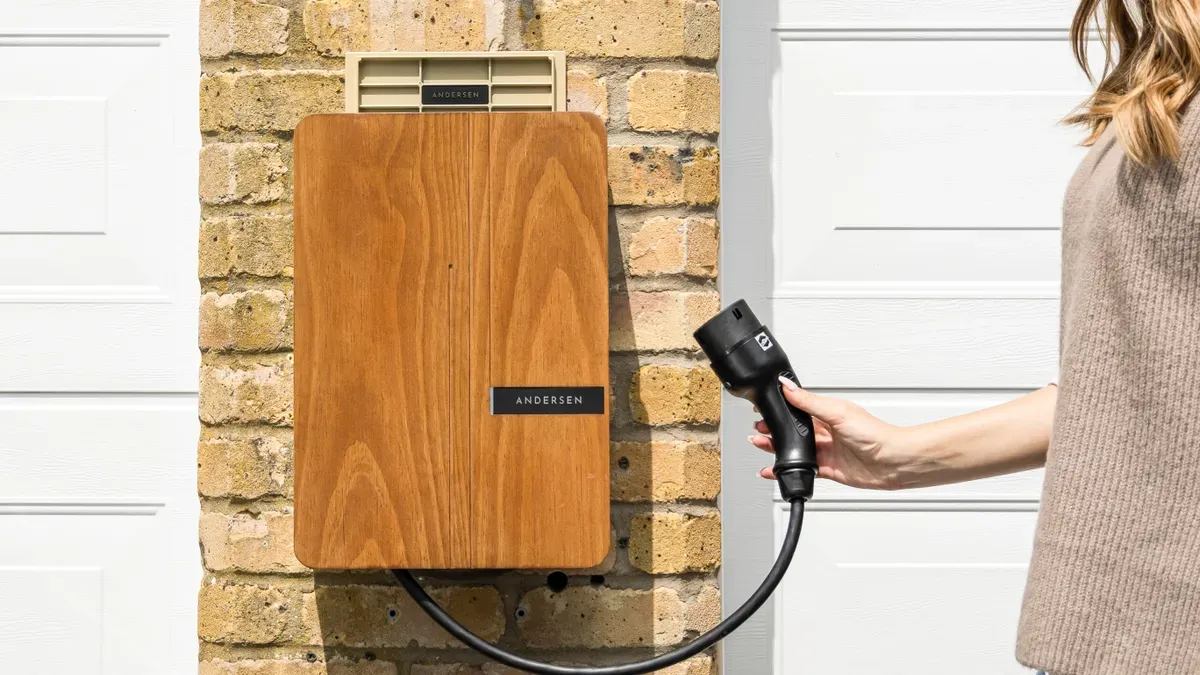
Wall-mounted chargers offer a permanent solution for residential charging. They provide a dedicated spot for the vehicle, which helps keep cables organized and reduces clutter. These chargers often feature robust enclosures that withstand Malaysia’s humid climate. Owners benefit from consistent performance and enhanced safety, as installation usually involves professional electricians.
However, wall-mounted chargers require a fixed installation point. This setup limits flexibility if the owner moves or needs to charge at different locations. The installation process may involve additional costs, especially if electrical upgrades are necessary.
Best Use Cases for Malaysian Homes
Wall-mounted chargers suit homeowners with a dedicated parking space. They work best for those who park in the same spot every night and want a reliable home charging station. Families with multiple vehicles can benefit from the organized setup, as it keeps the charging area safe and tidy. This option also appeals to users who prioritize security and want to avoid moving the charger frequently.
Portable Quality Level 1 EV Charger
Avantages et inconvénients
Portable chargers deliver unmatched flexibility. Owners can use them at home, at work, or while traveling. The lightweight design makes transport easy, and many models include a storage bag for convenience. Portable chargers support various power configurations, such as 20kW, 30kW, or 40kW, to meet different charging needs and budgets. They also offer high-efficiency performance, which reduces charging time and operating costs.
On the downside, portable chargers may not provide the same level of weather protection as wall-mounted units. Users must ensure proper storage to avoid damage from rain or heat. Security can be a concern if the charger remains unattended in public spaces.
| Avantage | Description |
|---|---|
| Configuration flexible de l'alimentation | Offers options to match specific charging needs and budgets. |
| Performance à haut rendement | Delivers faster charging and supports various vehicle types. |
| Réduction des coûts d'exploitation | Designed for low energy consumption, lowering long-term expenses. |
| Conception compacte et mobile | Lightweight and portable, ideal for emergency charging and use in multiple locations. |
| Sûre et fiable | Built with high-quality components for a safe charging experience. |
| Versatile Charging Options | Supports multiple interfaces, ensuring compatibility with a wide range of electric vehicles. |
Best Use Cases for Flexibility
Portable chargers fit drivers who travel frequently or lack a fixed parking spot. They serve as a backup for those who want to charge their EV at different locations. Owners who rent their homes or move often find portable chargers practical. These chargers also help during emergencies, as users can keep them in the trunk for unexpected charging situations.
Choosing the Right EV Charger for Your Needs
Lifestyle and Usage Patterns
Selecting the right charger depends on daily routines. Homeowners with predictable schedules and a fixed parking space may prefer a wall-mounted charger. Frequent travelers or those with changing parking arrangements benefit from a portable charger. Drivers should consider how often they use their EV and where they park overnight.
Installation and Space Considerations
Space and installation requirements play a key role. Wall-mounted chargers need a suitable wall and access to electrical wiring. Portable chargers require only a standard outlet, making them easier to set up in various locations. Owners should evaluate their home layout, parking situation, and long-term plans before choosing a charger.
Tip: Assess both current and future charging needs to ensure the chosen charger remains practical as lifestyles change.
Malaysian-Specific EV Charger Requirements
Plug Types and Electrical Standards in Malaysia
Common Malaysian Plug Types for EV Chargers
Electric vehicle owners in Malaysia encounter unique plug types when selecting a charger. Most homes use the Type G plug, which features three rectangular prongs. This plug type matches the British standard and supports the majority of household appliances. A quality ev charger in malaysia should include a compatible Type G plug to ensure seamless integration with local sockets. Drivers must confirm that the charger fits securely and maintains a stable connection during charging.
Voltage, Current, and Safety Compatibility
Electrical standards play a vital role in safe charging. Level 1 chargers in Malaysia typically operate at 120V and deliver up to 1.9kW of power output. This setup provides a charging rate of about 5 miles per hour. The following table summarizes these specifications:
| Spécifications | Valeur |
|---|---|
| Tension | 120V |
| Puissance de sortie | Up to 1.9kW |
| Taux de charge | 8 kilometers/hour |
Proper voltage and current compatibility prevent electrical hazards. Users should always verify that their charger meets local safety standards before installation. This step reduces the risk of overheating and electrical faults.
Local Regulations and Approvals for EV Chargers
SIRIM Certification and Legal Requirements
Malaysia enforces strict regulations for electrical devices. SIRIM certification confirms that a charger complies with national safety standards. This approval process involves rigorous testing to ensure the device operates safely in Malaysian homes. Buyers should look for the SIRIM label on the packaging or product documentation. Without this certification, the charger may not meet legal requirements and could pose safety risks.
Government Guidelines for Home EV Charging
The Malaysian government provides guidelines for home charging installations. These guidelines outline the proper setup, including socket placement and wiring requirements. Homeowners must follow these rules to maintain safety and avoid penalties. Many local authorities recommend professional installation to ensure compliance with all standards. Adhering to these guidelines protects both the user and the property.
Note: Always consult with a licensed electrician before installing a new charger to guarantee full compliance with Malaysian regulations.
Climate and Environmental Considerations
Heat and Humidity Resistance for EV Chargers
Malaysia experiences high temperatures and humidity throughout the year. These environmental factors can affect the performance and lifespan of an ev charger. Manufacturers design chargers with weather-resistant enclosures and advanced cooling systems to withstand these conditions. Devices with high IP ratings offer better protection against dust and moisture. This feature ensures reliable operation and enhances safety during daily use.
Outdoor vs. Indoor Installation Factors
Choosing between outdoor and indoor installation depends on the user’s home layout. Outdoor installations require chargers with robust weatherproofing and tamper-resistant features. Indoor setups offer more protection from the elements but may limit accessibility. Users should evaluate their parking space and select a charger that meets both environmental and safety standards.
Tip: Select a charger with a high IP rating for outdoor use to ensure long-term durability in Malaysia’s climate.
Practical Tips for Comparing and Buying a Quality Level 1 EV Charger
How to Read EV Charger Product Specifications
Key Specs to Focus On
Buyers should review several important specifications before selecting a level 1 EV charger. Power output stands as a primary factor. Most models deliver between 2 kW and 3 kW, which determines how quickly an EV receives energy. Cable length also matters, as a longer cable provides more flexibility for different parking arrangements. Look for chargers with a minimum cable length of 5 meters. Safety certifications, such as SIRIM or CE, confirm that the product meets recognized standards. Some chargers include smart features like app control or scheduling, which can improve the charging experience.
| Spécifications | Pourquoi c'est important |
|---|---|
| Puissance de sortie | Affects charging speed |
| Longueur du câble | Increases installation flexibility |
| Safety Certification | Garantir la conformité et la sécurité |
| Caractéristiques intelligentes | Adds convenience and control |
Avoiding Misleading Claims and Marketing
Some manufacturers use marketing language that exaggerates performance. Buyers should check actual power ratings and confirm compatibility with their vehicle. Claims about “universal compatibility” may not apply to all EV models in Malaysia. Always verify connector type and plug compatibility. If a product promises extremely fast charging, review the technical details to ensure it matches level 1 standards. Reading user reviews and consulting independent sources helps avoid disappointment.
Where to Buy a Quality Level 1 EV Charger in Malaysia
Authorized Dealers and Trusted Online Platforms
Purchasing from authorized dealers ensures access to genuine products and official support. Many reputable brands partner with local retailers and certified installers. Trusted online platforms, such as official brand stores or well-known e-commerce sites, offer convenience and a wide selection. Buyers should look for clear warranty information and after-sales support options when shopping online.
Ensuring Authenticity and Warranty
Authentic chargers come with proper documentation, including warranty cards and certification labels. Buyers should check for SIRIM approval and confirm the presence of a serial number. Registering the product with the manufacturer can activate warranty coverage. Reliable sellers provide clear return policies and customer service contacts.
Tip: Always keep purchase receipts and warranty documents in a safe place for future reference.
Installation and Setup Advice for EV Chargers
Installation par un bricoleur ou par un professionnel
Some users may consider installing a charger themselves. However, hiring a licensed and experienced electrician remains the safest choice. Professional installation ensures correct wiring, proper circuit breaker selection, and compliance with Malaysian regulations. This approach reduces the risk of electrical faults and extends the lifespan of the charger.
Safety Checks Before First Use
Before using a new charger, several safety checks help prevent accidents and ensure reliable operation:
- Hire a licensed and experienced electrician pour l'installation.
- Confirm compatibility with the EV and verify safety standards.
- Install the charger in a well-ventilated area, away from flammable materials.
- Use the correct circuit breaker and wiring to avoid overloading.
- Inspect and maintain the charger regularly to ensure proper function.
These steps help users enjoy safe and efficient charging at home.
A quality level 1 ev charger in malaysia should offer strong safety certifications, durable construction, and user-friendly features. Buyers can use this checklist for a confident purchase:
- Verify safety and local certifications
- Check cable length and plug compatibility
- Review warranty and after-sales support
- Compare smart features and price
Start your search with certified brands and trusted dealers. Consider both current and future charging needs for lasting value.
FAQ
What is the average charging time for a Level 1 EV charger in Malaysia?
A Level 1 EV charger typically adds 5 to 8 kilometers of range per hour. Most EVs require overnight charging to reach a full battery using this method.
Can a Level 1 EV charger work with all electric vehicles in Malaysia?
Most EVs in Malaysia support Level 1 charging with a Type 2 connector. Imported models may use different connectors. Always check the vehicle’s manual for compatibility.
Is professional installation required for a Level 1 EV charger?
Professional installation is not mandatory for portable Level 1 chargers. However, hiring a licensed electrician ensures safe setup and compliance with Malaysian regulations.
How can users ensure their charger is safe for outdoor use?
Look for chargers with a high IP rating, such as IP65. These models resist dust and water, making them suitable for Malaysia’s humid and rainy climate.
Does using a Level 1 charger affect EV battery life?
Level 1 charging uses low power, which is gentle on the battery. Regular use of Level 1 chargers helps maintain battery health over time.
What should buyers do if the charger stops working?
Contact the manufacturer’s customer support or visit a local service center. Most quality chargers include warranty coverage for repairs or replacements.
Are smart features necessary for Level 1 EV chargers?
Smart features, such as app control and scheduling, add convenience. They help users monitor charging, manage energy use, and optimize costs, but are not essential for basic charging needs.
Where can buyers find authentic Level 1 EV chargers in Malaysia?
Buyers should purchase from authorized dealers or trusted online platforms. Always check for SIRIM certification and warranty documentation to ensure authenticity.