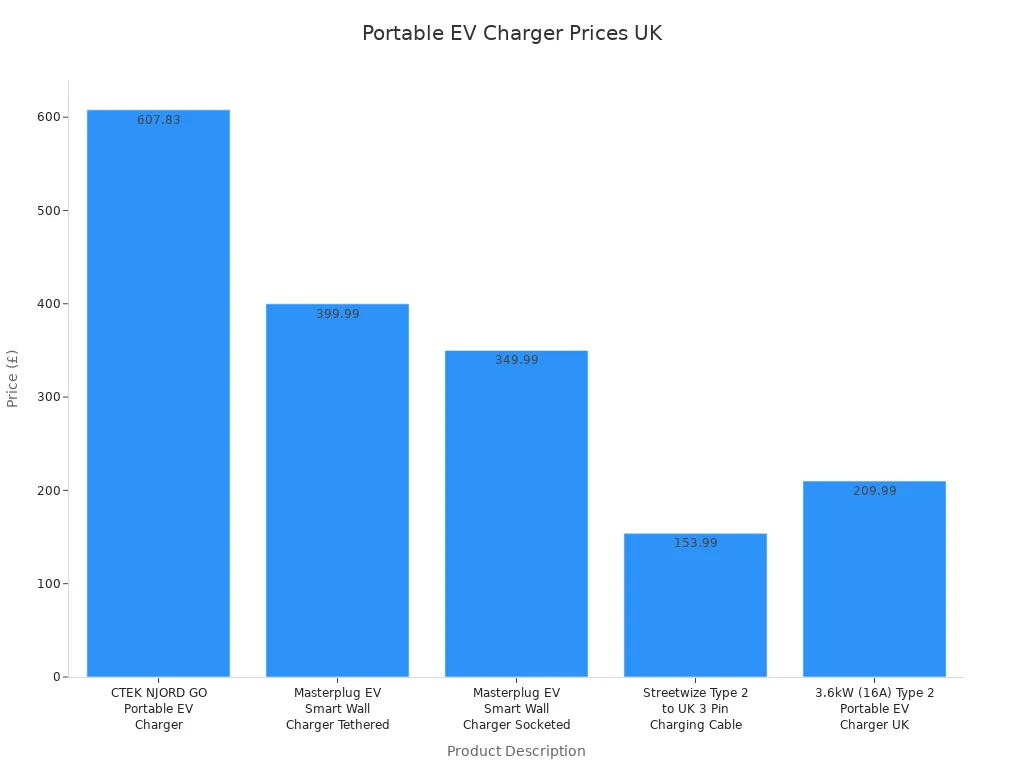
The true cost of a portable Chargeur de VE in the UK, including essential adapters and accessories, ranges from £153.99 to over £600 depending on the charger specification and brand. The table below highlights current prices from leading EV charger manufacturers:
| Product Description | Prix |
|---|---|
| CTEK NJORD GO Portable EV Charger | £607.83 |
| Masterplug EV Smart Wall Charger Type 2 Single Phase Tethered Mode 3 IP55 7.4kW 32A | £399.99 |
| Masterplug EV Smart Wall Charger Type 2 Single Phase Socketed Mode 3 IP55 7.4kW 32A | £349.99 |
| Streetwize Type 2 to UK 3 Pin EV Charging Cable 10A | £153.99 |
| 3.6kW (16A) Type 2 Portable EV Charger UK – Blue CEE Plug – 6-16A Adjustable | £209.99 |
Understanding the true cost of a portable EV charger helps EV owners compare options and make informed decisions. Portable chargers offer flexibility for drivers who need Solutions de recharge pour véhicules électriques away from home. As price, compatibility, and included accessories vary, knowing the full cost enables better budgeting and maximizes value.
What’s Included in the True Cost of Portable EV Chargers?

Understanding the true cost of chargeurs portables pour VE involves more than just the initial purchase price. Buyers must consider the charger unit, essential adapters, and a range of accessories. Each component plays a role in the overall value and functionality of the charging solution.
Portable EV Charger Unit
Standard Features of a Portable EV Charger
Most portable EV chargers come with a set of standard features designed for convenience and safety. These features often include:
- Weather-resistant casing for outdoor use
- Built-in safety protections such as overcurrent, overvoltage, and temperature monitoring
- LCD screens or LED indicators for charging status
- Adjustable current settings for different charging points
- Compatibility with multiple EV models
Manufacturers like TPSON offer technologically advanced solutions that integrate these features, ensuring reliable performance for users who need flexibility in their charging routine.
A comparison of popular brands and models in the UK highlights the diversity in features and design:
| Brand and Model | Caractéristiques principales |
|---|---|
| Ring Three-Pin Plug To Type 2 EV Charging Cable | Maximum charging speed of 3kWh, clear LCD screen, adds 13kW to range in six hours, bulky case. |
| Vorsprung Portable EV Charger | Available in three cable lengths (5m, 8m, 10m), 2.2kW charging speed, good design, under £200. |
These options represent some of the best portable EV chargers available, each offering unique benefits for different charging needs.
Power Ratings and Charging Speeds Explained
The power rating of a portable EV charger determines its charging speed and directly impacts charging times. Most portable chargers in the UK offer power outputs between 2.2kW and 7.4kW. Higher power ratings reduce charging times but may require access to dedicated EV charging points or industrial outlets.
| Composant | Description |
|---|---|
| Electricity Cost | The cost of electricity in pence per kilowatt hour, which can be found on your energy bill. |
| EV Battery Size | The capacity of the electric vehicle’s battery, typically ranging from 40kWh to 100kWh. |
| Vitesse de chargement | The power output of the EV charger, with home chargers usually at 3.7kW or 7.4kW, and rapid chargers at 50kW+. |
Charging speed affects how quickly an electric car charger can replenish an EV battery. For example, a 7.4kW portable charger will charge a 40kWh battery in about 5.5 hours, while a 2.2kW charger will take much longer. Buyers should match the charger’s power rating to their vehicle’s battery size and daily driving needs.
Essential Adapters for Portable EV Chargers
Portable EV chargers often require adapters to connect to different charging points. The right adapter ensures compatibility with various outlets and maximizes charging flexibility.
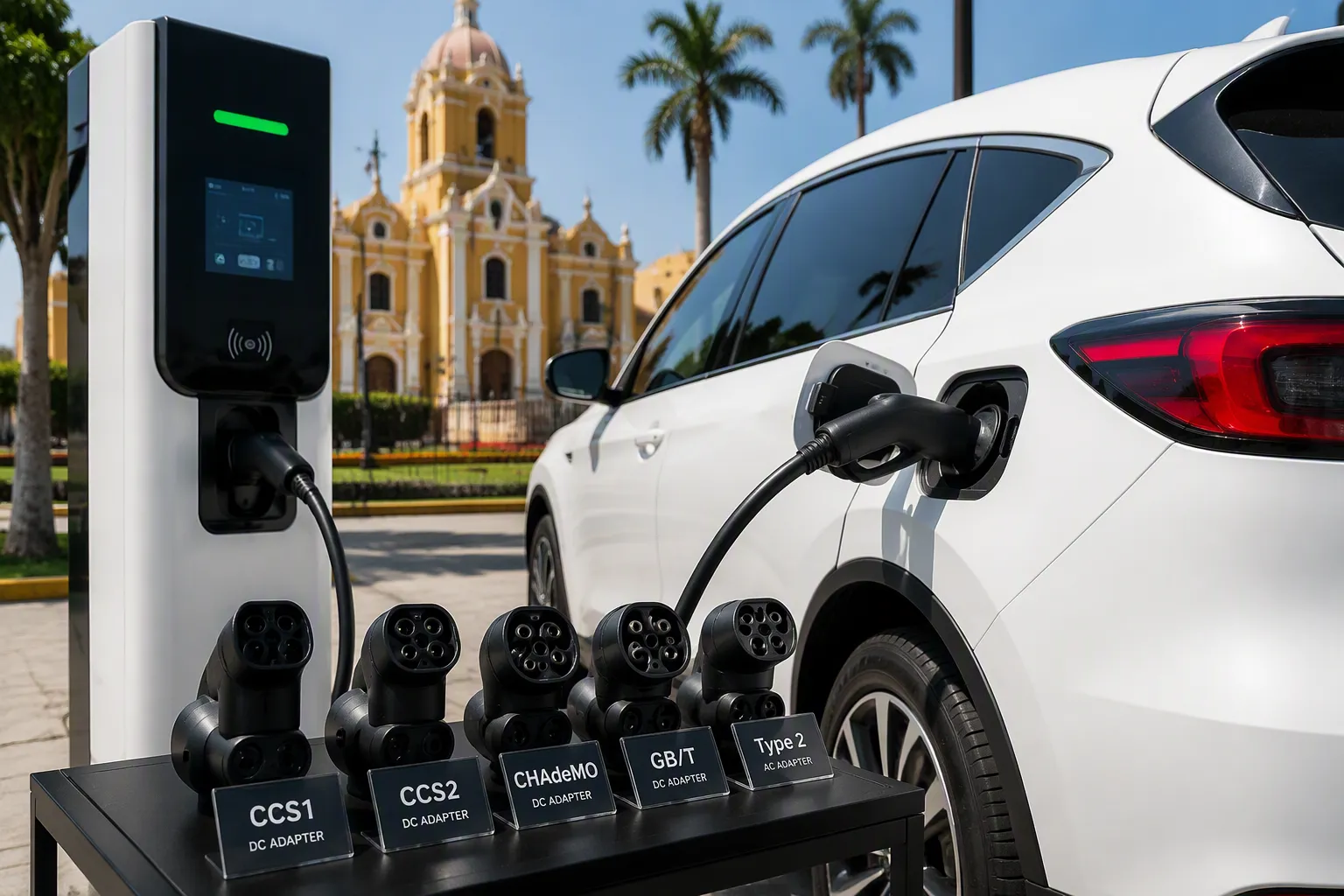
Type 2 to Type 2 Adapters
Type 2 EV charging is the standard across the UK and Europe. Type 2 to Type 2 adapters allow users to connect their portable charger to public charging points or home wall boxes. These adapters support faster charging speeds and are essential for drivers who frequently use public infrastructure.
3-Pin Plug Adapters
A 3-pin plug adapter, sometimes called a “granny charger,” enables charging from a standard UK household outlet. This option provides convenience for overnight charging at home, though charging times are longer due to lower power output. Many of the best portable EV chargers include this adapter for maximum versatility.
Commando/CEE Adapters
Commando or CEE adapters connect portable EV chargers to industrial outlets, often found at campsites or commercial locations. These adapters support higher charging speeds and are ideal for users who need faster charging away from home. However, access to these outlets may be limited.
Schuko Adapters
Schuko adapters allow charging from European-style outlets. These adapters are useful for drivers who travel across Europe and need compatibility with different charging standards. Including a Schuko adapter increases the flexibility of a portable charging solution.
A summary of common adapter types:
| Type d'adaptateur | Description |
|---|---|
| Granny Charger | Allows you to plug your EV into any standard UK plug outlet at home. |
| Chargeur de type 2 | A common standard in Europe and the UK, designed for faster and more efficient charging. |
| Industrial Plugs | Offer faster charging but are limited in where they can be used, requiring specific outlets. |
Accessories for Portable EV Chargers
Accessories enhance the usability and convenience of portable EV chargers. Buyers should consider which accessories are included in the price and which may require additional investment.
Charging Cables and Length Options
Charging cables come in various lengths, typically ranging from 5 meters to 10 meters. Longer cables provide more flexibility when parking further from a charging point. Some of the best portable EV chargers, such as those from Vorsprung, offer multiple cable length options to suit different needs.
Carrying Cases and Storage Bags
A carrying case or storage bag protects the charger and accessories during transport. These cases help keep equipment organized and prevent damage. Many portable EV chargers include a case as standard, but higher-end models may offer more robust or weatherproof options.
Cable Holders and Organizers
Cable holders and organizers prevent tangling and make storage easier. These accessories extend the lifespan of charging cables and improve the overall user experience. Some manufacturers include cable organizers with their portable EV chargers, while others sell them separately.
Tip: Investing in quality accessories can reduce long-term maintenance costs and improve the reliability of your portable charging setup.
When evaluating the true cost of a portable EV charger, buyers should account for all essential components, adapters, and accessories. This comprehensive approach ensures the best value and performance from their electric car charger investment.
What’s Usually Not Included in the True Cost
When buyers consider the price of a portable EV charger, they often overlook several items that can add to the total investment. Manufacturers typically advertise the base unit and a few essential adapters. However, many useful features and components remain optional or require separate purchases. Understanding these exclusions helps EV owners avoid unexpected expenses and make informed decisions.
Optional Upgrades for Portable EV Chargers
Manufacturers offer a range of optional upgrades that enhance the performance, safety, and convenience of portable EV chargers. These upgrades do not come standard with most models. Buyers should evaluate their needs before investing in additional features.
Common optional upgrades include:
- Smart App Integration: Some portable EV chargers support Wi-Fi or Bluetooth connectivity. This feature allows users to monitor charging sessions, schedule charging times, and access usage data through a smartphone app. Smart integration often requires a premium model or a paid upgrade.
- Caractéristiques de sécurité avancées : Upgrades such as ground fault detection, surge protection, and enhanced weatherproofing provide extra security. These features appeal to drivers who charge their EV outdoors or in challenging environments.
- Customizable Cable Lengths: Standard portable EV chargers usually include a fixed cable length. Users who need longer or shorter cables must purchase them separately. Custom cable options improve flexibility but increase the overall cost.
- High-Power Output Modules: Some brands offer modules that boost the charging speed of a portable EV charger. These modules require compatibility checks with both the charger and the EV.
- Travel and Mounting Kits: Kits may include wall mounts, heavy-duty carrying cases, or specialized adapters for international travel. These accessories add convenience for frequent travelers or those who use their portable EV charger in multiple locations.
Note: Optional upgrades can significantly increase the total cost. Buyers should compare the value of each upgrade against their actual charging habits.
Replacement Parts and Spares
Over time, components of a portable EV charger may wear out or require replacement. Most manufacturers do not include extra parts in the initial package. Planning for maintenance ensures reliable operation and extends the lifespan of the charger.
Typical replacement parts and extras include:
- Charging Cables: Frequent use can cause wear or damage to charging cables. Replacement cables come in various lengths and power ratings. Owners should select cables compatible with their portable EV charger and EV model.
- Adapters: Adapters for different outlet types may break or become lost. Keeping extra adapters on hand prevents charging interruptions, especially during travel.
- Protective Covers and Plugs: Dust caps and weatherproof covers protect connectors from dirt and moisture. Replacing these small parts maintains the safety and efficiency of portable EV chargers.
- Fuses and Circuit Boards: Some advanced portable EV chargers allow users to replace internal fuses or circuit boards. These repairs require technical knowledge and may void the warranty if not performed by authorized technicians.
The table below summarizes common optional upgrades and replacement parts:
| Objet | Fourchette de coûts typique | Objectif |
|---|---|---|
| Smart App Integration | £30 – £100 | Remote monitoring and scheduling |
| Advanced Safety Features | £20 – £80 | Enhanced protection for charger and vehicle |
| Custom Cable Lengths | £25 – £70 | Increased flexibility for charging |
| Replacement Charging Cable | £40 – £120 | Replaces worn or damaged cables |
| Spare Adapters | £15 – £50 | Ensures compatibility with various outlets |
| Protective Covers/Plugs | £5 – £20 | Maintains connector safety |
Tip: Regularly inspecting and replacing worn parts helps maintain the performance and safety of a portable EV charger.
Buyers should factor in the potential need for optional upgrades and replacement parts when calculating the true cost of portable EV chargers. This approach prevents surprises and ensures a reliable charging experience for every EV owner.
Additional and Hidden Costs of Portable EV Chargers
Shipping and Delivery Fees for Portable EV Chargers
Many buyers overlook shipping and delivery fees when calculating the total price of portable EV chargers. Retailers in the UK often provide free delivery for orders over £150. Orders below this threshold may include a shipping charge of £10. Delivery usually takes between one and three working days. These fees can affect the final cost, especially for those purchasing entry-level portable chargers or additional accessories.
- Free UK delivery on orders over £150
- £10 shipping charge for orders under £150
- Average delivery time: 1–3 working days
Note: Buyers should always check the retailer’s shipping policy before finalizing a purchase. Factoring in delivery fees ensures a more accurate estimate of the total price for a portable EV charger.
sales tax and Import Duties on Portable EV Chargers
Value Added Tax (sales tax) and import duties can significantly impact the final price of a portable EV charger. The sales tax rate depends on how the charger is sold and installed. Buyers who purchase a charger installed with solar PV systems may not pay sales tax. Those who buy a charger without solar PV typically pay a reduced sales tax rate of 5%. This distinction can make a noticeable difference in the overall cost.
| Condition | sales tax Applicable |
|---|---|
| Installed with Solar PV | No sales tax |
| Sold without Solar PV | 5% sales tax |
Import duties rarely apply to portable EV chargers purchased from UK-based retailers. However, buyers who order from international sellers may face additional charges. These fees can increase the total price and delay delivery.
Tip: Buyers should confirm the sales tax rate and ask about potential import duties before purchasing a portable EV charger.
Installation or Setup Costs (If Any)
Portable EV chargers usually do not require professional installation, which makes them attractive for many EV owners. However, some situations may involve setup costs, especially if the user wants to install a dedicated outlet or upgrade their home’s electrical system. The installation cost can vary based on several factors, including the complexity of the work, the distance from the fuse box, and the type of wall or driveway.
| Facteur | Description |
|---|---|
| Complexité de l'installation | Complex installations, such as those needing underground work, increase costs. |
| Current System | Electrical system upgrades may be necessary, adding to the installation cost. |
| Fourchette de coûts | Installation typically ranges from £800 to £1500, depending on various factors. |
| Distance from Fuse Box | Greater distance increases installation complexity and cost. |
| Wall Type and Cable Routing | Solid walls require more labor, increasing costs. |
| Améliorations électriques | Older homes may need upgrades to safely install chargers, which can add to costs. |
| Groundworks and Driveway Layout | Trenching or surface restoration for cable routing can increase total costs. |
| Charger Brand and Features | Basic models are cheaper than smart chargers with advanced features. |
| Extra Safety Equipment | Additional safety equipment may be required, slightly increasing installation costs. |
Most portable chargers only need to be plugged into an existing outlet. If a user wants a dedicated charging point, the installation cost can rise quickly. The price for a full installation ranges from £800 to £1,500, depending on the factors above. Portable EV charger owners should consider these potential expenses when planning their budget.
Callout: Portable EV chargers offer flexibility and lower setup costs, but users should still evaluate their home’s electrical system and consider any necessary upgrades.
Maintenance and Replacement Expenses for Portable EV Chargers
Portable EV chargers require regular maintenance to ensure safe and reliable operation. Owners should inspect the charger and its cables for signs of wear or damage. Dust, moisture, and debris can affect the connectors and reduce charging efficiency. Cleaning the charger with a dry cloth and storing it in a protective case helps extend its lifespan.
Replacement expenses can add to the overall cost of owning a portable EV charger. Charging cables may need replacement after frequent use. Adapters and plugs can wear out or become lost, especially during travel. Owners should budget for these expenses to avoid unexpected interruptions in their charging routine.
The table below outlines typical maintenance and replacement costs for portable EV chargers:
| Objet | Coût estimé (GBP) |
|---|---|
| Replacement Charging Cable | £40 – £120 |
| Spare Adapter | £15 – £50 |
| Protective Case | £20 – £60 |
| Connector Covers | £5 – £20 |
Tip: Regular inspection and timely replacement of worn parts can prevent charger failure and protect the EV battery.
Portable chargers do not require complex installation or servicing. Most users can perform basic maintenance themselves. However, if the charger shows signs of electrical faults, they should contact the manufacturer or a qualified technician. Attempting repairs without proper knowledge can void the warranty and increase the risk of damage.
Warranty and Support Options for Portable EV Chargers
Warranty coverage provides peace of mind for buyers of portable EV chargers. Most manufacturers offer a standard warranty period, usually ranging from one to three years. This warranty covers defects in materials and workmanship. Some brands allow owners to purchase extended warranty plans for an additional cost.
Support options vary by manufacturer. Leading brands provide customer service through phone, email, or online chat. They may also offer troubleshooting guides and video tutorials. Quick access to support can reduce downtime if the charger malfunctions.
Key points to consider when evaluating warranty and support for a portable EV charger:
- Check the length and terms of the warranty before purchase.
- Confirm what parts and repairs the warranty covers.
- Ask if the manufacturer offers extended warranty options.
- Review the process for making a warranty claim.
- Evaluate the quality of customer support based on reviews and response times.
Note: A strong warranty and responsive support team can lower the long-term cost of owning a portable EV charger. Owners should keep all purchase receipts and warranty documents for future reference.
Factors That Influence the Price of Portable EV Chargers
Brand and Manufacturer Reputation in Portable EV Chargers
Brand reputation plays a significant role in the pricing of portable EV chargers. Established brands often command higher prices due to their proven track record and customer trust. For example:
- Brands like VEVOR have built a reputation for offering cost-effective solutions and reliable quality. Their long-standing presence in the market provides buyers with extensive user feedback, making it easier to assess product reliability.
- Newer brands such as Ecogenix focus on innovation and advanced technology. These companies often introduce high-quality portable EV chargers with unique features, which can justify a higher price point.
- Consumers tend to pay more for trusted brands because they associate reputation with product longevity and safety.
A strong brand reputation not only influences the initial purchase decision but also affects long-term satisfaction and perceived value.
Power Output and Charging Speed Differences
The power output and charging speed of a portable EV charger directly impact its price. Higher power output allows for faster charging, which is especially important for drivers who need quick turnaround times. The following table illustrates the price differences based on charger type and power:
| Type de chargeur | Fourchette de prix |
|---|---|
| Portable PHEV Charger | £160 – £230 |
| Borne murale dédiée | £800 – £1,500+ |
Most portable EV chargers fall within the £100 to £350 range, depending on their charging speed and features. Chargers with higher power ratings, such as those capable of 7.4kW, typically cost more than basic models. Buyers should consider their daily driving habits and battery size when selecting a charger, as faster charging speeds can save time but increase upfront costs.
Tip: Investing in a charger with the right balance of power output and price ensures efficient charging without overspending.
Compatibility with Different EVs and Charging Standards
Compatibility with various EV models and charging standards also affects the cost of portable EV chargers. Chargers that support widely used standards, such as Type 2 in Europe, tend to be more expensive. This is because they offer the flexibility to charge different EVs quickly and efficiently. Universal compatibility often requires additional adapters and advanced circuitry, which can raise the price.
Most portable EV chargers are designed to work with all major EV brands, provided the user has the necessary adapters. This universal approach increases the overall value but may come at a premium. Portable chargers often include multiple plug options, allowing users to connect to different power outlets. This adaptability makes them a cost-effective choice for EV owners who want to avoid the high upfront costs of dedicated home charging stations. These chargers can be plugged into standard power sources, making battery replenishment convenient and efficient.
Note: Choosing a charger with broad compatibility ensures future-proofing as new EV models and charging standards emerge.
Safety Features and Certifications for Portable EV Chargers
Safety remains a top priority for portable EV chargers in the UK. Manufacturers must comply with strict standards to ensure user protection and product reliability. The following table outlines the essential safety features and certifications that reputable chargers include:
| Safety Feature/Certification | Description |
|---|---|
| CE and UKCA Markings | Legal conformity marks for safety, EMC, and RoHS compliance. |
| Certification TÜV | Independent test marks from accredited laboratories. |
| IP67 Rating | Étanche à la poussière et protégé contre une immersion temporaire dans l'eau. |
| Protection contre les surtensions | Shields against electrical transients. |
| Protection contre les surintensités | Prevents excessive current flow. |
| Protection contre les sous-tensions | Stops operation at unsafe supply levels. |
| Protection de mise à la terre | Ensures safe fault paths and earth continuity. |
| Protection thermique | Monitors and prevents overheating. |
| Connector Safety | Robust housing and secure locking mechanisms. |
| Cable Construction | Focuses on conductor size, insulation, and strain relief. |
| Control and Communication Safety | Maintains integrity of control signals. |
| Real-world Durability | Evaluates weather resistance and cable lifespan. |
| Documented Testing | Confirms compliance through certification documentation. |
Tip: Buyers should always check for these certifications and features before purchasing a portable EV charger. These safeguards help prevent electrical hazards and ensure long-term reliability.
Build Quality and Durability of Portable EV Chargers
Build quality directly impacts both the price and the lifespan of a portable EV charger. High-quality chargers use premium materials and robust construction to withstand daily use and harsh environments.
- Chargers with inadequate thermal protection may overheat, reducing their operational life.
- Flimsy connectors often lead to unreliable charging and frequent replacements.
- Premium charging cables feature reinforced connectors and thicker jackets, which resist wear from coiling and outdoor exposure.
- Le VEVOR Portable EV Charger, for example, uses a TPE flame-retardant protective jacket and boasts an IP66 waterproof and dustproof rating. This design ensures durability in various weather conditions.
Investing in a well-built charger reduces the need for replacements and maintenance. Reliable construction also supports consistent performance, even after years of use.
Note: A durable charger not only saves money over time but also provides peace of mind during travel or outdoor charging.
Smart Features and Connectivity in Portable EV Chargers
Modern portable EV chargers often include smart features that enhance convenience and efficiency. These features can influence the price but offer significant value for tech-savvy users.
| Fonctionnalité | Description |
|---|---|
| Configuration flexible de l'alimentation | Users can select from 20kW, 30kW, or 40kW modules to match their needs. |
| Interface utilisateur | Large, high-brightness color touch screens simplify operation. |
| Méthodes de connexion | Ethernet and optional 4G connectivity enable remote monitoring and control. |
| Réduction des coûts d'exploitation | Energy-efficient designs lower long-term expenses. |
Smart chargers allow users to monitor charging sessions, adjust power settings, and access real-time data. Reliable connectivity ensures that users can manage their charging remotely, which is especially useful for fleet operators or frequent travelers.
Callout: Smart features add convenience and future-proof a portable EV charger, making them a worthwhile investment for many EV owners.
Portable EV Charger vs. Home EV Charger: Cost and Value Comparison
Upfront Cost Comparison: Portable EV Charger vs. Home EV Charger
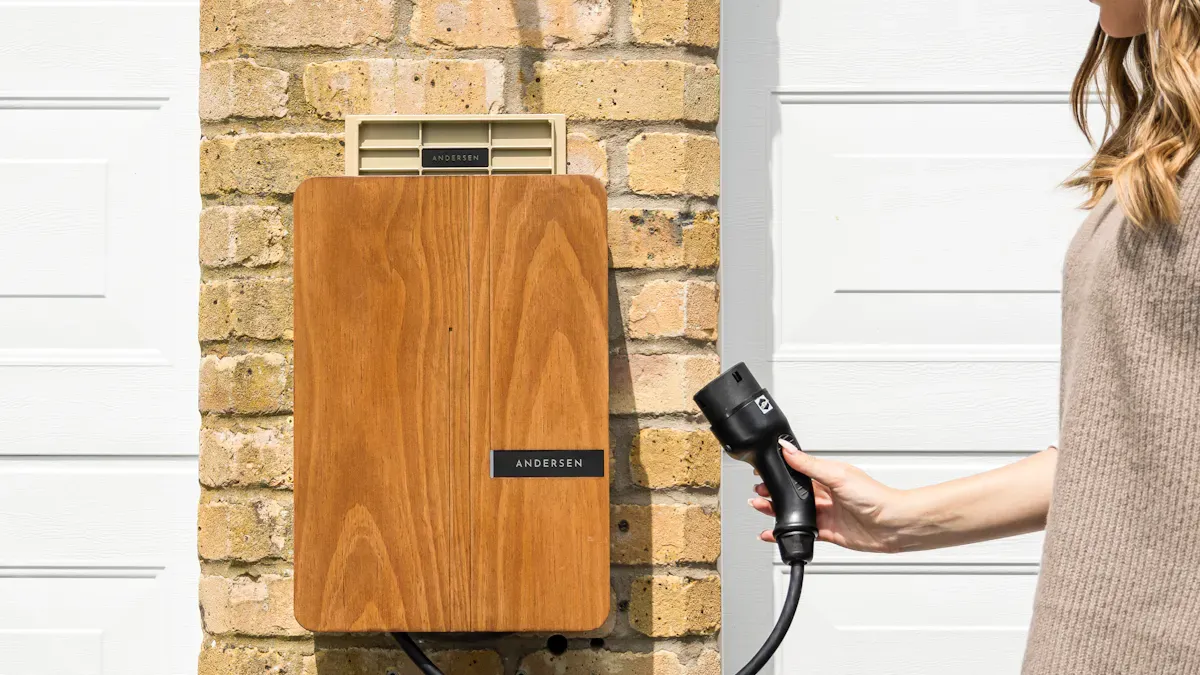
When evaluating the true cost of charging solutions, buyers often compare the initial investment for a portable EV charger with a dedicated home EV charger. Portable EV chargers typically range from £100 to £350. This price includes the charger unit and basic adapters, making them accessible for most EV owners. In contrast, the upfront cost for a home wall charger is significantly higher. The average home EV charger installation costs around £1,000, which covers the wall charger, wiring, and electrician fees. Many drivers consider this a substantial investment, especially when factoring in the price of the best home EV chargers.
- Portable EV chargers: £100–£350
- Home wall charger (including installation): ~£1,000
The lower entry price of portable chargers appeals to those seeking flexibility and convenience without a major financial commitment. However, a dedicated home EV charger offers long-term value for frequent charging at home.
Installation Requirements for Portable EV Chargers and Home EV Chargers
Installation requirements differ greatly between portable EV chargers and home wall charger systems. Portable chargers offer a plug-and-play experience. Owners simply connect the charger to a standard outlet, making setup quick and easy. No specialized skills or tools are necessary, which enhances convenience for users in various living situations.
A home wall charger requires professional installation. A qualified electrician must complete the process to meet safety regulations. The property must also have sufficient electrical capacity, typically around 7 kW, to support the charger. Home EV charger installation cannot be performed as a DIY project. This requirement adds to the overall cost and complexity.
- Portable EV chargers: Plug-and-play, no professional installation needed
- Home wall charger: Requires a qualified electrician and property assessment
Home EV charger installation suits homeowners who want a permanent, high-speed charging solution. Portable chargers remain ideal for those who value convenience and do not wish to alter their property.
Flexibility and Portability of Portable EV Chargers
Flexibility and portability set portable EV chargers apart from fixed home wall charger systems. Portable chargers can be used anywhere with an accessible power outlet. This versatility benefits EV owners who travel, live in flats, or rent properties where installing a dedicated home EV charger is not possible. Many portable chargers are lightweight and easy to transport, providing convenience for charging at home, work, or on the road.
Home wall charger units are fixed in place and cannot be moved. They deliver faster charging speeds, making them suitable for daily use and overnight charging. The best home EV chargers provide reliable performance for those who park in the same location each night.
The table below summarizes the main differences:
| Fonctionnalité | Chargeurs portables pour VE | Accueil Chargeurs de VE |
|---|---|---|
| Flexibilité | Can charge anywhere with an accessible outlet | Fixed location, not portable |
| Portabilité | Highly portable, ideal for travel | Not portable, fixed installation |
| Vitesse de chargement | Generally slower than home chargers | Typically faster charging speeds |
| Installation | Easy plug-and-play installation | Nécessite une installation professionnelle |
| Cas d'utilisation idéal | Travel and emergencies | Daily use and overnight charging |
Portable EV chargers provide unmatched convenience for users who need to charge in multiple locations. Home wall charger systems offer the best home EV charger experience for those who prioritize speed and reliability at a single site.
Charging Speed and Convenience: Portable vs. Home EV Charger
Charging speed and convenience represent two critical factors for electric vehicle owners when comparing portable chargers to a home ev charger. Portable EV chargers typically deliver a maximum output of 2,3 kW. This lower power means that charging a 60kW battery may take 24 hours or more. Home EV chargers, designed for regular high-energy charging, provide much faster and more consistent charging times. Most home units operate at 7kW or higher, allowing drivers to fully charge their vehicles overnight.
The following table highlights the differences in charging speed and convenience:
| Type de chargeur | Vitesse de chargement | Commodité |
|---|---|---|
| Chargeur portable pour VE | Up to 2.3kW | Can be used anywhere, but may take 24 hours or more to charge a 60kW battery. |
| Chargeur domestique pour VE | 7kW or more | Designed for regular high energy charging, providing faster and more consistent charging times. |
Portable chargers offer flexibility. Drivers can use them at home, work, or while traveling. However, the slower charging speed often requires planning and patience. Home ev chargers provide a reliable solution for daily charging needs. They enable quick turnaround and minimize downtime.
- Portable chargers typically have a maximum output of 2.3kW, leading to significantly longer charging times.
- Home wall chargeres can charge at 7.4kW, making them nearly three times faster than portable chargers.
Tip: Drivers who rely on their EV for daily commuting benefit from the speed and convenience of a home ev charger.
Long-Term Value for Money: Portable EV Charger vs. Home EV Charger
Long-term value for money depends on charging speed, efficiency, and ongoing costs. Portable EV chargers usually cost less upfront. They serve as a practical backup when dedicated charging stations are unavailable. However, their slower charging rate and inability to access specialized EV charging tariffs can lead to higher costs over time.
A home ev charger, despite its higher initial investment, offers superior efficiency. Owners can take advantage of non-peak tariffs, reducing electricity expenses. Faster charging also means less time waiting for the vehicle to be ready. Over months and years, these advantages translate into significant savings and improved convenience.
Portable chargers require several hours to deliver a sufficient charge. They suit occasional use or emergency situations. Home ev chargers, built for regular high-energy use, provide quicker and more reliable charging. For consistent use, a home ev charger stands out as the more cost-effective and practical option.
Note: Investing in a home ev charger ensures better efficiency, faster charging, and lower long-term costs for most EV owners.
How to Choose the Right Portable EV Charger and Accessories
Selecting the right portable EV charger and accessories requires careful evaluation of compatibility, charging needs, safety, and after-sales support. Buyers must consider both immediate requirements and future-proofing to maximize their investment and ensure reliable charging for their EV.
Checklist for Portable EV Charger Buyers
A structured checklist helps buyers identify the most suitable portable EV charger for their vehicle and lifestyle. The following points guide the selection process:
Compatibility with Your EV Model
Buyers must verify that the portable EV charger matches their vehicle’s connector type and charging standard. Most EVs in the UK use Type 2 connectors, but some models require specific adapters. Compatibility ensures seamless charging and prevents costly mistakes.
- Confirm the connector type for your EV.
- Check if the charger supports your vehicle’s charging protocol.
- Review manufacturer specifications for compatibility.
Required Adapters and Accessories for Your Needs
Portable EV chargers often require additional adapters to connect to various outlets. Buyers should assess their typical charging locations and select accessories that match their routine.
- Identify the types of outlets available at home, work, or travel destinations.
- Choose adapters for 3-pin plugs, Type 2, Commando, or Schuko outlets.
- Consider storage solutions, wall-mount brackets, and cable organizers for convenience.
Power Rating and Charging Requirements
Charging speed depends on the power rating of the portable EV charger. Buyers must match the charger’s output to their EV’s battery size and daily usage.
- Evaluate charging speed options based on your driving habits.
- Select a charger with adjustable current settings for flexibility.
- Ensure your home’s electrical circuits can handle the charger’s power output.
Tip: Higher kW ratings provide faster charging, but buyers must confirm their electrical system supports the increased load.
Safety and Certification Checks for Portable EV Chargers
Safety remains a priority when choosing a portable EV charger. Buyers should look for certifications and features that protect both the charger and the vehicle.
- Seek chargers with CE marking and relevant safety certifications.
- Review weather protection ratings, ideally IP65 or higher.
- Inspect for surge protection, overcurrent safeguards, and durable materials.
Remarque : Avoid uncertified chargers to prevent safety hazards and ensure compliance with UK regulations.
Warranty and After-Sales Support for Portable EV Chargers
Warranty coverage and customer support influence the long-term value of a portable EV charger. Buyers should review the terms and support channels before making a purchase.
- Check the length and scope of the warranty.
- Confirm what parts and repairs the warranty covers.
- Evaluate the manufacturer’s customer service reputation.
A comprehensive checklist ensures buyers select a portable EV charger that meets their needs, fits their budget, and provides reliable charging for their EV.
Tips for Saving Money on Portable EV Chargers
Smart purchasing decisions help buyers stay within budget while securing a quality portable EV charger. The following tips highlight ways to reduce costs and avoid unnecessary expenses.
Bundle Deals and Package Offers
Many retailers offer bundle deals that include the portable EV charger, essential adapters, and accessories. These packages often cost less than buying each item separately.
- Look for bundle offers that match your charging requirements.
- Compare package contents to ensure all necessary adapters are included.
- Assess the value of bundled accessories, such as storage bags or cable holders.
Callout: Bundle deals simplify the buying process and provide better value for money.
Where to Buy Portable EV Chargers for the Best Price
Buyers can find competitive prices for portable EV chargers by shopping at reputable retailers and comparing options.
- Research online marketplaces, specialist EV stores, and manufacturer websites.
- Check for seasonal promotions, clearance sales, or loyalty discounts.
- Review shipping policies and installation support to avoid hidden fees.
Tip: Buying from trusted sources ensures warranty coverage and access to after-sales support.
Avoiding Unnecessary Extras and Add-Ons
Buyers should focus on essential features and avoid paying for unnecessary extras. Not every accessory or upgrade adds value to the charging experience.
- Assess your charging speed needs and select a charger that matches your routine.
- Verify cable length suitability for your vehicle’s charging port location.
- Choose a charger with adequate weather protection and safety certifications.
- Avoid cheap, uncertified chargers that may compromise safety.
A disciplined approach to purchasing portable EV chargers helps buyers maximize their budget and secure reliable charging for their EV.
Who Should Consider a Portable EV Charger?
Ideal User Profiles for Portable EV Chargers
Les chargeurs de VE portables serve a wide range of users in the UK. Domestic users often rely on these chargers for everyday charging needs. They benefit from a 3kW charge speed, which suits most household routines. Commercial businesses use portable ev chargers to power multiple vehicles at various locations. This flexibility allows companies to maintain their fleet without installing permanent infrastructure. Event organizers depend on portable ev chargers to supply power at festivals, concerts, and corporate gatherings. These chargers ensure that every vehicle receives reliable energy, even in temporary settings. Military operations require portable ev chargers for mobility and efficiency. Rapid charging supports vehicles in demanding environments where fixed stations are unavailable.
| User Profile | Description |
|---|---|
| Domestic Users | Ideal for household use with a 3kW charge speed, suitable for everyday charging needs. |
| Commercial Businesses | Portable chargers for charging EVs at various locations, offering fast charging capabilities. |
| Event Organizers | Perfect for festivals, concerts, and corporate events, ensuring reliable power supply. |
| Military Operations | Designed for mobility and efficiency in demanding environments, providing rapid charging. |
When a Portable EV Charger Makes Sense
Portable ev chargers make sense for individuals who need flexibility. He may live in a flat or rent a property where installing a permanent charger is not possible. She may travel frequently and require a charging solution for her vehicle at different destinations. They may own more than one vehicle and want to charge each one without investing in multiple fixed stations. Portable ev chargers also suit those who attend events or work in locations with limited access to charging infrastructure. These chargers provide a backup option during emergencies, such as power outages or unexpected travel. Drivers who value convenience and adaptability often choose portable ev chargers to meet their electric vehicle charging needs.
Tip: Portable ev chargers offer a practical solution for anyone who needs to charge a vehicle in multiple locations or unpredictable situations.
When a Home EV Charger Is a Better Choice
A home ev charger becomes the preferred option for users with stable routines. He may own a house with a driveway and park his vehicle in the same spot every night. She may drive long distances daily and require faster charging speeds to keep her vehicle ready. They may want to take advantage of non-peak electricity tariffs and reduce long-term costs. Home ev chargers deliver higher power output, which shortens charging times for larger vehicle batteries. These chargers suit families with multiple electric vehicles, as they provide consistent energy and support regular use. Home ev chargers also appeal to those who prioritize convenience and efficiency over portability.
Note: Home ev chargers provide the best value for users who charge their vehicle at home every day and need reliable, high-speed charging.
The true cost of a portable EV charger in the UK includes the charger unit, adapters, and accessories. Buyers should consider compatibility, charging speed, and warranty before making a decision. Portable ev chargers suit drivers who need flexibility and travel often. Homeowners with stable routines may prefer a fixed charger. Each portable ev charger offers unique value based on features and support. EV owners maximize value by matching their needs to the right charging solution.
Portable ev chargers deliver practical value for drivers seeking convenience and adaptability.
- Portable ev chargers provide reliable charging for EVs in various situations.
- Choosing the right portable ev charger ensures long-term value and peace of mind.
FAQ
What is a portable EV charger?
A portable EV charger is a compact device that allows drivers to charge electric vehicles using standard power outlets. It provides flexibility for charging at home, work, or while traveling. Most models support multiple connector types and offer adjustable charging speeds.
Les chargeurs portables de VE peuvent-ils être utilisés en toute sécurité à l'extérieur ?
Manufacturers design most portable EV chargers with weather-resistant casings and safety features. Users should check the IP rating and follow the manufacturer’s guidelines for outdoor use. Proper storage and regular inspection help maintain safety and performance.
Combien de temps faut-il pour recharger un véhicule électrique avec un chargeur portable ?
Charging time depends on the charger’s power output and the vehicle’s battery size. A 7.4kW charger can fully charge a 40kWh battery in about 5.5 hours. Lower-powered chargers require more time to reach a full charge.
Les chargeurs portables pour VE fonctionnent-ils avec tous les véhicules électriques ?
Most portable EV chargers support common connector types, such as Type 2. Drivers should verify compatibility with their vehicle’s charging port and check if additional adapters are needed. Some older or rare models may require special adapters.
What accessories should come with a portable EV charger?
Essential accessories include charging cables, a carrying case, and adapters for different outlet types. Some packages also provide cable organizers or wall mounts. Buyers should review the product listing to confirm included items.
Can portable EV chargers be used as a permanent charging solution?
Portable EV chargers offer flexibility but may not match the speed or convenience of a dedicated home charger. They work well for occasional or backup charging. Homeowners who need daily fast charging may prefer a fixed wall charger.
How should users maintain their portable EV charger?
Users should inspect cables and connectors for wear, clean the charger with a dry cloth, and store it in a protective case. Regular maintenance extends the charger’s lifespan and ensures reliable operation.
Tip: Always follow the manufacturer’s instructions for care and maintenance to avoid voiding the warranty.
Are portable EV chargers worth the investment?
Portable EV chargers provide value for drivers who need flexibility or travel often. They serve as a reliable backup when public charging stations are unavailable. For many, the convenience and adaptability justify the investment.